Seed Packets Only
-
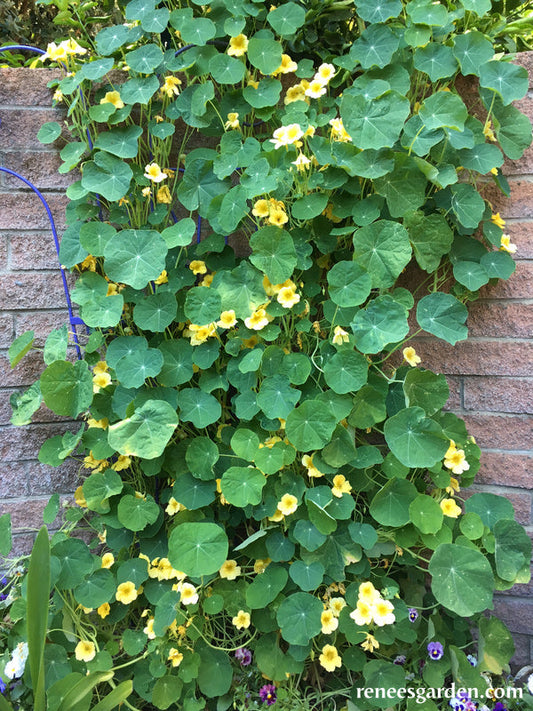
Climbing Nasturtiums Moonlight
ANNUAL VINE
Spring/summer/fall bloom
Frost tenderEASY TO START OUTDOORS
Sow seeds in spring once all danger of frost is over in full sun (or part shade in hot climates). Nasturtiums need no added fertilizer in most soils. Poke seeds into well-worked soil about 1 inch deep and 3 to 4 inches apart. Press soil firmly over the seeds and keep moist. When seedlings are large enough to handle, thin 10 inches apart so plants will have ample room to grow.
TO START EARLY INDOORS
Sow 2 seeds each in individual 4-inch pots of well-drained seed starting mix 3 weeks before last expected frost date. Cover 1 inch deep. Provide a strong light source. When seedlings have several sets of leaves, pinch out the weaker seedling leaving 1 per pot. After outdoor temperatures are evenly above 50°F (10°C) gradually acclimate to outdoor conditions. Transplant seedlings into the garden 10 to 12 inches apart in full sun.
GROWING NOTES
Climbing nasturtiums are very reliable and easy to grow in any well-drained soil. Help them to twine up their supports, then they’ll climb easily and bloom nonstop. Do not let plants dry out during blooming season. You can also plant Moonlight to tumble along the ground.
Regular price $3.99Sale price $3.99Unit price per -
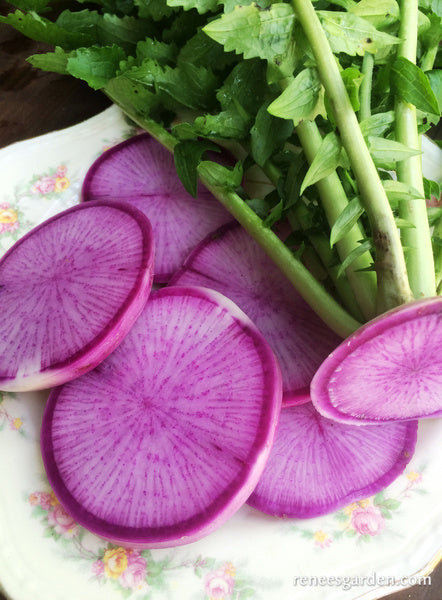
Daikon Radish Mini Purple
START SEEDS OUTDOORS
In early spring as soon as ground can be worked, sow daikon radish seeds in a sunny spot with well-drained soil. Space seeds 2-3 inches apart in rows 6 inches apart. Cover 1/2 inch deep. Keep soil evenly moist and well weeded. If first sowing comes up unevenly, replant right away. Sow again in mid summer for a fall crop.
GROWING NOTES
For crispy flesh and mild flavor, give daikon radishes consistent moisture. When they are several inches tall, carefully thin seedlings to 3-4 inches apart, so the roots have room to size up and mature. Enjoy early thinnings in salads. Protect radishes with floating row covers if marauding birds or flea beetles that chew holes in the leaves are a problem.
HARVEST AND USE
If weather turns unexpectedly hot, pull, cut off tops and store the roots in the refrigerator where they keep very well. Daikon radish flavor is spicier in hot weather and milder in cool conditions. Slice and eat fresh, add to salads, shred for coleslaw or enjoy in stirfries, soups, and stews. Flavor is milder when cooked. Mini Purple daikon are delicious pickled in rice vinegar and will make a crunchy, colorful kimchee!
Regular price $4.69Sale price $4.69Unit price per -
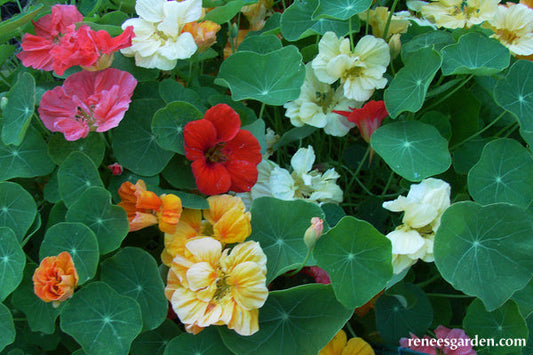
Rainbow Nasturtiums Whirlybird Mix
ANNUAL
Spring/summer/fall bloom
Frost tenderEASY TO START OUTDOORS
Sow seeds in spring once all danger of frost is over in full sun (or part shade in hot climates). Nasturtiums need no added fertilizer in most soils. Poke seeds into well-worked soil about 1 inch deep and 3 to 4 inches apart. Press soil firmly over the seeds and keep moist. When seedlings are large enough to handle, thin to 10 inches apart as mounding plants need ample room to grow.
TO START EARLY INDOORS
Sow 2 seeds each in individual 4-inch pots of well-drained seed starting mix 3 weeks before last expected frost date. Cover 1 inch deep. Provide a strong light source. When seedlings have several sets of leaves, pinch out the weaker seedling, leaving 1 per pot. When night temps are above 50°F (10°C) gradually acclimate to outdoor conditions. Transplant seedlings into the garden 10 inches apart in full sun.
GROWING NOTES
These mounding nasturtiums are reliable and easy to tuck into any well-drained spot. They are a perfect disguise to cover fading bulb foliage in late spring. Their softly draping leaves and wonderfully colored flowers will quickly fill garden beds or containers. Nasturtium leaves and edible flowers add zest to salads and sandwiches.
Regular price $3.99Sale price $3.99Unit price per -
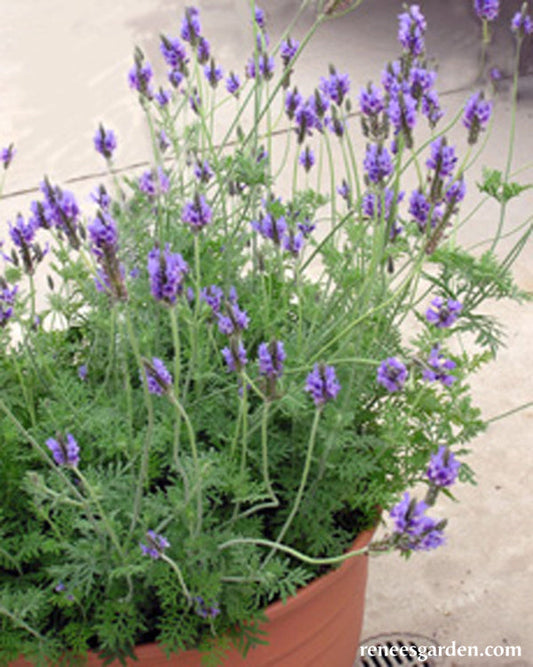
Butterfly Herbs Fernleaf Lavender
PERENNIAL
Spring/summer bloom
Hardy to zone 8BEST TO PLANT INDOORS
In early spring, sow lavender seeds 1 inch apart in a container of seed starting mix. Cover very lightly and keep at 60 to 70°F (16-21°C). Keep evenly moist but not soggy until seedlings slowly emerge over 14 days, providing a good light source. When seedlings have several sets of leaves, transplant 2 inches apart into deeper containers. Plant outside in a well-drained sunny spot when plants are 2 to 3 inches tall after gradually acclimating to outdoor conditions.
THIN OR TRANSPLANT
Space 18 inches apart when seedlings are well established.
GROWING NOTES
Because perennial lavender’s small seeds germinate slowly and unevenly, we strongly recommend starting them indoors so you can tend them carefully. After seedlings are well established, plant them out in a sunny spot with excellent drainage and good air circulation or in big, well-drained pots. Plants flower lightly the first season and come into full bloom in their second summer.
After blooming season, prune and shape the plants while cutting off spent flower stalks. These sturdy plants will take more humidity than other lavenders. Fernleaf plants are beacons for butterflies all summer long.
Regular price $3.99Sale price $3.99Unit price per -
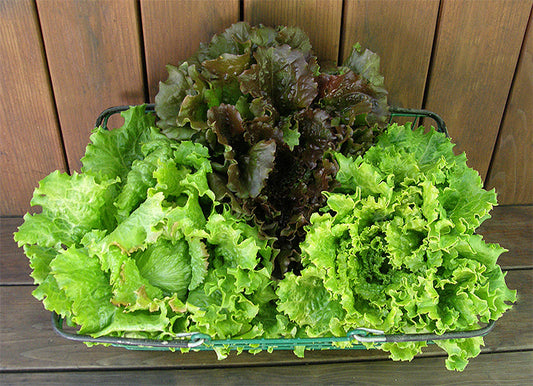
Crunchy Lettuce Trio Blush Batavians
START SEEDS OUTDOORS
In cool, early spring weather, start seeds in finely worked soil in full sun. Sow seeds 1/4 inch deep and 1 inch apart in rows 6 to 8 inches apart or broadcast thinly in beds and cover lightly. Tend carefully and keep evenly moist. Gradually thin seedlings to stand 10 to 12 inches apart to allow heads room to mature. Make several sowings a few weeks apart until summer weather turns hot for a constantly maturing supply. Plant again in late summer for fall harvesting.
GROWING NOTES
Lettuce thrives best in cool conditions with consistent moisture. Weed, water and thin carefully for best quality heads. If birds are attracted to young seedlings, cover them with floating row covers or netting.
HARVEST AND USE
Savor earliest thinnings in spring salads. Then harvest by cutting entire mature heads or picking outside leaves after plants are well established. To extend planting into hotter weather, sow new seeds in containers in light shade. Transplant seedlings into the garden, shading for a few days and harvest heads while still young. Tasty French Batavian lettuces form heavy rosettes of big crunchy leaves that tolerate both hot and cold weather well. Enjoy them with any kind of dressing from a simple vinaigrette to a rich, creamy Gorgonzola. Their crispy texture is also perfect in sandwiches or tacos.
Regular price $3.39Sale price $3.39Unit price per -
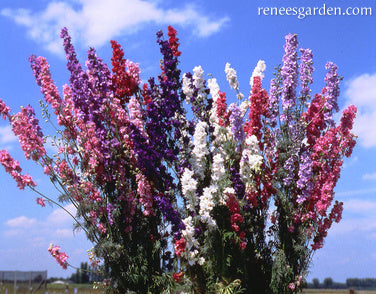
Heirloom Imperial Larkspur French Alouette
HARDY ANNUAL
Spring/summer bloom
Frost hardyBEST TO PLANT DIRECTLY IN THE GARDEN
In mild winter climates, sow seeds in late fall to germinate and form deep roots over the winter for a long spring bloom.
In cold winter areas, sow seed as early in spring as soil can be worked as larkspur can handle frosts and blooms best when started in cool spring weather. Sow seeds 1 inch apart in well-drained soil in full sun. Cover 1/2 inch deep, firm soil and keep moist. Be patient; germination takes 14 to 21 days. After seedlings are well established, about 2 or 3 inches tall, thin to 8 inches apart to allow for good air circulation and discourage disease. Keep plants well watered and weeded for best performance.
GROWING NOTES
Sow seed early when weather is still cool to get sturdy plants that will provide many weeks of bloom. Cut flowering stalks before individual florets begin to drop for graceful indoor bouquets, or air-dry indoors for everlasting arrangements. Larkspur will continue to bloom well into summer if faded flowers are removed.
Regular price $2.99Sale price $2.99Unit price per -
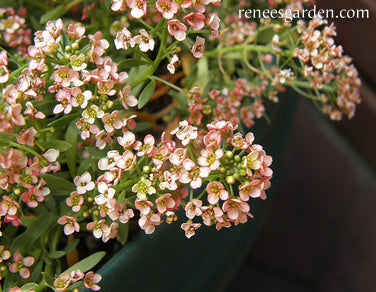
Honey-Scented Alyssum Summer Peaches
HARDY ANNUAL
Spring/summer bloom
Can handle frostEASIEST TO PLANT DIRECTLY IN THE GARDEN
Plant in early spring in well worked soil in a sunny spot. Sow 1/2 inch apart and barely cover. Keep evenly moist while awaiting germination. Seedlings will create a carpet of fine textured leaves, followed by a blanket of soft, airy flowers.
TO START EARLY INDOORS
Sow indoors 3 to 4 weeks before last frost in a large seed flat. Broadcast seeds 1/2 to 1 inch apart. To transplant, separate clusters of 4 to 5 seedlings and plant each cluster several inches apart.
GROWING NOTES
Given ordinary garden soil and even moisture, Summer Peaches grows easily and blooms profusely just 6 to 8 weeks from sowing. Plants stay compact and don’t get rangy. After the first flush of intense flowering is over, cut plants back halfway to re-bloom abundantly. In mild winter areas, sow Summer Peaches alyssum in the fall around bulbs, in containers or to cover bare areas. Plants overwinter to bloom all spring in a pretty carpet of pastel shades.Regular price $3.99Sale price $3.99Unit price per -
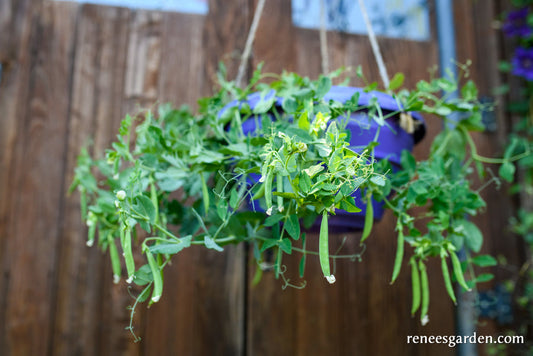
Hanging Basket Snap Peas Snack Hero
START SEEDS OUTDOORS
In early to mid-spring, plant peas in full sun in well-worked, fertile soil. Sow 1 inch deep and 3 inches apart. Protect from marauding birds with netting or floating row covers if necessary. Wet, cold early spring weather may affect germination, so if first sowing doesn’t germinate evenly, replant right away: new seedlings catch up quickly. Sow again for a fall crop, several months before fall frosts.
CONTAINERS, BASKETS AND WINDOW BOXES
Plant in containers at least 15-18 inches in diameter and 7-10 inches deep. When seedlings are 2-3 inches long, thin to 3 inches apart, so each little vine has growing room. Mulch to conserve moisture. Feed with all-purpose fertilizer every 2-3 weeks. If it gets hot, check and water containers daily; otherwise, water when the top inch of soil is dry. Water at base of the plants to avoid mildew.
HARVEST AND USE
Harvest only when peas are mature and rounded in the thick-walled, juicy pods for the best developed flavor. Savor their sweet crunch fresh (kids especially love them!) as a snack or slice into salads. To cook quickly, pull strings from pods and sauté in a little oil just until pods turn a deeper green color.
Regular price $3.69Sale price $3.69Unit price per -
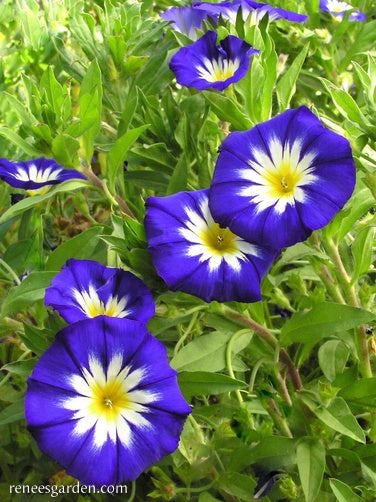
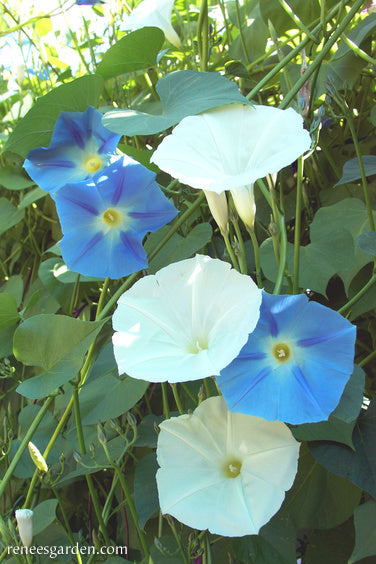
Bush Morning Glory Heirloom Blue Ensign
ANNUAL
Summer/fall bloom
Frost tenderTO PLANT OUTDOORS
Sow seeds 2 inches apart in a well-worked garden bed in full sun once danger of spring frost is past. Cover with 1/2 inch of fine soil and keep seed bed moist while awaiting germination. Keep seedlings well weeded and watered.
TO START EARLY INDOORS
Sow seeds 2 inches apart in a container of seed starting mix, 4 to 6 weeks before last expected frost. Cover 1/2 inch deep, keep moist and provide a good light source until seedlings are ready to plant outside. Transplant once weather warms up after gradually acclimating seedlings to outdoor conditions.
THIN OR TRANSPLANT
Space seedlings 6 to 8 inches apart when seedlings are large enough to handle.
GROWING NOTES
Royal Blue Ensign morning glories’ low bush plant habit is convenient and versatile. Grow them in beds or borders, or showcase their glowing color in planters where the striking deep blue will set off the warm yellows and oranges of Ladybird cosmos, dwarf marigolds, or zinnias. If plants get rangy in midsummer, trim them back halfway for another long flush of bloom.
Regular price $3.39Sale price $3.39Unit price per -
Heirloom Herbs English Watercress
BIENNIAL/GROWN AS ANNUAL
Spring/fall harvest
Can handle some frostSTARTING SEEDLINGS
Watercress is a cool weather crop. Make successive sowings several weeks apart to have a constant supply, starting in early spring. Plant watercress in a pot of seed starting mix and keep in a cool spot. Sow seeds one inch apart, do not cover with mix, but keep thoroughly moist. Germination should occur in about a week. Late summer-sown watercress will last well into cold weather.
THIN OR TRANSPLANT
Space seedlings 2 to 3 inches apart when they are large enough to handle.
GROWING NOTES
Set out seedlings next to a source of clean, fresh flowing water or water them daily. Watercress grown in pots can be set in saucers of water, which must be changed regularly to imitate a moving stream. Or, set your seeded pot right under an often-used hose bib to benefit from stray sprinkles and drips. Snip back growing shoots to make plants branch from the base and harvest tender tips as needed. As flowers begin to bud up, leaves get smaller and their taste gets bitter, so pull and pick from younger plants.Regular price $3.39Sale price $3.39Unit price per -
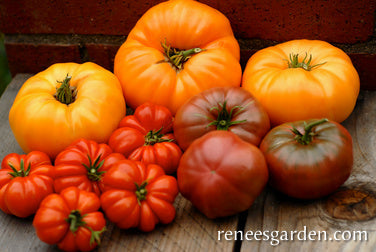
Heirloom Tomatoes Summer Feast
STARTING SEEDLINGS
In early spring, start indoors about 6 to 8 weeks before outdoor night temperatures are reliably in the 50-55°F (10-13°C). Sow seeds 1/4 inch deep and 1 inch apart in a container of seed starting mix. Keep moist but not soggy, and very warm, 80°F(27°C). Provide a strong light source until seedlings are ready to plant outside. When seedlings are 2 inches tall, transplant into individual 4 inch pots. Maintain at 70°F (21°C). Feed with half-strength fertilizer every 2 weeks until ready to plant. When nights reach 55°F(13°C), gradually acclimate to outdoor conditions. Plant these vigorous indeterminate climbers 3 feet apart into rich soil in full sun.
GROWING NOTES
Prepare soil well with aged manure or compost. Plant several inches deeper than seedlings were growing in containers. Provide strong stakes or tall wire cages at planting time. Mulch to provide even moisture retention; don't overwater once fruit begins to ripen.
HARVEST AND USE
Pick these tempting old fashioned tomatoes fully ripe and eat promptly as they don't hold well after harvest. For a summer feast, show off their delicious flavors and gorgeous colors by slicing all three onto a big platter to surround with sprigs of fresh basil and top with a sprinkle of fruity olive oil.
Regular price $3.99Sale price $3.99Unit price per -
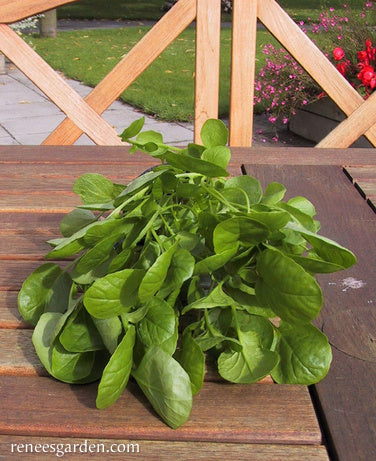
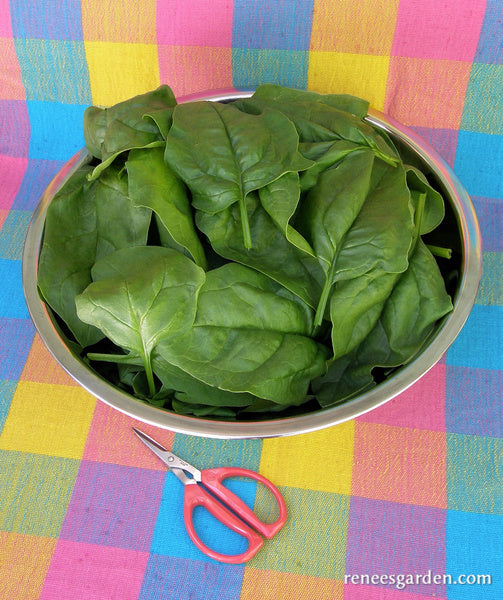
Long-Standing Spinach Summer Perfection
TO START OUTDOORS
In early spring when danger of hard frost is over, sow seeds in well-worked fertile soil in full sun. Sow seeds 1 inch apart and 1/2 inch deep in rows 10 inches apart, or broadcast thinly for bed planting. Be sure to firm soil well over seeds to ensure good germination. If first sowing germinates unevenly, plant more seeds as they will catch up fast.
GROWING NOTES
Spinach is most productive grown in cool spring conditions and sown again in late summer for a fall crop. After seedlings reach 2 to 3 inches tall, thin out every other plant (and enjoy in early salads) and keep thinning in this fashion until plants are spaced 5 or 6 inches apart. Keep the shallow rooted plants well weeded and watered. Spinach is a heavy feeder so fertilize several times with fish emulsion solution for best harvests.
HARVEST AND USE
There are two methods for harvesting spinach: either cut the entire plant 1 inch or so above the base once plants are 4 or 5 inches tall, or wait until plants are well established and harvest just the outer leaves, leaving at least 4 center leaves so plant will continue to grow. Water and fertilize after cutting and plants will provide 2 or 3 pickings before weather gets too warm and spinach begins to go to seed.
Regular price $3.39Sale price $3.39Unit price per -
Heirloom Morning Glory Mailbox Mix
ANNUAL VINE
Summer/fall bloom
Frost tenderTO START OUTDOORS
In late spring, once weather is warm and settled and nights stay above 55°F (13°C), plant seeds in a sunny spot in ordinary garden soil 2 to 3 inches apart and 1/2 inch deep. Firm soil over seeds. When seedlings are several inches tall, thin to 6 to 8 inches apart.
TO START EARLY INDOORS
Sow indoors 4 or 5 weeks before last expected frost in individual pots of seed starting mix. Cover 1/2 inch deep and keep warm and moist. Provide a strong light source until seedlings are ready to plant outdoors. Plant out only when nights reach 55°F (13°C). Transplant seedlings 6 to 8 inches apart, taking care to avoid disturbing roots as much as possible.
GROWING NOTES
Morning glory seeds have a very hard outer shell. To improve and significantly hasten their germination rate, it is worth the extra effort to use a nail clipper and nick each one just enough to break the seed shell so soil moisture can enter more easily. Alternatively, you can rough these hard-skinned seeds with a file. At planting time, erect well-anchored supports at least 8 feet tall. Morning glories bloom abundantly beginning in mid to late summer once days begin to shorten.
Regular price $2.99Sale price $2.99Unit price per -
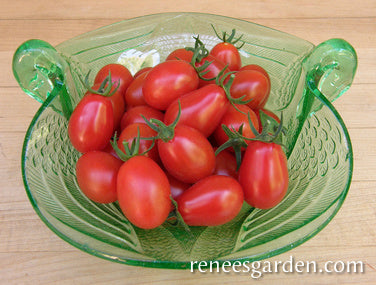
Italian Grape Tomato Pandorino
STARTING SEEDLINGS
In early spring, start indoors about 6 to 8 weeks before outdoor night temperatures are reliably in the 55°F (13°C). Sow seeds 1/4 inch deep and 1 inch apart in a container of seed starting mix. Keep moist but not soggy, and very warm, 80°F (27°C). Provide a strong light source until seedlings are ready to plant outside. When 2 in. tall, transplant into individual 4-inch pots, burying stems up to base of leaves. Maintain at 70°F (21°C). Feed with half-strength fertilizer every 2 weeks until ready to plant, then gradually acclimate seedlings to outdoor conditions. When nights reach 55°F (13°C), transplant 3 feet apart into rich soil in full sun.
GROWING NOTES
Prepare soil well with aged manure or compost. Plant several inches deeper than seedlings were growing in containers. Provide firmly anchored strong stakes or tall wire cages at planting time. Mulch to provide even moisture retention; do not over water once fruit begins to ripen. Harvest and Use Plants will grow tall and heavy with fruit clusters. For best full, sweet flavor, pick only when fully ripened to rich red. Don’t store in the refrigerator. Delicious Pandorino grape tomatoes are sweet and irresistible straight out of the garden, or sauté them with a little garlic in good olive oil just until they burst, then sprinkle with fresh herbs.Regular price $3.69Sale price $3.69Unit price per -
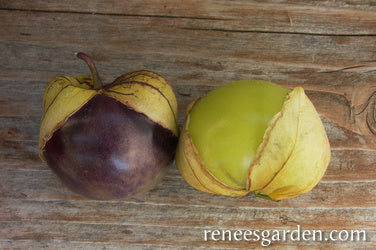
Mexican Tomatillos Two Color Fiesta
BEST TO START INDOORS
In early spring, start indoors about 6 weeks before outdoor night temperatures are reliably in the 50-55°F (10-13°C) range. Sow seeds 1/4 inch deep and 1 inch apart in containers of seed starting mix. Keep moist but not soggy and very warm 75-80°F (24-27°C). Provide a strong light source until seedlings are ready to plant outside. When seedlings are 2 inches tall, transplant into 4 inch individual pots. Maintain at 70-75°F (21- 24°C). Feed with half-strength fertilizer every 2 weeks until weather is warm enough to gradually acclimate seedlings to outdoor conditions. Transplant 3 feet apart into rich soil in full sun once nights stay securely above 55°F (13°C).
GROWING NOTES
Prepare soil well with aged manure or compost. Provide strong stakes or wire cages at planting time, or tomatillos can spread over the ground if you have lots of space; they are vining plants similar to tomato vines. Mulch well to keep fruit clean and conserve moisture; don't overwater once fruits begin to ripen.
HARVEST AND USE
At first, tomatillo fruits look like little green balloons. As the fruit inside sizes up, they resemble cherry tomatoes surrounded by a papery husk. Pick when plump fruits fill out the husks and begin to break open, usually at 1 to 1 1/2 inches, but before fruits begin to turn yellow or soften.
Regular price $3.39Sale price $3.39Unit price per -
Hummingbird Salvia Coral Nymph
TENDER PERENNIAL/ GROWN AS ANNUAL
Summer/fall bloom
Frost tenderFOR BEST RESULTS START EARLY INDOORS
Start seeds indoors 4 to 6 weeks before last expected frost date. Sow seeds 1 inch apart in a container of seed starting mix and cover very lightly. Keep moist but not soggy and provide a strong light source. When seedlings are large enough to handle, acclimate gradually to outdoor conditions. Transplant 8 inches apart in garden beds once night temperatures are above 50°F (10°C).
For Container Growing: Plant 4 seedlings per 20 inch pot; 3 plants per 16 inch pot; or 1 plant per 8 inch pot.
TO GROW OUTDOORS
Sow in a well-worked seed bed or in containers in full sun when all danger of frost is past and weather is warm and settled. Space seeds 4 inches apart, cover very lightly. Keep soil evenly moist while awaiting germination in 10 to 14 days. Thin to 8 inches apart so seedlings have room to grow and mature.
GROWING NOTES
This improved Dutch cultivar is compact, growing in graceful sprays just 2 feet tall. Plants grow quickly and bloom early to flower all summer long. Hummingbirds simply adore Coral Nymph’s nectar rich flowers and visit them constantly. Plants handle a wide range of conditions.
Regular price $4.69Sale price $4.69Unit price per -
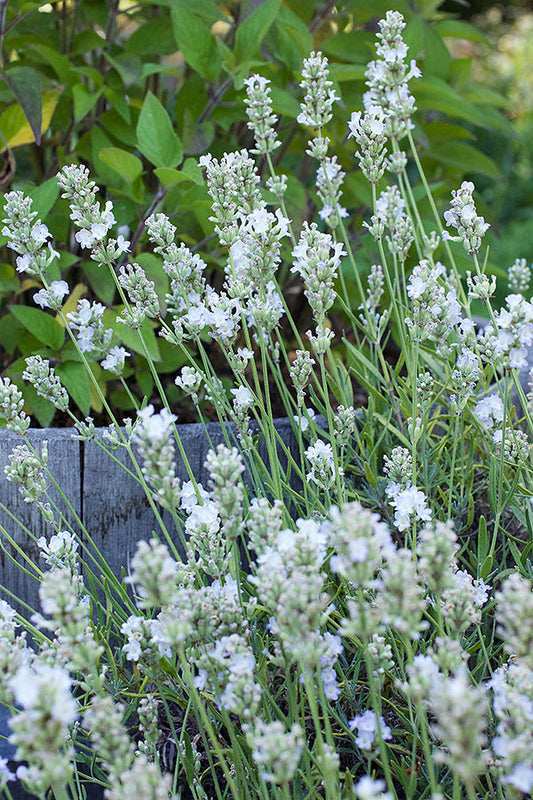
Container Herbs White Ice Lavender
PERENNIAL
Late spring/early summer bloom
Frost hardy to zone 5 (zone 4 with protection)BEST TO PLANT INDOORS
In early spring, sow seeds about 1 inch apart in a container of seed starting mix, cover very lightly and keep at 60-70°F (16-21°C) in a spot with good air circulation. Keep evenly moist but not soggy. Seedlings emerge slowly and unevenly over 18 to 28 days. Provide a good light source.
When seedlings have several sets of leaves, transplant into 4 inch plastic pots. Provide consistent water, but let soil dry out on top between waterings. Feed every few weeks. Plant outside when plants are 2 to 3 inches tall after gradually acclimating to outdoors.
GROWING NOTES
Start these small seeds indoors so you can tend them carefully. When well established, plant seedlings out into pots filled with new potting mix with excellent drainage or in a well-drained, sunny garden spot with good air circulation. Plant one seedling per individual pot at least 8 inches wide and deep or space multiple plants 8 inches apart in larger, deeper containers. Feed monthly during the growing season.
Plants bloom the first season, but come into fullest flower by the second summer. Harvest stems of scented florets just as they start to open and air dry to use as aromatic sachets. At season’s end, shape plants by cutting off spent flower stalks down to top crown of leaves.
Regular price $4.99Sale price $4.99Unit price per -
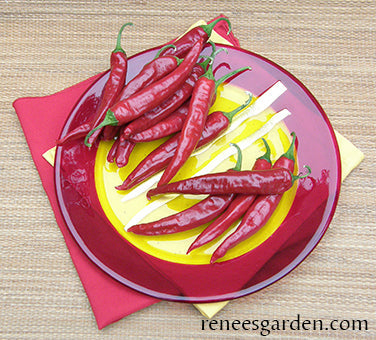
Traditional Chile Peppers Tibetan Lhasa
STARTING SEEDLINGS
In early spring, start indoors about 2 months before night temperatures stay reliably 50-55°F (10-13°C). Sow seeds 1/4 inch deep and 1 inch apart in a container of seed starting mix. Keep moist but not soggy, and very warm 80-85°F (27-30°C). Provide a strong light source until seedlings are ready to plant outside. When seedlings are 2 inches tall, transplant into deeper individual containers. Maintain at 70-75°F (21-24°C). Feed with half strength fertilizer every week until weather is warm enough to gradually acclimate seedlings to outdoor conditions. Transplant 2 feet apart into rich soil in full sun.
GROWING NOTES
Chiles need warm conditions; don’t transplant outdoors until night temperatures stay securely above 55°F (13°C). Prepare soil well with aged manure or compost. Plant only robust seedlings with well-developed roots. Mulch plants to maintain even soil moisture. Keep well weeded, watered and fertilized.
HARVEST AND USE
Harvest when chiles have a high gloss and are ripened to rich deep red. Use these great tasting, fiery hot chiles fresh for chile sauce or paste, making fresh salsas, in stirfries, marinades or dry and chop for spicy chile flakes. To dry for year-round use, either use a dehydrator, or harvest individually and string from the stem end to hang in a warm, airy location.
Regular price $3.99Sale price $3.99Unit price per -
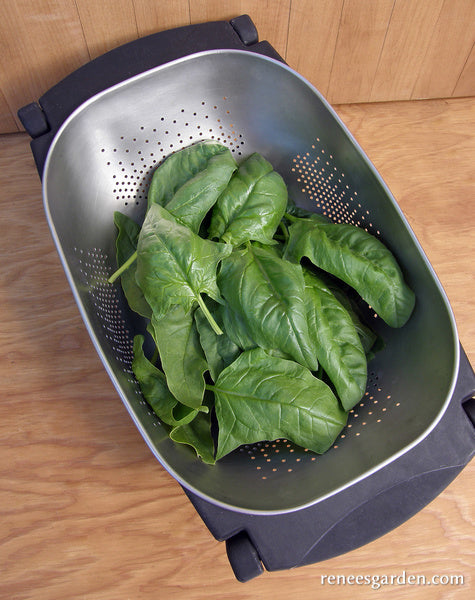
Longstanding Spinach Gangbusters
START SEEDS OUTDOORS
In early spring when danger of hard frost is over, sow seeds in well-worked fertile soil in full sun. Sow seeds 1 inch apart and 1/2 inch deep in rows 10 inches apart, or broadcast thinly for bed planting. Be sure to firm soil well over seeds to ensure good germination. If first sowing germinates unevenly, plant more seeds as they will catch up fast.
GROWING NOTES
Spinach is most productive grown in cool spring conditions and sown again in late summer for a fall crop. After seedlings reach 2 to 3 inches tall, thin out every other plant (and enjoy in early salads) and keep thinning in this fashion until plants are spaced 5 or 6 inches apart. Keep the shallow-rooted plants well weeded and watered. Spinach is a heavy feeder so fertilize several times with fish emulsion solution for best harvests.
HARVEST AND USE
There are two methods for harvesting spinach: either cut the entire plant 1 inch or so above the base once plants are 4 or 5 inches tall, or wait until plants are well established and harvest just the outer leaves, leaving at least 4 center leaves so plant will continue to grow. Water and fertilize after cutting and plants will provide 2 or 3 pickings before weather gets too warm and spinach begins to go to seed.Regular price $4.89Sale price $4.89Unit price per -
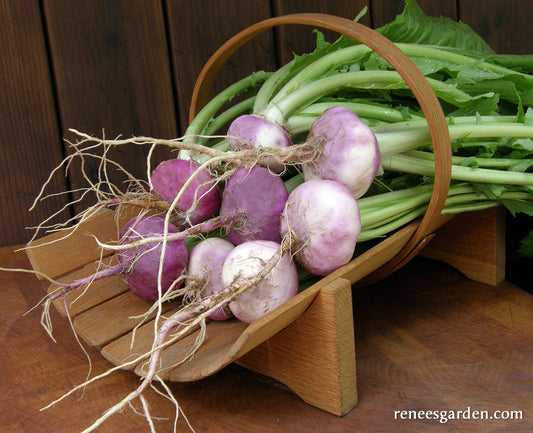
Heirloom Turnip Purple Top Milan
START SEEDS OUTDOORS
In early spring, as soon as ground can be worked, sow in well worked, fertile soil in full sun. Space seeds 1-2 inches apart in wide rows 6 inches apart. Cover 1/2 inch deep. Keep soil evenly moist and well weeded. Carefully thin seedlings early to stand 4-6 inches apart, giving them room to size up. Provide consistent moisture.
GROWING NOTES
Make a second spring sowing 10 days later, before summer heat. Protect with floating row covers if marauding birds or flea beetles that chew holes in the leaves are a problem. Sow again mid to late summer for fall harvest.
HARVEST AND USE
Begin harvesting when the turnips reach 2 to 3 inches in diameter. If weather turns unexpectedly hot, pull and store the roots in the refrigerator.
Note: Turnips are always spicier when the weather turns hot. Slice and sauté or steam; use in soups and stews, or (and this is our favorite) just cut them in quarters or large chunks, toss with olive oil, then roast in the oven until tender to bring out their natural sugars. Enjoy the tasty, nutritious green tops steamed or quickly braised.
Regular price $4.89Sale price $4.89Unit price per -
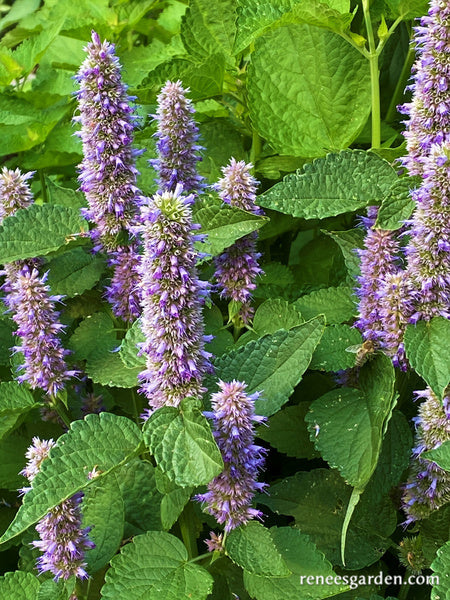
Pollinator Herbs Root Beer Hyssop
FROST TENDER PERENNIAL
Spring to fall bloom
Frost tenderTO START EARLY INDOORS
Sow seeds 1 inch apart in a container of well-drained seed starting mix 4 to 6 weeks before last expected frost date. Cover 1/4 inch deep, keep moist and provide a strong light source until ready to go outside. Transplant into individual containers once seedlings have 2 to 3 sets of true leaves. Transplant into garden once weather warms up after gradually acclimating seedlings to outdoor conditions.
TO PLANT OUTDOORS
Sow seeds directly into well-worked garden soil in full sun once all danger of frost is past. Space seeds 3 inches apart and cover about 1/4 inch deep. Keep soil evenly moist while awaiting germination in 10 to 14 days. See final spacing below.
PLANT SPACING
When well established, thin or transplant seedlings 9 to 12 inches apart so plants have room to mature. You can transplant extra seedlings when thinning.
GROWING NOTES
Throughout summer, multiple purple-blue flower spikes attract myriads of honeybees, butterflies and other important garden pollinators. Cut spent spikes to encourage reblooming all season. Use the sweet licorice scented leaves in Asian style stirfries and add to herbal teas. Plants will overwinter in mild climates.Regular price $3.69Sale price $3.69Unit price per -
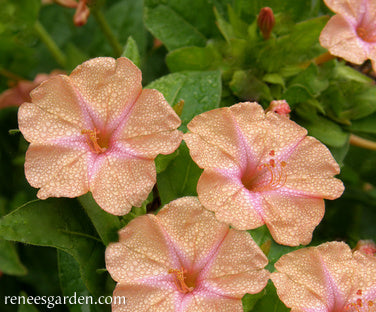
Hummingbird Four O’Clocks Scented Peach Sunset
PERENNIAL GROWN AS ANNUAL
Summer/fall bloom
Frost tenderEASIEST TO START OUTDOORS
Plant in full sun in ordinary garden soil when spring weather is warm and settled and all danger of frost is past. Poke seeds into well-worked soil about 1/2 inch deep, 4 to 5 inches apart. Firm soil over seeds. Keep moist until germination in 10 to 12 days.
TO START EARLY INDOORS
Seeds can be started indoors about 3 weeks before last expected frost, but since Four O’Clocks grow so quickly, we advise sowing directly into the garden in all but very short summer areas.
THIN OR TRANSPLANT
Thin seedlings to 10 inches apart when they are large enough to handle, so plants have ample room to grow and mature.
GROWING NOTES
Vigorous, free blooming Four O’Clocks grow easily and quickly quickly to fill in borders or open areas. When possible, plant them close by where you walk or sit, so you can enjoy their delicious soft perfume that wafts in the air on sultry warm summer afternoons and evenings.
In Mild Climates, Four O’Clocks self-sow readily, so remove seed pods before seeds fall to the ground if you don’t want plants to spread around the garden.
Regular price $3.99Sale price $3.99Unit price per -
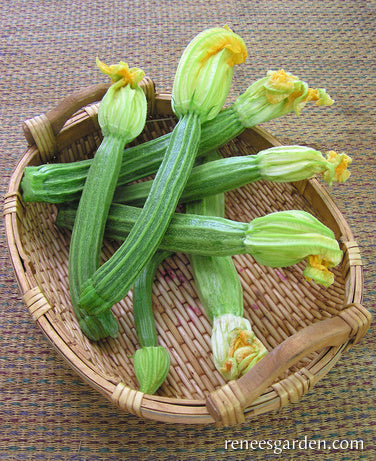
Italian Zucchini Romanesco
START SEEDS OUTDOORS
Summer squash needs full sun, rich fertile soil and warm temperatures. Plant only when spring weather is warm and settled and night temperatures stay above 50°F (10°C). Sow groups of 2 to 3 seeds 1 inch deep and 2 feet apart, in rows 3 feet apart. Thin to 1 strong seedling per group. Or, make slightly mounded hills, 2 feet in diameter and 3 feet apart, sowing 5 or 6 seeds in each hill. When seedlings are several inches long, thin hill-planted seedlings to the 2 strongest plants per hill.
GROWING NOTES
Amend soil well before sowing with lots of aged manure or compost. Protect young seedlings from marauding birds by covering with green plastic berry baskets at planting time, removing when plants get crowded. Be sure to thin properly — you will have more productive, disease-free plants if seedlings have enough room to mature.
HARVEST AND USE
For succulent texture and best flavor, pick Romanesco when no more than 6 to 8 inches long. Frequent harvesting keeps plants producing tasty new fruits over a longer season. Slice lengthwise, brush with olive oil and grill until tender, then sprinkle with your favorite chopped herbs. Or combine chunks of Romanesco, onion, peppers and whole garlic cloves, toss with a little oil and bake in the oven until tender.Regular price $4.39Sale price $4.39Unit price per -
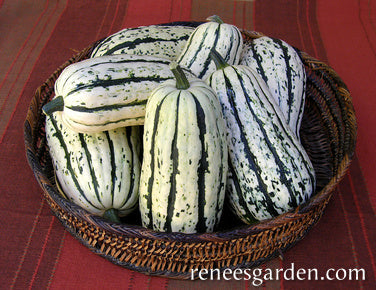
Sweet Winter Squash Delicata
BEST TO START OUTDOORS
Squash needs full sun, rich fertile soil and warm temperatures. Plant only when weather is warm and settled and night temperatures stay above 50°F (10°C). Make slightly mounded growing hills 2 to3 feet apart. Sow seeds 1 inch deep, 8 inches apart, 4 seeds per hill. Thin seedlings to leave the 2 strongest plants per hill so vines will have room to grow and mature.
GROWING NOTES
Protect young seedlings from marauding birds by covering with plastic berry baskets at sowing time, removing before plants get crowded.
HARVEST AND USE
Delicata needs the full growing season to mature properly. When rinds are tough enough to resist a fingernail, cut fruits from vines with a good stem. Let them cure for 10 days in the sun, then store in a cool dry place. Delicatas should be eaten within 6 weeks of harvest for best flavor. To prepare, simply cut in half and bake, or skin and sauté the sweet flesh to serve with butter and a sprinkling of salt. Add a pinch of sage or thyme for an herbal accent. Or bake with a little butter, cinnamon and honey.Regular price $4.89Sale price $4.89Unit price per