Seed Packets Only
-
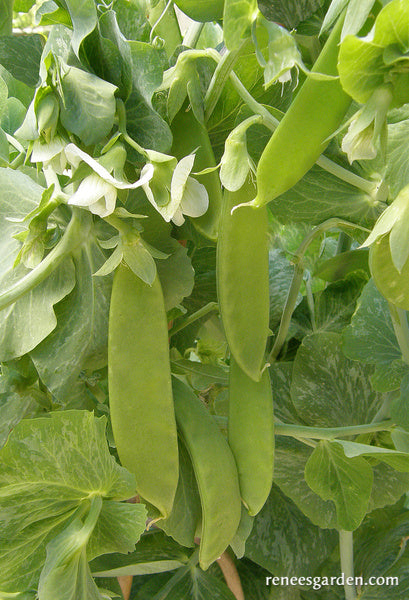
Edible Pod Snow Peas Oregon Giant
START SEEDS OUTDOORS
In early spring, as soon as soil can be worked, plant peas in full sun in well-worked, fertile soil. Sow seeds 1 inch deep and 2 to 3 inches apart. Sow seeds in wide rows or bands 3 inches across, spacing the wide rows 2 feet apart. Provide supports for these 2 1/2-3 foot vines at planting time. Protect from marauding birds with netting or floating row covers if necessary. If first sowing doesn’t germinate evenly, replant right away as new seedlings catch up quickly. Sow again for a fall crop about 2 1/2 months before first expected fall frost.
GROWING NOTES
Use netting or wire trellis or short tree branches stuck into the ground to support these heavy bearing vines for easy picking. Turn a sprinkling of bone meal and wood ashes into the soil before planting. Keep pea vines well weeded and watered, and mulch to conserve moisture.
HARVEST AND USE
Pick frequently when pods are fully formed but still flat with tiny immature peas. Snow peas are delicious in stirfries with ginger, soy sauce and garlic. Cook very quickly, just until pods turn a deeper green color. Or simply enjoy the juicy pods fresh off the vines.Regular price $2.99Sale price $2.99Unit price per -
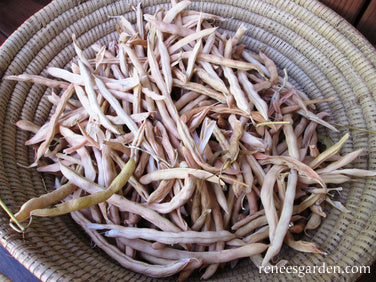
Bush Beans Heirloom Cannellini
START SEEDS OUTDOORS
Don’t plant too early; cold conditions prevent good bean germination. In late spring, when nights are securely above 55°F (13°C), sow seeds in well worked, fertile soil in full sun. Poke seeds in 1 inch deep and 4 inches apart in rows 1 1/2 to 2 feet apart.
GROWING NOTES
If first sowing comes up unevenly, replant right away; new seedlings catch up quickly. Bean seedlings are tempting treats to birds; watch carefully and protect with netting if necessary.
HARVEST AND USE
When the beans are hard and smooth inside dry and leathery pods, harvest the whole crop at once, or, if frost or excessive rain threatens, pull entire plants and finish drying in a sheltered spot. Shell out the completely dry beans by hand or put whole pods in a pillowcase and whack it on the ground to “spill the beans” from pods. Put cleaned, shelled beans in freezer for 3 to 4 days to eliminate any insects, then store in glass jars in a cool dry place. Check out YouTube/Renees Garden for harvesting video!
Note: freshly grown dry beans will cook faster than store bought ones. Soak overnight first, then cook up with a bay leaf, garlic and savory herbs.
Regular price $3.99Sale price $3.99Unit price per -
French Breakfast Radishes Petit Dejeuner
START SEEDS OUTDOORS
In early spring as soon as ground can be worked, sow radish seeds in well-worked, fertile soil in full sun. Space seeds 1 inch apart in wide rows 6 inches apart. Keep soil evenly moist and well weeded. If first sowing comes up unevenly, replant right away. Sow in late summer for a fall crop.
GROWING NOTES
Sow this quick cool season crop wherever you intend to plant heat lovers later. Radishes thrive with crisp flesh and mild flavor when given consistent moisture. Sow small amounts a week apart to mature in warm but not hot weather. Thin quick-growing seedlings early to 2 inches apart so roots have room to size up. Protect radishes with floating row covers if marauding birds or flea beetles that chew holes in the leaves are a problem.
HARVEST AND USE
Pull young round roots at large marble size and cylindrical ones at 2 to 3 inches long. If weather turns hot, harvest, cut off tops and store in fridge. Radishes’ flavor is mildest in cool weather, spicier in hot conditions. Picked young and tender, these refined French treats make crispy snacks or attractive appetizers, and add appealing color and crunch to green salads. Especially delicious sliced and tossed with a sesame flavored dressing.Regular price $2.99Sale price $2.99Unit price per -
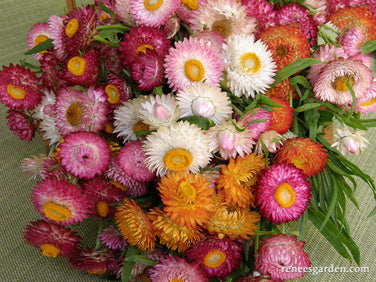
Dwarf Strawflower Rainbow Bouquet
ANNUAL
Summer/fall bloom
Can handle light frostSTARTING EARLY INDOORS
Start in spring 6 weeks before last expected frost. Sow seeds very thinly in a container of seed starting mix and cover very lightly. Keep evenly moist but not soggy, providing a strong light source. When seedlings are several inches tall, transplant 2 inches apart into a deeper containers. Once weather is settled and warm, acclimate to outdoor conditions before planting in the garden.
TO START EARLY OUTDOORS
Once all danger of frost is past, sow seeds 1 inch apart in containers of fresh potting mix, or broadcast thinly in fertile, well drained garden beds. Cover ¼ inch deep and keep evenly moist. When seedlings are several inches tall, thin to 6-8 inches apart so plants have room to branch and grow.
In Containers: Use containers 16-18 inches deep and wide filled with fresh potting soil. Sow seeds 1 inch apart, 1/4 inch deep. When several inches tall, thin or transplant seedlings 5 inches apart. Feed container plants monthly with all-purpose flower fertilizer.
GROWING NOTES
For fresh flowers, cut stems at desired length before the flower centers are fully open. To air dry for “everlastings,” simply remove leaves and hang upside down in bundles in a cool airy spot out of the sun. Dried Strawflowers cure quickly and last almost indefinitely.Regular price $3.69Sale price $3.69Unit price per -
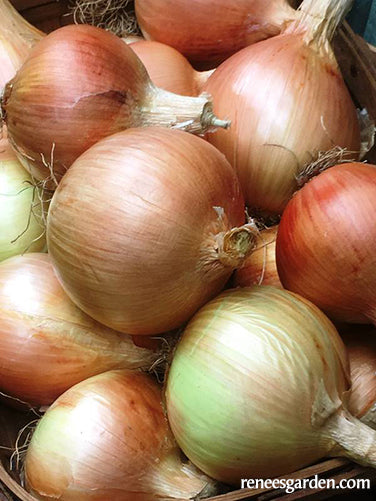
Bulbing Onions Golden Sweet Spanish
FOR BEST RESULTS
Sow seeds in early spring as soon as soil can be worked; in mild winter areas, seeds can also be sown in fall to overwinter for a head start in spring growth. They have a broad planting range, being on the cusp of intermediate and long day onions.
To Start Early Indoors: Sow 1 in. apart in a container of seed starting mix and cover 1/4 in. deep. Provide a strong light source until seedlings are 2 to 3 in. tall. Transplant 4 in. apart, burying crowns 1 in. deep.
To Start Outdoors: Sow seeds in well-worked, fertile soil in full sun. Space 1 in. apart in rows 8 in. apart. Cover 1/4 in. deep, firm soil well over seeds, and keep evenly moist. Thin seedlings gradually to a final 4 in. spacing, using the tasty thinnings.
GROWING NOTES
Before planting, thoroughly work compost or well-aged manure and an organic, all-purpose fertilizer into the soil. Keep onions well-weeded and mulch plants once soil warms up to conserve moisture. Feed onions lightly with an all-purpose fertilizer several times during the growing season. The “bite” or spiciness of onions depends on your soil type and composition.
HARVEST AND USE
Harvest midsummer when bulbs are sized up and about half the onion tops are bent over. Stop watering and bend the rest of the tops down. After another 7 to 10 days or when tops are dry, pull the bulbs. If possible, let the onions dry in the sun for 5 to 7 days. Store bulbs in a cool, airy place.
Regular price $3.39Sale price $3.39Unit price per -
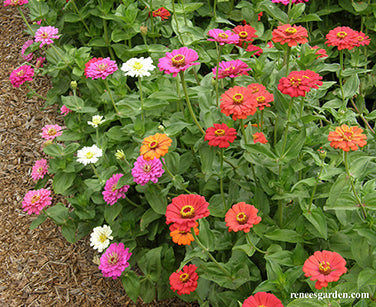
Heirloom Butterfly Zinnia Mix State Fair Gold Medal
ANNUAL
Summer/Fall bloom
Frost tenderTO START DIRECTLY IN THE GARDEN
Sow seeds in well-worked soil in full sun after frost danger is over and temperatures are above 50°F (10°C) both day and night. Space seeds 2 to 3 inches apart in rows 12 inches apart, cover 1/2 inch deep and gently firm soil. Keep soil evenly moist while awaiting germination.
TO START EARLY INDOORS
Four weeks before last frost date, sow seeds 1/2 inch deep and 3 inches apart in seed starting mix. Keep warm and moist. Provide a strong light source. Wait until temperatures are above 50°F (10°C) day and night before planting in full sun.
THIN OR TRANSPLANT
When 2-3 inches tall, thin or transplant 12 inches apart, giving these large framed plants good air circulation and room to mature.
GROWING NOTES
Zinnias are easy to grow, but for abundant, healthy flowers, thin before seedlings get crowded; adequate spacing and consistent watering keeps zinnias stress-free and productive and discourages mildew. For long-lived bouquets, cut flowers in the morning when blossoms first open and petals are tight. Cut long stems well back into the plant to keep plants branching low and producing abundant blooms to attract butterflies/pollinators.
Regular price $2.99Sale price $2.99Unit price per -
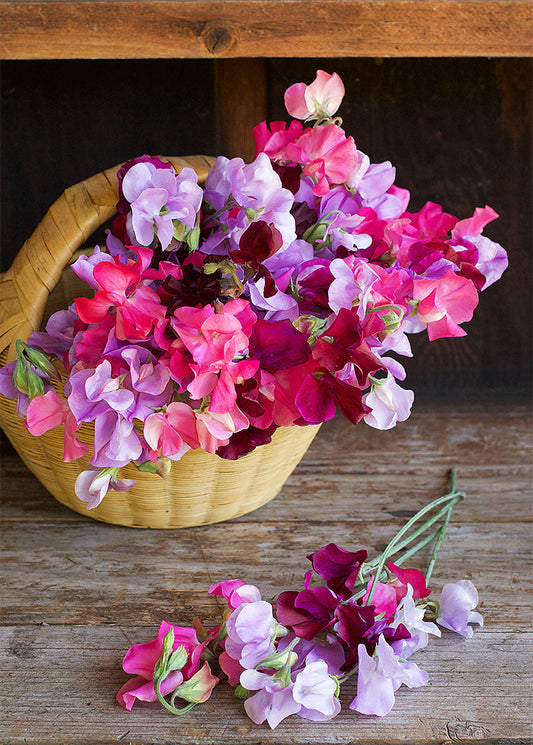
Early Blooming Sweet Peas Velvet Elegance
ANNUAL CLIMBING VINE
Spring/summer bloom
Frost tolerantEASIEST TO START OUTDOORS
Sweet peas must have well drained soil, so dig deeply and enrich with aged manure or compost before sowing seeds. Erect a well-anchored trellis, vertical netting or other support for vines before planting. Sow seeds in full sun in cool early spring weather as early as the ground can be worked. In mild winters, where ground does not freeze, sweet peas can be planted in fall. Seedlings will form strong root systems, then overwinter to bloom vigorously in spring. Plant sweet pea seeds 1 inch deep and 2 to 3 inches apart. When seedlings are 2 inches tall, thin to 4 inches apart to allow plants room to mature.
GROWING NOTES
Sweet peas bloom best before the weather gets too hot, so if spring planting, sow as soon as ground can be worked. Where summer heat comes on fast, they’ll appreciate a spot with afternoon shade. Anchor supports well as vines will grow heavy with bloom. Protect seedlings from birds, slugs and snails. Mulch and keep well watered. For longest bloom, pick flowers often and keep faded blossoms cut.Regular price $3.69Sale price $3.69Unit price per -
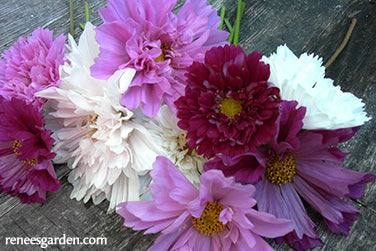
Bouquet Cosmos Double Click
ANNUAL
Summer/fall bloom
Frost tenderTO PLANT OUTDOORS
Sow seeds 1/2 inch deep, 1 to 2 inches apart in a sunny location in well-worked garden soil once danger of frost is past. Keep seed bed moist. Seedlings emerge in 7 to 10 days. Thin established seedlings to a final spacing of 8 inches apart, so plants have room to mature. Keep well weeded and watered while plants are young; mature cosmos can handle hot and dry conditions.
TO START EARLY INDOORS
Sow seeds 1 inch apart in a container of seed starting mix, 4 to 6 weeks before last expected frost. Cover 1/2 inch deep, keep moist and provide a good light source until ready to go outside. Plant outdoors 8 inches apart once weather warms up, after gradually acclimating seedlings to outdoor conditions.
GROWING NOTES
These free-flowering, long blooming summer flowers produce reliably in all soil types to fill the garden with abundant blossoms. Sow several times through June for a succession of fresh flowers. Cutting generous bouquets actually prolongs the blooming season. Cosmos pair beautifully with cleome, asters and zinnias.
Regular price $4.69Sale price $4.69Unit price per -
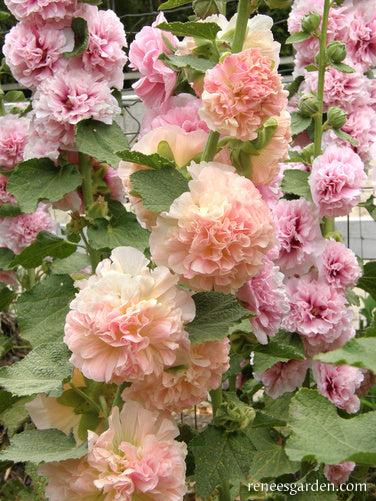
Pom Pom Hollyhocks Apricot-Peach Parfait
BIENNIAL
Summer/fall bloom
Frost hardyEASIEST TO START DIRECTLY IN THE GARDEN
Plant seeds in full sun in ordinary garden soil in spring after danger of frost is past. Poke seeds into well-worked soil about 1/2 inch deep, 6 to 8 inches apart. Keep moist until germination in 7 to 14 days.
TO START EARLY INDOORS
Start seeds indoors about 8 weeks before last expected frost date. Sow 2 inches apart and 1/2 inch deep in flats or individual containers of seed starting mix. Provide a strong light source and keep mix evenly moist to await germination in 7 to 14 days. When seedlings are 3 to 4 inches tall, gradually acclimate to outdoor conditions, then transplant into the garden.
THIN OR TRANSPLANT
Space seedlings 12 to 18 inches apart so plants have ample room to mature.
GROWING NOTES
Apricot-Peach Parfait may bloom the first year from seed if planted early in spring. Planted later, it will bloom the following summer. After blossoms fade, cut off the spent flower stalks just above the ground. Fertilize well and continue to water plants as needed, then roots will push another flush of enchanting flower spires to open in fall.
Regular price $3.99Sale price $3.99Unit price per -
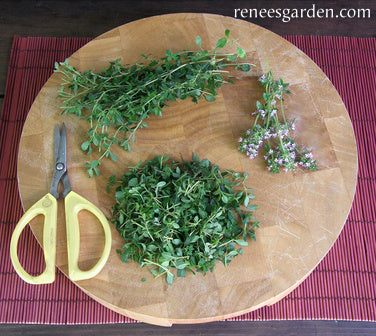
Kitchen Herbs Creeping Thyme
PERENNIAL
Spring/summer/fall harvest
Frost hardyBEST TO START INDOORS
Sow in early spring in a container of seed starting mix. Cover seeds very lightly and keep evenly moist but not soggy until seedlings emerge in 14 to 21 days. Provide a good light source until ready to plant outside.
TO PLANT IN THE GARDEN
Sow creeping thyme in a finely textured seedbed in full sun after soil has warmed up in spring. Good drainage is essential. Sow very thinly, cover seeds lightly and carefully keep the seed bed evenly moist and well weeded as young seedlings are slow growing at first. Transplant when 2 to 3 inches tall after acclimating to outdoor conditions.
THIN OR TRANSPLANT
Space clusters of 3-4 seedlings 8 inches apart when large enough to handle so plants have room to grow and thrive.
GROWING NOTES
Given good drainage and a sunny location, easy-growing creeping thyme plants are reliable and productive garden perennials. Be sure to thin or transplant seedlings to proper spacing and keep weed free; plants will fill out and spread once well established. Little lavender-rose flowers bloom atop the shiny dense leaves at midsummer.Regular price $2.99Sale price $2.99Unit price per -
Heirloom Watermelon Doll Babies
STARTING SEEDLINGS OUTDOORS
Melons need full sun, rich soil and warm temperatures. Plant only when weather is warm and nights stay above 50°F (10°C). Make slightly rounded hills 2 feet in diameter and 5 feet apart. Sow 5 or 6 seeds 1 inch deep and 4 inches apart in a small circle in top of each hill. When seedlings have several sets of leaves, be sure to thin them out, leaving only the 3 strongest plants to grow and mature in each hill.
TO START EARLY INDOORS
No more than several weeks before last frost date, sow seeds in individual pots of seed starting mix. Keep warm and moist, and provide a strong light source until weather warms enough to transplant outdoors (see above).
GROWING NOTES
Amend soil well with aged manure or compost. If summers are short or cool, put down black plastic to retain heat, then plant into holes made in plastic. Where insects are a problem, cover seedlings with floating row covers to exclude them, removing when plants blossom. Keep young vines well watered and fed, tapering off as fruits ripen up for best sweet flavor.
HARVEST AND USE
Pick melons when the tendril closest to the fruit turns brown, and the light patch on the bottom of the melon changes from cream to tan. Watermelons keep well in the refrigerator, even after being cut open.Regular price $4.89Sale price $4.89Unit price per -
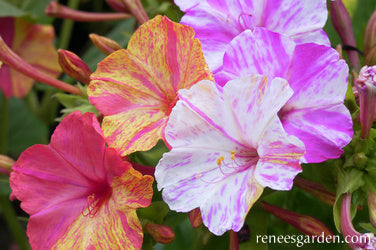
Heirloom Four O'Clocks Broken Colors
PERENNIAL GROWN AS ANNUAL
Summer/fall bloom
Frost tenderEASIEST TO START OUTDOORS
Plant in full sun in ordinary garden soil when spring weather is warm and settled and all danger of frost is past. Poke seeds into well-worked soil about 1/2 inch deep, 4 to 5 inches apart. Firm soil over seeds. Keep moist until germination in 10 to 12 days.
TO START EARLY INDOORS
Seeds can be started indoors about 4 weeks before last expected frost, but since Four O’Clocks grow so quickly, we advise sowing directly into the garden in all but very short summer areas. Thin or transplant seedlings 12 inches apart when they are large enough to handle so plants have ample room to grow and mature.
GROWING NOTES
Vigorous, free blooming Four O’Clocks grow quickly and will effortlessly fill in borders or large open areas to bloom in the afternoons and evenings beginning in mid-summer. If possible, plant Broken Colors close to where you pass by often, so you can enjoy their delicious soft perfume that fills the air. In mild winter climates, Four O’Clocks’ self-sow readily, so remove the seed pods before seeds fall to the ground if you don’t want plants to spread around the garden.
Regular price $3.99Sale price $3.99Unit price per -
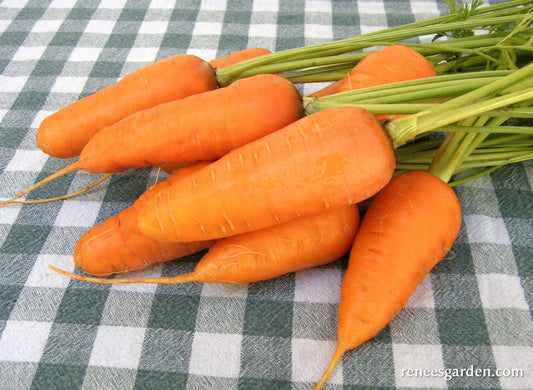
Chantenay Carrots Short Stuff
START SEEDS OUTDOORS
In spring once danger of hard frost is past, sow seeds in full sun in finely worked, fertile soil. Sow 1/4 inch deep and 1/2 inch apart in rows 8 inches apart, or broadcast seeds thinly in beds and cover lightly.
Keep seed bed evenly moist as carrots can be slow to germinate, emerging over 10 to 21 days. If first sowing comes up unevenly, replant right away as seedlings catch up quickly. Thin young carrots several times so seedlings are 2 to 3 inches apart and have room to size up.
GROWING NOTES
Carrots like well worked soil and need consistent moisture to grow well. If your soil tends to dry out, cover seedbed with floating row covers to help retain moisture during the germination period. Keep carrots well weeded throughout the growing season. Plant again 3 months before first expected fall frost for a late crop.
HARVEST AND USE
Let carrots size up to 4 to 5 inches long before pulling for best sweet flavor. Enjoy raw, sliced up as tasty fresh snacks, or sauté, steam, stirfry or braise. Cut in chunks and toss with oil, then roast until tender and sprinkle with fresh herbs, just before serving.
Regular price $4.89Sale price $4.89Unit price per -
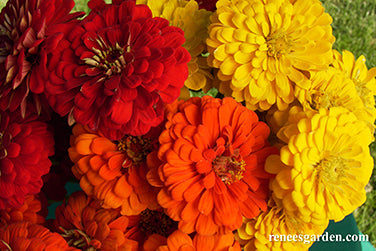
Cutting Zinnias Hot Crayon Colors
ANNUAL
Summer/fall bloom
Frost tenderTO START DIRECTLY IN THE GARDEN
Sow seeds in fertile, well-drained soil in full sun when danger of frost is past and weather is warm and above 50°F (10°C) both day and night. Space seeds 3 inches apart in rows 12 inches apart, cover 1/2 inch deep and gently firm soil. Keep soil evenly moist while awaiting germination.
TO START EARLY INDOORS
One month before last frost, sow seeds 1/2 inch deep and 3 inches apart in seed starting mix. Keep warm and moist and provide a strong light source until seedlings are ready to plant outside when temps rise above 50°F (10°C) day and night.
THIN OR TRANSPLANT
Space seedlings 8-12 inches apart when large enough to handle to give plants room to mature and provide good air circulation.
GROWING NOTES
To ensure sufficient air circulation and abundant blossoms, thin before seedlings get crowded; adequate spacing and regular, even watering helps keep zinnias productive and discourages mildew. Pick when flower blossoms first open and petals are tight for longest vase life. Cut long stems well back into the plant to keep plants branching low and producing best blooms for summer long bouquets.Regular price $2.99Sale price $2.99Unit price per -
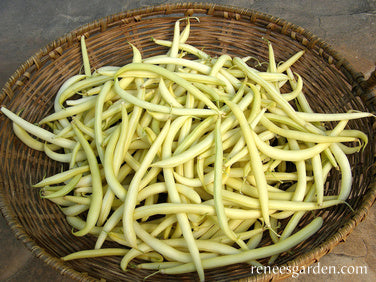
Pole Filet Beans French Gold
START SEEDS OUTDOORS
In late spring, once night temperatures stay securely above 55°F, plant seeds in well-worked, fertile soil in full sun. Erect strong stakes, tripod poles or trellis at planting time to support vines. Plant 1 inch deep and 4 inches apart along a trellis; around tripods or stakes, plant 4 to 6 seeds about 4 inches from each pole, thinning seedlings to 3 best plants per pole.
GROWING NOTES
Beans are an easy and reliable crop, but don’t plant seeds too early; cold conditions prevent good germination. If first sowing comes up unevenly, replant right away; new seedlings will catch up quickly. Birds are attracted to young seedlings; watch carefully and protect with netting if necessary. Avoid harvesting beans in wet conditions.
HARVEST AND USE
For the best yields, pick beans frequently, at least every 2 or 3 days. Filet beans are meant to be eaten when pods are long and slender, so harvest the tender pods early, when they are still pencil-thin. These elegant gourmet beans taste best freshly harvested and quickly steamed or sautéed. When blanched and tossed in an herbed vinaigrette with salad greens and fresh herbs like Italian parsley, basil or a little fresh thyme, French Gold beans make a beautiful and delicious salad.
Regular price $4.69Sale price $4.69Unit price per -
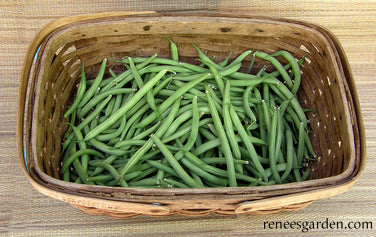
Heirloom Bush Beans Provider
START SEEDS OUTDOORS
In spring, once weather is warm and settled and night temperatures stay securely above 55°F (13°C) plant seeds in well-worked, fertile soil in full sun. Poke seeds in 1 inch deep and 4 inches apart in rows 1½ to 2 feet apart. Make several sowings 2 to 3 weeks apart until the end of June to provide long continued harvests.
GROWING NOTES
Tender crispy garden beans are an easy and reliable crop to grow, but don't plant seeds too early as cold conditions prevent good germination. If first sowing comes up unevenly, replant right away; new seedlings will catch up quickly. Birds are often attracted to young bean seedlings, so watch carefully and protect with netting or floating row covers if necessary. Avoid cultivating plants or picking pods when plants are wet.
HARVEST AND USE
The vigorous plants bear strong harvests of top quality pods that hold well without getting stringy. The more you pick, the more the plants will produce, and the nitrogen fixing bacteria on the roots of bean plants actually improves your soil. Sow another crop about three weeks after your first planting and you’ll have a welcome second harvest in late summer. Enjoy tasty Provider beans cooked just until tender crisp. The pods also freeze well if blanched first.
Regular price $4.89Sale price $4.89Unit price per -
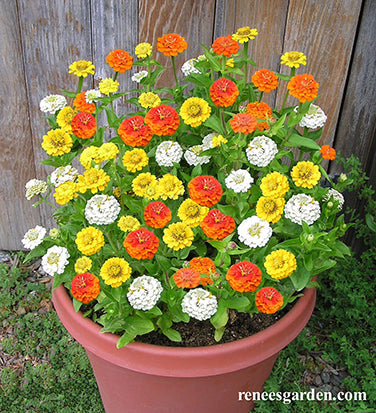
Container Zinnias Pixie Sunshine
ANNUAL
Summer/fall bloom
Frost tenderEASIEST TO PLANT OUTDOORS
After danger of frost is past, sow seeds in full sun in well-worked soil. For container sowing, use fresh potting mix. Space seeds 2-3 inches apart, cover about 1/2 inch deep and gently firm soil. Keep soil evenly moist while awaiting germination. When seedlings are several inches tall, thin to final spacing: For Containers, 5 to 6 plants per 12 inch pot; In Garden Beds, space 8 inches apart.
TO START EARLY INDOORS
Several weeks before last frost date, sow seeds 1/2 inch deep and 2 inches apart in a container of seed starting mix. Keep warm and moist and provide a strong light source until ready to plant outdoors. Transplant carefully before plants get too large. Space plants carefully, so roots have room to grow and spread.
GROWING NOTES
For container planting, use pots at least 12 inches in diameter and 12 inches deep. These carefree 8 to 12 inch tall zinnias perform well in hot and sunny conditions. Water regularly and consistently. Support plants’ rapid growth by feeding with a well-balanced fertilizer every few weeks. Thin young seedlings to final spacing before too large. Remove spent flowers often to encourage new blooms.
Regular price $3.39Sale price $3.39Unit price per -
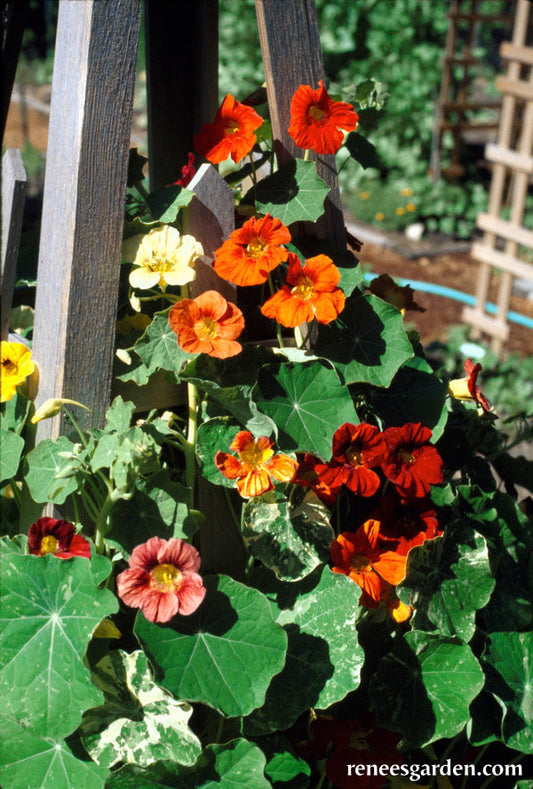
Climbing Nasturtiums Amazon Jewel
ANNUAL
Spring/summer/fall bloom
Frost tenderEASY TO START OUTDOORS
Sow seeds in spring once all danger of frost is over in full sun (or part shade in hot climates). Nasturtiums need no added fertilizer in most soils. Poke seeds into well-worked soil about 1 inch deep and 3 to 4 inches apart. Press soil firmly over the seeds and keep moist. When seedlings are large enough to handle, thin 10 inches apart so plants will have ample room to grow.
TO START EARLY INDOORS
Sow 2 seeds each in individual 4 inch pots of well-drained seed starting mix 3 weeks before last expected frost date. Cover 1 inch deep. Provide a strong light source. When seedlings have several sets of leaves, pinch out the weaker seedling leaving 1 seedling per pot. When weather is evenly in the 50° F (10° C) range, gradually acclimate to outdoor conditions. Transplant seedlings into the garden 10 to 12 inches apart in full sun.
GROWING NOTES
Climbing nasturtiums are very reliable and easy to grow in any well-drained soil. Help them to twine up their supports, then they’ll climb easily and bloom non-stop. Do not let plants dry out during blooming season. You can also plant Amazon Jewel to tumble along the ground.
Regular price $3.39Sale price $3.39Unit price per -
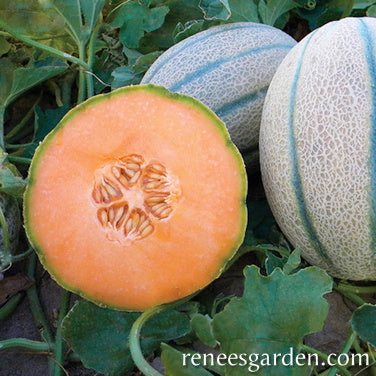
Gourmet Tuscan Melon Napoli
STARTING SEEDLINGS OUTDOORS
Melons need full sun, rich soil and warm temperatures. Plant only when weather is warm and settled and temperatures stay above 50°F (10°C). In rows 4 feet apart, sow groups of 2 to 3 seeds every 2 feet. After germination, thin to the strongest seedling per group, so you end up with one plant every 2 feet. Or make slightly mounded hills, 2 feet in diameter and 5 feet apart, sowing 5 or 6 seeds in each hill. Thin to 3 strongest plants.
TO START EARLY INDOORS
Several weeks before last frost date, sow seeds in individual pots of seed starting mix. Keep warm and moist, and provide a strong light source until weather warms enough to transplant outdoors.
GROWING NOTES
Amend soil well with aged manure or compost. Where summers are short or cool, lay down black plastic to retain heat, and plant into holes made in plastic. Where insects are a problem, cover seedlings with floating row covers to exclude them, removing when plants blossom. Keep young vines well watered and fed, tapering off water as fruits ripen up.
HARVEST AND USE
Pick when melons are fully colored, heavy and fragrant and “slip” or pull easily from the vines. The melons’ sweet aromatic flesh is delicious sliced and wrapped with prosciutto as a traditional Italian appetizer or enjoy in fruit salads or simply eat for snacks or dessert.Regular price $4.99Sale price $4.99Unit price per -
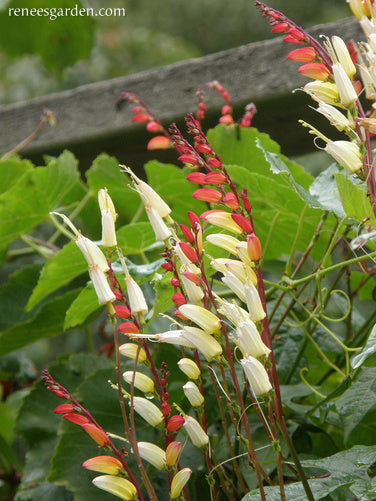
Heirloom Mina Lobata Exotic Love Vine
ANNUAL VINE
Summer/fall bloom
Frost tenderTO START OUTDOORS
In late spring, once weather is warm and settled and nights stay above 50°F (10°C), plant seeds in a sunny spot in ordinary garden soil 6 inches apart and 1/2 inch deep. Firm soil over seeds.
TO START EARLY INDOORS
Sow indoors 5 to 6 weeks before last expected frost in individual pots of seed starting mix. Cover 1/2 inch deep and keep warm and moist. Provide a strong light source until seedlings are ready for outdoor planting. Transplant very carefully once nights stay above 50°F (10°C). Thin or transplant seedlings 10 to 12 inches apart. Do not disturb delicate roots.
GROWING NOTES
To speed germination, soak seeds for no longer than 8 hours in tepid water. Plant immediately after soaking. Erect well-anchored supports at least 8 feet tall at planting time; strong netting, a wood or wire fence or a sturdy trellis serve well to hold these vigorous climbers that bloom hard from midsummer.
Regular price $3.39Sale price $3.39Unit price per -
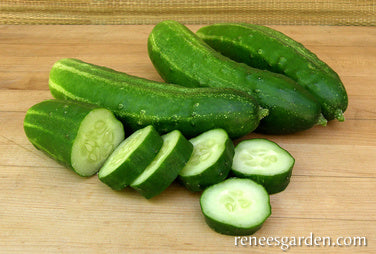
Heirloom Slicing Cucumber Straight Eight
START SEEDS OUTDOORS
Plant heat loving cucumbers only when weather is warm and settled and night temperatures stay above 50°F (10°C). Amend soil well with aged manure or compost. Sow groups of 2 to 3 seeds 1 1/2 feet apart and 1 inch deep with 3 feet between rows. Or make slightly mounded hills 5 feet apart, sowing 5 or 6 seeds in each hill. Thin to the 3 strongest plants.
GROWING NOTES
Protect seedlings from marauding birds with plastic berry baskets, removing before plants get crowded. Shallow rooted cucumbers need ample and consistent moisture. Avoid overly wet or dry periods for good quality fruit. Growing cucumber vines up vertical supports gives you long straight fruits, saves garden space and makes them easy to harvest.
HARVEST AND USE
Cut rather than pull fruits from vines before seeds are large inside. Harvest every few days for longest fruit production. These juicy, tender cucumbers are perfect to slice and enjoy for refreshing snacks, in salads and sandwiches. Eat within a day or two of picking for best taste and quality.
Regular price $4.89Sale price $4.89Unit price per -
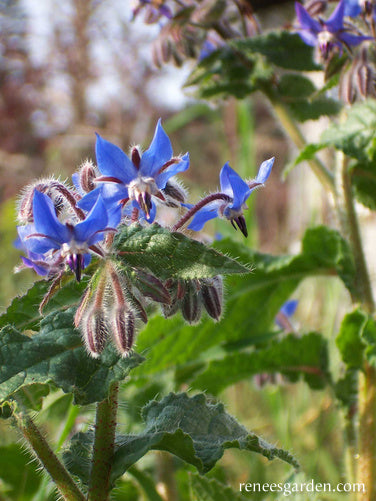
Kitchen Herbs Blue Borage
HARDY ANNUAL
Spring/summer/fall harvest
Can handle light frostEASIEST TO START OUTDOORS
Sow seeds in spring once weather has settled, 1/2 inch deep and 6 inches apart, in full sun. Keep seedbed evenly moist until germination occurs in 10 to 14 days. When the seedlings are well established, thin the plants to stand about 12 to 18 inches apart to give bushy plants room to mature. Borage will self-sow freely in the garden and can grow in poor soils. Seedlings do not transplant well because plants have a long, fragile tap root.
GROWING NOTES
Borage flowers have a delicate cucumber-like flavor and are pretty, edible garnishes for both green and fruit salads and cool summer drinks. Freeze the sky-blue flowers inside ice cubes to accent herbal iced teas and festive punch, or candy them for decorations. Children love the star-shaped flowers on birthday cakes or just picked fresh and eaten off the plant.
In traditional herbal lore, borage was thought to lift the spirits and inspire courage. Enjoy these cheering plants all summer long.
Regular price $2.99Sale price $2.99Unit price per -
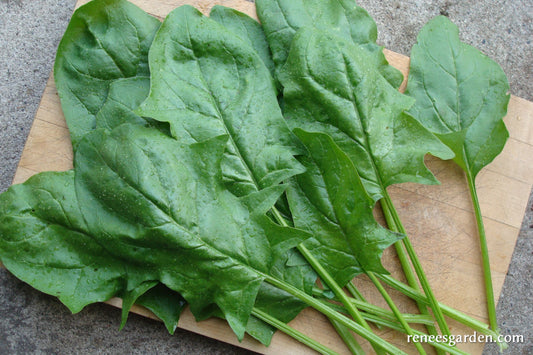
Japanese Spinach Oriental Giant
TO START OUTDOORS
In early spring when danger of hard frost is over, sow seeds in well-worked fertile soil in full sun. Space seeds 1 inch apart in rows 8 to 10 inches apart, or broadcast thinly for bed planting. Cover with 1/2 inch of soil; firm soil over seeds to ensure good germination. If first sowing germinates unevenly, plant more seeds as they will catch up fast.
GROWING NOTES
Spinach is most productive grown in cool spring conditions and sown again in late summer for a fall crop. After seedlings reach 2 to 3 inches tall, thin out every other plant (and enjoy in early salads) and keep thinning in this fashion until plants are spaced 8 or 10 inches apart. Keep the shallow-rooted plants well weeded and watered. Spinach is a heavy feeder so fertilize several times with a high nitrogen source like fish emulsion solution for best harvests.
HARVEST AND USE
Wait until plants are well established and harvest just the outer leaves, leaving at least 4 younger center leaves so plant will continue to grow. Water and fertilize after cutting and plants will provide 2 or 3 pickings before weather gets too warm and spinach begins to go to seed. Plant again in late summer to early fall for a succulent autumn crop.
Regular price $3.39Sale price $3.39Unit price per -
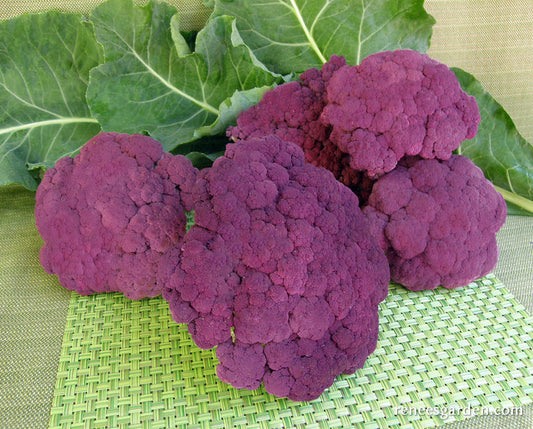
Cauliflower Purple Crush
BEST TO START INDOORS
Start seeds 4 to 5 weeks before last expected frost. Sow 1 inch apart in a container of seed starting mix and cover 1/4 inch deep. Keep moist but not soggy. Provide a strong light source until seedlings are ready to plant out. When seedlings have 2 to 3 sets of true leaves, acclimate to outdoor conditions and transplant 12 to 18 inches apart into rich, well-drained soil in full sun. In mild winter climates, sow again in mid-summer for a fall crop.
TO START OUTDOORS
About 4 to 6 weeks before last frost, sow groups of 2 to 3 seeds 12 to 18 inches apart and 1/4 inch deep in well-drained, fertile soil in full sun. Tend carefully and thin to 1 strong seedling per group when several inches tall. Proper thinning is critical for successful heads.
GROWING NOTES
Fertilize growing cauliflower every three weeks and keep well weeded and watered to provide the rapid growth cauliflower requires to form good heads. Purple Crush’s outer wrapper leaves help shield its heads from sun discoloration. Harvest the deep purple heads promptly when fully filled out. Nontoxic “BT” (Bacillus thuringiensis) products work well to control caterpillar pests.
HARVEST AND USE
Enjoy Purple Crush in salads, with dips, or break into florets and lightly steam or toss with olive oil and oven roast till tender. Remember: garden fresh cauliflower cooks more quickly than store-bought!
Regular price $4.99Sale price $4.99Unit price per