Seed Packets Only
-
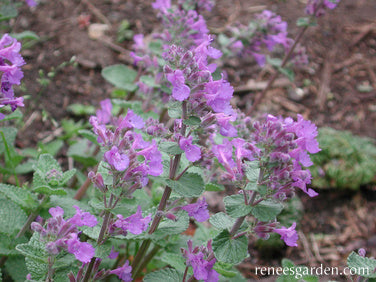
Landscaping Herbs Catmint
BEST TO START EARLY INDOORS
In spring, 6 weeks before last expected frost, sow seeds 1 inch apart in a container of seed starting mix. Cover lightly, keep warm and moist, and provide a strong light source. Feed every 2 weeks with half-strength fertilizer. Once seedlings are well-established, transplant 2 to 3 inches apart into deeper containers so root systems have room to develop. When 3 to 4 inches tall, acclimate to outdoor conditions and plant in full sun 12 inches apart.
TO START OUTDOORS
Plant in full sun in ordinary garden soil in spring when weather is settled and night temperatures are above 50°F (10°C). Sow seeds in well-worked soil 1/4 inch deep and 4 inches apart. Keep evenly moist while waiting for seedlings to emerge. Thin seedlings 12 inches apart.
GROWING NOTES
Plant drifts of this pretty herbal ground cover in any sunny spot. It grows into 12 inch tall, softly rounded mounds. Once first flush of flowers ends, cut back to about 6 inches and plants will come back into bloom. Many cats enjoy frolicking in Catmint’s sturdy foliage which can handle their affectionate advances.Regular price $2.99Sale price $2.99Unit price per -
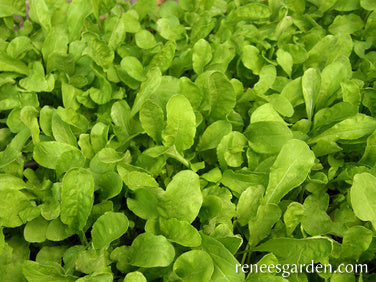
Kitchen Herbs Italian Arugula
ANNUAL
Spring/summer/fall harvest
Frost hardyEASIEST TO START OUTDOORS
In early spring, sow seeds directly into well-worked garden soil in full sun or in a sunny spot with afternoon shade. Broadcast seed 2 inches apart, cover 1/4 inch deep and firm soil over seeds. Keep seed bed evenly moist until seedlings emerge. Make new sowings every 2 weeks until early summer for a constant supply of fresh non-bitter leaves. Begin harvesting young leaves in 3 to 4 weeks.
In hot summer areas, wait to sow again in late summer for fall use, as summer heat makes leaves very pungent.
THIN OR TRANSPLANT
Arugula grows so quickly we recommend sowing in place rather than transplanting. Thin seedlings 2 to 3 inches apart when plants are large enough to handle.
GROWING NOTES
Begin harvesting by thinning little seedlings to use in salads when they are several inches tall. Then, either pick individual leaves when 3-4 inches long, or snip leaves about 1 inch above the crown and let plants regrow for more harvests.Regular price $2.99Sale price $2.99Unit price per -
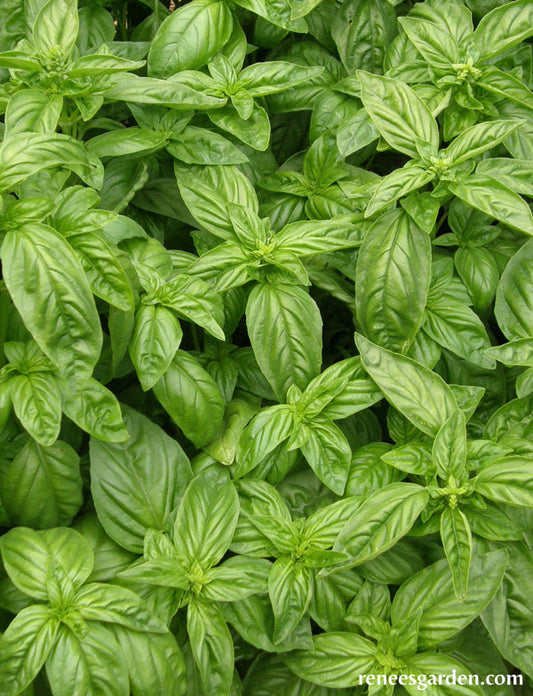
Bolognese Basil Aurelia
ANNUAL
Summer/fall harvest
Heat-loving, frost tenderTO PLANT DIRECTLY INTO THE GARDEN
When late spring weather reaches 55°F (10°C) both day and night, sow seeds 1 inch apart in well worked, fertile soil in full sun. Cover 1/4 inch deep, firm soil and keep seed bed moist. Germination takes 1 to 2 weeks. After seedlings are well established, thin or transplant 8 inches apart, which allows plants enough elbow room grow and mature.
TO START EARLY INDOORS
Sow seeds 1 to 2 inches apart in a container of fresh seed starting mix, 4 weeks before last expected frost. Keep warm and evenly moist, and provide a good light source. Feed with 1/2 strength liquid fertilizer every 10 days. Once weather warms outdoors, acclimate seedlings to outdoor conditions, then transplant 8 inches apart into the garden.
GROWING NOTES
It is critical to sow seed or transplant basil seedlings only when late spring day and nighttime temperatures stay above 55°F (13°C). Harvest sprays of leaves by snipping stems just above two new sprouting lateral branches to encourage lush foliage. Keep flower buds pinched off to extend harvesting. Feed regularly with high nitrogen fertilizer after harvesting to promote new growth. Except in very short season areas, make a second planting three weeks after the first for a continued supply of fresh, aromatic leaves.
Regular price $3.69Sale price $3.69Unit price per -
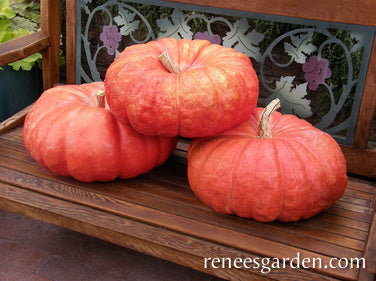
Heirloom Pumpkins Rouge Vif d'Etampes
BEST TO START OUTDOORS
Pumpkins need full sun, rich fertile soil and warm temperatures. Plant only when weather is warm and night temperatures stay above 50°F (10°C). Sow groups of 3 seeds 3 feet apart and 1 inch deep in rows 4 feet apart. Thin to 1 strong seedling per group. Or, make circular soil mounds 3 feet across. Plant 6 seeds, 6 inches apart in center of each mound. Thin to the strongest 3 seedlings in each mound, so vigorous vines have room to grow and fruit.
GROWING NOTES
Plant pumpkins where the vigorous vines can sprawl. Protect young seedlings from marauding birds by covering with berry baskets at sowing time, removing before plants get crowded. Give vines ample water and feed several times for best yields.
HARVEST AND USE
These big plump beauties need to mature properly before harvest. Wait to pick until their rinds are fully deep orange and tough enough to resist piercing with a fingernail. Cut from vines, leaving good stem handles. Let cure in the sun for 10 days then store in a cool dry place and they’ll keep for months. Steam or bake the rich orange flesh for baked goods, soups or casseroles. Or hollow out the inside and use the ornamental pumpkin whole as a show-stopping serving dish for soup or stew.Regular price $4.89Sale price $4.89Unit price per -
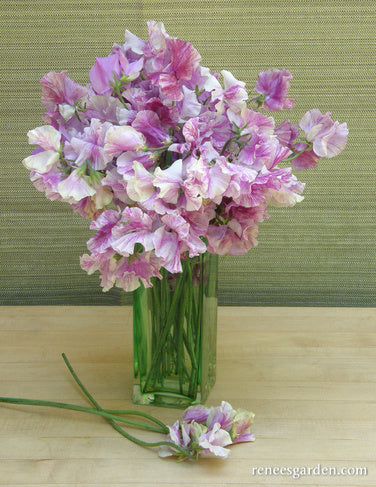
Fragrant Sweet Peas Raspberry Twirl
ANNUAL CLIMBING VINE
Spring/summer bloom
Frost tolerantEASIEST TO START OUTDOORS
Sweet peas must have well drained soil, so dig deeply and enrich with aged manure or compost before sowing seeds. Erect a well-anchored trellis, vertical netting or other support for vines before planting. Sow seeds in full sun in cool early spring weather as early as the ground can be worked.
In mild winters, where ground does not freeze, sweet peas can be planted in fall. Seedlings will form strong root systems, then overwinter to bloom vigorously in spring. Plant sweet pea seeds 1 inch deep and 2 to 3 inches apart. When seedlings are 2 inches tall, thin to 4-5 inches apart to allow plants room to mature.
GROWING NOTES
Sweet peas bloom best when they flower before the weather gets too hot, so if spring planting, sow as early as possible, especially in regions where summer heat comes on fast. Anchor climbing supports well as these vines will grow dense and heavy with bloom. Protect seedlings from birds, slugs and snails. Mulch and keep well watered for best flower production. For longest bloom, remove faded blossoms regularly.Regular price $3.99Sale price $3.99Unit price per -
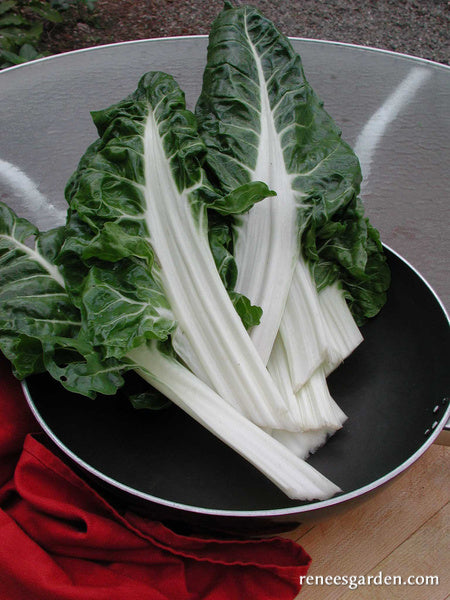
Heirloom Chard Italian Silver Rib
START SEEDS OUTDOORS
In early spring when danger of hard frost is over, sow seeds in well-worked, fertile soil in full sun. Sow seeds 1/2 inch deep and 2 inches apart in rows 10 inches apart, or broadcast very thinly for bed planting. Firm soil well over these irregularly shaped seeds to ensure good germination. If first sowing germinates unevenly, plant more seed in the rows as seedlings catch up quickly. Thin when seedlings are large enough to handle, using thinnings as early greens. Final spacing should be 12 to 18 inches apart so chard plants have room to mature.
GROWING NOTES
Chard grows well in a wide range of conditions and can take some frost. In mild winter areas, it can be grown year round. Thin seedlings well as chard grows into large vase-shaped plants 2 feet tall.
HARVEST AND USE
Begin harvesting when plants are well established and have 6 to 8 stalks. Both the crunchy succulent stalks and leaves make great eating. Chop and sauté chard with garlic and olive oil or pair with sautéed mushrooms and onions. Try steamed and topped with a sprinkle of vinegar or fresh lemon juice. Use like spinach in lasagna or minestrone soup.
Regular price $2.99Sale price $2.99Unit price per -
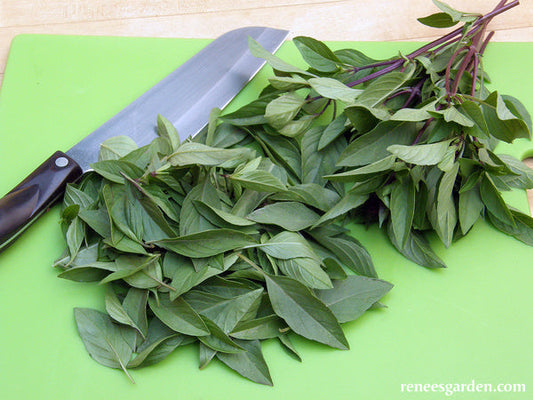
True Thai Basil Queenette
ANNUAL
Summer/fall harvest
Heat-loving, frost tenderTO PLANT DIRECTLY INTO THE GARDEN
When late spring weather has reached the 50°F (10°C) range day and night, sow seeds 1 inch apart in well worked fertile soil in full sun. Cover 1/2 inch deep, firm soil and keep seed bed moist. Germination takes 1 to 2 weeks. After seedlings are established, thin or transplant 8 inches apart so plants have room to grow.
TO START EARLY INDOORS
Sow seeds 1 inch apart in containers of seed starting mix, 4 to 6 weeks before last expected frost. Keep warm and evenly moist, and provide a good light source. When seedlings are large enough to handle and night temperatures stay above 50°F (10°C), acclimate gradually to outdoor conditions before planting in garden beds or into large pots.
GROWING NOTES
Remember, for success with this easy to grow but cold-sensitive herb, it is essential to sow and/or transplant basil only when weather is warm and nighttime temperatures stay above 50°F (10°C). Harvest sprays of leaves by snipping stems just above two new sprouting lateral branches to encourage lush foliage. Keep flower buds pinched off if you want to extend harvesting. Feed regularly to promote new growth.
Regular price $2.99Sale price $2.99Unit price per -
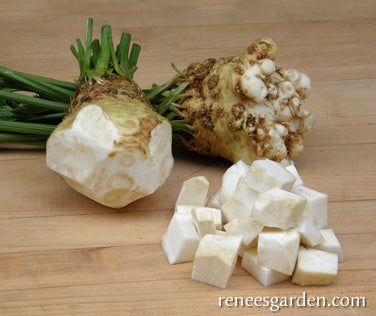
Celeriac/Celery Root Prinz
TO PLANT OUTDOORS
In spring, when frost danger is over and nights are at least 50°F (10°C), sow seeds in well-worked, fertile soil in full sun. Space seeds 1 to 2 inch apart and cover 1/4 inch deep in rows 12 inch apart. Be patient; celeriac germinates slowly and unevenly. Use row covers to help retain soil moisture; remove after germination. Thin well-established seedlings to 10 inches apart.
TO START EARLY INDOORS
About 6 to 8 weeks before last frost, sow seeds 1 inch apart in a container of seed starting mix. Cover 1/4 inch deep and provide a strong light source. Keep moist but not soggy, and feed seedlings frequently. When several inches tall, transplant 10 inches apart into well-amended garden soil after danger of frost is over.
GROWING NOTES
Celeriac needs rich soil to grow into large harvestable roots. Mulch plants well and feed monthly throughout the growing season.
HARVEST AND USE
Harvest when roots have sized up at least 3 to 4 inches in diameter. Flavor is sweetest in cool fall weather. Harvest as needed; celeriac “stores” well in the ground. Protect from freezing with a thick mulch. Clean, peel and cut up to add wonderful sweet celery flavor to soups, stews or braises, or toss with olive oil and roast until tender. Also delicious freshly grated and dressed with a lemony dressing. Dry celeriac foliage to use for celery flavored seasoning.
Regular price $3.69Sale price $3.69Unit price per -
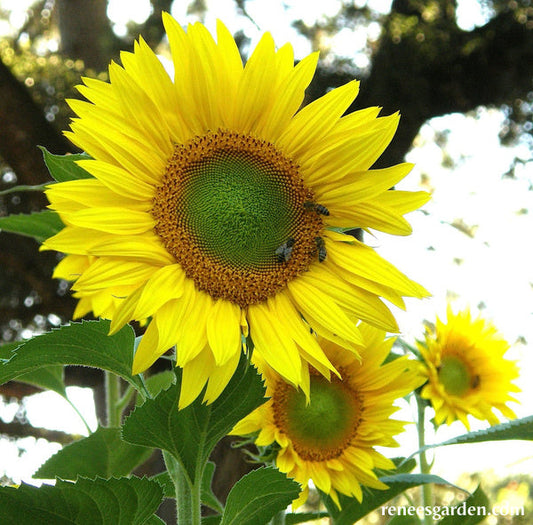
Songbird/Pollinator Flowers The Birds & Bees Sunflowers
ANNUAL
Spring/summer/fall bloom
Frost tenderEASY TO START OUTDOORS
Plant in full sun in good garden soil when all danger of frost is past and temperatures have reached at least 50°F (10°C) both day and night. Poke seeds into well-worked soil 1 inch deep and 6 inches apart. Press soil firmly over seeds and keep moist as seedlings emerge.
Thin or Transplant: When seedlings are about 3 inches tall, thin them to 12 inches apart with 2 feet between rows, to give growing plants room to establish strong roots and sturdy stalks that won’t blow over.
GROWING NOTES
Keep soil moist and well weeded and protect seedlings from birds at planting time with netting or plastic berry baskets, removing before plants get crowded. For large heads, space seedlings properly 12 inches apart so plants can grow to full size.
HARVEST AND USE
As flowers bloom, bees pollinate the florets in each head and the seeds begin to mature. When the center disk florets have dried up, birds of all sorts will visit to snack on the ripening seed heads.
To harvest for feeding birds in fall and winter: cover heads with paper bags till ripened kernels are plump and hard-shelled, then cut entire heads, let them fully dry. Remove the seeds by hand into a basket, then blow off loose chaff. Store in closed containers to feed as needed.
Regular price $3.39Sale price $3.39Unit price per -
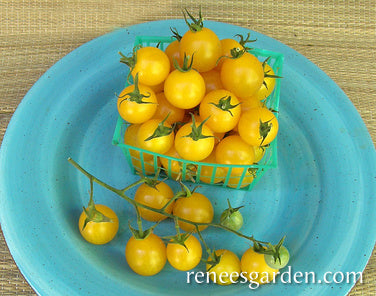
Cherry Tomato Sweet Gold
STARTING SEEDLINGS
Start indoors about 6 to 8 weeks before outdoor night temperatures are reliably in the 55° (13°C) range. Sow seeds ¼ inch deep and 1 inch apart in a container of seed starting mix. Keep moist but not soggy and very warm, 80°F (27°C). Provide a strong light source until seedlings are ready to plant outside.
When they are 2 inches tall, transplant into 4 inch pots, burying stems up to base of leaves. Maintain around 70°F (21°C). Feed with half-strength fertilizer every 2 weeks until weather is warm enough to gradually acclimate seedlings to outdoor conditions.
Transplant these vigorous indeterminate climbers 3 feet apart into rich soil in full sun.
GROWING NOTES
Prepare soil well with aged manure or compost. Plant tomatoes several inches deeper than they were growing in pots. Provide strong stakes or tall wire cages at planting time as plants grow tall with heavy fruit loads. Mulch to provide the even moisture that prevents cracking. Don’t overwater once fruit begins to ripen.
HARVEST AND USE
Pick fruits when fully golden yellow for best flavor. Enjoy for sweet snacks right out of the garden, in salads or stuffed with herbed cream cheese. For a delicious side dish, briefly sauté Sweet Gold in a garlicky olive oil, then sprinkle with chopped fresh chives and basil.
Regular price $4.99Sale price $4.99Unit price per -
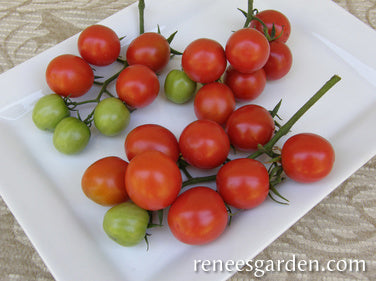
Heirloom Tomatoes Camp Joy Cherry
STARTING SEEDLINGS
Start indoors about 8 weeks before outdoor night temperatures are reliably in the 55° (13°C) range. Sow seeds 1/4 inch deep and 1 inch apart in a container of seed starting mix. Keep moist but not soggy and very warm, 75°F (24°C). Provide a strong light source until seedlings are ready to plant outside. When they are 2 inches tall, transplant into 4 inch pots, burying stems up to base of leaves. Maintain around 70°F (21°C). Feed with half-strength fertilizer every 2 weeks until weather is warm enough to gradually acclimate seedlings to outdoor conditions. Transplant these vigorous indeterminate climbers 3 feet apart into rich soil in full sun.
HARVEST AND USE
Pick fruits when fully colored for best flavor. Enjoy for sweet snacks right out of the garden, in salads or stuffed with herbed cream cheese. For a delicious side dish, briefly sauté Camp Joy Cherries in a garlicky olive oil, then sprinkle with chopped fresh chives and basil.
GROWING NOTES
Prepare soil well with aged manure or compost. Plant tomatoes several inches deeper than they were growing in pots. Provide strong stakes or tall wire cages at planting time as plants grow tall with heavy fruit loads. Mulch to provide the even moisture that prevents cracking. Don’t overwater once fruit begins to ripen.
Regular price $3.39Sale price $3.39Unit price per -
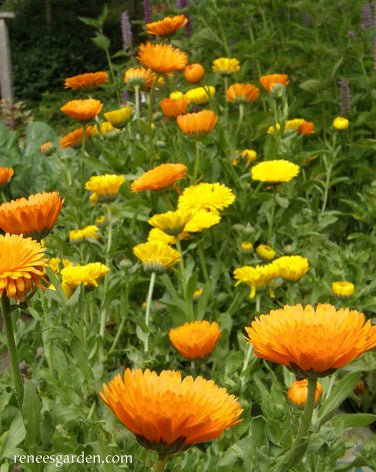
Butterfly Calendula Mix Orange & Lemon Twist
HARDY ANNUAL
Spring/fall bloom
Takes light frostTO START OUTDOORS
Calendulas bloom best in cool weather, so plant in early spring in well-drained soil after danger of frost is over. Sow seeds 1 in. apart, cover 1/2 in. deep, firm soil and keep seed bed moist while awaiting germination in 7 to 14 days. After seedlings are well established, thin or transplant 8 in. apart.
Container growing: plants also grow and bloom well in pots at least 12 to 16 in. deep and 18 to 20 in. across. Start with fresh potting mix each season, keep well watered and fertilize monthly.
TO START EARLY INDOORS
In early spring, sow seeds 1 in. apart in a container of seed starting mix and cover ½ in. deep. Keep evenly moist as seedlings emerge and provide a good light source until ready to plant outdoors. Transplant when seedlings are about 2 to 3 in. tall after gradually acclimating plants to outdoor conditions.
GROWING NOTES
Thin seedlings to proper spacing for good air circulation and to discourage mildew. Keep faded flowers removed. Lemon & Orange Twist are easy to grow spring annuals, producing sturdy plants soon covered with bright flowers that bloom nonstop and attract butterflies for many weeks. In mild climates: sow again in late summer for winter or early spring flowers.
Regular price $3.39Sale price $3.39Unit price per -
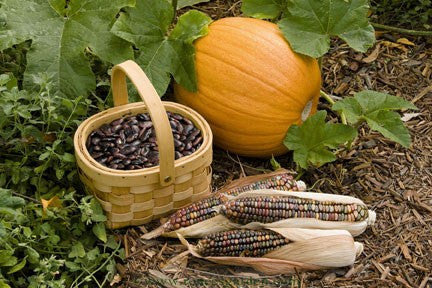
Bonus Pack Native American Three Sisters Garden
Read "Celebrate the Three Sisters," for complete historical and planting information.
LISTEN to radio show about the Three Sisters (.mp3).HOW AND WHEN TO PLANT
1. Choose a site in full sun (minimum 6 to 8 hours/day of direct sunlight throughout the growing season). Amend the soil with plenty of compost or aged manure. With string, mark off three 10 foot long rows, each 5 feet apart.
2. In each row, make your corn/bean mounds. The center of each mound should be 5 feet apart from the center of the next. Each mound should be 18 inches across with flattened tops. Stagger the mounds in adjacent rows.
3. Plant 4 to 6 corn seeds in each mound in a 6 inch square. Protect from birds with netting until seedlings are 4 inches tall.
4. When the corn is 6 inches tall, it's time to plant the beans and squash. First, weed the entire patch. Then plant 4 bean seeds in each corn mound. They should be 3 inches apart from the corn plants.
5. Build pumpkin mounds in each row between each corn/bean mound. Make them the same size as the corn/bean mounds. Plant 4 or 5 pumpkin seeds, 4 inches apart in a triangle in the middle of each mound.
6. When the pumpkin seedlings emerge, thin them to 2 plants per mound. You may have to weed the area several times until the pumpkin vines take over and shade new weeds.
Regular price $8.99Sale price $8.99Unit price per -
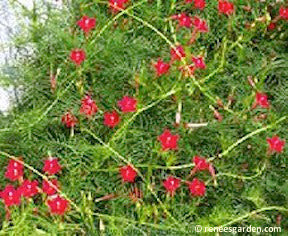
Hummingbird Favorites Heirloom Cardinal Climber
ANNUAL VINE
Summer/fall bloom
Frost tenderTO START OUTDOORS
In spring, wait until temperatures are above 50°F (10°C) both day and night before planting seeds in full sun in ordinary garden soil 4 to 6 inches apart and 1/2 inch deep. Firm soil over seeds and keep evenly moist but not soggy.
TO START EARLY INDOORS
Sow seeds indoors 4 or 5 weeks before last expected frost in individual 4 inch pots of seed starting mix. Cover 1/2 inch deep and keep warm and moist. After seedlings have several leaves, thin to the strongest seedling per pot. Provide a strong light source until seedlings are ready to plant outdoors. When spring weather has warmed, acclimate seedlings to outdoor conditions before planting outdoors. Thin or transplant seedlings 10 to 12 inches apart and several inches from supports when large enough to handle. Avoid disturbing roots.
GROWING NOTES
Be sure to erect well-anchored, sturdy supports at least 8 feet tall at planting time; strong netting, a fence or a strong trellis is needed to hold these vigorous and rapid climbers that bloom at midsummer. Note: seeds are poisonous; keep from kids and pets.
Regular price $2.99Sale price $2.99Unit price per -
Gourmet Bibb Lettuce Matilda
START SEEDS OUTDOORS
In cool early spring weather, start seeds in finely worked soil in full sun. Sow 1/4 inch deep and 2 inches apart in rows 6 to 8 inches apart and cover lightly. Tend carefully and keep evenly moist. Gradually thin out extra seedlings, leaving remaining plants standing 10 to 12 inches apart so they have room to size up and mature into full heads. For a constant supply, make several sowings 10 days apart before summer heat comes on. Plant again in late summer for fall harvest.
GROWING NOTES
Lettuce thrives in cool conditions with consistent moisture. Weed, water and be sure to thin carefully to proper spacing so seedlings have room to grow into full size heads. If birds are attracted to young seedlings, cover with floating row covers or netting. Make a shade structure in hotter climates to extend the growing season.
HARVEST AND USE
Keep growing plants evenly moist for sweet tasting, full heads. Savor young lettuce thinnings in your first spring salads. Harvest mature heads of these sweet crunchy leaves when they feel firm and well-filled out. Pull and discard or compost over-mature plants if they begin to elongate (“bolt”) in hot weather as leaves turn bitter at this stage.
Regular price $4.89Sale price $4.89Unit price per -
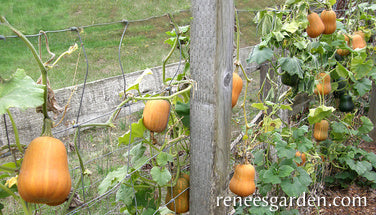
Baby Butternut Squash Honey Nut
BEST TO START OUTDOORS
Winter squash needs full sun, rich fertile soil and warm temperatures. Wait to plant until temperatures stay above 50°F (10°C) day and night. Sow groups of 2 to 3 seeds 2 feet apart and 1 inch deep in rows 4 feet apart. Thin to 1 strong seedling per group to give vines room to ramble or climb. Or make slightly mounded hills 2 to 3 feet across and 6 feet apart and plant 4 to 5 seeds in each hill. When seedlings have several sets of leaves, thin to the strongest 3 seedlings per hill.
GROWING NOTES
Protect young seedlings from marauding birds by covering with plastic berry baskets at sowing time, removing before plants get crowded. To save space, and make picking easy, Honey Nut vines can easily be trained up fences, trellises or teepees 4 to 6 feet tall.
HARVEST AND USE
All winter squashes need to mature properly, so wait to pick until rinds are fully colored up from dark green to orangey-tan and tough enough to resist piercing with a fingernail and vines have died back. Then cut, leaving a good stem handle. Let them cure for 10 days in the sun, then store in a cool dry place and they’ll keep for months. In the kitchen, cut Honey Nuts in half then bake until tender. Flesh is meltingly sweet and delicious.Regular price $4.39Sale price $4.39Unit price per -
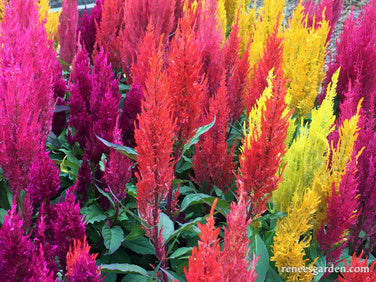
Rainbow Plume Celosia Hippie Tie Dye
ANNUAL
Summer/fall color
Frost tenderBEST TO START EARLY INDOORS
Six weeks before last expected frost date, sow seeds 1 inch apart in a container of seed starting mix. Cover very lightly, no more than 1/8 inch. Keep warm and moist and provide a strong light source until seedlings are ready to plant out in the garden. Feed every 2 weeks with half-strength fertilizer.
Seedlings are ready to transplant when they are large enough to handle and night temperatures are evenly in the 50°F (10°C) range. Gradually acclimate seedlings to outdoor conditions, then plant in full sun 6 to 8 inches apart in rich, fertile soil.
TO START OUTDOORS
Sow seeds in a well-drained, finely textured seed bed in full sun when weather is warm and nights are above 50°F (10°C). Space seeds 2 to 3 inches apart and cover very lightly, then gently firm soil. Keep soil evenly moist while awaiting germination When seedlings are large enough to handle, thin or transplant 6-8 inches apart in full sun.
GROWING NOTES
Seedlings grow slowly at first, then vigorously by midsummer. Good drainage is essential. The dramatic plumes in their eye-catching color collage bloom hard and last all summer. Cut for colorful bouquets or hang bunches upside down inside to air dry as “everlasting” flowers.Regular price $4.99Sale price $4.99Unit price per -
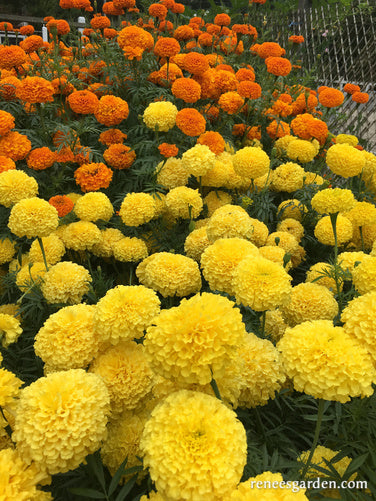
Giant Bouquet Marigolds Orange & Yellow Beast
ANNUAL
Summer/fall bloom
Frost tenderTO PLANT OUTDOORS
Sow seeds directly into well-worked garden soil in full sun once all danger of frost is past. Space seeds 3 inches apart and cover about 1/4 inch deep. Keep soil evenly moist. Germination takes 7 to 10 days. When seedlings are about 3 inches tall, carefully thin them to a final spacing of 9-12 inches apart because these vigorous, tall plants need room to grow and bloom. Extra thinned seedlings can be transplanted easily.
TO START EARLY INDOORS
Sow seeds several inches apart in a container of well-drained seed starting mix 4 to 6 weeks before last expected frost date. Cover 1/4 inch deep, keep moist and provide a strong light source until ready to go outside. Transplant 9-12 inches apart once weather warms up and nights are above 55° F (13° C).
GROWING NOTES
These carefree, non-fussy branching plants reach 3-3 1/2 feet tall with long-lasting big blossoms and blue-green foliage. Perfect in any sunny spot for nonstop color all season long with armfuls of long stemmed flowers for big bouquets. Support the tall, hard blooming plants with stakes or flower supports. Feed and water regularly. No need to pinch plants or remove spent flowers for spectacular long bloom.
Regular price $4.69Sale price $4.69Unit price per -
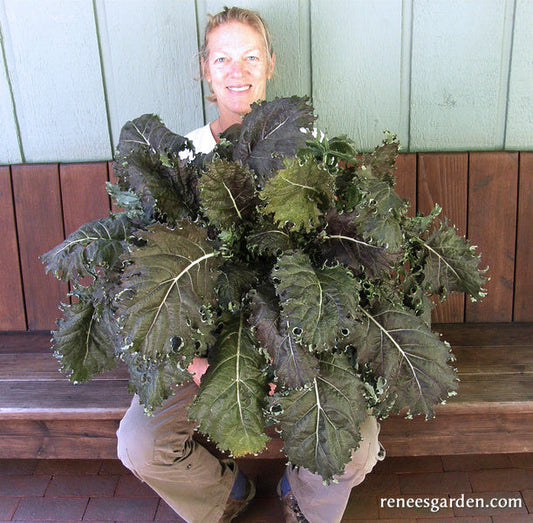
Specialty Kale Mars Landing
TO START DIRECTLY IN THE GARDEN
As soon as ground can be worked in spring, prepare a well-drained, fertile garden bed in full sun. Sow groups of 3 seeds each 10-12 inches apart and 1/2 inch deep, in rows 12-18 inches apart. Keep soil evenly moist. When seedlings are 3 inches tall, thin to just 1 seedling per group. Sow again in late summer for another cold-hardy crop.
TO START INDOORS
Sow seeds in a container of seed starting mix 2 inches apart and cover 1/2 inch deep. Keep moist and provide a strong light source until seedlings are 3 to 4 inches tall then plant outdoors.
THIN OR TRANSPLANT
Space 10 to 12 inches apart so plants have room to mature.
GROWING NOTES
Kale tastes best in cool weather so sow spring crops early. A late summer-sown crop will yield through fall and winter except in the coldest climates. Frost actually enhances kale leaves’ color, flavor and sweetness. Mulch to retain moisture in summer and before the ground freezes to protect the roots of fall crops.
HARVEST AND USE
Begin harvesting outer leaves when plants have 6 to 8 leaves. Vitamin-rich kale is delicious in hearty winter soups, stews and sautés; or braise the beautiful leaves with garlic and olive oil in traditional Mediterranean style. Pull and discard once plants begin to bloom since the leaves of flowering stalks get tough and bitter.
Regular price $3.69Sale price $3.69Unit price per -
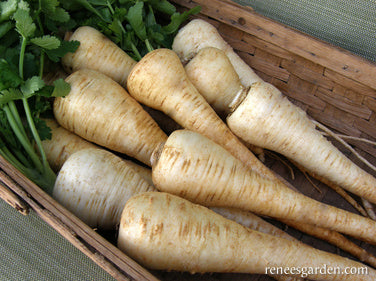
English Parsnips Savour
START SEEDS DIRECTLY OUTDOORS
After all danger of frost is over in spring, sow seeds in well-worked, very fertile soil in full sun. Space seeds 1 inch apart and cover 1/2 inches deep. Make rows 10 inches apart. Be patient; parsnips germinate slowly and unevenly. Tip: Drop a radish seed every 6 inches or so to mark the row and help break the soil crust. Parsnips will easily fill in once radishes are harvested.
GROWING NOTES
When large enough to handle, carefully thin seedlings to stand 3 to 4 inches apart so these big deep roots will have room to size up. Keep growing parsnips consistently moist and well weeded. Feed several times during active growth as parsnips grow best in very fertile soil.
HARVEST AND USE
Wait to harvest until late fall cold weather; flavor is sweetest & best after several hard frosts. As you need them, dig out roots carefully with a shovel or spading fork. In cold winter climates, protect parsnips from freezing with a thick mulch. Parsnips are delicious peeled, cut in chunks, tossed with olive oil & roasted until tender by themselves or with other root vegetables. Or slice them up to sauté gently in butter or steam and mash.
Regular price $3.39Sale price $3.39Unit price per -
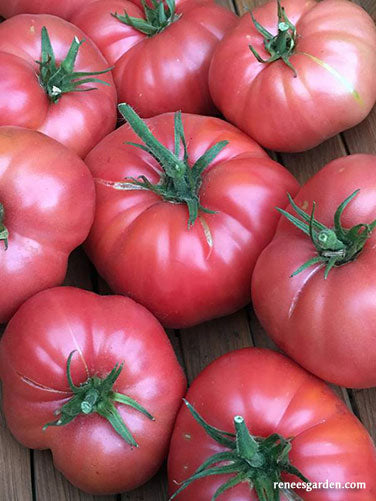
Heirloom Slicing Tomato Chianti Rose
STARTING SEEDLINGS
In early spring, start indoors about 6 to 8 weeks before outdoor night temperatures are reliably in the 50-55°F (10-13°C). Sow seeds 1/4 inch deep and 1 inch apart in a container of seed starting mix. Keep moist but not soggy, and very warm, 80°F (27°C). Provide a strong light source until seedlings are ready to plant outside. When 2 inches tall, transplant into individual 4-inch pots, burying stems up to base of leaves. Maintain at 70-75°F (21- 24°C). Feed with half-strength fertilizer every 2 weeks until ready to plant, then gradually acclimate seedlings to outdoor conditions. When nights reach 55°F (10°C), transplant 3 feet apart into rich soil in full sun.
GROWING NOTES
Prepare soil well with aged manure or compost. Plant several inches deeper than seedlings were growing in containers. Provide strong stakes or tall wire cages at planting time. Mulch to provide even moisture retention; don’t overwater once fruit begins to ripen.
HARVEST AND USE
For best flavor, pick fully ripe and don’t put these big beauties in the refrigerator! A real summer treat is a simple sandwich of thickly sliced Chianti Rose on good French bread layered with fresh basil leaves and a sprinkling of fruity olive oil. Or, stuff with seasoned rice, top with cheese and bake slowly to perfection.Regular price $3.69Sale price $3.69Unit price per -
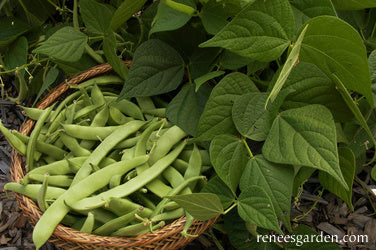
Italian Bush Beans Roma Improved
START SEEDS OUTDOORS
In spring, once weather is warm and settled and night temperatures stay above 55°F (13°C), plant seeds in well-worked, fertile soil in full sun. Poke seeds 1 inch deep and 4 inches apart in rows 1 1/2 to 2 feet apart. Make several sowings several weeks apart until the end of June to provide long continued harvests.
GROWING NOTES
Garden beans are an easy reliable crop to grow, but don’t plant seeds too early as cold conditions prevent good germination. If first sowing comes up unevenly, replant right away; new seedlings will catch up quickly. Birds are often attracted to young bean seedlings, so watch carefully and protect with netting or floating row covers if necessary. Avoid cultivating plants or picking pods when plants are wet.
HARVEST AND USE
Pick these rich-tasting, full-flavored Italian specialty beans often for fresh snap beans by harvesting before the beans swell in the pods. The more you pick, the more plants will produce. Roma Improved also freezes well. If you wait until harvest and the pods mature so the beans swell you can use Roma Improved as green shelling beans. A great variety to grow where summers are especially hot.
Regular price $2.99Sale price $2.99Unit price per -
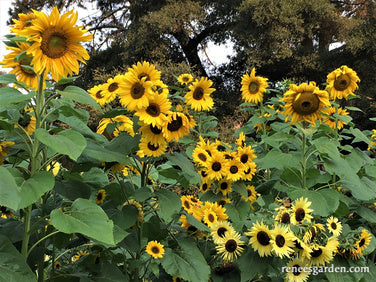
Bonus Pack An Heirloom Sunflower Forest
ANNUAL
Spring/summer bloom
Frost tenderEASIEST TO PLANT OUTDOORS
Plant in full sun in good garden soil only when weather is warm and settled, all danger of frost is past and both days and nights are evenly in the 50°F (10°C) range. Poke individual seeds into well-worked soil about 1/2 in. deep, 4 to 5 in. apart. Press the soil firmly over the seeds and keep the seedbed evenly moist until seedlings emerge in 8 to 10 days.
Important: when the seedlings are well-established, carefully thin them to a final spacing of 1 foot apart; this way they will have enough room to develop sturdy stalks that won’t blow over and big clusters of flowers. Any extra seedlings you need to remove can be transplanted elsewhere in the garden or potted up and given to friends.
TO START EARLY INDOORS
Several weeks before last frost date, sow seeds 1/2 inch deep in individual pots of well-drained seed starting mix. Keep moist and provide a strong light source until seedlings are well established and ready to plant outside. Transplant carefully, disturbing the roots as little as possible. Space seedlings 1 foot apart so plants will have room to grow and mature.
GROWING NOTES
Growing these colorful sunflowers for pollinators and bouquets is both easy and rewarding. Make several sowings several weeks apart and you’ll have a succession of flowers in full bloom. Keep soil moist and well weeded. Protect very young seedlings from bird predation by covering the bed with bird netting held tautly well above seedlings by supports. Or use plastic berry baskets, removing before plants get crowded.
Regular price $8.99Sale price $8.99Unit price per -
Heirloom Sweet Peas Spencer Ruffled
ANNUAL CLIMBING VINE
Spring/summer bloom
Frost tolerantEASIEST TO START OUTDOORS
Sweet peas must have well drained soil, so dig deeply and enrich with aged manure or compost before sowing seeds. Erect a well-anchored trellis, vertical netting or other support for vines before planting. Sow seeds in full sun in cool early spring weather as early as the ground can be worked. In mild winter areas, where the ground does not freeze, plant in fall; seeds will germinate and form strong root systems, then overwinter to bloom strongly in spring. Plant sweet pea seeds 1 inch deep and 2 to 3 inches apart. When seedlings are 2 inches tall, thin them 4 to 5 inches apart, to allow plants room to mature.
GROWING NOTES
Sweet peas bloom best before the weather gets too hot, so if spring planting, sow as soon as ground can be worked. Where summer heat comes on fast, they’ll appreciate a spot with afternoon shade. Anchor supports well as vines will grow heavy with bloom. Protect seedlings from birds, slugs and snails. Mulch and keep well watered. For longest bloom, pick flowers often and keep faded blossoms cut.Regular price $3.99Sale price $3.99Unit price per