Seed Packets Only
-
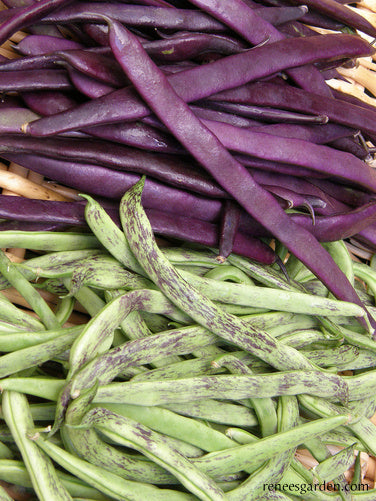
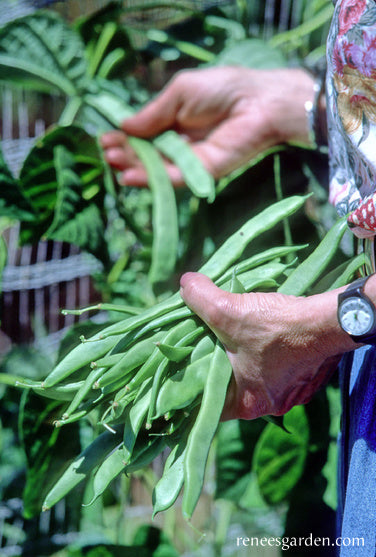
Heirloom Pole Beans Rattlesnake & Purple Pole
START SEEDS OUTDOORS
In spring once weather is warm and settled and night temperatures stay securely above 55°F (13°C), plant seeds in well-worked, fertile soil in full sun. Erect strong stakes, tripod poles, or trellis at planting time for support. Plant seeds 1 inch deep and 4 inches apart along a trellis, or if planting around tripods or stakes, plant 4 to 6 seeds 4 inches from each pole, thinning seedlings to 3 best plants.
GROWING NOTES
Beans are easy to grow, but wait until spring weather is warm both night and day to plant them, because cold conditions prevent good germination. If first sowing comes up unevenly, replant right away; new seedlings will catch up quickly. Birds are often attracted to young bean seedlings, so watch carefully and protect with netting or floating row covers if necessary. Avoid cultivating plants or picking pods when plants are wet.
HARVEST AND USE
Both these heirloom pole varieties are heavy bearers, so harvest pods often. The more you pick, the more plants will produce. Harvest for snap beans when pods are well filled out, but bean seeds have not swelled in the pods. Cook just until tender to enjoy best flavor and texture. For dried beans, let some of the Rattlesnake bean pods fully mature and dry on the plants if you want to shell out the pretty mottled beans inside to enjoy in dried bean recipes and chili.
Regular price $3.69Sale price $3.69Unit price per -
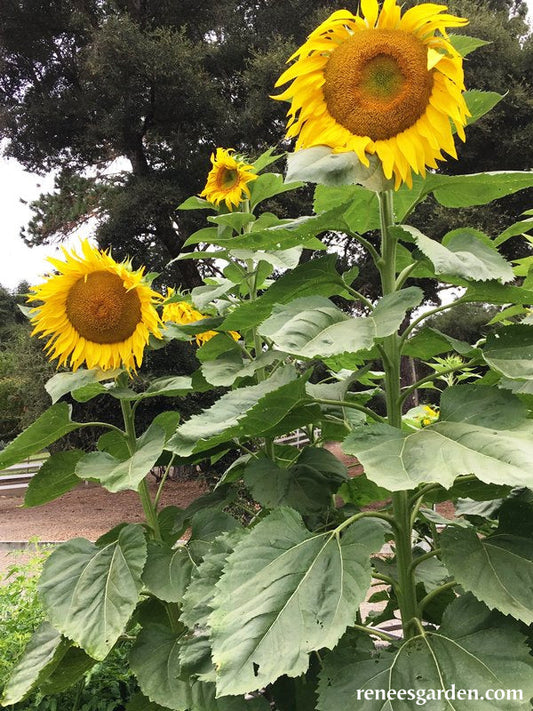
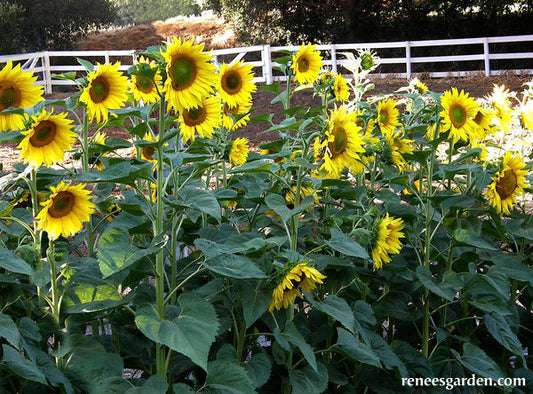
Giant Sunflowers Heirloom Titan
ANNUAL
Summer/fall bloom
Frost tenderEASIEST TO START DIRECTLY IN THE GARDEN
Plant in full sun in good garden soil when weather is warm and settled both day and night and all danger of frost is past. Poke seeds into well-worked soil about 1 inch deep and 6 inches apart. Press soil firmly over seeds and keep moist as seedlings emerge.
THIN OR TRANSPLANT
When seedlings are about 3 inches tall, be sure to space them 12 to18 inches apart with 3 feet between rows. This spacing allows plants room to grow, establish strong roots and sturdy stalks.
GROWING NOTES
Keep soil moist and well weeded. Protect seedlings from birds at planting time with netting or plastic berry baskets, removing before plants get crowded. For large heads, space seedlings properly so plants will have room to grow to full size.
HARVEST AND USE
As petals drop, bees pollinate the florets in each head and seeds begin to mature. When center disk florets have dried up, cover the ripening seed heads loosely with paper bags to foil pilfering birds. When ripened kernels are plump and hard-shelled, cut entire heads, dry fully, then remove the seeds by hand, rubbing them out with your thumbs. Store in closed containers to eat for snacks or feed to the birds over the winter.Regular price $3.39Sale price $3.39Unit price per -
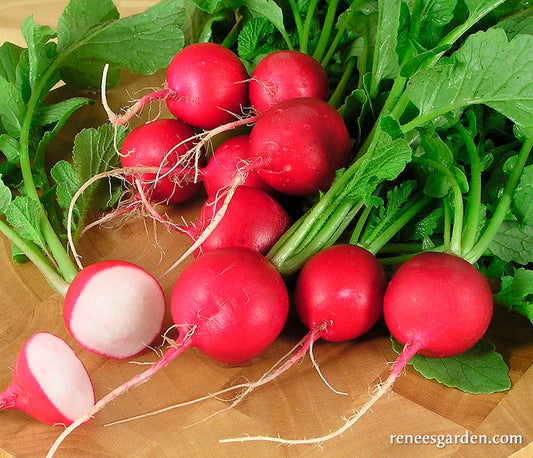
Round Red Radishes Crimson Crunch
START SEEDS OUTDOORS
In early spring as soon as ground can be worked, sow radish seeds in well-worked, fertile soil in full sun. Space seeds 1 inch apart in wide rows 6 inches apart. Cover 1/2 inch deep. Keep soil evenly moist and well weeded. If first sowing comes up unevenly, replant right away. Sow in late summer for a fall crop.
GROWING NOTES
Sow this quick growing, cool season crop wherever you intend to plant heat lovers later. Radishes thrive and have crisp flesh and the best mild flavor given consistent moisture. Sow small amounts a week apart to mature in warm but not hot weather. Thin quick-growing seedlings early to 2 inches apart so roots have room to size up. Protect radishes with floating row covers if marauding birds or flea beetles that chew holes in the leaves are a problem.
HARVEST AND USE
Harvest radishes when roots are the size of large marbles. If weather turns unexpectedly hot, pull, cut off tops, and store in the refrigerator for up to 3 weeks. Radishes will be spicier in hot weather and milder grown in cooler conditions. Combine sliced radishes, scallions and fresh dill or parsley for a great salad. Make delicious openfaced sandwiches on whole grain bread spread with sweet butter and topped with sliced radishes.
Regular price $3.99Sale price $3.99Unit price per -
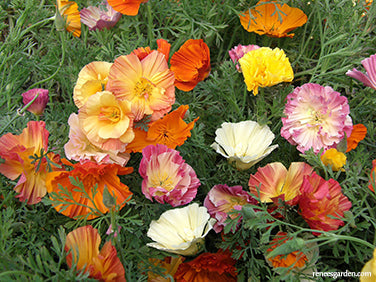
California Poppies Dancing Ballerinas
ANNUAL
Spring/Summer/Fall bloom
Can handle light frostBEST TO START DIRECTLY IN THE GARDEN
Sow seeds directly into a finely textured, well-drained garden bed in full sun as early in spring as the ground can be worked. Plant as early as possible in spring, as poppies can handle light frost and bloom best and longest when plants get a good start in cool weather. In mild winter climates, Poppies can also be sown in late fall to overwinter for spring bloom. Except in very poor soil, these California poppies will grow and flower readily with no added fertilizer. Space seeds several inches apart, cover no more than 1/4 inch deep, and firm soil gently. Keep soil moist as seedlings emerge. If seedlings come up very thickly, thin poppies early but delay final thinning until seedlings are well established in spring. Space seedlings, 4-6 inches apart as plants need room to grow and bloom.
GROWING NOTES
When mature, poppy plants can handle dry conditions, but they will always bloom brighter and longer if regularly watered and are kept well weeded. Poppies are pretty cut flowers if brought indoors just as buds begin to open. At season’s end, allow spent flowers to form pods and drop seed if you want poppies to self-sow for next year's spring flowers.Regular price $3.99Sale price $3.99Unit price per -
Pole Beans Early Spanish Musica
START SEEDS OUTDOORS
In spring once weather is warm and night temperatures stay securely above 55°F (13°C), plant seeds in well-worked, fertile soil in full sun. Erect strong stakes, tripod poles, or trellis at planting time to support vines. Plant seeds 1 inch deep and 4 inches apart along a trellis, or if planting around tripods or stakes, plant 4 to 6 seeds 4 inches from each pole, thinning seedlings to 3 best plants.
GROWING NOTES
Tender, crispy beans are an easy, reliable crop to grow, but don’t plant too early, as weather under 50°F (10°C) prevents good germination. If first sowing comes up unevenly, replant right away; new seedlings catch up quickly. Birds are often attracted to young bean seedlings, so watch carefully and protect with netting or floating row covers if necessary. Avoid cultivating plants or picking pods when plants are wet.
HARVEST AND USE
Musica vines are heavy bearing, so harvest often: the more you pick, the more beans plants will produce. Harvest when beans are 7-9 inches long, but before seeds are swelled in pods. Slice up and cook just until tender to enjoy their sweet nutty flavor and juicy texture. Serve hot, or let the cooked beans cool, then toss with herbed vinaigrette for a delicious green bean salad.
Regular price $4.89Sale price $4.89Unit price per -
Butterfly Flowers Swallowtail Fennel
PERENNIAL
USDA zone 5-9
TO PLANT DIRECTLY IN THE GARDEN
In spring when danger of hard frost is past, sow seeds 1 inch apart in finely worked, well-drained, fertile soil in full sun. Cover 1/2 inch deep, firm soil and keep seed bed moist. Germination takes 2 to 3 weeks. After seedlings are well established, carefully thin or transplant 1 1/2 feet apart to allow plants room to mature.
TO START EARLY INDOORS
Sow thinly in a container of seed starting mix, 4 to 6 weeks before last expected frost. Keep warm and evenly moist, and provide a good light source. When seedlings are 3 to 4 inches tall, acclimate gradually to outdoor conditions before carefully transplanting as above.
GROWING NOTES
Plant in very well-drained soil. Seedlings grow slowly at first; watch out for them closely as their bronze color makes them easy weed out by accident.
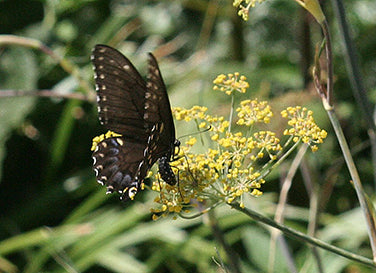
The branching feathery fronds crowned by intricate yellow flowers provide valuable nectar and pollen to a wide range of butterflies, ladybugs, lacewings and other beneficial insects. Colorful blue-green, and copper-bronze foliage is a beautiful contrast with the green foliage and bright colors of summer annuals.
Regular price $3.69Sale price $3.69Unit price per -
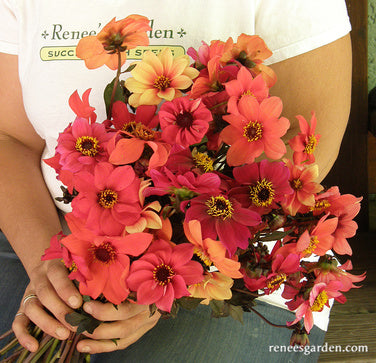
Pollinator Dahlias Blazing Saddles
PERENNIAL GROWN AS ANNUAL
Frost tender
Summer/Fall BloomBEST TO START EARLY INDOORS
Sow seeds 2 inches apart in containers of seed starting mix, 4 to 6 weeks before last spring frost. Cover 1/2 inch deep, keep moist and warm and provide a strong light source until ready to plant outdoors. When weather is warm and settled, acclimate seedlings gradually to outdoor conditions. Plant 12-14 inches apart in full sun.
TO START DIRECTLY OUTDOORS
Wait until weather is warm and settled and night temperatures are above 50°F (10°C). Sow groups of 2 to 3 seeds 1/2 inch deep and 12-14 inches apart in well-worked, fertile soil in full sun. Cover lightly and keep soil moist but not soggy while awaiting germination. When well-established, thin carefully, leaving one single seedling per group, so plants have room to grow. Keep well-weeded and evenly watered.
GROWING NOTES
Encourage growth and plentiful flowers by feeding plants monthly. Remove faded flowers to prolong bloom. These dahlias will produce underground tubers after their first season of bloom.
In mild winter climates: tubers can overwinter in the ground.
In cold winter climates: dig up the tubers in late fall to replant next spring.Container Growing: Space seedlings 8 in. apart in containers at least 16-18 in. across and 16 in. tall.
Regular price $3.99Sale price $3.99Unit price per -
Heirloom Herbs Sweet Marjoram
PERENNIAL
Spring/summer/fall harvest
Frost hardyTO START INDOORS
Sow seed in early spring in a container of seed starting mix. Press gently into mix, but do not cover. Provide a good light source. Keep evenly moist as seedlings slowly emerge in 12 to 21 days. When seedlings are large enough to handle, acclimate gradually to outdoor conditions. Transplant clusters of 3 to 5 seedlings 8 inches apart in full sun.
TO PLANT DIRECTLY IN THE GARDEN
When warm spring weather arrives, sow in full sun in a well-worked, finely textured soil with good drainage. Sow seed as thinly as possible, but do not cover as seeds need light to germinate. Tend carefully, keeping seedbed evenly moist and well weeded. ThIn to leave clusters of 3-5 seedling 8 inches apart.
GROWING NOTES
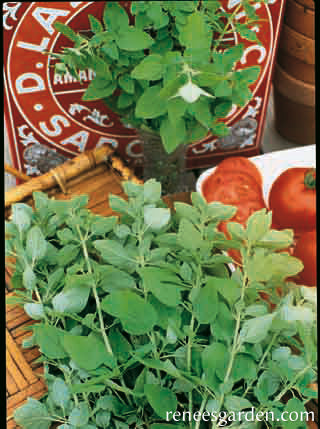
Mix tiny seed with dry sand to help space seedlings. Young plants grow slowly at first; a good hot spell encourages strong growth. Pick leaves lightly the first season; wait until the second summer to make bigger harvests. Cut blossom sprays off for best leafy growth. Given good drainage, this carefree Mediterranean native is hardy and long-lived.
Regular price $2.99Sale price $2.99Unit price per -
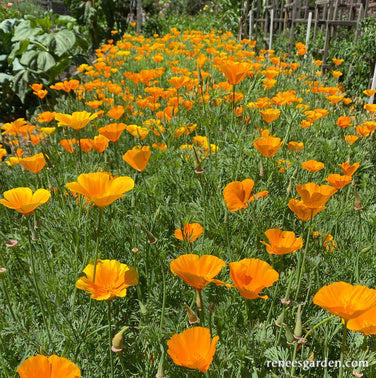
California Poppies Native Orange
PERENNIAL/GROWN AS ANNUAL
Spring/Summer bloom
Can handle light frostBEST TO START DIRECTLY IN THE GARDEN
Sow seeds directly into a finely textured, well drained garden bed in full sun as early in spring as the ground can be worked. Plant as early as possible in spring, as poppies can handle light frost and bloom best and longest when plants get a good start in cool weather. In mild winter climates, Poppies can also be sown in late fall to overwinter for spring bloom.
Except in very poor soil, these California poppies will grow and flower readily with no added fertilizer. Space seeds several inches apart, cover ¼ inch deep, and firm soil gently. Keep soil moist as seedlings emerge. If seedlings come up very thickly, thin poppies early but delay final thinning until seedlings are well established in spring. Space plants 3-4 inches apart to allow plants room to grow and bloom.
GROWING NOTES
When mature, poppy plants can handle dry conditions, but they will always bloom longer if regularly watered. Poppies are pretty cut flowers if brought indoors just as buds begin to open. At season’s end, allow spent flowers to form pods and drop seed if you want poppies to self-sow for next years flowers.Regular price $2.99Sale price $2.99Unit price per -
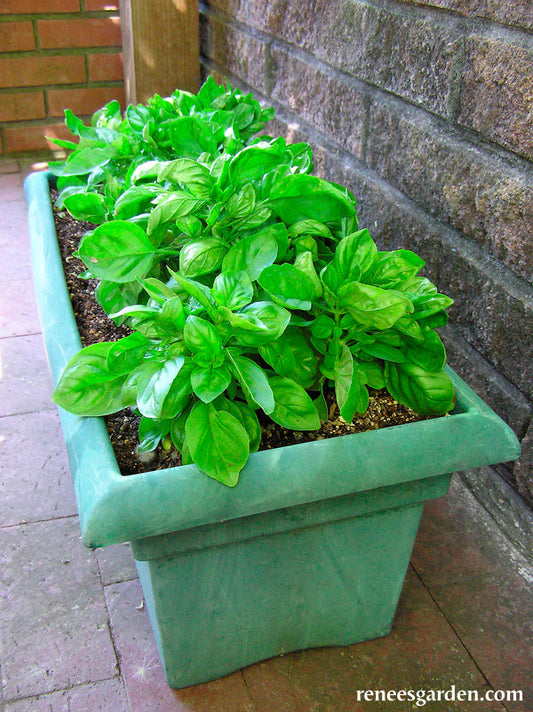
Large-Leaf Container Basil Italian Cameo
ANNUAL
Summer/fall harvest
Heat-loving, frost tenderTO PLANT DIRECTLY INTHE GARDEN
Cameo seeds are coated with a natural clay material to make them easy to sow. When late spring weather has warmed up to the 50°F (10°C) range both day and night, sow seeds 1 inch apart in well worked, fertile soil or containers of fresh potting mix in full sun. Cover 1/4 inch deep, firm soil and keep the seed bed evenly moist. After seedlings are large enough to handle, thin or transplant 6 inches apart. For containers, transplant one seedling per 6 inch pot or 3 seedlings into a 12 inch pot.
TO START EARLY INDOORS
Sow 1 inch apart and 1/4 inch deep in a container of seed starting mix, 4 to 6 weeks before last expected frost. Keep warm and evenly moist and provide a good light source. When seedlings are large enough to handle and weather is above 50°F (10°C) both day and night, transplant outdoors. For containers, transplant one seedling per 6 inch pot or 3 seedlings into a 12 inch pot. Or plant along a garden border for a fragrant edging.
GROWING NOTES
Remember to plant basil outdoors only after nighttime temperatures stay above 50°F (10°C). In hot, dry weather, check and water plants in containers daily. Feed every 2 weeks to promote growth.
Regular price $3.69Sale price $3.69Unit price per -
Snack Seed Sunflowers Heirloom Mammoth Greystripe
ANNUAL
Summer/fall bloom
Frost tenderEASIEST TO START DIRECTLY IN THE GARDEN
Plant in full sun in good garden soil when all danger of frost is past and temperatures have reached at least 50°F (10°C) both day and night. Poke seeds into well-worked soil 1 inch deep and 6 inches apart. Press soil firmly over seeds and keep moist as seedlings emerge.
THIN OR TRANSPLANT
When seedlings are about 3 inches tall, thin to 12 to 18 inches apart with 2 feet between rows to give growing plants room to establish strong roots and sturdy stalks that won’t blow over.
GROWING NOTES
Keep soil moist and well weeded and protect seedlings from birds at planting time with netting or plastic berry baskets, removing before plants get crowded. For large heads, space seedlings at least 12 inches apart so plants can grow to full size.
HARVEST AND USE
As sunflowers bloom, bees pollinate the florets in each head and seeds begin to mature. When center disk florets have dried up, cover the ripening seed heads loosely with paper bags if you don’t want birds to eat the seeds. When ripened kernels are plump and hard-shelled, cut entire heads, dry fully, then remove the seeds by hand. Store in closed containers to eat for snacks or feed to the birds over the winter.Regular price $4.89Sale price $4.89Unit price per -
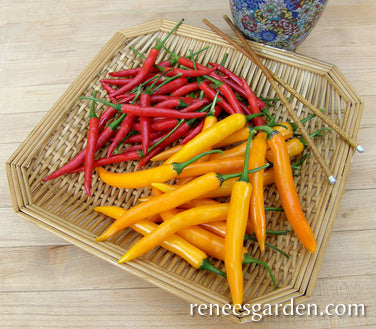
True Thai Chiles Full Moon & Vesuvius
STARTING SEEDLINGS
In early spring, start indoors about 2 months before night temperatures stay reliably 50-55°F (10- 13°C). Sow seeds 1/4 inch deep and 1inch apart in a container of seed starting mix. Keep moist but not soggy, and very warm 80-85°F (27-30°C). Provide a strong light source until seedlings are ready to plant outside. When seedlings are 2 inches tall, transplant into deeper individual containers. Maintain at 70-75°F (21-24°C). Feed with half strength fertilizer every week until weather is warm enough to gradually acclimate seedlings to outdoor conditions. Transplant 2 feet apart into rich soil in full sun.
GROWING NOTES
Chiles need warm conditions. Don’t transplant outdoors until night temperatures stay securely above 55°F (13°C). Prepare soil well with aged manure or compost. Plant only robust seedlings with well-developed roots. Mulch plants to maintain even soil moisture. Keep well weeded, watered and fertilized.
HARVEST AND USE
Harvest when chiles have a high gloss and are fully ripened to orange for the medium-hot Full Moon and red for Vesuvius. To dry for year-round use, cut whole branches of chiles or harvest individually and string from the stem end. Hang in a warm, airy location. Use in all Thai and Asian stir-fries, sauces, salsas and marinades or dry and chop for spicy chile flakes to sprinkle on pizza.Regular price $3.99Sale price $3.99Unit price per -
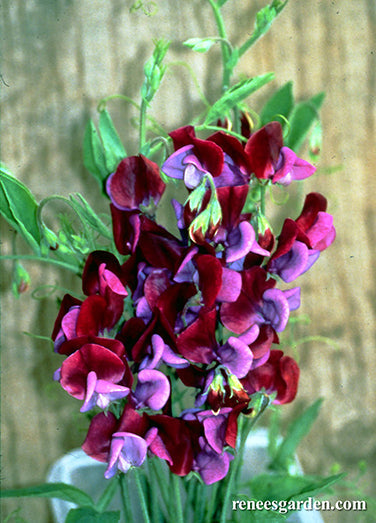
Heirloom Sweet Peas Cupani's Original
ANNUAL CLIMBING VINE
Spring/summer bloom
Frost tolerantEASIEST TO START OUTDOORS
Sweet peas must have well drained soil, so dig deeply and enrich with aged manure or compost before sowing seeds. Erect a well-anchored trellis, vertical netting or other support for vines before planting. Sow seeds in full sun in cool early spring weather as early as the ground can be worked. In mild winter areas, where the ground does not freeze, seeds can be planted in fall to form strong root systems, then overwinter to bloom strongly in spring. Plant seeds 1 inch deep and 2 to 3 inches apart. When seedlings are 2 inches tall, thin them 4 to 5 inches apart, to allow plants room to mature.
GROWING NOTES
Sweet peas bloom best before the weather gets too hot, so if spring planting, sow as soon as ground can worked. Where summer heat comes on fast, they’ll appreciate a spot with afternoon shade. Anchor supports well as vines will grow heavy with bloom. Protect seedlings from birds, slugs and snails. Mulch and keep well watered. For longest bloom, pick flowers often and keep faded blossoms cut.Regular price $3.99Sale price $3.99Unit price per -
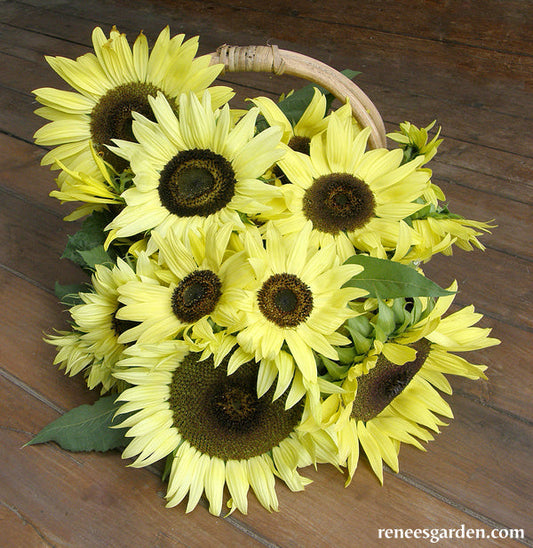
Pollinator Sunflowers Lemon Queen
ANNUAL
Summer/fall bloom
Frost tenderEASIEST TO DIRECTLY PLANT OUTDOORS
Plant in full sun in good garden soil only when weather is warm and settled, all danger of frost is past and both days and nights are evenly in the 50°F (10°C) range. Poke individual seeds into well-worked soil about 1/2 in. deep, 4 to 5 in. apart. Press the soil firmly over the seeds and keep the seedbed evenly moist until seedlings emerge in 8 to 10 days.
Important: when the seedlings are well-established, carefully thin them to a final spacing of 1 foot apart; this way they will have enough room to develop sturdy stalks that won’t blow over and big clusters of flowers. Any extra seedlings you remove can be transplanted elsewhere in the garden or potted up and given to friends.
GROWING NOTES
Growing these colorful sunflowers for pollinators and bouquets is both easy and rewarding. Make several sowings several weeks apart and you’ll have a succession of flowers in full bloom. Keep soil moist and well weeded and protect very young seedlings from birds with bird netting held tautly above the seedbed with supports, or use plastic berry baskets, removing baskets before plants get crowded.Regular price $3.39Sale price $3.39Unit price per -
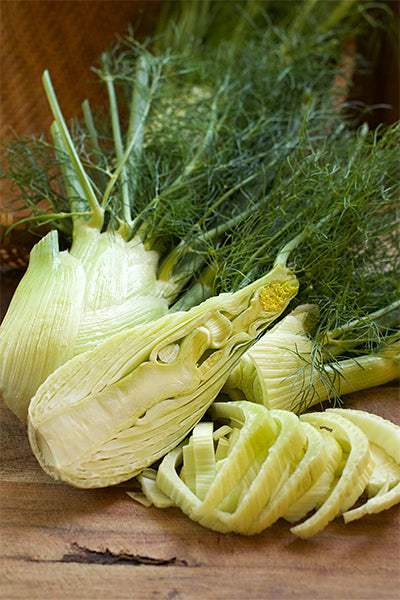
Bulbing Fennel Solaris
STARTING SEEDLINGS
In early spring when danger of hard frost is over, sow seeds in well-worked, fertile soil in full sun. Space seeds 4 inches apart in rows 12 inches apart and cover seed 1/2 inch deep. Carefully thin when seedlings are large enough to handle to stand 10 to 12 inches apart so bulbs have room to grow and mature. Or start seeds indoors in a container of seed starting mix. Keep moist and provide a strong light source until seedlings are 3 or 4 inches tall and ready to transplant as above.
GROWING NOTES
For tender, best quality bulbs, fennel needs rich soil and cool growing weather, so sow seeds as early as the ground can be worked and again in midsummer for fall harvesting. Be sure seedlings are thinned or transplanted 10 to12 inches apart. Keep plants evenly moist throughout the growing season – mulching is a good strategy. Fennel is a heavy feeder, so fertilize every 2 to 3 weeks with a high nitrogen fertilizer such as fish emulsion.
HARVEST AND USE
When bulbs are full and plump, cut them off at soil level. Trim the feathery leaves down to the solid base. Slice the crispy bulbs and add to salads, or eat with dips, or grill or sauté. The leafy tops are a great seasoning for seafood, especially salmon. Fennel’s flavor is like sweet anise/celery that becomes deeper and richer with cooking.
Regular price $4.39Sale price $4.39Unit price per -
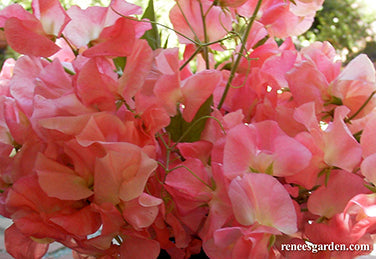
Heirloom Sweet Peas Watermelon
ANNUAL CLIMBING VINE
Spring/summer bloom
Frost tolerantEASIEST TO START OUTDOORS
Sweet peas must have well drained soil, so dig deeply and enrich with aged manure or compost before sowing seeds. Erect a well-anchored trellis, vertical netting or other support for vines before planting. Sow seeds in full sun in cool early spring weather as early as the ground can be worked.
In Mild Winter Areas, where the ground does not freeze, plant in fall after Labor Day; seeds will germinate and form strong root systems, then overwinter to bloom strongly in spring. Plant sweet pea seeds 1 inch deep and 2 to 3 inches apart. When seedlings are 2 inches tall, thin them 4 to 5 inches apart, to allow plants room to mature.
GROWING NOTES
Sweet peas bloom best before the weather gets too hot, so if spring planting, sow as soon as ground can be worked. Where summer heat comes on fast, they’ll appreciate a spot with afternoon shade. Anchor supports well as vines will grow heavy with bloom. Protect seedlings from birds, slugs and snails. Mulch and keep well watered. For longest bloom, pick flowers often and keep faded blossoms cut.Regular price $3.99Sale price $3.99Unit price per -
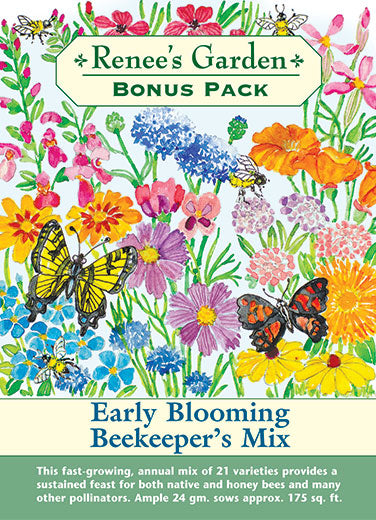
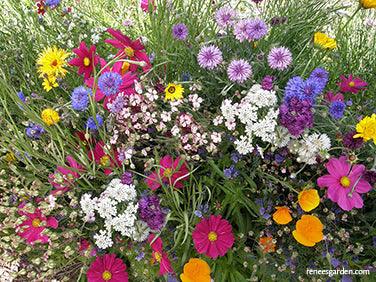
Bonus Pack Early Blooming Beekeeper's Mix
ANNUAL
Spring/summer bloom
Frost tenderBEST TO START DIRECTLY OUTDOORS
In early spring, after all danger of frost is past, plant in a well-prepared garden bed in full sun. Shake packet to mix. Scatter the seed thinly and evenly over finely worked soil, aiming to have the seeds about an inch or so apart. Cover lightly, about 1/4 inch deep, and gently firm the soil over the seeds – a rake is handy for this step.
Water thoroughly and evenly with a very gentle spray. Keep the seed bed moist while awaiting germination and while flowers are actively growing for the most blossoms. The many flower varieties in this pretty mix will grow and bloom in succession throughout late spring and summer.
Regular price $9.99Sale price $9.99Unit price per -
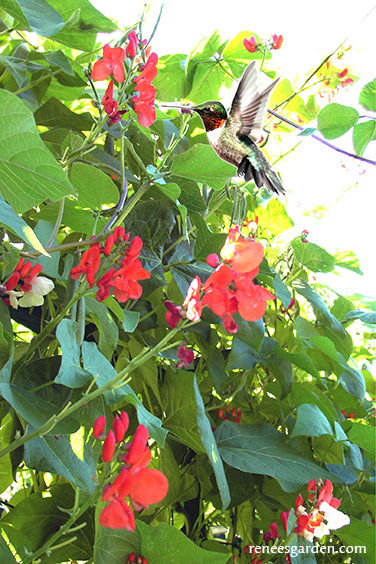
Heirloom Runner Bean Painted Lady
ANNUAL VINE
Summer/fall bloom with edible pods and seeds
Frost tenderEASIEST TO START DIRECTLY IN THE GARDEN
In late spring once weather is warm and settled and nights stay above 50°F (10°C), plant seeds in a sunny spot. Erect well-anchored supports at planting time to support the rapidly growing vines. Poke seeds in 1 inch deep and firm soil over them. If training bean vines up poles, plant 4 or 5 beans several inches from each pole, or plant seeds 3 to 4 inches apart along a fence or trellis. Keep soil evenly moist while awaiting germination in 7 to 10 days.
THIN OR TRANSPLANT
Beans don’t transplant well, so we advise sowing seeds where they are to grow. Thin seedlings to 6 - 8 inches apart.
GROWING NOTES
Always wait until weather is warm before planting seeds so beans will germinate and grow well. Keep bean vines well watered. In very hot climates, beans will flower but not set pods until weather moderates in fall. Both the crispy bean flavored blossoms and the flat green pods are deliciously edible; let some of the pretty beans mature in their pods to use for tasty dry bean recipes.Regular price $4.69Sale price $4.69Unit price per -
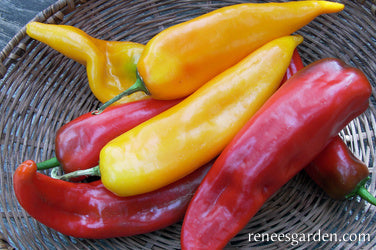
Italian Roasting Peppers Corno di Toro Mix
STARTING SEEDLINGS
In early spring, start indoors about 2 months before night temperatures stay above 50-55°F (10-13°C). Sow seeds 1/4 inch deep and 1 inch apart in a container of seed starting mix. Keep moist but not soggy, and very warm 80-85°F (27-29°C). Provide a strong light source until seedlings are ready to plant outside. When 2 inches tall, transplant 3 inches apart into deeper containers. Maintain at 70-75°F (21-24°C). Feed with half strength fertilizer every week until weather is warm enough to gradually acclimate seedlings to outdoor conditions. Transplant 2 feet apart into rich soil in full sun.
GROWING NOTES
Don’t transplant outdoors until nights are above 50°F (10°C). Prepare soil well with aged manure or compost. Plant only robust seedlings with well-developed roots. Mulch plants to maintain even soil moisture.
GROWING & HARVEST
Peppers need full sun at least 6 hours per day. Mulch well to maintain even moisture. Fertilize weekly to establish vigorous plants that provide shade and protect fruit from sunburn. Plants must be staked or caged to keep branches from breaking under their heavy fruit set. Harvest when fruits are glossy and turn from green to fully red or yellow by cutting, not pulling from plants. Eat fresh, roast or grill or try them Italian style, sautéed with tomatoes, olive oil, garlic and basil, accompanied by good hard cheese and crusty bread.
Regular price $3.69Sale price $3.69Unit price per -
Salad Scallions Parade
EASIEST TO START OUTDOORS
Plant scallions throughout the spring and again in mid to late summer for fall harvests. Sow seeds in well-worked, fertile soil in full sun. Space seeds 1 inch apart in rows 8 to 10 inches apart, or broadcast thinly for bed planting. Cover 1/4 inch deep and firm soil well over seeds. Be sure to keep soil evenly moist to ensure good germination.
THIN OR TRANSPLANT
Space 1 to 2 inches apart, allowing plants room to mature.
GROWING NOTES
Scallions take up little garden space, so tuck several rows around beds of lettuce, spinach or radishes. Make several plantings a month apart to have a constant supply for spring and summer meals. Prepare soil well with lots of aged manure or compost before planting. Keep evenly moist and weed carefully when plants are young. Mulching to conserve soil moisture and suppress weed growth is a good strategy.
HARVEST AND USE
To get the most out of your crop, start by using tender, mild-flavored early thinnings in salads, then continue thinning gradually so mature scallions stand an inch or two apart. These tasty scallions are best if harvested at 10 to 12 inches tall or before they send up bloom stalks, which makes the stems turn tough and too spicy.Regular price $3.99Sale price $3.99Unit price per -
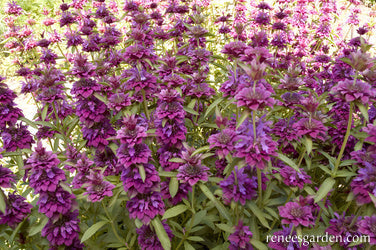
Butterfly Monarda Bergamo Bouquet
(Monarda hybrida)
Bergamo is an outstanding new annual Monarda with intense, rose-purple flower spikes whose blossoms whirl in clusters around the stems. Bergamo flowers earlier and longer than any other Monarda variety. Plants are compact, 2 1/2 feet tall, heat tolerant and mildew resistant. These lovely flowers are true butterfly magnets, bloom abundantly for several months and make wonderful bouquets. A beautiful new cultivar of old-fashioned cottage garden flowers.Regular price $4.39Sale price $4.39Unit price per -
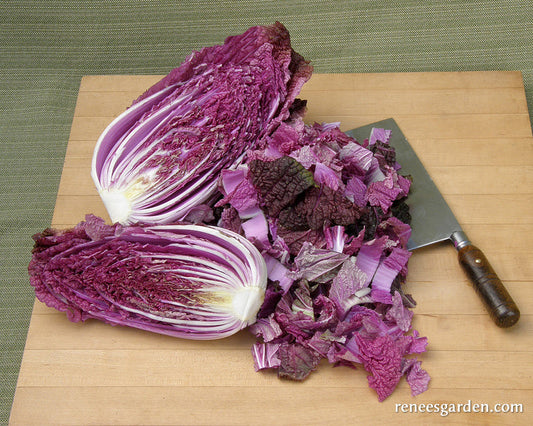
Napa Cabbage Purple Express
TO START INDOORS
Start seeds 4 to 5 weeks before last spring frost. Sow 1 inch apart in seed starting mix, cover 1/4 inch deep and keep evenly moist. Provide a strong light source until seedlings are ready to plant out. When several inches tall, transplant seedlings 10 inches apart into rich soil in full sun, after gradually acclimating to outdoor conditions.
TO START DIRECTLY OUTDOORS
When all danger of frost is over, plant in well-worked, fertile soil in full sun. Sow clusters of 2 to 3 seeds 10 inches apart in rows spaced 1 foot apart. When seedlings are several inches tall, thin to 1 strong plant every 10 inches. In mild winter climates, sow seeds again at midsummer for a fall crop.
GROWING NOTES
Purple Express needs full sun and rich, well-drained soil to produce firm, sweet heads. To avoid stunting growth, don’t let seedlings get crowded before thinning or transplanting. Keep weeded and evenly watered. Feed monthly with fish emulsion or an all-purpose fertilizer. Use non-toxic B.T. (Bacillus thuringiensis) for caterpillar pests. Floating row covers provide a good barrier method to exclude pests. Remove covers when heads begin to form.
HARVESTING
Cut the whole cabbage at ground level only when these tall, vase-shaped heads are very solid and about 6-8 inches in diameter.
Regular price $4.69Sale price $4.69Unit price per -
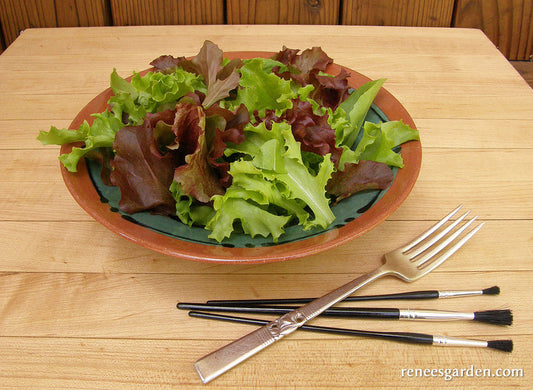
Signature Salads Monet's Garden Mesclun
START SEEDS OUTDOORS
In cool early spring weather, sow seeds in finely worked soil in full sun. Shake seeds from the palm of your hand, broadcasting them about a 1/2 -1 inch apart over the entire seedbed or in wide rows, and cover lightly and evenly with 1/4 inch of fine soil. Firm soil gently and water with a fine spray. Keep seedbed evenly moist. Make small successive sowings until summer weather turns hot for a constant supply. Plant again in late summer for fall harvesting.
GROWING NOTES
Mesclun lettuces thrive in mild weather with consistent moisture. To extend the sowing season into hot weather, sow in light shade or erect a canopy of loosely woven shade cloth over the mesclun bed. Birds are often attracted to tender young seedlings, so protect them if necessary.
HARVEST AND USE
To harvest by the “cut and come again” method, wait until plants are 4 or 5 inches tall. Cut as much lettuce as you need, using scissors to shear off a patch of leaves 1 to 2 inches above the soil level. Water well and fertilize lightly and plants will regrow for several more cuttings. Dress with a simple vinaigrette to enjoy the sweet flavor and juicy texture of these delicate young leaves at their best.
Regular price $2.99Sale price $2.99Unit price per -
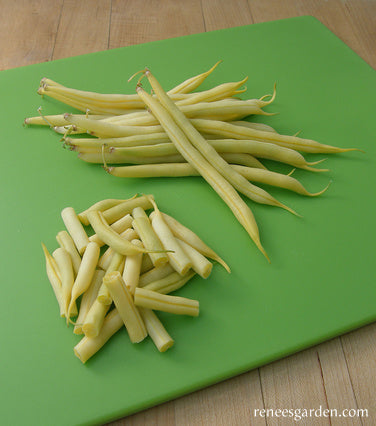
French Bush Bean Roc d'Or
START SEEDS OUTDOORS
In spring, once weather is warm and settled and nights stay securely above 55°F (13°C), plant seeds in well-worked, fertile soil in full sun. Poke seeds in 1 inch deep and 4 inches apart in rows 11/2 to 2 feet apart. Make successive sowings several weeks apart until the end of June to provide long continued harvests.
GROWING NOTES
Tender crispy garden beans are an easy and reliable crop to grow, but don't plant seeds too early as cold conditions prevent good germination. If first sowing comes up unevenly, replant right away; new seedlings will catch up quickly. Birds are often attracted to young bean seedlings, so watch carefully and protect with netting or floating row covers if necessary. Avoid cultivating plants or picking pods when plants are wet.
HARVEST AND USE
These vigorous plants produce strong harvests. The more you pick, the more the plants will produce. The nitrogen fixing nodules on the roots of bean plants actually improve your soil. Sow another crop about three weeks after your first planting and you’ll have a welcome second harvest in late summer.
Regular price $4.89Sale price $4.89Unit price per