Seed Packets Only
-
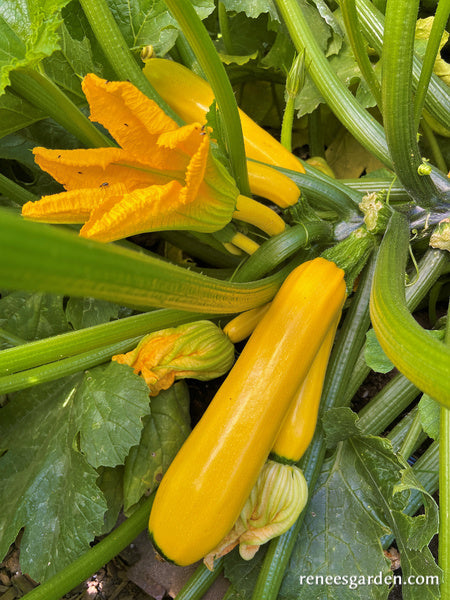
Heirloom Zucchini Summer Gold
START SEEDS DIRECTLY IN THE GARDEN
Zucchinis need full sun, rich fertile soil and warm temperatures. Plant only when spring weather is warm and settled and night temperatures stay above 50°F (10°C). Sow groups of 2 to 3 seeds 1 inch deep and 2 feet apart. When seedlings have 4 leaves, thin to 1 strong seedling per group. Or, plant in slightly mounded hills, 2 feet in diameter, sowing 4 or 5 seeds in each hill. Thin hill-planted seedlings to the 2 or 3 strongest plants.
GROWING NOTES
Amend soil well before sowing with lots of aged manure or compost. Protect young seedlings from marauding birds by covering with plastic berry baskets at planting time, removing when plants get crowded. Be sure to thin properly—you will have more productive, disease-free plants if seedlings have enough room to mature. covers will help prevent squash borers if these pests are a problem in your area.
HARVEST AND USE
Harvest zucchini when no more than 5 to 6 inches long for best flavor. Frequent harvesting keeps plants producing tasty new fruits instead of maturing fat, tough, huge ones. Steam, stirfry or grill sliced zucchinis and sprinkle with fresh parsley, dill, basil or thyme. Try the tasty blossoms sautéed or stuffed and baked. Heap a platter with spears of baby zucchinis to serve with your favorite dip for appetizers or snacks.
Regular price $4.89Sale price $4.89Unit price per -
Heirloom Tomato Black Cherry
STARTING SEEDLINGS
Start indoors about 6 to 8 weeks before outdoor night temps are reliably in the 55°F(13°C) range. Sow seeds 1/4 inch deep and 1 inch apart in a container of seed starting mix. Keep moist but not soggy, and very warm, 80°F (27°C). Provide a strong light source until seedlings are ready to plant outside. When they are 2 inches tall, transplant into 4 inch pots, burying stems up to base of leaves. Maintain around 70°F (21°C). Feed with half-strength fertilizer every 2 weeks until weather is warm enough to gradually acclimate seedlings to outdoor conditions. Transplant these vigorous indeterminate climbers 3 feet apart into rich soil in full sun.
HARVEST AND USE
Pick fruits when fully ripe and colored-up for best flavor. Enjoy for sweet snacks right out of the garden, in salads or stuffed with herbed cream cheese. For a delicious side dish, briefly sauté in a garlicky olive oil, then sprinkle with chopped fresh chives and basil.
GROWING NOTES
Prepare soil well with aged manure or compost. Plant tomatoes several inches deeper than they were growing in pots. Provide strong stakes or tall wire cages at planting time as plants grow tall with heavy fruit loads. Mulch to provide the even moisture that prevents cracking. Don’t overwater once fruit begins to ripen.
Regular price $4.89Sale price $4.89Unit price per -
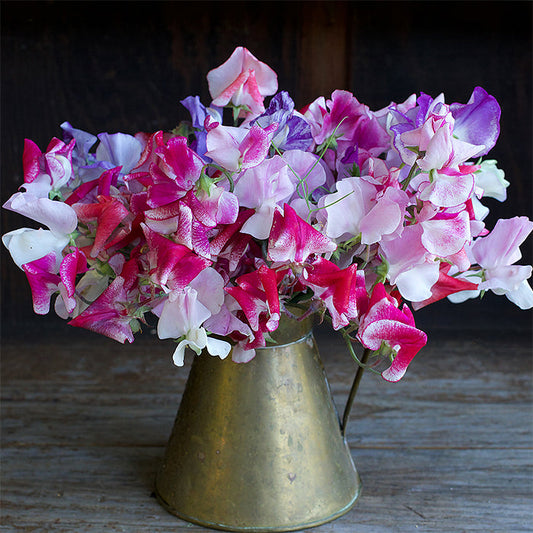
Heirloom Sweet Peas Saltwater Taffy Swirls
ANNUAL CLIMBING VINE
Spring/summer bloom
Frost tolerantEASIEST TO START OUTDOORS
Sweet peas must have well-drained soil, so dig deeply and enrich with aged manure or compost before sowing seeds. Erect a well-anchored trellis, vertical netting or other support for vines before planting. Sow seeds in full sun in cool early spring weather as early as the ground can be worked.
In mild winters, where ground does not freeze, sweet peas can be planted in fall. Seedlings will form strong root systems, then overwinter to bloom vigorously in spring. Plant sweet pea seeds 1 inch deep and 2 to 3 inches apart. When seedlings are 2 inches tall, thin to 4-5 inches apart to allow plants room to mature.
GROWING NOTES
Sweet peas bloom best when they flower before the weather gets too hot, so if spring planting, sow as early as possible, especially in regions where summer heat comes on fast. Anchor climbing supports well as these vines will grow dense and heavy with bloom. Protect seedlings from birds, slugs and snails. Mulch and keep well watered for best flower production. For longest bloom, remove faded blossoms regularly.Regular price $3.69Sale price $3.69Unit price per -
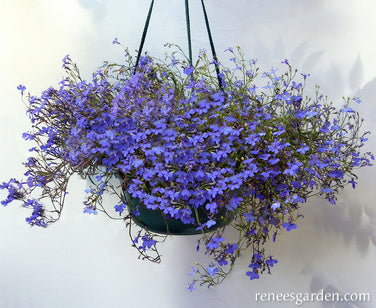
Windowbox Lobelia Blue Heaven
ANNUAL
Spring/summer/fall bloom
Frost tenderBEST TO START SEEDS EARLY INDOORS
In early spring, about 6 weeks before last spring frost, sow these tiny seeds thinly in a container of seed starting mix, but do not cover seeds, just press lightly into the soil and gently mist to keep moist until germination. Keep evenly moist and about 65-75°F (18-24°C). Provide a strong light source. When seedlings are large enough to handle and night temps reach 50°F (10°C), gradually acclimate to outdoor conditions. Transplant in little clumps of 4 to 5 seedlings about 5 inches apart in well-drained soil in sun or part shade.
Container Growing: Transplant seedlings into pots or baskets that are at least 10 to 12 inches across and 10 to 12 inches tall. Fill with moistened fresh potting mix, then transplant small clumps of 4 to 5 seedlings several inches apart and water gently. Be sure to keep Lobelia in containers well watered and feed with all-purpose fertilizer every few weeks for continual profuse bloom. Shear spent flowers back for reblooming.
GROWING NOTES
Whether used as a gorgeous groundcover color accent or for a trailing window box or patio container display, this lovely Lobelia will bloom longest if it has rich, moist soil, so don’t forget to water regularly as needed and fertilize frequently.
Regular price $3.39Sale price $3.39Unit price per -
Giant Pumpkins Wyatt's Wonder
BEST TO START OUTDOORS
Pumpkins need full sun, rich fertile soil and warm temperatures. Plant only when weather is warm and night temperatures stay above 50° (10°). Make slightly mounded hills 3 feet across and 6 feet apart. Plant 4 seeds per hill. Thin seedlings to leave only the strongest plants, 2 vines per hill.
GROWING NOTES
Plant where the vigorous vines can sprawl. Protect young seedlings from marauding birds by covering with berry baskets at sowing time, removing before plants get crowded. To concentrate energy into giant size pumpkins, pinch off all but one fruit on each vine at basketball size, so all the energy goes into that one pumpkin. Put a large square of plywood under growing pumpkins where they rest on soil to prevent rot. Feed regularly, about every three weeks, with a good all-purpose fertilizer and provide vines with ample water.
HARVEST AND USE
Giant pumpkins need to mature properly before harvesting. Wait until rinds are fully deep orange and tough enough to resist piercing with a fingernail. Cut from vines, leaving 3 to 4 inches of stem "handles." Let cure in the sun for 10 days, then store in a cool, dry place to keep for months. Wyatt's Wonders make fabulous supersized Jack O’ Lanterns to light up the whole neighborhood! You can also bake the rich orange flesh for pies, soups or casseroles.Regular price $3.99Sale price $3.99Unit price per -
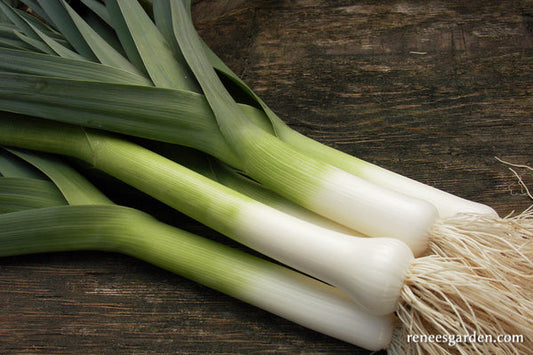
French Baby Leeks Primor
BEST TO START INDOORS
Sow seeds 1 inch apart in a container of seed starting mix, cover 1/2 inch deep, and firm soil over seeds. Keep moist and provide a strong light source until seedlings are ready to plant out. Seeds germinate sporadically over 2 to 3 weeks and grow slowly at first. Once seedlings are 3 or 4 inches tall, transplant 4 to 6 inches apart into well-worked, fertile soil in full sun. To get long-shanked leeks, plant seedlings down deep into the soil, so tips stick up 1 inch above ground level.
TO START OUTDOORS
Sow seeds in well-worked, fertile soil in full sun. Space seeds 1 inch apart in rows 8 to 10 inches apart, or broadcast thinly for bed planting. Cover 1/2 inch deep and firm soil well over seeds; keep soil moist to ensure good germination. Thin as above.
GROWING NOTES
Plant leeks in early spring and again in midsummer for fall and winter use. Long-growing leeks need a rich fertile soil, so add lots of compost or aged manure before planting, and fertilize several times over the growing season. Weed leeks carefully when young, and mulch to conserve soil moisture.
HARVEST AND USE
Harvest as slim babies to steam whole or quickly grill. Let some leeks mature to full size and dig as needed with a garden fork. Mature leeks store well in the ground during the winter months. Use in cooking like sweet onions, or as a tasty vegetable side dish.
Regular price $3.39Sale price $3.39Unit price per -
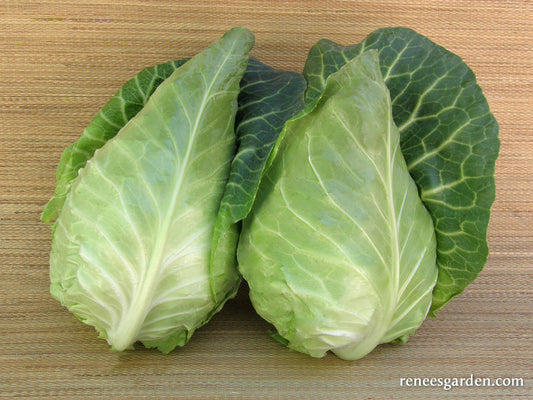
Pointed Sweetheart Cabbage Conehead
TO START INDOORS
Start seeds 4 to 5 weeks before last spring frost. Sow 1 inch apart in seed starting mix, cover 1/2 inch deep and keep evenly moist. Provide a strong light source until seedlings are ready to plant out. When several inches tall, transplant seedlings 10 inches apart into rich soil in full sun, after gradually acclimating to outdoor conditions.
TO START DIRECTLY OUTDOORS
When all danger of frost is over, plant in well-worked, fertile soil in full sun. Sow groups of 2 to 3 seeds 10 inches apart in rows spaced 1 foot apart. When seedlings are several inches tall, thin to 1 strong plant every 10 inches. Mild Winter Areas: Sow again midsummer for a fall crop.
GROWING NOTES
Cabbage needs full sun and rich, well-drained soil to produce firm, sweet heads. To avoid stunting growth, don’t let seedlings get crowded before thinning or transplanting. Keep weeded and evenly watered. Feed monthly with fish emulsion or any high nitrogen fertilizer. Use non-toxic B.T. (Bacillus thuringiensis) for caterpillar pests. Floating row covers provide a good barrier method to exclude pests. Remove covers when heads begin to form.
Regular price $3.99Sale price $3.99Unit price per -
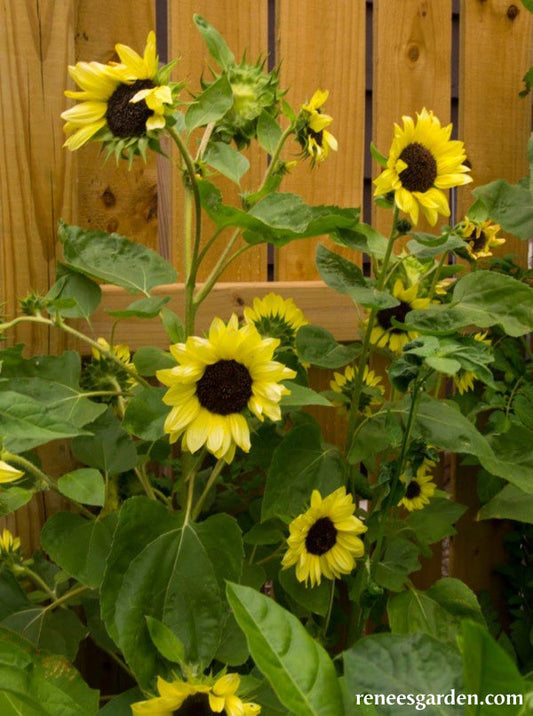
Long Blooming Sunflowers Valentine
ANNUAL
Summer/fall bloom
Frost tenderTO PLANT OUTDOORS
Plant in full sun in good garden soil when weather is warm and settled both day and night and all danger of frost is past. Poke seeds into well-worked soil 1 inch deep and 4 – 5 inches apart. Press soil firmly over seeds and keep moist until germination in 8 to 10 days.
TO START EARLY INDOORS
Several weeks before last frost date, sow seeds 1/2 inch deep in individual pots of well drained seed starting mix. Keep moist and provide a strong light source until ready to plant outside when seedlings are large enough to handle. When weather has warmed into the 50°F (10°C) range, transplant carefully into the garden in full sun.
THIN OR TRANSPLANT
Space seedlings 12 inches apart so plants have ample room to grow sturdy stalks and roots.
GROWING NOTES
Growing sunflowers is easy and rewarding. Make several sowings, three weeks apart to have a succession of bloom. Keep soil moist and well weeded. Protect seedlings from hungry birds with netting or plastic berry baskets, removing before plants get crowded. Sunflowers need room! When young seedlings are 3 inches tall, be sure to thin them to stand 12 inches apart.Regular price $3.99Sale price $3.99Unit price per -
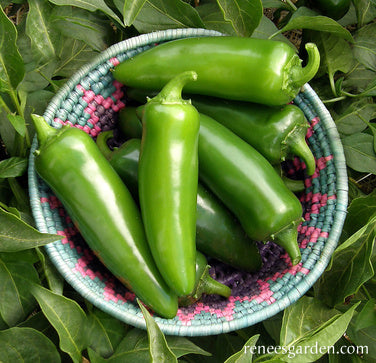
Heirloom Chile Peppers Classic Jalapeño
STARTING SEEDLINGS
In early spring, start indoors about 2 months before night temperatures stay reliably 50-55°F (10-13°C). Sow seeds 1/4 inch deep and 1 inch apart in a container of seed starting mix. Keep moist but not soggy, and very warm 80-85°F (27-30°C). Provide a strong light source until seedlings are ready to plant outside. When seedlings are 2 inches tall, transplant into deeper individual containers. Maintain at 70-75°F (21-24°C). Feed with half-strength fertilizer every week until weather is warm enough to gradually acclimate seedlings to outdoor conditions. Transplant 2 feet apart into rich soil in full sun.
GROWING NOTES
Jalapeños need warm conditions. Don’t transplant outdoors until night temperatures stay securely above 55°F (13°C). Prepare soil well with aged manure or compost. Plant only robust seedlings with well-developed roots. Mulch plants to maintain even soil moisture. Keep well weeded, watered and fertilized.
HARVEST AND USE
To harvest, cut rather than pull fruits from the plants when deep glossy green or fully colored to red. Enjoy Jalapeños fresh or roast and remove skins. Use freely in all kinds of fresh salsas, sauces, fajitas and marinades. Jalapeños are great pickled or stuffed with cheese for chile "poppers."Regular price $4.89Sale price $4.89Unit price per -
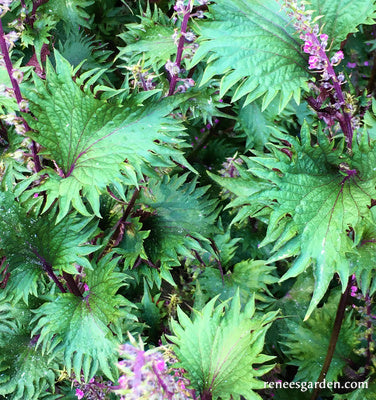
Ornamental Edibles Bicolored Shiso
ANNUAL
Summer/fall harvest
Heat-loving, frost tenderTO PLANT DIRECTLY INTO THE GARDEN
When late spring weather has thoroughly warmed up, sow seeds 1 inch apart in well worked fertile soil in full sun. Cover 1/4 inch deep, firm soil and keep seedbed moist. Germination takes 1 to 2 weeks. After seedlings are well established, thin or transplant 8 inches apart to allow plants room to mature.
TO START EARLY INDOORS
Sow seeds 1 inch apart in a container of seed starting mix, 4 to 6 weeks before last expected frost. Keep warm and evenly moist, and provide a good light source. When seedlings are large enough to handle and night temperatures are solidly above 50°F (10°C ), acclimate gradually to outdoor conditions before planting in the garden 8 inches apart.
GROWING NOTES
Remember— it is critical to plant Shiso in the garden only after day and nights are solidly above 50°F (10°C). Pinch off growing tips when plants are 6 to 8 inches tall to encourage branching. Harvest sprays of leaves by cutting stems just above two new sprouting lateral branches to get lush regrowth.
NOTE: Can self-sow aggressively. Keep plants from spreading by cutting spent flowers so they don't drop seeds. Do not plant near natural areas.
Regular price $3.99Sale price $3.99Unit price per -
Holiday Mix Pumpkins Autumn Gold & Spookie
BEST TO START OUTDOORS
Pumpkins need full sun, rich fertile soil and warm temperatures. Wait to plant until temperatures stay above 50°F (10°C) day and night. Sow groups of 2 to 3 seeds 3 feet apart and 1 inch deep in rows 4 feet apart. Thin to 1 strong seedling per group to give vines room to spread.
Or, make slightly mounded hills 2 to 3 feet across and 8 ft. apart and plant 4 to 5 seeds of one variety in each hill. When seedlings have several sets of leaves, thin to 3 seedlings per hill. Protect young seedlings from marauding birds by covering with plastic berry baskets at sowing time, removing before young plants get crowded.
HARVEST AND USE
All pumpkins need to mature properly, so wait to pick until rinds are fully colored and tough enough to resist piercing with a fingernail and vines have died back. Then cut, leaving a good stem handle. Let them cure for 10 days in the sun, then store in a cool dry place and they’ll keep for months.
Carve Autumn Gold into happy or scary holiday faces and use Spookie pumpkins for smaller Jack O’Lanterns or bake them up into sweet spicy pie or savory soups.
Regular price $3.99Sale price $3.99Unit price per -
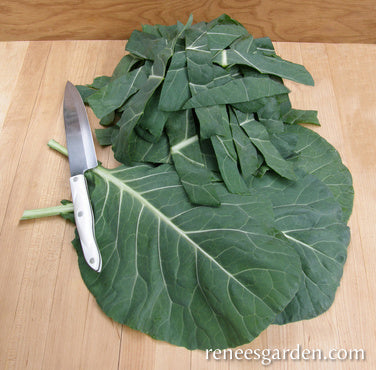
Gourmet Collards Green Flash
TO START DIRECTLY IN THE GARDEN
As soon as ground can be worked in spring, prepare a well-drained, fertile garden bed in full sun. Sow groups of 2 to 3 seeds, each group 12 to 18 inches apart. Cover 1/4 inch deep and keep soil evenly moist to ensure good germination. When several inches tall, thin to 1 seedling per group so plants have growing room. Mulch growing plants well to retain moisture. Keep well weeded and watered. Sow again in mid to late summer for another cold hardy crop.
TO START INDOORS
Sow seeds in a container of seed starting mix 2 inches apart and cover 1/4 inch deep. Keep moist and provide a strong light source until seedlings are 3 to 4 inches tall then plant outdoors when danger of frost is over. Transplant seedlings into rich, fertile soil 12 to18 inches apart.
HARVEST AND USE
Begin harvesting large individual outer leaves when plants have 6 to 8 big leaves. Enjoy tasty and highly nutritious collards cooked up in traditional Southern style. Or, chop the leaves and wilt them briefly in hot olive oil with garlic, then add little stock and cook until just tender, sprinkling with fresh lemon juice before serving.
Regular price $3.99Sale price $3.99Unit price per -
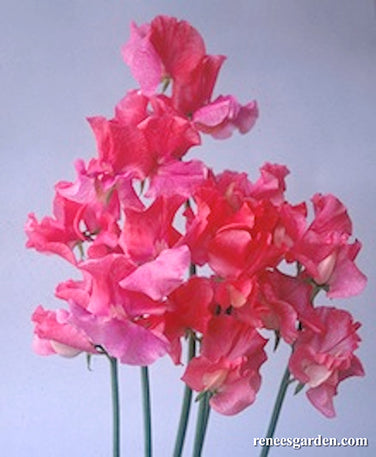
Fragrant Sweet Peas Strawberry Fields
ANNUAL CLIMBING VINE
Spring/summer bloom
Frost tolerantEASIEST TO START OUTDOORS
Sweet peas must have well-drained soil, so dig deeply and enrich with aged manure or compost before sowing seeds. Erect a well-anchored trellis, vertical netting or other support for vines before planting. Sow seeds in full sun in cool early spring weather as early as the ground can be worked.
In mild winters, where ground does not freeze, sweet peas can be planted in fall. Seedlings will form strong root systems, then overwinter to bloom vigorously in spring. Plant sweet pea seeds 1 inch deep and 2 to 3 inches apart. When seedlings are 2 inches tall, thin to 4-5 inches apart to allow plants room to mature.
GROWING NOTES
Sweet peas bloom best when they flower before the weather gets too hot, so if spring planting, sow as early as possible, especially in regions where summer heat comes on fast. Anchor climbing supports well as these vines will grow dense and heavy with bloom. Protect seedlings from birds, slugs and snails. Mulch and keep well watered for best flower production. For longest bloom, remove faded blossoms regularly.
Regular price $3.99Sale price $3.99Unit price per -
Heirloom Greens Quick Stirfry Blend
BEST TO START DIRECTLY OUTDOORS
In cool early spring weather, sow seeds in finely worked soil in full sun. Shake seeds from the palm of your hand, broadcasting them about a half inch apart over the entire seedbed or in wide rows, and cover lightly and evenly with 1/4 inch of fine soil. Firm soil gently and water in with a fine spray. Keep seedbed evenly moist. Make small successive sowings until summer weather turns really hot for a constant supply. Plant again in late summer for fall harvesting.
GROWING NOTES
Our crunchy stir-fry mix tastes best given consistent moisture and mild weather conditions. Marauding birds are often attracted to tender young seedlings, so protect them if necessary with netting or floating row covers. Sown in a big container, these mixed leafy greens will make an ornamental and edible “color bowl” to snip and stir-fry as needed.
HARVEST AND USE
To harvest by the “cut and come again” method, wait until plants are 6 to 7 inches tall. Cut as much as you need, using scissors to shear off a patch of leaves 1 to 2 inches above the soil level. Water well and fertilize lightly and plants will regrow for several more cuttings. Sizzle these crunchy, succulent Asian greens in a quick stir-fry, or pick them earlier at 3 to 4 inches for tender young additions to colorful salads.
Regular price $4.89Sale price $4.89Unit price per -
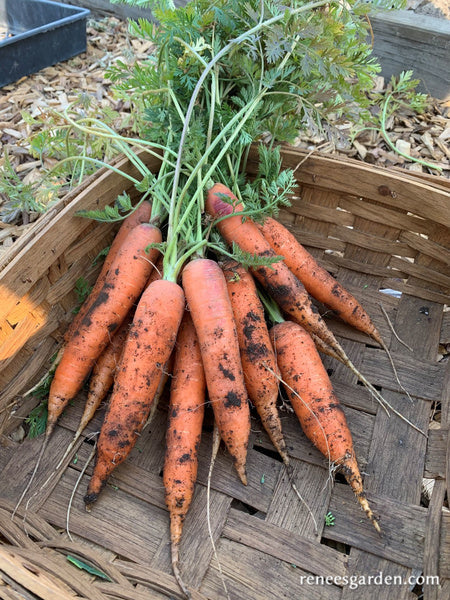
Crispy French Carrots Bolero Nantes
START SEEDS OUTDOORS
In spring once danger of hard frost is past, sow seeds in full sun in finely-worked, fertile soil. Sow 1/4 inch deep and 1/2 inch apart in rows 8 inches apart, or broadcast thinly in beds and cover lightly. Keep seed bed evenly moist as carrots can be slow to germinate, emerging over 10 to 21 days. If first sowing comes up unevenly, replant right away as seedlings catch up quickly. Thin young carrots several times so seedlings are 2 to 3 inches apart and have room to size up.
GROWING NOTES
Carrots like well-worked soil and need consistent moisture to grow well. If your soil dries out fast, cover seedbed with floating row covers to help retain moisture during the germination period. Keep carrots well weeded throughout the growing season. Plant again 3 months before first expected fall frost for a late crop.
HARVEST AND USE
Let carrots color up to deep orange before harvesting for best sweet flavor. Eat fresh, juice, or lightly steam. Set off their flavor with fresh lemon or orange juice and a sprinkling of minced herbs. Or glaze with a little honey and ginger or cinnamon. Fresh mint leaves are a tasty, pretty garnish for fresh garden carrots.
Regular price $3.99Sale price $3.99Unit price per -
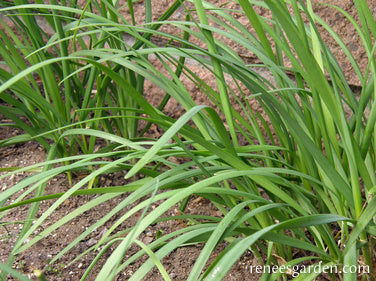
Heirloom Herbs Garlic Chives
PERENNIAL
Spring/summer/fall harvest
Frost hardyTO PLANT OUTDOORS
In the cool weather of early spring, sow clusters of 7 to 10 seeds 8 to 10 inches apart in well-worked, fertile soil in sun or part shade. Cover 1/4 inch deep and press soil firmly over seeds. Keep evenly moist as seeds germinate slowly over several weeks. Emerging seedlings have very slender grass-like leaves that mature into mounds.
TO START EARLY INDOORS
In early spring, sow seed thinly in a container of seed starting mix and cover 1/4 inch deep. Keep evenly moist as seedlings slowly emerge and provide a good light source until ready to plant outdoors. Transplant when seedlings are about 2 to 3 inches tall after gradually acclimating plants to outdoor conditions.
THIN OR TRANSPLANT
Space clusters of 7 to 10 seedlings 8 to 10 inches apart.
GROWING NOTES
Garlic chives grow slowly at first, but soon mature into sturdy bright green mounds crowned with pretty white edible blossoms in late spring and summer. After bloom finishes, shear entire plant back to 4 inches to encourage regrowth of tender new leaves. These hardy, self-sufficient plants are attractive additions to the flower or herb garden.
Regular price $2.99Sale price $2.99Unit price per -
Scented Sweet Peas Cheri Amour
ANNUAL CLIMBING VINE
Spring/summer bloom
Frost tolerantEASIEST TO START OUTDOORS
Sweet peas must have well-drained soil, so dig deeply and enrich with aged manure or compost before sowing seeds. Erect a well-anchored trellis, vertical netting or other support for vines before planting. Sow seeds in full sun in cool spring weather as early as the ground can be worked.
In mild winter areas, where the ground does not freeze, plant in fall; seeds will germinate and form strong root systems, then overwinter to bloom strongly in spring. Plant seeds 1 inch deep and 2 to 3 inches apart. When seedlings are 2 inches tall, thin them 4 to 5 inches apart, to allow plants room to mature.
GROWING NOTES
Sweet peas bloom best before the weather gets too hot, so if spring planting, sow as soon as ground can worked. Where summer heat comes on fast, they’ll appreciate a spot with afternoon shade. Anchor supports well as vines will grow heavy with bloom. Protect seedlings from birds, slugs and snails. Mulch and keep well watered. For longest bloom, pick flowers often and keep faded blossoms cut.Regular price $3.39Sale price $3.39Unit price per -
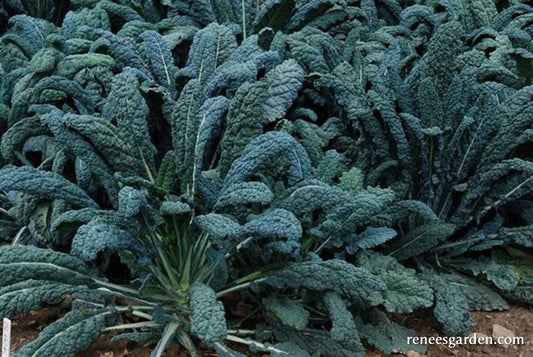
Heirloom Kale Lacinato "Dinosaur"
TO START SEEDS DIRECTLY IN THE GARDEN
As soon as ground can be worked in spring, plant in well-drained, fertile garden soil in full sun. Sow seeds 2 in. apart in rows 12 in. apart. Cover 1/2 inch deep. Keep soil evenly moist. When seedlings are 3 in. tall, thin to 10-12 in. apart. Sow again in late summer.
TO START INDOORS
Sow seeds 2 in. apart and 1/2 in. deep in a container of seed starting mix. Keep moist and provide a strong light source until seedlings reach 3 to 4 in. tall, then plant outdoors 10 to 12 in. apart.
GROWING NOTES
Kale tastes best in cool weather, so sow spring crops early. A late summer-sown crop will yield through fall and winter except in the coldest climates. Frost actually enhances kale leaf color, flavor and sweetness. Mulch to retain moisture in summer and before the ground freezes to protect the roots of fall crops.
HARVEST AND USE
Begin harvesting outer leaves when plants have 6 to 8 leaves. Vitamin-rich kale is delicious with stems removed and leaves cut in very thin strips for fresh salads with nuts and fruit. Braise with garlic and olive oil in traditional Mediterranean style. Enjoy in hearty winter soups, stews and sautés. Pull and discard once plants begin to bloom as flowering plants get tough and bitter.
Regular price $4.89Sale price $4.89Unit price per -
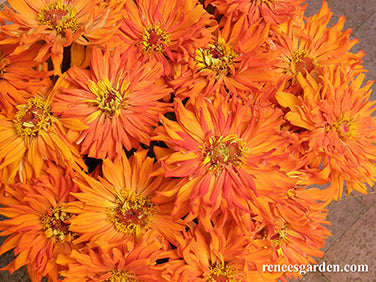
Butterfly Zinnias Mighty Lion
ANNUAL
Summer/fall bloom
Frost tenderTO START DIRECTLY IN THE GARDEN
Sow seeds in well-worked soil in full sun when danger of frost is past and weather is warm and above 50°F (10°C) both day and night. Space seeds 2 to 3 inches apart in rows 12 inches apart, cover about 1/2 inch deep and gently firm soil. Keep soil evenly moist while awaiting germination.
TO START EARLY INDOORS
Four weeks before last frost date, sow seeds 1/2 inch deep and 3 inches apart in a container of seed starting mix. Keep warm and moist and provide a strong light source until seedlings are ready to plant outside when temperatures rise above 50°F (10°C) day and night.
THIN OR TRANSPLANT
Space seedlings 8 to 12 inches apart when large enough to handle to give plants room to mature and provide good air circulation.
GROWING NOTES
Zinnias prefer well amended soil in full sun. For large and abundant flowers, thin before seedlings get crowded; adequate spacing and regular, even watering helps keep zinnias productive and discourages mildew. Pick when flower blossoms first open and petals are tight for longest vase life. Cut long stems well back into the plant to keep plants branching low and producing best blooms for summer long bouquets.Regular price $2.99Sale price $2.99Unit price per -
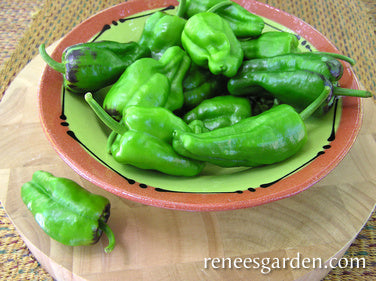
Tapas Peppers Spanish Padron
STARTING & GROWING
In early spring, start indoors 8 to 10 weeks before outdoor night temperatures are in the 55°F (13°C) range. Sow seeds 1/4 inch deep and 1 inch apart in a container of seed starting mix. Keep moist but not soggy, and very warm 75°F (24°C). Provide a strong light source until seedlings are ready to plant outside. When seedlings are 2 to 3 inches tall, transplant 3 inches apart into deeper containers. Maintain at 70°F (21°C). Feed with half-strength liquid fertilizer every 2 weeks. When weather is 55°F (13°C) both day and night, gradually acclimate seedlings to outdoor conditions. Transplant 1 1/2 feet apart into rich soil in full sun. Peppers need full sun at least 6 hours per day. Prepare soil well with aged manure or compost. Plant only robust seedlings with well-developed roots and mulch well to maintain even soil moisture. Water regularly and consistently and fertilize several times a month.
HARVESTING & PREPARING
For traditional Tapas, harvest the abundant little pointed fruits at no more than 2 inches long. At this small size, they are fragrant and flavorful; larger fruits get very spicy. To serve: Sauté the Tapas peppers quickly in a little hot olive oil just until the skins are glossy and slightly charred. To finish, sprinkle with coarse salt and enjoy while still hot. Most Padrons are mild, but occasionally one little pepper will have more spice — this is traditional and even sought after in Spain.Regular price $3.69Sale price $3.69Unit price per -
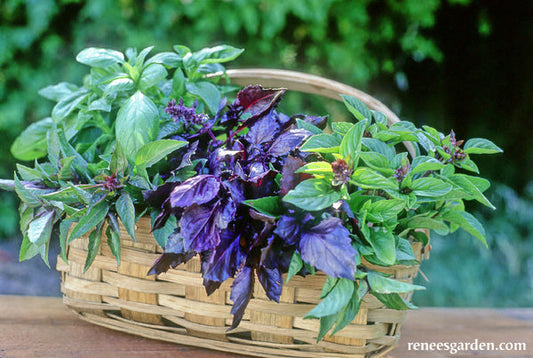
Kitchen Herbs Scented Basil Trio
ANNUAL
Summer/fall harvest
Heat-loving, frost tenderTO PLANT DIRECTLY INTO THE GARDEN
When late spring weather has reached the 55°F (13°C), sow seeds 1 inch apart in well worked fertile soil in full sun. Cover 1/2 inch deep, firm soil and keep seed bed moist. Germination takes 1 to 2 weeks. After seedlings are well established, thin or transplant 8 inches apart to allow plants room to mature.
TO START EARLY INDOORS
Sow seeds 1 inch apart in a container of seed starting mix, 4 to 6 weeks before last expected frost. Keep warm and evenly moist, and provide a good light source. When seedlings are large enough to handle and weather is above 55°F (13°C), acclimate gradually to the outdoors, then plant in the garden or into large pots.
GROWING NOTES
Remember—for success with this easy to grow herb, it is critical to sow or transplant basil into garden beds only when late spring day and night temperatures stay above 55°F (13°C). Harvest sprays of leaves by snipping stems just above two new sprouting lateral branches to encourage lush foliage. Keep flower buds pinched off to extend harvesting and feed regularly to promote new growth.Regular price $3.69Sale price $3.69Unit price per -
Hummingbird Penstemon Wedding Bells
PERENNIAL
Spring/Summer bloom
Hardy to zone 4BEST TO START INDOORS
Start indoors in early spring, spacing seeds 1/2–1 inch apart in a container of seed starting mix. Cover very lightly, no more than 1/8 inch deep and keep evenly moist but not soggy as germination takes 14 to 28 days. Provide a strong light source for seedlings.
Once seedlings are large enough to handle, transplant to a deeper flat 3 inches apart or individual 3 or 4 inch pots. When plants are several inches tall, gradually acclimate to outdoor conditions, then plant in full sun 10 to 12 inches apart into fertile well-drained soil.
TO START OUTDOORS
Sow in a well-protected, fine textured seed bed once frost danger is past. Cover seeds very lightly with fine soil and keep evenly moist until germination occurs. Tend the tiny seedlings carefully and when large enough to handle, thin or transplant 8 to 10 inches apart.
GROWING NOTES
Wedding Bells often bloom the first year from seed. Given good drainage, these strong plants will continue to flower beautifully throughout each spring and summer. Their lovely colors make beautiful natural bouquets and they are long-lasting and alluring cut flowers. Plants are hot weather tolerant once established.
Regular price $3.39Sale price $3.39Unit price per -
Bonus Pack Heirloom Cilantro
ANNUAL
Spring/summer/fall harvest
Can handle light frostsSTART OUTDOORS DIRECTLY INTO THE GARDEN
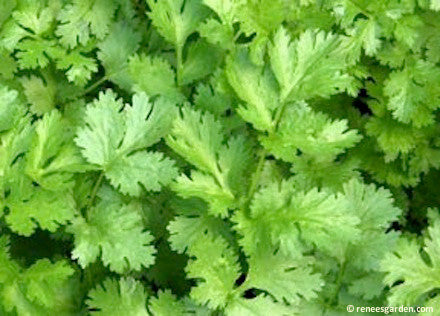
In early spring, sow cilantro seed directly into well-drained fertile soil 1 to 2 inches apart in wide rows in full sun. Cover 1/2 inch deep and firm soil over seeds. Keep seed bed evenly moist as seedlings emerge over 10 to 20 days. Make new sowings every few weeks until mid summer for continuous harvests of fresh leaves. Plant again in cool fall weather. Thin plants 3 to 4 inches apart before they get crowded so seedlings have room to grow.
GROWING AND HARVEST NOTES
To have a consistent supply of fresh leaves, sow wide rows of cilantro seeds successively every 2 weeks from early spring through early summer. Keep your cilantro patch at its best tasting leafy stage longer by thinning seedlings early and keeping plants well watered. Plant again when weather cools for a quick and tasty fall crop. Cilantro plants will inevitably flower and then set seed quickly when plants get mature. Their lacy white blossoms attract beneficial insects, butterflies and pollinating bees to the garden. The fragrant round seeds that follow the flowers are called coriander, a wonderfully aromatic spice used in baking.Regular price $8.99Sale price $8.99Unit price per -
Chinese Delphiniums Heirloom Blue Mirror
PERENNIAL/ BLOOMS FIRST YEAR
Summer/fall bloom
Hardy to Zone 3START EARLY INDOORS
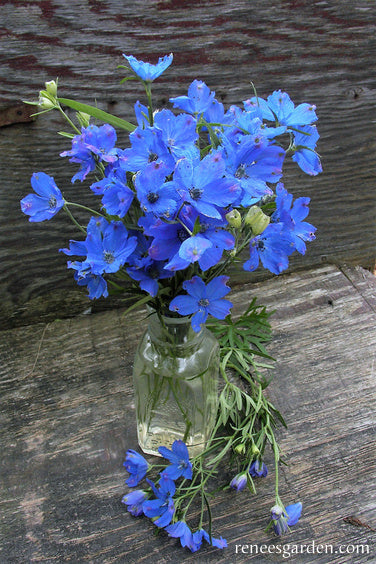
In spring, 8 to 10 weeks before last expected frost, sow seeds 1 inch apart in a container of seed starting mix. Cover 1/4 inch deep, keep moist and provide a strong light source until seedlings are ready to plant outdoors. Feed seedlings every 2 weeks with half-strength fertilizer. Once large enough to handle, transplant seedlings 3 inches apart into deeper containers so root systems have room to develop. When plants are 3 to 4 inches tall, gradually acclimate to outdoor conditions and transplant 10 to 12 inches apart into a sunny garden spot with well-drained soil.
GROWING NOTES
Sow Blue Mirror in early spring for mid-summer flowers the first year, late spring bloom in subsequent years. Plants can handle more summer heat than the traditional delphinium varieties. Patrol for snails and slugs on new leaves and shoots. When each flush of flower finishes, cut stalks back to plant base to encourage reblooming. Water well and fertilize regularly throughout the growing season. Plants will die back and go dormant in winter. Leave dead foliage until early spring so you know where plants are, but cut the dead branches off at first signs of new spring growth.
Regular price $4.69Sale price $4.69Unit price per