Seed Packets Only
-
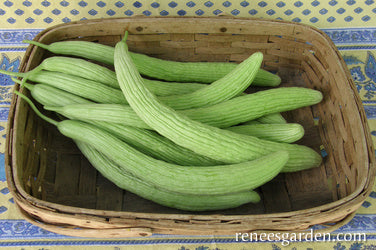
Heirloom Cucumbers Sweet Armenian
START SEEDS OUTDOORS
Plant heat-loving cucumbers only when weather is warm and night temperatures stay above 50° F (10° C). Amend soil well with age manure or compost. Sow groups of 2 to 3 seeds, 1 inch deep and 18 inches apart. When the baby seedlings are 2 inches long, thin out extras, leaving one strong seedling per group.
After thinning, provide a 3 to 5 foot strong vertical support or individual tomato cage around each seedling and train the vines up the supports as they grow. Growing vines up supports or in cages makes cucumbers easier to harvest, saves space, and promotes good air circulation.
GROWING NOTES
Protect seedlings from marauding birds with plastic berry baskets, removing before plants get crowded. Shallow-rooted cucumbers need adequate and consistent moisture to produce sweet tasting, nicely formed cucumbers. Avoid overly wet or dry periods for good quality fruits.
HARVEST AND USE
Armenians are heavy-yielding and can take both heat and humidity. For best quality, pick Armenians up to 12 inches long but before seeds get large.
Cut rather than pull cucumbers from vines. Armenians need no peeling; just slice thinly to show off their decorative edges, and enjoy in salads. Or cut in 2 inch pieces, halve, and scoop out flesh to make little scalloped cups to fill with tabouli, couscous or tuna, chicken or shrimp salad.
Regular price $2.99Sale price $2.99Unit price per -
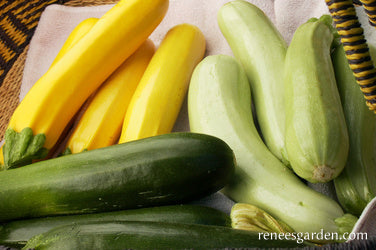
Tricolor Zucchini Jade, Gold & Emerald
START SEEDS OUTDOORS
Zucchinis need full sun, rich fertile soil and warm temperatures. Plant only when spring weather is warm and night temperatures stay above 50°F (10°C). Sow 2 to 3 seeds, 1 inch deep, every 2 feet, in rows 3 feet apart. Thin to leave only 1 seedling every 2 feet. Or, plant in slightly mounded hills, 2 feet in diameter, sowing 5 or 6 seeds in each hill. Thin hill-planted seedlings to 2 or 3 strongest plants.
GROWING NOTES
Amend soil well before sowing with lots of aged manure or compost. Protect young seedlings from marauding birds by covering with plastic berry baskets at planting time, removing when plants get crowded. Be sure to thin properly — you will have more productive, disease-free plants if seedlings have enough room to mature.
HARVEST AND USE
Harvest zucchini when no more than 5 to 6 inches long for best flavor and tenderness. Frequent harvesting keeps plants producing tasty new fruits instead of maturing fat, tough, huge ones. Steam, stirfry or grill sliced zucchinis and sprinkle with fresh parsley, dill, basil or thyme. Try the tasty blossoms sautéed or stuffed and baked. Heap a platter with spears of all 3 colored zucchinis picked at baby size and serve with your favorite dip for nutty tasting, crunchy appetizers or snacks.Regular price $4.39Sale price $4.39Unit price per -
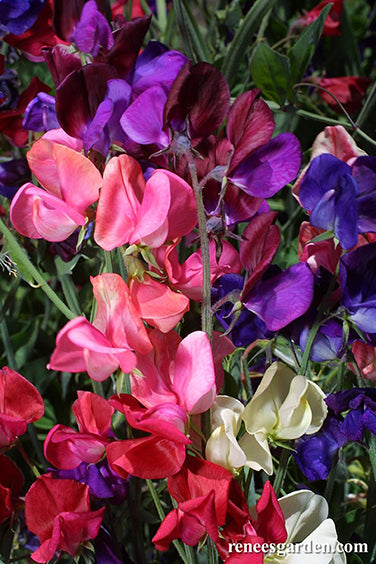
Heirloom Sweet Peas Queen of the Night
ANNUAL CLIMBING VINE
Spring/summer bloom
Frost tolerantEASIEST TO START OUTDOORS
Sweet peas must have well drained soil, so dig deeply and enrich with aged manure or compost before sowing seeds. Erect a well-anchored trellis, vertical netting or other support for vines before planting. Sow seeds in full sun in cool early spring weather as early as the ground can be worked. In mild winter areas, where the ground does not freeze, plant in fall after Labor Day; seeds will germinate and form strong root systems, then overwinter to bloom strongly in spring. Plant seeds 1 inch deep and 2 to 3 inches apart. When seedlings are 2 inches tall, thin them 4 to 5 inches apart, to allow plants room to mature.
GROWING NOTES
Sweet peas bloom best before the weather gets too hot, so if spring planting, sow as soon as ground can worked. Where summer heat comes on fast, they’ll appreciate a spot with afternoon shade. Anchor supports well as vines will grow heavy with bloom. Protect seedlings from birds, slugs and snails. Mulch and keep well watered. For longest bloom, pick flowers often and keep faded blossoms cut.Regular price $3.99Sale price $3.99Unit price per -
Heirloom Butterfly Salvia Marble Arch
ANNUAL
Summer/fall bloom
Frost tenderTO START DIRECTLY IN THE GARDEN
Sow seeds in a well-worked seed bed in full sun when all danger of frost is past and weather is warm and settled. Space seeds 4 to 5 inches apart in rows 12 inches apart, cover about 1/2 inch deep and gently firm soil. Keep soil evenly moist while awaiting germination in 10 to 20 days.
TO START EARLY INDOORS
Five to six weeks before last frost date, sow seeds 1/2 inch deep and 2 inches apart in a container of seed starting mix. Keep moist and provide a strong light source until seedlings are ready to plant in the garden. Acclimate seedlings gradually to outdoor conditions when night temperatures are regularly above 50°F (10°C). Space seedlings 10 to 12 inches apart in the garden.
GROWING NOTES
This improved variety shows its three lovely shades at the same time and the pretty floral top bracts get larger and more colorful over time. Use cut blooming branches to add texture, color and form to fresh summer bouquets. Stems of Marble Arch will also retain their colors well for everlasting arrangements; simply hang small bunches upside down indoors in a place with good air circulation until dry to the touch.Regular price $2.99Sale price $2.99Unit price per -
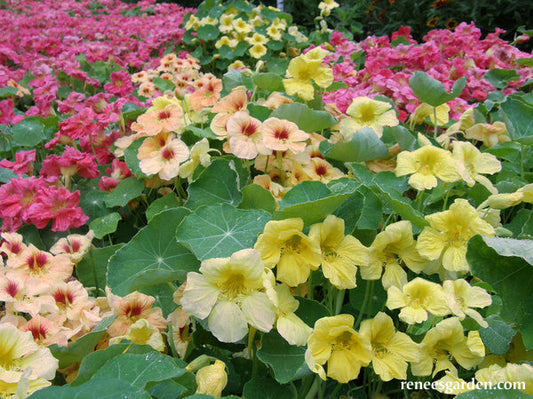
Hummingbird Nasturtiums Aloha Mix
ANNUAL
Spring/Summer/Fall bloom
Frost tenderEASY TO START OUTDOORS
In spring, when danger of frost is past, sow seeds in a sunny spot (or part shade in hot climates). Nasturtiums need no added fertilizer in most soils. Poke seeds into well-worked soil about 1 inch deep and 5 inches apart. Press soil firmly over the seeds and keep moist. When seedlings are large enough to handle, thin to 10 inches apart as mounding plants need ample room to grow.
TO START EARLY INDOORS
Sow 2 seeds each in individual 4 inch pots of well-drained seed starting mix 3 weeks before last expected frost date. Cover 1 inch deep. Provide a strong light source. When seedlings have several sets of leaves, pinch out the weaker seedling, leaving 1 per pot. When weather is evenly in the 50°F (10°C) range, gradually acclimate to outdoor conditions. Transplant seedlings into the garden 10 inches apart in full sun.
GROWING NOTES
These mounding nasturtiums are reliable and easy to tuck into any well-drained spot. They are a perfect disguise to cover fading bulb foliage in late spring. Their softly draping leaves and sunny flowers will quickly fill garden beds or containers. Hummingbirds come readily to drink the blossom’s nectar. Leaves and flowers are tasty additions to salads and sandwiches.
Regular price $3.99Sale price $3.99Unit price per -
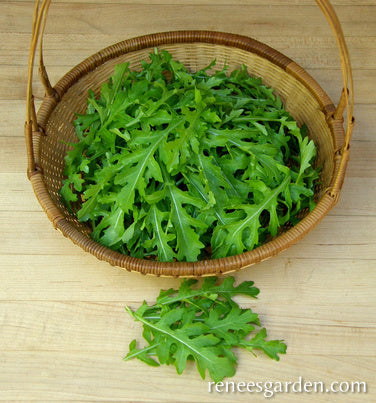
Salad Herbs Runway Arugula
ANNUAL
Spring/summer/fall harvest
Frost hardyEASIEST TO START OUTDOORS
In early spring, sow arugula seeds directly into well-worked garden soil, cover ¼ inch deep and firm soil over seeds. Keep seed bed evenly moist until seedlings emerge. Make new sowings every 2 weeks until early summer to have a constant supply of fresh leaves. Begin harvesting young leaves in 3 to 4 weeks.
In hot summer areas, wait to sow again in late summer for fall use, as extreme heat makes leaves very pungent.
THIN OR TRANSPLANT
Arugula grows so quickly we recommend sowing in place rather than transplanting. Thin seedlings 2 to 3 inches apart when plants are large enough to handle.
GROWING NOTES
Begin harvesting by thinning little seedlings to use in salads when they are several inches tall. Then, either pick individual leaves when 3-4 inches long, or snip leaves about 1 inch above the crown and let plants regrow for more harvests.
Regular price $2.99Sale price $2.99Unit price per -
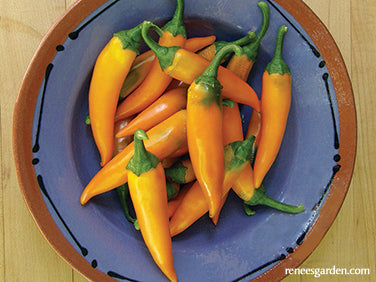
Heirloom Chiles Bulgarian Carrot
STARTING SEEDLINGS
In early spring, start indoors about 2 months before night temperatures stay reliably 50-55°F (10-13°C). Sow seeds 1/4 inch deep and 1 inch apart in a container of seed starting mix. Keep moist but not soggy, and very warm 80-85°F (27-30°C). Provide a strong light source until seedlings are ready to plant outside. When seedlings are 2 inches tall, transplant into deeper individual containers. Maintain at 70-75°F (21-24°C).
Feed with half strength fertilizer every week until weather is warm enough to gradually acclimate seedlings to outdoor conditions. Transplant 1 1/2 feet apart into rich soil in full sun.
GROWING NOTES
Chiles need warm conditions; don’t transplant outdoors until night temperatures stay securely above 55°F (13°C). Prepare soil well with aged manure or compost. Plant only robust seedlings with well-developed roots. Mulch plants to maintain even soil moisture. Keep well weeded, watered and fertilized.
HARVEST AND USE
Harvest when chiles have colored up to deep orange with a high gloss. Use these hot and fruity flavored little chiles for delicious salsas, hot sauces, spicy pickled peppers or in any recipe using hot chiles. Carrot chiles have thick flesh and do not dry well, so freeze in heavy Ziploc bags if preserving for future use.
Regular price $3.69Sale price $3.69Unit price per -
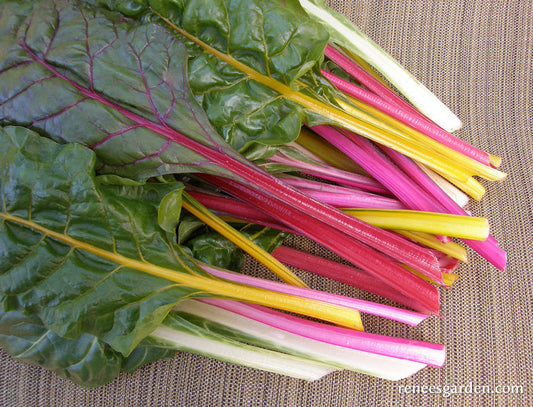
Heirloom Chard Garden Rainbow
START SEEDS OUTDOORS
In early spring, when danger of frost is over, sow seeds in well-worked, fertile soil in full sun. Sow seeds 1/2 inch deep and 1 inch apart in rows 10 inches apart, or broadcast thinly for bed planting. Firm soil well over these irregularly shaped seeds to ensure good germination. If first sowing germinates unevenly, plant more seed as seedlings catch up quickly. When large enough to handle, thin seedlings to final spacing of 8 to 10 inches apart so these large plants have room to grow and mature. Transplant extras or enjoy young thinnings as early greens and salads.
GROWING NOTES
Chard grows well in a wide range of conditions and can take some light frost. In mild winter areas, it can be grown year round. Give seedlings enough room, because chard grows into large vase-shaped plants 2 feet tall.
HARVEST AND USE
Begin harvesting when plants are well established and have at least 6 to 8 leaves. Both stalks and leaves make great eating. Chop and steam or sauté with garlic and olive oil. Use like spinach in lasagna or minestrone soup. Try tasty chard leaves stuffed and poached in broth with a dash of olive oil and fresh lemon.
Regular price $4.89Sale price $4.89Unit price per -
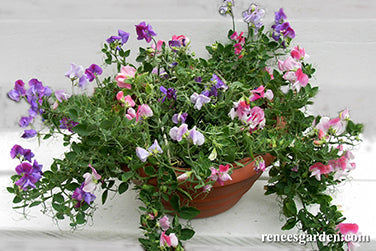
Windowbox Sweet Peas Color Palette Cupid
ANNUAL
Spring/summer bloom
Frost tolerantEASIEST TO START OUTDOORS
Sow seeds directly in deep containers at least 12 inches in diameter, or rectangular window-boxes at least 6-8 inches deep once danger of hard frost is over. Sweet peas grow best in cool weather and can handle light frosts. In mild winter areas, plant in fall weather to overwinter for spring bloom. Always fill planting containers with well moistened, good quality, fresh potting soil before planting seeds 1 inch deep and 2 to 3 inches apart.
THIN OR TRANSPLANT
Space seedlings 3 to 4 inches apart when they are 2 inches tall, allowing room for plants to mature, but leaving 5 to 6 plants in a 12 inch diameter container.
GROWING NOTES
Sweet peas bloom best before the weather gets too hot. When seedlings have 3 to 4 sets of leaves, pinch off top set to encourage branching for a bushy full plant. Young plants will grow 8 to 10 inches tall, then cascade over the sides of containers. It’s critical to keep your container sweet peas well-watered and remember to fertilize them regularly every two weeks with liquid fertilizer solution. Protect plants from slugs and snails. For longest bloom, remove faded blossoms regularly.Regular price $3.69Sale price $3.69Unit price per -
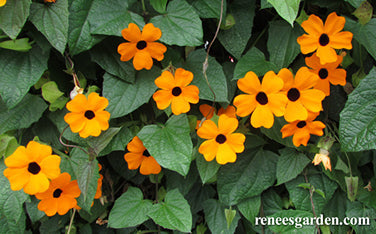
Old-Fashioned Thunbergia Black-Eyed Susan Vine
ANNUAL VINE
Summer/fall bloom
Frost tenderTO START OUTDOORS
In late spring, once weather is warm and settled and nights stay consistently above 50°F (10°C ), plant seeds in a sunny, sheltered spot in well-drained, fertile garden soil 6 inches apart and ½ inch deep. Provide supports at planting time. Keep soil moist but not soggy while awaiting germination, which can be somewhat slow and erratic.
TO START EARLY INDOORS
Sow indoors 5 to 6 weeks before last expected frost in individual pots of seed starting mix. Cover ½ inch deep and keep warm and moist. Provide a strong light source until seedlings are ready for outdoor planting. Once nights stay consistently above 50°F (10°C), transplant outdoors, 6 inches apart, being careful not to disturb delicate roots.
GROWING NOTES
These plants grow best in a sheltered spot, out of the wind. Thunbergia germinates and grows slowly at first, then begins to twine and develop flowers at midsummer. It is a charming choice for hanging baskets, where the vines will grow up and form a pyramid of bloom (plant four seedlings in a 10 to 12 inch diameter basket and feed regularly). Or, grow the vines up a trellis or arbor for a lovely effect.Regular price $3.99Sale price $3.99Unit price per -
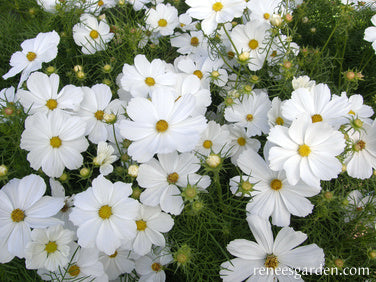
Knee-High White Cosmos Snow Sonata
ANNUAL
Summer/fall bloom
Frost tenderTO PLANT OUTDOORS
Sow seeds 1/2 inch deep, 1 to 2 inches apart in a sunny location in well-worked garden soil once danger of frost is past. Keep seed bed moist. Seedlings emerge in 7 to 10 days. Keep well weeded and watered while plants are young; mature cosmos can handle hot and dry conditions.
TO START EARLY INDOORS
Sow seeds 1 inch apart in a container of seed starting mix, 4 to 6 weeks before last expected frost. Cover 1/2 inch deep, keep moist and provide a good light source. Plant outdoors once weather warms up after gradually acclimating to outdoor conditions.
THIN OR TRANSPLANT
Space 6 inches apart when seedlings are large enough to handle.
GROWING NOTES
These free flowering summer bloomers produce reliably in all soil types and can be sown several times through early July for a succession of flowers. Cutting generous bouquets actually prolongs the blooming season. Replant a spent spring flower bed with satiny Snow Sonata, deep indigo Royal Ensign bush morning glories and sparkling Signet Marigolds for a summer showing to shine until frost.
Regular price $3.99Sale price $3.99Unit price per -
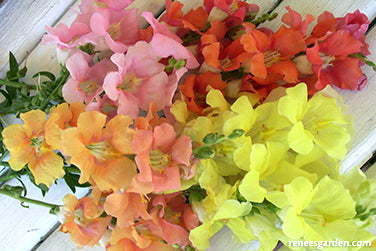
Butterfly Snapdragons Chantilly
HARDY ANNUAL
Spring/summer/fall bloom
Can handle light frostTO START SEEDS
Start seeds indoors in a container of seed starting mix in early spring 6 to 8 weeks before the last expected frost. Dampen soil mix evenly before sowing. Sow seeds 1 inch apart, covering only with a fine dusting of mix. Keep evenly moist but not soggy and provide a strong light source until ready to plant outdoors. When seedlings have several sets of leaves, transplant them 2 inches apart into a deeper container. After they reach 2 to 3 inches tall, gradually acclimate sturdy, well-established seedlings to outdoor conditions before transplanting in full sun.
THIN OR TRANSPLANT
Space seedlings 10 to 12 inches apart for best performance.
GROWING NOTES
Heat and wind-resistant Chantilly adds height, color and texture to garden beds and provides abundant gorgeous summer and bouquets. Feed and water well and keep spent flower stalks cut off for longest bloom season. Cut stalks when 8-10 blossoms are open; do not crowd in the vase for best, longest lasting cut flowers. In mild climates, snapdragons can also be planted in late fall to bloom in spring with pansies, Sweet William, calendula and agrostemma.Regular price $4.99Sale price $4.99Unit price per -
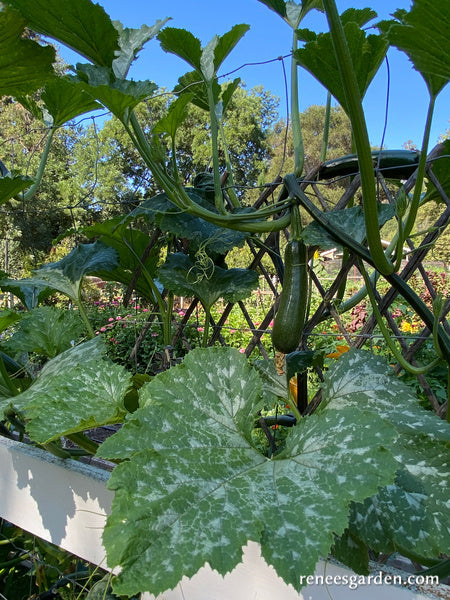
Organic Climbing Zucchini Incredible Escalator
START SEEDS OUTDOORS
Squash needs full sun, rich fertile soil and warm temperatures. Plant only when spring weather is warm and settled and night temperatures stay above 55°F (13°C). Train these vigorous climbing vines up 6 to 8 foot stakes or a fence or trellis where they will make a lush leafy arbor or canopy and save garden space. Plant in full sun, sowing groups of 2 to 3 seeds 1 inch deep and 4 inches from vertical supports. Thin to the strongest seedling for each pole or to 12 inches apart along a fence.
GROWING NOTES
Amend soil well before sowing with lots of aged manure or compost. Protect young seedlings from marauding birds by covering with plastic berry baskets at planting time, removing when plants get crowded. Thin properly to get best quality fruits and highest yield. As young plants grow, tie them to supports.
HARVEST AND USE
Harvest these luscious, rich green zucchini when no more than 5 to 6 inches long for top flavor and texture. Frequent harvesting keeps plants producing tasty new fruits.
Slice to briefly steam or stirfry. Or cut in half and grill or roast these succulent squash until tender, then sprinkle with fresh parsley, dill, basil or thyme. Try the tasty blossoms sautéed or stuffed and baked.
Regular price $4.89Sale price $4.89Unit price per -
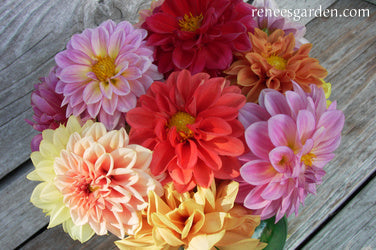
Border/Container Dahlias Watercolor Silks
PERENNIAL GROWN AS ANNUAL
Frost tender
Summer/Fall BloomBEST TO START EARLY INDOORS
Sow seeds 2 inches apart in containers of seed starting mix, 4 to 6 weeks before last spring frost. Cover 1/2 inch deep, keep moist and warm and provide a strong light source until ready to plant outdoors. When weather is warm and settled, acclimate seedlings gradually to outdoor conditions. Plant 8 inches apart.
TO START DIRECTLY OUTDOORS
Wait until weather is warm and settled and night temperatures are above 50°F (10°C). Sow groups of 2 to 3 seeds 1/2 inch deep and 8 inches apart in well-worked, fertile soil. Cover lightly and keep soil moist but not soggy while awaiting germination. When well-established, thin carefully, leaving single seedlings 8 inches apart, so plants have room to grow and bloom. Keep well-weeded and evenly watered.
GROWING NOTES
Amend soil with compost or aged manure before planting in full sun. Feed plants monthly. Remove faded flowers to prolong bloom. These dahlias will produce little underground tubers after their first season of bloom; select your favorite blossom colors when in bloom, then multiply those plants by digging up the tubers in late fall to replant the next spring.
To Grow In Containers: Space seedlings 4 to 6 inches apart in containers that are at least 16 inches across and 16 inches tall.
Regular price $3.39Sale price $3.39Unit price per -
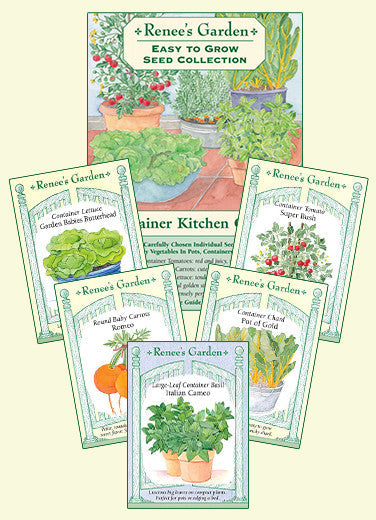
Easy To Grow Collection The Container Kitchen Garden
Includes Five Carefully Chosen Individual Seed Packets For Your Own Tasty Vegetables In Pots, Containers Or Windowboxes
- Super Bush Container Tomatoes: red and juicy, sweet rich flavor
- Romeo Round Container Carrots: cute and crunchy-sweet
- Garden Babies Container Lettuce: tender and pretty mini-butterheads
- Pot of Gold Chard: beautiful golden stalks and green leaves
- Cameo Container Basil: intensely perfumed true Italian basil
- Special Feature: Two Page Guide To Container Gardening. Enjoy a beautiful container garden featuring fast growing, great tasting vegetables in a wonderful range of colors.
Our Collection includes five individual seed packets of varieties developed especially for growing in pots for a delicious and ornamental kitchen garden whose fresh healthy harvests will add savor and excitement to everyday meals. You will find our packet backs offer clear and complete growing instructions for each variety, ensuring success for anyone new to growing from seed, as well as harvest tips and cooking ideas. Also included is our “how-to” guide for container gardening covering the basic gardening information needed for rewarding and bountiful harvests.
Super Bush Container Tomatoes
Perfect for pots, these full-sized tomatoes grow on dwarf 2 1/2 to 3 foot tall plants. The luscious round red fruits are full of juicy-sweet, rich tomato flavor.
Romeo Round Container CarrotsPetite ball-shaped carrots with smooth skins that need no peeling. Bred in France for great flavor and crunchy texture.
Pot Of Gold ChardReliable and highly ornamental, these vigorous vase-shaped plants have crunchy golden stems contrasting with rich green leaves. Produces abundant harvests to enjoy all season long.
Cameo Container BasilFrom our best Italian breeder. Easy growing and aromatic, “Cameo” has closely packed, fragrant big leaves on compact plants that grow about 8 inches tall. Perfect for fresh pesto and seasoning summer dishes.
Garden Babies Container LettuceDelicious and weather tolerant, these cute baby lettuces form compact 6 inch heads with soft folded leaves, a lovely buttery texture and absolutely outstanding sweet taste.
Regular price $16.95Sale price $16.95Unit price per -
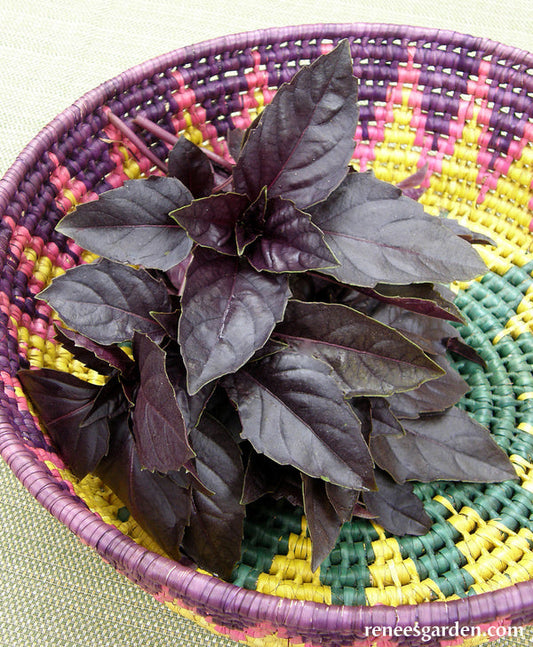
Heirloom Basil Purple Opal
TO PLANT DIRECTLY INTO THE GARDEN
When late spring weather has thoroughly warmed up, sow seeds 1 inch apart in well worked fertile soil in full sun. Cover 1/4 inch deep, firm soil and keep seedbed moist. Germination takes 1 to 2 weeks. After seedlings are well established, thin or transplant 8 inches apart to allow plants room to mature.
TO START EARLY INDOORS
Sow seeds 1 inch apart in a container of seed starting mix, 4 to 6 weeks before last expected frost. Keep warm and evenly moist, and provide a good light source. When seedlings are large enough to handle and weather is warm, acclimate gradually to outdoor conditions before planting in the garden 8 inches apart.
GROWING NOTES
Remember — it is critical to plant basil in the garden only after late spring day and nighttime temperatures stay above 50°F (10°C). Pinch off growing tips when plants are 6 to 8 inches tall to encourage branching. Harvest sprays of leaves by cutting stems just above two new sprouting lateral branches to get lush regrowth. Keep flower buds pinched off to extend harvesting and feed regularly to promote new growth.Regular price $4.89Sale price $4.89Unit price per -
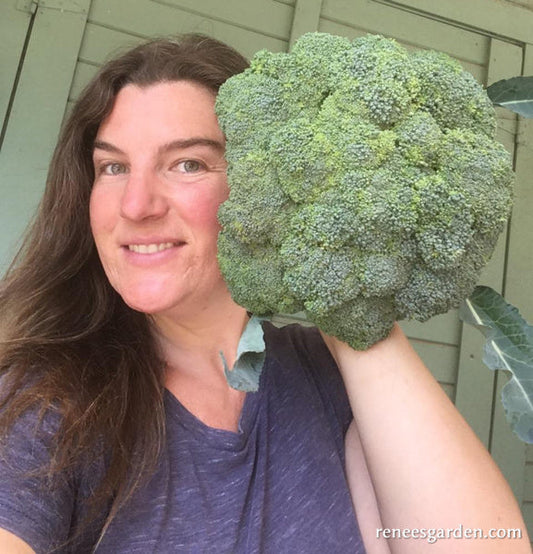
Main Crop Broccoli Bravado
BEST TO START INDOORS
Start seeds 4 or 5 weeks before last expected spring frost and again in midsummer for a fall crop. Sow seeds 1 inch apart in a container of seed starting mix, cover 1/2 inch deep and keep evenly moist. Provide a strong light source until seedlings are ready to plant out. When seedlings are 3 to 4 inches tall, gradually acclimate to outdoor conditions, then transplant 12 to 18 inches apart into rich, well-drained soil in full sun.
TO START OUTDOORS
Sow seeds in well-worked, fertile soil in full sun. Plant groups of 2 to 3 seeds 1/2 inch deep and 12 inches apart. Space rows 18 inches apart. Thin to 1 strong seedling per group so plants have room to mature and grow.
GROWING NOTES
Broccoli needs rich, fertile soil and cool growing weather to produce big heads. Prepare soil well and do not let seedlings get too crowded before thinning or transplanting or the heads will be stunted. Keep well watered and weeded. Feed at least monthly with all purpose fertilizer. Use non-toxic B.T. (Bacillus thuringiensis) products to repel caterpillar pests as necessary.
HARVEST AND USE
Harvest the main head before florets open by cutting about halfway down the stalk. This will encourage numerous side shoots to form for extended picking from each plant.
Regular price $3.69Sale price $3.69Unit price per -
Mini Cantaloupe Sugar Cube
STARTING SEEDLINGS OUTDOORS
Melons need full sun, rich soil and warm temperatures. Plant only when weather is warm and settled and temperatures stay above 50° (10°C). In rows 4 feet apart, sow groups of 2 to 3 seeds every 2 feet. After germination, thin to the strongest seedling per group, so you end up with one plant every 2 feet. Or make slightly mounded hills, 2 feet in diameter and 5 feet apart, sowing 5 or 6 seeds in each hill. Thin to 3 strongest plants.
TO START EARLY INDOORS
Several weeks before last frost date, sow seeds in individual pots of seed starting mix. Keep warm and moist, and provide a strong light source until weather warms enough to transplant outdoors.
GROWING NOTES
Amend soil well with aged manure or compost. Where summers are short or cool, lay down black plastic to retain heat, and plant into holes made in plastic. Where insects are a problem, cover seedlings with floating row covers to exclude them, removing when plants blossom. Keep young vines well watered and fed, tapering off water as fruits ripen up.
HARVEST AND USE
Pick when little melons are fully colored, fragrant and “slip” or pull easily from the vines. With their abundant fruits, small size and sweet, deep orange flesh, Sugar Cubes are true summer treats – the whole family will enjoy these delicious personal sized melons!Regular price $4.99Sale price $4.99Unit price per -
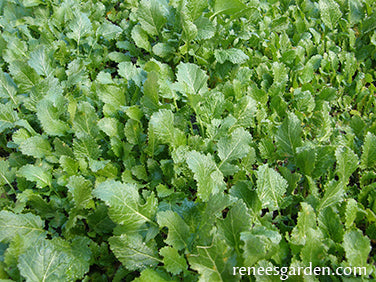
Bonus Pack Soil Building Kodiak Mustard Cover Crop Seeds
WHEN TO PLANT
In Mild Winter Climates, where ground does not freeze hard, sow in late fall to overwinter.
In Cold Winter Climates, where ground freezes hard, plant in fall for winter die back, then incorporate in spring, OR sow as early as possible in spring.
TO PREPARE THE PLANTING AREA
Remove weeds, grass and large stones. Break up soil clumps and evenly loosen the top 2 inches of soil with a rake. Scatter seeds thinly, 1 to 2 inches apart. Using a rake, cover seeds with fine soil 1/4 to 1/2 inch deep and lightly firm the soil. Water thoroughly and evenly.
Keep soil moist while germinating and when seedlings are small. Growing plants thrive best if watered regularly.
INCORPORATING YOUR COVER CROP
Method 1: When mustard is 5 to 6 inches tall, use a garden fork, shovel or rototiller to turn plants into the ground to break down and enrich soil for planting, which takes about a month.
Method 2: When mustard is about 1 foot tall, pull plants out, shake off soil, and then compost plants to incorporate into soil later as finished compost. Timing depends how long your composting process takes.
Method 3: When plants are 1 foot tall, weed whack the mustard to chop it down. Cover the chopped crop with black plastic to hasten decomposition and then turn the nutritious residue into the soil 2 to 3 weeks before sowing garden crops.
Regular price $8.99Sale price $8.99Unit price per -
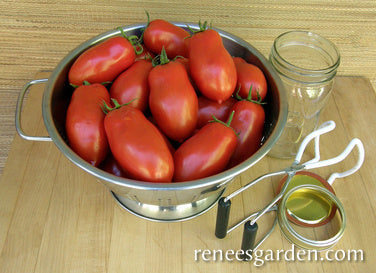
Container Roma Tomato Inca Jewels
STARTING SEEDLINGS
In early spring, start indoors about 6 to 8 weeks before outdoor night temperatures are reliably 50-55°F (10-13°C). Sow seeds 1/4 inch deep and 1 inch apart in a container of seed starting mix. Keep moist but not soggy, and very warm, 80°F (27°C). Provide a strong light source until seedlings are ready to plant outside. When seedlings are 2 inches tall, transplant into individual 4-inch pots. Maintain at 70°F (21°C). Feed with half-strength fertilizer every 2 weeks until ready to plant. When nights reach 55°F (13°C), gradually acclimate to outdoor conditions. Plant these vigorous, early bearing vines 3 feet apart into rich soil in full sun.
GROWING IN CONTAINERS
Transplant one seedling per container; minimum pot size should be 18 to 20 inches in diameter and 18 inches high. Use fresh potting mix to prevent soil-borne disease. Water regularly: containers may need water daily in hot weather. Fertilize every other week with a low nitrogen fertilizer for strong plants and good yields. Growing Notes Plant seedlings several inches deeper than they were in seed starter. Provide strong 3 ft. stakes or tall wire cages at planting time as plants get heavy with fruits and need support. Mulch to provide even moisture retention; don't overwater once fruit begins to ripen.Regular price $4.99Sale price $4.99Unit price per -
Bonus Pack Seeds for a Hummingbird Garden
TWO DESIGN IDEAS
Plant your hummingbird flower garden in a rectangular bed or border with tall, medium and low flowers from back to front, OR plant in a circle garden with the tall climber in the center, surrounded by the middle and then lower growing flowers.
At the back of the border OR climbing up a central trellis in a circle garden, climbing Scarlet Runner Beans offer abundant coral-red blossoms that hummers love to sip.
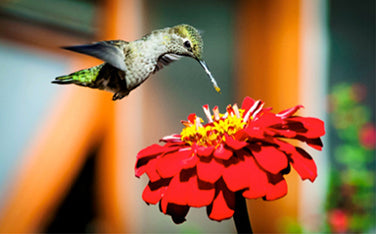
At mid-level, Scarlet Flame Zinnias bright red flowers make a splash of color easy for hummers to see from a distance.
At front of the border OR on the outside of the circle, low mounding Summer Charm Nasturtiums are a sure fit for hummingbirds' nectar-seeking bills.CREATING HUMMINGBIRD HABITAT
Plant as big an area as possible to create explosive bursts of color that can be seen easily from the air. Hummingbirds expend an extraordinary amount of energy for their size, and require an enormous amount of food – you just can't have too many flowers! After locating convenient nectar sources, these intelligent little creatures follow a foraging routine in a relatively small area despite their ability to roam and will return for ongoing meals from your garden.
These flowers offer complete natural meals: while nectar is their primary food source, blossoms also harbor small insects that are protein sources for the diminutive birds, so hummingbirds will help in your garden by dining on aphids and other tiny insects they snap up in their sharp pointed bills while simultaneously pollinating them.
Design elements such as a handsome trellis for your climbing runner bean blossoms provide a convenient, stationary perch where these territorial little birds can survey their entire domain. Enjoy watching them as they dine, hover, socialize, argue and perch, wings vibrating with amazing speed and grace, flying furiously up and down, backward, forward, even upside down amongst your colorful flowers.
Regular price $8.99Sale price $8.99Unit price per -
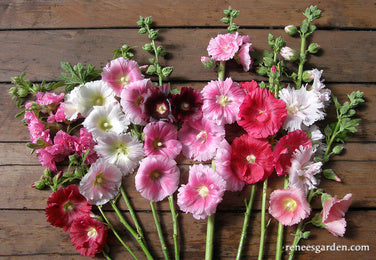
Old Fashioned Hollyhocks Indian Spring
BIENNIAL
Summer/fall bloom
Frost hardyEASIEST TO START DIRECTLY IN THE GARDEN
Plant seeds in full sun in ordinary garden soil in spring after danger of frost is past. Poke seeds into well-worked soil about 1/2 inch deep, 6 to 8 inches apart. Keep moist until seedlings emerge in 7 to 14 days.
TO START EARLY INDOORS
Start seeds indoors about 8 weeks before last expected frost date. Sow two inches apart and 1⁄2 inch deep in flats or individual containers of seed starting mix. Provide a strong light source and keep mix evenly moist until germination takes place. When seedlings are 3 to 4 inches tall, transplant 12 to 18 inches apart after gradually acclimating to outdoor conditions.
THIN OR TRANSPLANT
Space seedlings 12 to 18 inches apart so plants have ample room to mature.
GROWING NOTES
Indian Spring will bloom the first year from seed if planted early in spring. Planted later, it will bloom the following summer. After blossoms fade, cut off the spent flower stalks just above the ground. Fertilize well and continue to water plants as needed, and roots will push another flush of enchanting flower spires that will open in fall.
Regular price $2.99Sale price $2.99Unit price per -
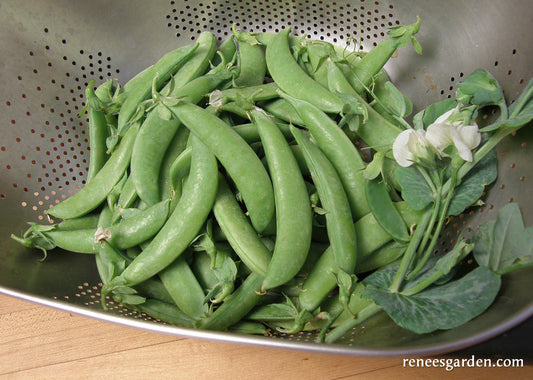
Sugar Snap Peas Super Sugar Snap
START SEEDS OUTDOORS
In early to mid-spring, plant peas in full sun in well-worked, fertile soil. Sow seeds 1 inch deep and 2 to 3 inches apart in wide rows or bands 3 inches across, spacing the wide rows 2 feet apart. Provide supports for these 5 foot vines at planting time. Protect from marauding birds with netting or floating row covers if necessary. Wet and cold early spring weather may affect germination so if first sowing doesn’t germinate evenly, replant right away as new seedlings catch up quickly. Sow again for a fall crop about 2 1/2 months before first expected fall frost.
HARVEST AND USE
Harvest only when peas are mature and round in the thick-walled, juicy pods for the best developed flavor. Savor their sweet crunch fresh from the garden (kids especially love them!) as a snack or slice into salads. To cook quickly, pull strings from pods and sauté in a little oil just until pods turn a deeper green color.
GROWING NOTES
Use netting or wire trellis to support these heavy bearing vines for easy picking. Turn a sprinkling of bone meal and wood ashes into the soil before planting. Keep pea vines well weeded and watered and mulch to conserve moisture. Water at the base of the plants to avoid mildew.Regular price $3.39Sale price $3.39Unit price per -
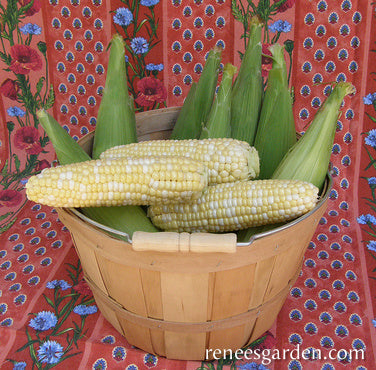
Early Bicolor Corn Bon Jour
START SEEDS OUTDOORS
In spring, once weather is warm and settled and night temperatures stay securely above 55°F (13°C), plant seeds in well-worked, fertile soil in full sun. Poke seeds in 1 inch deep and 4 to 6 inches apart. Plant in a block of 4 side-by-side rows, each row at least 1 foot apart. Thin seedlings to 1 foot apart when several inches tall. Protect from marauding birds if necessary. If first sowing doesn’t germinate evenly, replant right away as new seedlings catch up quickly. Make several sowings 2 or 3 weeks apart until early June to have successive harvests.
GROWING NOTES
There is no need to isolate Bon Jour from other varieties, but plant seeds in blocks of at least 4 parallel rows to ensure good wind pollination and well filled out ears. Corn is a heavy feeder, so add plenty of compost or aged manure to the soil at sowing time, and then fertilize when young plants are 7 to 8 inches tall and again as ears begin to form.
HARVEST AND USE
Well filled out ears of corn are ready to eat when the silks are very dark brown and dried out. Test by choosing a plump ear and peeling back the husk very slightly. The kernels should be tender and milky when slit with a fingernail. Bon Jour is a SE corn, so the tender crisp kernels will hold their sweetness after harvest.
Regular price $4.69Sale price $4.69Unit price per