Seed Packets Only
-
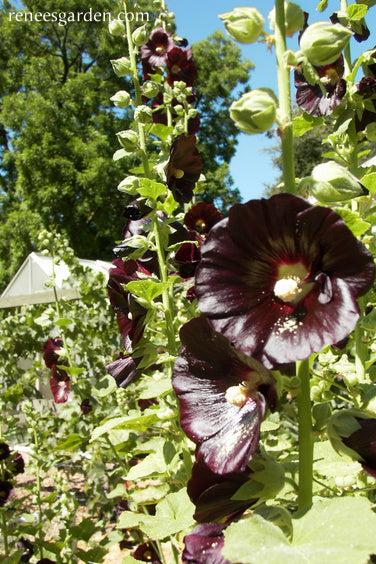
Heirloom Hollyhocks Black Watchman
BIENNIAL
Summer/fall bloom
Frost hardyEASIEST TO START DIRECTLY IN THE GARDEN
Plant seeds in full sun in ordinary garden soil in spring after danger of frost is past. Poke seeds into well-worked soil about 1/2 inch deep, 6 to 8 inches apart. Keep moist until germination in 7 to 14 days.
TO START EARLY INDOORS
Start seeds indoors about 8 weeks before last expected frost date. Sow 2 inches apart and 1/2 inch deep in flats or individual containers of seed starting mix. Provide a strong light source and keep mix evenly moist to await germination in 7 to 14 days. When seedlings are 3 to 4 inches tall, transplant 18 to 24 inches apart after gradually acclimating to outdoor conditions. Thin or transplant seedlings 18 to 24 inches apart so plants have ample room to mature.
GROWING NOTES
Black Watchman may bloom the first year from seed if planted early in spring. Planted later, it will bloom the following summer. After blossoms fade, cut off the spent flower stalks just above the ground. Fertilize well and continue to water plants as needed, then roots will push another flush of enchanting flower spires to open in fall.
Regular price $3.69Sale price $3.69Unit price per -
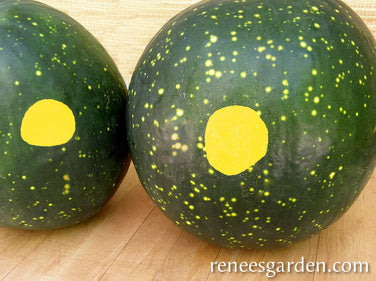
Heirloom Watermelon Moon & Stars
STARTING SEEDLINGS OUTDOORS
Melons need full sun, rich soil and warm temperatures. Plant only when weather is warm and nights stay above 50°F (10°C). Make slightly rounded hills 2 feet in diameter and 5 feet apart. Sow 5 or 6 seeds 1 inch deep in a small circle in top of each hill. When seedlings have several sets of leaves, be sure to thin them out, leaving only the 3 strongest plants to grow and mature in each hill.
TO START EARLY INDOORS
No more than several weeks before last frost date, sow seeds in individual pots of seed starting mix. Keep warm and moist, and provide a strong light source until weather warms enough to transplant outdoors (see above).
GROWING NOTESAmend soil well with aged manure or compost. If summers are short or cool, put down black plastic to retain heat, then plant into holes made in plastic. Where insects are a problem, cover seedlings with floating row covers to exclude them, removing when plants blossom. Keep young vines well watered and fed, tapering off as fruits ripen up for best sweet flavor.
HARVEST AND USE
Pick melons when the tendril closest to the fruit turns brown, and the light patch on the bottom of the melon changes from cream to tan. Watermelons keep well in the refrigerator, even after being cut open.Regular price $4.89Sale price $4.89Unit price per -
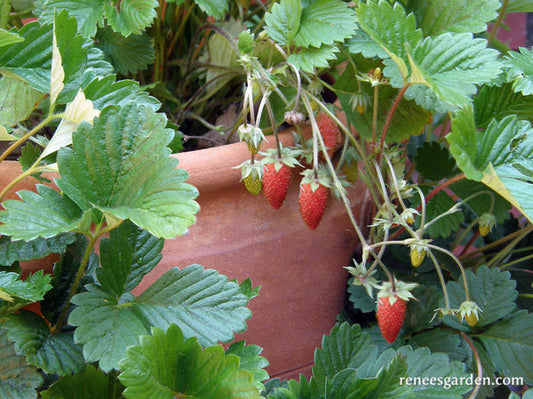
Alpine Strawberries Mignonette
BEST TO START EARLY INDOORS
In spring, sow seeds 1 inch apart and 1⁄8 inch deep in a container of fine seed starting mix. Maintain at 60-70°F (15-21°C). Provide a strong light source. Keep evenly moist but not soggy. Be patient: seeds take 14-28 days to germinate. Feed young seedlings every 2 weeks with half-strength fertilizer. When they have several sets of leaves, transplant 3 inches apart into a deeper container or individual pots so root systems have room to develop. When 3 inches tall, gradually acclimate to outdoor conditions and plant 12 inches apart in fertile soil in full sun or partial shade in very hot climates.
GROWING NOTES
Plant in window boxes or hanging baskets, or as a pretty edging along a garden path or border. Mignonette plants bear sweet 1 inch fruits the first season after sowing and grow about a foot across without sending out runners. Feed and water regularly and plants will continue to fruit for 2 to 4 years.
HARVEST AND USE
Pick and enjoy these petite perfumed berries when they turn a deep red and give slightly to the touch. Sprinkle over morning cereal or nestle the ruby colored berries on tiny tarts or cakes.Regular price $3.99Sale price $3.99Unit price per -
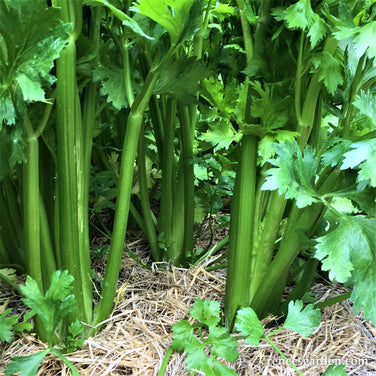
Stalk Celery Merlin
TO PLANT DIRECTLY OUTDOORS
Start celery in spring, when temperatures are above 50°F (10°C) day and night. Plant in full sun or, in hot summer areas, where there is afternoon shade. Celery is a heavy feeder; amend soil well with a high nitrogen fertilizer before planting. Sow seeds thinly, about 1-2 inches apart and cover very lightly. Be patient and keep seedbed evenly moist while awaiting germination which is slow and uneven. When seedlings are 3 inches tall, thin to 8 inches apart to grow to maturity.
TO START EARLY INDOORS
Start in early spring, 8-10 weeks before night temperatures are evenly above 50°F (10°C). Sow seeds thinly in containers of seed starting mix. Cover very lightly. Keep evenly moist; germination is uneven and takes up to 21 days. Keep seedlings at 70°F (21°C) range, providing a strong light source. Feed every 7-10 days with half strength liquid fertilizer like fish emulsion solution. When seedlings are well-established, plant in the garden 8 inches apart, so plants have room to grow and mature.
GROWING NOTES
For growing success and optimum flavor and yield, growing celery plants must be kept consistently moist and well fed. Check often and water regularly; a thick mulch of compost helps maintain moisture. Fertilize every few weeks with a high nitrogen fertilizer or fish emulsion solution. Harvest outside stalks at maturity as needed or cut whole plant.
Regular price $3.39Sale price $3.39Unit price per -
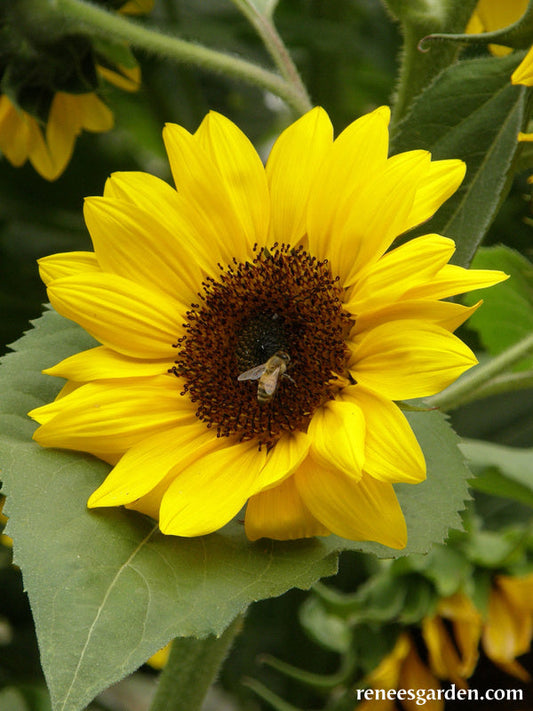
Border Sunflowers Sundancer
ANNUAL
Summer/fall bloom
Frost tenderEASIEST TO PLANT OUTDOORS
Plant in full sun in good garden soil when weather is warm and settled, all danger of frost is past and both days and nights are evenly in the 50°F (10°C) range. Poke seeds into well-worked soil about 1/2 in. deep, 4 to 5 in. apart. Press soil firmly over seeds and keep moist until seedlings emerge in 8 to 10 days.
Important: when seedlings are well-established, thin them to a final spacing of 1 foot apart so plants can grow sturdy stalks and big flowers. Extra seedlings can be transplanted easily.
TO START EARLY INDOORS
Several weeks before last frost date, sow seeds 1/2 inch deep in individual pots of well-drained seed starting mix. Keep moist and provide a strong light source until seedlings are well established and ready to plant outside. Transplant carefully, disturbing the roots as little as possible. Space seedlings 1 foot apart so plants will have room to grow and mature.
GROWING NOTES
These branching sunflowers with glorious rich golden-orange flower faces are easy and rewarding to grow. Make several sowings several weeks apart to have a succession of flowers in full bloom. Keep soil moist and well weeded and protect very young seedlings from birds with netting or plastic berry baskets, removing before plants get crowded.Regular price $4.69Sale price $4.69Unit price per -
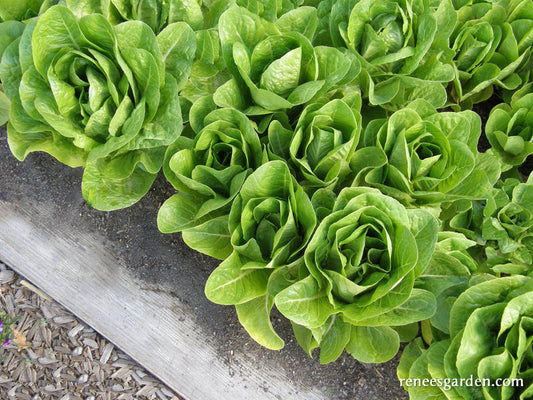
Container Lettuce Sweetie Baby Romaine
START SEEDS OUTDOORS
In cool spring weather, start seeds in full sun. Sow seeds 1/4 inch deep and 1 inch apart in fertile, well-drained soil mix. After the seedlings germinate and begin to grow, it’s important to thin the young plants so they have room to mature into heads. Thin seedlings when a few inches tall to a final spacing of 5 inches apart so they have room to mature to full heads (extra seedlings will transplant easily to grow elsewhere). Plan on 7 to 10 full heads in a 16-18 inch pot or an 18-24 inch window box. Plan on 3 full heads in an 8 inch pot.
GROWING NOTES
Lettuce thrives in cool conditions. Be sure to thin properly and keep evenly moist for sweet tasting, full heads. For a constant supply, make several sowings a few weeks apart until summer weather turns hot.
Plant again in late summer for fall harvest. In hot weather, give lettuce some afternoon shade and check water daily. Feed with liquid fertilizer every 2 weeks.
Try setting seedlings around the edges of a big pot holding a young tomato or pepper plant. Harvest the lettuce as the bigger plant grows to need the space.
HARVEST AND USE
Savor young lettuce thinnings in your first spring salads. Then harvest plants by cutting mature heads when they feel firm and well-filled. Pull over-mature plants if they begin to elongate (“bolt”) in hot weather, as leaves turn bitter at this stage.
Regular price $3.39Sale price $3.39Unit price per -
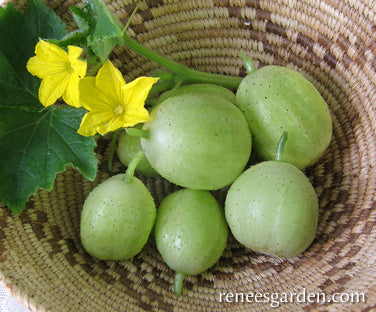
Heirloom Cucumbers Lemon Cucumbers
START SEEDS OUTDOORS
Plant heat-loving cucumbers in full sun only when weather is warm and settled and night temps stay above 50°F (10°C), first amending soil well with aged manure or compost. Sow groups of 2 to 3 seeds, 1 inch deep and 18 inches apart. When the baby seedlings are 2 inches tall, thin out extras, leaving one strong seedling per group. After thinning, provide a 3 to 5 foot strong vertical support or tomato cage around each seedling and train the vines up the supports as they grow. Growing vigorous, heavy-bearing cucumber vines up supports makes it easier to harvest the cucumbers, saves garden space, and helps prevent disease.
GROWING NOTES
Protect seedlings from marauding birds with plastic berry baskets, removing before plants get crowded. Shallow-rooted cucumbers need adequate and consistent moisture to produce sweet tasting, nicely formed cucumbers. Avoid overly wet or dry periods for good quality fruits.
HARVEST AND USE
For best quality, sweet tasting fruits, be sure to pick young lemon cucumbers when they are still pale green with just a hint of lemon color on their skins. Bright yellow fruits are pretty but overmature and they will have tough skins and seeds. Enjoy the freshly picked, lemon-shaped cucumbers still warm from the sun as snacks and in salads. These old-fashioned cucumbers also make fine tasting pickles, both sweet and dill.
Regular price $2.99Sale price $2.99Unit price per -
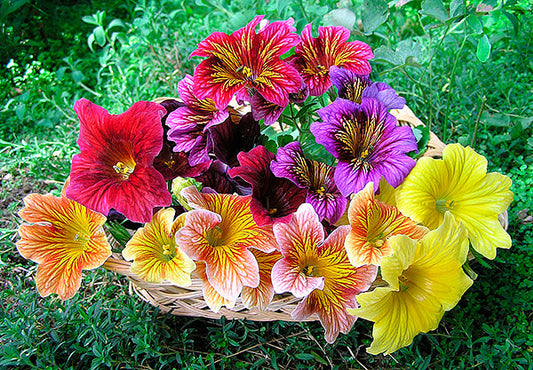
Painted Salpiglossis Stained Glass
ANNUAL
Summer/fall bloom
Frost tenderBEST TO START EARLY INDOORS
In spring, 6 to 8 weeks before last expected frost date, sow seeds 1 inch apart in a container of seed starting mix. Cover 1/4 inch deep with mix, keep moist and between 65 and 75° while awaiting germination. Provide a strong light source until seedlings are ready to plant outdoors. Once seedlings are large enough to handle, transplant 2 to 3 inches apart into a deeper container or individual pots so root systems have room to develop. Feed every 2 weeks with half strength fertilizer. When plants are 3 to 4 inches tall, gradually acclimate to outdoor conditions and plant out in well-drained, fertile soil in the full sun.
THIN OR TRANSPLANT
Space seedlings 6 to 8 inches apart.
GROWING NOTES
Don’t plant these Chilean natives in the garden until risk of frost has passed. Transplant before seedlings start to form buds to get largest flowers and longest bloom. Give them a sheltered position, especially in very hot summer areas where a little afternoon shade is helpful, and keep plants moist and well weeded throughout the growing season for best performance.
Regular price $3.99Sale price $3.99Unit price per -
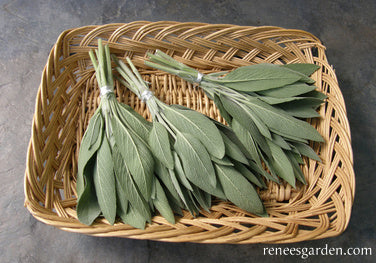
Heirloom Herbs Italian Aromatic Sage
PERENNIAL
Spring/summer/fall harvest
Frost hardyBEST TO START EARLY INDOORS
In early spring, sow seed 1 inch apart in a container of seed starting mix and cover 1⁄4 inch deep. Keep evenly moist as seedlings emerge and provide a strong light source until ready to plant outdoors. Transplant 12 to 18 inches apart when seedlings are about 2 or 3 inches tall after gradually acclimating plants to outdoor conditions.
TO PLANT OUTDOORS
Sow seeds 1 inch apart in well-drained fertile soil in full sun in spring once weather is warm and settled. Cover 1/4 inch deep, firm soil over seeds and keep seedbed evenly moist. Germination takes 2 to 3 weeks. After seedlings are well established, thin or transplant 12 to 18 inches apart.
GROWING NOTES
Sage plants are resilient and drought tolerant once established. Cut leafy sprigs once plants are well leafed out. After flowers stop blooming, cut them well down the branch to encourage more leaf growth. Add a small pinch of crushed fresh sage to vegetables, casseroles, pork, poultry stuffing and cheese dishes. Combine fresh sage with chopped parsley to mellow its pungency. To dry, hang leafy branches upside down in a cool airy place.Regular price $2.99Sale price $2.99Unit price per -
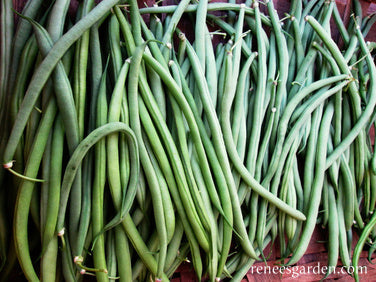
Pole Filet Beans Emerite
START SEEDS OUTDOORS
In late spring, once night temperatures stay securely above 55°F (13°C), plant seeds in well-worked, fertile soil in full sun. Erect strong stakes, tripod poles or trellis, at planting time to support vines. Plant 1 inch deep and 4 inches apart along a trellis. If using tripods or stakes, plant 4 to 6 seeds about 4 inches from each pole, thinning seedlings to the 3 best plants per pole.
GROWING NOTES
Beans are an easy and reliable crop, but don’t plant seeds too early; cold conditions prevent good germination. If first sowing comes up unevenly, replant right away; new seedlings will catch up quickly. Birds are attracted to young seedlings; watch carefully and protect with netting if necessary. Avoid harvesting beans in wet conditions.
HARVEST AND USE
For the best yields, pick beans frequently, at least every 2 or 3 days. Filet beans are meant to be eaten when pods are long and slender, so harvest the tender pods early, when they are still pencil-thin. These elegant gourmet beans taste best freshly harvested and the more pods you pick, the more plants will produce. Enjoy quickly steamed just until tender-crisp, then toss with a little sweet butter and a sprinkling of fresh tarragon or dill.
Regular price $4.99Sale price $4.99Unit price per -
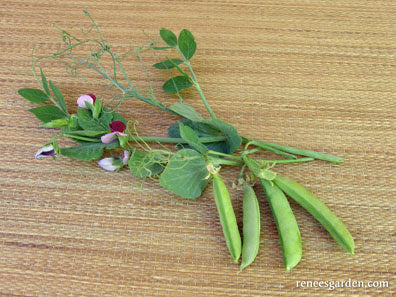
Tall Snap Peas Magnolia Blossom
START SEEDS OUTDOORS
In early to mid-spring, plant peas in full sun in well-worked, fertile soil. Sow seeds 1 inch deep and 3 to 4 inches apart in wide rows or bands 3 inches across, spacing the rows 2 feet apart. Provide supports for these climbing 5-8 foot vines at planting time. Protect from marauding birds with netting or floating row covers if necessary. Cold and wet early spring weather may affect germination, so if first sowing doesn’t germinate evenly, replant right away as new seedlings catch up quickly. Sow again for a fall crop about 2 1/2 months before first expected fall frost.
GROWING NOTES
These are hypertendril peas, meaning that the vines will produce long twirling tendrils in place of some leaves. This trait helps increase air flow so there is less disease potential. Use netting or wire trellis to support these heavy bearing tall vines for easy picking. Keep pea vines well weeded and watered and mulch to conserve moisture. Water at the base of the plants to avoid mildew.
HARVEST AND USE
Harvest only when peas are mature and round in the thick walled, juicy pods for the best developed flavor. Savor their sweet crunch fresh from the garden (kids especially love them!) as a snack or slice into salads. Pick pods regularly and you’ll have longer production of new ones. To cook quickly, pull strings from pods and sauté in a little oil just until pods turn a deeper green color.
Regular price $4.39Sale price $4.39Unit price per -
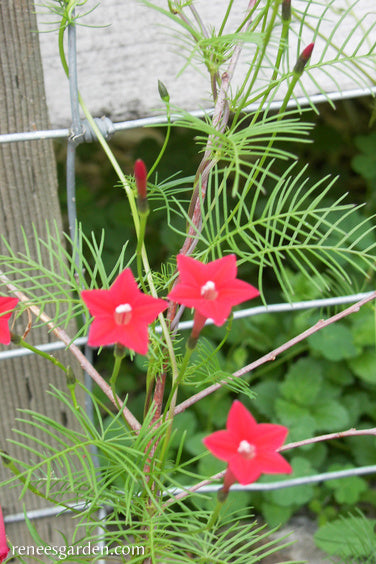
Heirloom Cypress Vine Maiden's Feather
ANNUAL VINE
Summer/fall bloom
Frost tenderTO START OUTDOORS
In spring once temperatures stay securely above 50° both day and night, plant seeds in a warm sunny location in ordinary garden soil 2 to 3 inches apart and 1/2 inch deep. Firm soil over seeds and keep evenly moist. Tend young seedlings carefully. They start slowly, but will climb quickly once well established.
TO START EARLY INDOORS
Sow seeds indoors 4 or 5 weeks before last expected frost in individual pots of seed starting mix. Cover 1/2 inch deep and keep warm and moist as seedlings emerge. Provide a strong light source until seedlings are ready to plant outdoors. Transplant only when weather has warmed and settled. Thin or transplant seedlings 6 to 8 inches apart when large enough to handle. Avoid disturbing roots when transplanting.
GROWING NOTES
Erect well-anchored supports at least 6 to 8 feet tall at planting time; strong netting, fence or trellis serve well to hold these delicate-looking but vigorous climbers. Twining cypress vines bloom at midsummer and perform best where summers are long and hot.
Regular price $2.99Sale price $2.99Unit price per -
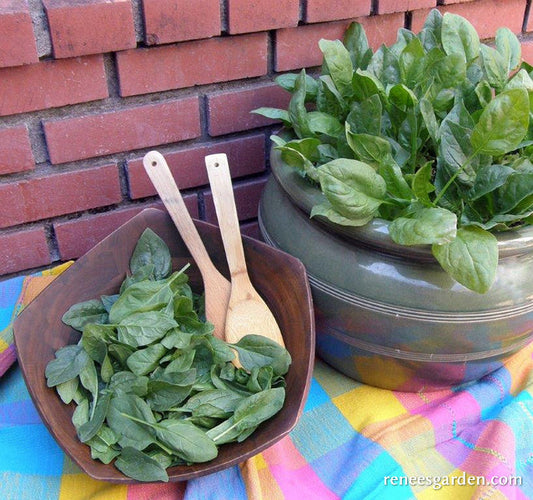
Container Baby Leaf Spinach Little Hero
CONTAINER PLANTING
Plant in early spring when danger of hard frost is over. Use a pot at least 15-18 in. in diameter and 12 in. deep, and start with fresh potting mix. Sow seeds 2 in. apart or simply broadcast seeds thinly, aiming for 2 in. spacing. Cover with 1/2 inch of potting mix and firm soil well over seeds. If first sowing germinates unevenly, plant more seed as seedlings will catch up fast.
GROWING NOTES
Birds love tender young seedlings, so protect as necessary with netting or floating row cover. Sow again in late summer for a fall crop. Keep spinach well watered and weeded and fertilize every few weeks and especially after harvesting.
HARVEST AND USE
To harvest by the “cut and come again” method: when plants are 4 to 5 in. tall, cut as much as you need, by using scissors to shear off leaves 1 to 2 in. above the soil level. Water well and fertilize lightly and plants will regrow for several more cuttings. Little Hero’s tender, baby leaves are delicious in fresh salads with additions like thinly sliced sweet onions, sliced radishes, thin wedges of apple or orange, toasted nuts, chopped scallions, crispy bacon bits, hard-cooked egg quarters and grated cheese. Or stirfry, braise or sauté very quickly for healthy, tasty greens.
Regular price $3.99Sale price $3.99Unit price per -
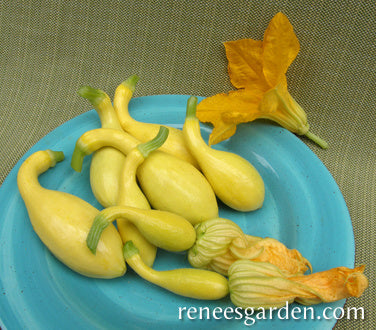
Crookneck Squash Sunny Supersett
START SEEDS OUTDOORS
Summer squash needs full sun, rich fertile soil and warm temperatures. Plant only when spring weather is warm and settled and nights are above 50°F (10°C). Sow groups of 3 seeds 1 inch deep and 1 foot apart, in rows 3 feet apart. Thin to 1 strong seedling per group. Or, plant in slightly mounded hills, 2 feet in diameter and 2 feet apart, sowing 5 or 6 seeds in each hill. When seedlings are several inches long, it is critical to thin hill-planted seedlings to the 2 strongest plants so they have ample room to grow.
GROWING NOTES
Amend soil well before sowing with lots of aged manure or compost. Protect young seedlings from marauding birds by covering with green plastic berry baskets at planting time, removing when plants get crowded. Be sure to thin properly — you will have more productive, disease-free plants if seedlings have enough room to mature.
HARVEST AND USE
For succulent texture and best flavor, pick Supersett crooknecks when they are no more than 4 to 6 inches long. Frequent harvesting keeps plants producing tasty new fruits all season long. These little squashes shine when freshly picked and simply steamed or poached in broth to serve with fresh herb butter.
Regular price $3.99Sale price $3.99Unit price per -
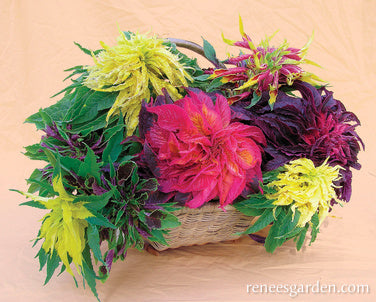
Heirloom Amaranth Cinco De Mayo
ANNUAL
Summer/fall color
Frost tenderEASY TO START OUTDOORS
Sow seeds in full sun in ordinary well-worked garden soil in springtime once night temperatures reach 50°F (10°C). Space tiny seeds as thinly as possible. Cover very lightly with soil and keep moist until seedlings emerge in 7 to 10 days.
TO START EARLY INDOORS
Five to six weeks before last frost date, sow seeds 1 inch apart in individual pots or a container of seed starting mix, cover lightly and keep moist. Provide a strong light source until seedlings are ready to plant outside once danger of frost is over. Gradually acclimate to outdoor conditions before transplanting.
THIN OR TRANSPLANT
Final seedling spacing should be 12-18 inches apart, so they have room to grow and mature.
GROWING NOTES
Plants explode with sky rocket colors when they come to maturity in late summer. These easy to grow, dramatic foliage Amaranths prefer a warm, dry location in good garden soil. When established, the tall bushy plants can tolerate drought and need no extra fertilizer, but must have good drainage. For better branching, pinch the main bud when plants are about 18 inches tall.
Regular price $2.99Sale price $2.99Unit price per -
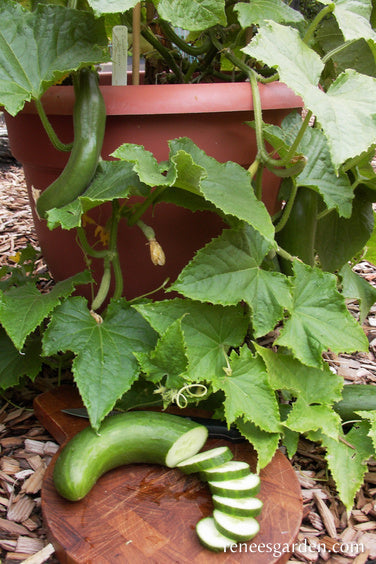
Container Cucumber Bush Slicer
START SEEDS OUTDOORS
Plant heat loving cucumbers only when spring weather is warmed and night temperatures are consistently above 55°F (13°C). Amend soil well with aged manure or compost. Sow seeds 1 inch deep and 4 inches apart in slightly mounded hills that are 3 feet apart, sowing 4 or 5 seeds in each hill. Thin to the 3 strongest seedlings in each hill so plants have room to grow and mature.
FOR CONTAINERS
Sow seed directly into containers 4 inches from edges. When plants are 3 to 4 inches tall, thin carefully to strongest seedlings. Final spacing should be one plant per pot 12 inches deep and 12 inches across or 2 plants in a larger container at least 18 inches across. For larger planters, grow plants at final spacing of 8 to10 inches apart.
GROWING NOTES
Protect seedlings from marauding birds with plastic berry baskets, removing before plants get crowded. Feed every other week. A good mulch will aid shallow rooted cucumber plants, which require ample and consistent moisture in hot dry weather. Avoid overly wet or dry periods for good quality fruit. In hot dry weather, check and water plants in containers daily.
HARVEST AND USE
Keep all mature cucumbers picked; fruits left on vines will signal the plant to stop producing. Cut rather than pull fruits from vines. Slice them up for refreshing snacks, salads and sandwiches. Eat within a day or two of picking for best taste and quality.
Regular price $3.39Sale price $3.39Unit price per -
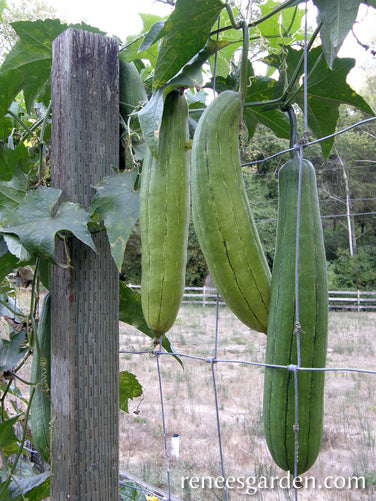
Compact Vining Gourds Bath Loofah
BEST TO START INDOORS
Several weeks before last spring frost, sow seeds 1 in. deep in individual pots of seed starting mix. Keep warm and moist and provide a strong light source. When seedlings are well established and nights stay above 55°F (13°C), acclimate to outdoors. Transplant at sunny garden edges to ramble, or 12 inches apart along a sturdy fence or trellis to climb and form a lush canopy.
START SEEDS OUTDOORS
Start seeds outdoors only after night temps stay above 55°F (13°C). In full sun, sow 2 or 3 seeds 1 inch deep in groups spaced 12 inches apart and 4 inches from vertical supports. Thin to 1 or 2 strongest seedlings per group.
GROWING NOTES
Loofahs need full sun, very rich, fertile soil and warm temperatures. For earliest and best yields, hand-pollinate gourds: pick a blooming male flower and dust pollen onto fresh female flowers (the ones with small fruits at the base). Repeat as new flowers appear. Pollinated fruits start growing larger within several days.
HARVEST AND USE
Harvest when loofahs are fully matured with brown and dry outer rinds, are very light for their size, and seeds rattle inside. Peel off the dark outer rind, exposing the fibrous honeycomb sponge-like interior. Cut open end to shake out seeds. Finish by soaking loofahs for an hour in a weak bleach solution (10:1) to whiten and brighten color. Rinse thoroughly and air dry. Use in everyday skincare as a natural sponge, skin, buffer and exfoliator.
Regular price $4.39Sale price $4.39Unit price per -
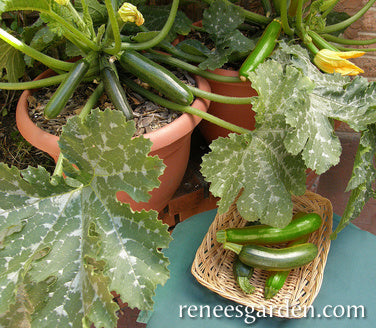
Container Zucchini Astia
START SEEDS OUTDOORS
Plant only when weather has warmed up and nights are above 50°F (10°C) Amend soil well with aged manure or compost. In a sunny spot, make slightly mounded hills, 3’ wide and 3’ apart. Sow seeds in a triangle on each mound, planting two seeds 1” deep at each point in the triangle. Thin to the strongest seedling at each point, leaving 3 seedlings per mound.
FOR CONTAINERS
Use fresh, good quality potting soil in containers. For a pot 15 in. across and 12 in. deep, sow 2-3 seeds in center. When seedlings reach 3-4 inches, remove all but 1 strong seedling. For pots 18-20 in. across and 12-15 in. deep, sow seeds 4 inches from container edges, then thin to 2 plants per pot. For larger pots, thin plants to be 8 in. apart. Mulch to help conserve moisture and fertilize monthly for good production. In hot weather, check and water containers daily.
GROWING NOTES
Protect seedlings from marauding birds with plastic berry baskets, removing before plants get crowded. Thin plants properly; you’ll get more zucchinis from a few well-spaced, healthy vines than from crowded plants that are much more disease prone.
HARVEST AND USE
Harvest at about 5 inches in length; frequent harvesting keeps plants producing. Enjoy these zucchinis grilled, baked sautéed or steamed. Try slicing lengthwise, drizzling with olive oil and roasting to succulent perfection. Or slice 1/2 inch thick, top with pizza sauce and cheese and bake.Regular price $4.99Sale price $4.99Unit price per -
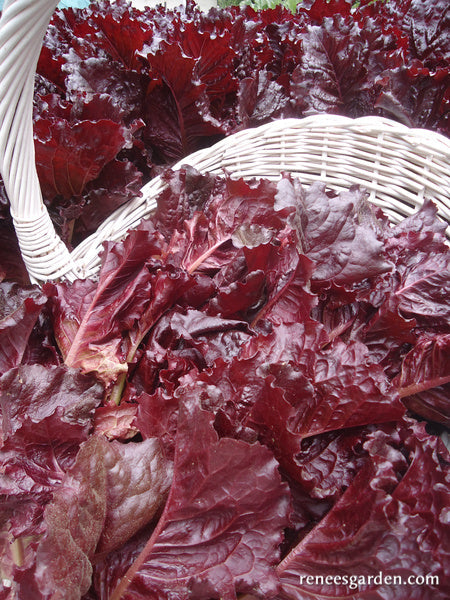
French Red Leaf Lettuce Redina
START SEEDS OUTDOORS
In cool early spring weather, start seeds in finely worked soil in full sun. Sow 1/4 inch deep and 2 inches apart in rows 6 to 8 inches apart and cover lightly. Tend carefully and keep evenly moist. Gradually thin out extra seedlings, leaving remaining plants standing 12 inches apart so lettuces have room to size up and fully mature into big butterhead rosettes. For a constant supply, make several sowings a few weeks apart until summer weather turns hot. Plant again in late summer for fall harvest.
GROWING NOTES
Lettuce thrives in cool conditions with consistent moisture. Weed, water and be sure to thin carefully to proper spacing for best quality heavy heads. If birds are attracted to young seedlings, cover with floating row covers or netting. Make a shade structure in hotter climates to extend the growing season.
HARVEST AND USE
Savor young thinnings in your first spring salads. Then harvest outside leaves as needed, or let plants mature and cut well-filled out heads. Be sure to thin properly and keep evenly moist for sweet tasting, full heads. Pull and discard or compost over-mature plants if they begin to elongate (“bolt”) in hot weather as leaves turn bitter at this stage.
Regular price $4.89Sale price $4.89Unit price per -
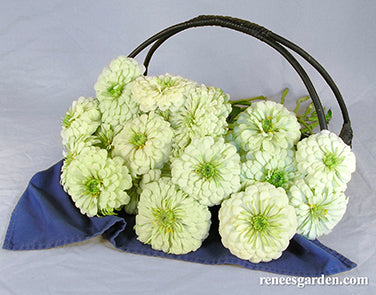
Heirloom Butterfly Zinnias Polar Bear
ANNUAL
Summer/fall bloom
Frost tenderTO START DIRECTLY IN THE GARDEN
Sow seeds in well-worked soil in full sun when danger of frost is past and weather is warm and above 50°F (10°C) both day and night. Space seeds 2 to 3 inches apart in rows 12 inches apart, cover about 1/2 inch deep and gently firm soil. Keep soil evenly moist while awaiting germination.
TO START EARLY INDOORS
Four weeks before last frost date, sow seeds 1/2 inch deep and 3 inches apart in a container of seed starting mix. Keep warm and moist and provide a strong light source until seedlings are ready to plant outside when temperatures rise above 50°F (10°C) day and night.
THIN OR TRANSPLANT
Space seedlings 8 to 12 inches apart when large enough to handle so plants have good air circulation and enough elbow room to grow and bloom freely.
GROWING NOTES
Zinnias can grow in ordinary garden soil in full sun. For large, abundant flowers, thin before seedlings get crowded. Adequate spacing and regular, even watering discourages mildew and keeps zinnias productive.
Pick just as blossoms begin opening and petals are tight. Cut long stems well back into the plant to keep plants branching low and producing best blooms for summer long bouquets.
Regular price $2.99Sale price $2.99Unit price per -
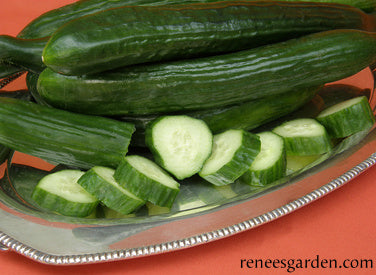
English Cucumber Chelsea Prize
START SEEDS OUTDOORS
Plant heat loving cucumbers only when weather is warm and settled and night temperatures stay above 50°F (13°C). Amend soil well with aged manure or compost. Sow groups of 2 to 3 seeds 1 1/2 feet apart and 1 inch deep with 3 feet between rows. Thin to 1 seedling per group. Or make slightly mounded hills 5 feet apart, sowing 5 or 6 seeds in each hill. Thin to the 3 strongest plants.
GROWING NOTES
Protect seedlings from marauding birds with plastic berry baskets, removing before plants get crowded. Shallow rooted cucumbers need ample and consistent moisture. Avoid overly wet or dry periods for good quality fruit. Growing cucumber vines up vertical supports gives you long straight fruits and saves garden space.
HARVEST AND USE
Cut rather than pull fruits from vines before seeds are large inside. Harvest every few days for longest fruit production. These juicy tender cucumbers need no peeling. Slice and enjoy for refreshing snacks, in salads and sandwiches. Eat cucumbers within a day or two of picking for best taste and quality.
Regular price $4.99Sale price $4.99Unit price per -
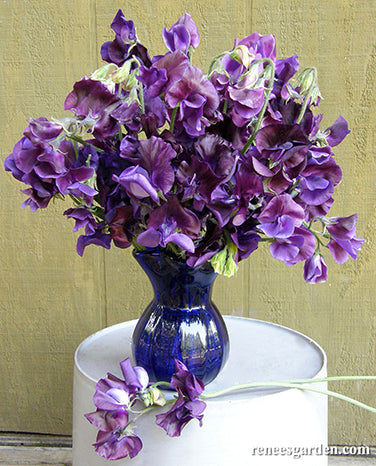
Heirloom Bouquet Sweet Peas North Shore
ANNUAL CLIMBING VINE
Spring/summer bloom
Frost tolerantEASIEST TO START OUTDOORS
Sweet peas must have well drained soil, so dig deeply and enrich with aged manure or compost before sowing seeds. Erect a well-anchored trellis, vertical netting or other support for vines before planting. Sow seeds in full sun in cool early spring weather as early as the ground can be worked. In mild winter areas, where the ground does not freeze, plant in fall after Labor Day; seeds will germinate and form strong root systems, then overwinter to bloom strongly in spring. Plant sweet pea seeds 1 inch deep and 2 to 3 inches apart. When seedlings are 2 inches tall, thin them 4 to 5 inches apart, to allow plants room to mature.
GROWING NOTES
Sweet peas bloom best before the weather gets too hot, so if spring planting, sow as soon as ground can be worked. Where summer heat comes on fast, they’ll appreciate a spot with afternoon shade. Anchor supports well as vines will grow heavy with bloom. Protect seedlings from birds, slugs and snails. Mulch and keep well watered. For longest bloom, pick flowers often and keep faded blossoms cut.Regular price $3.99Sale price $3.99Unit price per -
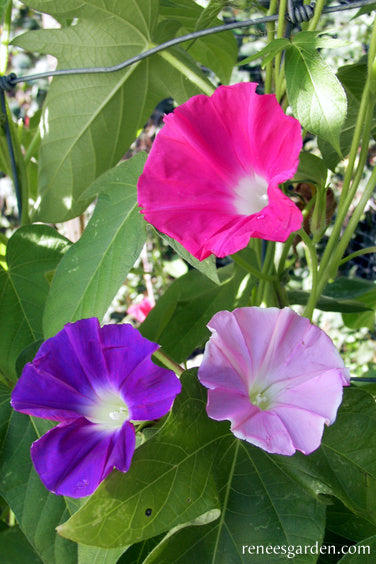
Morning Glory Early Call
ANNUAL VINE
Summer/fall bloom
Frost tenderTO START OUTDOORS
In late spring once weather is warm and settled and nights stay above 50°F (10°C) plant seeds in a sunny spot in ordinary garden soil 2 to 3 inches apart and 1/2 inch deep. Firm soil over seeds.
TO START EARLY INDOORS
Sow indoors 4 or 5 weeks before last expected frost in individual pots of seed starting mix. Cover 1⁄2 inch deep and keep warm and moist. Provide a strong light source until seedlings are ready to plant outdoors. Transplant very carefully once nights stay above 50°F (10°C) and before seedlings get too crowded. Thin or transplant seedlings 6 to 8 inches apart. Avoid disturbing roots.
Regular price $2.99Sale price $2.99Unit price per -
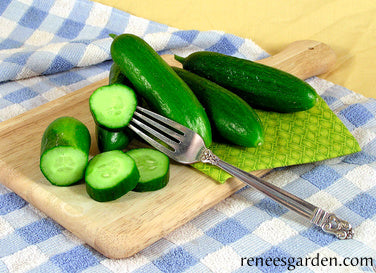
Persian Baby Cucumbers Green Fingers
START SEEDS OUTDOORS
Plant heat-loving cucumbers in full sun only when weather is warm and settled and night temps stay above 50°F (10°C), first amending soil well with aged manure or compost. Sow groups of 2 to 3 seeds, 1 inch deep and 18 inches apart. When the baby seedlings are 2 inches tall, thin out extras, leaving one strong seedling per group. After thinning, provide a 3 to 5 foot strong vertical support or tomato cage around each seedling and train the vines up the supports as they grow. Growing vigorous, heavy-bearing cucumber vines up supports makes it easier to harvest the cucumbers, saves garden space, and helps prevent disease.
GROWING NOTES
Protect seedlings from marauding birds with plastic berry baskets, removing before plants get crowded. Shallow-rooted cucumbers need adequate and consistent moisture to produce sweet tasting, nicely formed cucumbers. Avoid overly wet or dry periods for good quality fruits.
HARVEST AND USE
Our baby cucumbers begin bearing fruit early. For best quality, cut rather than pull cucumbers from the vine when 3 to 5 inches long. They need no peeling, just slice and enjoy their crisp texture and flavor. Enjoy in a Mediterranean salad of sliced Green Fingers combined with very fresh plain whole yogurt, a little good olive oil, finely minced garlic and freshly chopped dill.
Regular price $4.99Sale price $4.99Unit price per