Seed Packets Only
-
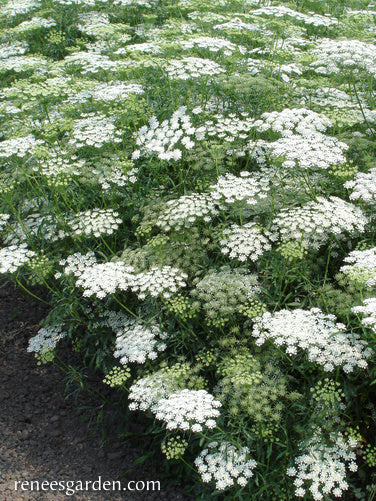
Butterfly Flowers White Bishop's Lace
ANNUAL
Spring/summer/fall bloom
Can handle light frostBEST TO START DIRECTLY IN THE GARDEN
Sow seed thinly into a finely textured garden bed in full sun as early in spring as ground can be worked. Cover 1/4 inch deep and keep soil moist. Weed and water young seedlings carefully and thin before they get too crowded.
TO START EARLY INDOORS
Start seed indoors 6 weeks before last spring frost date. Sow seeds as thinly as possible in a container or individual pots of seed starting mix. Cover very lightly, keep evenly moist and provide a strong light source until seedlings are ready to plant outdoors. Transplant carefully to avoid disturbing roots. Thin or transplant seedlings 8 to 10 inches apart when large enough to handle.
GROWING NOTES
Bishop’s Lace grows easily in most garden conditions. Make several sowings a few weeks apart through late spring for a succession of bloom. In mild winter climates, sow again in late fall for earliest spring displays. Use Bishop’s Lace as a delicate filler flower for adding texture and dainty substance to every bouquet.
Regular price $2.99Sale price $2.99Unit price per -
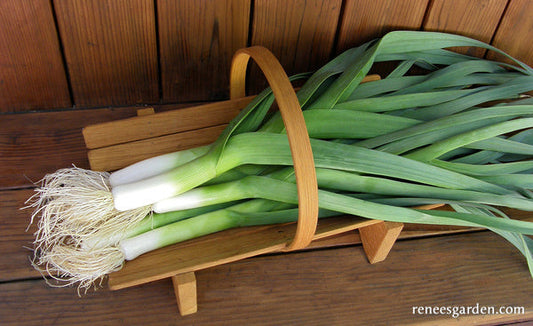
German Leeks Striesen
BEST TO START INDOORS
Sow seeds 1 inch apart in a container of seed starting mix, cover 1/2 inch deep, and firm soil over seeds. Keep moist and provide a strong light source until seedlings are ready to plant out. Seeds germinate sporadically over 2 to 3 weeks and grow slowly at first. Once seedlings are 3 or 4 inches tall, transplant 4 to 6 inches apart into well-worked, fertile soil in full sun. To get long-shanked leeks, plant seedlings down deep into the soil, so tips stick up 2 inches above ground level.
TO START OUTDOORS
Sow seeds in well-worked, fertile soil in full sun. Space seeds 1 inch apart in rows 8 to 10 inches apart, or broadcast thinly for bed planting. Cover 1/2 inch deep and firm soil well over seeds; keep soil moist to ensure good germination. Thin as above.
GROWING NOTES
Plant leeks in early spring and again in midsummer for fall and winter use. Long-growing leeks need a rich fertile soil, so add lots of compost or aged manure before planting, and fertilize several times over the growing season. Weed leeks carefully when young, and mulch to conserve soil moisture.
HARVEST AND USE
Harvest as slim babies to steam whole or quickly grill. Let some leeks mature to full size and dig as needed with a garden fork. Mature leeks store well in the ground during the winter months. Use in cooking like sweet onions, or as a tasty vegetable side dish.
Regular price $4.89Sale price $4.89Unit price per -
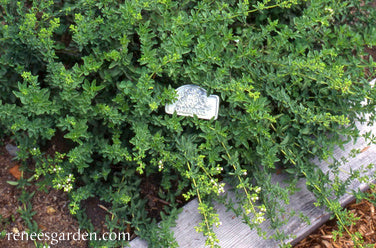
Heirloom Kitchen Herbs True Greek Oregano
PERENNIAL
Spring/summer/fall harvest
Frost hardyTO START INDOORS
Sow seed in early spring in a container of seed starting mix. Press gently into mix, but do not cover. Provide a good light source. Keep evenly moist as seedlings slowly emerge in 10 to 21 days. When seedlings are large enough to handle, acclimate gradually to outdoor conditions. Transplant clusters of 3 to 5 seedlings 8 to 10 in. apart in full sun.
TO PLANT DIRECTLY IN THE GARDEN
When warm spring weather arrives, sow in full sun in a well-worked, finely textured soil with good drainage. Sow seed as thinly as possible, but do not cover as seeds need light to germinate. Tend carefully, keeping seedbed evenly moist and well weeded.
GROWING NOTES
Mix tiny seed with dry sand to help space seedlings. Young plants grow slowly at first; a good hot spell encourages strong growth. Pick leaves lightly the first season; wait until the second summer to make bigger harvests. Keep white blossoms cut off for best leafy growth. Given good drainage, this carefree Mediterranean native is hardy and long-lived.Regular price $2.99Sale price $2.99Unit price per -
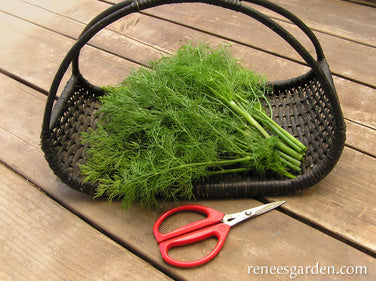
Kitchen Herbs Dukat Leafy Dill
ANNUAL
Spring/summer/fall harvest
Can handle light frostsEASIEST TO PLANT OUTDOORS
In early spring, sow dill seed directly into well-drained garden soil 1 to 2 inches apart in rows 6 inches apart in full sun and cover seeds 1/4 inch deep. Make small sowings every few weeks to have successive harvests of fresh leaves. Keep seed bed evenly moist while awaiting germination in 7 to 14 days.
TO START INDOORS
Sow dill seed thinly in individual pots of seed starting mix. Cover 1/4 inch deep and keep moist as seedlings emerge in 7 to 14 days. Provide a good light source. Transplant when seedlings are about 2 inches tall after gradually acclimating to outdoor conditions. Don’t let seedlings get crowded before planting outside.
THIN OR TRANSPLANT
Space groups of 2 or 3 seedlings about 4 inches apart when seedlings are large enough to handle.
GROWING NOTES
Keep plants well watered and thinned; crowded seedlings won’t make the lush growth desired for fresh leaf harvests and will form seed heads too early. Make several successive sowings for plenty of leafy dill fronds followed by seed heads to use for pickles and other savory dishes.Regular price $2.99Sale price $2.99Unit price per -
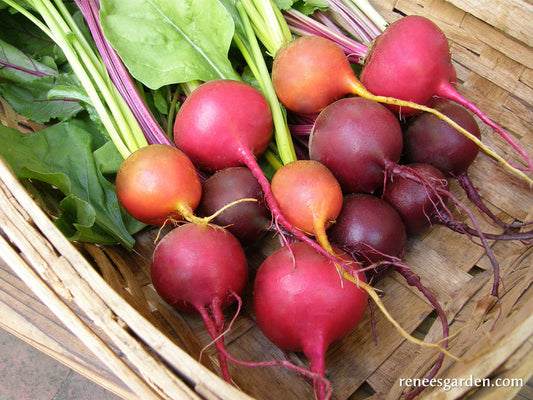
Jewel-Toned Beets Red, Gold & Candystripe
START SEEDS OUTDOORS
In early spring when danger of hard frost is over, sow seeds in well-worked, fertile soil in full sun. Sow seeds 1 inch deep and 1 inch apart in rows 10 inches apart, or broadcast thinly and evenly for bed planting. Firm soil well over these irregularly shaped seeds to ensure good germination. If first sowing germinates unevenly, replant more seed in the rows as seedlings will catch up fast. Carefully thin when seedlings are large enough to handle to stand 3 to 4 inches apart so roots have room to grow and mature.
GROWING NOTES
For best quality tender roots, sow seeds before midsummer heat and again in early fall at least 10 weeks before fall frosts. Keep soil evenly moist throughout the growing season. Be sure to thin beet seedlings carefully several times when plants are small as they’ll grow best if given enough room.
HARVEST AND USE
After thinning seedlings, use tender young tops for nutritious flavorful steamed greens. Harvest baby beets at 1 to 2 inches in diameter, or let roots grow as large as desired. Garden fresh beets cook quickly. They are delicious steamed, boiled or baked whole in their skins like potatoes, then peeled for wonderful color and sweet concentrated flavor.
Regular price $3.69Sale price $3.69Unit price per -
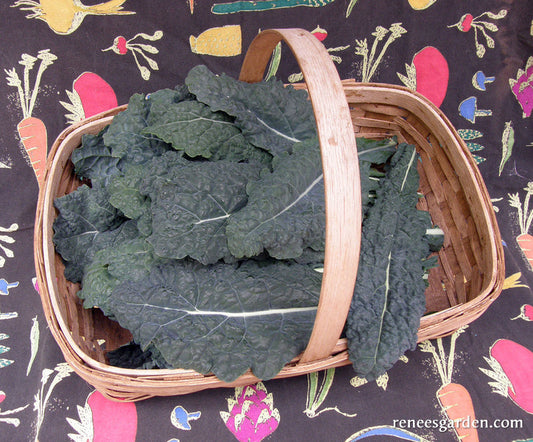
Italian Heirloom Kale Lacinato
TO START DIRECTLY IN THE GARDEN
As soon as ground can be worked in spring, prepare a well-drained, fertile garden bed in full sun. Sow seeds 2 inches apart in rows 12 to 18 inches apart. Cover 1/2 inch deep and keep soil evenly moist to ensure good germination. Sow again in late summer for another cold-hardy crop.
TO START INDOORS
Sow seeds in a container of seed starting mix 2 inches apart and cover 1/2 inch deep. Keep moist and provide a strong light source until seedlings are 3 to 4 inches tall then plant outdoors. Space 10 to 12 inches apart so plants have room to mature.
GROWING NOTES
Kale tastes best in cool weather so sow spring crops early. A late summer-sown crop will yield through fall and winter except in the coldest climates. Frost actually enhances kale leaves’ color, flavor and sweetness. Mulch to retain moisture in summer and before the ground freezes to protect the roots of fall crops.
HARVEST AND USE
Begin harvesting outer leaves when plants have 6 to 8 leaves. Vitamin-rich kale is delicious in hearty winter soups, stews and sautés; or braise the beautiful leaves with garlic and olive oil in traditional Mediterranean style. Pull and discard once plants begin to bloom since the leaves of flowering stalks get tough and bitter.
Regular price $2.99Sale price $2.99Unit price per -
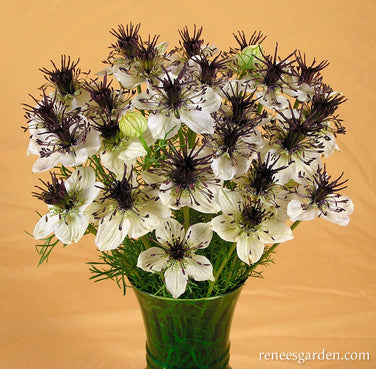
Heirloom White Nigella Bridal Veil
HARDY ANNUAL
Spring/summer bloom
Can handle light frostEASIEST TO PLANT DIRECTLY IN THE GARDEN
Sow seeds directly into a finely textured, well-drained garden bed as early in spring as the ground can be worked. Space seeds 2 inches apart, in rows 6 inches apart. Cover seed very lightly, about 1/4 inch deep. Or broadcast seeds evenly over the seed bed and cover very lightly. Keep evenly moist while awaiting germination. Thin seedlings to stand 6 inches apart so plants have room to grow and mature. In mild winter climates, Nigella can be sown in early spring and also be sown again in cool fall weather to overwinter for spring bloom.
GROWING NOTES
Make several successive sowings from early spring through early summer and you'll have these carefree specialty flowers blooming all season long. As flowers fade, cut stems of the decorative seedpods. Hang carefully upside down in bundles out of the direct sun to easily dry for everlasting arrangements. Let some seedpods mature and stay on the plants to spill seed and these graceful flowers will come up year after year.
Regular price $3.69Sale price $3.69Unit price per -
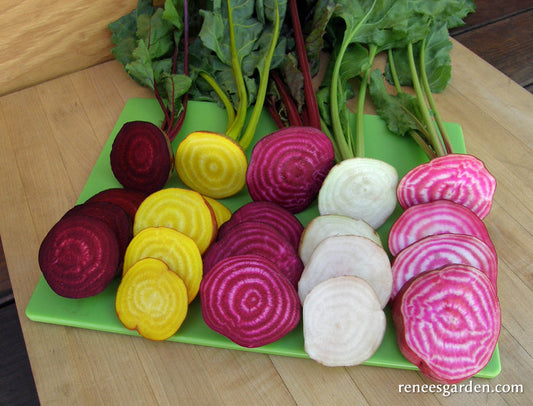
Gourmet Beets Five Color Rainbow
START SEEDS OUTDOORS
In early spring, when danger of frost is over, sow seeds in well-worked, fertile soil in full sun. Space seeds 1 inch apart in rows 8 to 10 inches apart, or broadcast thinly for bed planting. Cover 1/2 inch deep and firm soil well over these irregularly shaped seeds to ensure good germination. If first sowing comes up unevenly, sow more seeds as seedlings will catch up fast. When large enough to handle, carefully thin seedlings to 3 to 4 inches apart so beets have room to size up.
GROWING NOTES
For best quality, tender roots, sow seeds before midsummer heat and again in late summer to early fall – in cold climates, allow at least 10 weeks before fall frosts. Keep soil evenly moist throughout the season. Be sure to thin seedlings several times when plants are small, as beets grow best if given enough room.
HARVEST AND USE
After thinning seedlings, use their tender young tops for nutritious, flavorful steamed greens. Pull some of this beautiful five color mix at baby size, 1 to 2 inches in diameter, or let the bright colored roots grow as large as desired. Garden fresh beets will cook more quickly than store-bought. They are delicious shredded fresh into salads or steam, boil or roast whole in their skins like potatoes, then peel for wonderful colors and sweet concentrated flavor.
Regular price $4.39Sale price $4.39Unit price per -
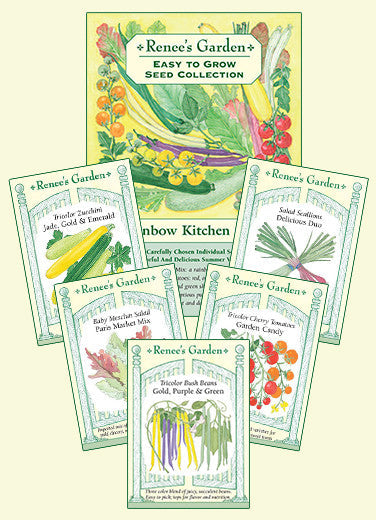
Easy To Grow Collection The Rainbow Kitchen Vegetable Garden
Includes:
- Farmer's Market Lettuce Blend: a rainbow of colors and textures
- Garden Candy Cherry Tomatoes: red, orange, yellow and sweet as sugar
- Delicious Duo Scallions: red and green skinned, savory and crisp
- Tricolor Bush Beans: scrumptious purple, yellow and green pods
- Tricolor Zucchini: gold, light and dark green, with buttery flavor
Enjoy A Rainbow Of Vegetables In Your Garden
Enjoy a beautiful summer garden featuring delicious vegetables in a rainbow of colors and crispy, fresh-from-the-garden salads in a gorgeous range of colors, textures and shapes. Our Collection includes five unique Rainbow Vegetable packets, each containing several different colored varieties of the same vegetable. You’ll have crunchy purple, green and yellow bush beans, golden-yellow, pastel and jade green zucchini, vines with sweet sunny yellow, rich orange or bright red cherry tomatoes, both green and red skinned salad scallions and crispy lettuces in a range of pretty reds and greens.
Rainbow Vegetables Are Healthy And DeliciousPlanting these richly colored vegetables gives you a beautiful garden whose harvests will add savor and excitement to everyday meals. Plus, the more different colored vegetables you eat, the more nutritious, cancer-fighting and skin-beautifying antioxidants you’ll be incorporating into your diet. It’s easy to gain all the benefits when you grow these tasty and easy-to-grow varieties which have been carefully chosen from all over the world.
We Make It Easy To Grow Your Rainbow VegetablesSeeds for each different colored variety are packed together in one packet: in the cherry tomato and zucchini packets, the seeds for each variety are tinted with edible food dye so you can choose how many of each one to plant. The packets of multicolored beans, scallions, and lettuce seeds are each blended in an equal color mix. You’ll find our packet backs offer clear and complete growing instructions for each variety, ensuring success for anyone new to growing a vegetable garden, as well as harvest tips and cooking ideas.
Regular price $16.95Sale price $16.95Unit price per -
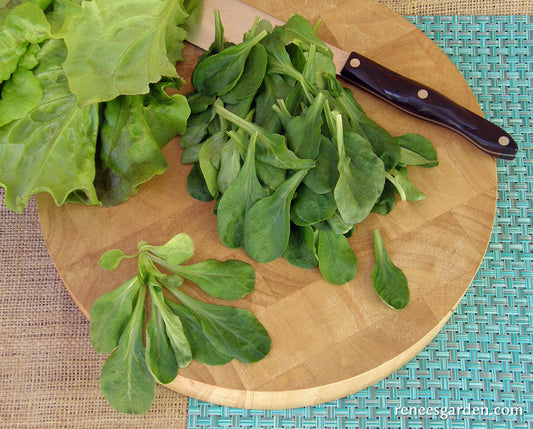
Specialty Salads Gala Mâche
ANNUAL
Spring harvest
Frost hardyEASIEST TO START OUTDOORS
Mâche grows best sown in cooler weather to provide late fall and/or early spring salads. It tolerates light frosts well. In Cold Winter Areas, plant in mid-August for a fall crop or as early in spring as ground can be worked. In Mild Winter Areas, late summer/early fall planted mache will overwinter to fill the first spring salad bowls.
Sow seed 1/4 inch deep and 1 inch apart in rows 6 to 8 inches apart or broadcast thinly for bed planting. Seeds germinate slowly and unevenly over 14 to 28 days. Keep seed bed evenly moist during germination. Thin seedlings 3 inches apart when plants are large enough to handle. Keep well weeded and protect from slugs and snails.
GROWING NOTES
Mâche grows more slowly than lettuce, taking up to 3 months to fully mature. It needs a good supply of moisture, regular weeding, and does best in cool weather. When ready for harvest, each mature plant forms a rosette of leaves that measures three to five inches across. Harvest by cutting entire leafy rosettes. Leave some plants to go to seed as they will self-sow readily. Enjoy its delicate texture and nutty flavor with a simple vinaigrette dressing made with walnut oil or good olive oil.Regular price $3.69Sale price $3.69Unit price per -
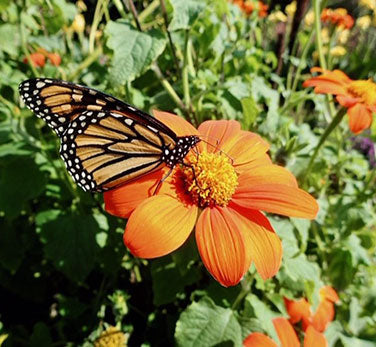
Butterfly Flowers Heirloom Torch Tithonia
ANNUAL
Summer/fall bloom
Frost tenderTO START OUTDOORS
In spring when all danger of frost is past and weather is warm and settled, sow seeds in well-worked soil in full sun. Space seeds 2 to 3 inches apart in rows 12 inches apart, cover 1/2 inch deep and gently firm soil. Keep soil evenly moist while awaiting germination in 7 to 10 days.
TO START EARLY INDOORS
Four to five weeks before last frost date, sow seeds 1/2 inch deep and 1 inch apart in well drained seed starting mix. Keep warm and moist and provide a strong light source until seedlings are well established and ready to plant outdoors.
THIN OR TRANSPLANT
Space seedlings 10 to 12 inches apart when seedlings are large enough to handle to give these big plants room to mature.
GROWING NOTES
Tithonia grows readily in ordinary garden soil in full sun. Use as a living hedge or garden screen, especially effective with brightly colored zinnias planted in front of them. Kept well watered and weeded when young, mature plants can handle hot and dry conditions well. Given plenty of space, vigorous Tithonia plants will need no staking.Regular price $2.99Sale price $2.99Unit price per -
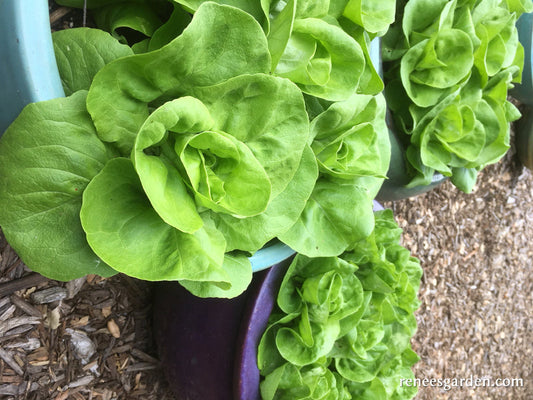
Container Lettuce Garden Babies Butterhead
START SEEDS OUTDOORS
In cool spring weather, start seeds in in full sun. Sow seeds 1/4 inch deep and 1 inch apart in fertile, well-drained soil mix. After the seedlings germinate and begin to grow, it's important to thin the young plants so they have room to mature. Thin seedlings when they are 1 to 2 inches tall to a final spacing of about 4 to 5 inches apart. 5 to 7 plants can grow to maturity in a 12 to 15 inch container or 3 plants in an 8-inch pot.
GROWING NOTES
Lettuce thrives in cool conditions with consistent moisture. Be sure to thin properly and keep evenly moist for sweet tasting, full heads. For a constant supply, make several sowings a few weeks apart until summer weather turns hot. Plant again in late summer for fall harvest. In hot weather, give lettuce some afternoon shade to extend harvest season and check water daily. Keep soil evenly moist and feed with liquid fertilizer every 2 weeks. Consider transplanting lettuce seedlings around the edges of a big pot containing a young tomato or pepper plant. The lettuces will be ready to eat just as the bigger plant grows larger and needs the space.
HARVEST AND USE
Savor young thinnings in your first spring salads. Then harvest plants by cutting mature heads when they feel firm and well-filled out. Pull over-mature plants if they begin to elongate (“bolt”) in hot weather, as leaves turn bitter at this stage.
Regular price $2.99Sale price $2.99Unit price per -
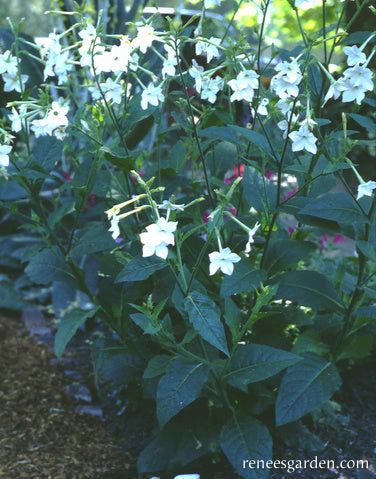
Heirloom Nicotiana Jasmine Alata
PERENNIAL GROWN AS ANNUAL
Summer/fall bloom
Can handle light frostTO START OUTDOORS
Sow seed directly into a finely textured, well-worked garden bed in sun or in partial shade once danger of spring frost is past. Cover very lightly and keep moist as seedlings emerge. Weed and water young seedlings carefully and thin to stand 1 1/2 to 2 feet apart before they get too crowded.
TO START EARLY INDOORS
Start seed indoors 6 to 8 weeks before last spring frost date. Sow seeds as thinly as possible in a container of seed starting mix and cover very lightly. Keep moist but not soggy, and provide a strong light source until seedlings are ready to plant outdoors after gradually acclimating to outdoor conditions. Thin or transplant seedlings 1 1/2 to 2 feet apart to allow room to grow.
GROWING NOTES
Nicotiana grows well in sun but can tolerate shade, especially during the afternoon. In mild areas, plants will winter over; cut back in fall for spring regrowth and early bloom. Plant them with other showy annuals like cosmos or cleome for an old-fashioned country garden.
Regular price $2.99Sale price $2.99Unit price per -
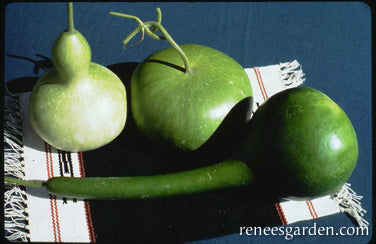
Crafter's Gourds Bottles & Bowls
BEST TO START SEEDS INDOORS
Several weeks before last spring frost date, sow seeds 1 inch deep in individual pots of seed starting mix. Keep warm and moist while awaiting germination and provide a strong light source. When seedlings are well-established and night temps. stay above 50°F (10°C), acclimate to outdoor conditions. Transplant at sunny garden edges to ramble, or 12 inches apart along a sturdy fence or trellis to form a lush canopy.
START SEEDS OUTDOORS
Start seeds outdoors only in areas with a very long growing season. Plant after night temps. stay above 50°F (10°C). In full sun, sow 2 or 3 seeds 1 inch deep and in groups spaced 12 inches apart and 4 inches from vertical supports. Thin to 1 or 2 strongest seedlings per group. Or plant 6 to 8 seeds in hills 8 feet apart, thinning to 3 or 4 per hill and allowing vines to ramble.
GROWING NOTES
Gourds need full sun, very rich fertile soil and warm temperatures. For earliest and best yields, hand-pollinate gourds: break off a blooming male flower and dust pollen onto fresh female flowers (the ones with small fruits at the base). Repeat as new flowers appear. Pollinated fruits start growing larger within several days.
HARVEST AND USE
Gourds are mature when the tendril next to stem has turned brown and rinds are tough. Harvest with several inches of stem. Dry gourds in a well-ventilated place. Once fully cured, (which can take several months) gourds are light for their size and seeds will rattle inside. Molds often develop on the surface, but do no harm. Discard gourds that rot or are soft and wrinkled.
Regular price $3.99Sale price $3.99Unit price per -
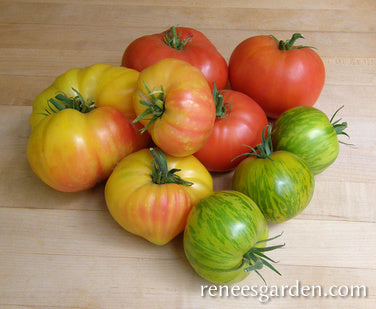
Heirloom Tomatoes Rainbow’s End
STARTING SEEDLINGS
In early spring, start indoors about 6 to 8 weeks before outdoor night temperatures are reliably in the 50-55°F (10-13°C) range. Sow seeds 1/4 inch deep and 1 inch apart in a container of seed starting mix. Keep moist but not soggy, and very warm, 80°F (27°C). Provide a strong light source until seedlings are ready to plant outside. When seedlings are 2 inches tall, transplant into individual 4 inch pots. Maintain at 70°F (21°C). Feed with half-strength fertilizer every 2 weeks until ready to plant. When nights reach 55°F (13°C), gradually acclimate to outdoor conditions. Plant these vigorous indeterminate climbers 3 feet apart into rich soil in full sun.
GROWING NOTES
Prepare soil well with aged manure or compost. Plant several inches deeper than seedlings were growing in containers. Provide strong stakes or tall wire cages at planting time. Mulch to provide even moisture retention; don’t overwater once fruit begins to ripen.
HARVEST AND USE
Pick these luscious old fashioned tomatoes fully ripe and eat promptly as they don’t hold well after harvest. Show off their flavors and gorgeous colors by slicing all three onto a big platter to surround with sprigs of fresh basil and top with a sprinkle of fruity olive oil.Regular price $3.99Sale price $3.99Unit price per -
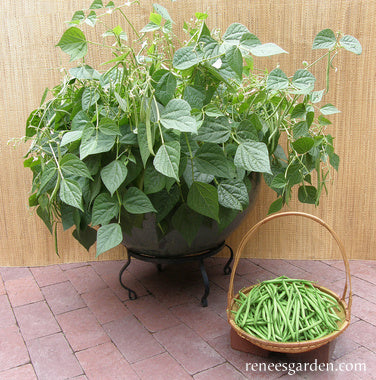
Container Bush Beans French Mascotte
START SEEDS OUTDOORS
In spring, once weather is warm and settled and night temperatures stay above 55°F (13°C), plant seeds in well-worked, fertile soil in full sun. Poke seeds in 1 inch deep and 4 inches apart in rows 1½ feet apart.
FOR CONTAINER PLANTING
Sow seeds in big pots at least 18 to 20 inches in diameter and 18 inches tall filled with fresh, moistened, good-quality potting mix. Make additional sowings in more pots several weeks later until the end of June to provide long continued harvests.
GROWING NOTES
Amend soil well before sowing with lots of aged manure or compost. Protect young seedlings from marauding birds by covering with plastic berry baskets at planting time, removing when plants get crowded. Be sure to thin properly—you will have more productive, disease-free plants if seedlings have enough room to mature.
HARVEST AND USE
Pick these fine-flavored French gourmet beans often; at least every other day or while bean pods are young and slender. The more beans you pick, the more the plants will produce. Steam, sauté or roast them quickly just until tender-crisp and serve simply to fully enjoy their tempting flavor.
Regular price $4.99Sale price $4.99Unit price per -
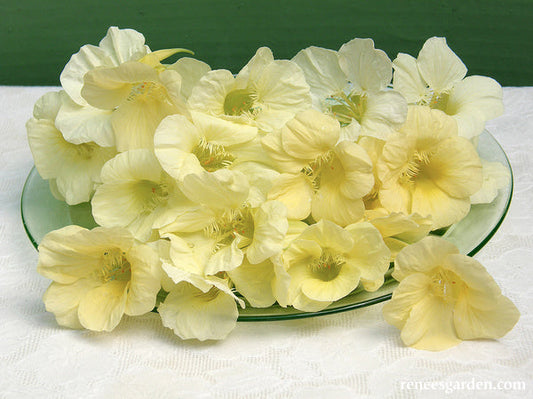
Mounding Nasturtiums Buttercream
ANNUAL
Spring/summer/fall bloom
Frost tenderEASY TO START OUTDOORS
Sow seeds in spring once all danger of frost is over in full sun (or part shade in hot climates). Nasturtiums need no added fertilizer in most soils. Poke seeds into well-worked soil about 1 inch deep and 3 to 4 inches apart. Press soil firmly over the seeds and keep moist. When seedlings are large enough to handle, thin to 10 inches apart as mounding plants need ample room to grow.
TO START EARLY INDOORS
Sow 2 seeds each in individual 4-inch pots of well-drained seed starting mix 3 weeks before last expected frost date. Cover 1 inch deep. Provide a strong light source. When seedlings have several sets of leaves pinch out the weaker seedling, leaving 1 per pot. When weather is evenly in the 50°F (10°C) range, gradually acclimate to outdoor conditions. Transplant seedlings into the garden 10 inches apart in full sun.
GROWING NOTES
These mounding nasturtiums are reliable and easy to tuck into any well-drained spot. They are a perfect disguise to cover fading bulb foliage in late spring. Their softly draping leaves and creamy flowers will quickly fill garden beds or containers. In mild winter climates, sow seeds again by mid-June for late summer blooms. Leaves and flowers are tasty additions to salads and sandwiches.
Regular price $3.69Sale price $3.69Unit price per -
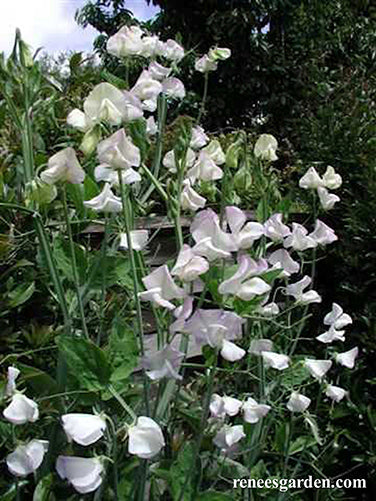
Fragrant Sweet Peas April in Paris
ANNUAL CLIMBING VINE
Spring/summer bloom
Frost tolerantEASIEST TO START OUTDOORS
Sweet peas must have well drained soil, so dig deeply and enrich with aged manure or compost before sowing seeds. Erect a well-anchored trellis, vertical netting or other support for vines before planting. Sow seeds in full sun in cool early spring weather as early as the ground can be worked. In mild winter areas, where the ground does not freeze, seeds can be planted in fall, form strong root systems, then overwinter to bloom strongly in spring. Plant seeds 1 inch deep and 2 to 3 inches apart. When seedlings are 2 inches tall, thin them 4 to 5 inches apart, to allow plants room to mature.
GROWING NOTES
Sweet peas bloom best before the weather gets too hot, so if spring planting, sow as soon as ground can worked. Where summer heat comes on fast, they’ll appreciate a spot with afternoon shade. Anchor supports well as vines will grow heavy with bloom. Protect seedlings from birds, slugs and snails. Mulch and keep well watered. For longest bloom, pick flowers often and keep faded blossoms cut.Regular price $3.99Sale price $3.99Unit price per -
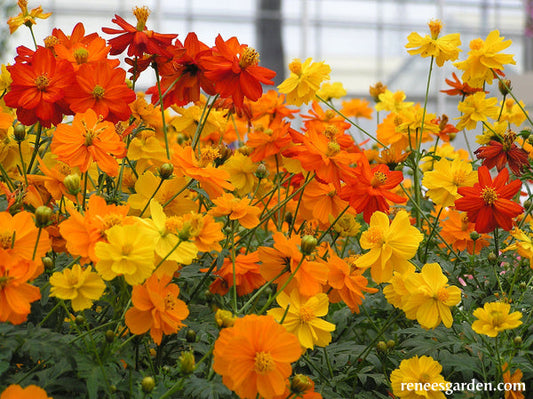
Butterfly Cosmos Little Ladybirds
ANNUAL
Summer/fall bloom
Frost tenderTO PLANT OUTDOORS
Sow seeds directly into well worked garden soil in full sun once all danger of frost is past. Space seeds 2 to 3 inches apart and cover about 1/4 inch deep. Seedlings will emerge in 5 to 10 days. Keep well weeded and watered.
TO START EARLY INDOORS
Sow seeds 1 inch apart in a container of seed starting mix, 4 to 6 weeks before last expected frost. Cover 1/4 inch deep, keep moist and provide a good light source. Plant outdoors once weather warms up after gradually acclimating seedlings to outdoor conditions. Thin or transplant 5 to 6 inches apart when seedlings are large enough to handle.
GROWING NOTES
Little Ladybirds are quick to bloom, carefree and non-fussy. Use instead of marigolds in sunny borders, or to line a garden path. The brilliant warm colors and clean fern-like foliage combine beautifully with other heat-tolerant flowers. Feed and water regularly especially if planting in patio pots.
Regular price $2.99Sale price $2.99Unit price per -
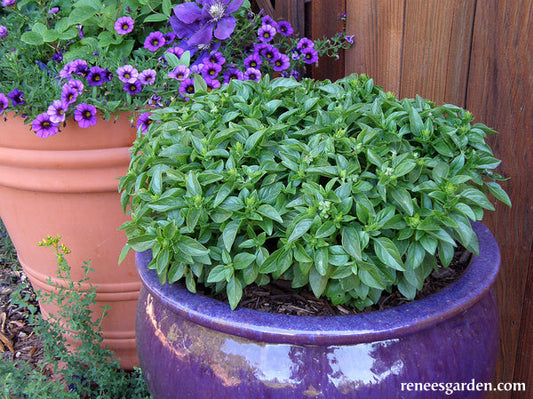
Heirloom Container Basil Spicy Globe
TO PLANT DIRECTLY IN THE GARDEN
Spicy Globe seeds are coated with a natural clay material to make them easy to sow. When late spring weather has warmed up to the 50°F (10°C) range both day and night, sow seeds 1 inch apart in well worked, fertile soil or containers of fresh potting mix in full sun. Cover 1/4 inch deep, firm soil and keep the seed bed evenly moist. After seedlings are large enough to handle, thin or transplant 6 inches apart. For containers, transplant one seedling per 6 inch pot or 3 seedlings into a 12 inch pot.TO START EARLY INDOORS
Sow 1 inch apart and 1/4 inch deep in a container of seed starting mix, 4 to 6 weeks before last expected frost. Keep warm and evenly moist and provide a good light source. When seedlings are large enough to handle and weather is above 50°F (10°C) both day and night, transplant outdoors. For containers, transplant one seedling per 6 inch pot or 3 seedlings into a 12 inch pot. Or plant along a garden border for a fragrant edging.GROWING NOTES
Remember to plant basil outdoors only after nighttime temperatures stay above 50°F (10°C). In hot, dry weather, check and water plants in containers daily. Feed every 2 weeks to promote growth.Regular price $4.89Sale price $4.89Unit price per -
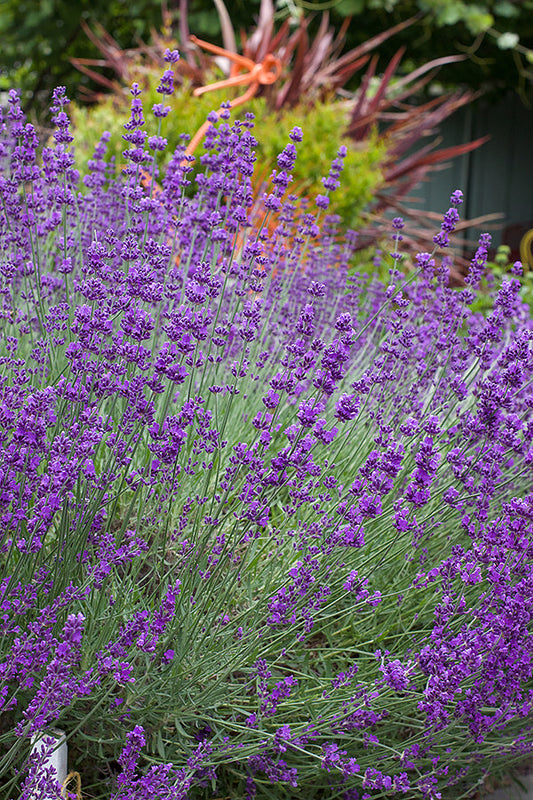
Scented Herbs Lavender Hidcote
PERENNIAL
Summer/fall bloom
Frost hardyBEST TO START INDOORS
In early spring, sow lavender seeds 1 inch apart in a container of seed starting mix, cover very lightly and keep at 65°F (18°C). Keep container moist but not soggy until seedlings slowly emerge over 14 to 25 days, providing a good light source. When seedlings have several sets of leaves, transplant 2 inches apart into deeper containers. Plant outside in a well-drained sunny spot when plants are 2 to 3 inches tall after gradually acclimating to outdoor conditions.
THIN OR TRANSPLANT
Space seedlings 18 inches apart when large enough to handle.
GROWING NOTES
Because perennial lavender’s small seeds germinate slowly and unevenly, we strongly recommend starting them indoors so you can tend them carefully. After seedlings are well established, plant them out in a sunny spot with excellent drainage and good air circulation or in big, well drained pots. If given excellent drainage and good air circulation, Hardy Hidcote lavender is perennial to Zone 5. Plants flower lightly the first season and come into full bloom by their second summer. After blooming season, prune and shape the plants while cutting off spent flower stalks.Regular price $3.39Sale price $3.39Unit price per -
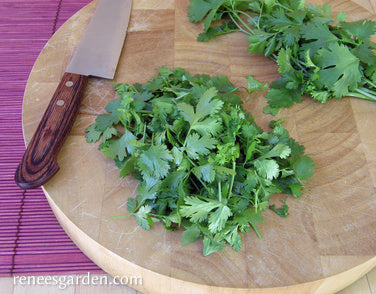
Kitchen Herbs Slow-Bolt Cilantro
ANNUAL
Spring/summer/fall harvest
Can handle light frostsEASIEST TO START OUTDOORS
In early spring, sow Cilantro seed directly into well-drained fertile soil 1 to 2 inches apart in rows 8 inches apart in full sun. Cover 1/4 inch deep and firm soil over seeds. Keep seed bed evenly moist as seedlings emerge over 10 to 20 days. Make new sowings every few weeks until mid summer for continuous harvests of fresh leaves.
THIN OR TRANSPLANT
Cilantro doesn’t transplant well; we advise direct garden sowing. Thin seedlings 3 to 4 inches apart before plants get crowded.
GROWING NOTES
Cilantro plants flower, then set seed quickly as plants mature. Lushest, leafy growth takes place in cooler weather; plant early and throughout cool spring weather and sow again in fall, particularly in mild winter areas. To have a constant supply of fresh leaves, sow every 2 to 3 weeks through early summer.
Keep cilantro at its leafy stage longer by keeping plants well watered and being careful to thin seedlings early. Let some of the lacy flowers form to attract beneficial insects and pollinating bees. The fragrant round seeds are called coriander, an aromatic spice used in baking.
Regular price $2.99Sale price $2.99Unit price per -
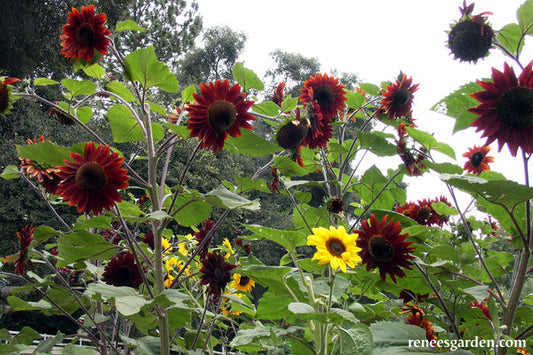
Bouquet Sunflowers Bright Bandolier
ANNUAL
Summer/fall bloom
Frost tenderTO PLANT OUTDOORS
Plant in full sun in good garden soil when weather is warm and settled both day and night and all danger of frost is past. Poke seeds into well-worked soil 1/2 inch deep and 4 to 5 inches apart. Press soil firmly over seeds and keep moist until germination in 8 to 10 days.
TO START EARLY INDOORS
Several weeks before last frost date, sow seeds 1/2 inch deep in individual pots of well drained seed starting mix. Keep moist and provide a strong light source until ready to plant outside when seedlings are large enough to handle. When weather has warmed into the 50° range, transplant carefully into the garden in full sun, disturbing the roots as little as possible.
THIN OR TRANSPLANT
Space seedlings 12 inches apart so plants have ample room to grow.
GROWING NOTES
Growing these flowers is easy and rewarding. Make several sowings, three weeks apart, to have a succession of bloom. Keep soil moist and well weeded and protect seedlings from hungry birds with netting or plastic berry baskets, removing before plants get crowded. Sunflowers need room! Be sure to thin seedlings when 3 inches tall to 12 inches apart.Regular price $3.69Sale price $3.69Unit price per -
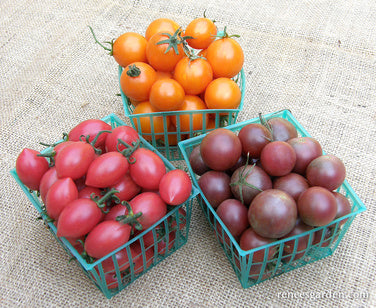
Cherry Tomato Trio Triple Treats
STARTING SEEDLINGS
Start indoors about 6 to 8 weeks before outdoor night temps are in the 50-55°F (10-13°C) range. Sow seeds ¼ inch deep and 1 inch apart in a container of seed starting mix. Keep moist but not soggy, and very warm, 80°F (27°C). Provide a strong light source until seedlings are ready to plant outside.
When they are 2 inches tall, transplant into 4 inch pots, burying stems up to base of leaves. Maintain around 70°F (21°C). Feed with half-strength fertilizer every 2 weeks until weather is warm enough to gradually acclimate seedlings to outdoor conditions. Transplant these vigorous indeterminate climbers 3 feet apart into rich soil in full sun.
GROWING NOTES
Prepare soil well with aged manure or compost. Plant tomatoes several inches deeper than they were growing in pots. Provide strong stakes or tall wire cages at planting time as plants grow tall with heavy fruit loads. Mulch to provide the even moisture that prevents cracking. Don’t overwater once fruit begins to ripen.
HARVEST AND USE
Harvest when fully colored up to enjoy as sweet snacks, in salads or quickly sautéed in olive oil with fresh herbs.
Regular price $4.89Sale price $4.89Unit price per