Seed Packets Only
-
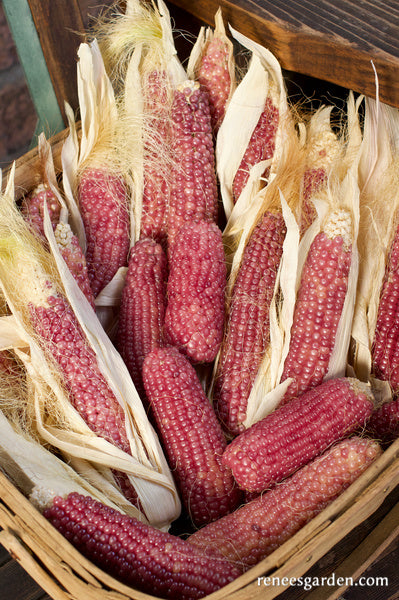
Heirloom Popcorn Mini Pink Pearls
START SEEDS OUTDOORS
In spring, once weather is warm and settled and night temperatures stay securely above 55°F (13°C), plant seeds in well-worked, fertile soil in full sun. Poke seeds in 1 in. deep and 4 to 6 in. apart. Plant in a block of 4 side-by-side rows, each row at least 1 ft. apart. Thin seedlings to 1 ft. when several in. tall. Protect from marauding birds if necessary. If first sowing doesn’t germinate evenly, replant right away as new seedlings catch up quickly.
GROWING NOTES
Plant seeds in blocks of at least 4 parallel rows to ensure good wind pollination and well filled out ears. Corn is a heavy feeder, so add plenty of compost or aged manure to the soil at sowing time, and then fertilize when young plants are 7 to 8 in. tall and again as ears begin to form.
HARVESTING
Wait to harvest popcorn until ears are mature, husks are dry, and kernels are dry and hard. To shuck the kernels from the cobs, break the cob in half and pop the kernels off starting from the edge, using your fingertips or a dull butterknife, letting kernels fall into a bowl. Once a section is started, the kernels pop off the cob easily.
After shucking the kernels from cobs, spread kernels out in a shallow layer on rimmed pans. Let them dry down for at least 2-3 weeks in a warm, dry room with good air circulation. Then store in airtight jars. Drying the kernels thoroughly will increase how well they pop.
Regular price $3.99Sale price $3.99Unit price per -
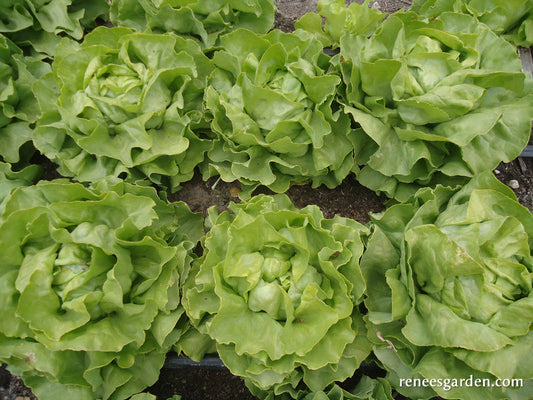
Heirloom Butterhead Lettuce Kagraner Sommer
START SEEDS OUTDOORS
In cool early spring weather, start seeds in finely worked soil in full sun. Sow 1/4 inch deep and 2 inches apart in rows 6 to 8 inches apart and cover lightly. Tend carefully and keep evenly moist. Gradually thin out extra seedlings, leaving remaining plants standing 12 inches apart so lettuces have room to size up and fully mature into big butterhead rosettes. For a constant supply, make several sowings a few weeks apart until summer weather turns hot. Plant again in late summer for fall harvest.
GROWING NOTES
Lettuce thrives in cool conditions with consistent moisture. Weed, water and be sure to thin carefully to proper spacing for best quality heavy heads. If birds are attracted to young seedlings, cover with floating row covers or netting. Make a shade structure in hotter climates to extend the growing season.
HARVEST AND USE
Savor young thinnings in your first spring salads. Then harvest plants by cutting mature heads when they feel firm and well-filled out. Be sure to thin properly and keep evenly moist for sweet tasting, full heads. Pull and discard or compost over-mature plants if they begin to elongate (“bolt”) in hot weather as leaves turn bitter at this stage.
Regular price $4.89Sale price $4.89Unit price per -
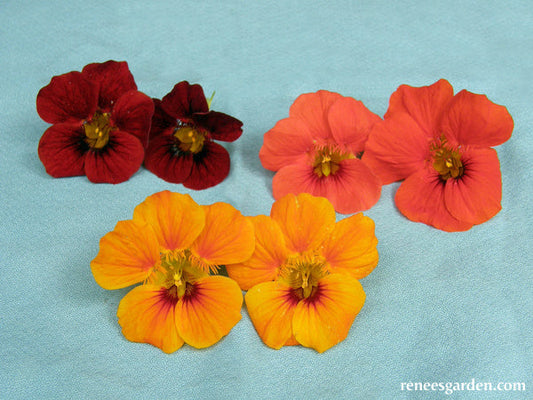
Hanging Basket Nasturtiums Little Firebirds
ANNUAL
Spring/summer/fall bloom
Frost tenderEASY TO START OUTDOORS
In spring once all danger of frost is over, sow seeds in full sun (or part shade in hot climates). Nasturtiums need no added fertilizer. Poke seeds into well worked garden soil 1 in. deep and 3 to 4 in. apart. Press soil firmly over seeds and keep moist. When seedlings are several inches tall, thin to 6 in. apart, so plants can spread.
Container planting: use pots or baskets a minimum of 8-10 in. deep and 12 to 15 in. across, filled with fresh potting mix. Poke seeds in 1 in. deep and 1 1/2 in. apart. When seedlings are established, thin to 3 in. apart, so plants can spread.
TO START EARLY INDOORS
Three weeks before last expected frost date, poke 2 seeds one inch deep into individual 4 in. pots of seed starting mix. Provide a strong light source. When seedlings have several sets of leaves, pinch out the weaker seedling, leaving 1 per pot. When weather reaches 50°F (10°C). both night and day, acclimate to outdoor conditions. Transplant seedlings 6 in. apart in full sun. See Container Planting for suggested pot sizes.
GROWING NOTES
These lovely nasturtiums with handsome variegated leaves are easy to grow in any well-drained soil, They will quickly fill garden beds, planters or hanging baskets.
Regular price $3.69Sale price $3.69Unit price per -
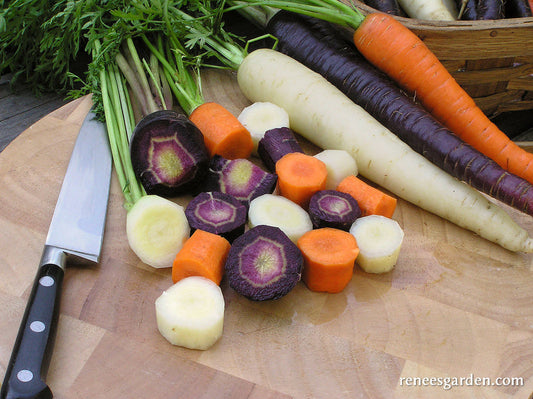
Tricolor Carrots Circus Circus
START SEEDS OUTDOORS
In spring once danger of hard frost is past, sow seeds in full sun in finely worked, fertile soil. Sow 1/4 inch deep and 1/2 inch apart in rows 8 inches apart, or broadcast thinly in beds and cover lightly. Keep seedbed evenly moist as carrots can be slow to germinate, emerging over 10 to 20 days.
If first sowing comes up unevenly, replant right away as seedlings catch up quickly. Be sure to thin young carrots several times so seedlings are about 2 inches apart and have the room they need to size up.
GROWING NOTES
Carrots like well-worked soil and need consistent moisture to grow well. If your soil tends to dry out, cover seedbed with floating row cover to help retain moisture during the germination period and water right through it. Keep carrots well-watered and thinned. For a late season crop, sow again 3 months before first expected frost.
HARVEST AND USE
For best sweet flavor, let these pretty, different colored carrots size up and fully mature before harvesting. Enjoy these extra healthy carrots raw as snacks or grated into salads for great eye appeal. Sauté or steam just until tender crisp and serve with a little sweet butter and your favorite fresh chopped herb. Carrots go well with dill, tarragon, chives, cilantro or mint.
Regular price $3.99Sale price $3.99Unit price per -
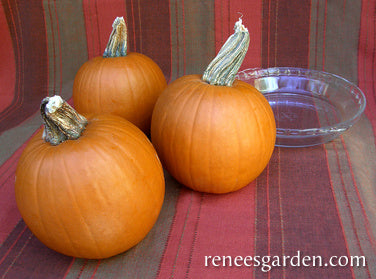
Carving & Pie Pumpkins Spookie
BEST TO START OUTDOORS
Pumpkins need full sun, rich fertile soil and warm temperatures. Wait to plant until temperatures stay above 50°F (10°C) day and night. Sow groups of 2 to 3 seeds 3 feet apart and 1 inch deep in rows 4 feet apart. Thin to 1 strong seedling per group to give vines room to spread. Or, make circular soil mounds 2 to 3 feet across and 8 ft. apart and plant 4 to 5 seeds in each hill. When seedlings have several sets of leaves, thin to 3 seedlings per hill. Protect young seedlings from marauding birds by covering with plastic berry baskets at sowing time, removing before young plants get crowded.
HARVEST AND USE
Pumpkins need to mature properly, so wait to pick until rinds are fully colored and tough enough to resist piercing with a fingernail and vines have died back. Then cut, leaving a good stem handle. Let pumpkins cure for 10 days in the sun, then store in a cool dry place and they'll keep for months. Carve Spookies into happy or scary holiday faces or bake them up into sweet spicy pies, cakes, cookies or savory soups.Regular price $4.89Sale price $4.89Unit price per -
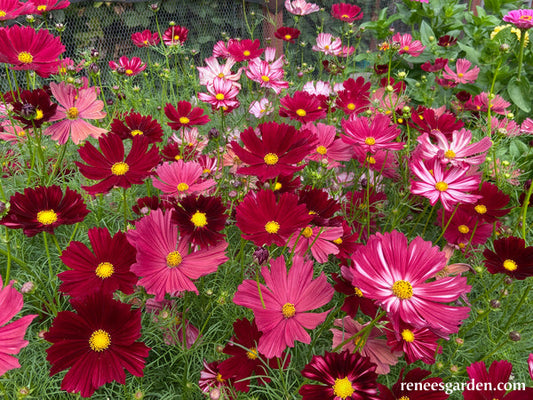
Bouquet Cosmos Velouette
ANNUAL
Summer/fall bloom
Frost tenderTO PLANT OUTDOORS
Sow seeds 1/2 inch deep, 1 to 2 inches apart in a sunny location in well-worked garden soil once danger of frost is past. Keep seed bed moist. Seedlings emerge in 5 to 10 days. Keep well weeded and watered while plants are young; mature cosmos can handle hot and dry conditions.
TO START EARLY INDOORS
Sow seeds 1 inch apart in a container of seed starting mix, 4 to 6 weeks before last expected frost. Cover 1/2 inch deep, keep moist and provide a good light source until ready to go outside. Plant outdoors once weather warms up after gradually acclimating seedlings to outdoor conditions.
THIN OR TRANSPLANT
Space 8 inches apart when seedlings are large enough to handle.
GROWING NOTES
These free-flowering, long blooming summer flowers fill the garden with vibrant color, producing reliably in all soil types. Sow several times through June for a succession of fresh flowers. Cutting generous bouquets actually prolongs the blooming season. Velouette's flower colors blend together for bouquets that arrange themselves.
Regular price $3.99Sale price $3.99Unit price perNew -
Pole Beans Yard Long Noodle King
START SEEDS OUTDOORS
In late spring, once night temperatures stay securely above 55°F (13°C), plant seeds in well-worked, fertile soil in full sun. Erect strong stakes, tripod poles or trellis at planting time to support vines. Plant 1 in. deep & 4 inches apart along a trellis; around tripods or stakes, plant 4 to 6 seeds about 4 in. from each pole, thinning seedlings to 3 best plants per pole.
GROWING NOTES
Yard Long beans are easy to grow as long as you have plenty of sunshine & warm weather. Do not plant too early as cold conditions prevent good germination & growth. If first sowing comes up unevenly, replant right away; new seedlings will catch up quickly. Birds are attracted to young seedlings; watch carefully & protect with netting if necessary. Avoid harvesting beans in wet conditions.
HARVEST AND USE
For the best yields, pick beans frequently, at least every 2 or 3 days. Harvest these astonishingly long, crispy pods when beans are still pencil thin, the pods snap when bent & before the seeds have filled out inside; generally when about 12 to 18 inches long. If the pods get too thick & bulky, they will be fibrous & tough.
Chop the green, skinny pods into 2-3 inch pieces & quickly stirfry or sauté to enjoy their mild, nutty flavor. Try quickly cooking them Asian style with sautéed garlic & ginger, finishing the dish with a little toasted sesame oil & sesame seeds or toasted peanuts. You’ll love them!
Regular price $4.99Sale price $4.99Unit price per -
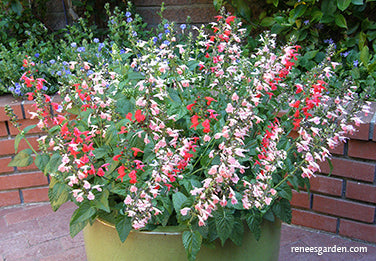
Container/Pollinator Salvia Bee Heaven
TENDER PERENNIAL GROWN AS ANNUAL
Summer/Fall bloom
Frost tenderTO START EARLY INDOORS
Start seeds indoors 4 to 6 weeks before last frost date. Sow seeds 1 inch apart in a container of seed starting mix and cover very lightly. Keep moist but not soggy and provide a strong light source. When seedlings are about 2 to 3 inches tall, and night temperatures are above 50°F (10°C), acclimate to outdoor conditions and plant 8 inches apart.
TO START DIRECTLY OUTDOORS
Sow in well-worked beds or in containers in full sun only after night temperatures reach 50°F (10°C). Plant seeds 4 inches apart and cover very lightly. Keep soil evenly moist. Thin seedlings to 8 inches apart so plants have room to mature.
CONTAINER PLANTING
Plant 4 seedlings in a 20 inch pot; 3 in a 16 inch pot, and 1 seedling in an 8 inch pot.
GROWING NOTES
Plants grow quickly to 12-18 inches tall and bloom all summer long Honey Bees, hummingbirds, butterflies, and many other pollinators constantly visit these nectar-rich flowers.
Regular price $4.69Sale price $4.69Unit price per -
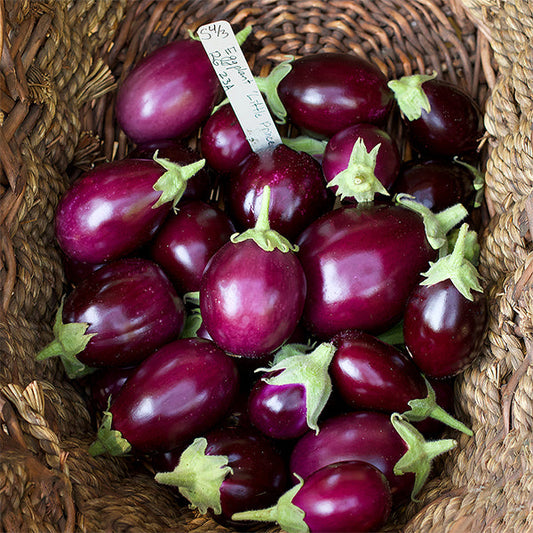
Container Eggplant Little Prince
BEST TO START INDOORS
In early spring, start indoors about six to eight weeks before night temperatures reach 55° (13°C). Sow seeds 1/4 inch deep and 1 inch apart in containers of seed starting mix. Keep moist and warm, 80-85°F (27-29°C) and provide a strong light source until ready to plant outside. When seedlings are 2 inches tall, transplant into 4-inch pots. Maintain at 70-75°F (21-24°C). Feed with half-strength fertilizer every 2 weeks until weather is warm, then gradually acclimate seedlings to outdoor conditions.
Transplant In Pots: Plant 1 to a pot 12 inches across and deep, or plant several seedlings 8 inches apart in larger containers at least 16 to 18 inches across and deep.
In Garden Beds: Amend soil with compost or aged manure, then plant in full sun 2 feet apart.
GROWING NOTES
Transplant outdoors only when nights are securely above 55° (13°C). For containers, always use new, high quality potting mix. Plant only robust seedlings with well-developed roots and mulch them well. Feed regularly every few weeks throughout the season with good all-purpose fertilizer.
HARVEST AND USE
Pick often from productive plants when fruits size up glossy and firm-fleshed and before skins get dull. Enjoy these handy-sized eggplants halved or in thick slices sautéed with garlic and herbs or grilled to succulence on the barbeque.
Regular price $3.39Sale price $3.39Unit price per -
Heirloom Radishes Pink Beauty
START SEEDS OUTDOORS
In early spring as soon as ground can be worked, sow radish seeds in well-worked, fertile soil in full sun. Space seeds 1 inch apart in rows 6 inches apart. Cover 1/2 inch deep. Keep soil evenly moist and well weeded. If first sowing comes up unevenly, replant right away. Sow again in late summer for a fall crop.
GROWING NOTES
Sow this quick growing, cool season crop wherever you intend to plant heat lovers later. Radishes thrive and have crisp flesh with the best mild flavor given consistent moisture. Sow small amounts a week apart to mature in warm but not hot weather. Thin quick-growing seedlings early to 2 inches apart so roots have room to size up. Protect radishes with floating row covers if marauding birds or flea beetles that chew holes in the leaves are a problem.
HARVEST AND USE
Harvest radishes when roots are the size of large marbles. If weather turns unexpectedly hot, pull, cut off tops, and store in the refrigerator for up to 3 weeks. Radishes will be spicier in hot weather and milder grown in cooler conditions. Combine sliced radishes, scallions and fresh dill or parsley for a great salad. Make delicious open faced sandwiches on whole grain bread spread with sweet butter and topped with sliced radishes.Regular price $4.89Sale price $4.89Unit price per -
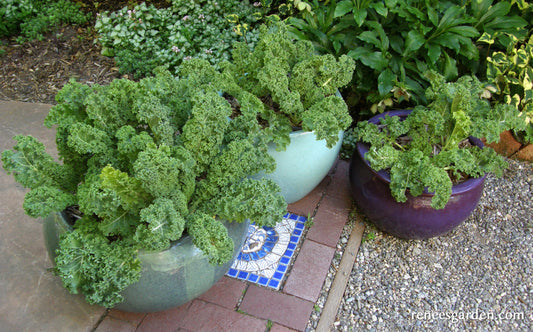
Container Kale Green Curls
TO START INDOORS
In very early spring, sow seeds in seed starting mix 2 in. apart and 1/2 in. deep. Keep moist and provide a strong light source until seedlings are well-established, then plant outdoors 6 in. apart.
PLANTING IN CONTAINERS
Use pots a minimum of 15-18 in. in diameter and 12 in. deep and start with fresh potting mix. Sow groups of 2-3 seeds 6 in. apart, 1/2 in. deep. Keep evenly moist. When large enough to handle, thin to leave one seedling per group, so plants have room to mature. Keep mulched to conserve moisture. Feed with high nitrogen fertilizer every 2-3 weeks. If it gets hot, check and water daily; otherwise, water when top inch of soil is dry.
GROWING NOTES
Kale tastes best in cool weather and frost actually enhances color, flavor and sweetness. Plant in early spring and again in late summer/early fall.
HARVEST AND USE
Begin harvesting outer leaves when plants have at least 6 leaves. Vitamin and antioxidant rich kale is tender and delicious in fresh salads, especially with sliced fruit and/or nuts. Use in smoothies, soups, stews and sautés; or braise with garlic and olive oil. Pull and discard when plants begin to bloom as leaves of flowering stalks get tough and bitter.
Regular price $3.99Sale price $3.99Unit price per -
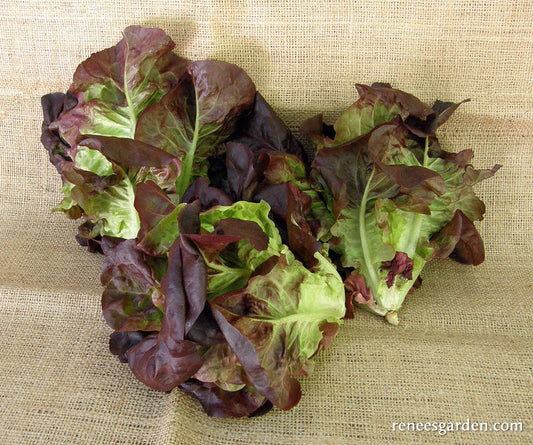
Baby Romaine Lettuce Ruby Gem
START SEEDS OUTDOORS
In cool spring weather, start seeds in full sun. Sow seeds 1/4 inch deep and 1 inch apart in fertile, well-drained soil. Keep evenly moist but not soggy. As seedlings begin to grow, it’s critical to thin out young plants to a final spacing of 10 inches apart so they have room to mature to large, leafy rosettes (extra seedlings will transplant easily to grow elsewhere).
Container Growing: Plan on 5 to 7 full heads in a 16 to 18 inch pot or a 9 x 12 inch windowbox; 3 full heads in an 8 inch pot.
GROWING NOTES
Lettuce thrives in cool conditions. Carefully thin and keep evenly moist for sweet tasting, full heads. For a constant supply, make several sowings a few weeks apart until summer heat comes on. In hot weather, give lettuce some afternoon shade and check water daily. Feed with liquid fertilizer every 2 weeks. Sow more seed in late summer for delicious fall harvests.
HARVEST AND USE
Use these little beauties in containers or as an edible garden accent or border. Or transplant seedlings around edges of a big pot holding a young tomato or pepper plant, then harvest when the bigger plants need the space. Savor young thinnings in your first spring salads. Harvest mature little heads when they are solid and well-filled out. Pull over-mature plants if they begin to elongate (“bolt”) in hot weather.
Regular price $3.99Sale price $3.99Unit price per -
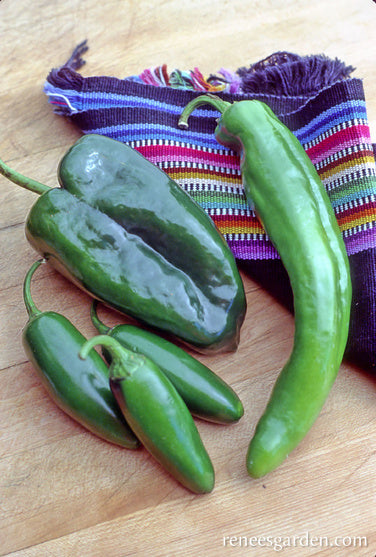
Chile Peppers Southwestern Chile Trio
STARTING SEEDLINGS
In early spring, start seeds indoors about 2 months before night temps are reliably in the 50-55°F (10-13°C) range. Sow seeds ¼ inch deep and 1 inch apart in seed starting mix. Keep moist but not soggy and very warm, 80-85°F (27-29°C). Provide a strong light source until ready to plant outside. When seedlings are 2 inches tall, transplant into individual small pots. Maintain at 70-75°F (21-24°C). Feed with half-strength fertilizer every 2 weeks until weather is warm enough to gradually acclimate seedlings to outdoor conditions. Transplant 2-2 1/2 feet apart into rich soil in full sun.
GROWING NOTES
Don’t transplant chiles outdoors until night temperatures stay securely above 55° (13°C). Prepare soil well with aged manure or compost. Plant only robust seedlings with well developed roots. Mulch well to maintain even soil moisture. Stake or cage chile plants to support their heavy fruit sets. Keep weeded, watered and feed monthly throughout the growing season.
HARVEST AND USE
Harvest when chiles have a high gloss by cutting, not pulling, them from the plant. Color develops as chiles mature; pick green or allow to color up. Use mild Anchos, medium New Mex, and hot Jalapeños to suit your taste in all kinds of delicious salsas, fajitas, chile rellenos, rich sauces, rubs, soups or stews. Use fresh, or roast and remove skins. Freeze roasted chilies for future use.
Regular price $4.69Sale price $4.69Unit price perNew -
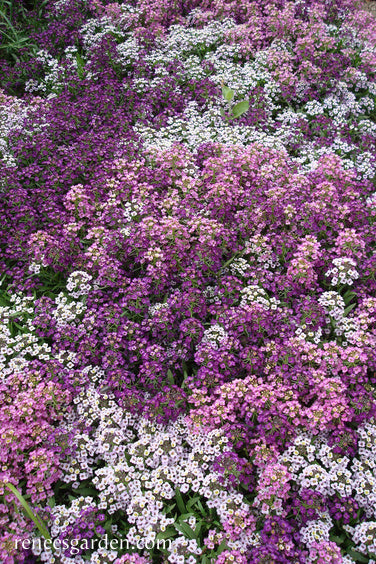
Honey-Scented Alyssum Summer Romance
HARDY ANNUAL
Spring/summer bloom
Can handle frostEASIEST TO PLANT DIRECTLY IN THE GARDEN
Plant in early spring in well-worked soil in a sunny spot. Sow 1/2 inch apart and barely cover. Keep evenly moist while awaiting germination. Seedlings will create a carpet of fine textured leaves, followed by a blanket of soft, airy flowers.
TO START EARLY INDOORS
Sow indoors 3 to 4 weeks before last frost in a large seed flat. Broadcast seeds 1/2 to 1 inch apart. To transplant, separate clusters of 4 to 5 seedlings and plant each cluster 3 to 5 inches apart.
GROWING NOTES
Given ordinary garden soil and even moisture, alyssum grows easily and blooms profusely just 6 to 8 weeks from sowing. Plants stay compact and don't get rangy. After the first flush of intense flowering is over, cut plants back halfway to re-bloom abundantly. In mild winter areas, sow alyssum in the fall around bulbs, in containers or to cover bare areas. Plants overwinter to bloom all spring in a pretty carpet of pastel shades.
Regular price $3.69Sale price $3.69Unit price per -
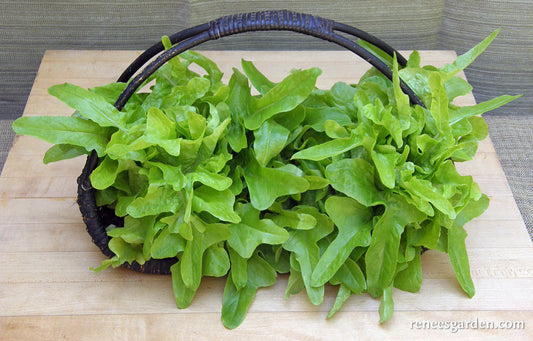
Heirloom Lettuce Baby Oakleaf
START SEEDS OUTDOORS
In cool spring weather, start seeds in full sun. Sow seeds 1/4 nch deep and 1 inch apart in fertile, well-drained soil. When seedlings are several inches tall, thin to a final spacing of 4-5 inches apart. Extra seedlings can easily be transplanted elsewhere.
Container Spacing: Grow 3 plants in an 8 inch pot, or 7 to 8 plants in a 12 to 15 inch diameter container.
GROWING NOTES
Lettuce thrives in cool conditions with consistent moisture. Be sure to thin properly and keep evenly moist for sweet tasting, full heads. For a constant supply, make several sowings a few weeks apart until summer weather turns hot. Plant again in late summer for fall harvest. In hot weather, give lettuce some afternoon shade to extend harvest season and check water daily. Keep soil evenly moist and feed with liquid fertilizer every 2 weeks.
Consider transplanting lettuce seedlings around the edges of a big pot containing a young tomato or pepper plant. The lettuces will be ready to eat just as the bigger plant grows larger and needs the space.
HARVEST AND USE
Savor young thinnings in your first spring salads. Then harvest plants by cutting mature heads when they feel firm and well-filled out. Pull over-mature plants if they begin to elongate (“bolt”) in hot weather, as leaves turn bitter at this stage.
Regular price $3.39Sale price $3.39Unit price per -
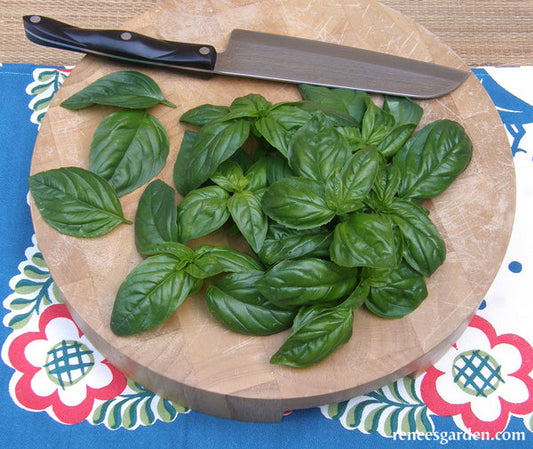
Kitchen Herbs Italian Pesto Basil
ANNUAL
Summer/fall harvest
Heat-loving, frost tenderTO PLANT DIRECTLY INTO THE GARDEN
When late spring weather has thoroughly warmed up, sow seeds 1 inch apart in well worked fertile soil in full sun. Cover 1/4 inch deep, firm soil and keep seedbed moist. Germination takes 1 to 2 weeks. After seedlings are well established, thin or transplant 8 inches apart to allow plants room to mature.
TO START EARLY INDOORS
Sow seeds 1 inch apart in a container of seed starting mix, 4 to 6 weeks before last expected frost. Keep warm and evenly moist, and provide a good light source. When seedlings are large enough to handle and weather is warm, acclimate gradually to outdoor conditions before planting in the garden 8 inches apart.
GROWING NOTES
Remember—it is critical to plant basil in the garden only after late spring day and nighttime temperatures stay above 50°F (10°C). Pinch off growing tips when plants are 6 to 8 inches tall to encourage branching. Harvest sprays of leaves by cutting stems just above two new sprouting lateral branches to get lush regrowth. Keep flower buds pinched off to extend harvesting and feed regularly to promote new growth.Regular price $2.99Sale price $2.99Unit price per -
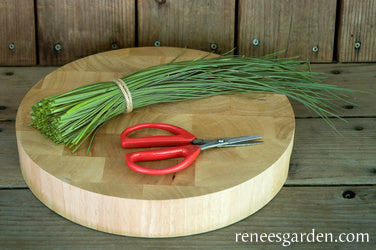
Heirloom Culinary Chives
PERENNIAL
Spring/summer/fall harvest
Frost hardyTO PLANT OUTDOORS
In cool spring weather, sow clusters of 7 to 10 seeds about 8 to 10 inches apart in well-worked, fertile soil in sun or part shade. Cover 1/4 inch deep and press soil firmly over seeds. Keep evenly moist as seeds germinate slowly over several weeks. Emerging clusters of seedlings have very slender grass-like leaves that mature into mounds.
TO START EARLY INDOORS
In early spring, sow 7 to 10 seeds in individual containers of starting mix and cover 1/4 inch deep. Keep evenly moist as seedlings slowly emerge and provide a good light source until ready to plant outdoors. Transplant clusters of seedlings when 2 to 3 inches tall after gradually acclimating plants to outdoor conditions.
THIN OR TRANSPLANT
Space clusters of 7 to 10 seedlings 8 to 10 inches apart.
GROWING NOTES
Chives bear lilac-pink clover-like flowers in late spring and summer. After bloom finishes, cut entire plant back to 2 inches to encourage regrowth of tender new leaves. Given plenty of moisture and a location out of fierce sun, chives are hardy, self-sufficient plants. lilac-pink clover-like flowers in late spring and summer. After bloom finishes, cut entire plant back to 2 inches to encourage regrowth of tender new leaves. Given plenty of moisture and a location out of fierce sun, chives are hardy, self sufficient plants.Regular price $4.89Sale price $4.89Unit price per -
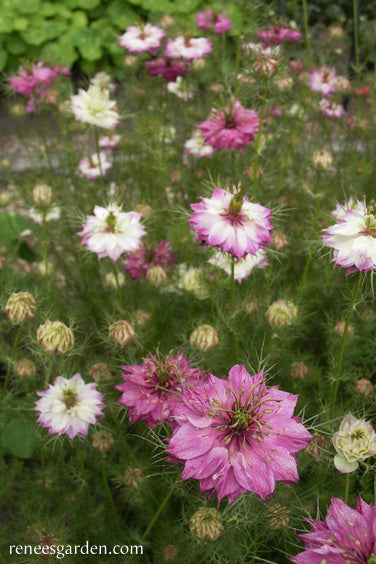
Love in a Mist Mulberry Rose Nigella
HARDY ANNUAL
Spring/summer bloom
Can handle light frostEASIEST TO PLANT DIRECTLY IN THE GARDEN
Sow seeds directly into a finely textured, well-drained garden bed as early in spring as the ground can be worked. In mild climates, sow in cool fall weather for spring bloom. Space seeds 2 to 3 inches apart in rows 6 inches apart and cover 1/4 inch deep. Or broadcast thinly in a garden bed and cover 1/4 inch deep. Weed young seedlings carefully and thin before they get too crowded. Thin or transplant seedlings 4 to 5 inches apart.
GROWING NOTES
Make several successive sowings in early spring to enjoy these carefree old-fashioned flowers throughout spring and early summer. Their delicate blossoms make sweet little bouquets. As flowers fade, cut the decorative seed pods before they mature and split. Hang upside down in bundles out of direct sun to dry for winter bouquets and arrangements. Let some seedpods mature on the plants to spill seed and these graceful flowers will come up year after year.
Regular price $3.39Sale price $3.39Unit price per -
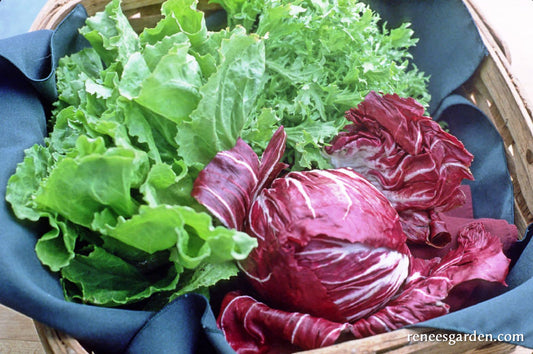
Signature Salads Crispy Winter Greens
START SEEDS OUTDOORS
At midsummer, or early fall in mild climates, sow seeds in a sunny garden bed 1/4 inch deep and 1 to 2 inches apart in rows 12 inches apart. Or, if it is still over 80°F (27°C) at sowing time, sow seeds in containers in a spot out of direct sun, but with bright light all day. Tend carefully and keep evenly moist. When seedlings are a few inches tall with several sets of leaves, transplant into the garden a foot apart. Gradually thin directly sown seedlings to stand 1 foot apart to allow heads room to mature.
GROWING NOTES
Savor earliest thinnings in fall salads. Cool weather will bring vigorous growth. These tasty greens tolerate cold weather and light frosts well but require consistent moisture. Weed, water and thin carefully and feed monthly for best quality salad heads.
HARVEST AND USE
Radicchio is best harvested when red heads have formed inside the outer green “wrapper” leaves. Pick entire heavy rosettes of escarole and curly endive. Cut up and enjoy these hearty salads with either simple vinaigrettes or rich, creamy dressings. Try tossed with cooked chicken, meat or cubed cheese and olives for delicious whole meal salads. Add toasted nuts and cubed apples or pears for a delicious flavor contrast.
Regular price $3.69Sale price $3.69Unit price per -
California Poppies Copper Pot
PERENNIAL/GROWN AS ANNUAL
Spring/Summer bloom
Can handle light frostBEST TO START DIRECTLY IN THE GARDEN
Sow seeds directly into a finely textured, well drained garden bed in full sun as early in spring as the ground can be worked. Plant as early as possible in spring, as poppies can handle light frost and bloom best and longest when plants get a good start in cool weather. In mild winter climates, Poppies can also be sown in late fall to overwinter for spring bloom. Except in very poor soil, these California poppies will grow and flower readily with no added fertilizer. Space seeds several inches apart, cover 1/4 inch deep, and firm soil gently. Keep soil moist as seedlings emerge. Weed young seedlings carefully. If seedlings come up very thickly, thin poppies early but delay final thinning until seedlings are well established in spring. Final spacing should be 6 inches apart as plants need room to grow and bloom.
GROWING NOTES
When mature, poppy plants can handle dry conditions, but they will always bloom longer if regularly watered. Poppies are pretty cut flowers if brought indoors just as buds begin to open. At season’s end, allow spent flowers to form pods and drop seed if you want poppies to self-sow for next year's spring flowers.
Regular price $3.99Sale price $3.99Unit price per -
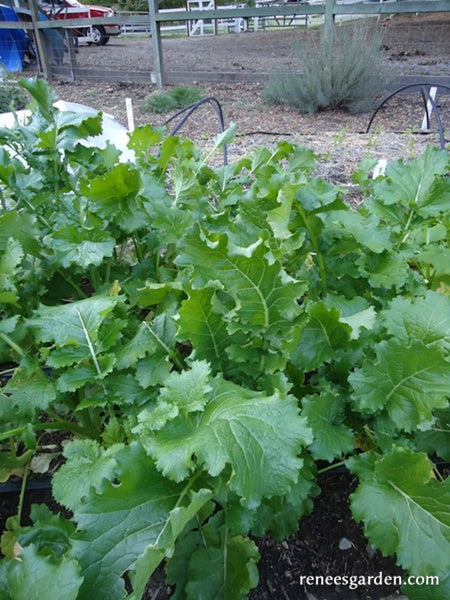
Heirloom Broccoli Raab Early Rapini
START SEEDS DIRECTLY IN THE GARDEN
In very early spring as soon as ground can be worked, prepare a well-drained, fertile garden bed in full sun. Sow seeds 2 inches apart in rows 6 to 8 inches apart. Cover 1/2inch deep and keep soil evenly moist to ensure good germination. When seedlings are 3 to 4 inches tall, thin to stand 4 to 6 inches apart.
GROWING NOTES
Sow Broccoli Raab in cool early spring weather, about the same time as you plant turnips and radishes. Consistent moisture, early thinning and an adequate supply of nitrogen will encourage the quick growth needed to produce tender juicy shoots with plump buds. Use non-toxic B.T. (Bacillus thuringiensis) products to control caterpillar pests as necessary. Make several sowings a week apart for a continuous harvest. Sow again in late summer for a fall crop.
HARVEST AND USE
Harvest both leaves and flowering stalks at 7 to 8 inches tall, when stalks are still tender and juicy with closed buds. After cutting, water plants and feed with fish emulsion solution to get a second harvest in a few weeks. Enjoy the hearty flavor of these vitamin-rich greens by briefly steaming or prepare traditionally by first blanching them quickly in boiling water and then sautéing them in olive oil with chopped garlic, just until tender.
Regular price $4.89Sale price $4.89Unit price per -
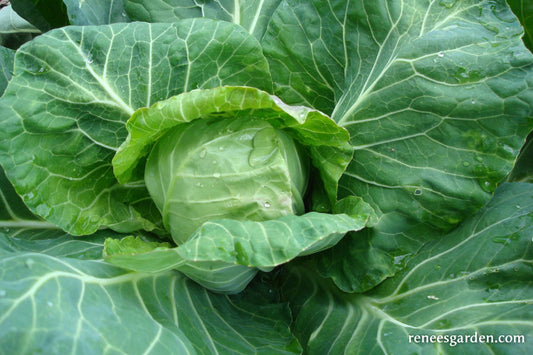
Baby Cabbage Pixie
TO START INDOORS
Start seeds 4 to 5 weeks before last spring frost. Sow 1 inch apart in seed starting mix, cover 1/2 inch deep and keep evenly moist. Provide a strong light source until seedlings are ready to plant out. When several inches tall, transplant seedlings 10 inches apart into rich soil in full sun, after gradually acclimating to outdoor conditions.
TO START DIRECTLY OUTDOORS
When all danger of frost is over, plant in well-worked, fertile soil in full sun. Sow groups of 2 to 3 seeds 10 inches apart in rows spaced 1 foot apart. When seedlings are several inches tall, thin to 1 strong plant every 10 inches. In mild winter climates, sow seeds again at midsummer for a fall crop.
GROWING NOTES
Cabbage needs full sun and rich, well-drained soil to produce firm, sweet heads. To avoid stunting growth, don’t let seedlings get crowded before thinning or transplanting. Keep weeded and evenly watered. Feed monthly with fish emulsion or an all-purpose fertilizer. Use non-toxic B.T. (Bacillus thuringiensis) for caterpillar pests. Floating row covers provide a good barrier method to exclude pests. Remove covers when heads begin to form.
HARVEST AND USE
Cut the 5 to 6 inch heads when they are very solid and well-formed. Enjoy raw as a snack, in coleslaw or quickly stir-fry, sauté, or steam. Fresh dill is delicious with cabbage.
Regular price $3.39Sale price $3.39Unit price per -
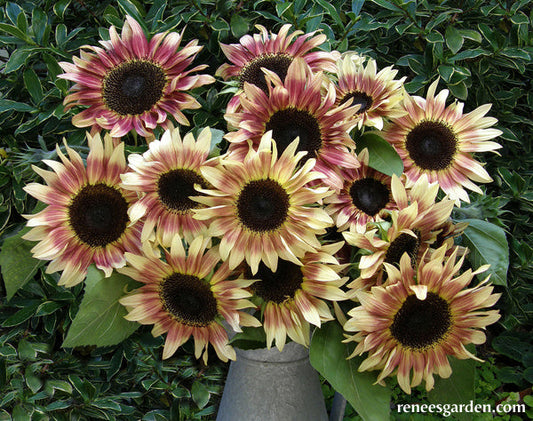
Cutting Sunflowers Garnet Star
ANNUAL
Spring/summer/fall bloom
Frost tenderEASIEST TO START OUTDOORS
In late spring, plant into fertile soil in full sun, only after night temperatures are evenly above 50° F (10° C) both day and night. Poke seeds into well worked soil 1-2 inches deep and 6 inches apart. Firm soil over seeds and keep moist as seedlings emerge.
Important: When seedlings are about 3 inches tall, thin them to a final spacing of 1 foot apart, so plants can grow sturdy stalks and big flowers. Extra seedlings can be easily transplanted.
TO START EARLY INDOORS
Several weeks before last frost date, sow seeds 1 inch deep in individual pots of well-drained seed starting mix. Keep moist and provide a strong light source. When seedlings are 2-3 inches tall, and and nights are above 50° F (10° C), acclimate to outdoor conditions, then plant out one foot apart into rich garden soil in full sun.
GROWING NOTES
Make several sowings a few weeks apart to have a succession of flowers in full bloom. Keep soil moist and well weeded. Protect very young seedlings from birds with netting or berry baskets, removing before plants get crowded. Cut for bouquets just as flowers begin to open.
Regular price $4.69Sale price $4.69Unit price per -
Heirloom Tomato Black Krim
STARTING SEEDLINGS
In early spring, start indoors about 6 to 8 weeks before outdoor night temperatures are reliably in the 50-55°F (10-13°C). Sow seeds 1/4 inch deep and 1 inch apart in a container of seed starting mix. Keep moist but not soggy, and very warm, 80°F(27°C). Provide a strong light source until seedlings are ready to plant outside. When seedlings are 2 inches tall, transplant into individual 4 inch pots. Maintain at 70°F (21°C). Feed with half-strength fertilizer every 2 weeks until ready to plant. When nights reach 55°F (13°C), gradually acclimate to outdoor conditions. Plant these vigorous indeterminate climbers 3 feet apart into rich soil in full sun.
GROWING NOTES
Prepare soil well with aged manure or compost. Plant several inches deeper than seedlings were growing in containers. Provide strong stakes or tall wire cages at planting time. Mulch to provide even moisture retention; don't overwater once fruit begins to ripen.
HARVEST AND USE
For best flavor, pick fully ripe and don’t store in the refrigerator. These richly colored, meltingly tender tomatoes are hard to resist straight out of the garden. Cut into thick slices and serve with a little feta or goat cheese and chopped fresh dill or basil, then drizzle with olive oil for an irresistible summer treat.Regular price $4.89Sale price $4.89Unit price per