Seed Packets Only
-
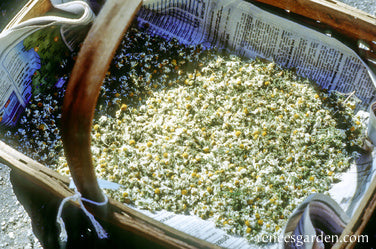
Flowering Herbs Bodegold Chamomile
ANNUAL
Spring/summer/fall harvest
Frost hardyTO START DIRECTLY IN THE GARDEN
Sow seeds as thinly as possible in a well-drained, finely textured garden bed in full sun and cover lightly. Keep evenly moist while awaiting germination. Thin seedlings to 4 inches apart before they become crowded.
TO START INDOORS
Sow seeds in early spring in a container of seed starting mix. Cover seeds very lightly and keep evenly moist until seedlings emerge. Provide a good light source until seedlings are about 2 inches tall. Transplant 4 inches apart after gradually acclimating to outdoor conditions. Don’t let seedlings get too big or crowded before planting out.
GROWING NOTES
Start chamomile in early spring for sturdy growth before warm weather initiates flowering. Harvest every few days just as the petite daisylike flowers are fully open, but before the petals dry up. Air dry blossoms indoors in a single layer for several days, then store in a sealed container. Steep in boiling water for a lovely scented tea. Leave a few flowers in the garden to set seed, then shake spent plants and they will often self-sow to bloom next season. blossoms with their dainty white petals and gold centers and simply air dry for making fragrant pineapple-scented tea. Serve with a little honey to settle the stomach and soothe the nervous system before retiring.Regular price $2.99Sale price $2.99Unit price per -
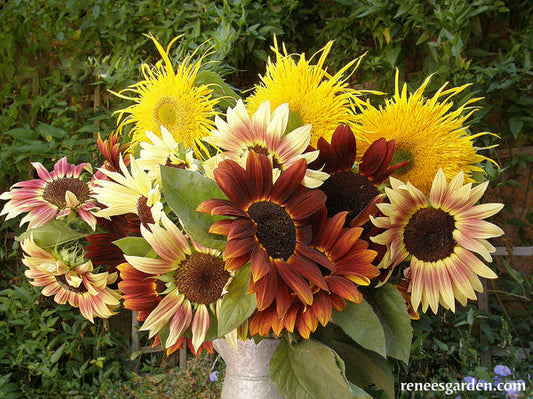
Ornamental Sunflowers Sun Samba
ANNUAL
Summer/fall bloom
Frost tenderEASIEST TO PLANT OUTDOORS
Plant in full sun in good garden soil when weather is warm and settled both day and night and all danger of frost is past. Poke seeds into well-worked soil about 1/2 inch deep, 4 to 5 inches apart. Press soil firmly over seeds and keep moist until seedlings emerge in 8 to 10 days.
TO START EARLY INDOORS
Several weeks before last frost date, sow seeds 1/2 inch deep in individual pots of well-drained seed starting mix. Keep moist and provide a strong light source until seedlings are ready to plant outside. Transplant carefully, disturbing the roots as little as possible.
THIN OR TRANSPLANT
Space seedlings 12 to 15 inches apart when seedlings are large enough to handle so plants will have ample room to grow.
GROWING NOTES
Growing these colorful flowers is easy and rewarding. Make several sowings 3 weeks apart to have a succession of flowers in full bloom. Keep soil moist and well weeded and protect seedlings from birds with netting or plastic berry baskets, removing before plants get crowded. Be sure to thin properly when seedlings are about 3 inches tall.Regular price $3.99Sale price $3.99Unit price per -
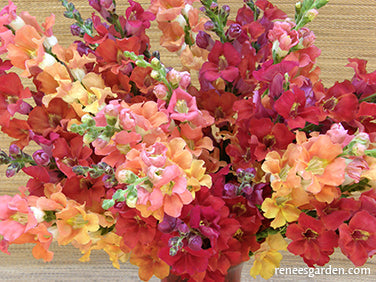
Butterfly Snapdragons Chantilly Summer Flame
HARDY ANNUAL
Spring/Summer/Fall bloom.
Can handle light frostSTART SEEDS INDOORS
Start seeds indoors in a container of seed starting mix in early spring 6 to 8 weeks before the last expected frost. Dampen soil mix evenly before sowing. Sow seeds 1 inch apart, covering only with a fine dusting of mix. Keep evenly moist but not soggy and provide a strong light source until ready to plant outdoors. When seedlings have several sets of leaves, transplant them 2 inches apart into a deeper container. After they reach 2 to 3 inches tall, gradually acclimate sturdy, well-established seedlings to outdoor conditions before transplanting in full sun.
THIN OR TRANSPLANT
Space seedlings 10 to 12 inches apart for best performance.
GROWING NOTES
Heat and wind-resistant Chantilly adds height, color and texture to garden beds and provides abundant gorgeous summer bouquets. Feed and water well and keep spent flower stalks cut off for longest bloom season. Cut stalks when 8-10 blossoms are open; do not crowd in the vase for best, longest lasting cut flowers. In mild climates, snapdragons can also be planted in late fall to overwinter and bloom as a spring flower.
Regular price $4.99Sale price $4.99Unit price per -
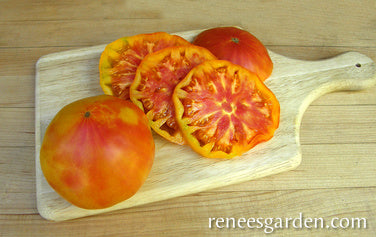
Heirloom Bicolor Tomato Marvel Stripe
STARTING SEEDLINGS
In early spring, start indoors about 6 to 8 weeks before outdoor night temperatures are reliably in the 50-55°F (10-13°C). Sow seeds 1/4 inch deep and 1 inch apart in a container of seed starting mix. Keep moist but not soggy, and very warm, 80°F (27°C). Provide a strong light source until seedlings are ready to plant outside. When seedlings are 2 inches tall, transplant into individual 4 inch pots. Maintain at 70°F (21°C). Feed with half-strength fertilizer every 2 weeks until ready to plant. When nights reach 55°F (13°C), gradually acclimate to outdoor conditions. Plant these vigorous indeterminate climbers 3 feet apart into rich soil in full sun.GROWING NOTES
Prepare soil well with compost and fertilizer. Plant several inches deeper than seedlings were growing in containers. Provide strong stakes or tall wire cages at planting time. Mulch to provide even moisture retention; don't overwater once fruit begins to ripen.HARVEST AND USE
For best flavor, pick fully ripe and don’t store in the refrigerator. These richly colored, meltingly tender tomatoes are hard to resist straight out of the garden. Cut into thick slices and sprinkle with chopped fresh dill or basil, then drizzle with olive oil for an irresistible summer treat.Regular price $4.89Sale price $4.89Unit price per -
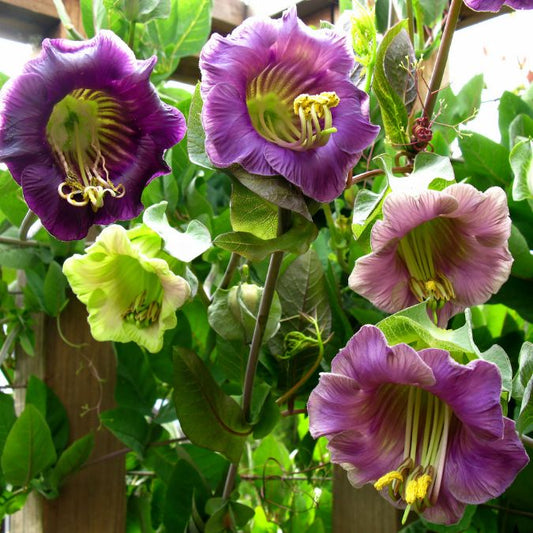
Heirloom Flowering Vines Cathedral Bells
TENDER PERENNIAL VINE
Summer/fall bloom
Usually grown as annualFOR BEST RESULTS
Sow seed indoors in a warm place 6 to 8 weeks before night temperatures are reliably in the 50°F (10°C) range. Plant 2 seeds per individual 4 inch pot of seed starting mix. Maintain at 70-80°F (21-27°C). Keep moist but not soggy. Germination takes 10 to 21 days. Thin to strongest seedling per pot. Provide a strong light source until ready to go outside. When weather has warmed evenly, acclimate to outdoor conditions and carefully transplant 1 foot apart and 3 inches from supports.
TO START OUTDOORS
Seed can be sown outdoors once nights are reliably above 50° but only in areas with a long warm season. Plant in full sun 4 to 6 inches apart, ½ inch deep and 3 inches from supports. Firm soil well over seeds. When seedlings are well established, thin to stand 1 foot apart, so these vigorous vines have ample room to grow.
GROWING NOTES
Cathedral Bells need full sun and moist, well-drained soil. They bloom mid to late summer. Provide climbing vines with well-anchored supports at least 10 feet tall; use a sturdy trellis or arbor, or a wood or wire fence. Stems cling by branched tendrils that grow on the end of each leaf stalk.
Regular price $3.99Sale price $3.99Unit price per -
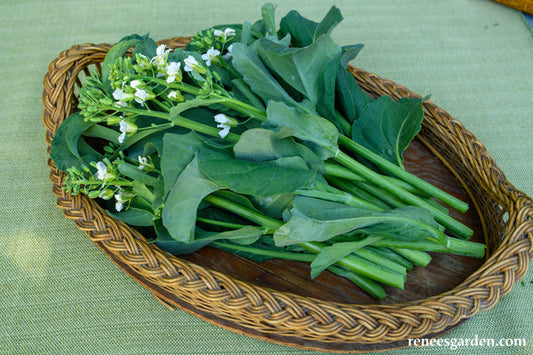
Gai Lan/Chinese Broccoli Early Jade
START SEEDS DIRECTLY IN THE GARDEN
In very early spring as soon as ground can be worked, prepare a well-drained, fertile garden bed in full sun. Sow seeds 2 inches apart in rows 6 to 8 inches apart. Cover 1/2 inch deep and keep soil evenly moist to ensure good germination. When seedlings are 3 to 4 inches tall, thin to stand 4 to 6 inches apart.
GROWING NOTES
Sow Gai Lan in cool early spring weather, about the same time as you plant turnips and radishes. Consistent moisture, early thinning and an adequate supply of nitrogen will encourage the quick growth needed to produce thick, juicy stalks of leaves and flower buds. Use non-toxic Bt (Bacillus thuringiensis) products to control caterpillar pests as necessary. Make several sowings a week apart for a continuous harvest. Sow again in late summer for a fall crop.
HARVEST AND USE
Harvest both leaves and flowering stalks at 7 to 8 inches tall, when stalks are still tender. After cutting, water plants and feed with fish emulsion solution to get a second harvest in a few weeks.
Enjoy the broccoli-like flavor of vitamin-rich Gai Lan by quickly stirfrying with ginger and garlic. Oyster or black bean sauce and a spritz of toasted sesame oil and hot sauce are other tasty additions..
Regular price $3.69Sale price $3.69Unit price perNew -
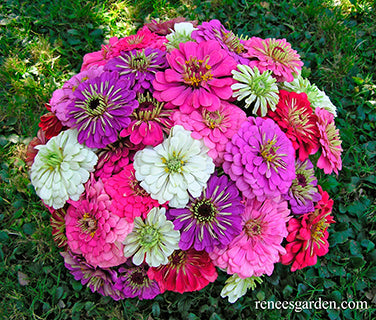
Cutting Zinnias Cool Crayon Colors
ANNUAL
Summer/fall bloom
Frost tenderTO START DIRECTLY IN THE GARDEN
Sow seeds in a well-worked seed bed in full sun when danger of frost is past and weather is above 50°F (10°C) both day and night. Space seeds 2 to 3 inches apart in rows 12 inches apart, cover about 1/2 inch deep and gently firm soil. Keep evenly moist while awaiting germination.
TO START EARLY INDOORS
Four weeks before last frost date, sow seeds 1/2 inch deep and 3 inches apart in containers of seed starting mix. Keep warm and moist and provide a strong light source. Feed with 1/2 strength fertilizer every 2 weeks. Just as soon as seedlings have several sets of true leaves, plant outdoors when temperatures stay above 50°F (10°C) at night.
THIN OR TRANSPLANT
Space seedlings 8 to 10 inches apart when large enough to handle to provide good air circulation and give plants room to mature.
GROWING NOTES
Zinnias grow readily in ordinary garden soil in full sun. For large and abundant flowers, thin before seedlings get crowded; adequate spacing and regular, even watering helps keep zinnias productive and discourages mildew. Pick when flower blossoms first open and petals are tight for longest vase life. Cut long stems well back into the plant to keep plants branching low and producing best blooms for summer long bouquets.Regular price $2.99Sale price $2.99Unit price per -
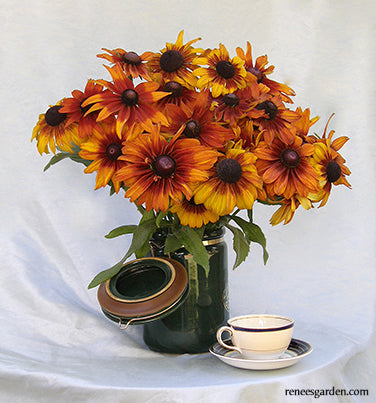
Butterfly Rudbeckia Cappucino
PERENNIAL
Summer/fall bloom
Frost hardy
USDA Zones 4 to 9BEST TO START EARLY INDOORS
In spring, about 6 weeks before last expected frost date, sow seeds 1 inch apart in a containers of seed starting mix. Cover very lightly with mix, keep warm and moist, and provide a strong light source until seedlings are ready to plant out. Feed every 2 weeks with half strength fertilizer. Once seedlings are large enough to handle, transplant 2 to 3 inches apart into deeper containers or individual pots so root systems have room to develop. When plants are 3 to 4 inches tall, gradually acclimate to outdoor conditions. Plant out in the garden in full sun in well-drained, good soil 12 to 18 inches apart. Protect seedlings from slugs and snails while plants are young.
GROWING NOTES
These sturdy tetraploid Rudbeckias are easy to grow, naturalize well and require little maintenance other than removing faded flowers for longest bloom. Once established, they can handle a wide range of weather conditions and will bloom stronger each season. Plants send up long stems of 3 to 4 inch daisy-shaped blossoms in an array of warm colors and bicolors beginning at midsummer.Regular price $4.69Sale price $4.69Unit price per -
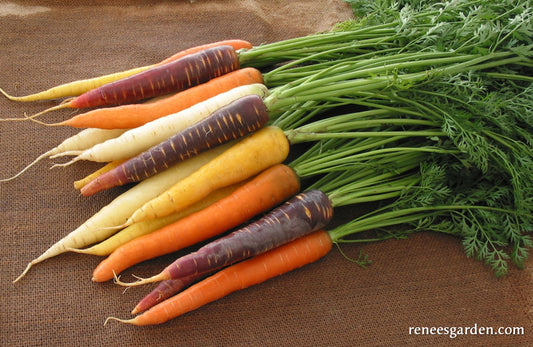
Rainbow Carrots Harlequin Mix
START SEEDS OUTDOORS
In spring once danger of hard frost is past, sow seeds in full sun in finely worked, fertile soil. Sow 1/4 inch deep and 1/2 inch apart in rows 8 inches apart, or broadcast thinly in beds and cover lightly. Keep seedbed evenly moist as carrots can be slow to germinate, emerging over 10 to 20 days. If first sowing comes up unevenly, replant right away as seedlings catch up quickly. Be sure to thin young carrots several times so seedlings are about 2 inches apart and have the room they need to size up.
GROWING NOTES
Carrots like well-worked soil and need consistent moisture to grow well. If your soil tends to dry out, cover seedbed with floating row cover to help retain moisture during the germination period and water right through it. Keep carrots well watered and thinned. For a late season crop, sow again 3 months before first expected frost.
HARVEST AND USE
For best sweet flavor, let these pretty, different colored carrots size up and fully mature before harvesting. Enjoy these extra healthy carrots raw as snacks or grated into salads for great eye appeal. Sauté or steam just until tender crisp and serve with a little sweet butter and your favorite fresh chopped herb. Carrots go well with dill, tarragon, chives, cilantro or mint.
Regular price $4.69Sale price $4.69Unit price per -
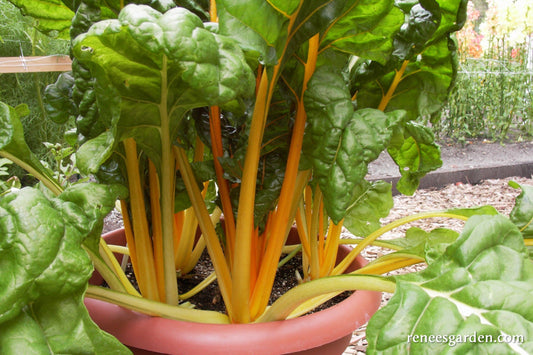
Container Chard Pot of Gold
EASIEST TO START OUTDOORS
For container sowing, use pots at least 12 inches in diameter and 12 inches deep and start with fresh potting mix. Plant seed in spring, after danger of frost is over, and/or again in mid-summer for fall harvests. Sow seed 1/2 inch deep and 1 inch apart in full sun. Keep evenly moist.
When seedlings are several inches tall, gradually thin to 8 inches apart in containers and use the delicious thinnings for early greens. Be sure to thin seedlings well so the large, vase-shaped plants have room to mature. If planting in garden beds, thin seedlings to stand 12 inches apart.
GROWING NOTES
Easy to grow chard can be grown year-round in mild winter areas. It prefers full sun, but will tolerate afternoon shade. Water regularly, checking containers daily in hot weather. Feed these fast-growing, productive plants weekly with a good high-nitrogen fertilizer. Watch for snails and slugs.
HARVEST AND USE
Begin harvesting when plants are well established and have 6 to 8 stalks. Both the crunchy succulent stalks and leaves make great eating. Break stems off at the base of the plant, always leaving at least 3 to 4 stalks to allow for regrowth. Chard is delicious sautéed, steamed, braised or stirfried. It pairs beautifully with the flavors of olive oil, garlic and lemon.
Regular price $3.39Sale price $3.39Unit price per -
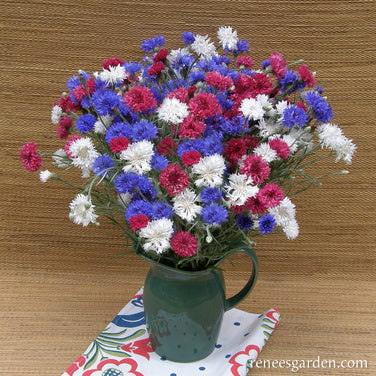
Heirloom Cornflowers 4th Of July Mix
HARDY ANNUA
Spring/summer bloom
Can handle light frostTO START OUTDOORS
Sow seeds in a finely textured garden bed in full sun as soon as soil can be worked. In mild winter areas, where the ground doesn’t freeze, plant in fall for next spring’s bloom. Space seeds 1 to 2 inches apart and cover 1/2 inch deep. Keep seed bed moist until seedlings emerge in 7 to 10 days. Weed and water carefully. Thin seedlings to 6 to 8 inches apart.
TO START EARLY INDOORS
Sow seeds 1 to 2 inches apart in a container of seed starting mix, 2 or 3 weeks before last expected frost. Cover 1/2 inch deep, keep moist and provide a good light source until seedlings are transplanted outside. Plant 6 to 8 inches apart into fertile garden soil in full sun when plants are 3 to 4 inches tall. Seedlings grow quickly; plant out before the roots get crowded.
GROWING NOTES
In Mild Winter Areas the best cornflowers (aka Bachelor Buttons) result from seeds sown in fall to bloom the next spring. In Cold Winter Areas where ground freezes, plant in early spring to get sturdy plants that will flower for many weeks if faded blossoms are removed.
Regular price $2.99Sale price $2.99Unit price per -
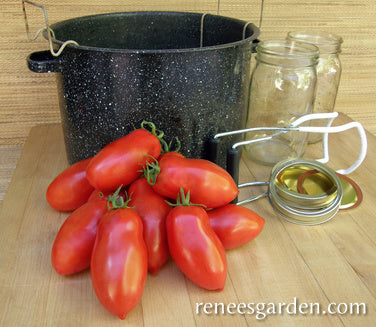
Heirloom Sauce Tomato Italian San Marzano
STARTING SEEDLINGS
In early spring, start indoors about 6 to 8 weeks before outdoor night temperatures are reliably in the 50-55°F (10-13°C) range. Sow seeds 1/4 inch deep and 1 inch apart in a container of seed starting mix. Keep moist but not soggy, and very warm, 80°F (27°C). Provide a strong light source until seedlings are ready to plant outside.
When 2 inches tall, transplant into individual 4-inch pots, burying stems up to base of leaves. Maintain at 70-75°F (21-24°C). Feed with half-strength fertilizer every 2 weeks until ready to plant, then gradually acclimate seedlings to outdoor conditions. When nights reach 55°F (10°C), transplant 3 feet apart into rich soil in full sun.
GROWING NOTES
Prepare soil well with aged manure or compost. Plant several inches deeper than seedlings were growing in containers. Provide strong stakes or tall wire cages at planting time. Mulch to provide even moisture retention; don’t overwater once fruit begins to ripen.
HARVEST AND USE
These plump, sausage-shaped tomatoes are good fresh eating as well as traditional and perfect for making thick rich sauce. Big harvests of whole ripe fruits can be frozen in ziplock bags to make sauce later at your leisure.Regular price $4.89Sale price $4.89Unit price per -
Sweet Bell Peppers Orange Sun & Jupiter
STARTING SEEDLINGS
In early spring, start indoors about 2 months before outdoor night temperatures are reliably in the 50-55°F (10-13°C) range. Sow seeds 1⁄4 inch deep and 1 inch apart in a container of starting mix. Keep moist but not soggy, and very warm 80-85°F (27-30°C).
Provide a strong light source until seedlings are ready to plant outside. When seedlings are 2 inches tall, transplant into individual 4 inch pots. Maintain at 70-75°F (21-24°C). Feed with half-strength fertilizer every 2 weeks until weather is warm enough to gradually acclimate seedlings to outdoor conditions. Plant out 2 to 2 1/2 feet apart into rich soil in full sun.
GROWING NOTES
Don’t plant peppers outdoors until night temperatures stay securely above 55°F (13°C). Prepare soil with aged manure or compost. Plant only robust seedlings with well-developed roots. Mulch plants to maintain even soil moisture. Stake or cage your pepper plants to support their heavy fruit set.
HARVEST AND USE
Ready to pick in late summer, pepper fruits start out green and ripen up to rich red, or orange, depending upon variety. Edible at any stage, glossy, fully colored fruits have the best flavor and are high in vitamins A and C. Carefully cut rather than pull peppers from plants. Enjoy sliced up raw, sautéed, stir fried or grilled.Regular price $4.89Sale price $4.89Unit price per -
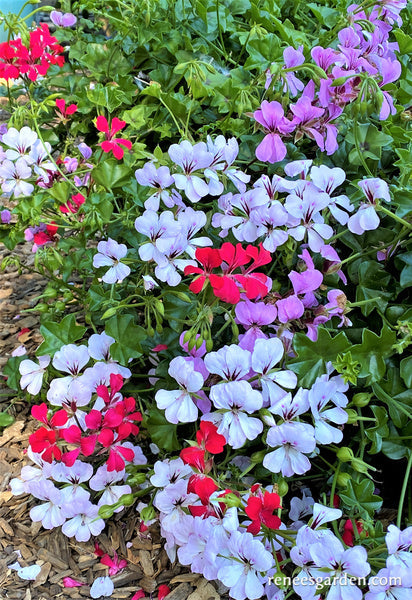
Pelargonium Fancy Pants
PERENNIAL
Spring/summer/fall bloom
Frost tenderBEST TO START SEEDS EARLY INDOORS
In early spring, 8 to 10 weeks before last expected frost, sow seeds 1 inch apart in a container of seed starting mix. Cover lightly, no more than 1/4 inch deep, keep moist and about 65-75°F (18-24°C). Provide a strong light source until ready to plant outdoors. Feed seedlings every 2 weeks with half-strength liquid fertilizer. Once large enough to handle, move seedlings into individual 3-4 inch containers to develop root systems. When weather is above 55°F (13°C) night and day, acclimate 3-4 inch long seedlings outdoors, then transplant into final containers.
CONTAINER GROWING
Choose hanging baskets, pots or windowboxes at least 12-15 inches in diameter and 8-10 inches deep. Fill with well moistened fresh potting mix. Transplant well developed seedlings into containers, spacing them 4 inches apart. Gently water after planting. Keep containers in a filtered sun location or a spot with afternoon shade.
GROWING NOTES
Keep Pelargoniums well watered all summer and mulch pots well to retain soil moisture. Feed them with good all-purpose fertilizer twice a month according to package directions. Remove spent flowers and seedpods to encourage reblooming.
Regular price $4.99Sale price $4.99Unit price per -
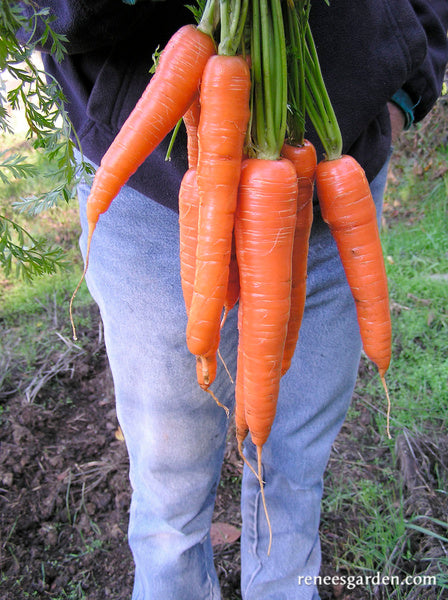
Long Sweet Carrots King Midas
START SEEDS OUTDOORS
In spring once danger of hard frost is past, sow seeds in full sun in finely worked, fertile soil. Sow 1/4 inch deep and 1/2 inch apart in rows 8 inches apart, or broadcast thinly in beds and cover lightly. Keep seed bed evenly moist as carrots can be slow to germinate, emerging over 10 to 21 days. If first sowing comes up unevenly, replant right away as seedlings catch up quickly. Thin young carrots several times so seedlings are 2 to 3 inches apart and have room to size up.
GROWING NOTES
Carrots like well-worked soil and need consistent moisture to grow well. If your soil tends to dry out, cover seedbed with floating row covers to help retain moisture during the germination period. Keep carrots well weeded throughout the growing season. Plant again 3 months before first expected fall frost for a late crop.
HARVEST AND USE
Let carrots size up to at least 6 to 8 inches long before pulling for best sweet flavor. Eat them raw, sliced up as tasty fresh snacks, sautéed, steamed or braised. Set off their flavor with fresh lemon or orange juice and a sprinkling of minced herbs like fresh mint or thyme or glaze with a little honey, ginger or cinnamon. Wonderful in colorful stir-fries all season long.
Regular price $2.99Sale price $2.99Unit price per -
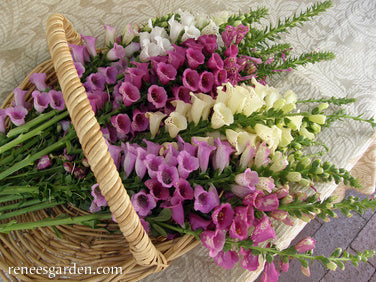
Hummingbird Foxgloves Carousel Mix
PERENNIAL
Late Spring/Summer bloom
Frost hardy USDA zones 4–9
START EARLY INDOORSSow seeds as thinly as possible in a container of seed starting mix. Cover 1⁄8 inch deep with mix, keep moist and between 60-70°F (16-21°C). Provide a strong light source until ready to plant into the garden.
Feed every 2 weeks with half-strength fertilizer. Once seedlings are large enough to handle, transplant 2 to 3 inches apart into individual pots. When plants are 3 to 4 inches tall, gradually acclimate to outdoor conditions and plant out in well-drained soil. Can also be planted in early/mid summer for bloom the following spring.
THIN OR TRANSPLANT
Space seedlings 12-15 inches apart so the plants have enough elbow room.
GROWING NOTES
Deer resistant foxgloves do well in light shade, dappled sunlight all day or full morning sun. They appreciate rich fertile soil and consistent moisture. In mild summer areas, they can handle full sun all day. Cut the softly colored spires of bloom often for lavish bouquets.
Encourage repeat bloom and flowering side shoots by cutting spent flower stalks at plant bases. Plants also self sow readily. A favorite of hummingbirds, butterflies and bumblebees!
Caution: Toxic if eaten.
Regular price $3.39Sale price $3.39Unit price per -
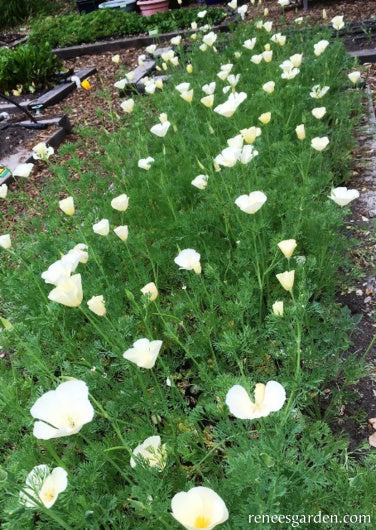
California Poppies Buttercream
PERENNIAL GROWN AS ANNUAL
Spring/Summer bloom
Can handle light frostBEST TO START DIRECTLY IN THE GARDEN
Sow seeds directly into a finely textured, well-drained garden bed in full sun as early in spring as the ground can be worked. Plant as early as possible in spring, as poppies can handle light frost and bloom best and longest when plants get a good start in cool weather. In mild winter climates, poppies can also be sown in late fall to overwinter for spring bloom. Except in very poor soil, these California poppies will grow and flower readily with no added fertilizer. Space seeds 2 or 3 inches apart, cover 1/4 inch deep, and firm soil gently. Keep soil moist as seedlings emerge. Weed young seedlings carefully. If seedlings come up very thickly, thin poppies early but delay final thinning until seedlings are well established in spring. Final spacing should be 3-4 inches apart as plants need room to develop and bloom.
GROWING NOTES
When mature, poppy plants can handle dry conditions but they will always bloom longer if watered regularly. Poppies are pretty cut flowers if brought indoors just as buds begin to open. Prolong bloom by removing spent flowers. At season's end, allow spent flowers to form pods and drop their seed if you want poppies to self-sow.Regular price $3.39Sale price $3.39Unit price per -
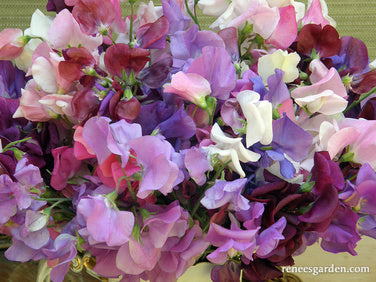
Heirloom Sweet Peas Perfume Delight
ANNUAL CLIMBING VINE
Spring/summer bloom
Frost tolerantEASIEST TO START OUTDOORS
Sweet peas must have well drained soil, so dig deeply and enrich with aged manure or compost before sowing seeds. Erect a well-anchored trellis, vertical netting or other support for vines before planting. Sow seeds in full sun in cool early spring weather as early as the ground can be worked. In mild winters, where ground does not freeze, sweet peas can be planted in fall. Seedlings will form strong root systems, then overwinter to bloom vigorously in spring. Plant sweet pea seeds 1 inch deep and 2 to 3 inches apart. When seedlings are 2 inches tall, thin to 4-5 inches apart to allow plants room to mature.
GROWING NOTES
Sweet peas bloom best when they flower before the weather gets too hot, so if spring planting, sow as early as possible, especially in regions where summer heat comes on fast. Anchor climbing supports well as these vines will grow dense and heavy with bloom. Protect seedlings from birds, slugs and snails. Mulch and keep well watered for best flower production. For longest bloom, remove faded blossoms regularly.Regular price $2.99Sale price $2.99Unit price per -
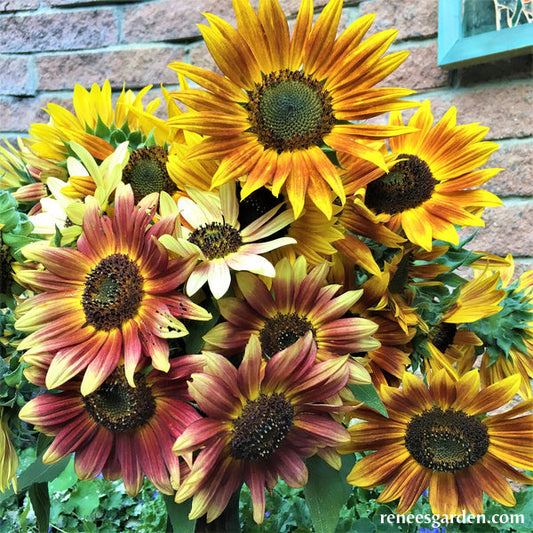
Pollinator & Songbird Sunflowers Paintbox Bouquet
ANNUAL
Summer/fall bloom
Frost tenderEASIEST TO PLANT OUTDOORS
Plant in full sun in good garden soil when weather is warm and settled, all danger of frost is past and both days and nights are evenly in the 50°F (10°C) range. Poke seeds into well-worked soil about 1/2 in. deep, 4 to 5 in. apart. Press soil firmly over seeds and keep moist until seedlings emerge in 8 to 10 days. Important: when seedlings are well-established, thin them to a final spacing of 1 foot apart so plants can grow sturdy stalks and big flowers. Extra seedlings can be transplanted easily.
TO START EARLY INDOORS
Several weeks before last frost date, sow seeds ½ inch deep in individual pots of well-drained seed starting mix. Keep moist and provide a strong light source until seedlings are well established and ready to plant outside. Transplant carefully, disturbing the roots as little as possible. Space seedlings 1 foot apart so plants will have room to grow and mature.
GROWING NOTES
Growing these colorful sunflowers for pollinators and bouquets is both easy and rewarding. Make several sowings several weeks apart to have a succession of flowers in full bloom. Keep soil moist and well weeded and protect very young seedlings from birds with netting or plastic berry baskets, removing before plants get crowded.
Regular price $4.89Sale price $4.89Unit price per -
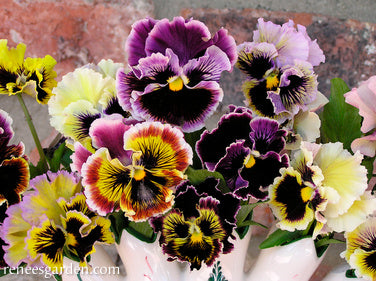
Heirloom Pansies Victorian Posy
PERENNIAL GROWN AS ANNUAL
Spring bloom
Can handle frostBEST TO START SEEDS EARLY
In Mild Winter Climates, start seeds in late summer to have plants large enough to successfully overwinter and bloom in early spring.
In Cold Winter Climates, start early indoors about 2 1/2 months before last spring frost. Sow seeds in a container of seed starting mix 1 inch apart and cover very lightly. Keep evenly moist and cool 55-60°(13-16°C), providing a strong light source. When seedlings are large enough to handle, transplant 2 inches apart into a deeper container(s) and grow to 2 to 3 inches tall. Gradually acclimate seedlings to outdoor conditions before transplanting 4 to 5 inches apart in a sunny spot.
THIN OR TRANSPLANT
Space seedlings 4 to 5 inches apart.
GROWING NOTES
Pansies will bloom longest and make largest flowers when weather is cool. In mild winter areas, late summer sowings will begin to bloom in very early spring or even late winter. Keep faded blossoms removed to prolong flowering.
Regular price $4.39Sale price $4.39Unit price per -
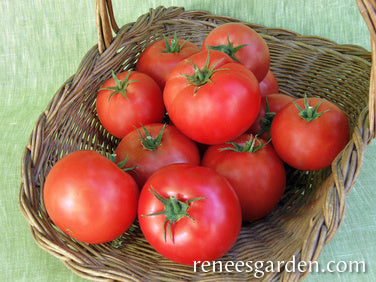
Beefsteak Tomato Big Beef
STARTING SEEDLINGS
In early spring, start indoors about 6 to 8 weeks before outdoor night temperatures are reliably in the 50-55°F (10-13°C). Sow seeds 1/4 inch deep and 1 inch apart in a container of seed starting mix. Keep moist but not soggy, and very warm, 80°F (27°C). Provide a strong light source until seedlings are ready to plant outside.
When seedlings are 2 inches tall, transplant into individual 4 inch pots. Maintain at 70°F (21°C). Feed with half-strength fertilizer every 2 weeks until ready to plant. When nights reach 55°F (13°C), gradually acclimate to outdoor conditions. Plant these vigorous indeterminate climbers 3 feet apart into rich soil in full sun.
GROWING NOTES
Prepare soil well with aged manure or compost. Plant several inches deeper than seedlings were growing in containers. Provide strong stakes or tall wire cages at planting time. Mulch to provide even moisture retention; don’t overwater once fruit begins to ripen.
HARVEST AND USE
For best flavor, pick these beauties fully red-ripe and don’t store them in the refrigerator. These big, juicy beefsteak tomatoes are memorable in sandwiches or simply slice and enjoy with a pinch of salt and drizzle of good olive oil.
Regular price $4.99Sale price $4.99Unit price per -
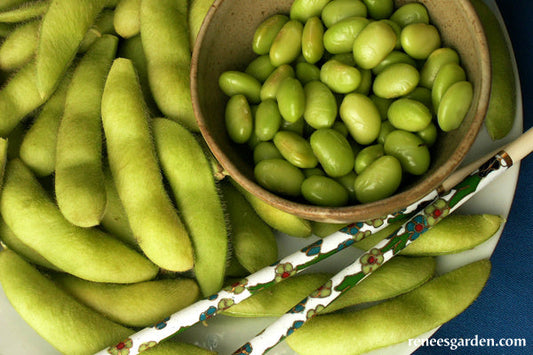
Fresh Soy Beans Edamame
START SEEDS OUTDOORS
In spring, once weather is warm and nights stay securely above 55°F (13°C), sow in well-worked, fertile soil in full sun. Plant seeds 1 inch deep and 3 inches apart in rows 2 feet apart. When seedlings are several inches tall, thin to final spacing of 6 inches apart. Make several sowings a few weeks apart until the end of June or early July to provide successive harvests.
GROWING NOTES
Edamame is easy and reliable to grow, but wait until weather warms before planting; cold and/or wet conditions prevent good germination. If first sowing comes up unevenly, replant right away; new seedlings catch up quickly. Be sure to thin to final 6 inch spacing for best pod production. Birds are often attracted to young seedlings, so watch carefully and protect with netting or floating row cover if necessary. Avoid cultivating plants when wet.
HARVEST AND USE
As edamame ripen, the beans swell in the pods. Pick promptly when pods are plump and beans are almost touching each other inside the pods but before the pods turn yellow. When ripe, harvest is concentrated over a short period. To prepare: cook unopened pods in a large pot of boiling salted water for 2 to 4 minutes or just until the beans in pods are tender. Drain and serve hot or cold, sprinkled with coarse salt to taste.
Regular price $4.99Sale price $4.99Unit price per -
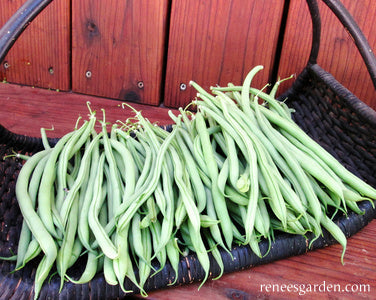
Pole Filet Beans Seychelles
START SEEDS OUTDOORS
In late spring, once night temperatures stay securely above 55°F (13°C), plant seeds in well-worked, fertile soil in full sun. Erect strong stakes, tripod poles or trellis at planting time to support vines. Plant 1 inch deep and 4 inches apart along a trellis. Or grow around tripods or stakes, planting 4 to 6 seeds about 4 inches from each pole, then thinning seedlings to 3 best plants per pole.
GROWING NOTES
Beans are an easy and reliable crop, but don’t plant seeds too early; cold conditions prevent good germination. If first sowing comes up unevenly, replant right away; new seedlings will catch up quickly. Birds are attracted to young seedlings; watch carefully and protect with netting if necessary. Avoid harvesting beans in wet conditions.
HARVEST AND USE
For the best yields, pick beans frequently, at least every 2 or 3 days. Filet beans are meant to be eaten when slender, so harvest pods early, when they are still pencil-thin. These elegant gourmet beans taste best freshly picked and quickly steamed or sautéed. For a delicious salad, quickly cook the beans until just tender crisp, then combine with salad greens and Italian parsley and toss with a simple herb vinaigrette.
Regular price $4.89Sale price $4.89Unit price per -
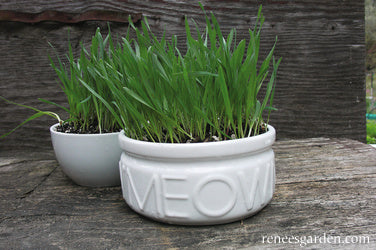
Container Cat Treats Gourmet Mixed Greens
ANNUAL CEREAL GRASSES
Oat, rye, wheat, barley
FOR BEST RESULTS
Fill a 6 inch diameter or larger, pot with moistened planting mix. Sprinkle seeds 1/4 inch apart over the surface, cover 1/2 inch deep with mix, and water gently. Keep pot moist but not soggy, and be sure to provide a good light source. The pot of grasses can be kept indoors for pets to graze on at their leisure. Fertilize every 2 weeks using a non-chemical fertilizer, such as fish emulsion.
GROWING NOTES
Our ample packet provides enough seed for 3 to 4 sowings. The grasses are ready for pets to nibble when the blades are at least a few inches tall, normally in about 10-14 days after sowing. If grasses get too tall and fall over, “mow” them down to 3-4 inches with a pair of scissors. For a constant supply, try sowing a pot every 2 weeks. Give your pet access to only one pot of grass at a time, and switch pots each week. When grass does not re-grow vigorously after cutting down and fertilizing, discard and start again with new seed and soil mix.
DINING IDEAS
Most cats will recognize the grass as a treat right away. To encourage finicky eaters, place the pot beside the kitty’s food and spritz it with water. This usually does the trick and cats who newly discover this treat delight in it!
Regular price $2.99Sale price $2.99Unit price per