Seed Packets Only
-
Japanese Baby Turnips Mikado
START SEEDS OUTDOORS
In early spring, as soon as ground can be worked, sow in well-worked, fertile soil in full sun. Sow this quick growing, cool season crop wherever you intend to plant heat lovers later. Space seeds 1 inch apart in wide rows 6 inches apart. Cover 1/2 inch deep. Keep soil evenly moist and well weeded.
GROWING NOTES
Thin seedlings early to stand 3 inches apart, giving them room to size up. Provide consistent moisture. Sow small amounts a week apart for successive harvests until summer heat comes on. Protect with floating row covers if marauding birds or flea beetles that chew holes in the leaves are a problem. Be sure to sow again in late summer for productive harvests in cool fall weather.
HARVEST AND USE
Harvest these sweet baby turnips from when they are as big as walnuts to when they are the size of ping-pong balls. If weather turns unexpectedly hot, pull and store the roots in the refrigerator. Turnips will be spicier in hot weather. Pearly white baby turnips are delicious sliced raw into green salads, or you can steam or sauté them briefly, or toss in oil and roast whole to bring out their natural sugars. Enjoy the tasty, nutritious green tops steamed or quickly braised.Regular price $4.69Sale price $4.69Unit price per -
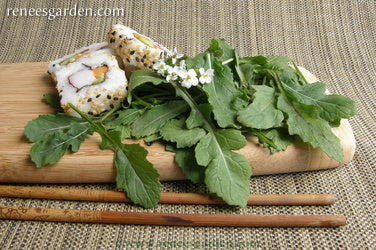
Gourmet Herbs Wasabi Arugula
ANNUAL
Spring/summer/fall harvest
Frost hardyEASIEST TO START OUTDOORS
Plant in spring (or late summer for a fall crop) directly into the garden in well-worked soil in full sun, or a spot that receives partial afternoon shade. Sow 1 inch apart and barely cover.
Keep the seed bed evenly moist until seedlings emerge in 10 to 12 days. Begin harvesting individual young leaves in 4 to 5 weeks. In hot summer areas, wait to sow again in late summer for fall use, as extreme heat makes leaves extra pungent.
GROWING NOTES
Harvest early by thinning seedlings to use in salads when they are several inches tall, leaving remaining seedlings to grow to maturity 4 to 5 inches apart. Pick individual leaves when they are 3 to 4 inches long, or snip each whole leafy rosette about 1 inch above the crown and let plants regrow for extended harvests. This long-lasting arugula stays leafy so you can use it all season. Pick the little edible flower stalks of dainty white blossoms off the plants to keep seed heads from forming as this diminishes leaf quality.Regular price $3.69Sale price $3.69Unit price per -
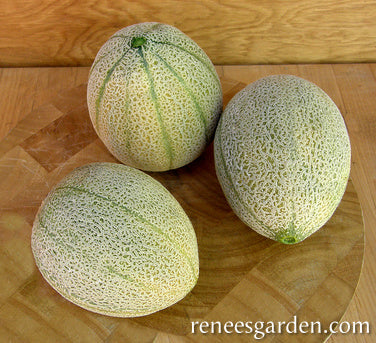
Heirloom Tuscan Melon Melone Retato Degli Ortolani
STARTING SEEDLINGS OUTDOORS
Melons need full sun, rich soil and warm temperatures. Plant only when weather is warm and settled and temperatures stay above 50° (10°C). In rows 4 feet apart, sow groups of 2 to 3 seeds every 2 feet. After germination, thin to the strongest seedling per group, so you end up with one plant every 2 feet. Or make slightly mounded hills, 2 feet in diameter and 5 feet apart, sowing 5 or 6 seeds in each hill. Thin to 3 strongest plants.
TO START EARLY INDOORS
Several weeks before last frost date, sow seeds in individual pots of seed starting mix. Keep warm and moist, and provide a strong light source until weather warms enough to transplant outdoors.
GROWING NOTES
Amend soil well with aged manure or compost. Where summers are short or cool, lay down black plastic to retain heat, and plant into holes made in plastic. Where insects are a problem, cover seedlings with floating row covers to exclude them, removing when plants blossom. Keep young vines well watered and fed, tapering off as fruits ripen up for best sweet flavor.
HARVEST AND USE
Pick melons when they are fully colored, heavy and fragrant and “slip” or pull easily from the vines. These deeply lobed melons with sweet aromatic flesh are delicious freshly picked and sliced, added to fruit salads or wrapped with prosciutto as a traditional Italian appetizer.
Regular price $4.89Sale price $4.89Unit price per -
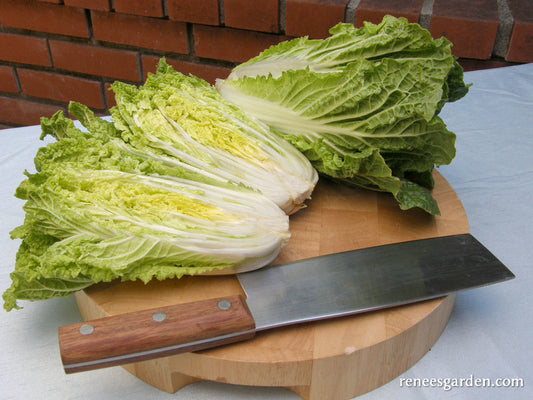
Baby Napa Cabbage Little Jade
TO START INDOORS
Start seeds 4 to 5 weeks before last spring frost. Sow 1 inch apart in seed starting mix, cover 1/4 inch deep and keep evenly moist. Provide a strong light source until seedlings are ready to plant out. When several inches tall, transplant seedlings 10 inches apart into rich soil in full sun, after gradually acclimating to outdoor conditions.
TO START DIRECTLY OUTDOORS
When all danger of frost is over, plant in well-worked, fertile soil in full sun. Sow clusters of 2 to 3 seeds 10 inches apart in rows spaced 1 foot apart. When seedlings are several inches tall, thin to 1 strong plant every 10 inches. In mild winter climates, sow seeds again at midsummer for a fall crop.
GROWING NOTES
Baby Napa cabbage needs full sun and rich, well-drained soil to produce firm, sweet heads. To avoid stunting growth, don’t let seedlings get crowded before thinning or transplanting. Keep weeded and evenly watered. Feed monthly with fish emulsion or an all-purpose fertilizer; strongly growing, healthy plants resist pests much more successfully. Use non-toxic B.T. (Bacillus thuringiensis) for caterpillar pests. Floating row covers provide a good barrier method to exclude pests. Remove covers when heads begin to form.
HARVEST AND USE
Cut the 8 to10 inch tall vase-shaped heads when they are very solid and well-formed and about 4 to 6 inches wide.
Regular price $4.39Sale price $4.39Unit price per -
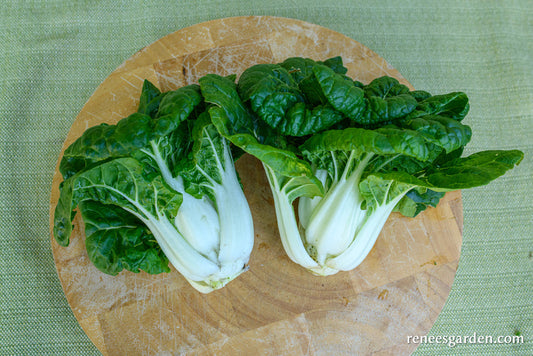
Mini Pak Choi Green Jewel
TO START OUTDOORS
In very early spring as soon as ground can be worked, prepare a well-drained, fertile garden bed in full sun. Sow seeds 2 inches apart in rows spaced 6 to 8 inches apart. Cover 1/4 inch deep and keep soil evenly moist to ensure good germination. Sow again in late summer for another fast growing crop.
TO START INDOORS
Sow seeds in a container of seed starting mix 2 inches apart and cover 1/4 inch deep. Keep moist and provide a strong light source until seedlings are about 3 inches tall and ready to plant in the garden.
THIN OR TRANSPLANT
Space seedlings 3-4 inches apart to give plants room to mature.
GROWING NOTES
Pak Choi thrives in rich soil and cool growing conditions. Be sure to thin seedlings and keep well weeded and watered for best tasting crunchy heads. Feed 2 or 3 times during the growing season with fish emulsion or another high nitrogen fertilizer.
HARVEST AND USE
Harvest these plump minis when heads are solid and well filled out. Cut in half and sauté briefly, until just tender, then finish with a little soy sauce and toasted sesame oil. Or enjoy their mild sweet crunch in any stirfry, but don’t overcook. Mini Pak Choi is succulent, crunchy- sweet and mild tasting, and chock full of vitamins.
Regular price $3.69Sale price $3.69Unit price per -
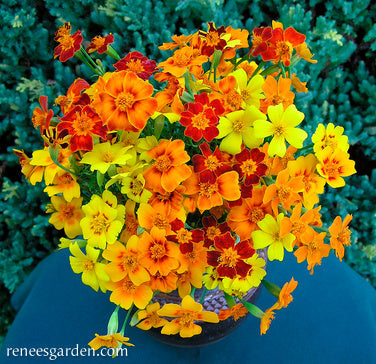
Petite Marigolds Heirloom Signet Starfire
ANNUAL
Summer/fall bloom
Frost tenderTO PLANT OUTDOORS
Sow seeds directly into well-worked garden soil in full sun once all danger of frost is past. Space seeds 2 to 3 inches apart and cover about 1/4 inch deep. Keep soil evenly moist while awaiting germination in 5 to 7 days.
TO START EARLY INDOORS
Sow seeds 1 inch apart in a container of well-drained seed starting mix 4 to 6 weeks before last expected frost date. Cover 1/4 inch deep, keep moist and provide a strong light source until ready to go outside. Transplant once weather warms up after gradually acclimating seedlings to outdoor conditions. Thin or transplant 8 to 10 inches apart when seedlings are large
GROWING NOTES
These compact and cheerful antique marigolds are quick to bloom, carefree and non-fussy. Their profusion of dainty blooms and feathery aromatic foliage are perfect for planters in sunny spots, or edging garden beds. Feed and water regularly especially if planting in containers. Consider a second sowing before midsummer for a long season of appealing old-fashioned flowers.
Regular price $2.99Sale price $2.99Unit price per -
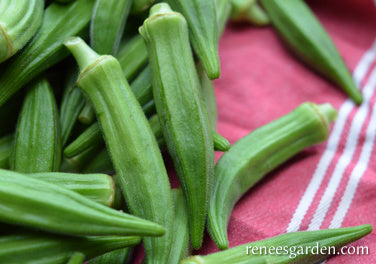
Garden Okra Jambalaya
TO START EARLY INDOORS
Start indoors 3-4 weeks before last frost date. Soak seeds overnight in tepid water to soften hard seed coats. Plant 1/2 inch deep in individual 3-4 inch pots of seed starting mix. Keep warm and provide a strong light source. Transplant 1 foot apart in rich garden soil in full sun only after temperatures reach 55-60° F (13-16° C) both day and night.
TO PLANT DIRECTLY OUTDOORS
When spring weather reaches 55-60° F (13-16° C) both day and night, plant in well-amended, rich garden soil in full sun. Sow seeds 1/2 inch deep and 6 inches apart. When seedlings are 3-4 inches tall, thin to one foot apart so plants have room to grow and mature.
GROWING NOTES
Okra seeds do not store well and germinate at about 50%, so start with fresh seeds each season. Plants need consistent hot weather, but once established, they really crank out pods! Provide consistent moisture; mulching is a good strategy. Feed plants monthly. Keep pods picked for most production.
Regular price $4.69Sale price $4.69Unit price per -
California Poppies Tropical Sunset
PERENNIAL/GROWN AS ANNUAL
Spring/Summer bloom
Can handle light frostBEST TO START DIRECTLY IN THE GARDEN
Sow seeds directly into a finely textured, well-drained garden bed in full sun as early in spring as the ground can be worked. Plant as early as possible in spring, as poppies can handle light frost and bloom best and longest when plants get a good start in cool weather. In mild winter climates, Poppies can also be sown in late fall to overwinter for spring bloom.
Except in very poor soil, these California poppies will grow and flower readily with no added fertilizer. Space seeds several inches apart, cover 1/4 inch deep, and firm soil gently. Keep soil moist as seedlings emerge. Weed young seedlings carefully. If seedlings come up very thickly, thin poppies early but delay final thinning until seedlings are well established in spring. Final spacing should be 6 inches apart as plants need room to grow and bloom.
GROWING NOTES
When mature, poppy plants can handle dry conditions, but they will always bloom longer if regularly watered. Poppies are pretty cut flowers if brought indoors just as buds begin to open. At season’s end, allow spent flowers to form pods and drop seed if you want poppies to self-sow for next years flowers.Regular price $3.39Sale price $3.39Unit price per -
Salad Scallions Delicious Duo
EASIEST TO START OUTDOORS
Plant scallions throughout the spring and again in mid to late summer for fall harvests. Sow seeds in well-worked, fertile soil in full sun. Space seeds 1 inch apart in rows 8 to 10 inches apart, or broadcast evenly for bed planting. Cover 1/2 inch deep and firm soil well over seeds. Be sure to keep soil evenly moist to ensure good germination.
THIN OR TRANSPLANT
Space 1 to 2 inches apart, allowing plants room to mature.
GROWING NOTES
Scallions take up little garden space, so tuck several rows around beds of lettuce, spinach or radishes. Make several plantings a month apart to have a constant supply for spring and summer meals. Prepare soil well with lots of aged manure or compost before planting. Keep evenly moist and weed carefully when plants are young. Mulching to conserve soil moisture and suppress weed growth is a good strategy.
HARVEST AND USE
To get the most out of your crop, start by using tender, mild-flavored early thinnings in salads, then continue thinning gradually so mature scallions stand an inch or two apart. These colorful scallions are best if harvested at 10 to 12 inches tall or before they send up bloom stalks, which makes the stems turn tough and too spicy.Regular price $3.99Sale price $3.99Unit price per -
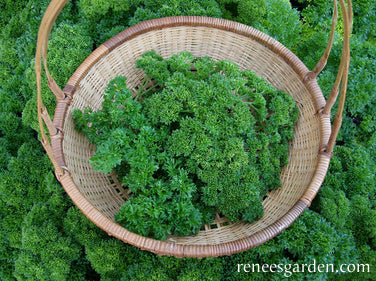
Heirloom Sweet Parsley Triple Curled
BIENNIAL, GROWN AS ANNUAL
Spring/summer/fall harvest
Frost hardyTO PLANT DIRECTLY IN THE GARDEN
In spring when weather is settled but still cool, sow seeds 1 to 2 inches apart into well-worked fertile soil in full sun and cover 1/4 inch deep. If climate is very hot, plant in a spot with morning sun and afternoon shade. Parsley germinates unevenly over several weeks; be patient and keep moist.
TO START EARLY INDOORS
Sow parsley seeds in early spring in a container of seed starting mix. Cover 1/4 inch deep, and keep container moist but not soggy until seedlings emerge. Provide a good light source. Feed seedlings frequently until ready to transplant when about 2 inches tall after acclimating to outdoor conditions.
THIN OR TRANSPLANT
Space 4 to 6 inches apart when seedlings have several sets of leaves. Feed monthly for best results.
GROWING NOTES
Parsley needs rich moist soil and ample spacing for lush harvests. Thin early and keep well weeded and watered. Begin to harvest sparingly once plants have 8 to 10 leaves. Fertilize monthly with a high nitrogen source for best leafy growth.Regular price $4.89Sale price $4.89Unit price per -
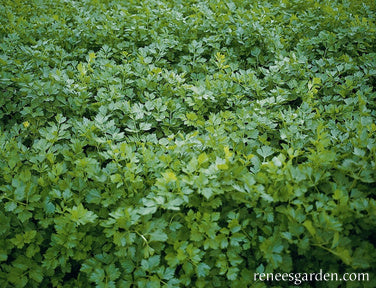
Heirloom Herbs Amsterdam Seasoning Celery
BIENNIAL, GROWN AS ANNUAL
Spring/summer/fall harvest
Frost HardyTO PLANT DIRECTLY OUTDOORS
Start leaf celery in spring, when weather is settled, but still cool. In mild winter climates, seed can also be started in fall. Plant in full sun or, in hot areas, where plants will get afternoon shade. Sow seeds 1 to 2 inches apart into well worked, fertile soil. Cover 1/4 inch deep. Be patient and be careful to keep seedbed evenly moist while awaiting germination which can be uneven. Thin groups of 3 to 4 seedlings 8 inches apart when several inches tall.
TO START EARLY INDOORS
Start in early spring 6 weeks before night temperatures will warm up to 50°F (10°C). Sow seeds 1 to 2 inches apart in a container of seed starting mix. Barely cover. Keep evenly moist but not soggy until germination takes place over 3 weeks.Provide a strong light source as soon as seedlings emerge. Plant out groups of 3 to 4 seedlings when 2 to 3 inches tall, spacing groups 8 inches apart.
GROWING NOTES
Water regularly and fertilize monthly with a high nitrogen source. Seasoning celery forms sprays of attractive leaves rather than thick stalks. Harvest sprays of leaves as needed once plant is well established. Hang leafy bunches upside down in a cool, well ventilated place to easily air dry for future use.Regular price $3.69Sale price $3.69Unit price per -
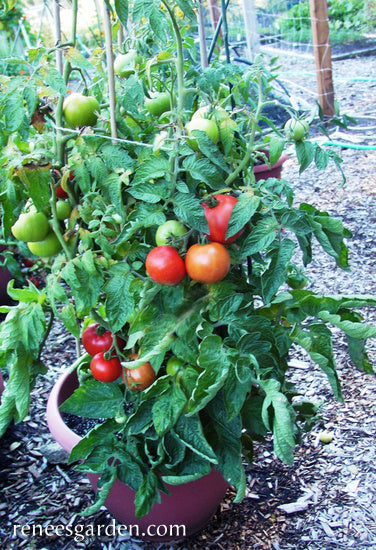
Container Tomato Super Bush
STARTING SEEDLINGS
In early spring, start indoors about 6 to 8 weeks before outdoor night temperatures are reliably in the 50-55°F (10-13°C). Sow seeds 1/4 inch deep and 1 inch apart in a container of seed starting mix. Keep moist but not soggy, and very warm, 80°F (27°C). Provide a strong light source until seedlings are ready to plant outside. When seedlings are 2 inches tall, transplant into individual 4 inch pots. Maintain at 70°F (21°C). Feed with half-strength fertilizer every 2 weeks until ready to plant. When nights reach 55°F (13°C), gradually acclimate to outdoor conditions. Plant these vigorous, early bearing vines 3 feet apart into rich soil in full sun.
Grown In Containers: Transplant one seedling per pot with a minimum size of 18 to 20 inch diameter and 18 inches high. Use fresh potting mix to prevent soil borne disease. Water regularly: in hot weather, pots may need water daily. Fertilize every other week with a low nitrogen fertilizer for strong plants and good yields.
GROWING NOTES
Tomatoes need full sun at least 6 hours every day. Provide strong stakes or wire cages at planting time as plants get heavy with fruit. Mulch plants well to maintain even moisture. Pick fully ripe. Don’t store tomatoes in the fridge.
Regular price $4.99Sale price $4.99Unit price per -
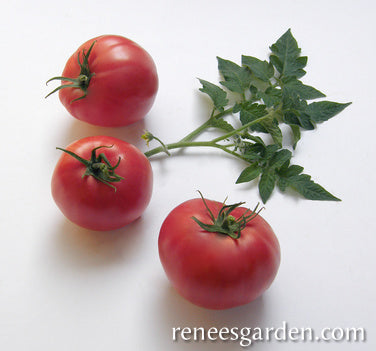
Heirloom Tomato Brandywine
STARTING SEEDLINGS
Start indoors about 6 to 8 weeks before outdoor night temperatures 50-55°F (10-13°C). Sow seeds 1/4 inch deep and 1 inch apart in a container of seed starting mix. Keep moist but not soggy, and very warm 80°F (24°C). Provide a strong light source until seedlings are ready to plant outside.
When seedlings are 2 inches tall, transplant into individual 4 inch pots, burying stems up to base of leaves. Maintain at 70°F (21°C). Feed with half-strength fertilizer every 2 weeks until nights reach 55°F (13°C), then gradually acclimate seedlings to outdoor conditions. Transplant these vigorous indeterminate climbers 3 feet apart into rich soil in full sun.
GROWING NOTES
Prepare soil well with aged manure or compost. Plant several inches deeper than seedlings were growing in containers. Provide strong stakes or tall wire cages at planting time. Mulch to provide even moisture retention; don't overwater once fruit begins to ripen.
HARVEST AND USE
For best flavor, pick fully ripe and don’t store in the refrigerator. These richly colored, juicy-sweet tomatoes are hard to resist straight out of the garden. Cut into thick slices and serve drizzled with olive oil and sprinkled with fresh chopped basil or dill for an irresistible summer treat.Regular price $4.89Sale price $4.89Unit price per -
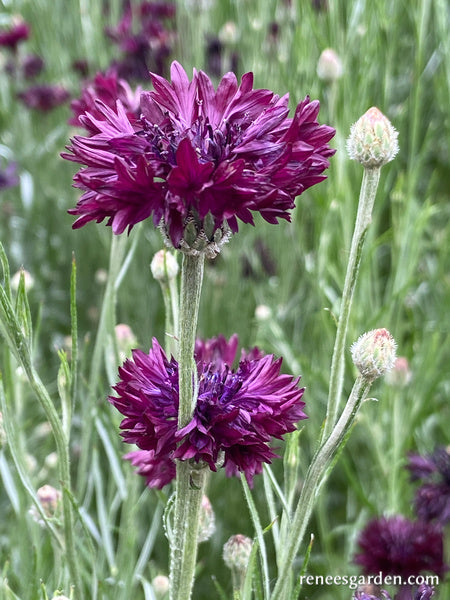
Heirloom Cornflowers Velvet Dawn
HARDY ANNUAL
Spring/summer bloom
Can handle light frostTO START OUTDOORS
Sow seeds in a finely textured garden bed in full sun as soon as soil can be worked. In mild winter areas, where the ground doesn’t freeze, plant in fall for next spring’s bloom. Space seeds 1 to 2 inches apart and cover ½ inch deep. Keep seed bed moist until seedlings emerge in 7 to 10 days. Weed and water carefully. Thin seedlings to 6 to 8 inches apart.
TO START EARLY INDOORS
Sow seeds 1 to 2 inches apart in a container of seed starting mix, 2 or 3 weeks before last expected frost. Cover 1/2 inch deep, keep moist and provide a good light source until seedlings are transplanted outside. Plant 6 to 8 inches apart into fertile garden soil in full sun when plants are 3 to 4 inches tall. Seedlings grow quickly; plant out before the roots get crowded.
GROWING NOTES
In mild winter areas the best Cornflowers (aka Bachelor Buttons) result from seeds sown in fall to bloom the next spring. In cold winter areas where ground freezes, plant in early spring to get sturdy plants that will flower for many weeks if faded blossoms are removed.
Regular price $3.39Sale price $3.39Unit price per -
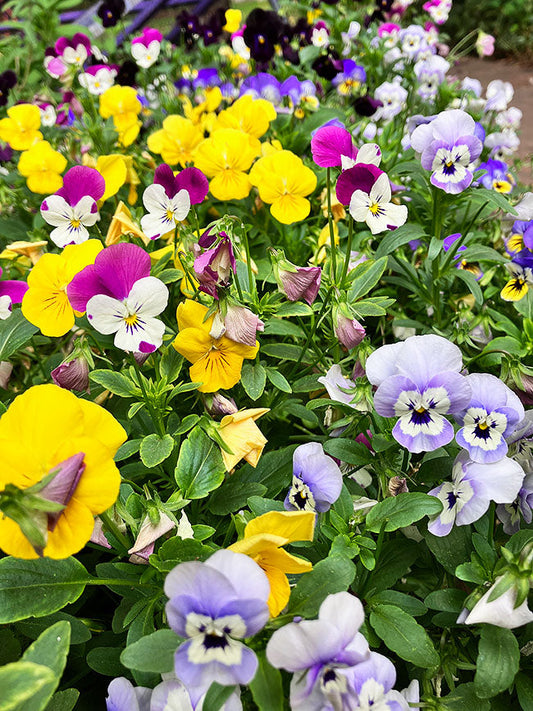
Petite Violas Fairyland
PERENNIAL GROWN AS ANNUAL
Spring bloom
Can handle frostBEST TO PLANT DIRECTLY IN THE GARDEN
In Mild Winter Climates, sow seeds in fall and they will form deep roots over winter for a long spring bloom.
In Cold Winter Areas, sow in spring as soon as soil can be worked.
Violas can handle light frosts and bloom best when they get a good start in cool spring weather. Sow seeds 1 inch apart in well-drained soil in full sun. Cover 1/4 inch deep, firm soil and keep seed bed moist. Be patient; germination takes 14 to 21 days. When large enough to handle, thin or transplant seedlings to 4 to 5 inches apart.
To Start Early Indoors: Sow seeds 1 inch apart in seed starting mix, 8 to 10 weeks before last frost. Cover 1/4 inch deep, keep moist and provide a good light source until ready to plant outside when weather warms up. Transplant 4 to 5 inches apart when large enough to handle.
GROWING NOTES
These carefree plants are covered with cheerful flowers throughout spring and early summer. After initial flowering, cut plants back to several inches tall for another flush of bloom if the weather is not too hot. The dainty edible blossoms taste of wintergreen. They make great garnishes and are also perfect for candying.Regular price $4.69Sale price $4.69Unit price perNew -
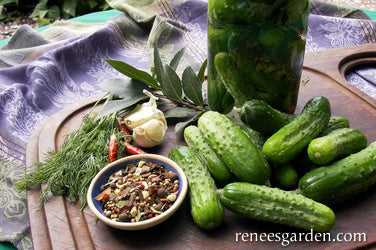
Pickling Cucumber Bohemia
START SEEDS OUTDOORS
Plant heat loving cucumbers only when weather is warm and settled and night temperatures stay above 50°F (10°C). Amend soil well with aged manure or compost. Sow groups of 2 to 3 seeds 1 1/2 feet apart and 1 inch deep with 3 feet between rows.
Thin to 1 seedling per group. Or make slightly mounded hills 5 feet apart, sowing 5 or 6 seeds in each hill. Thin to the 3 strongest plants.
GROWING NOTES
Protect seedlings from marauding birds with plastic berry baskets, removing before plants get crowded. Shallow rooted cucumbers need ample and consistent moisture. Avoid overly wet or dry periods for good quality fruit. Growing cucumber vines up vertical supports gives you long straight fruits, saves garden space and makes them easy to harvest.
HARVEST AND USE
Cut rather than pull fruits from vines when 3 to 4 inches long. Harvest often: every few days for longest fruit production and so cucumbers don’t get too big on the vine. Try to put up pickles very soon after harvesting for best results. Enjoy some Endeavor cucumbers fresh picked from the garden, sliced up with tomatoes and chopped dill or chives with olive oil and a pinch of salt.
Regular price $3.69Sale price $3.69Unit price per -
Shirley Poppies Legion of Honor
ANNUAL
Spring/summer bloom
Frost hardyBEST TO START DIRECTLY IN THE GARDEN
Sow seeds directly into a finely textured garden bed in full sun as early in spring as ground can be worked. To help space the fine seeds, mix with dry sand before sowing. Cover very lightly with fine soil and keep seed bed moist as seedlings emerge over 7 to 14 days.
THIN OR TRANSPLANT
Poppies do not transplant well so we advise sowing the seeds directly in the garden. Be sure to thin crowded seedlings early; final plant spacing should be 4 to 6 inches apart so plants have room to fully mature and bloom.
GROWING NOTES
Plant as early as possible in spring, as poppies can handle frost and bloom best and longest when plants get a good start in cool weather. In mild winter climates, sow seed in late fall to overwinter for spring bloom. Weed and water young seedlings carefully. Mature plants can handle dry conditions but appreciate regular water in hot locations.
Regular price $2.99Sale price $2.99Unit price per -
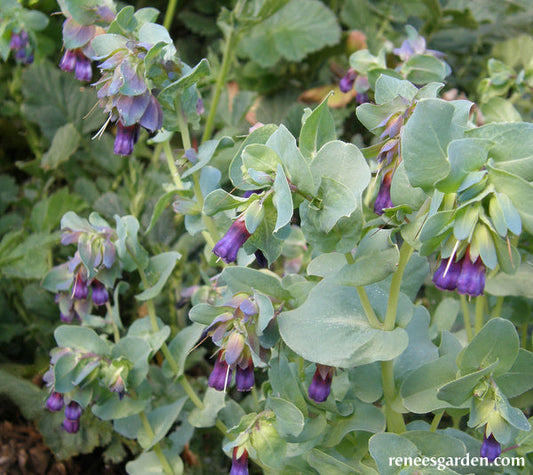
Hummingbird Cerinthe Pride of Gibraltar
HARDY ANNUAL
Summer/fall bloom
TO START OUTDOORS
In spring, once all danger of frost is past, sow seed directly where plants are to grow in ordinary well-drained soil in full sun. In mild climates, Cerinthe can also be sown in fall for spring blooms. Poke the large seeds into the soil about 3⁄4 inch deep and 4 to 6 inches apart and firm soil gently over them.
TO START EARLY INDOORS
Start seeds indoors in 4 inch pots about 4 to 6 weeks before last frost date. Keep moist, but not soggy and provide a strong light source. Once seedlings are 4 to 6 inches tall, acclimate to outdoor conditions and transplant into a sunny spot, in well-drained garden soil. Thin or transplant seedlings 8 to 12 inches apart. Avoid disturbing seedling roots.
GROWING NOTES
Cerinthe prefers full sun, but can take dappled shade, although plants will be more rangy in habit. Be patient; plants are undistinguished until they come into bloom. By late spring, the dramatic blue bracts will turn more purple at the tips, then the clusters of purple bells trimmed with a white edge unfurl. Grow near pastel cleome or cosmos for an exciting color contrast.
Regular price $4.69Sale price $4.69Unit price per -
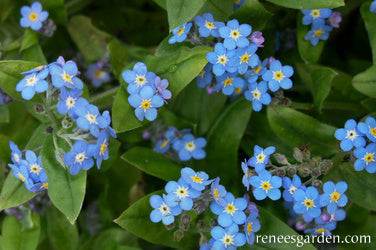
Forget-Me-Nots Azure Bluebirds
HARDY ANNUAL
Spring/summer bloom
Can handle frostEASIEST TO PLANT DIRECTLY IN THE GARDEN
Sow seeds directly into a finely textured, well-drained garden bed as early in spring as the ground can be worked, or in mid-summer where winters have only light frosts. Space seeds 2 to 3 inches apart and cover 1/4 inch deep. Keep soil moist as seedlings emerge in 7 to 14 days. Weed young seedlings carefully and thin before they get too crowded for best displays of flowers.
THIN OR TRANSPLANT
Extra thinned seedlings can easily be transplanted elsewhere in groups of 5-7 plants.
GROWING NOTES
In mild winter climates plants sown in midsummer (late July to mid August) develop throughout late summer and early autumn to flower abundantly the following spring.
In cold winter areas very early spring planting is fine. Forget-Me-Nots will naturalize easily. Pull out plants when bloom is finished and shake seed out if you want them to naturalize on their own.
Regular price $2.99Sale price $2.99Unit price per -
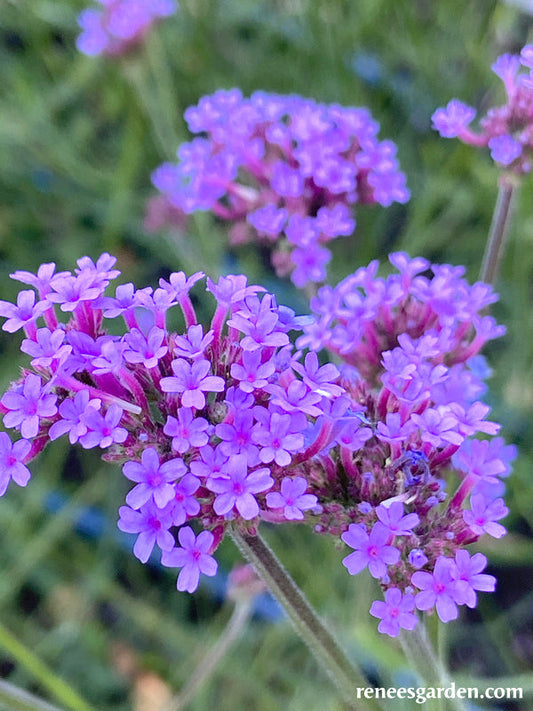
Pollinator Wildflowers Vanity Verbena
TENDER PERENNIAL GROWN AS ANNUAL
Summer/fall bloom
Frost tenderTO START EARLY INDOORS
Start seeds indoors 4 to 6 weeks before last frost date. Sow seeds 1 inch apart in a container of seed starting mix and cover very lightly. Keep moist but not soggy and provide a strong light source. Vanity germinates best in cool temps between 68-70°F (20°-21°C). Be patient; seeds germinate slowly over 14-28 days. When seedlings are about 2 to 3 inches tall, and night temperatures are above 50°F (10°C), acclimate to outdoor conditions and plant 12-15 inches apart.
TO START DIRECTLY OUTDOORS
Sow in well-worked beds after night temperatures reach 50°F (10°C). Plant seeds 4 inches apart and cover very lightly. Keep soil evenly moist. Thin the sturdiest seedlings 12-15 inches apart, giving plants room to mature.
GROWING NOTES
Branching, compact Vanity grows 2 1/2 feet tall and wide with vivid flower clusters that bloom hard all summer. Pollinators of every kind love visiting these nectar-rich flowers. Vanity is also long-lasting and decorative in bouquets.
Regular price $4.99Sale price $4.99Unit price perNew -
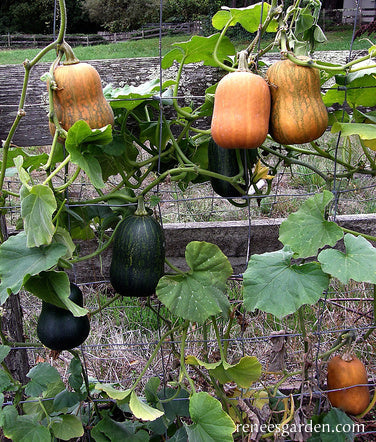
Baby Butternut Squash Climbing Honey Nut
BEST TO START OUTDOORS
Honey Nuts need full sun, rich fertile soil and warm temperatures. Wait to plant until nights are comfortably above 50°F (10°C) both day and night. Sow groups of 2 to 3 seeds 2 ft. apart and 1 in. deep in rows 4 ft. apart. Thin to 1 strong seedling per group to give vines room to ramble or climb. Or make slightly mounded hills 2 to 3 ft. across and 6 ft. apart and plant 4 to 5 seeds in each hill. When seedlings have several sets of leaves, thin to the strongest 3 seedlings per hill.
GROWING NOTES
Protect young seedlings from marauding birds by covering with plastic berry baskets at sowing time, removing before plants get crowded. To save space, and make picking easy, Honey Nut vines can easily be trained up fences, trellises or 4-6 foot tall teepees.
HARVEST AND USE
These delicious little squashes need to mature properly, so don’t harvest until vines have died back and squashes’ exterior rinds are fully colored up from dark green to orangey-tan and tough enough to resist piercing with a fingernail. Then cut squashes from vines, leaving a good stem handle. Let squashes cure in the sun for about 10 days, then store in a cool dry place and they’ll keep for months. In the kitchen, cut Honey Nuts in half then bake until tender. Flesh is meltingly sweet and delicious.Regular price $4.89Sale price $4.89Unit price per -
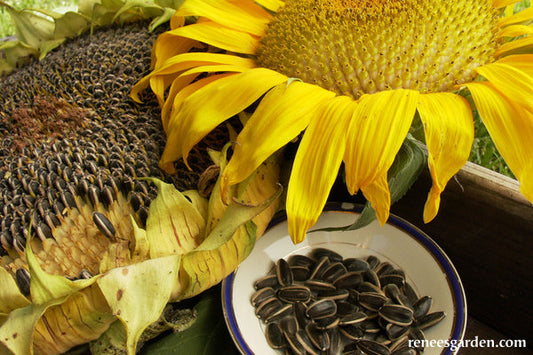
Edible Sunflowers Snack Seed
EASIEST TO START DIRECTLY IN THE GARDEN
Plant in full sun when weather is above 50°F (10°C) both day and night and all danger of frost is past. Poke seeds into well worked, fertile soil 1 inch deep and 4 inches apart. Press soil over seeds and keep moist as seedlings emerge. When seedlings are 3 inches tall, thin them 12 to 18 inches apart with 3 feet between rows so plants have room to mature.
TO START EARLY INDOORS
Several weeks before last frost date, sow seeds 1 inch deep in individual pots of well-drained seed starting mix. Keep moist and provide a strong light source until seedlings are ready to plant outside. Transplant seedlings carefully 12 to 18 inches apart with 3 feet between rows.
GROWING & HARVEST
Cover seeds at planting time with netting or green plastic berry baskets to keep birds from plucking seeds and seedlings from the ground (remove before plants get crowded). Towards midsummer, after sunflowers grow tall and bloom, the flower heads’ outer petals will shrivel and seeds begin to form. Wait until center florets have dried up, indicating pollination is complete, before covering the ripening heads with paper grocery bags to keep birds from picking out the immature seeds. When seeds are dry, plump and fully formed, harvest heads and rub seeds out with thumbs. Store in a cool, dry place in a sealed container to keep out insects.Regular price $4.69Sale price $4.69Unit price per -
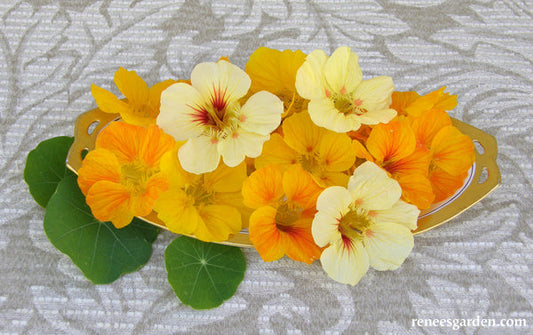
Mounding Nasturtiums Cup of Sun
ANNUAL
Spring/Summer/Fall bloom
Frost tenderEASY TO START OUTDOORS
Sow seeds in spring once all danger of frost is over in full sun (or part shade in hot climates). Nasturtiums need no added fertilizer in most soils. Poke seeds into well-worked soil about 1 inch deep and 3 to 4 inches apart. Press soil firmly over the seeds and keep moist. When seedlings are large enough to handle, thin to 10 inches apart as mounding plants need ample room to grow.
TO START EARLY INDOORS
Sow 2 seeds each in individual 4-inch pots of well-drained seed starting mix 3 weeks before last expected frost date. Cover 1 inch deep. Provide a strong light source. When seedlings have several sets of leaves, pinch out the weaker seedling, leaving 1 per pot. When weather is evenly in the 50°F (10°C) range, gradually acclimate to outdoor conditions. Transplant seedlings into the garden 10 inches apart in full sun.
GROWING NOTES
These mounding nasturtiums are reliable and easy to tuck into any well-drained spot. They are a perfect disguise to cover fading bulb foliage in late spring. Their softly draping leaves and sunny flowers will quickly fill garden beds or containers. In mild winter climates, sow seeds again by mid-June for late summer blooms. Leaves and flowers are tasty additions to salads and sandwiches.
Regular price $3.99Sale price $3.99Unit price per -
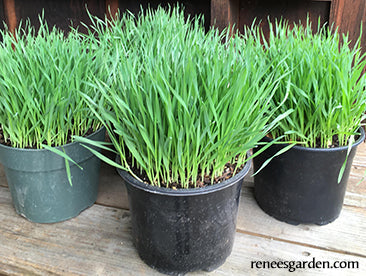
Bonus Pack Wheatgrass For Juicing
GROW IN POTS INDOORS OR OUT
Wheatgrass can be grown indoors year round; it prefers temperatures between 65-75° F (18 to 24° C) or or grow outdoors in pots after spring weather is warm, and nights are over 50° F (10° C). This generous packet provides more than enough seed for 6 separate sowings in 6 inch pots. Disinfect pots before use by soaking in a solution of 1 part bleach and 9 parts water for 30 minutes and air dry.
GROWING AND HARVESTING
Fill a 6 inch in diameter or larger pot (that has a drainage hole) with moistened organic planting mix. Sprinkle seeds evenly over the surface about 1/4 inch apart. Cover 1/2 inch deep with planting mix. Water gently but thoroughly. Check often; keep moist but not soggy. Keep pot in bright light or full sun. Harvest by cutting with scissors when wheatgrass is 4 to 6 inches tall, about 10 to 14 days after sowing. Wheatgrass grows back for a second harvest, but the second harvest will be weaker.
For a constant supply, sow more seeds in a new pot weekly, always using fresh soil mix. Harvest and use pots of grass in succession. After the second harvest in each pot, discard and start again with more seeds and fresh soil mix. (Each sowing uses up the available nutrients in soil mix so discard and use fresh mix) A 6 inch pot of wheatgrass will yield about 5 to 6 ounces of fresh juice.
HOW TO USE
Wheatgrass must be consumed as juice. If you want to juice regularly, we recommend buying a specialized wheatgrass juicer, which makes juicing easy and produces a superior product. A lesser, but passable alternative is to put a handful of cut wheatgrass in a blender with a cup of water, blend until liquefied and carefully strain out pulp from the juice. Drink immediately or keep refrigerated and drink soon: juice loses quality and nutrient value quickly. Drink 1 ounce of wheatgrass juice per day for general health.
Regular price $6.99Sale price $6.99Unit price per