Seed Packets Only
-
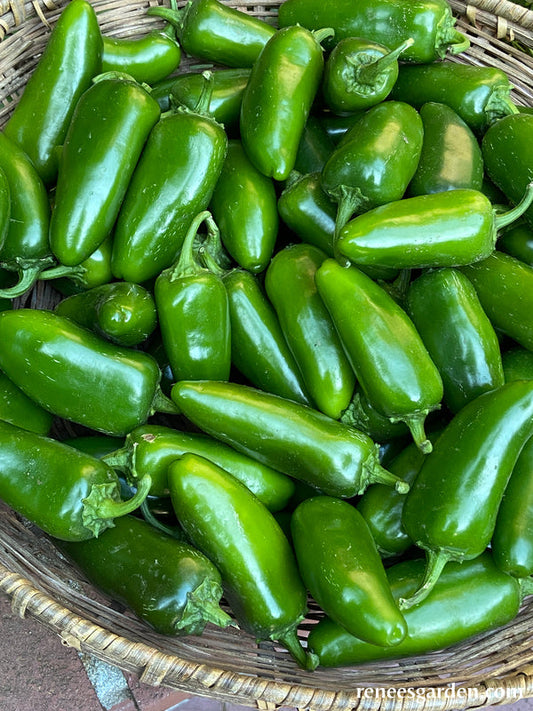
Early Jalapeño Chile Bubba
STARTING SEEDLINGS
In early spring, start indoors about 2 months before night temperatures stay reliably 50-55°F (10-13°C). Sow seeds 1/4 inch deep and 1 inch apart in a container of seed starting mix. Keep moist but not soggy, and very warm 80-85°F (27-30°C). Provide a strong light source until seedlings are ready to plant outside.
When seedlings are 2 inches tall, transplant into deeper individual containers. Maintain at 70-75°F (21-24°C). Feed with half-strength fertilizer every week until weather is warm enough to gradually acclimate seedlings to outdoor conditions. Transplant 2 feet apart into rich soil in full sun.
GROWING NOTES
Jalapeños need warm conditions. Don’t transplant outdoors until night temperatures stay securely above 55°F (13°C). Prepare soil well with aged manure or compost. Plant only robust seedlings with well-developed roots. Mulch plants to maintain even soil moisture. Keep well weeded, watered and fertilized.
HARVEST AND USE
To harvest, cut rather than pull fruits from the plants when deep glossy green or fully colored to red. Enjoy Jalapeños fresh or roast and remove skins. Use freely in all kinds of fresh salsas, sauces, fajitas and marinades. Jalapeños are great pickled or stuffed with cheese for chile “poppers.”Regular price $4.99Sale price $4.99Unit price perNew -
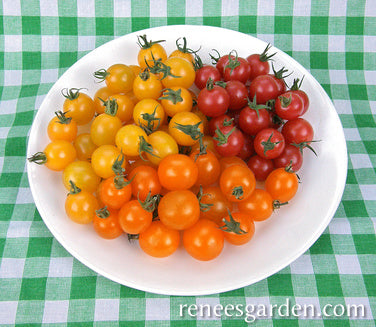
Tricolor Cherry Tomatoes Garden Candy
STARTING SEEDLINGS
In early spring, start indoors about 2 months before outdoor night temperatures are reliably in the 50°F (10°C) range. Sow seeds 1/4 inch deep and 1 inch apart in a container of seed starting mix. Keep moist but not soggy, and very warm 75°F (24°C). Provide a strong light source until seedlings are ready to plant outside. When seedlings are 2 inches tall, transplant into deeper individual containers, burying stems up to base of leaves. Maintain at 70° (21°C). Feed with halfstrength liquid fertilizer every 2 weeks until weather is warm enough to gradually acclimate seedlings to outdoor conditions. Transplant the vigorous climbers 3 feet apart into rich soil in full sun once nights stay securely above 55° (13°C).
GROWING NOTES
Prepare soil well with aged manure or compost. Plant tomatoes several inches deeper than they were growing in containers. Provide strong stakes or tall wire cages at planting time. Mulch to provide the even moisture tomato plants need to prevent cracking. For best flavor, don’t over water once fruit begins to ripen.
HARVEST AND USE
Harvest often and enjoy as colorful sweet garden candy snacks or to adorn summer salads. Quickly sauté all 3 colors with fresh basil or dill. For tasty treats, cut in half and dry for use in cooking or as winter snacks.Regular price $4.99Sale price $4.99Unit price per -
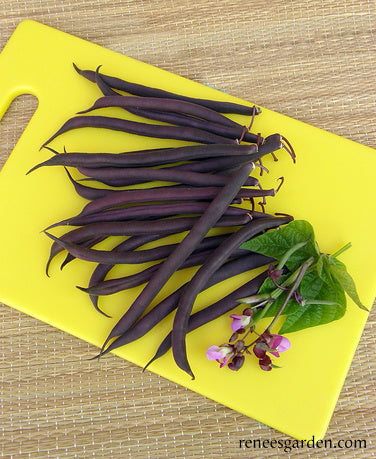
Heirloom Bush Bean Royalty Purple Pod
START SEEDS OUTDOORS
In spring, once weather is warm and settled and nights stay securely above 55°F (13°C), plant seeds in well-worked, fertile soil in full sun. Poke seeds in 1 inch deep and 4 inches apart in rows 1 1/2 to 2 feet apart. Make additional sowings several weeks apart until the end of June to provide long continued harvests.
GROWING NOTES
Tender crispy garden beans are an easy and reliable crop to grow, but don't plant seeds too early as cold conditions prevent good germination. If first sowing comes up unevenly, replant right away; new seedlings will catch up quickly. Birds are often attracted to young bean seedlings, so watch carefully and protect with netting or floating row covers if necessary. Avoid cultivating plants or picking pods when plants are wet.
HARVEST AND USE
These vigorous plants produce strong harvests. The more you pick, the more the plants will produce, and the nitrogen fixing bacteria on the roots of bean plants actually improves your soil. Sow another crop about three weeks after your first planting and you’ll have a welcome second harvest in late summer. Tasty Royalty Purple Pod bean pods will turn green after a few minutes of cooking.
Regular price $4.89Sale price $4.89Unit price per -
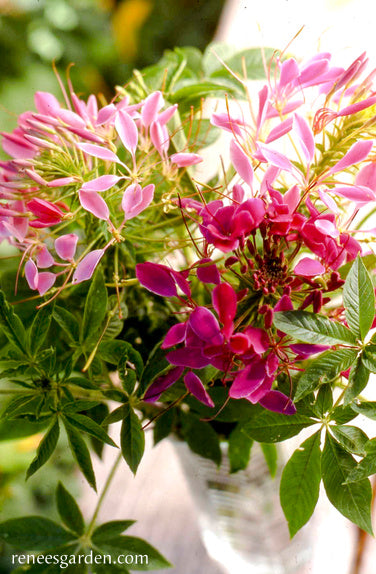
Hummingbird's Choice Color Fountains Cleome
ANNUAL
Summer/fall bloom
Frost tenderTO START OUTDOORS
In spring when all danger of frost is past and weather is warm and settled, sow seeds in a well-worked, fertile seed bed in full sun. Space seeds 2 to 3 inches apart in rows 12 inches apart, cover about 1/8 inch deep and firm soil gently. Keep soil evenly moist while awaiting germination in 12 to 28 days.
TO START EARLY INDOORS
Four to five weeks before last frost date, sow seeds 1/8 inch deep and 2 to 3 inches apart in a container of seed starting mix. Keep warm and moist and provide a strong light source until seedlings are ready to plant outdoors. Seeds germinate best when day and night temperatures vary 10 to 20°. Thin or transplant seedlings 12 to 14 inches apart to give the large plants room to mature.
GROWING NOTES
Tall old-fashioned Cleome is perfect to plant at the back of the border or in a cut flower garden combined with phlox, asters, snapdragons, cosmos or zinnias. Keep young plants well watered and weeded, and they will mature to handle dry heat or humid weather well and bloom all summer long.
Regular price $2.99Sale price $2.99Unit price per -
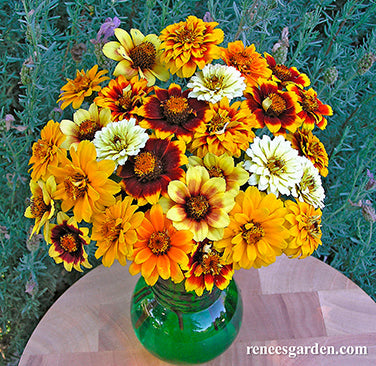
Heirloom Butterfly Zinnias Persian Carpet
ANNUAL
Summer/fall bloom
Frost tenderTO START DIRECTLY IN THE GARDEN
Sow seeds in well-worked soil in full sun when danger of frost is past and temperatures are above 50°F (10°C) both day and night. Space seeds 2 to 3 inches apart in rows 12 inches apart, cover about 1/2 inch deep and gently firm soil. Keep evenly moist while awaiting germination.
TO START EARLY INDOORS
Four weeks before last frost date, sow seeds 1/2 inch deep and 3 inches apart in containers of seed starting mix. Keep warm and moist and provide a strong light source. Feed with 1/2 strength fertilizer every 2 weeks. Just as soon as seedlings have several sets of true leaves, plant outdoors when temperatures stay above 50°F (10°C) at night.
THIN OR TRANSPLANT
Space seedlings 8 to 10 inches apart when large enough to handle to provide good air circulation and give plants room to mature.
GROWING NOTES
Zinnias grow readily in ordinary garden soil in full sun. Be sure to thin before seedlings get crowded; adequate spacing and regular even watering help keep zinnias productive and disease free. Grow colorful Persian Carpet in beds or borders, or combine with white alyssum, dwarf marigolds, petunias and salvia for season-long bloom in terracotta pots and color bowls.Regular price $2.99Sale price $2.99Unit price per -
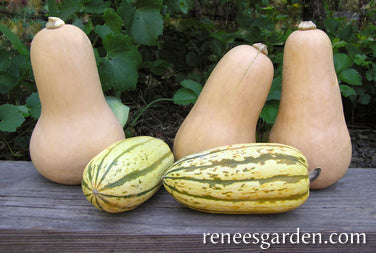
Winter Squash Duo Early Butternut & Delicata
BEST TO START OUTDOORS
Squash needs full sun, rich, fertile soil and warm temperatures. Plant only when weather is warm and settled and night temperatures stay above 50°F (10°C) both day and night. Make slightly mounded growing hills 2 to 3 feet apart. Plant varieties separately, 1 inch deep, 8 inches apart, 4 seeds per hill. Thin seedlings to leave the 2 strongest plants per hill so vines will have room to grow and mature.
GROWING NOTES
Protect young seedlings from marauding birds by covering with plastic berry baskets at sowing time, removing before plants get crowded.
HARVEST AND USE
Winter squash needs the full growing season to mature properly so it will keep for winter eating. When rinds are tough enough to resist a fingernail, cut fruits from vines with a good stem. Let them cure for 1 week in the sun, then store in a cool dry place. Enjoy Delicata first as they don’t store as long as Early Butternut, which stay in excellent eating condition for several months. Simply cut in half and bake or skin and sauté the sweet flesh to serve with a little butter and a sprinkling of salt or add a pinch of sage or thyme for an herbal accent.
Regular price $4.39Sale price $4.39Unit price per -
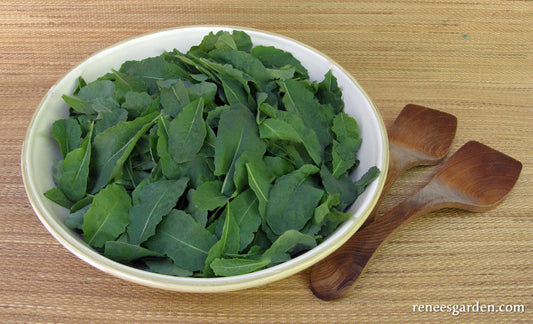
Heirloom Italian Kale Tuscan Baby Leaf
BEST TO START DIRECTLY OUTDOORS
Beginning in early spring, sow seeds in finely worked soil in full sun. Shake seeds loosely from your hand, broadcasting about 1 inch apart over the entire seedbed or in wide rows, and cover lightly and evenly with 1/4 inch of fine soil. Firm soil gently and water in with a fine spray, then keep seedbed evenly moist. Make successive sowings every 3 weeks until summer weather turns really hot for a constant supply. Plant again in late summer for fall harvesting.
GROWING NOTES
For best flavor, kale needs consistent moisture and mild weather conditions. Birds love tender young kale seedlings, so protect them as necessary with netting or floating row covers. This attractive edible will also grow well in pots at least 18 to 20 inches across to snip as needed for salads or stir-fry.
HARVEST AND USE
To harvest by the “cut and come again” method: when plants are 4 to 5 inches tall, cut as much as you need, by using scissors to shear off leaves 1 to 2 inches above the soil level. Water well and fertilize lightly and plants will regrow for several more cuttings. These tasty and highly nutritious leaves are delicious used as fresh salads, especially with a handful of chopped nuts and fruit like apples or pears. Or stir-fry very quickly for healthy quick greens.
Regular price $4.39Sale price $4.39Unit price per -
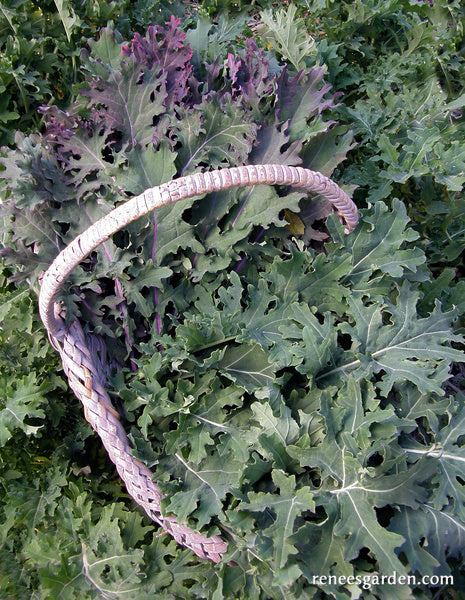
Heirloom Russian Kale Wild Garden Frills
TO START DIRECTLY IN THE GARDEN
As soon as ground can be worked in spring, prepare a well-drained, fertile garden bed in full sun. Sow seeds 2 inches apart in rows 12 to 18 inches apart. Cover 1/2 inch deep and keep soil evenly moist to ensure good germination. Sow again in late summer for another cold-hardy crop.
TO START INDOORS
Sow seeds in a container of seed starting mix 2 inches apart and cover 1/2 inch deep. Keep moist and provide a strong light source until seedlings are 3 to 4 inches tall then plant outdoors. Space 10 to 12 inches apart so plants have room to mature.
GROWING NOTES
Kale tastes best in cool weather so sow spring crops early. If sown in late summer, kale will yield through fall and winter except in the coldest climates. Frost actually enhances kale leaves’ color, flavor and sweetness. Mulch to retain moisture in summer and before the ground freezes to protect the roots of fall crops.
HARVEST AND USE
Begin harvesting outer leaves when plants have 6 to 8 leaves. Vitamin-rich kale is delicious in hearty winter soups, stews and sautés; or braise the beautiful leaves with garlic and olive oil in traditional Mediterranean style. Pull and discard once plants begin to bloom since the leaves of flowering stalks get tough and bitter.
Regular price $4.89Sale price $4.89Unit price per -
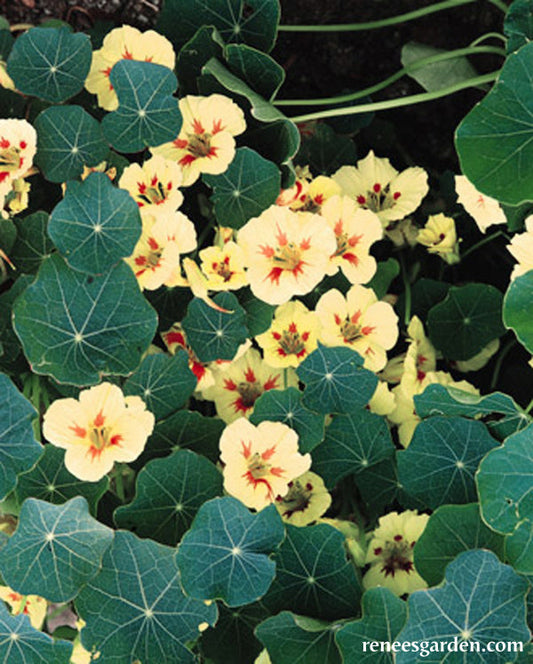
Hummingbird Nasturtiums Vanilla Berry
ANNUAL
Spring/summer/fall bloom
Frost tenderEASY TO START OUTDOORS
Sow seeds in spring once all danger of frost is over in full sun (or part shade in hot climates). Nasturtiums need no added fertilizer in most soils. Poke seeds into well-worked soil about 1 inch deep and 3 to 4 inches apart. Press soil firmly over the seeds and keep moist. When seedlings are large enough to handle, thin to 10 inches apart as mounding plants need ample room.
TO START EARLY INDOORS
Sow 2 seeds each in individual 4-inch pots of well-drained seed starting mix 3 weeks before last expected frost date. Cover 1 inch deep. Provide a strong light source. When seedlings have several sets of leaves pinch out the weaker seedling, leaving 1 per pot. When night temps are above 50°F (10°C) gradually acclimate to outdoor conditions. Transplant seedlings into the garden 10 inches apart in full sun.
GROWING NOTES
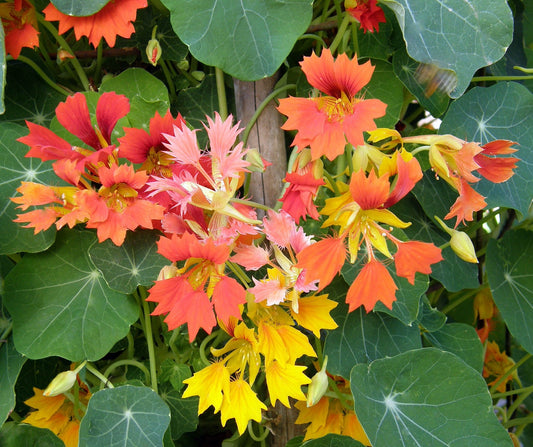
These softly colored, intricately marked nasturtiums are reliable and easy to tuck into any well-drained spot. Except in very poor soil, nasturtiums will grow and bloom readily with no added fertilizer. The mounding plants do a fine job of covering bare spots or hiding spent bulb foliage. Use the pretty edible flowers and leaves to add zest to salads and party sandwiches.
Regular price $3.99Sale price $3.99Unit price per -
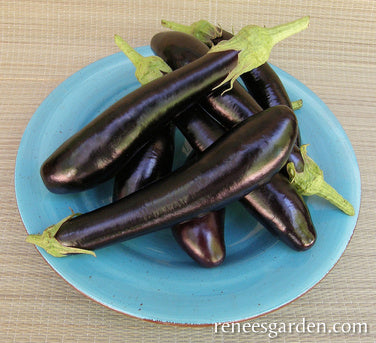
Heirloom Italian Eggplant Violetta Lunga
BEST TO START INDOORS
In early spring, start indoors about 2 months before outdoor night temperatures are reliably in the 50-55°F (10-13°C) range. Sow seeds 1/4 inch deep and 1 inch apart in a container of seed starting mix. Keep moist and warm 80-85°F (27-30°C) and provide a strong light source until ready to plant outside. When seedlings are 2 inches tall, transplant into deeper individual containers. Maintain at 70-75°F (21-24°C). Feed with half-strength fertilizer every 2 weeks until weather is warm enough to gradually acclimate seedlings to outdoor conditions. Transplant 2 feet apart into rich soil in full sun.
GROWING NOTES
Don’t transplant these heat-lovers outdoors until nights stay securely above 55°F (13°C). Prepare soil well with aged manure or compost. Plant only robust seedlings with well-developed roots and mulch well. Fertilize plants regularly, at least monthly, throughout the growing season.
HARVEST AND USE
Pick when fruits have sized up and are firm fleshed and glossy. Slice and quickly sauté, or cut in half lengthwise, brush with good olive oil and a little chopped garlic, and then roast or grill until soft and succulent. Serve sprinkled with fresh chopped herbs like basil, dill or thyme and grated fresh Parmesan.
Regular price $4.89Sale price $4.89Unit price per -
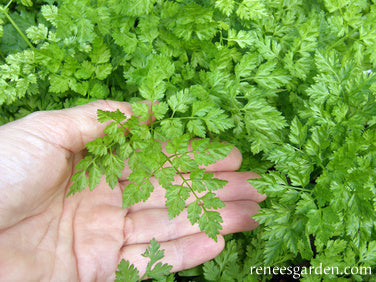
Heirloom Herbs French Chervil
ANNUAL
Spring/summer/fall harvest
Takes light frostEASIEST TO START OUTDOORS
Start chervil in early spring when weather is settled but still cool. Plant in filtered sun or light shade if climate is very hot. Sow seeds 1 to 2 inches apart in a well-worked fertile seed bed. Cover very lightly and keep evenly moist while awaiting germination. Sow again for a fall crop when weather cools in late summer or early fall.
THIN OR TRANSPLANT
Thin seedlings to stand 4 inches apart when they are large enough to handle.
GROWING NOTES
Chervil needs rich moist soil and ample moisture for lush growth. Thin early and keep well weeded and watered. Begin to harvest leaves sparingly once plants have 8 to 10 leaves. Fertilize every 2 to 3 weeks with a high nitrogen source or liquid fish emulsion solution. Because chervil goes to seed quickly in hot weather, the best way to have a good supply is to make successive sowings until the weather gets too hot, then plant again as summer begins to cool for fall harvest. Enjoy fresh as chervil does not hold its flavor when dried. Use the leafy sprigs in salads or add to hot dishes at the end of cooking to preserve chervil’s delicate flavor.Regular price $3.39Sale price $3.39Unit price per -
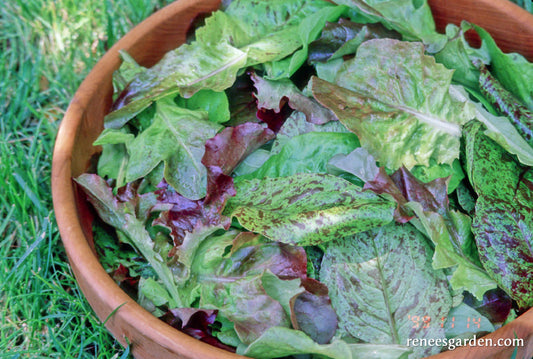
Baby Leaf Lettuce Heirloom Cutting Mix
START SEEDS OUTDOORS
In early spring, sow seeds in finely worked soil in full sun. Shake seeds from the palm of your hand, broadcasting them about a half inch apart over the entire seedbed or in wide rows, and cover lightly and evenly with 1⁄4 inch of fine soil. Firm soil gently and water in with a fine spray. Keep seedbed evenly moist. Make small successive sowings until summer weather turns hot for a constant supply. Plant again in late summer for fall harvesting. Or, space seedlings 8 to 10 inches apart and let them mature to full size heads.
GROWING NOTES
Lettuce thrives in mild weather with consistent moisture. To extend the sowing season into hot weather, erect a canopy of loosely woven shade cloth over the lettuce bed. Birds are often attracted to tender young seedlings so protect them if necessary.
HARVEST AND USE
To harvest by the “cut and come again” method, wait until plants are 4 or 5 inches tall. Cut as much as you need, using scissors to shear off a patch of leaves 1 to 2 inches above the soil level. Water well and fertilize lightly and plants will regrow for several more cuttings. Dress with extra virgin olive oil and a mild fruit or balsamic vinegar to enjoy the sweet flavors and juicy textures of these delicate young leaves at their best.
Regular price $4.39Sale price $4.39Unit price per -
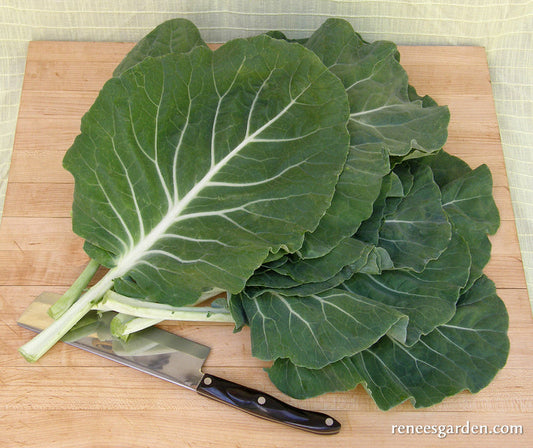
Portuguese Kale Tronchuda Beira
TO START DIRECTLY IN THE GARDEN
As soon as ground can be worked in spring, prepare a well-drained, fertile garden bed in full sun. Sow groups of 2 to 3 seeds, each group 12 to 18 inches apart. Cover 1/4 deep and keep soil evenly moist to ensure good germination. Thin to one seedling per group when several inches tall. Sow again in mid to late summer for another cold-hardy crop.
TO START INDOORS
Sow seeds in a container of seed starting mix 2 inches apart and cover 1/4 inch deep. Keep moist and provide a strong light source until seedlings are 3 to 4 inches tall, then plant outdoors. Space 12 to 18 inches apart.
GROWING NOTES
Kale can be sown in spring as early as the ground can be worked. A second mid to late summer-sown crop will yield through fall and winter except in the coldest climates. Frost actually enhances kale leaves’ color, flavor and sweetness. Mulch to retain moisture in summer and before the ground freezes to protect the roots of fall crops.
HARVEST AND USE
Begin harvesting large individual outer leaves when plants have 6 to 8 big leaves. Enjoy sautéed, stirfried, braised or added to soups and stews. Portuguese kale pairs well with olive oil, garlic and lemon juice (reneesgarden.com/portuguese-kale-soup). Pull and discard once plants begin to bloom as the leaves of flowering stalks get tough and bitter.
Regular price $3.99Sale price $3.99Unit price per -
Heirloom Nasturtiums Climbing Phoenix
ANNUAL
Spring/Summer/Fall bloom
Frost tenderEASY TO START OUTDOORS
Sow seeds in spring once all danger of frost is over in full sun (or part shade in hot climates). Nasturtiums need no added fertilizer in most soils. Poke seeds into well-worked soil about 1 inch deep and 3 to 4 inches apart. Press soil firmly over the seeds and keep moist. When seedlings are large enough to handle, thin to stand 10 inches apart, or 6 to 8 inches apart if training seedlings up vertical supports.
TO START EARLY INDOORS
Sow 2 seeds each in individual 4-inch pots of well-drained seed starting mix 3 weeks before last expected frost date. Cover 1 inch deep. Provide a strong light source. When seedlings have several sets of leaves, pinch out the weaker seedling leaving 1 seedling per pot. When weather is evenly in the 50°F (10°C) range, gradually acclimate to outdoor conditions. Transplant as above in full sun.
GROWING NOTES
Climbing nasturtiums are easy to grow in any well-drained soil. You’ll need to train young plants onto their supports with loose ties, then they’ll climb easily and bloom non-stop. Do not let plants dry out during blooming season. If aphids become a problem, wash them off with a strong spray of water or spray with non-toxic Safer’s Soap solution. Phoenix’s bright confetti like blossoms are true summer beacons for hungry hummingbirds.
Regular price $3.99Sale price $3.99Unit price per -
Tender Chard Special Baby Leaf
BEST TO START DIRECTLY OUTDOORS
Beginning in early spring, sow seeds in finely worked soil in full sun. Shake seeds loosely from your hand, broadcasting about 1 inch apart over the entire seedbed or in wide rows, and cover lightly and evenly with 1/4 to 1/2 inch of fine soil. Firm soil gently and water in with a fine spray, then keep seedbed evenly moist. For a constant supply, makes successive sowings every three weeks until summer weather turns really hot. Plant again in late summer for fall harvesting.
GROWING NOTES
For best flavor, baby leaf chard needs consistent moisture and mild weather. Birds love tender young seedlings,so protect them as necessary with netting or floating row covers. This attractive edible will also grow well in pots at least 18 to 20 in. across to snip as needed for salads or stirfry.
HARVEST AND USE
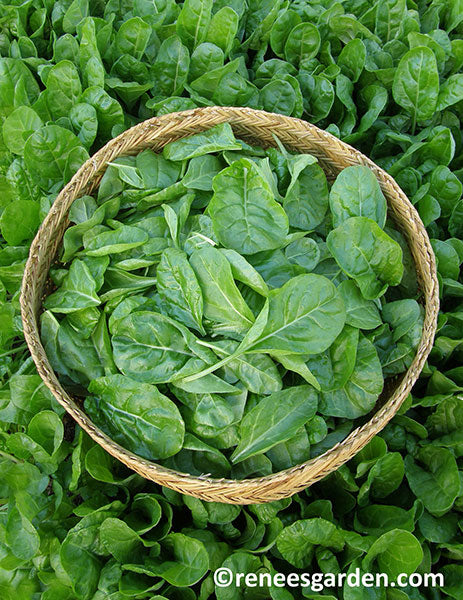
To harvest by the “cut and come again” method: when plants are 4 to 5 in. tall, cut as much as you need, by using scissors to shear off leaves 1 to 2 in. above the soil level. Water well and fertilize lightly and plants will regrow for several more cuttings. These tender, crisp and juicy baby leaves are delicious in fresh salads. Or stirfry, braise or sauté very quickly for healthy, tasty greens.
Regular price $3.69Sale price $3.69Unit price per -
Heirloom Container Tomatoes Tasmanian Chocolate
STARTING SEEDLINGS
In early spring, start indoors about 6 to 8 weeks before outdoor night temperatures are reliably in the 50-55°F (10-13°C). Sow seeds 1/4 inch deep and 1 inch apart in a container of seed starting mix. Keep moist but not soggy, and very warm, 80°F (27°C). Provide a strong light source until seedlings are ready to plant outside. When seedlings are 2 inches tall, transplant into individual 4 inch pots. Maintain at 70°F (21°C). Feed with half-strength fertilizer every 2 weeks until ready to plant. When nights reach 55°F (13°C), gradually acclimate to outdoor conditions. Plant these vigorous, early bearing vines 3 feet apart into rich soil in full sun.
TO GROW IN CONTAINERS
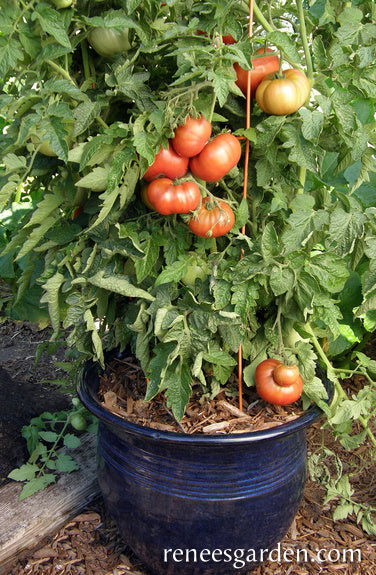
Use pots at least 15-18 inches in diameter and 18 inches tall. Use fresh potting mix to prevent soil borne disease. Transplant one seedling per pot. Water regularly: in hot weather, pots may need daily watering. Fertilize every other week with a low nitrogen fertilizer for strong plants and good yields.
GROWING NOTES
Tomatoes need at least 6 hours of full sun every day. Provide strong stakes or wire cages at planting time as plants get heavy with fruit. Mulch plants well to maintain even moisture. Pick fully ripe. Don’t store tomatoes in the fridge.
Regular price $4.89Sale price $4.89Unit price per -
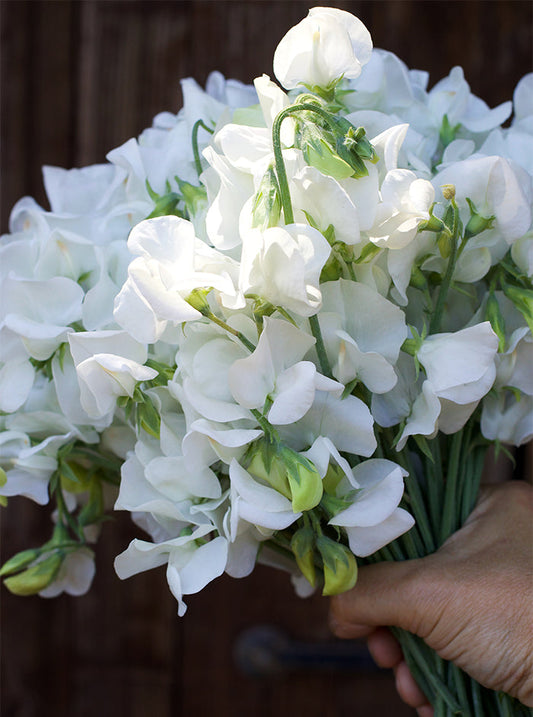
Heirloom Sweet Peas Royal Wedding
ANNUAL CLIMBING VINE
Spring/summer bloom
Frost tolerantEASIEST TO START OUTDOORS
Sweet peas must have well drained soil, so dig deeply and enrich with aged manure or compost before sowing seeds. Erect a well-anchored trellis, vertical netting or other support for vines before planting. Sow seeds in full sun in cool early spring weather as early as the ground can be worked. In mild winters, where ground does not freeze, sweet peas can be planted in fall. Seedlings will form strong root systems, then overwinter to bloom vigorously in spring. Plant sweet pea seeds 1 inch deep and 2 to 3 inches apart. When seedlings are 2 inches tall, thin to 4 inches apart to allow plants room to mature.
GROWING NOTES
Sweet peas bloom best before the weather gets too hot, so if spring planting, sow as soon as ground can worked. Where summer heat comes on fast, they’ll appreciate a spot with afternoon shade. Anchor supports well as vines will grow heavy with bloom. Protect seedlings from birds, slugs and snails. Mulch and keep well watered. For longest bloom, pick flowers often and keep faded blossoms cut.Regular price $3.99Sale price $3.99Unit price per -
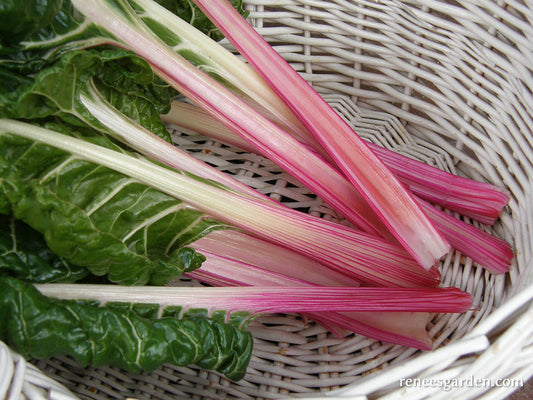
Gourmet Chard Peppermint Stick
START SEEDS INDOORS
In early spring, when danger of frost is over, sow seeds in well-worked, fertile soil in full sun. Space seeds 1 inch apart and cover 1/2 inch deep in rows 10 inches apart, or broadcast thinly for bed planting. Firm soil well over these irregularly shaped seeds to ensure good germination. If first sowing germinates unevenly, plant more seed as the seedlings catch up quickly. When large enough to handle, thin seedlings to 8 to 10 inches apart so these large plants have room to grow and mature. Transplant extras or enjoy young thinnings as early greens and salads.
GROWING NOTES
Chard grows well in a wide range of conditions and can take some light frost. In mild winter areas, it can be grown year round. Give seedlings enough room, because chard grows into large vase-shaped plants 2 feet tall.
HARVEST AND USE
Begin harvesting when plants are well established and have at least 6 to 8 leaves. Both stalks and leaves make great eating. Chop and steam or sauté with garlic and olive oil. Use like spinach in lasagna or minestrone soup. Try tasty chard leaves stuffed and poached in broth with a dash of olive oil and fresh lemon.
Regular price $3.69Sale price $3.69Unit price per -
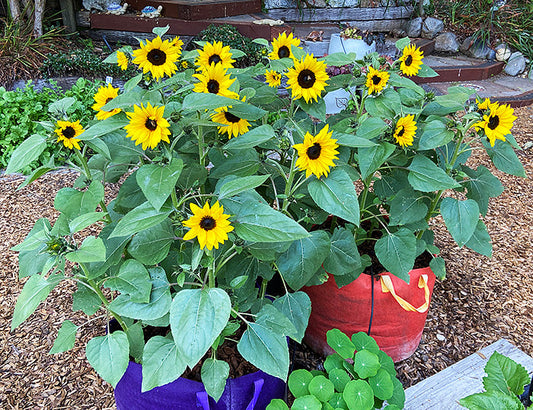
Container Sunflowers Junior
ANNUAL
Summer/fall bloom
Frost tenderPLANT DIRECTLY IN THE GARDEN OR CONTAINER
Plant in full sun in good garden soil when all danger of frost is past and weather is above 50°F (10°C) both day and night. Sow seeds into well-worked soil ½ inch deep and 4 to 5 inches apart. Press soil firmly over seeds and keep moist. When seedlings are 2 to 3 inches thin to 8 inches apart.
For container planting, sow directly into pots filled with well moistened, good quality potting mix. Thin seedlings to no more than 1 plant per 8 inch pot, or 3 plants per 12 inch in diameter and 12 to 18 inch deep pot. For larger planters, space plants 6 inches apart. Extra seedlings can be potted up for more containers, gifts or plant into the garden.
TO START EARLY INDOORS
Several weeks before last frost date, sow seeds 1/2 inch deep in individual 3 to 4 inch pots of well-drained soil mix. Keep moist, feed every 10 days and provide a strong light source until ready to plant outside, when nights are regularly above 50°F (10°C).
GROWING NOTES
Make several sowings, three weeks apart, to have a succession of bright summer flowers. Protect young seedlings from marauding birds with netting or plastic berry baskets, removing before plants get crowded. When 3 inches tall, carefully thin seedlings to proper spacing so they have room to grow and mature.Regular price $4.39Sale price $4.39Unit price per -
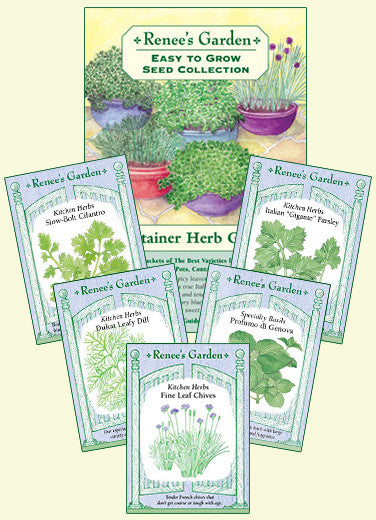
Easy To Grow Collection The Container Herb Garden
Having an abundance of fresh herbs at your fingertips is a delicious luxury and growing our Container Herb Garden means you will have all their aromas and flavors available to enjoy everyday. These herbs are all easy to grow kitchen essentials; they also make lovely ornamental plants and have flowers that attract pollinators. The varieties in this collection are specially chosen to grow well in containers, pots or window boxes. The back of each packet has complete growing instructions and our "how-to" guide is also included to ensure success for anyone new to growing in containers.Includes Five Packets Of The Best Varieties For Growing Your Own Delicious Fresh Herbs In Pots, Containers Or Window Boxes.
Slow Bolt Cilantro: The spicy green leaves of this cilantro are essential for Mexican and Asian dishes and brighten up everyday cooking. Our variety holds its leaves longer than others.
Profumo di Genova Basil: This imported Italian basil offers long luscious harvests of big glossy leaves with an intense basil aroma and especially rich flavor. Exquisite with tomatoes and perfect for cooking all summer long.
Fine Leaf Chives: These succulent and tender chives keep their slender, flat shape and don't get coarse or tough all season. Their pretty and edible lilac-pink blossoms have a mild, sweet flavor.
Dukat Dill: This heirloom variety, originally from Denmark, is known for its abundance of finely cut green leaves that can be used fresh longer than other varieties. Wonderful fresh in salads and with cooked vegetables or use with poultry, in potato salad and for making pickles.
Italian Parsley: The handsome plants of this imported heirloom have large, shiny flat leaves that are known for an exceptionally mellow sweet flavor. Wonderful fresh in salads and sandwiches and absolutely delicious in soups, casseroles and stews.
Special Feature: Two Page Guide To Container Gardening
Regular price $16.95Sale price $16.95Unit price per -
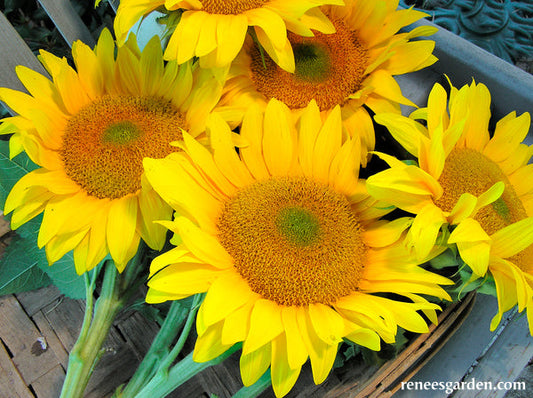
Ornamental Sunflowers Van Gogh
ANNUAL
Summer/fall bloom
Frost tenderEASIEST TO PLANT OUTDOORS
Plant in full sun in good garden soil when weather is warm and settled, all danger of frost is past and both days and nights are evenly in the 50°F (10°C) range. Poke seeds into well-worked soil about 1/2 inch deep, 4 to 5 inches apart. Press soil firmly over seeds and keep moist until seedlings emerge in 8 to 10 days. When seedlings are large enough to handle, thin seedlings to final spacing of 1 foot apart so these tall plants will have ample room to grow. Extra thinned seedlings can be transplanted easily.
TO START EARLY INDOORS
Several weeks before last frost date, sow seeds 1/2 inch deep in individual pots of well-drained seed starting mix. Keep moist and provide a strong light source until seedlings are well established and ready to plant outside. Transplant carefully, disturbing the roots as little as possible. Space seedlings 1 foot apart so plants will have room to mature.
GROWING NOTES
These handsome tall flowers are easy and rewarding to grow. Make several sowings several weeks apart to have a succession of flowers in full bloom. Keep soil moist and well-weeded and protect very young seedlings from birds with netting or plastic berry baskets, removing before plants get crowded.Regular price $4.69Sale price $4.69Unit price per -
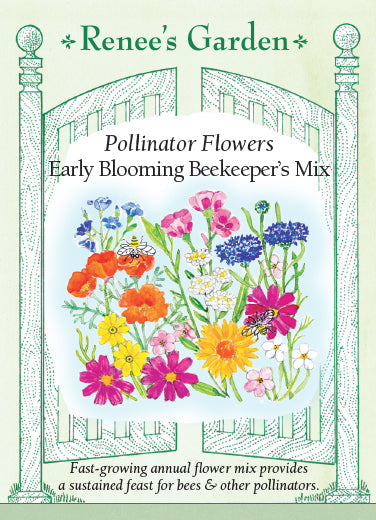
Pollinator Flowers Early Blooming Beekeeper's Mix
ANNUAL
Spring/summer bloom
Frost tenderBEST TO START DIRECTLY OUTDOORS
In early spring, after all danger of frost is past, plant in a well-prepared garden bed in full sun. Shake packet to mix. Scatter the seed thinly and evenly over finely worked soil, aiming to have the seeds about an inch or so apart. Cover lightly, about 1/4 inch deep, and gently firm the soil over the seeds—a rake is handy for this step. Water thoroughly and evenly with a very gentle spray. Keep the seedbed moist while awaiting germination and while flowers are actively growing for the most blossoms.
GROWING NOTES
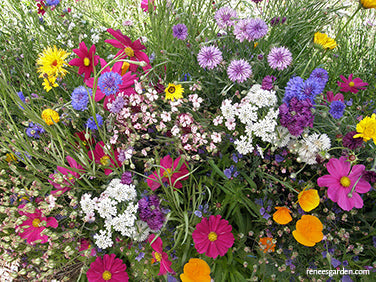
This fast-growing, early flowering annual mix blooms in succession and provides a sustained feast for bees and other pollinators. The many flower colors and shapes blend beautifully for bouquets.
Regular price $3.99Sale price $3.99Unit price per -
Kneehigh Sunflowers Music Box
ANNUAL
Summer/fall bloom
Frost tenderTO PLANT OUTDOORS
Plant in full sun in good garden soil when weather is warm and settled both day and night and all danger of frost is past. Poke seeds into well-worked soil 1/2 inch deep and 4 to 5 inches apart. Press soil firmly over seeds and keep moist until germination in 8 to 10 days.
TO START EARLY INDOORS
Several weeks before last frost date, sow seeds 1/2 inch deep in individual pots of well drained seed starting mix. Keep moist and provide a strong light source until ready to plant outside only when night temperatures have reached 50-55°F (10-13°C). Transplant carefully into the garden in full sun, disturbing the roots as little as possible.
THIN OR TRANSPLANT
Space seedlings 12 inches apart so plants have ample room to grow.
GROWING NOTES
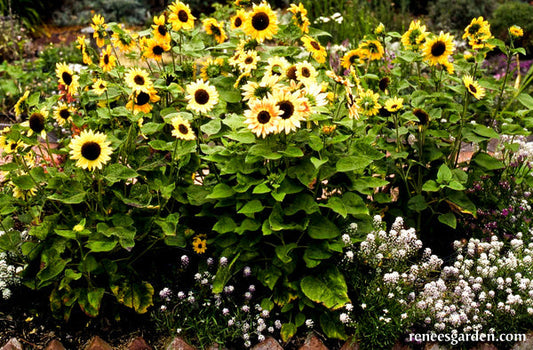
With its short 2 1/2 foot stature and abundant lively flowers, multi-branching Music Box is an easy and reliable flower for cheerful summer color. Make several sowings 3 weeks apart to have a succession of flowers. Keep soil moist and well weeded and protect seedlings from birds with netting or plastic berry baskets, removing when crowded.Regular price $4.69Sale price $4.69Unit price per -
Heirloom Oregano White Flowered Greek
TO START INDOORS
In early spring, sow seeds thinly in a container of moistened seed starting mix, but do not cover over; oregano needs light to germinate. Provide a good light source. Keep evenly moist as seedlings slowly emerge over 10 to 21 days.
TO PLANT DIRECTLY IN THE GARDEN
When warm spring weather arrives, sow in full sun in a well-worked, finely textured seedbed with good drainage. Sow thinly, then water very gently for good soil contact, but do not cover seeds. Tend carefully: keep soil evenly moist but not soggy and well weeded.
GROWING NOTES
Mix tiny seeds with dry sand to help space seedlings. Young plants grow slowly at first; a good hot spell encourages strong growth. Pick leaves lightly the first season; wait until the second summer to make bigger harvests, then cut leafy sprays often to enjoy in the kitchen. Given good drainage, this carefree Mediterranean native is hardy and long-lived.
Regular price $4.89Sale price $4.89Unit price per