In Stock 2022
-
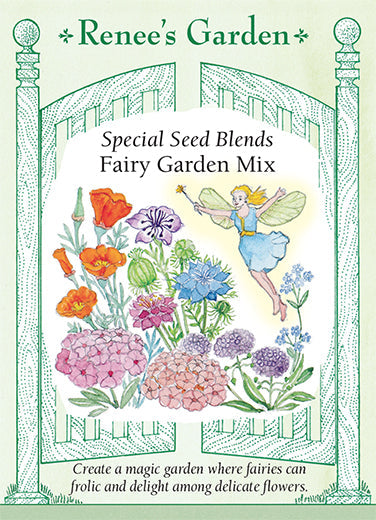
Special Seed Blends Fairy Garden Mix
ANNUAL
Spring/summer bloom
Frost tenderBEST TO START DIRECTLY OUTDOORS
In early spring, after all danger of frost is past, plant in a well-prepared garden bed in full sun. Shake packet to mix, then open and pour seeds into a container. Mix with an equal amount of sand to help space the seeds in the garden. Scatter the seed and sand mixture thinly and evenly over finely worked soil, aiming to have the seeds about an inch or so apart. Cover lightly, about 1/4 inch deep, and gently firm the soil over the seeds – a rake is handy for this step. Water thoroughly and evenly with a very gentle mist. Keep the seed bed moist while awaiting germination and while flowers are actively growing for the most blossoms.
GROWING NOTES
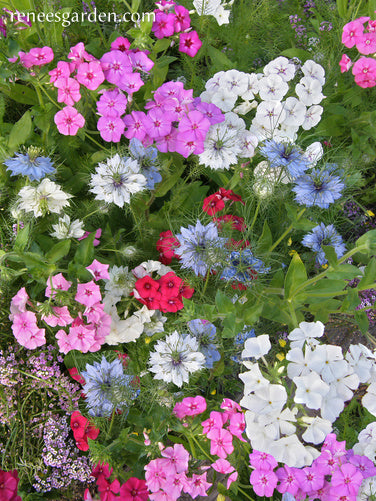
These pretty and delicate flowers will bloom in succession throughout late spring and provide the fairies with lots of places to play and hide, while delighting you with their pretty colors and forms. Cut tiny bouquets for the fairies – the more you pick the more blossoms you will get.
Regular price $3.69Sale price $3.69Unit price per -
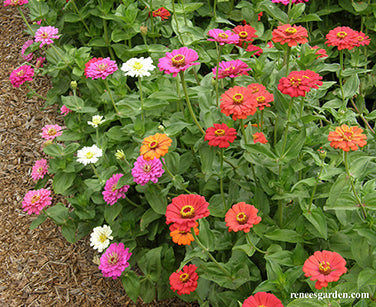
Heirloom Butterfly Zinnia Mix State Fair Gold Medal
ANNUAL
Summer/Fall bloom
Frost tenderTO START DIRECTLY IN THE GARDEN
Sow seeds in well-worked soil in full sun after frost danger is over and temperatures are above 50°F (10°C) both day and night. Space seeds 2 to 3 inches apart in rows 12 inches apart, cover 1/2 inch deep and gently firm soil. Keep soil evenly moist while awaiting germination.
TO START EARLY INDOORS
Four weeks before last frost date, sow seeds 1/2 inch deep and 3 inches apart in seed starting mix. Keep warm and moist. Provide a strong light source. Wait until temperatures are above 50°F (10°C) day and night before planting in full sun.
THIN OR TRANSPLANT
When 2-3 inches tall, thin or transplant 12 inches apart, giving these large framed plants good air circulation and room to mature.
GROWING NOTES
Zinnias are easy to grow, but for abundant, healthy flowers, thin before seedlings get crowded; adequate spacing and consistent watering keeps zinnias stress-free and productive and discourages mildew. For long-lived bouquets, cut flowers in the morning when blossoms first open and petals are tight. Cut long stems well back into the plant to keep plants branching low and producing abundant blooms to attract butterflies/pollinators.
Regular price $2.99Sale price $2.99Unit price per -
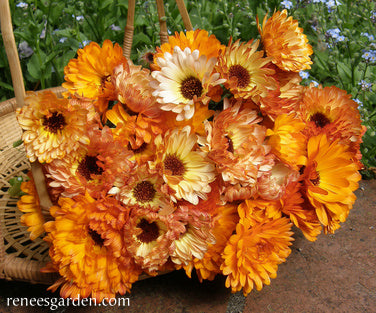
Butterfly Flowers Flashback Calendula
HARDY ANNUAL
Spring/fall bloom
Takes light frostTO START OUTDOORS
Calendulas bloom best in cool weather, so plant in early spring. Sow seeds 1 inch apart in well-drained soil in full sun. Cover 1/2 inch deep, firm soil and keep seed bed moist. Germination takes 1 to 2 weeks. After seedlings are well established, thin or transplant 8 inches apart to allow for good air circulation and discourage mildew. Calendulas can be sown again in midsummer for fall bloom.
TO START EARLY INDOORS
In early spring, sow seeds 1 inch apart in a container of seed starting mix and cover 1/2 inch deep. Keep evenly moist as seedlings emerge and provide a good light source until ready to plant outdoors. Transplant when seedlings are about 2 to 3 inches tall after gradually acclimating plants to outdoor conditions. Thin or transplant seedlings 8 inches apart for best performance.
GROWING NOTES
Plant when weather is cool to get sturdy plants that bloom for many weeks if faded flowers are removed. Grow this quick-flowering, easy annual along with snapdragons, cornflowers and pansies for late spring bloom. In mild climates, sow again in late summer for winter or very early spring flowers.
Regular price $2.99Sale price $2.99Unit price per -
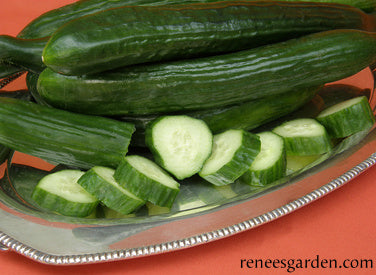
English Cucumber Chelsea Prize
START SEEDS OUTDOORS
Plant heat loving cucumbers only when weather is warm and settled and night temperatures stay above 50°F (13°C). Amend soil well with aged manure or compost. Sow groups of 2 to 3 seeds 1 1/2 feet apart and 1 inch deep with 3 feet between rows. Thin to 1 seedling per group. Or make slightly mounded hills 5 feet apart, sowing 5 or 6 seeds in each hill. Thin to the 3 strongest plants.
GROWING NOTES
Protect seedlings from marauding birds with plastic berry baskets, removing before plants get crowded. Shallow rooted cucumbers need ample and consistent moisture. Avoid overly wet or dry periods for good quality fruit. Growing cucumber vines up vertical supports gives you long straight fruits and saves garden space.
HARVEST AND USE
Cut rather than pull fruits from vines before seeds are large inside. Harvest every few days for longest fruit production. These juicy tender cucumbers need no peeling. Slice and enjoy for refreshing snacks, in salads and sandwiches. Eat cucumbers within a day or two of picking for best taste and quality.
Regular price $4.99Sale price $4.99Unit price per -
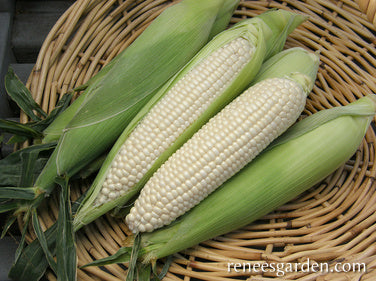
White Corn Sugar Pearl
START SEEDS OUTDOORS
In spring, once weather is warm and settled and night temperatures stay securely above 55°F (13°C), plant seeds in well-worked, fertile soil in full sun. Poke seeds in 1 inch deep and 4 to 6 inches apart. Plant in a block of 4 side-by-side rows, each row at least 1 foot apart. Thin seedlings to 1 foot apart when several inches tall. Protect from marauding birds if necessary. If first sowing doesn’t germinate evenly, replant right away as new seedlings catch up quickly. Make several sowings 2 or 3 weeks apart until early June to have successive harvests.
GROWING NOTES
There is no need to isolate Sugar Pearl from other varieties, but plant seeds in blocks of at least 4 parallel rows to ensure good wind pollination and well filled out ears. Corn is a heavy feeder, so add plenty of compost or aged manure to the soil at sowing time, and then fertilize when young plants are 7 to 8 inches tall and again as ears begin to form.
HARVEST AND USE
Well filled out ears of corn are ready to eat when the silks are very dark brown but not dried out. Test by choosing a plump ear and peeling back the husk very slightly. The kernels should be tender and milky when slit with a fingernail. Sugar Pearl is a SE corn, so the tender crisp kernels will hold their sweetness after harvest.
Regular price $4.99Sale price $4.99Unit price per -
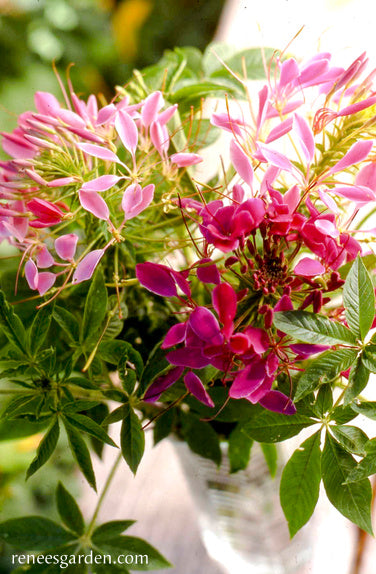
Hummingbird's Choice Color Fountains Cleome
ANNUAL
Summer/fall bloom
Frost tenderTO START OUTDOORS
In spring when all danger of frost is past and weather is warm and settled, sow seeds in a well-worked, fertile seed bed in full sun. Space seeds 2 to 3 inches apart in rows 12 inches apart, cover about 1/8 inch deep and firm soil gently. Keep soil evenly moist while awaiting germination in 12 to 28 days.
TO START EARLY INDOORS
Four to five weeks before last frost date, sow seeds 1/8 inch deep and 2 to 3 inches apart in a container of seed starting mix. Keep warm and moist and provide a strong light source until seedlings are ready to plant outdoors. Seeds germinate best when day and night temperatures vary 10 to 20°. Thin or transplant seedlings 12 to 14 inches apart to give the large plants room to mature.
GROWING NOTES
Tall old-fashioned Cleome is perfect to plant at the back of the border or in a cut flower garden combined with phlox, asters, snapdragons, cosmos or zinnias. Keep young plants well watered and weeded, and they will mature to handle dry heat or humid weather well and bloom all summer long.
Regular price $2.99Sale price $2.99Unit price per -
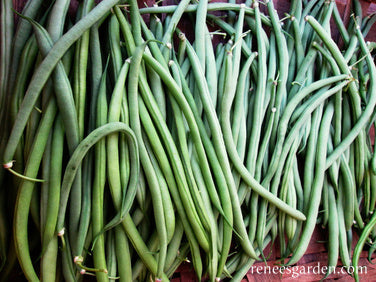
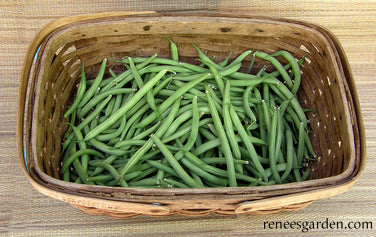
Pole Filet Beans Emerite
START SEEDS OUTDOORS
In late spring, once night temperatures stay securely above 55°F (13°C), plant seeds in well-worked, fertile soil in full sun. Erect strong stakes, tripod poles or trellis, at planting time to support vines. Plant 1 inch deep and 4 inches apart along a trellis. If using tripods or stakes, plant 4 to 6 seeds about 4 inches from each pole, thinning seedlings to the 3 best plants per pole.
GROWING NOTES
Beans are an easy and reliable crop, but don’t plant seeds too early; cold conditions prevent good germination. If first sowing comes up unevenly, replant right away; new seedlings will catch up quickly. Birds are attracted to young seedlings; watch carefully and protect with netting if necessary. Avoid harvesting beans in wet conditions.
HARVEST AND USE
For the best yields, pick beans frequently, at least every 2 or 3 days. Filet beans are meant to be eaten when pods are long and slender, so harvest the tender pods early, when they are still pencil-thin. These elegant gourmet beans taste best freshly harvested and the more pods you pick, the more plants will produce. Enjoy quickly steamed just until tender-crisp, then toss with a little sweet butter and a sprinkling of fresh tarragon or dill.
Regular price $4.99Sale price $4.99Unit price per -
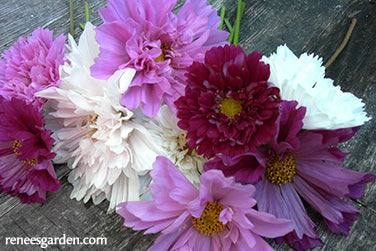
Bouquet Cosmos Double Click
ANNUAL
Summer/fall bloom
Frost tenderTO PLANT OUTDOORS
Sow seeds 1/2 inch deep, 1 to 2 inches apart in a sunny location in well-worked garden soil once danger of frost is past. Keep seed bed moist. Seedlings emerge in 7 to 10 days. Thin established seedlings to a final spacing of 8 inches apart, so plants have room to mature. Keep well weeded and watered while plants are young; mature cosmos can handle hot and dry conditions.
TO START EARLY INDOORS
Sow seeds 1 inch apart in a container of seed starting mix, 4 to 6 weeks before last expected frost. Cover 1/2 inch deep, keep moist and provide a good light source until ready to go outside. Plant outdoors 8 inches apart once weather warms up, after gradually acclimating seedlings to outdoor conditions.
GROWING NOTES
These free-flowering, long blooming summer flowers produce reliably in all soil types to fill the garden with abundant blossoms. Sow several times through June for a succession of fresh flowers. Cutting generous bouquets actually prolongs the blooming season. Cosmos pair beautifully with cleome, asters and zinnias.
Regular price $4.69Sale price $4.69Unit price per -
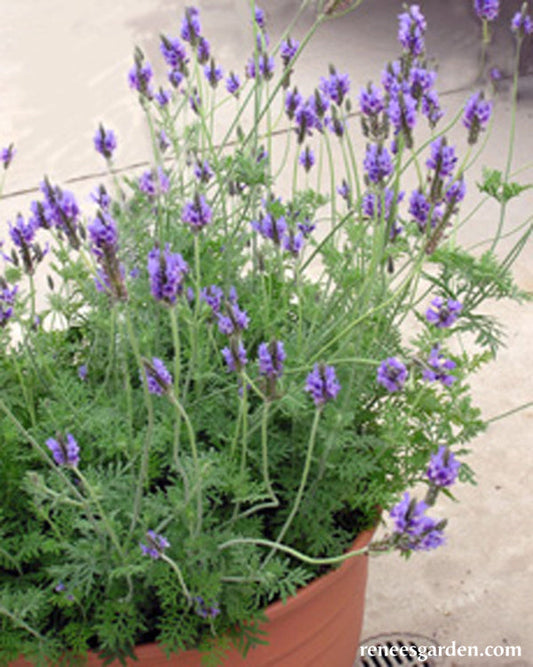
Butterfly Herbs Fernleaf Lavender
PERENNIAL
Spring/summer bloom
Hardy to zone 8BEST TO PLANT INDOORS
In early spring, sow lavender seeds 1 inch apart in a container of seed starting mix. Cover very lightly and keep at 60 to 70°F (16-21°C). Keep evenly moist but not soggy until seedlings slowly emerge over 14 days, providing a good light source. When seedlings have several sets of leaves, transplant 2 inches apart into deeper containers. Plant outside in a well-drained sunny spot when plants are 2 to 3 inches tall after gradually acclimating to outdoor conditions.
THIN OR TRANSPLANT
Space 18 inches apart when seedlings are well established.
GROWING NOTES
Because perennial lavender’s small seeds germinate slowly and unevenly, we strongly recommend starting them indoors so you can tend them carefully. After seedlings are well established, plant them out in a sunny spot with excellent drainage and good air circulation or in big, well-drained pots. Plants flower lightly the first season and come into full bloom in their second summer.
After blooming season, prune and shape the plants while cutting off spent flower stalks. These sturdy plants will take more humidity than other lavenders. Fernleaf plants are beacons for butterflies all summer long.
Regular price $3.99Sale price $3.99Unit price per -
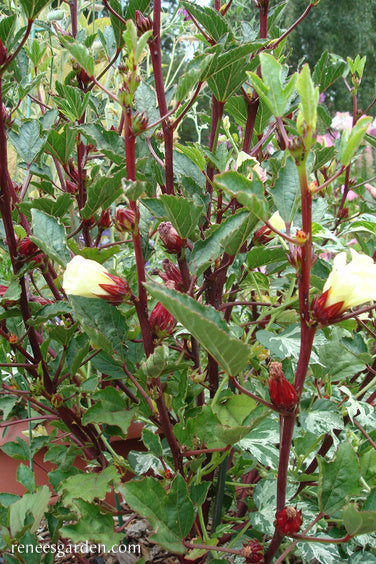
Herbal Tea Zinger Hibiscus
ANNUAL
Summer/Fall Harvest
Heat Loving/Frost TenderBEST TO START INDOORS
In early spring, start seeds indoors 6 to 8 weeks before outdoor temperatures are reliably in the 50°F (10°C) range. Sow seeds 1/2 inch deep and 1 inch apart in seed starting mix. Keep very warm 75 to 80°F (24 to 27°C) and moist but not soggy. Provide a strong light source. When 2 inches tall, transplant seedlings into individual 4 inch pots. Feed with half-strength liquid fertilizer every 2 weeks until weather is warm and nights stay above 55°F (13°C). Gradually acclimate seedlings to the outdoors.
GROWING NOTES
Hibiscus thrive in a sunny, very warm spot in rich and well-drained soil, so add compost or aged manure to the planting bed. Transplant seedlings 8 to 12 inches apart. Pinch tops when 10 inches tall to encourage a bushy, branching form.
For Containers: choose pots 18 inches in diameter and 16 to 18 inches tall.
HARVEST AND USE
After flowers have finished blooming, harvest the deep-red, teardrop-shaped, calyxes at the base of each blossom. Snap off calyxes that are ready, removing spent flower if still attached Use fresh, or air-dry for longer storage.
To Dry: spread in a single layer on paper towels or cotton cloth for 7 to 10 days in a cool, dry place indoors out of heat and humidity. Store in an airtight container. For delicious tea, crush and steep several tablespoons to each cup of boiling water. Honey or sugar and lemon are nice additions. Makes a beautiful iced tea. For a cocktail, combine with sugar, lemon, a little ginger syrup and good rum.
Regular price $3.99Sale price $3.99Unit price per -
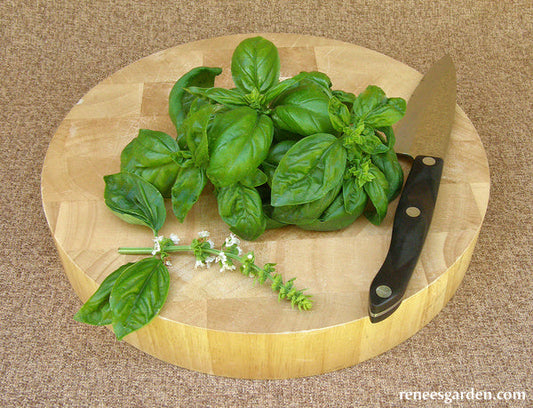
Specialty Basils Profumo di Genova
ANNUAL
Summer/fall harvest
Heat-loving, frost tenderTO PLANT DIRECTLY INTO THE GARDEN
In late spring once nights stay securely above 55°F (13°C), sow seeds 1 inch apart in well worked fertile soil in full sun. Cover 1⁄4 inch deep, firm soil and keep seed bed moist. Germination takes 1 to 2 weeks. After seedlings are well established, thin or transplant 8 inches apart.
TO START EARLY INDOORS
Sow seeds 1 inch apart in a container of seed starting mix, 4 to 6 weeks before last expected frost. Keep warm and evenly moist, and provide a good light source. When seedlings are large enough to handle, acclimate gradually to outdoor conditions before planting in the garden 8 inches apart.
GROWING NOTES
Remember—for successful plants, it is critical to sow or transplant basil into garden beds only when late spring day and nighttime temperatures stay above 55°F (13°C). Harvest sprays of leaves by snipping stems just above two new sprouting lateral branches to encourage lush foliage. Keep flower buds pinched off to extend harvesting. Feed regularly with high nitrogen fertilizer to promote new growth.
Regular price $3.69Sale price $3.69Unit price per -
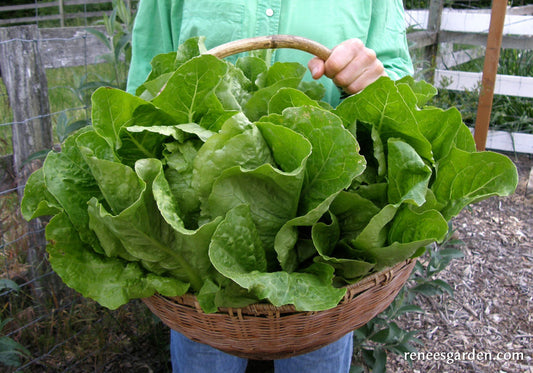
Heirloom Romaine Lettuce Jericho
START SEEDS OUTDOORS
In cool early spring weather, start seeds in finely worked soil in full sun. Sow 1/4 inch deep and 2 inches apart in rows 6 to 8 inches apart and cover lightly. Tend carefully and keep evenly moist. Gradually thin out extra seedlings, leaving remaining plants standing 12 inches apart so lettuces have room to size up and fully mature into big butterhead rosettes. For a constant supply, make several sowings a few weeks apart until summer weather turns hot. Plant again in late summer for fall harvest.
GROWING NOTES
Lettuce thrives in cool conditions with consistent moisture. Weed, water and be sure to thin carefully to proper spacing for best quality heavy heads. If birds are attracted to young seedlings, cover with floating row covers or netting. Make a shade structure in hotter climates to extend the growing season.
HARVEST AND USE
Savor young thinnings in your first spring salads. Then harvest plants by cutting mature heads when they feel firm and well-filled out. Be sure to thin properly and keep evenly moist for sweet tasting, full heads. Pull and discard or compost over-mature plants if they begin to elongate (“bolt”) in hot weather as leaves turn bitter at this stage.
Regular price $4.89Sale price $4.89Unit price per -
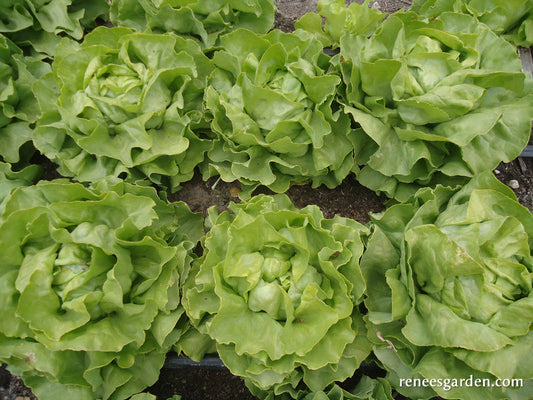
Heirloom Butterhead Lettuce Kagraner Sommer
START SEEDS OUTDOORS
In cool early spring weather, start seeds in finely worked soil in full sun. Sow 1/4 inch deep and 2 inches apart in rows 6 to 8 inches apart and cover lightly. Tend carefully and keep evenly moist. Gradually thin out extra seedlings, leaving remaining plants standing 12 inches apart so lettuces have room to size up and fully mature into big butterhead rosettes. For a constant supply, make several sowings a few weeks apart until summer weather turns hot. Plant again in late summer for fall harvest.
GROWING NOTES
Lettuce thrives in cool conditions with consistent moisture. Weed, water and be sure to thin carefully to proper spacing for best quality heavy heads. If birds are attracted to young seedlings, cover with floating row covers or netting. Make a shade structure in hotter climates to extend the growing season.
HARVEST AND USE
Savor young thinnings in your first spring salads. Then harvest plants by cutting mature heads when they feel firm and well-filled out. Be sure to thin properly and keep evenly moist for sweet tasting, full heads. Pull and discard or compost over-mature plants if they begin to elongate (“bolt”) in hot weather as leaves turn bitter at this stage.
Regular price $4.89Sale price $4.89Unit price per -
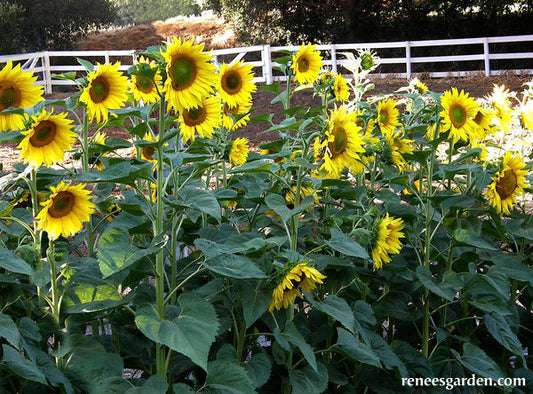
Snack Seed Sunflowers Heirloom Mammoth Greystripe
ANNUAL
Summer/fall bloom
Frost tenderEASIEST TO START DIRECTLY IN THE GARDEN
Plant in full sun in good garden soil when all danger of frost is past and temperatures have reached at least 50°F (10°C) both day and night. Poke seeds into well-worked soil 1 inch deep and 6 inches apart. Press soil firmly over seeds and keep moist as seedlings emerge.
THIN OR TRANSPLANT
When seedlings are about 3 inches tall, thin to 12 to 18 inches apart with 2 feet between rows to give growing plants room to establish strong roots and sturdy stalks that won’t blow over.
GROWING NOTES
Keep soil moist and well weeded and protect seedlings from birds at planting time with netting or plastic berry baskets, removing before plants get crowded. For large heads, space seedlings at least 12 inches apart so plants can grow to full size.
HARVEST AND USE
As sunflowers bloom, bees pollinate the florets in each head and seeds begin to mature. When center disk florets have dried up, cover the ripening seed heads loosely with paper bags if you don’t want birds to eat the seeds. When ripened kernels are plump and hard-shelled, cut entire heads, dry fully, then remove the seeds by hand. Store in closed containers to eat for snacks or feed to the birds over the winter.Regular price $4.89Sale price $4.89Unit price per -
California Poppies Tequila Sunrise
PERENNIAL/GROWN AS ANNUAL
Spring/Summer bloom
Can handle light frostBEST TO START DIRECTLY IN THE GARDEN
Sow seeds directly into a finely textured, well drained garden bed in full sun as early in spring as the ground can be worked. Plant as early as possible in spring, as poppies can handle light frost and bloom best and longest when plants get a good start in cool weather. In mild winter climates, Poppies can also be sown in late fall to overwinter for spring bloom.
Except in very poor soil, these California poppies will grow and flower readily with no added fertilizer. Space seeds several inches apart, cover 1/4 inch deep, and firm soil gently. Keep soil moist as seedlings emerge. Weed young seedlings carefully. If seedlings come up very thickly, thin poppies early but delay final thinning until seedlings are well established in spring. Final spacing should be 3 to 4 inches apart as plants need room to grow and bloom.
GROWING NOTES
When mature, poppy plants can handle dry conditions, but they will always bloom longer if regularly watered. Poppies are pretty cut flowers if brought indoors just as buds begin to open. At season’s end, allow spent flowers to form pods and drop seed if you want poppies to self-sow for next years flowers.Regular price $3.39Sale price $3.39Unit price per -
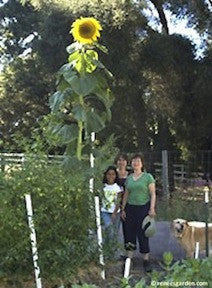
Giant Sunflowers Sunzilla
ANNUAL
Summer/fall bloom
Frost tenderEASIEST TO START DIRECTLY IN THE GARDEN
Plant in full sun in good garden soil when weather is warm and settled both day and night and all danger of frost is past. Poke seeds into well-worked soil about 1 inch deep, 6 inches apart. Press soil firmly over seeds and keep moist as seedlings emerge.
TO START EARLY INDOORS
Several weeks before last frost date, sow seeds 1 inch deep in individual pots of well drained seed starting mix. Keep moist and provide a strong light source until seedlings are ready to plant outside. Transplant carefully, disturbing the roots as little as possible.
THIN OR TRANSPLANT
When seedlings are about 3 inches tall, space them 12 – 18 inches apart with 3 feet between rows so these tall plants will have ample room to grow.
GROWING NOTES
Keep soil moist and well weeded and protect seedlings from birds at planting time with netting or plastic berry baskets, removing before plants get crowded. For large flower heads, space properly so the big plants have room to grow to full size.Regular price $4.39Sale price $4.39Unit price per -
California Poppies Tropical Sunset
PERENNIAL/GROWN AS ANNUAL
Spring/Summer bloom
Can handle light frostBEST TO START DIRECTLY IN THE GARDEN
Sow seeds directly into a finely textured, well-drained garden bed in full sun as early in spring as the ground can be worked. Plant as early as possible in spring, as poppies can handle light frost and bloom best and longest when plants get a good start in cool weather. In mild winter climates, Poppies can also be sown in late fall to overwinter for spring bloom.
Except in very poor soil, these California poppies will grow and flower readily with no added fertilizer. Space seeds several inches apart, cover 1/4 inch deep, and firm soil gently. Keep soil moist as seedlings emerge. Weed young seedlings carefully. If seedlings come up very thickly, thin poppies early but delay final thinning until seedlings are well established in spring. Final spacing should be 6 inches apart as plants need room to grow and bloom.
GROWING NOTES
When mature, poppy plants can handle dry conditions, but they will always bloom longer if regularly watered. Poppies are pretty cut flowers if brought indoors just as buds begin to open. At season’s end, allow spent flowers to form pods and drop seed if you want poppies to self-sow for next years flowers.Regular price $3.39Sale price $3.39Unit price per -
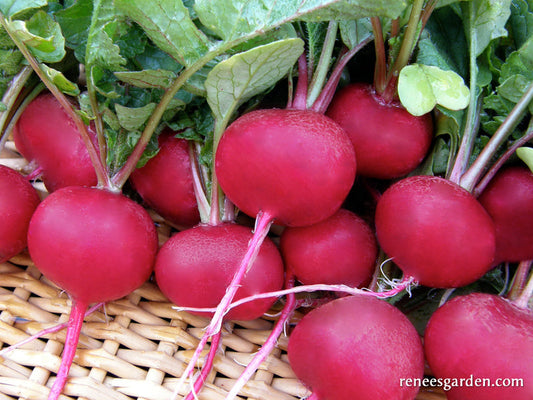
Radishes Red Planet
START SEEDS OUTDOORS
In early spring as soon as ground can be worked, sow radish seeds in well-worked, fertile soil in full sun. Space seeds 1 inch apart in wide rows 6 inches apart. Cover 1/2 inch deep. Keep soil evenly moist and well weeded. If first sowing comes up unevenly, replant right away. Sow again in late summer for a fall crop.
GROWING NOTES
Sow this quick growing, cool season crop wherever you intend to plant heat lovers later. Radishes thrive and have crisp flesh and the best mild flavor given consistent moisture. Sow small amounts a week apart to ensure a constant supply. Thin quick-growing seedlings early to 2 inches apart so roots have room to size up. Protect radishes with floating row covers if marauding birds or flea beetles that chew holes in the leaves are a problem.
HARVEST AND USE
Harvest radishes when roots are the size of large marbles. If weather turns unexpectedly hot, pull, cut off tops, and store in the refrigerator for up to 3 weeks. Radishes will be spicier in hot weather and milder grown in cooler conditions. Combine sliced radishes, scallions and fresh dill or parsley for a great salad. Make delicious open faced sandwiches on whole grain bread spread with sweet butter and topped with sliced radishes.
Regular price $4.89Sale price $4.89Unit price per -
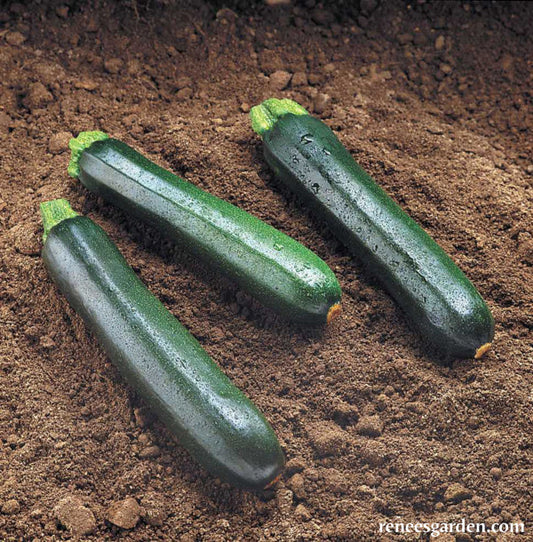
Dark Green Zucchini Twilight
START SEEDS DIRECTLY IN THE GARDEN
Zucchini vines need full sun, rich fertile soil and warm temperatures. Plant only when spring weather is warm and settled and both day and night temperatures stay above 50°F (10°C). Sow 2 to 3 seeds 1 inch deep in groups 1 1/2 feet apart. Thin to 1 seedling per group. Alternatively, plant in slightly mounded hills, 3 feet in diameter and 3 feet apart. Sow 5 or 6 seeds in each hill 6 inches apart. When seedlings are several inches tall, thin to the 2 or 3 strongest plants in each hill.
GROWING NOTES
Amend garden soil well with lots of aged manure or compost before sowing. Protect young seedlings from marauding birds by covering with plastic berry baskets at planting time, removing when plants get crowded. Be sure to thin properly; you’ll get more zucchini from two or three well-spaced plants as from more crowded and thus disease prone ones. Covering plants with floating row covers will help prevent squash borers if these pests are a problem in your area.
HARVEST AND USE
Dark green Twilight are easy to find and pick. Harvest when young, no larger than 5 inches in length; all zucchini lose flavor and quality with size. Frequent harvesting keeps plants producing tasty new fruits all season long. Tender-fleshed and delicate, Twilight zucchini are scrumptious simply steamed or sliced lengthwise and grilled on the barbecue.
Regular price $4.39Sale price $4.39Unit price per -
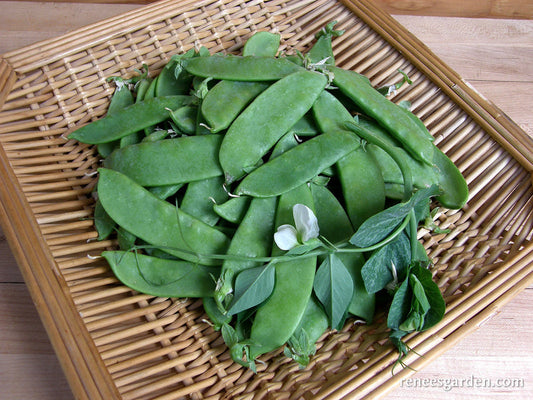
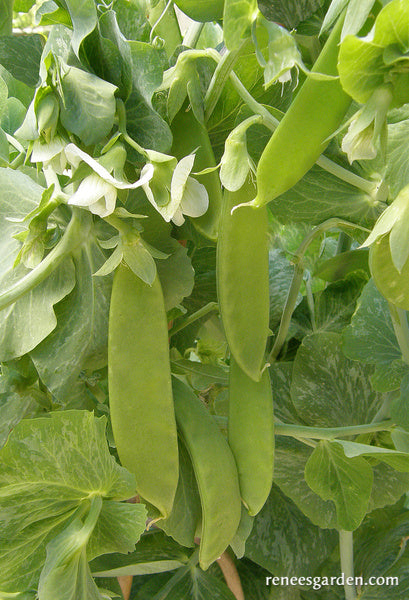
Snow Peas Oregon Sugar Pod II
START SEEDS OUTDOORS
In early spring, as soon as soil can be worked, plant peas in full sun in well-worked, fertile soil. Sow seeds 1 inch deep and 2 to 3 inches apart. Sow seeds in wide rows or bands 3 inches across, spacing the wide rows 2 feet apart. Provide supports for these 2 1/2 foot vines at planting time. Protect from marauding birds with netting or floating row covers if necessary. If first sowing doesn’t germinate evenly, replant right away as new seedlings catch up quickly. Sow again for a fall crop about 2 1/2 months before first expected fall frost.GROWING NOTES
Use netting or wire trellis or short tree branches stuck into the ground to support these heavy bearing vines for easy picking. Turn a sprinkling of bone meal and wood ashes into the soil before planting. Keep pea vines well weeded and watered, and mulch to conserve moisture.
HARVEST AND USE
Pick peas frequently when pods are fully formed but still flat with tiny immature peas. Snow peas are delicious in stir-fries with ginger, soy sauce and garlic, but cook very quickly, just until they turn a deeper green color. Or enjoy the juicy pods as you pick them fresh from the vines.Regular price $4.89Sale price $4.89Unit price per -
Shelling Peas Sabre
START SEEDS OUTDOORS
In early to mid-spring, plant peas in full sun in well-worked, fertile soil. Sow seeds 1 inch deep and 2 to 3 inches apart in wide rows or bands 3 inches across, and 2 feet apart. Provide supports at planting time; vines grow 2 1/2 to 3 feet tall. Protect seedlings from marauding birds with netting or floating row covers if necessary. Wet, cold early spring weather may affect germination, so if first sowing doesn’t come up evenly, replant right away; new seedlings will catch up quickly. Sow again for a fall crop about 2 1/2 months before first expected fall frost.
HARVEST AND USE
Harvest only when peas are well developed in their pods. Crack open the pods by pushing on the edge of the pod to open, then scoop out the delectable peas. When garden fresh, peas really are at their most delicious simply eaten raw right from their pods–kids especially love them! Or briefly steam the shelled peas just until tender, then serve with a dollop of butter or sour cream and a sprinkle of chopped fresh mint, dill or lemon thyme.
GROWING NOTES
Provide netting, trellis or short stakes at planting time to support these heavy bearing vines for easy picking. Turn a sprinkling of bone meal and wood ash into the soil before planting. Keep pea vines well weeded and watered and mulch to conserve moisture. Water at the base of the plants to avoid mildew.Regular price $2.99Sale price $2.99Unit price per -
Edible Pod Snow Peas Oregon Giant
START SEEDS OUTDOORS
In early spring, as soon as soil can be worked, plant peas in full sun in well-worked, fertile soil. Sow seeds 1 inch deep and 2 to 3 inches apart. Sow seeds in wide rows or bands 3 inches across, spacing the wide rows 2 feet apart. Provide supports for these 2 1/2-3 foot vines at planting time. Protect from marauding birds with netting or floating row covers if necessary. If first sowing doesn’t germinate evenly, replant right away as new seedlings catch up quickly. Sow again for a fall crop about 2 1/2 months before first expected fall frost.
GROWING NOTES
Use netting or wire trellis or short tree branches stuck into the ground to support these heavy bearing vines for easy picking. Turn a sprinkling of bone meal and wood ashes into the soil before planting. Keep pea vines well weeded and watered, and mulch to conserve moisture.
HARVEST AND USE
Pick frequently when pods are fully formed but still flat with tiny immature peas. Snow peas are delicious in stirfries with ginger, soy sauce and garlic. Cook very quickly, just until pods turn a deeper green color. Or simply enjoy the juicy pods fresh off the vines.Regular price $2.99Sale price $2.99Unit price per -
Heirloom Bush Beans Provider
START SEEDS OUTDOORS
In spring, once weather is warm and settled and night temperatures stay securely above 55°F (13°C) plant seeds in well-worked, fertile soil in full sun. Poke seeds in 1 inch deep and 4 inches apart in rows 1½ to 2 feet apart. Make several sowings 2 to 3 weeks apart until the end of June to provide long continued harvests.
GROWING NOTES
Tender crispy garden beans are an easy and reliable crop to grow, but don't plant seeds too early as cold conditions prevent good germination. If first sowing comes up unevenly, replant right away; new seedlings will catch up quickly. Birds are often attracted to young bean seedlings, so watch carefully and protect with netting or floating row covers if necessary. Avoid cultivating plants or picking pods when plants are wet.
HARVEST AND USE
The vigorous plants bear strong harvests of top quality pods that hold well without getting stringy. The more you pick, the more the plants will produce, and the nitrogen fixing bacteria on the roots of bean plants actually improves your soil. Sow another crop about three weeks after your first planting and you’ll have a welcome second harvest in late summer. Enjoy tasty Provider beans cooked just until tender crisp. The pods also freeze well if blanched first.
Regular price $4.89Sale price $4.89Unit price per -
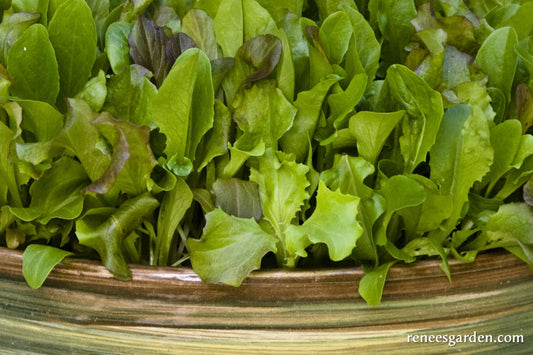
Baby Mesclun Lettuces Cut and Come Again
START SEEDS OUTDOORS
In early spring, sow seeds in finely worked soil in full sun. Shake seeds from the palm of your hand, broadcasting them about a half inch apart over the entire seedbed or in wide rows, and cover lightly and evenly with 1/4 inch of fine soil. Firm soil gently and water in with a fine spray. Keep seedbed evenly moist. Make small successive sowings until summer weather turns hot for a constant supply. Plant again in late summer for ample fall harvesting.
GROWING NOTES
This mesclun mix thrives in mild weather with consistent moisture. To extend the sowing season into hot weather, sow in light shade or erect a canopy of loosely woven shade cloth over the seed bed. Birds are often attracted to tender young seedlings so protect them if necessary.
HARVEST AND USE
Begin harvesting by the “cut and come again” method when plants are 4 or 5 inches tall. Cut as much lettuce as you need, using scissors to shear off a patch of leaves 1 to 2 inches above the soil level. Water well and fertilize lightly and plants will regrow for several more cuttings. Dress with a simple vinaigrette to enjoy the sweet flavor and juicy texture of these delicate young leaves at their best.
Regular price $3.39Sale price $3.39Unit price per