In Stock 2022
-
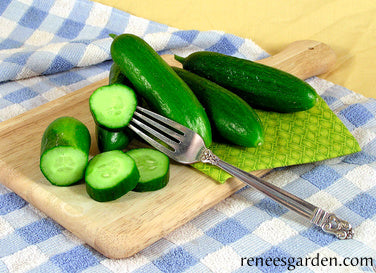
Persian Baby Cucumbers Green Fingers
START SEEDS OUTDOORS
Plant heat-loving cucumbers in full sun only when weather is warm and settled and night temps stay above 50°F (10°C), first amending soil well with aged manure or compost. Sow groups of 2 to 3 seeds, 1 inch deep and 18 inches apart. When the baby seedlings are 2 inches tall, thin out extras, leaving one strong seedling per group. After thinning, provide a 3 to 5 foot strong vertical support or tomato cage around each seedling and train the vines up the supports as they grow. Growing vigorous, heavy-bearing cucumber vines up supports makes it easier to harvest the cucumbers, saves garden space, and helps prevent disease.
GROWING NOTES
Protect seedlings from marauding birds with plastic berry baskets, removing before plants get crowded. Shallow-rooted cucumbers need adequate and consistent moisture to produce sweet tasting, nicely formed cucumbers. Avoid overly wet or dry periods for good quality fruits.
HARVEST AND USE
Our baby cucumbers begin bearing fruit early. For best quality, cut rather than pull cucumbers from the vine when 3 to 5 inches long. They need no peeling, just slice and enjoy their crisp texture and flavor. Enjoy in a Mediterranean salad of sliced Green Fingers combined with very fresh plain whole yogurt, a little good olive oil, finely minced garlic and freshly chopped dill.
Regular price $4.99Sale price $4.99Unit price per -
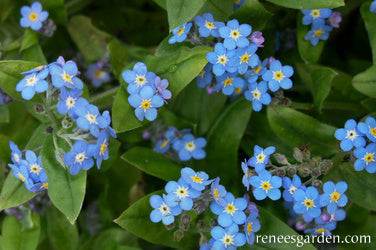
Forget-Me-Nots Azure Bluebirds
HARDY ANNUAL
Spring/summer bloom
Can handle frostEASIEST TO PLANT DIRECTLY IN THE GARDEN
Sow seeds directly into a finely textured, well-drained garden bed as early in spring as the ground can be worked, or in mid-summer where winters have only light frosts. Space seeds 2 to 3 inches apart and cover 1/4 inch deep. Keep soil moist as seedlings emerge in 7 to 14 days. Weed young seedlings carefully and thin before they get too crowded for best displays of flowers.
THIN OR TRANSPLANT
Extra thinned seedlings can easily be transplanted elsewhere in groups of 5-7 plants.
GROWING NOTES
In mild winter climates plants sown in midsummer (late July to mid August) develop throughout late summer and early autumn to flower abundantly the following spring.
In cold winter areas very early spring planting is fine. Forget-Me-Nots will naturalize easily. Pull out plants when bloom is finished and shake seed out if you want them to naturalize on their own.
Regular price $2.99Sale price $2.99Unit price per -
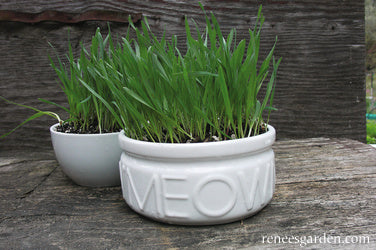
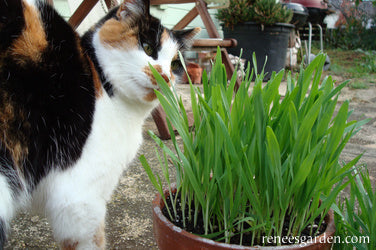
Container Cat Treats Gourmet Mixed Greens
ANNUAL CEREAL GRASSES
Oat, rye, wheat, barley
FOR BEST RESULTS
Fill a 6 inch diameter or larger, pot with moistened planting mix. Sprinkle seeds 1/4 inch apart over the surface, cover 1/2 inch deep with mix, and water gently. Keep pot moist but not soggy, and be sure to provide a good light source. The pot of grasses can be kept indoors for pets to graze on at their leisure. Fertilize every 2 weeks using a non-chemical fertilizer, such as fish emulsion.
GROWING NOTES
Our ample packet provides enough seed for 3 to 4 sowings. The grasses are ready for pets to nibble when the blades are at least a few inches tall, normally in about 10-14 days after sowing. If grasses get too tall and fall over, “mow” them down to 3-4 inches with a pair of scissors. For a constant supply, try sowing a pot every 2 weeks. Give your pet access to only one pot of grass at a time, and switch pots each week. When grass does not re-grow vigorously after cutting down and fertilizing, discard and start again with new seed and soil mix.
DINING IDEAS
Most cats will recognize the grass as a treat right away. To encourage finicky eaters, place the pot beside the kitty’s food and spritz it with water. This usually does the trick and cats who newly discover this treat delight in it!
Regular price $2.99Sale price $2.99Unit price per -
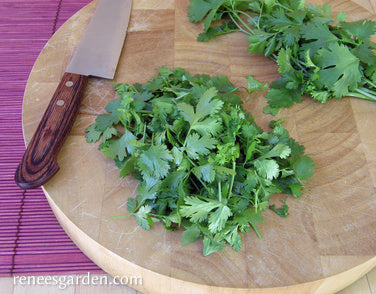
Heirloom Cilantro
EASIEST TO START OUTDOORS
In early spring, sow Cilantro seed directly into well-drained fertile soil 1 to 2 inches apart in rows 8 inches apart in full sun. Cover 1/2 inch deep and firm soil over seeds. Keep seed bed evenly moist as seedlings emerge over 10 to 20 days. Make new sowings every few weeks until mid summer for continuous harvests of fresh leaves.
THIN OR TRANSPLANT
Cilantro doesn’t transplant well; we advise direct garden sowing. Thin seedlings 3 to 4 inches apart before plants get crowded.
GROWING NOTES
Cilantro plants flower, then set seed quickly as plants mature. Lushest, leafy growth takes place in cooler weather; plant early and throughout cool spring weather and sow again in fall, particularly in mild winter areas. To have a constant supply of fresh leaves, sow every 2 to 3 weeks through early summer. Keep cilantro at its leafy stage longer by keeping plants well watered and being careful to thin seedlings early. Let some of the lacy flowers form to attract beneficial insects and pollinating bees. The fragrant round seeds are called coriander, an aromatic spice used in baking.
Regular price $4.89Sale price $4.89Unit price per -
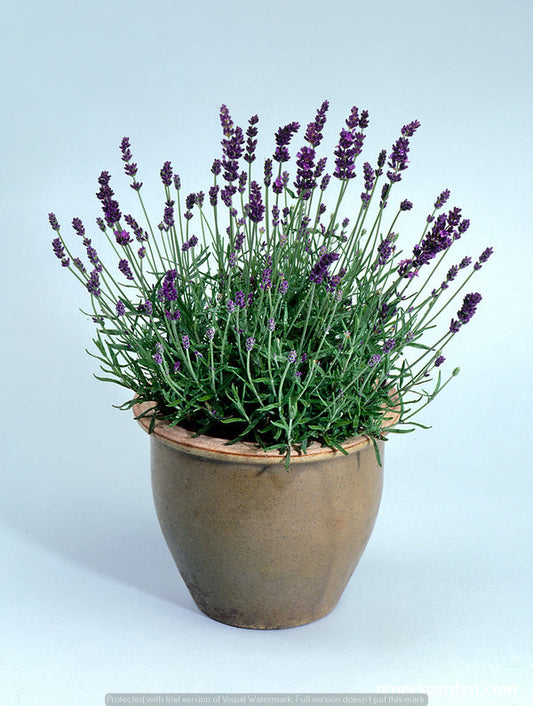
Container Herbs French Perfume Lavender
PERENNIAL
Late spring/early summer bloom
Frost hardy to zone 5 (zone 4 with protection)BEST TO START INDOORS
In early spring, sow seeds about 1 inch apart in a container of seed starting mix, cover very lightly and keep at 60-70°F (16-21°C) in a spot with good air circulation. Keep evenly moist but not soggy. Seedlings emerge slowly and unevenly over 18 to 28 days. Provide a good light source. When seedlings have several sets of leaves, transplant into 4 inch plastic pots. Provide consistent water, but let soil dry out on top between waterings. Feed every few weeks. Plant outside when plants are 2 to 3 inches tall after gradually acclimating to outdoors.
GROWING NOTES
Start these small seeds indoors so you can tend them carefully. When well established, plant seedlings out into pots filled with new potting mix with excellent drainage or in a well drained, sunny garden spot with good air circulation. Plant one seedling per individual pot at least 8 inches wide and deep or space multiple plants 8 inches apart in larger, deeper containers. Feed monthly during the growing season. Plants bloom the first season, but come into fullest flower by the second summer. Harvest stems of scented florets just as they start to open and air dry to use as aromatic sachets. At season's end, shape plants by cutting off spent flower stalks down to top crown of leaves.Regular price $4.99Sale price $4.99Unit price per -
Kitchen Herbs Slow-Bolt Cilantro
ANNUAL
Spring/summer/fall harvest
Can handle light frostsEASIEST TO START OUTDOORS
In early spring, sow Cilantro seed directly into well-drained fertile soil 1 to 2 inches apart in rows 8 inches apart in full sun. Cover 1/4 inch deep and firm soil over seeds. Keep seed bed evenly moist as seedlings emerge over 10 to 20 days. Make new sowings every few weeks until mid summer for continuous harvests of fresh leaves.
THIN OR TRANSPLANT
Cilantro doesn’t transplant well; we advise direct garden sowing. Thin seedlings 3 to 4 inches apart before plants get crowded.
GROWING NOTES
Cilantro plants flower, then set seed quickly as plants mature. Lushest, leafy growth takes place in cooler weather; plant early and throughout cool spring weather and sow again in fall, particularly in mild winter areas. To have a constant supply of fresh leaves, sow every 2 to 3 weeks through early summer.
Keep cilantro at its leafy stage longer by keeping plants well watered and being careful to thin seedlings early. Let some of the lacy flowers form to attract beneficial insects and pollinating bees. The fragrant round seeds are called coriander, an aromatic spice used in baking.
Regular price $2.99Sale price $2.99Unit price per -
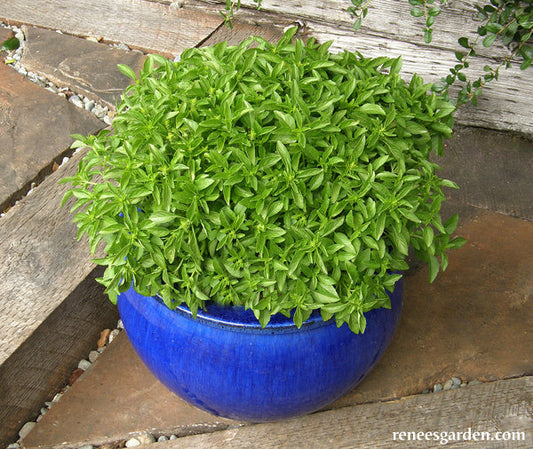
Kitchen Herbs Windowbox Mini Basil
ANNUAL
Summer/fall harvest
Heat-loving, frost tenderTO PLANT DIRECTLY INTO THE GARDEN
When late spring weather has thoroughly warmed up, sow seeds 1 inch apart in well worked fertile soil in full sun. Cover 1/4 inch deep, firm soil and keep seedbed moist. Germination takes 1 to 2 weeks. After seedlings are well established, thin or transplant 8 inches apart to allow plants room to mature.
TO START EARLY INDOORS
Sow seeds 1 inch apart in a container of seed starting mix, 4 to 6 weeks before last expected frost. Keep warm and evenly moist, and provide a good light source. When seedlings are large enough to handle and weather is warm, acclimate gradually to outdoor conditions before planting in the garden 6 to 8 inches apart.
GROWING NOTES
Remember — it is critical to plant basil in the garden only after late spring day and nighttime temperatures stay above 50°F (10°C). Harvest sprays of little leaves after plants have filled out to form neat umbrella shapes. Plants make a richly scented edging for flower or herb beds, or plant in pots at least 6 inches in diameter per plant. Keep flower buds pinched off to extend harvesting and feed regularly to promote new growth.Regular price $2.99Sale price $2.99Unit price per -
Kitty Queen's Four Grass Mix
ANNUAL CEREAL GRASSES
Oat, rye, wheat, barley.
Organically grown.FOR BEST RESULTS
Fill a 6 inch diameter or larger, pot with moistened planting mix. Sprinkle seeds 1/4 inch apart over the surface, cover 1/2 inch deep with mix, and water gently. Keep pot moist but not soggy, and be sure to provide a good light source. The pot of grasses can be kept indoors for pets to graze on at their leisure. Fertilize every 2 weeks using a non-chemical fertilizer, such as fish emulsion.
DINING IDEAS
Most cats will recognize the grass as a treat right away. To encourage finicky eaters, place the pot beside the kitty’s food and spritz it with water. This usually does the trick.
GROWING NOTES
Our ample packet provides enough seed for 3 to 4 sowings. The grasses are ready for pets to nibble when the blades are at least a few inches tall, normally in about 10-14 days after sowing. If grasses get too tall and fall over, “mow” them down to 2 inches with a pair of scissors.
For a constant supply, try sowing one pot, then another pot a week later. Give your pet access to only one pot of grass at a time, and switch pots each week. When grass does not re-grow vigorously after cutting down and fertilizing, discard and start again with new seed and soil mix.
DINING IDEAS
Most cats will recognize the grass as a treat right away. To encourage finicky eaters, place the pot beside the kitty's food and spritz it with water. This usually does the trick and cats who newly discover this treat delight in it!Regular price $4.89Sale price $4.89Unit price per -
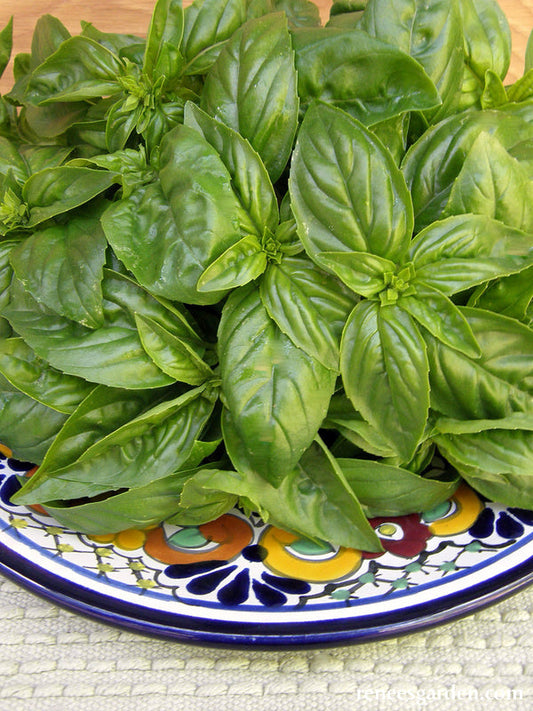
Heirloom Basil Italian Genovese
ANNUAL
Summer/fall harvest
Heat-loving, frost tenderTO PLANT DIRECTLY INTO THE GARDEN
When late spring weather has thoroughly warmed up, sow seeds 1 inch apart in well worked fertile soil in full sun. Cover 1/4 inch deep, firm soil and keep seedbed moist. Germination takes 1 to 2 weeks. After seedlings are well established, thin or transplant 8 inches apart to allow plants room to mature.
TO START EARLY INDOORS
Sow seeds 1 inch apart in a container of seed starting mix, 4 to 6 weeks before last expected frost. Keep warm and evenly moist, and provide a good light source. When seedlings are large enough to handle and weather is warm, acclimate gradually to outdoor conditions before planting in the garden 8 inches apart.
GROWING NOTES
Remember — it is critical to plant basil in the garden only after late spring day and nighttime temperatures stay above 50°F (10°C). Pinch off growing tips when plants are 6 to 8 inches tall to encourage branching. Harvest sprays of leaves by cutting stems just above two new sprouting lateral branches to get lush regrowth. Keep flower buds pinched off to extend harvesting and feed regularly to promote new growth.Regular price $4.89Sale price $4.89Unit price per -
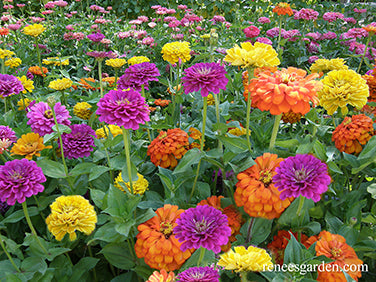
Heirloom Cutting Zinnias Bling Bling
ANNUAL
Summer/fall bloom
Frost tenderTO START DIRECTLY IN THE GARDEN
Sow seeds in well-worked soil in full sun when danger of frost is past and weather is warm and above 50°F (10°C) both day and night. Space seeds 2 to 3 inches apart in rows 12 inches apart, cover about 1/2 inch deep and gently firm soil. Keep soil evenly moist while awaiting germination.
TO START EARLY INDOORS
Four weeks before last frost date, sow seeds 1/2 inch deep and 3 inches apart in a container of seed starting mix. Keep warm and moist and provide a strong light source until seedlings are ready to plant outside when temperatures rise above 50°F (10°C) day and night.
THIN OR TRANSPLANT
Space seedlings 8 to 10 inches apart when large enough to handle in order to give plants room to mature and provide good air circulation.
GROWING NOTES
Zinnias grow readily in ordinary garden soil in full sun. For large and abundant flowers, thin before seedlings get crowded; adequate spacing and regular, even watering helps keep zinnias productive and discourages mildew. Pick when flower blossoms first open and petals are tight for longest vase life. Cut long stems well back into the plant to keep plants branching low and producing best blooms for summer long bouquets.Regular price $3.39Sale price $3.39Unit price per -
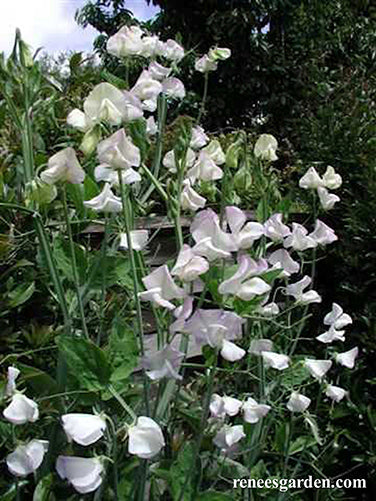
Fragrant Sweet Peas April in Paris
ANNUAL CLIMBING VINE
Spring/summer bloom
Frost tolerantEASIEST TO START OUTDOORS
Sweet peas must have well drained soil, so dig deeply and enrich with aged manure or compost before sowing seeds. Erect a well-anchored trellis, vertical netting or other support for vines before planting. Sow seeds in full sun in cool early spring weather as early as the ground can be worked. In mild winter areas, where the ground does not freeze, seeds can be planted in fall, form strong root systems, then overwinter to bloom strongly in spring. Plant seeds 1 inch deep and 2 to 3 inches apart. When seedlings are 2 inches tall, thin them 4 to 5 inches apart, to allow plants room to mature.
GROWING NOTES
Sweet peas bloom best before the weather gets too hot, so if spring planting, sow as soon as ground can worked. Where summer heat comes on fast, they’ll appreciate a spot with afternoon shade. Anchor supports well as vines will grow heavy with bloom. Protect seedlings from birds, slugs and snails. Mulch and keep well watered. For longest bloom, pick flowers often and keep faded blossoms cut.Regular price $3.99Sale price $3.99Unit price per -
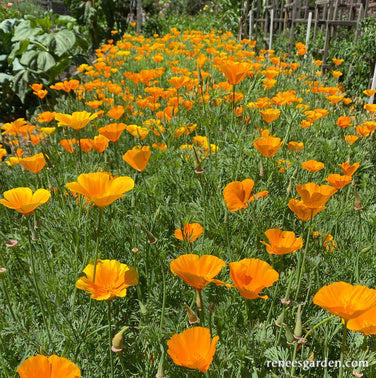
California Poppies Native Orange
PERENNIAL/GROWN AS ANNUAL
Spring/Summer bloom
Can handle light frostBEST TO START DIRECTLY IN THE GARDEN
Sow seeds directly into a finely textured, well drained garden bed in full sun as early in spring as the ground can be worked. Plant as early as possible in spring, as poppies can handle light frost and bloom best and longest when plants get a good start in cool weather. In mild winter climates, Poppies can also be sown in late fall to overwinter for spring bloom.
Except in very poor soil, these California poppies will grow and flower readily with no added fertilizer. Space seeds several inches apart, cover ¼ inch deep, and firm soil gently. Keep soil moist as seedlings emerge. If seedlings come up very thickly, thin poppies early but delay final thinning until seedlings are well established in spring. Space plants 3-4 inches apart to allow plants room to grow and bloom.
GROWING NOTES
When mature, poppy plants can handle dry conditions, but they will always bloom longer if regularly watered. Poppies are pretty cut flowers if brought indoors just as buds begin to open. At season’s end, allow spent flowers to form pods and drop seed if you want poppies to self-sow for next years flowers.Regular price $2.99Sale price $2.99Unit price per -
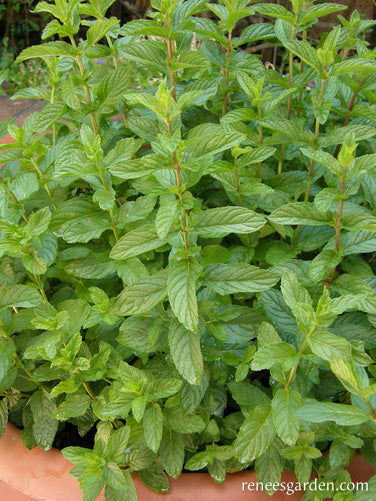
Kitchen Herbs Heirloom Spearmint
PERENNIAL
Spring/Summer/Fall harvest
Frost hardy to zone 4TO START EARLY INDOORS
In early spring, 4 to 6 weeks before last frost, start seeds in a container of moistened soil mix. Sow thinly, but do not cover. Provide a good light source until ready to transplant when seedlings are large enough to handle.
BEST GROWN IN CONTAINERS
Grow only in containers because mint spreads rampantly by underground runners, quickly becoming a nuisance in the garden. When warm spring weather arrives, sow seeds thinly (but do not cover) in containers of pre-moistened new soil mix in full sun. Keep evenly moist but not soggy.
When several inches tall, thin or transplant seedlings 6 to 8 inches apart in pots at least 16 inches across and 12 inches deep.
GROWING NOTES
Mint is long-lived and gets overcrowded easily. Divide plants into 4 quarters every spring, replanting 1 quarter of the original clump into a pot of fresh soil mix. Replant extra clumps in new pots or give away. See “How To Divide Spearmint Plants” video on our website.
HARVEST AND USE
Harvest frequently to encourage new growth. Snip sprigs of leaves in the morning when the aromatic oils are strongest. Use in drinks and sprinkle chopped mint over green and fresh fruit salads. Air dry by hanging branches in a warm, well-ventilated area, then package airtight.Regular price $3.99Sale price $3.99Unit price per -
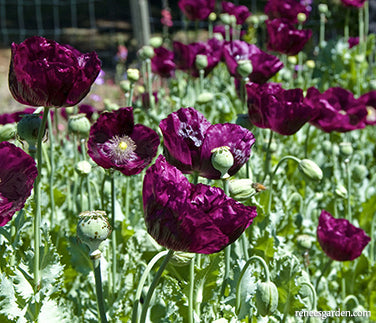
Heirloom Poppies Lauren's Dark Grape
HARDY ANNUAL
Spring/summer bloom
Frost hardySTART SEEDS OUTDOORS
Plant poppies either in late fall or very early spring. (Fall-sown seeds will overwinter and germinate when soil warms in early spring.) If spring planting, sow in a fine-textured garden bed in full sun as early as the ground can be worked.
Broadcast seeds as thinly and evenly as possible and rake in gently, or lightly cover 1⁄8 inch deep. Keep seedbed moist. Seedlings emerge in 7 to 14 days. If seedlings come up very thickly, thin poppies early but delay final thinning until weather is settled in spring.
THIN OR TRANSPLANT
Poppies don’t transplant well, so sow directly in the garden. Thin early if crowded, then again to a final spacing 8 to 10 inches apart.
GROWING NOTES
Sow seeds early if spring planting, as poppies can handle frosts and bloom best when plants get a good start in cool spring weather. To help space the tiny seeds, try mixing them with a little dry sand before sowing. Weed and water young seedlings and thin carefully to final spacing once well established because poppies need room to grow and mature. Prolong bloom by removing spent flowers.
Regular price $3.69Sale price $3.69Unit price per -
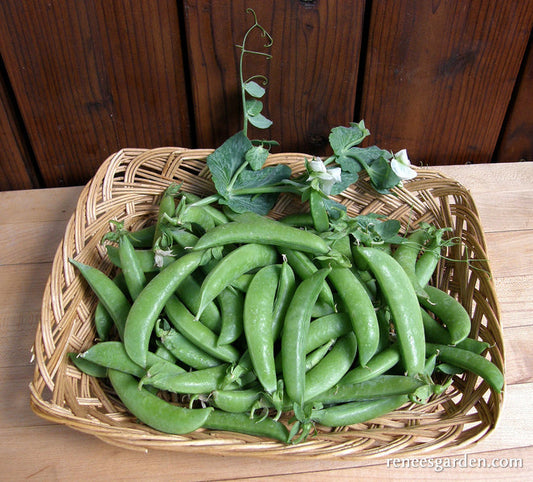
Snap Peas Sugar Daddy
START SEEDS OUTDOORS
In early to mid-spring, plant peas in full sun in well-worked, fertile soil. Sow seeds 1 inch deep and 2 to 3 inches apart in wide rows or bands 3 inches across, spacing the wide rows 2 feet apart. Provide supports for these 2 1/2 to 3 foot vines at planting time. Protect from marauding birds with netting or floating row covers if necessary. Wet and cold early spring weather may affect germination so if first sowing doesn’t germinate evenly, replant right away as new seedlings catch up quickly. Sow again for a fall crop about 2 1/2 months before first expected fall frost.HARVEST AND USE
Harvest only when peas are mature and round in the thick walled, juicy pods for the best developed flavor. Savor their sweet crunch fresh from the garden (kids especially love them!) as a snack or slice into salads. To cook quickly, sauté in a little oil just until pods turn a deeper green color.GROWING NOTES
Use netting or wire trellis to support these heavy bearing vines for easy picking. Turn a sprinkling of bone meal and wood ashes into the soil before planting. Keep pea vines well weeded and watered and mulch to conserve moisture. Water at the base of the plants to avoid mildew.
Regular price $4.89Sale price $4.89Unit price per -
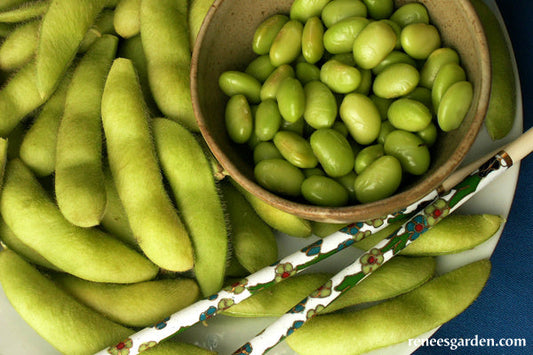
Fresh Soy Beans Edamame
START SEEDS OUTDOORS
In spring, once weather is warm and nights stay securely above 55°F (13°C), sow in well-worked, fertile soil in full sun. Plant seeds 1 inch deep and 3 inches apart in rows 2 feet apart. When seedlings are several inches tall, thin to final spacing of 6 inches apart. Make several sowings a few weeks apart until the end of June or early July to provide successive harvests.
GROWING NOTES
Edamame is easy and reliable to grow, but wait until weather warms before planting; cold and/or wet conditions prevent good germination. If first sowing comes up unevenly, replant right away; new seedlings catch up quickly. Be sure to thin to final 6 inch spacing for best pod production. Birds are often attracted to young seedlings, so watch carefully and protect with netting or floating row cover if necessary. Avoid cultivating plants when wet.
HARVEST AND USE
As edamame ripen, the beans swell in the pods. Pick promptly when pods are plump and beans are almost touching each other inside the pods but before the pods turn yellow. When ripe, harvest is concentrated over a short period. To prepare: cook unopened pods in a large pot of boiling salted water for 2 to 4 minutes or just until the beans in pods are tender. Drain and serve hot or cold, sprinkled with coarse salt to taste.
Regular price $4.99Sale price $4.99Unit price per -
Pole Beans Yard Long Noodle King
START SEEDS OUTDOORS
In late spring, once night temperatures stay securely above 55°F (13°C), plant seeds in well-worked, fertile soil in full sun. Erect strong stakes, tripod poles or trellis at planting time to support vines. Plant 1 in. deep & 4 inches apart along a trellis; around tripods or stakes, plant 4 to 6 seeds about 4 in. from each pole, thinning seedlings to 3 best plants per pole.
GROWING NOTES
Yard Long beans are easy to grow as long as you have plenty of sunshine & warm weather. Do not plant too early as cold conditions prevent good germination & growth. If first sowing comes up unevenly, replant right away; new seedlings will catch up quickly. Birds are attracted to young seedlings; watch carefully & protect with netting if necessary. Avoid harvesting beans in wet conditions.
HARVEST AND USE
For the best yields, pick beans frequently, at least every 2 or 3 days. Harvest these astonishingly long, crispy pods when beans are still pencil thin, the pods snap when bent & before the seeds have filled out inside; generally when about 12 to 18 inches long. If the pods get too thick & bulky, they will be fibrous & tough.
Chop the green, skinny pods into 2-3 inch pieces & quickly stirfry or sauté to enjoy their mild, nutty flavor. Try quickly cooking them Asian style with sautéed garlic & ginger, finishing the dish with a little toasted sesame oil & sesame seeds or toasted peanuts. You’ll love them!
Regular price $4.99Sale price $4.99Unit price per -
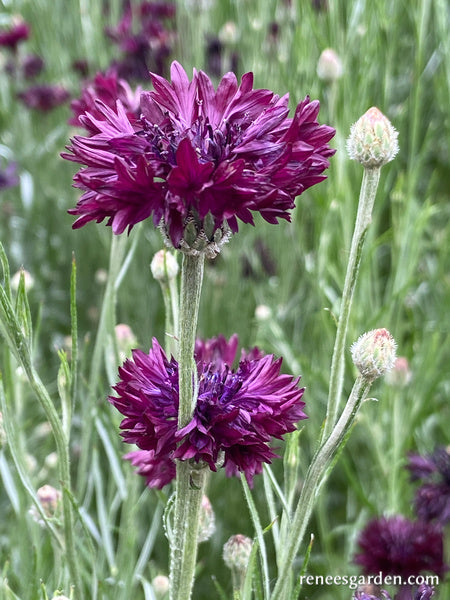
Heirloom Cornflowers Velvet Dawn
HARDY ANNUAL
Spring/summer bloom
Can handle light frostTO START OUTDOORS
Sow seeds in a finely textured garden bed in full sun as soon as soil can be worked. In mild winter areas, where the ground doesn’t freeze, plant in fall for next spring’s bloom. Space seeds 1 to 2 inches apart and cover ½ inch deep. Keep seed bed moist until seedlings emerge in 7 to 10 days. Weed and water carefully. Thin seedlings to 6 to 8 inches apart.
TO START EARLY INDOORS
Sow seeds 1 to 2 inches apart in a container of seed starting mix, 2 or 3 weeks before last expected frost. Cover 1/2 inch deep, keep moist and provide a good light source until seedlings are transplanted outside. Plant 6 to 8 inches apart into fertile garden soil in full sun when plants are 3 to 4 inches tall. Seedlings grow quickly; plant out before the roots get crowded.
GROWING NOTES
In mild winter areas the best Cornflowers (aka Bachelor Buttons) result from seeds sown in fall to bloom the next spring. In cold winter areas where ground freezes, plant in early spring to get sturdy plants that will flower for many weeks if faded blossoms are removed.
Regular price $3.39Sale price $3.39Unit price per -
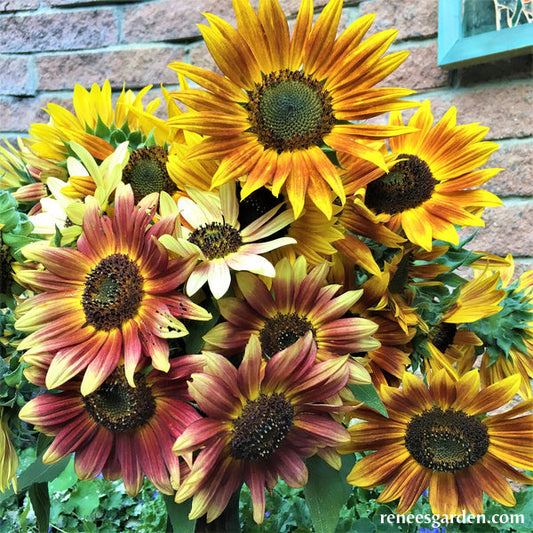
Pollinator & Songbird Sunflowers Paintbox Bouquet
ANNUAL
Summer/fall bloom
Frost tenderEASIEST TO PLANT OUTDOORS
Plant in full sun in good garden soil when weather is warm and settled, all danger of frost is past and both days and nights are evenly in the 50°F (10°C) range. Poke seeds into well-worked soil about 1/2 in. deep, 4 to 5 in. apart. Press soil firmly over seeds and keep moist until seedlings emerge in 8 to 10 days. Important: when seedlings are well-established, thin them to a final spacing of 1 foot apart so plants can grow sturdy stalks and big flowers. Extra seedlings can be transplanted easily.
TO START EARLY INDOORS
Several weeks before last frost date, sow seeds ½ inch deep in individual pots of well-drained seed starting mix. Keep moist and provide a strong light source until seedlings are well established and ready to plant outside. Transplant carefully, disturbing the roots as little as possible. Space seedlings 1 foot apart so plants will have room to grow and mature.
GROWING NOTES
Growing these colorful sunflowers for pollinators and bouquets is both easy and rewarding. Make several sowings several weeks apart to have a succession of flowers in full bloom. Keep soil moist and well weeded and protect very young seedlings from birds with netting or plastic berry baskets, removing before plants get crowded.
Regular price $4.89Sale price $4.89Unit price per -
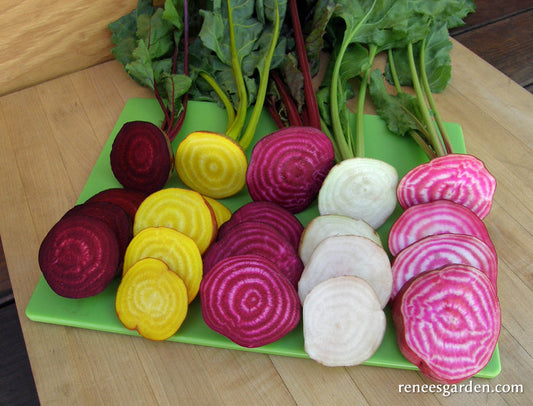
Gourmet Beets Five Color Rainbow
START SEEDS OUTDOORS
In early spring, when danger of frost is over, sow seeds in well-worked, fertile soil in full sun. Space seeds 1 inch apart in rows 8 to 10 inches apart, or broadcast thinly for bed planting. Cover 1/2 inch deep and firm soil well over these irregularly shaped seeds to ensure good germination. If first sowing comes up unevenly, sow more seeds as seedlings will catch up fast. When large enough to handle, carefully thin seedlings to 3 to 4 inches apart so beets have room to size up.
GROWING NOTES
For best quality, tender roots, sow seeds before midsummer heat and again in late summer to early fall – in cold climates, allow at least 10 weeks before fall frosts. Keep soil evenly moist throughout the season. Be sure to thin seedlings several times when plants are small, as beets grow best if given enough room.
HARVEST AND USE
After thinning seedlings, use their tender young tops for nutritious, flavorful steamed greens. Pull some of this beautiful five color mix at baby size, 1 to 2 inches in diameter, or let the bright colored roots grow as large as desired. Garden fresh beets will cook more quickly than store-bought. They are delicious shredded fresh into salads or steam, boil or roast whole in their skins like potatoes, then peel for wonderful colors and sweet concentrated flavor.
Regular price $4.39Sale price $4.39Unit price per -
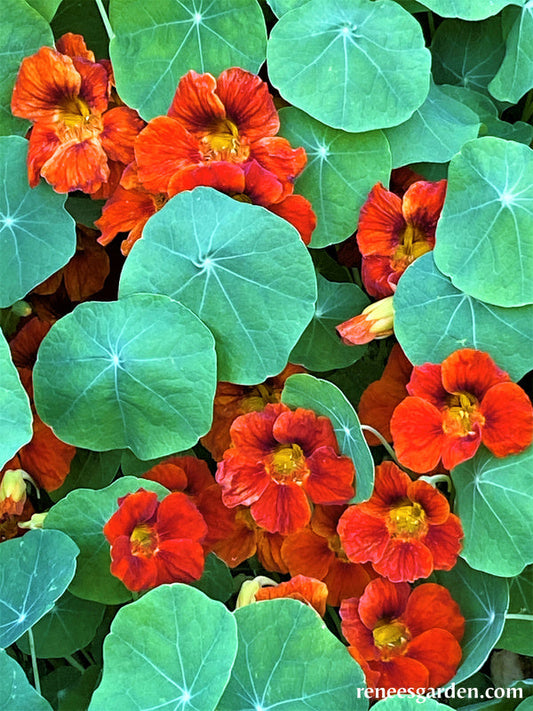
Mounding Nasturtiums Copper Sunset
ANNUAL
Spring/summer/fall bloom
Frost tenderEASY TO START OUTDOORS
Sow seeds in spring once all danger of frost is over in full sun (or part shade in hot climates). Nasturtiums need no added fertilizer in most soils. Poke seeds into well-worked soil about 1 inch deep and 3 to 4 inches apart. Press soil firmly over the seeds and keep moist. When seedlings are large enough to handle, thin to 10 inches apart as mounding plants need ample room.
TO START EARLY INDOORS
Sow 2 seeds each in individual 4 inch pots of well-drained seed starting mix 3 weeks before last expected frost date. Cover 1 inch deep. Provide a strong light source. When seedlings have several sets of leaves pinch out the weaker seedling, leaving one per pot. When night temperatures are above 50°F (10°C), gradually acclimate to outdoor conditions. Transplant seedlings into the garden 10 inches apart in full sun.
GROWING NOTES
These brilliantly colored mounding nasturtiums are reliable and easy to tuck into any well-drained spot. Except in very poor soil, nasturtiums will grow and bloom readily with no added fertilizer. Carefully thinned to proper spacing, they are a perfect disguise to cover fading bulb foliage in late spring and their softly draping leaves and vivid flowers will quickly fill garden beds or containers.
Regular price $3.99Sale price $3.99Unit price per -
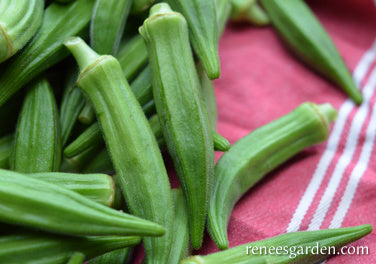
Garden Okra Jambalaya
TO START EARLY INDOORS
Start indoors 3-4 weeks before last frost date. Soak seeds overnight in tepid water to soften hard seed coats. Plant 1/2 inch deep in individual 3-4 inch pots of seed starting mix. Keep warm and provide a strong light source. Transplant 1 foot apart in rich garden soil in full sun only after temperatures reach 55-60° F (13-16° C) both day and night.
TO PLANT DIRECTLY OUTDOORS
When spring weather reaches 55-60° F (13-16° C) both day and night, plant in well-amended, rich garden soil in full sun. Sow seeds 1/2 inch deep and 6 inches apart. When seedlings are 3-4 inches tall, thin to one foot apart so plants have room to grow and mature.
GROWING NOTES
Okra seeds do not store well and germinate at about 50%, so start with fresh seeds each season. Plants need consistent hot weather, but once established, they really crank out pods! Provide consistent moisture; mulching is a good strategy. Feed plants monthly. Keep pods picked for most production.
Regular price $4.69Sale price $4.69Unit price per -
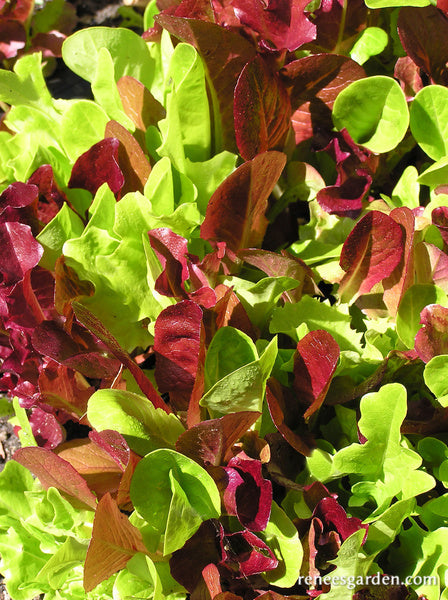
Farmers Market Lettuce Blend Sweet Greens & Reds
START SEEDS OUTDOORS
In cool early spring weather, sow seeds in finely worked soil in full sun. Shake seeds from the palm of your hand, broadcasting them about 1/2 inch apart over the entire seedbed or in wide rows, and cover lightly and evenly with 1/4 inch of fine soil. Firm soil gently and water with a fine spray. Keep seedbed evenly moist. Make small successive sowings until summer weather turns hot for a constant supply. Plant again in late summer for fall harvesting.
GROWING NOTES
Mixed lettuces thrive in mild weather with consistent moisture. To extend the sowing season into hot weather, sow in light shade or erect a canopy of loosely woven shade cloth over the bed. Birds are often attracted to tender young seedlings, so protect them if necessary.
HARVEST AND USE
To harvest by the “cut and come again” method, wait until plants are 4 or 5 inches tall. Cut as much lettuce as you need, using scissors to shear off a patch of leaves 1 to 2 inches above the soil level. Water well and fertilize lightly and plants will regrow for several more cuttings. Dress with a simple vinaigrette to enjoy the sweet flavor and juicy texture of these delicate young leaves at their best.
Regular price $2.99Sale price $2.99Unit price per -
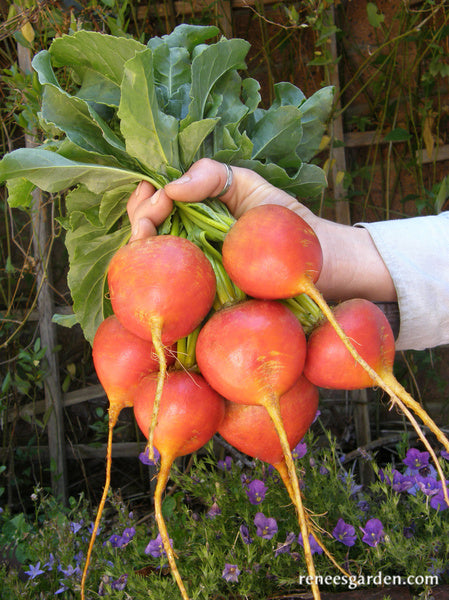
Gourmet Beets Golden
START SEEDS DIRECTLY OUTDOORS
In early spring, when danger of hard frost is over, sow seeds in well-worked, fertile soil in full sun. Space seeds 1 inch apart in rows 8 to 10 inches apart, or broadcast evenly for bed planting. Firming soil well over these irregularly shaped seeds will ensure best germination. If first sowing comes up unevenly, sow more seeds as seedlings will catch up fast. When large enough, carefully thin seedlings to 3 to 4 inches apart so growing beets have room to size up.
GROWING NOTES
For best quality, tender roots, sow seeds before midsummer heat and again in late summer to early fall—in cold climates, allow at least 10 weeks before fall frosts. Keep soil evenly moist throughout the season. Be sure to thin seedlings several times when plants are small, as beets grow best if given enough room.
HARVEST AND USE
After thinning seedlings, use tender young tops for nutritious, flavorful steamed greens. Harvest baby beets at 1 to 2 inches in diameter, or let roots grow as large as desired. Garden fresh beets cook quickly. They are delicious steamed, boiled or baked whole in their skins like potatoes, then peeled for wonderful color and sweet concentrated flavor. Golden color does not “bleed” like red beets.
Regular price $3.99Sale price $3.99Unit price per