In Stock 2022
-
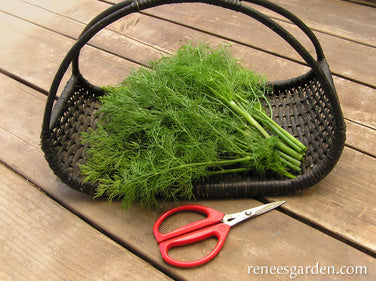
Kitchen Herbs Dukat Leafy Dill
ANNUAL
Spring/summer/fall harvest
Can handle light frostsEASIEST TO PLANT OUTDOORS
In early spring, sow dill seed directly into well-drained garden soil 1 to 2 inches apart in rows 6 inches apart in full sun and cover seeds 1/4 inch deep. Make small sowings every few weeks to have successive harvests of fresh leaves. Keep seed bed evenly moist while awaiting germination in 7 to 14 days.
TO START INDOORS
Sow dill seed thinly in individual pots of seed starting mix. Cover 1/4 inch deep and keep moist as seedlings emerge in 7 to 14 days. Provide a good light source. Transplant when seedlings are about 2 inches tall after gradually acclimating to outdoor conditions. Don’t let seedlings get crowded before planting outside.
THIN OR TRANSPLANT
Space groups of 2 or 3 seedlings about 4 inches apart when seedlings are large enough to handle.
GROWING NOTES
Keep plants well watered and thinned; crowded seedlings won’t make the lush growth desired for fresh leaf harvests and will form seed heads too early. Make several successive sowings for plenty of leafy dill fronds followed by seed heads to use for pickles and other savory dishes.Regular price $2.99Sale price $2.99Unit price per -
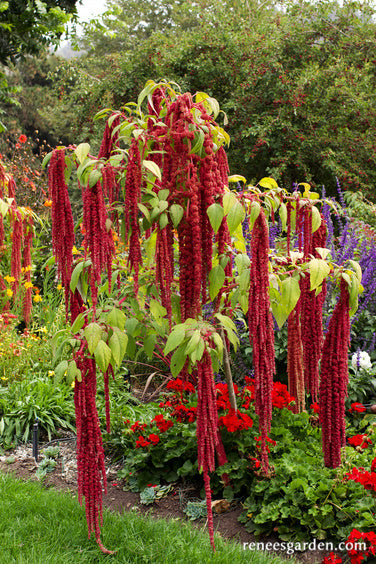
Heirloom Amaranth Love Lies Bleeding
ANNUAL
Summer/fall bloom
Frost tenderEASIEST TO START OUTDOORS
Sow seeds in full sun in ordinary well-worked garden soil when weather is warm and settled and all danger of frost is past. Space tiny seeds 3 to 4 inches apart or as thinly as possible. Cover lightly and keep moist until seedlings emerge in 7 to 10 days.
TO START EARLY INDOORS
Several weeks before last frost date, sow seeds 1 inch apart in containers or individual pots of well-drained seed starting mix, cover lightly and keep moist. Provide a strong light source until seedlings are ready to plant outside when weather is warm and settled and before seedlings get too crowded. Thin or transplant seedlings 18 to 24 inches apart when seedlings are large enough to handle so the large plants will have room to grow.
GROWING NOTES
This dramatic annual is easy to grow, sun loving and drought-tolerant. The large plants make striking garden companions to taller flowers like Sunflowers or Tithonia. Love Lies Bleeding’s draping blossoms with their rich color and unusual touchable texture are long-lasting focal points for large arrangements. Let some flowers set seeds in the garden to self sow.
Regular price $2.99Sale price $2.99Unit price per -
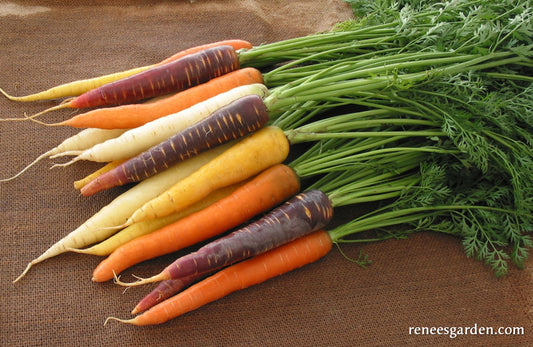
Rainbow Carrots Harlequin Mix
START SEEDS OUTDOORS
In spring once danger of hard frost is past, sow seeds in full sun in finely worked, fertile soil. Sow 1/4 inch deep and 1/2 inch apart in rows 8 inches apart, or broadcast thinly in beds and cover lightly. Keep seedbed evenly moist as carrots can be slow to germinate, emerging over 10 to 20 days. If first sowing comes up unevenly, replant right away as seedlings catch up quickly. Be sure to thin young carrots several times so seedlings are about 2 inches apart and have the room they need to size up.
GROWING NOTES
Carrots like well-worked soil and need consistent moisture to grow well. If your soil tends to dry out, cover seedbed with floating row cover to help retain moisture during the germination period and water right through it. Keep carrots well watered and thinned. For a late season crop, sow again 3 months before first expected frost.
HARVEST AND USE
For best sweet flavor, let these pretty, different colored carrots size up and fully mature before harvesting. Enjoy these extra healthy carrots raw as snacks or grated into salads for great eye appeal. Sauté or steam just until tender crisp and serve with a little sweet butter and your favorite fresh chopped herb. Carrots go well with dill, tarragon, chives, cilantro or mint.
Regular price $4.69Sale price $4.69Unit price per -
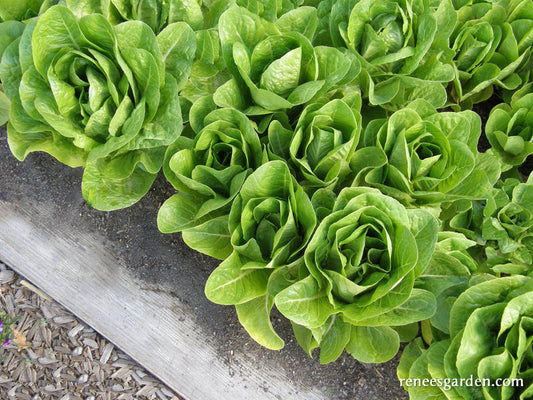
Container Lettuce Sweetie Baby Romaine
START SEEDS OUTDOORS
In cool spring weather, start seeds in full sun. Sow seeds 1/4 inch deep and 1 inch apart in fertile, well-drained soil mix. After the seedlings germinate and begin to grow, it’s important to thin the young plants so they have room to mature into heads. Thin seedlings when a few inches tall to a final spacing of 5 inches apart so they have room to mature to full heads (extra seedlings will transplant easily to grow elsewhere). Plan on 7 to 10 full heads in a 16-18 inch pot or an 18-24 inch window box. Plan on 3 full heads in an 8 inch pot.
GROWING NOTES
Lettuce thrives in cool conditions. Be sure to thin properly and keep evenly moist for sweet tasting, full heads. For a constant supply, make several sowings a few weeks apart until summer weather turns hot.
Plant again in late summer for fall harvest. In hot weather, give lettuce some afternoon shade and check water daily. Feed with liquid fertilizer every 2 weeks.
Try setting seedlings around the edges of a big pot holding a young tomato or pepper plant. Harvest the lettuce as the bigger plant grows to need the space.
HARVEST AND USE
Savor young lettuce thinnings in your first spring salads. Then harvest plants by cutting mature heads when they feel firm and well-filled. Pull over-mature plants if they begin to elongate (“bolt”) in hot weather, as leaves turn bitter at this stage.
Regular price $3.39Sale price $3.39Unit price per -
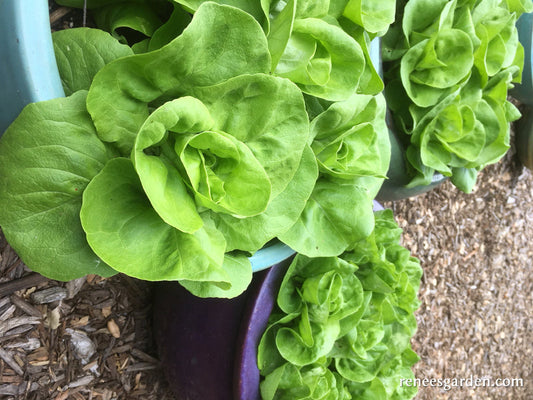
Container Lettuce Garden Babies Butterhead
START SEEDS OUTDOORS
In cool spring weather, start seeds in in full sun. Sow seeds 1/4 inch deep and 1 inch apart in fertile, well-drained soil mix. After the seedlings germinate and begin to grow, it's important to thin the young plants so they have room to mature. Thin seedlings when they are 1 to 2 inches tall to a final spacing of about 4 to 5 inches apart. 5 to 7 plants can grow to maturity in a 12 to 15 inch container or 3 plants in an 8-inch pot.
GROWING NOTES
Lettuce thrives in cool conditions with consistent moisture. Be sure to thin properly and keep evenly moist for sweet tasting, full heads. For a constant supply, make several sowings a few weeks apart until summer weather turns hot. Plant again in late summer for fall harvest. In hot weather, give lettuce some afternoon shade to extend harvest season and check water daily. Keep soil evenly moist and feed with liquid fertilizer every 2 weeks. Consider transplanting lettuce seedlings around the edges of a big pot containing a young tomato or pepper plant. The lettuces will be ready to eat just as the bigger plant grows larger and needs the space.
HARVEST AND USE
Savor young thinnings in your first spring salads. Then harvest plants by cutting mature heads when they feel firm and well-filled out. Pull over-mature plants if they begin to elongate (“bolt”) in hot weather, as leaves turn bitter at this stage.
Regular price $2.99Sale price $2.99Unit price per -
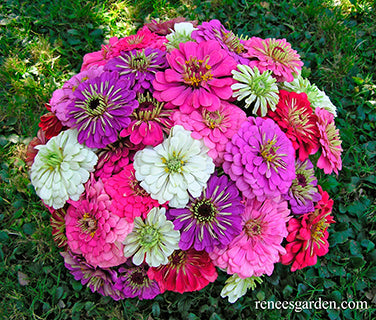
Cutting Zinnias Cool Crayon Colors
ANNUAL
Summer/fall bloom
Frost tenderTO START DIRECTLY IN THE GARDEN
Sow seeds in a well-worked seed bed in full sun when danger of frost is past and weather is above 50°F (10°C) both day and night. Space seeds 2 to 3 inches apart in rows 12 inches apart, cover about 1/2 inch deep and gently firm soil. Keep evenly moist while awaiting germination.
TO START EARLY INDOORS
Four weeks before last frost date, sow seeds 1/2 inch deep and 3 inches apart in containers of seed starting mix. Keep warm and moist and provide a strong light source. Feed with 1/2 strength fertilizer every 2 weeks. Just as soon as seedlings have several sets of true leaves, plant outdoors when temperatures stay above 50°F (10°C) at night.
THIN OR TRANSPLANT
Space seedlings 8 to 10 inches apart when large enough to handle to provide good air circulation and give plants room to mature.
GROWING NOTES
Zinnias grow readily in ordinary garden soil in full sun. For large and abundant flowers, thin before seedlings get crowded; adequate spacing and regular, even watering helps keep zinnias productive and discourages mildew. Pick when flower blossoms first open and petals are tight for longest vase life. Cut long stems well back into the plant to keep plants branching low and producing best blooms for summer long bouquets.Regular price $2.99Sale price $2.99Unit price per -
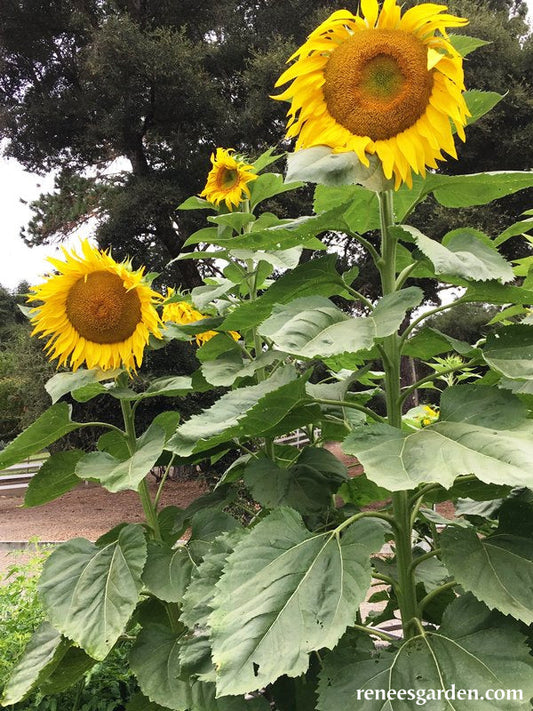
Giant Sunflowers Heirloom Titan
ANNUAL
Summer/fall bloom
Frost tenderEASIEST TO START DIRECTLY IN THE GARDEN
Plant in full sun in good garden soil when weather is warm and settled both day and night and all danger of frost is past. Poke seeds into well-worked soil about 1 inch deep and 6 inches apart. Press soil firmly over seeds and keep moist as seedlings emerge.
THIN OR TRANSPLANT
When seedlings are about 3 inches tall, be sure to space them 12 to18 inches apart with 3 feet between rows. This spacing allows plants room to grow, establish strong roots and sturdy stalks.
GROWING NOTES
Keep soil moist and well weeded. Protect seedlings from birds at planting time with netting or plastic berry baskets, removing before plants get crowded. For large heads, space seedlings properly so plants will have room to grow to full size.
HARVEST AND USE
As petals drop, bees pollinate the florets in each head and seeds begin to mature. When center disk florets have dried up, cover the ripening seed heads loosely with paper bags to foil pilfering birds. When ripened kernels are plump and hard-shelled, cut entire heads, dry fully, then remove the seeds by hand, rubbing them out with your thumbs. Store in closed containers to eat for snacks or feed to the birds over the winter.Regular price $3.39Sale price $3.39Unit price per -
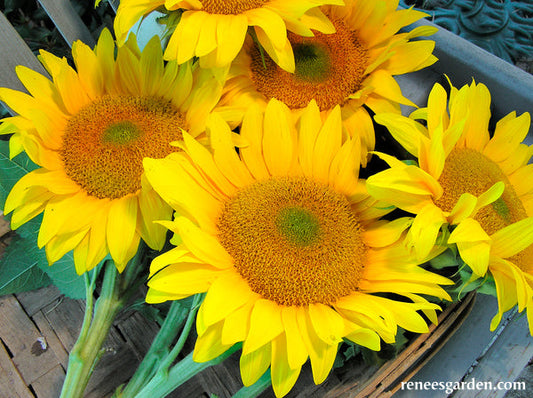
Ornamental Sunflowers Van Gogh
ANNUAL
Summer/fall bloom
Frost tenderEASIEST TO PLANT OUTDOORS
Plant in full sun in good garden soil when weather is warm and settled, all danger of frost is past and both days and nights are evenly in the 50°F (10°C) range. Poke seeds into well-worked soil about 1/2 inch deep, 4 to 5 inches apart. Press soil firmly over seeds and keep moist until seedlings emerge in 8 to 10 days. When seedlings are large enough to handle, thin seedlings to final spacing of 1 foot apart so these tall plants will have ample room to grow. Extra thinned seedlings can be transplanted easily.
TO START EARLY INDOORS
Several weeks before last frost date, sow seeds 1/2 inch deep in individual pots of well-drained seed starting mix. Keep moist and provide a strong light source until seedlings are well established and ready to plant outside. Transplant carefully, disturbing the roots as little as possible. Space seedlings 1 foot apart so plants will have room to mature.
GROWING NOTES
These handsome tall flowers are easy and rewarding to grow. Make several sowings several weeks apart to have a succession of flowers in full bloom. Keep soil moist and well-weeded and protect very young seedlings from birds with netting or plastic berry baskets, removing before plants get crowded.Regular price $4.69Sale price $4.69Unit price per -
Shirley Poppies Legion of Honor
ANNUAL
Spring/summer bloom
Frost hardyBEST TO START DIRECTLY IN THE GARDEN
Sow seeds directly into a finely textured garden bed in full sun as early in spring as ground can be worked. To help space the fine seeds, mix with dry sand before sowing. Cover very lightly with fine soil and keep seed bed moist as seedlings emerge over 7 to 14 days.
THIN OR TRANSPLANT
Poppies do not transplant well so we advise sowing the seeds directly in the garden. Be sure to thin crowded seedlings early; final plant spacing should be 4 to 6 inches apart so plants have room to fully mature and bloom.
GROWING NOTES
Plant as early as possible in spring, as poppies can handle frost and bloom best and longest when plants get a good start in cool weather. In mild winter climates, sow seed in late fall to overwinter for spring bloom. Weed and water young seedlings carefully. Mature plants can handle dry conditions but appreciate regular water in hot locations.
Regular price $2.99Sale price $2.99Unit price per -
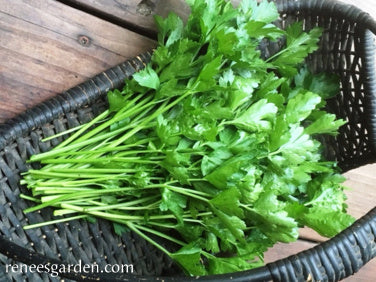
Kitchen Herbs Italian 'Gigante' Parsley
BIENNIAL, GROWN AS ANNUAL
Spring/summer/fall harvest
Frost hardyEASIEST TO START OUTDOORS
Start parsley in spring when weather is settled but still cool and/or in late summer in mild winter climates. Plant in full sun or half-day sun if climate is very hot. Sow seeds 1-2 inches apart into a well-worked fertile seed bed. Cover 1/4 inch deep. Parsley germinates unevenly over several weeks; be patient and keep seed bed evenly moist. Using synthetic row covers to hold moisture during germination is helpful; remove when seedlings are well established.
TO PLANT INDOORS
Sow parsley seeds in early spring in a container of seed starting mix. Cover 1/4 inch deep, and keep container moist but not soggy until seedlings emerge. Provide a good light source. Feed seedlings frequently until ready to transplant when several inches tall.
THIN OR TRANSPLANT
Space 3 to 4 inches apart when seedlings large enough to handle.
GROWING NOTES
Parsley needs rich moist soil and ample spacing for lush harvests. Thin early and keep well weeded and watered. Begin to harvest sparingly once plants have 8 to 10 leaves. Fertilize frequently with a high nitrogen source.Regular price $2.99Sale price $2.99Unit price per -
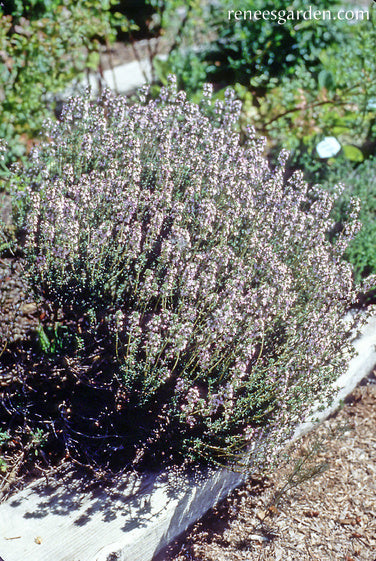
Kitchen Herbs French Thyme
PERENNIAL
Spring/summer/fall harvest
Frost hardyBEST TO PLANT INDOORS
Sow thyme in early spring in a container of seed starting mix. Cover seeds very lightly and keep evenly moist but not soggy until seedlings emerge in 14 to 21 days. Provide a good light source. When seedlings are 2 inches tall, gradually acclimate to outdoor conditions and transplant clusters of 3-4 seedlings 8-10 inches apart.
TO START IN THE GARDEN
Plant thyme after soil has warmed up in spring in a finely textured seed bed with good drainage in full sun. Sow very thinly, cover seed lightly and be careful to keep the seed bed evenly moist and well weeded. When seedlings are several inches tall, thin out, leaving clumps of 3-4 seedlings 8-10 inches apart so plants have room to grown and spread.
GROWING NOTES
Given a sunny location with good drainage, easy-growing thyme plants are reliable productive and long-lived garden perennials. Little lilac flowers bloom in midsummer; cut back foliage halfway when the blossoms fade to keep plants looking fresh. Cut leafy thyme sprigs as needed once plants are well established.Regular price $2.99Sale price $2.99Unit price per -
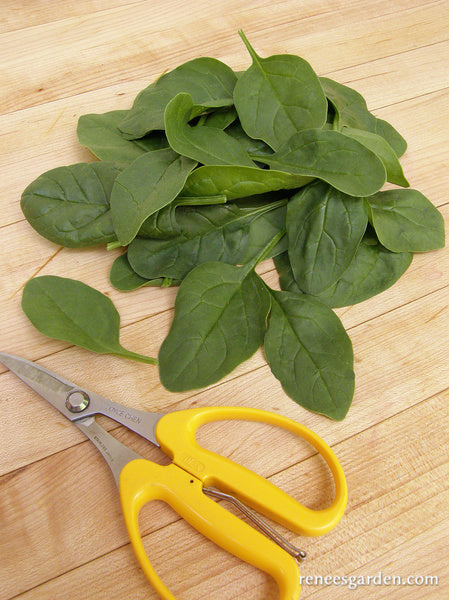
Baby Leaf Spinach Catalina
TO START OUTDOORS
In early spring when danger of hard frost is over, sow seeds in well-worked fertile soil in full sun. Space seeds 1 inch apart in rows 8 to 10 inches apart, or broadcast thinly for bed planting. Firm soil well over seeds to ensure good germination. If first sowing germinates unevenly, plant more seed as seedlings will catch up fast. Sow again in late summer.GROWING NOTES
Spinach is most productive in cool weather. Grow in cool spring conditions and sow again in late summer for a productive fall crop. After seedlings reach 2 to 3 inches tall, thin out every other plant (and enjoy in early salads) and keep thinning in this fashion until plants are spaced 5 or 6 inches apart.HARVEST AND USE
Either harvest individual outside leaves from well-established plants and let regrow, or harvest entire plants. Keep spinach plants well watered and weeded and fertilize these heavy feeders several times as they leaf out and especially after harvesting outside leaves. Combine well-washed and dried leaves with your favorite garlicky salad dressing; spinach pairs well with hearty dressings like the traditional hot bacon dressing. Good spinach salad additions include thinly sliced sweet red onions, sliced radishes, thin wedges of red apple or orange segments, toasted nutmeats, chopped scallions, crispy bacon bits, hard-cooked egg quarters and finely grated hard cheese.
Regular price $3.99Sale price $3.99Unit price per -
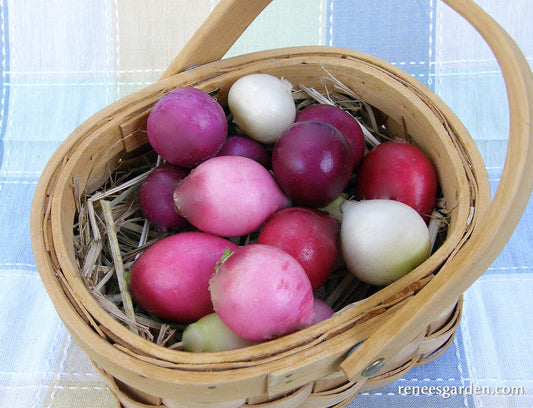
Rainbow Radishes Easter Egg II
START SEEDS OUTDOORS
In early spring as soon as ground can be worked, sow radish seeds in well-worked, fertile soil in full sun. Space seeds 1 inch apart in wide rows 6 inches apart. Keep soil evenly moist and well weeded. If first sowing comes up unevenly, replant right away. Sow in late summer for a fall crop.
GROWING NOTES
Sow this quick growing, cool season crop wherever you intend to plant heat lovers later. Radishes thrive and have crisp flesh and the best mild flavor given consistent moisture. Sow small amounts a week apart to mature before or after summer heat. Thin quick-growing seedlings early to 2 inches apart so roots have room to size up. Protect radishes with floating row covers if marauding birds or flea beetles that chew holes in the leaves are a problem.
HARVEST AND USE
Harvest radishes when roots are the size of large marbles. If weather turns unexpectedly hot, pull, cut off tops, and store in the refrigerator for up to 3 weeks. Radishes will be spicier in hot weather and milder grown in cooler conditions. Combine sliced radishes, scallions and fresh dill or parsley for a great salad. Make delicious open faced sandwiches on whole grain bread spread with sweet butter and topped with sliced radishes.Regular price $3.39Sale price $3.39Unit price per -
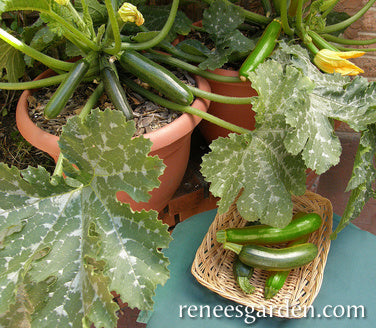
Container Zucchini Astia
START SEEDS OUTDOORS
Plant only when weather has warmed up and nights are above 50°F (10°C) Amend soil well with aged manure or compost. In a sunny spot, make slightly mounded hills, 3’ wide and 3’ apart. Sow seeds in a triangle on each mound, planting two seeds 1” deep at each point in the triangle. Thin to the strongest seedling at each point, leaving 3 seedlings per mound.
FOR CONTAINERS
Use fresh, good quality potting soil in containers. For a pot 15 in. across and 12 in. deep, sow 2-3 seeds in center. When seedlings reach 3-4 inches, remove all but 1 strong seedling. For pots 18-20 in. across and 12-15 in. deep, sow seeds 4 inches from container edges, then thin to 2 plants per pot. For larger pots, thin plants to be 8 in. apart. Mulch to help conserve moisture and fertilize monthly for good production. In hot weather, check and water containers daily.
GROWING NOTES
Protect seedlings from marauding birds with plastic berry baskets, removing before plants get crowded. Thin plants properly; you’ll get more zucchinis from a few well-spaced, healthy vines than from crowded plants that are much more disease prone.
HARVEST AND USE
Harvest at about 5 inches in length; frequent harvesting keeps plants producing. Enjoy these zucchinis grilled, baked sautéed or steamed. Try slicing lengthwise, drizzling with olive oil and roasting to succulent perfection. Or slice 1/2 inch thick, top with pizza sauce and cheese and bake.Regular price $4.99Sale price $4.99Unit price per -
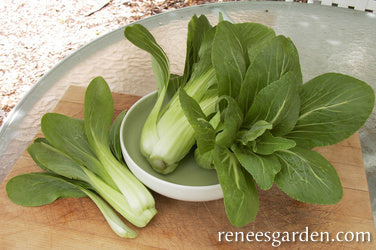
Baby Pak Choi Green Fortune
TO START OUTDOORS
In very early spring as soon as ground can be worked, prepare a well-drained, fertile garden bed in full sun. Sow seeds 2 inches apart in rows spaced 6 to 8 inches apart. Cover 1/4 inch deep and keep soil evenly moist to ensure good germination. Sow again in late summer for another fast growing crop.
TO START INDOORS
Sow seeds in a container of seed starting mix 2 inches apart and cover 1/4 inch deep. Keep moist and provide a strong light source until seedlings are about 3 inches tall and ready to plant in the garden.
THIN OR TRANSPLANT
Space seedlings 5 to 6 inches apart to give plants room to mature.
GROWING NOTES
Pak Choi thrives in rich soil and cool growing conditions. Be sure to thin seedlings and keep well weeded and watered for best tasting crunchy heads. Feed 2 or 3 times during the growing season with fish emulsion or another high nitrogen fertilizer.
HARVEST AND USE
Use early thinnings in salads. Cut whole vase-shaped little heads when they are plump and well filled out. Chop coarsely for delicious quick stir fries, or braise in a little butter and broth just until tender-crisp. Green Fortune is mild and sweet tasting and chock full of vitamins and antioxidants.
Regular price $3.99Sale price $3.99Unit price per -
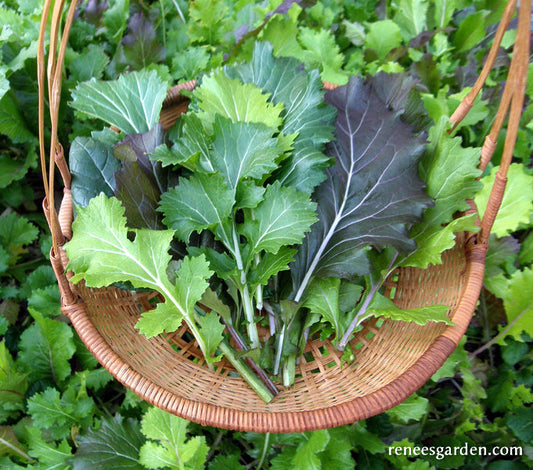
Heirloom Greens Cut & Come Again Mustards
START SEEDS OUTDOORS
In cool early spring weather, sow seeds in finely worked soil in full sun. Shake seeds from the palm of your hand, broadcasting them about 1/2 inch apart over the entire seedbed or in wide rows, and cover lightly and evenly with 1/4 inch of fine soil. Firm soil gently and water with a fine spray. Keep seedbed evenly moist. Make small successive sowings until summer weather turns hot for a constant supply. Plant again in late summer for fall harvesting.
GROWING NOTES
This mix will thrive in mild weather with consistent moisture. To extend the sowing season into hot weather, sow in light shade or erect a canopy of loosely woven shade cloth over the bed. Birds are often attracted to tender young seedlings, so protect them if necessary.
HARVEST AND USE
To harvest by the “cut and come again” method, wait until plants are 4 to 6 inches tall. Cut as much as you need, using scissors to shear off a patch of leaves about 1 to 2 inches above the soil level. Water well and fertilize lightly and plants will regrow for several more cuttings. Sauté leaves quickly in olive oil with a little chopped garlic or steam and finish with a splash of hot sauce or rice vinegar.
Regular price $4.89Sale price $4.89Unit price per -
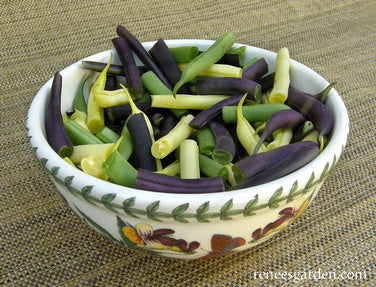
Tricolor Bush Beans Gold, Purple & Green
START SEEDS OUTDOORS
In spring once weather is warm and settled and night temperatures stay securely above 55°F (13°C), plant seeds in well-worked, fertile soil in full sun. Poke seeds in 1 inch deep and 4 inches apart in rows 1 1/2 to 2 feet apart. Make several sowings several weeks apart until the end of June to provide long continued harvests.
GROWING NOTES
Tender crispy garden beans are an easy reliable crop to grow, but don’t plant seeds too early as cold conditions prevent good germination. If first sowing comes up unevenly, replant right away; new seedlings will catch up quickly. Birds are often attracted to young bean seedlings, so watch carefully and protect with netting or floating row covers if necessary. Avoid cultivating plants or picking pods when plants are wet.
HARVEST AND USE
Pick beans frequently to encourage plants to continue making new blossoms and pods. For best eating, harvest beans when they are slender and before the seeds inside the pods have filled out. Enjoy tender-crisp beans quickly steamed or sautéed to serve hot, or toss all three colors in an herbal vinaigrette. Cooked beans combine well with squash, carrots, or corn, accented with fresh chopped dill or thyme for pretty summer meals.
Regular price $3.99Sale price $3.99Unit price per -
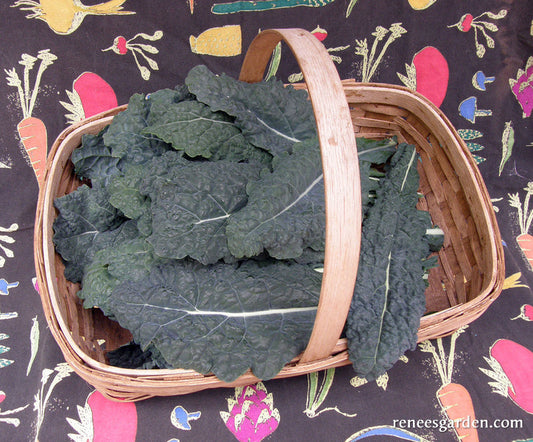
Italian Heirloom Kale Lacinato
TO START DIRECTLY IN THE GARDEN
As soon as ground can be worked in spring, prepare a well-drained, fertile garden bed in full sun. Sow seeds 2 inches apart in rows 12 to 18 inches apart. Cover 1/2 inch deep and keep soil evenly moist to ensure good germination. Sow again in late summer for another cold-hardy crop.
TO START INDOORS
Sow seeds in a container of seed starting mix 2 inches apart and cover 1/2 inch deep. Keep moist and provide a strong light source until seedlings are 3 to 4 inches tall then plant outdoors. Space 10 to 12 inches apart so plants have room to mature.
GROWING NOTES
Kale tastes best in cool weather so sow spring crops early. A late summer-sown crop will yield through fall and winter except in the coldest climates. Frost actually enhances kale leaves’ color, flavor and sweetness. Mulch to retain moisture in summer and before the ground freezes to protect the roots of fall crops.
HARVEST AND USE
Begin harvesting outer leaves when plants have 6 to 8 leaves. Vitamin-rich kale is delicious in hearty winter soups, stews and sautés; or braise the beautiful leaves with garlic and olive oil in traditional Mediterranean style. Pull and discard once plants begin to bloom since the leaves of flowering stalks get tough and bitter.
Regular price $2.99Sale price $2.99Unit price per -
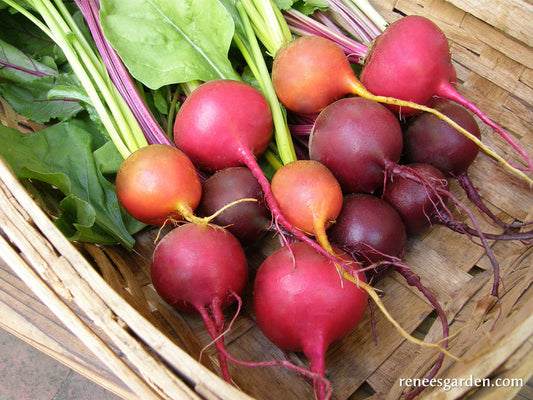
Jewel-Toned Beets Red, Gold & Candystripe
START SEEDS OUTDOORS
In early spring when danger of hard frost is over, sow seeds in well-worked, fertile soil in full sun. Sow seeds 1 inch deep and 1 inch apart in rows 10 inches apart, or broadcast thinly and evenly for bed planting. Firm soil well over these irregularly shaped seeds to ensure good germination. If first sowing germinates unevenly, replant more seed in the rows as seedlings will catch up fast. Carefully thin when seedlings are large enough to handle to stand 3 to 4 inches apart so roots have room to grow and mature.
GROWING NOTES
For best quality tender roots, sow seeds before midsummer heat and again in early fall at least 10 weeks before fall frosts. Keep soil evenly moist throughout the growing season. Be sure to thin beet seedlings carefully several times when plants are small as they’ll grow best if given enough room.
HARVEST AND USE
After thinning seedlings, use tender young tops for nutritious flavorful steamed greens. Harvest baby beets at 1 to 2 inches in diameter, or let roots grow as large as desired. Garden fresh beets cook quickly. They are delicious steamed, boiled or baked whole in their skins like potatoes, then peeled for wonderful color and sweet concentrated flavor.
Regular price $3.69Sale price $3.69Unit price per -
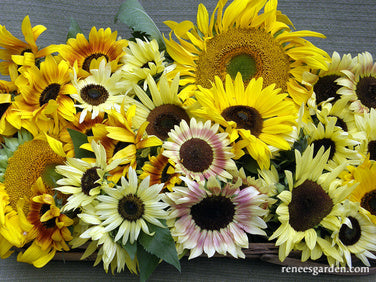
Heirloom Summer Garden Dancing, Joyous Sunflowers
NOTE
Seeds in this canister are packed with a larger quantity of organic rice hulls to help space them. Before opening, shake canister thoroughly to mix.
HOW TO PLANT AND GROW
When spring weather is warm and settled, and nights are reliably above 50°F (10°C), prepare the planting area by removing all weeds, grass, large clumps and stones. Loosen the top 2 inches of soil with a digging fork or shovel, then smooth with a flat rake.
Scatter mix thinly and evenly. Using your rake, work to cover the seeds with 1/2-1 inch of soil, then use planting mix or compost to cover any exposed seed mix. Water thoroughly with a gentle mist.
Keep weeded and watered; protect tiny seedlings from birds by using netting or ribbons of shiny, reflective flash tape at planting time. When 3-4 inches tall, remove covering and thin seedlings to 10-12 inches apart. This spacing is critical for sturdy, windproof plants with good root systems and large flowers.
HARVEST AND USE
For bouquets, cut when flowers just begin to open. Many diverse pollinators will busily visit the florets in each flower head and seeds will begin to mature. When the center disk florets have dried, birds will happily snack on ripening seed heads.
Harvest for winter feeding by covering ripening heads with paper bags until kernels are plump and hard shelled. Cut entire heads; store until cool and dry, then remove seeds. Store in closed containers to feed as needed.
Regular price $16.95Sale price $16.95Unit price per -
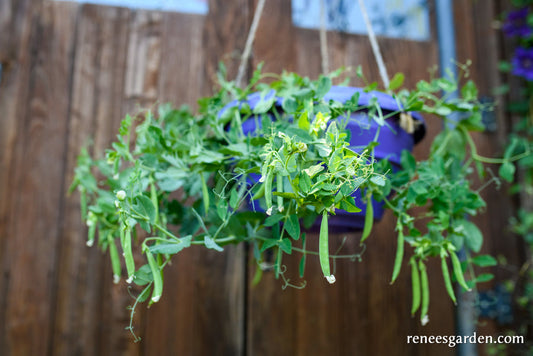
Hanging Basket Snap Peas Snack Hero
START SEEDS OUTDOORS
In early to mid-spring, plant peas in full sun in well-worked, fertile soil. Sow 1 inch deep and 3 inches apart. Protect from marauding birds with netting or floating row covers if necessary. Wet, cold early spring weather may affect germination, so if first sowing doesn’t germinate evenly, replant right away: new seedlings catch up quickly. Sow again for a fall crop, several months before fall frosts.
CONTAINERS, BASKETS AND WINDOW BOXES
Plant in containers at least 15-18 inches in diameter and 7-10 inches deep. When seedlings are 2-3 inches long, thin to 3 inches apart, so each little vine has growing room. Mulch to conserve moisture. Feed with all-purpose fertilizer every 2-3 weeks. If it gets hot, check and water containers daily; otherwise, water when the top inch of soil is dry. Water at base of the plants to avoid mildew.
HARVEST AND USE
Harvest only when peas are mature and rounded in the thick-walled, juicy pods for the best developed flavor. Savor their sweet crunch fresh (kids especially love them!) as a snack or slice into salads. To cook quickly, pull strings from pods and sauté in a little oil just until pods turn a deeper green color.
Regular price $3.69Sale price $3.69Unit price per -
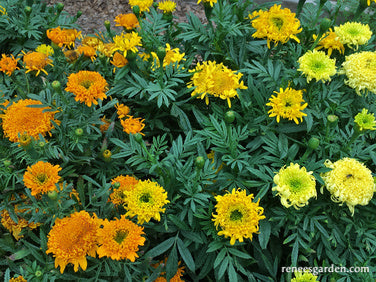
Butterfly Flowers Spinning Wheels Marigolds
ANNUAL
Summer/fall bloom
Frost tenderTO PLANT OUTDOORS
Sow seeds directly into well-worked garden soil in full sun once all danger of frost is past. Space seeds several inches apart and cover about 1/4 inch deep. Keep soil evenly moist while awaiting germination in 7 to 10 days. When seedlings are well established, thin them to a final spacing of 8 to 10 inches apart so these vigorous plants have room to grow and bloom. Extra thinned seedlings can be transplanted easily.
TO START EARLY INDOORS
Sow seeds several inches apart in a container of well-drained seed starting mix 4 to 6 weeks before last expected frost date. Cover 1/4 inch deep, keep moist and provide a strong light source until ready to go outside. Transplant 8 to 10 inches apart once weather warms up after gradually acclimating seedlings to outdoor conditions.
GROWING NOTES
These cheerful marigolds are quick to bloom, carefree and non-fussy. Their profusion of long lasting flowers and handsome blue-green foliage is perfect in any sunny spot and makes long blooming handsome borders. Feed and water regularly. No need to pinch these self branching productive plants. Both butterflies and pollinators of all kinds are attracted to these flowers throughout the season.
Regular price $3.39Sale price $3.39Unit price per -
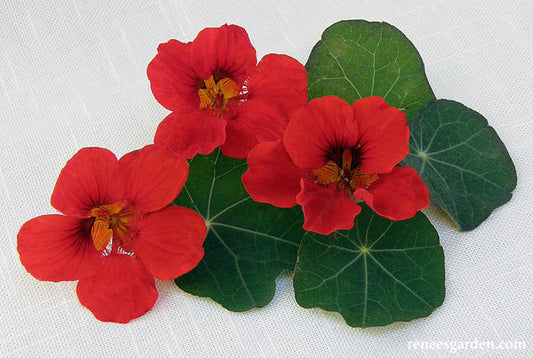
Heirloom Nasturtiums Empress of India
ANNUAL
Spring/summer/fall bloom
Frost tenderEASY TO START OUTDOORS
Sow seeds in spring once all danger of frost is over in full sun (or part shade in hot climates). Nasturtiums need no added fertilizer in most soils. Poke seeds into well-worked soil about 1 inch deep and 3 to 4 inches apart. Press soil firmly over the seeds and keep moist. When seedlings are large enough to handle, thin to 10 inches apart as mounding plants need ample room.
TO START EARLY INDOORS
Sow 2 seeds each in individual 4-inch pots of well-drained seed starting mix 3 weeks before last expected frost date. Cover 1 inch deep. Provide a strong light source. When seedlings have several sets of leaves, pinch out the weaker seedling, leaving 1 per pot. After weather is evenly above 50°F (10°C), gradually acclimate to outdoor conditions. Transplant seedlings into the garden 10 inches apart in full sun.
GROWING NOTES
These mounding nasturtiums are reliable and easy to tuck into any well-drained spot. They are a perfect disguise to cover fading bulb foliage in late spring. Their softly draping leaves and wonderfully colored flowers will quickly fill garden beds or containers. In mild winter climates, sow seeds again in early July for late summer blooms. Leaves and flowers are tasty additions to salads and sandwiches.
Regular price $3.69Sale price $3.69Unit price per -
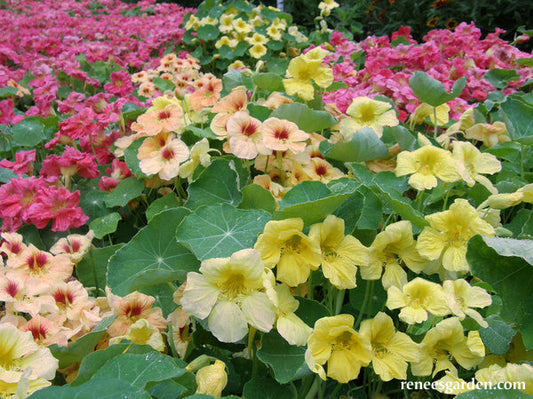
Hummingbird Nasturtiums Aloha Mix
ANNUAL
Spring/Summer/Fall bloom
Frost tenderEASY TO START OUTDOORS
In spring, when danger of frost is past, sow seeds in a sunny spot (or part shade in hot climates). Nasturtiums need no added fertilizer in most soils. Poke seeds into well-worked soil about 1 inch deep and 5 inches apart. Press soil firmly over the seeds and keep moist. When seedlings are large enough to handle, thin to 10 inches apart as mounding plants need ample room to grow.
TO START EARLY INDOORS
Sow 2 seeds each in individual 4 inch pots of well-drained seed starting mix 3 weeks before last expected frost date. Cover 1 inch deep. Provide a strong light source. When seedlings have several sets of leaves, pinch out the weaker seedling, leaving 1 per pot. When weather is evenly in the 50°F (10°C) range, gradually acclimate to outdoor conditions. Transplant seedlings into the garden 10 inches apart in full sun.
GROWING NOTES
These mounding nasturtiums are reliable and easy to tuck into any well-drained spot. They are a perfect disguise to cover fading bulb foliage in late spring. Their softly draping leaves and sunny flowers will quickly fill garden beds or containers. Hummingbirds come readily to drink the blossom’s nectar. Leaves and flowers are tasty additions to salads and sandwiches.
Regular price $3.99Sale price $3.99Unit price per