In Stock 2022
-
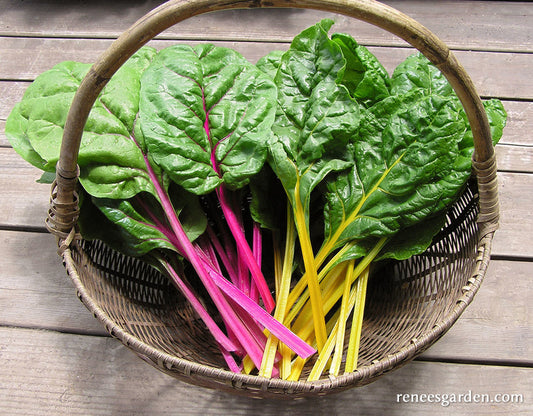
Rainbow Chard Neon Glow
START SEEDS INDOORS
In early spring, when danger of frost is over, sow seeds in well-worked, fertile soil in full sun. Sow seeds 1/2 inch deep and 2 inches apart in rows 10 inches apart, or broadcast thinly for bed planting. Firm soil well over these irregularly shaped seeds to ensure good germination. If first sowing germinates unevenly, plant more seed as seedlings catch up quickly. When large enough to handle, thin seedlings to final spacing of 8 to 10 inches apart so these large plants have room to grow and mature. Transplant extras or enjoy young thinnings as early greens and salads.
GROWING NOTES
Chard grows well in a wide range of conditions and can take some light frost. In mild winter areas, it can be grown year round. Give seedlings enough room, because chard grows into large vase-shaped plants 2 feet tall.
HARVEST AND USE
Begin harvesting when plants are well established and have at least 6 to 8 leaves. Both stalks and leaves make great eating. Chop and steam or sauté with garlic and olive oil. Use like spinach in lasagna or minestrone soup. Try tasty chard leaves stuffed and poached in broth with a dash of olive oil and fresh lemon.
Regular price $3.39Sale price $3.39Unit price per -
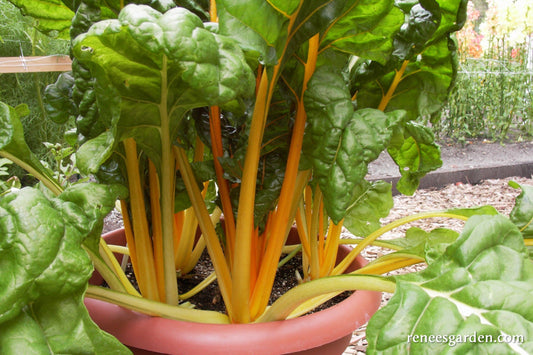
Container Chard Pot of Gold
EASIEST TO START OUTDOORS
For container sowing, use pots at least 12 inches in diameter and 12 inches deep and start with fresh potting mix. Plant seed in spring, after danger of frost is over, and/or again in mid-summer for fall harvests. Sow seed 1/2 inch deep and 1 inch apart in full sun. Keep evenly moist.
When seedlings are several inches tall, gradually thin to 8 inches apart in containers and use the delicious thinnings for early greens. Be sure to thin seedlings well so the large, vase-shaped plants have room to mature. If planting in garden beds, thin seedlings to stand 12 inches apart.
GROWING NOTES
Easy to grow chard can be grown year-round in mild winter areas. It prefers full sun, but will tolerate afternoon shade. Water regularly, checking containers daily in hot weather. Feed these fast-growing, productive plants weekly with a good high-nitrogen fertilizer. Watch for snails and slugs.
HARVEST AND USE
Begin harvesting when plants are well established and have 6 to 8 stalks. Both the crunchy succulent stalks and leaves make great eating. Break stems off at the base of the plant, always leaving at least 3 to 4 stalks to allow for regrowth. Chard is delicious sautéed, steamed, braised or stirfried. It pairs beautifully with the flavors of olive oil, garlic and lemon.
Regular price $3.39Sale price $3.39Unit price per -
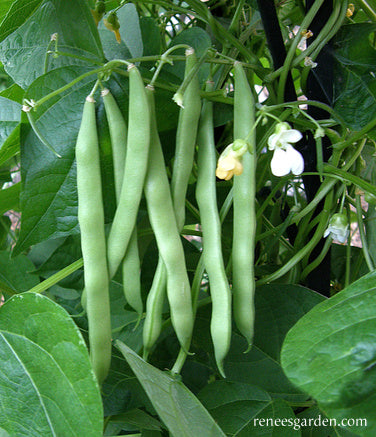
Heirloom Pole Beans Kentucky Wonder
START SEEDS OUTDOORS
In late spring, once night temperatures stay securely above 55°F(13°C), plant seeds in well-worked, fertile soil in full sun. Erect strong stakes, tripod poles or trellis, at planting time to support vines. Plant 1 inch deep and 4 inches apart along a trellis; around tripods or stakes, plant 4 to 6 seeds about 4 inches from each pole, thinning seedlings to 3 best plants per pole.
GROWING NOTES
Beans are an easy and reliable crop, but don’t plant seeds too early; cold conditions prevent good germination. If first sowing comes up unevenly, replant right away; new seedlings will catch up quickly. Birds are attracted to young seedlings; watch carefully and protect with netting if necessary. Avoid harvesting beans in wet conditions.
HARVEST AND USE
For the best yields, pick beans frequently, at least every 2 or 3 days. These tasty beans are delicious freshly harvested and the more pods you pick, the more plants will produce. Enjoy quickly steamed just until tender-crisp, then toss with a little sweet butter and a sprinkling of fresh tarragon or dill.
Regular price $4.89Sale price $4.89Unit price per -
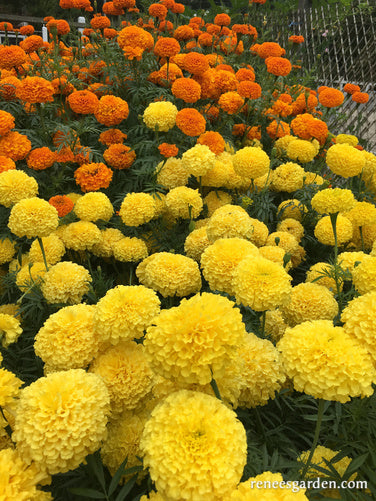
Giant Bouquet Marigolds Orange & Yellow Beast
ANNUAL
Summer/fall bloom
Frost tenderTO PLANT OUTDOORS
Sow seeds directly into well-worked garden soil in full sun once all danger of frost is past. Space seeds 3 inches apart and cover about 1/4 inch deep. Keep soil evenly moist. Germination takes 7 to 10 days. When seedlings are about 3 inches tall, carefully thin them to a final spacing of 9-12 inches apart because these vigorous, tall plants need room to grow and bloom. Extra thinned seedlings can be transplanted easily.
TO START EARLY INDOORS
Sow seeds several inches apart in a container of well-drained seed starting mix 4 to 6 weeks before last expected frost date. Cover 1/4 inch deep, keep moist and provide a strong light source until ready to go outside. Transplant 9-12 inches apart once weather warms up and nights are above 55° F (13° C).
GROWING NOTES
These carefree, non-fussy branching plants reach 3-3 1/2 feet tall with long-lasting big blossoms and blue-green foliage. Perfect in any sunny spot for nonstop color all season long with armfuls of long stemmed flowers for big bouquets. Support the tall, hard blooming plants with stakes or flower supports. Feed and water regularly. No need to pinch plants or remove spent flowers for spectacular long bloom.
Regular price $4.69Sale price $4.69Unit price per -
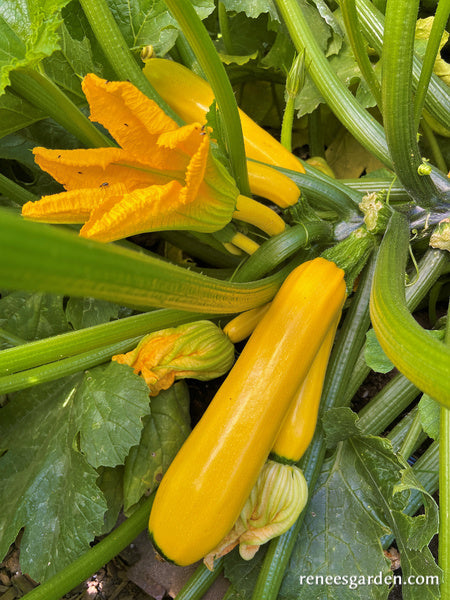
Heirloom Zucchini Summer Gold
START SEEDS DIRECTLY IN THE GARDEN
Zucchinis need full sun, rich fertile soil and warm temperatures. Plant only when spring weather is warm and settled and night temperatures stay above 50°F (10°C). Sow groups of 2 to 3 seeds 1 inch deep and 2 feet apart. When seedlings have 4 leaves, thin to 1 strong seedling per group. Or, plant in slightly mounded hills, 2 feet in diameter, sowing 4 or 5 seeds in each hill. Thin hill-planted seedlings to the 2 or 3 strongest plants.
GROWING NOTES
Amend soil well before sowing with lots of aged manure or compost. Protect young seedlings from marauding birds by covering with plastic berry baskets at planting time, removing when plants get crowded. Be sure to thin properly—you will have more productive, disease-free plants if seedlings have enough room to mature. covers will help prevent squash borers if these pests are a problem in your area.
HARVEST AND USE
Harvest zucchini when no more than 5 to 6 inches long for best flavor. Frequent harvesting keeps plants producing tasty new fruits instead of maturing fat, tough, huge ones. Steam, stirfry or grill sliced zucchinis and sprinkle with fresh parsley, dill, basil or thyme. Try the tasty blossoms sautéed or stuffed and baked. Heap a platter with spears of baby zucchinis to serve with your favorite dip for appetizers or snacks.
Regular price $4.89Sale price $4.89Unit price per -
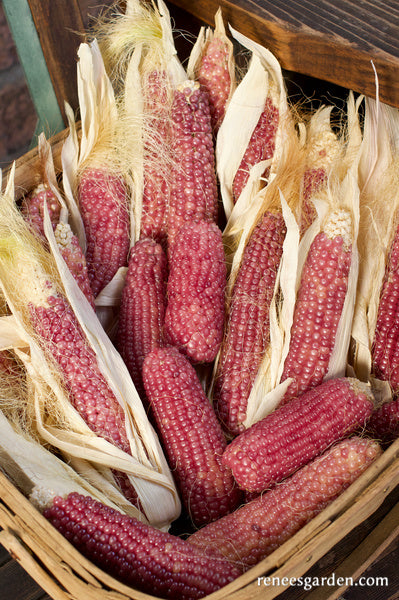
Heirloom Popcorn Mini Pink Pearls
START SEEDS OUTDOORS
In spring, once weather is warm and settled and night temperatures stay securely above 55°F (13°C), plant seeds in well-worked, fertile soil in full sun. Poke seeds in 1 in. deep and 4 to 6 in. apart. Plant in a block of 4 side-by-side rows, each row at least 1 ft. apart. Thin seedlings to 1 ft. when several in. tall. Protect from marauding birds if necessary. If first sowing doesn’t germinate evenly, replant right away as new seedlings catch up quickly.
GROWING NOTES
Plant seeds in blocks of at least 4 parallel rows to ensure good wind pollination and well filled out ears. Corn is a heavy feeder, so add plenty of compost or aged manure to the soil at sowing time, and then fertilize when young plants are 7 to 8 in. tall and again as ears begin to form.
HARVESTING
Wait to harvest popcorn until ears are mature, husks are dry, and kernels are dry and hard. To shuck the kernels from the cobs, break the cob in half and pop the kernels off starting from the edge, using your fingertips or a dull butterknife, letting kernels fall into a bowl. Once a section is started, the kernels pop off the cob easily.
After shucking the kernels from cobs, spread kernels out in a shallow layer on rimmed pans. Let them dry down for at least 2-3 weeks in a warm, dry room with good air circulation. Then store in airtight jars. Drying the kernels thoroughly will increase how well they pop.
Regular price $3.99Sale price $3.99Unit price per -
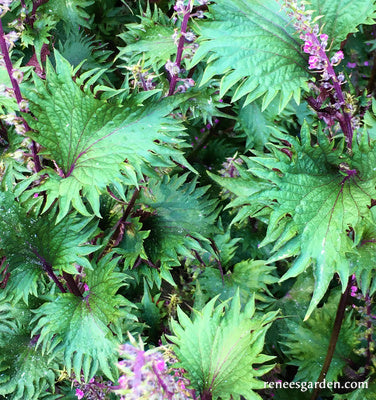
Ornamental Edibles Bicolored Shiso
ANNUAL
Summer/fall harvest
Heat-loving, frost tenderTO PLANT DIRECTLY INTO THE GARDEN
When late spring weather has thoroughly warmed up, sow seeds 1 inch apart in well worked fertile soil in full sun. Cover 1/4 inch deep, firm soil and keep seedbed moist. Germination takes 1 to 2 weeks. After seedlings are well established, thin or transplant 8 inches apart to allow plants room to mature.
TO START EARLY INDOORS
Sow seeds 1 inch apart in a container of seed starting mix, 4 to 6 weeks before last expected frost. Keep warm and evenly moist, and provide a good light source. When seedlings are large enough to handle and night temperatures are solidly above 50°F (10°C ), acclimate gradually to outdoor conditions before planting in the garden 8 inches apart.
GROWING NOTES
Remember— it is critical to plant Shiso in the garden only after day and nights are solidly above 50°F (10°C). Pinch off growing tips when plants are 6 to 8 inches tall to encourage branching. Harvest sprays of leaves by cutting stems just above two new sprouting lateral branches to get lush regrowth.
NOTE: Can self-sow aggressively. Keep plants from spreading by cutting spent flowers so they don't drop seeds. Do not plant near natural areas.
Regular price $3.99Sale price $3.99Unit price per -
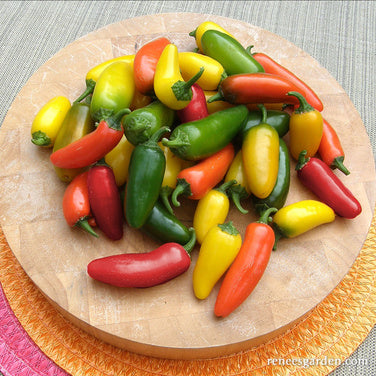
Rainbow Jalapeño Chiles Spice Trio
STARTING SEEDLINGS
In early spring, start indoors about 2 months before night temperatures stay reliably 55°F (13°C). Sow seeds 1/4 inch deep and 1 inch apart in a container of seed starting mix. Keep moist but not soggy, and very warm 80-85°F (27-30°C). Provide a strong light source until seedlings are ready to plant outside.
When seedlings are 2 inches tall, transplant into deeper individual containers. Maintain at 70-75°F (21-24°C). Feed with half-strength fertilizer every week until weather is warm enough to gradually acclimate seedlings to outdoor conditions. Transplant 1 1/2 feet apart into rich soil in full sun.
GROWING NOTES
Jalapeños need warm conditions. Don’t transplant outdoors until night temperatures stay securely above 55°F (13°C). Prepare soil well with aged manure or compost. Plant only robust seedlings with well-developed roots. Mulch plants to maintain even soil moisture. Keep well weeded, watered and fertilized.
HARVEST AND USE
To harvest, cut rather than pull fruits from plants when fully colored up either bright red, rich orange or golden-yellow. These eye-catching, spicy baby jalapenos have thick juicy flesh. Slice and pickle them for zesty condiments, use for delicious rainbow salsas, fajitas or for cheese stuffed “poppers.”Regular price $4.89Sale price $4.89Unit price per -
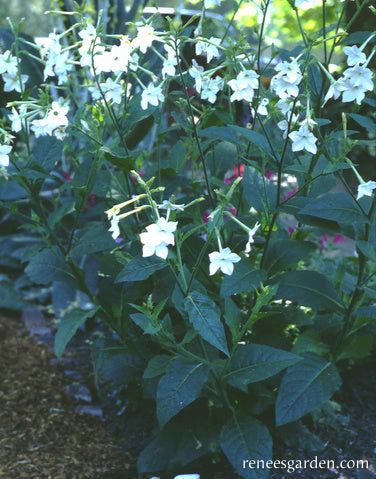
Heirloom Nicotiana Jasmine Alata
PERENNIAL GROWN AS ANNUAL
Summer/fall bloom
Can handle light frostTO START OUTDOORS
Sow seed directly into a finely textured, well-worked garden bed in sun or in partial shade once danger of spring frost is past. Cover very lightly and keep moist as seedlings emerge. Weed and water young seedlings carefully and thin to stand 1 1/2 to 2 feet apart before they get too crowded.
TO START EARLY INDOORS
Start seed indoors 6 to 8 weeks before last spring frost date. Sow seeds as thinly as possible in a container of seed starting mix and cover very lightly. Keep moist but not soggy, and provide a strong light source until seedlings are ready to plant outdoors after gradually acclimating to outdoor conditions. Thin or transplant seedlings 1 1/2 to 2 feet apart to allow room to grow.
GROWING NOTES
Nicotiana grows well in sun but can tolerate shade, especially during the afternoon. In mild areas, plants will winter over; cut back in fall for spring regrowth and early bloom. Plant them with other showy annuals like cosmos or cleome for an old-fashioned country garden.
Regular price $2.99Sale price $2.99Unit price per -
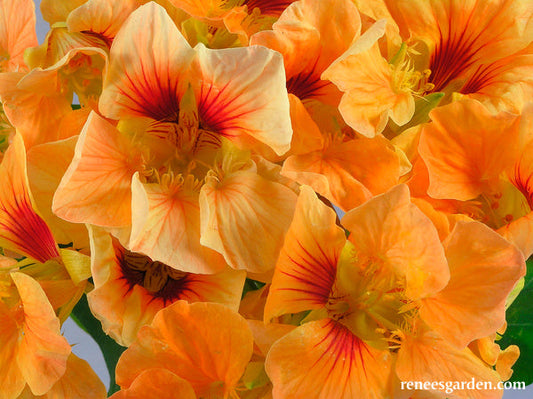
Hummingbird Nasturtiums Creamsicle
ANNUAL
Spring/summer/fall bloom
Frost tenderEASY TO START OUTDOORS
Sow seeds in spring once all danger of frost is over in full sun or part shade in hot climates. Nasturtiums will grow and flower readily with no added fertilizer in most soils. Poke seeds into well-worked soil about 1 inch deep and 3 to 4 inches apart. Press soil firmly over the seeds and keep moist. When seedlings are large enough to handle, thin to 10-12 inches apart so plants will have ample room to grow.
TO START EARLY INDOORS
Sow 2 seeds each in individual 4 inch pots of well-drained seed starting mix 3 weeks before last expected frost date. Cover 1 inch deep. Provide a strong light source. When seedlings have several sets of leaves pinch out the weaker seedling, leaving 1 per pot. When night temps are above 50°F (10°C) gradually acclimate to outdoor conditions. Transplant seedlings into the garden 10 inches apart in full sun.
GROWING NOTES
These mounding nasturtiums are reliable and easy to tuck into any well-drained spot. They are a perfect disguise to cover fading bulb foliage in late spring. Their softly draping leaves and wonderfully colored flowers will quickly fill and gladden garden beds or containers. Both leaves and flowers are tasty, spicy-sweet additions to salads and sandwiches.
Regular price $3.99Sale price $3.99Unit price per -
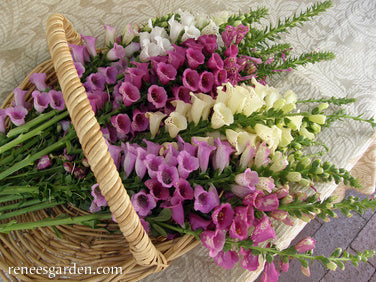
Hummingbird Foxgloves Carousel Mix
PERENNIAL
Late Spring/Summer bloom
Frost hardy USDA zones 4–9
START EARLY INDOORSSow seeds as thinly as possible in a container of seed starting mix. Cover 1⁄8 inch deep with mix, keep moist and between 60-70°F (16-21°C). Provide a strong light source until ready to plant into the garden.
Feed every 2 weeks with half-strength fertilizer. Once seedlings are large enough to handle, transplant 2 to 3 inches apart into individual pots. When plants are 3 to 4 inches tall, gradually acclimate to outdoor conditions and plant out in well-drained soil. Can also be planted in early/mid summer for bloom the following spring.
THIN OR TRANSPLANT
Space seedlings 12-15 inches apart so the plants have enough elbow room.
GROWING NOTES
Deer resistant foxgloves do well in light shade, dappled sunlight all day or full morning sun. They appreciate rich fertile soil and consistent moisture. In mild summer areas, they can handle full sun all day. Cut the softly colored spires of bloom often for lavish bouquets.
Encourage repeat bloom and flowering side shoots by cutting spent flower stalks at plant bases. Plants also self sow readily. A favorite of hummingbirds, butterflies and bumblebees!
Caution: Toxic if eaten.
Regular price $3.39Sale price $3.39Unit price per -
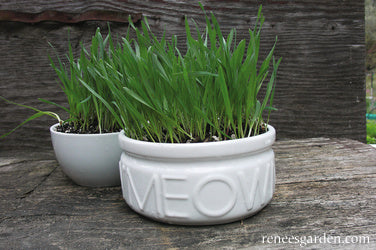
Bonus Pack Gourmet Greens Cat Treats
FOR BEST RESULTS
Fill a 6 inch diameter or larger pot with moistened planting mix. Sprinkle seeds 1/4 inch apart over the surface, cover 1/2 inch deep with mix, and water gently. Keep pot moist but not soggy, and be sure to provide a good light source. The pot of grasses can be kept indoors for pets to graze on at their leisure. Fertilize every 2 weeks using a non-chemical fertilizer, such as fish emulsion.
GROWING NOTES
This generous packet provides more than enough seed for 10 to 12 sowings for consistent fresh greens. The grasses are ready for pets to nibble when the blades are at least a few inches tall, normally in about 10 to 14 days after sowing.
If grasses get too tall and fall over, "mow" them down to 3-4 inches with a pair of scissors. For a constant supply, try sowing 1 pot a week for 2 weeks. Give your pet access to only one pot of grass at a time, and switch pots each week.
When grass does not re-grow vigorously after cutting down and fertilizing, discard and start again with more seeds and soil mix.
DINING IDEAS
Most cats will recognize the grass as a treat right away. To encourage finicky eaters, place the pot beside the kitty's food and spritz it with water. This usually does the trick and cats who newly discover this treat delight in it!
Regular price $8.99Sale price $8.99Unit price per -
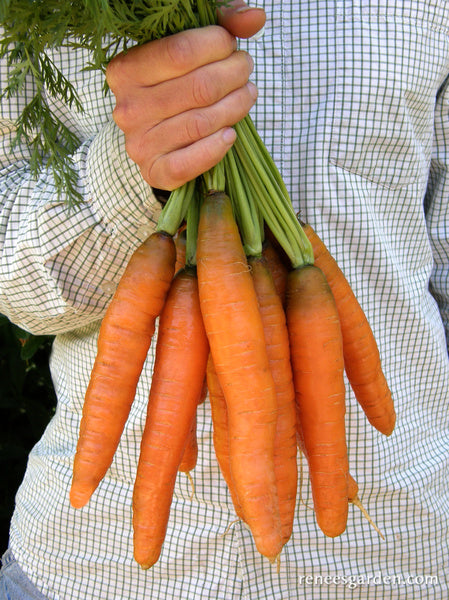
Nantes Carrots Yaya
START SEEDS OUTDOORS
In spring once danger of hard frost is past, sow seeds in full sun in finely worked, fertile soil. Sow 1/4 inch deep and 1/2 inch apart in rows 8 inches apart, or broadcast thinly in beds and cover lightly. Keep seedbed evenly moist as carrots can be slow to germinate, emerging over 10 to 20 days. If first sowing comes up unevenly, replant right away as seedlings catch up quickly. Be sure to thin young carrots several times so seedlings are about 2 inches apart and have room to size up.
GROWING NOTES
Carrots like well-worked soil and need consistent moisture to grow well. If your soil tends to dry out, cover seedbed with floating row cover or burlap to help retain moisture during the germination period and water right through it. Keep carrots well watered and thinned. For a late season crop, sow again 3 months before first expected frost.
HARVEST AND USE
Let young carrots size up and color fully to orange before harvesting for best flavor. Sauté or steam just until tender crisp and serve with a squeeze of fresh lemon or lime juice, sweet butter and fresh dill; or try buttered and glazed with a little maple syrup or honey.
Regular price $4.89Sale price $4.89Unit price per -
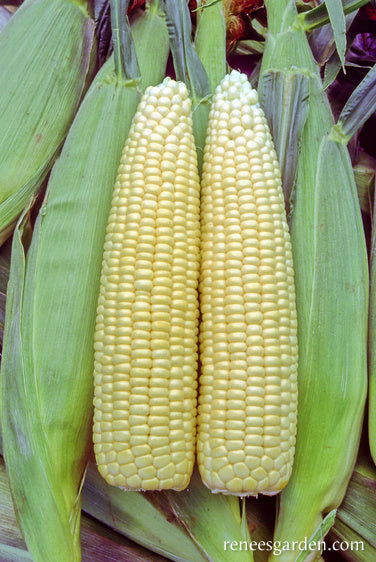
Sweet Early Corn Bodacious
START SEEDS OUTDOORS
In spring once weather is warm and settled and night temperatures stay securely above 55°F (13°C), plant seeds in well-worked, fertile soil in full sun. Poke seeds in 1 inch deep and 4 to 6 inches apart. Plant in a block of at least 4 rows, side by side, each row 1 foot apart. Thin seedlings to 1 foot apart when several inches tall. Protect from marauding birds if necessary. If first sowing doesn’t germinate evenly, replant right away as new seedlings catch up quickly. Make several sowings 2 weeks apart until early June to have successive harvests.
GROWING NOTES
There is no need to isolate Casino from other varieties, but plant seeds in blocks of at least 4 parallel rows to ensure good wind pollination and well filled out ears. Corn is a heavy feeder, so add plenty of compost or aged manure to the soil at sowing time, and then fertilize when young plants are 7 or 8 inches tall and again as ears begin to form.
HARVEST AND USE
Well filled out ears of corn are ready to eat when the silks are very dark brown but not dried out. Test by choosing a plump ear and peeling back the husk very slightly. The kernels should be tender and milky when slit with a fingernail. Casino is a sugar-enhanced corn, so the tender crisp kernels will hold their sweetness after harvest.
Regular price $4.69Sale price $4.69Unit price per -
Heirloom Herbs Munstead English Lavender
BEST TO PLANT INDOORS
In early spring, sow lavender seeds in a container of seed starting mix, cover very lightly and keep at 60-70°F (16-21°C). Keep container moist but not soggy until seedlings slowly emerge over 14 to 28 days, providing a good light source. When seedlings have several sets of leaves, transplant into individual 4 inch pots. Plant outside in a well-drained sunny spot when plants are 2 to 3 inches tall after gradually acclimating to outdoor conditions.
TO START IN THE GARDEN
Sow directly into a well-worked, finely textured garden bed in full sun when weather is warm and settled. Cover very lightly. Lavender germinates slowly and unevenly; keep seed bed evenly moist and well weeded.
THIN OR TRANSPLANT
Space seedlings 12 to 18 inches apart when large enough to handle.
GROWING NOTES
Given excellent drainage, this hardy lavender is perennial to zone 5. Plants flower lightly the first season and come into full bloom by their second summer. After blooming season, prune and shape the plants while cutting off spent flower stalks. Bonemeal is a good soil amendment for lavender.Regular price $3.39Sale price $3.39Unit price per -
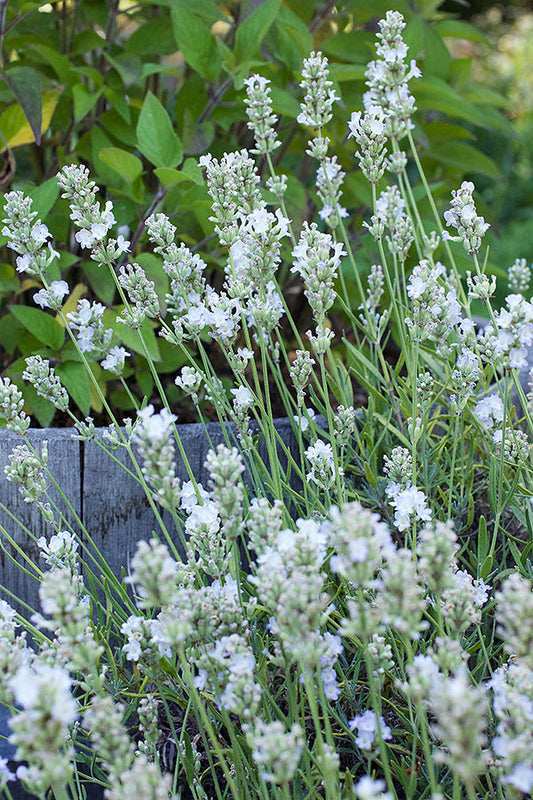
Container Herbs White Ice Lavender
PERENNIAL
Late spring/early summer bloom
Frost hardy to zone 5 (zone 4 with protection)BEST TO PLANT INDOORS
In early spring, sow seeds about 1 inch apart in a container of seed starting mix, cover very lightly and keep at 60-70°F (16-21°C) in a spot with good air circulation. Keep evenly moist but not soggy. Seedlings emerge slowly and unevenly over 18 to 28 days. Provide a good light source.
When seedlings have several sets of leaves, transplant into 4 inch plastic pots. Provide consistent water, but let soil dry out on top between waterings. Feed every few weeks. Plant outside when plants are 2 to 3 inches tall after gradually acclimating to outdoors.
GROWING NOTES
Start these small seeds indoors so you can tend them carefully. When well established, plant seedlings out into pots filled with new potting mix with excellent drainage or in a well-drained, sunny garden spot with good air circulation. Plant one seedling per individual pot at least 8 inches wide and deep or space multiple plants 8 inches apart in larger, deeper containers. Feed monthly during the growing season.
Plants bloom the first season, but come into fullest flower by the second summer. Harvest stems of scented florets just as they start to open and air dry to use as aromatic sachets. At season’s end, shape plants by cutting off spent flower stalks down to top crown of leaves.
Regular price $4.99Sale price $4.99Unit price per -
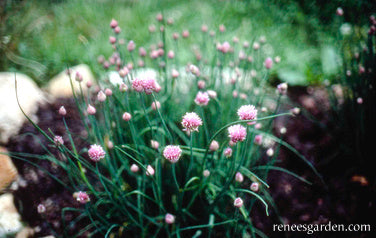
Kitchen Herbs Fine Leaf Chives
PERENNIAL
Spring/summer/fall harvest
Frost hardyTO PLANT OUTDOORS
In the cool weather of early spring, sow clusters of 7 to 10 seeds about 8 to 10 inches apart in well-worked, fertile soil in sun or part shade. Cover 1/4 inch deep and press soil firmly over seeds. Keep evenly moist as seeds germinate slowly over several weeks. Emerging seedlings have very slender grass-like leaves that mature into mounds.
TO START EARLY INDOORS
In early spring, sow 7 to 10 seeds in individual containers of starting mix and cover 1⁄4 inch deep. Keep evenly moist as seedlings slowly emerge and provide a good light source until ready to plant outdoors. Transplant clusters of seedlings when 2 to 3 in. tall after gradually acclimating plants to outdoor conditions.
THIN OR TRANSPLANT
Space clusters of 7 to 10 seedlings 8 to 10 inches apart.
GROWING NOTES
Chives bear lilac-pink blossoms in late spring and summer. After bloom finishes, cut entire plant back to 2 inches to encourage regrowth of tender new leaves. Given plenty of moisture and a location out of fierce sun, chives are hardy, self-sufficient plants.Regular price $2.99Sale price $2.99Unit price per -
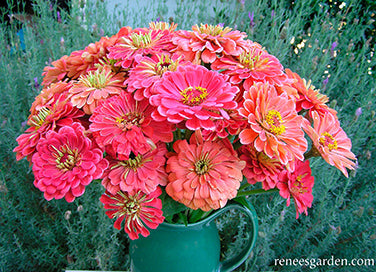
Butterfly Zinnias Apricot Blush
ANNUAL
Summer/fall bloom
Frost tenderEASY TO START DIRECTLY IN THE GARDEN
Sow seeds in well-worked soil in full sun when danger of frost is past and weather is warm and above 50°F (10°C) both day and night. Space seeds 2 to 3 inches apart in rows 12 inches apart, cover about 1/2 inch deep and gently firm soil. Keep soil evenly moist while awaiting germination.
TO START EARLY INDOORS
Four weeks before last frost date, sow seeds ½ inch deep and 3 inches apart in a container of seed starting mix. Keep warm and moist and provide a strong light source until seedlings are ready to plant outside when temperatures rise above 50°F (10°C) day and night.
THIN OR TRANSPLANT
Space seedlings 8 to12 inches apart when large enough to handle so plants have good air circulation and enough elbow room to grow and bloom freely.
GROWING NOTES
Zinnias can grow in ordinary garden soil in full sun. For large, abundant flowers, thin before seedlings get crowded. Adequate spacing and regular, even watering discourages mildew and keeps zinnias productive.
Pick just as blossoms begin opening and petals are tight. Cut long stems well back into the plant to keep plants branching low and producing best blooms for summer long bouquets.
Regular price $3.39Sale price $3.39Unit price per -
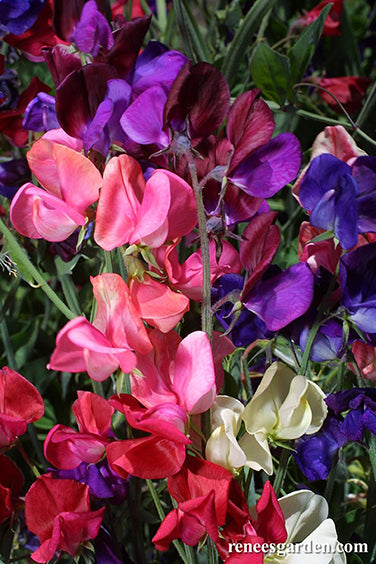
Heirloom Sweet Peas Queen of the Night
ANNUAL CLIMBING VINE
Spring/summer bloom
Frost tolerantEASIEST TO START OUTDOORS
Sweet peas must have well drained soil, so dig deeply and enrich with aged manure or compost before sowing seeds. Erect a well-anchored trellis, vertical netting or other support for vines before planting. Sow seeds in full sun in cool early spring weather as early as the ground can be worked. In mild winter areas, where the ground does not freeze, plant in fall after Labor Day; seeds will germinate and form strong root systems, then overwinter to bloom strongly in spring. Plant seeds 1 inch deep and 2 to 3 inches apart. When seedlings are 2 inches tall, thin them 4 to 5 inches apart, to allow plants room to mature.
GROWING NOTES
Sweet peas bloom best before the weather gets too hot, so if spring planting, sow as soon as ground can worked. Where summer heat comes on fast, they’ll appreciate a spot with afternoon shade. Anchor supports well as vines will grow heavy with bloom. Protect seedlings from birds, slugs and snails. Mulch and keep well watered. For longest bloom, pick flowers often and keep faded blossoms cut.Regular price $3.99Sale price $3.99Unit price per -
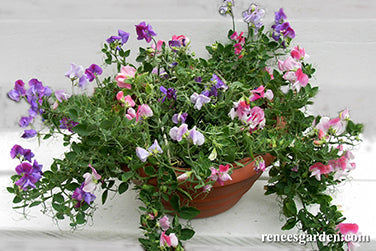
Windowbox Sweet Peas Color Palette Cupid
ANNUAL
Spring/summer bloom
Frost tolerantEASIEST TO START OUTDOORS
Sow seeds directly in deep containers at least 12 inches in diameter, or rectangular window-boxes at least 6-8 inches deep once danger of hard frost is over. Sweet peas grow best in cool weather and can handle light frosts. In mild winter areas, plant in fall weather to overwinter for spring bloom. Always fill planting containers with well moistened, good quality, fresh potting soil before planting seeds 1 inch deep and 2 to 3 inches apart.
THIN OR TRANSPLANT
Space seedlings 3 to 4 inches apart when they are 2 inches tall, allowing room for plants to mature, but leaving 5 to 6 plants in a 12 inch diameter container.
GROWING NOTES
Sweet peas bloom best before the weather gets too hot. When seedlings have 3 to 4 sets of leaves, pinch off top set to encourage branching for a bushy full plant. Young plants will grow 8 to 10 inches tall, then cascade over the sides of containers. It’s critical to keep your container sweet peas well-watered and remember to fertilize them regularly every two weeks with liquid fertilizer solution. Protect plants from slugs and snails. For longest bloom, remove faded blossoms regularly.Regular price $3.69Sale price $3.69Unit price per -
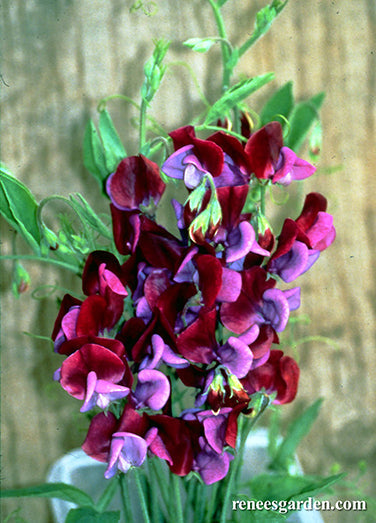
Heirloom Sweet Peas Cupani's Original
ANNUAL CLIMBING VINE
Spring/summer bloom
Frost tolerantEASIEST TO START OUTDOORS
Sweet peas must have well drained soil, so dig deeply and enrich with aged manure or compost before sowing seeds. Erect a well-anchored trellis, vertical netting or other support for vines before planting. Sow seeds in full sun in cool early spring weather as early as the ground can be worked. In mild winter areas, where the ground does not freeze, seeds can be planted in fall to form strong root systems, then overwinter to bloom strongly in spring. Plant seeds 1 inch deep and 2 to 3 inches apart. When seedlings are 2 inches tall, thin them 4 to 5 inches apart, to allow plants room to mature.
GROWING NOTES
Sweet peas bloom best before the weather gets too hot, so if spring planting, sow as soon as ground can worked. Where summer heat comes on fast, they’ll appreciate a spot with afternoon shade. Anchor supports well as vines will grow heavy with bloom. Protect seedlings from birds, slugs and snails. Mulch and keep well watered. For longest bloom, pick flowers often and keep faded blossoms cut.Regular price $3.99Sale price $3.99Unit price per -
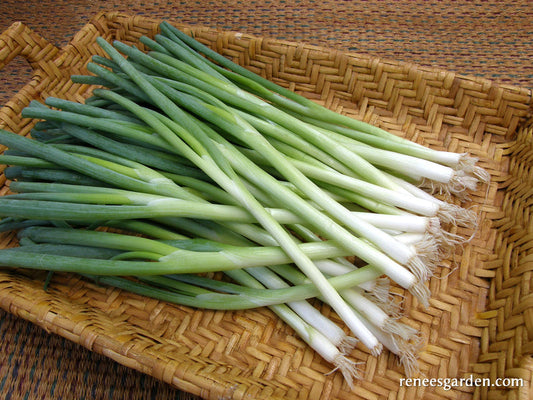
Salad Scallions Sprint
EASIEST TO START OUTDOORS
Plant scallions throughout the spring and again in mid to late summer for fall harvests. Sow seeds in well-worked, fertile soil in full sun. Space seeds 1 inch apart in rows 8 to 10 inches apart, or broadcast thinly for bed planting. Cover 1/2 inch deep and firm soil well over seeds. Be sure to keep soil evenly moist to ensure good germination.
THIN OR TRANSPLANT
Space 1 to 2 inches apart, allowing plants room to mature.
GROWING NOTES
Scallions take up little garden space, so tuck several rows around beds of lettuce, spinach or radishes. Make several plantings a month apart to have a constant supply for spring and summer meals. Prepare soil well with lots of aged manure or compost before planting. Keep evenly moist and weed carefully when plants are young. Mulching to conserve soil moisture and suppress weed growth is a good strategy.
HARVEST AND USE
To get the most out of your crop, start by using tender, mild-flavored early thinnings in salads, then continue thinning gradually so mature scallions stand an inch or two apart. These tasty scallions are best if harvested at 10 to 12 inches tall or before they send up bloom stalks, which makes the stems turn tough and too spicy.
Regular price $4.89Sale price $4.89Unit price per -
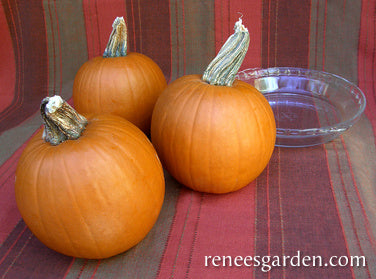
Carving & Pie Pumpkins Spookie
BEST TO START OUTDOORS
Pumpkins need full sun, rich fertile soil and warm temperatures. Wait to plant until temperatures stay above 50°F (10°C) day and night. Sow groups of 2 to 3 seeds 3 feet apart and 1 inch deep in rows 4 feet apart. Thin to 1 strong seedling per group to give vines room to spread. Or, make circular soil mounds 2 to 3 feet across and 8 ft. apart and plant 4 to 5 seeds in each hill. When seedlings have several sets of leaves, thin to 3 seedlings per hill. Protect young seedlings from marauding birds by covering with plastic berry baskets at sowing time, removing before young plants get crowded.
HARVEST AND USE
Pumpkins need to mature properly, so wait to pick until rinds are fully colored and tough enough to resist piercing with a fingernail and vines have died back. Then cut, leaving a good stem handle. Let pumpkins cure for 10 days in the sun, then store in a cool dry place and they'll keep for months. Carve Spookies into happy or scary holiday faces or bake them up into sweet spicy pies, cakes, cookies or savory soups.Regular price $4.89Sale price $4.89Unit price per -
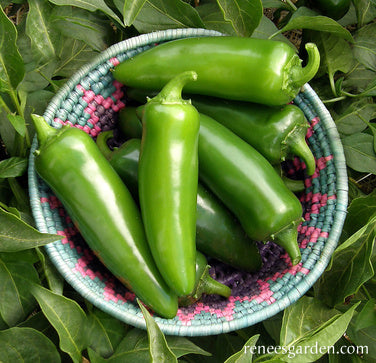
Heirloom Chile Peppers Classic Jalapeño
STARTING SEEDLINGS
In early spring, start indoors about 2 months before night temperatures stay reliably 50-55°F (10-13°C). Sow seeds 1/4 inch deep and 1 inch apart in a container of seed starting mix. Keep moist but not soggy, and very warm 80-85°F (27-30°C). Provide a strong light source until seedlings are ready to plant outside. When seedlings are 2 inches tall, transplant into deeper individual containers. Maintain at 70-75°F (21-24°C). Feed with half-strength fertilizer every week until weather is warm enough to gradually acclimate seedlings to outdoor conditions. Transplant 2 feet apart into rich soil in full sun.
GROWING NOTES
Jalapeños need warm conditions. Don’t transplant outdoors until night temperatures stay securely above 55°F (13°C). Prepare soil well with aged manure or compost. Plant only robust seedlings with well-developed roots. Mulch plants to maintain even soil moisture. Keep well weeded, watered and fertilized.
HARVEST AND USE
To harvest, cut rather than pull fruits from the plants when deep glossy green or fully colored to red. Enjoy Jalapeños fresh or roast and remove skins. Use freely in all kinds of fresh salsas, sauces, fajitas and marinades. Jalapeños are great pickled or stuffed with cheese for chile "poppers."Regular price $4.89Sale price $4.89Unit price per