In Stock 2022
-
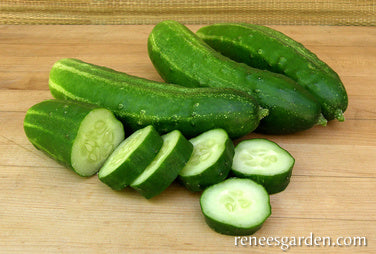
Heirloom Slicing Cucumber Straight Eight
START SEEDS OUTDOORS
Plant heat loving cucumbers only when weather is warm and settled and night temperatures stay above 50°F (10°C). Amend soil well with aged manure or compost. Sow groups of 2 to 3 seeds 1 1/2 feet apart and 1 inch deep with 3 feet between rows. Or make slightly mounded hills 5 feet apart, sowing 5 or 6 seeds in each hill. Thin to the 3 strongest plants.
GROWING NOTES
Protect seedlings from marauding birds with plastic berry baskets, removing before plants get crowded. Shallow rooted cucumbers need ample and consistent moisture. Avoid overly wet or dry periods for good quality fruit. Growing cucumber vines up vertical supports gives you long straight fruits, saves garden space and makes them easy to harvest.
HARVEST AND USE
Cut rather than pull fruits from vines before seeds are large inside. Harvest every few days for longest fruit production. These juicy, tender cucumbers are perfect to slice and enjoy for refreshing snacks, in salads and sandwiches. Eat within a day or two of picking for best taste and quality.
Regular price $4.89Sale price $4.89Unit price per -
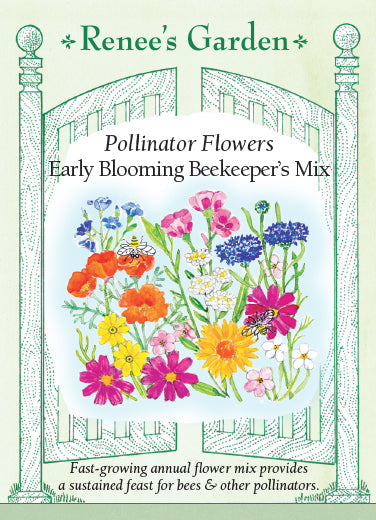
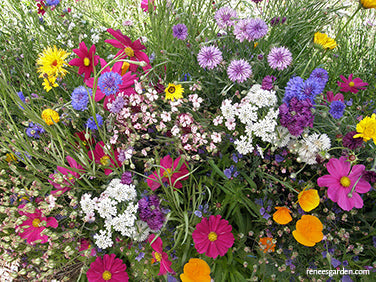
Pollinator Flowers Early Blooming Beekeeper's Mix
ANNUAL
Spring/summer bloom
Frost tenderBEST TO START DIRECTLY OUTDOORS
In early spring, after all danger of frost is past, plant in a well-prepared garden bed in full sun. Shake packet to mix. Scatter the seed thinly and evenly over finely worked soil, aiming to have the seeds about an inch or so apart. Cover lightly, about 1/4 inch deep, and gently firm the soil over the seeds—a rake is handy for this step. Water thoroughly and evenly with a very gentle spray. Keep the seedbed moist while awaiting germination and while flowers are actively growing for the most blossoms.
GROWING NOTES
This fast-growing, early flowering annual mix blooms in succession and provides a sustained feast for bees and other pollinators. The many flower colors and shapes blend beautifully for bouquets.
Regular price $3.99Sale price $3.99Unit price per -
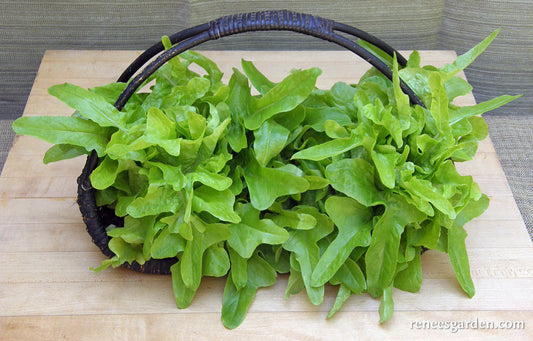
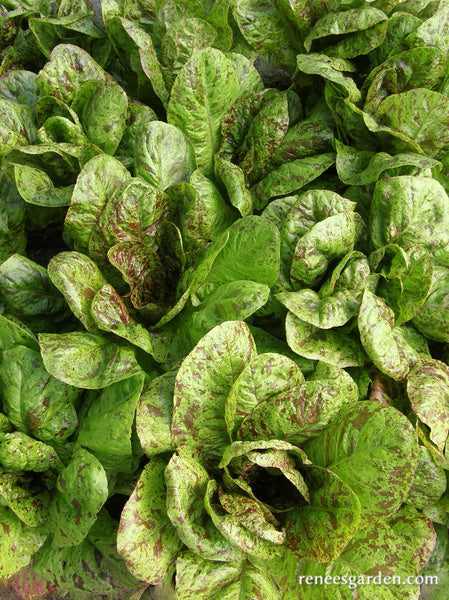
Heirloom Lettuce Baby Oakleaf
START SEEDS OUTDOORS
In cool spring weather, start seeds in full sun. Sow seeds 1/4 nch deep and 1 inch apart in fertile, well-drained soil. When seedlings are several inches tall, thin to a final spacing of 4-5 inches apart. Extra seedlings can easily be transplanted elsewhere.
Container Spacing: Grow 3 plants in an 8 inch pot, or 7 to 8 plants in a 12 to 15 inch diameter container.
GROWING NOTES
Lettuce thrives in cool conditions with consistent moisture. Be sure to thin properly and keep evenly moist for sweet tasting, full heads. For a constant supply, make several sowings a few weeks apart until summer weather turns hot. Plant again in late summer for fall harvest. In hot weather, give lettuce some afternoon shade to extend harvest season and check water daily. Keep soil evenly moist and feed with liquid fertilizer every 2 weeks.
Consider transplanting lettuce seedlings around the edges of a big pot containing a young tomato or pepper plant. The lettuces will be ready to eat just as the bigger plant grows larger and needs the space.
HARVEST AND USE
Savor young thinnings in your first spring salads. Then harvest plants by cutting mature heads when they feel firm and well-filled out. Pull over-mature plants if they begin to elongate (“bolt”) in hot weather, as leaves turn bitter at this stage.
Regular price $3.39Sale price $3.39Unit price per -
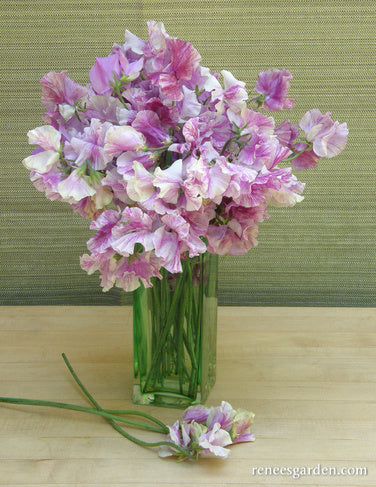
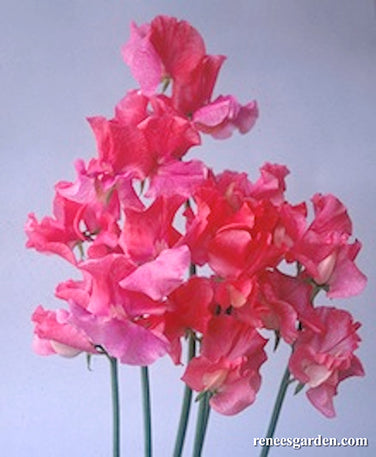
Fragrant Sweet Peas Raspberry Twirl
ANNUAL CLIMBING VINE
Spring/summer bloom
Frost tolerantEASIEST TO START OUTDOORS
Sweet peas must have well drained soil, so dig deeply and enrich with aged manure or compost before sowing seeds. Erect a well-anchored trellis, vertical netting or other support for vines before planting. Sow seeds in full sun in cool early spring weather as early as the ground can be worked.
In mild winters, where ground does not freeze, sweet peas can be planted in fall. Seedlings will form strong root systems, then overwinter to bloom vigorously in spring. Plant sweet pea seeds 1 inch deep and 2 to 3 inches apart. When seedlings are 2 inches tall, thin to 4-5 inches apart to allow plants room to mature.
GROWING NOTES
Sweet peas bloom best when they flower before the weather gets too hot, so if spring planting, sow as early as possible, especially in regions where summer heat comes on fast. Anchor climbing supports well as these vines will grow dense and heavy with bloom. Protect seedlings from birds, slugs and snails. Mulch and keep well watered for best flower production. For longest bloom, remove faded blossoms regularly.Regular price $3.99Sale price $3.99Unit price per -
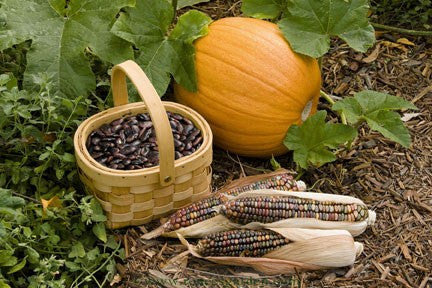
Bonus Pack Native American Three Sisters Garden
Read "Celebrate the Three Sisters," for complete historical and planting information.
LISTEN to radio show about the Three Sisters (.mp3).HOW AND WHEN TO PLANT
1. Choose a site in full sun (minimum 6 to 8 hours/day of direct sunlight throughout the growing season). Amend the soil with plenty of compost or aged manure. With string, mark off three 10 foot long rows, each 5 feet apart.
2. In each row, make your corn/bean mounds. The center of each mound should be 5 feet apart from the center of the next. Each mound should be 18 inches across with flattened tops. Stagger the mounds in adjacent rows.
3. Plant 4 to 6 corn seeds in each mound in a 6 inch square. Protect from birds with netting until seedlings are 4 inches tall.
4. When the corn is 6 inches tall, it's time to plant the beans and squash. First, weed the entire patch. Then plant 4 bean seeds in each corn mound. They should be 3 inches apart from the corn plants.
5. Build pumpkin mounds in each row between each corn/bean mound. Make them the same size as the corn/bean mounds. Plant 4 or 5 pumpkin seeds, 4 inches apart in a triangle in the middle of each mound.
6. When the pumpkin seedlings emerge, thin them to 2 plants per mound. You may have to weed the area several times until the pumpkin vines take over and shade new weeds.
Regular price $8.99Sale price $8.99Unit price per -
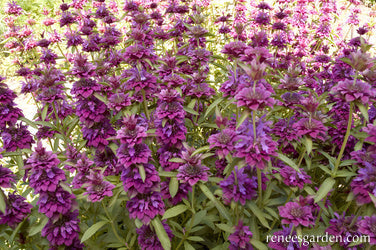
Butterfly Monarda Bergamo Bouquet
(Monarda hybrida)
Bergamo is an outstanding new annual Monarda with intense, rose-purple flower spikes whose blossoms whirl in clusters around the stems. Bergamo flowers earlier and longer than any other Monarda variety. Plants are compact, 2 1/2 feet tall, heat tolerant and mildew resistant. These lovely flowers are true butterfly magnets, bloom abundantly for several months and make wonderful bouquets. A beautiful new cultivar of old-fashioned cottage garden flowers.Regular price $4.39Sale price $4.39Unit price per -
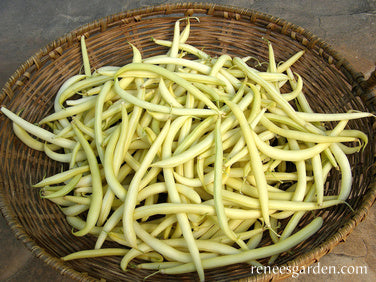
Pole Filet Beans French Gold
START SEEDS OUTDOORS
In late spring, once night temperatures stay securely above 55°F, plant seeds in well-worked, fertile soil in full sun. Erect strong stakes, tripod poles or trellis at planting time to support vines. Plant 1 inch deep and 4 inches apart along a trellis; around tripods or stakes, plant 4 to 6 seeds about 4 inches from each pole, thinning seedlings to 3 best plants per pole.
GROWING NOTES
Beans are an easy and reliable crop, but don’t plant seeds too early; cold conditions prevent good germination. If first sowing comes up unevenly, replant right away; new seedlings will catch up quickly. Birds are attracted to young seedlings; watch carefully and protect with netting if necessary. Avoid harvesting beans in wet conditions.
HARVEST AND USE
For the best yields, pick beans frequently, at least every 2 or 3 days. Filet beans are meant to be eaten when pods are long and slender, so harvest the tender pods early, when they are still pencil-thin. These elegant gourmet beans taste best freshly harvested and quickly steamed or sautéed. When blanched and tossed in an herbed vinaigrette with salad greens and fresh herbs like Italian parsley, basil or a little fresh thyme, French Gold beans make a beautiful and delicious salad.
Regular price $4.69Sale price $4.69Unit price per -
Heirloom Cutting Lettuce Flashy Trout Back
START SEEDS OUTDOORS
In cool early spring weather, start seeds in finely worked soil in full sun. Sow 1/4 inch deep and 2 inches apart in rows 6 to 8 inches apart and cover lightly. Tend carefully and keep evenly moist. Gradually thin out extra seedlings, leaving remaining plants standing 10 to 12 inches apart so lettuces have room to size up and fully mature into leafy butterhead rosettes. For a constant supply, make several sowings a few weeks apart until summer weather turns hot. Plant again in late summer for fall harvest.
GROWING NOTES
Lettuce thrives in cool conditions with consistent moisture. Weed, water and be sure to thin carefully to proper spacing so plants have room to mature. If birds are attracted to young seedlings, cover with floating row covers or netting. Make a shade structure in hotter climates to extend the growing season.
HARVEST AND USE
Savor young thinnings in your first spring salads. Then harvest plants by cutting mature heads when they feel firm and well-filled out. Be sure to thin properly and keep evenly moist for sweet tasting, full heads. Pull and discard or compost over-mature plants if they begin to elongate (“bolt”) in hot weather as leaves turn bitter at this stage.
Regular price $4.89Sale price $4.89Unit price per -
Fragrant Sweet Peas Strawberry Fields
ANNUAL CLIMBING VINE
Spring/summer bloom
Frost tolerantEASIEST TO START OUTDOORS
Sweet peas must have well-drained soil, so dig deeply and enrich with aged manure or compost before sowing seeds. Erect a well-anchored trellis, vertical netting or other support for vines before planting. Sow seeds in full sun in cool early spring weather as early as the ground can be worked.
In mild winters, where ground does not freeze, sweet peas can be planted in fall. Seedlings will form strong root systems, then overwinter to bloom vigorously in spring. Plant sweet pea seeds 1 inch deep and 2 to 3 inches apart. When seedlings are 2 inches tall, thin to 4-5 inches apart to allow plants room to mature.
GROWING NOTES
Sweet peas bloom best when they flower before the weather gets too hot, so if spring planting, sow as early as possible, especially in regions where summer heat comes on fast. Anchor climbing supports well as these vines will grow dense and heavy with bloom. Protect seedlings from birds, slugs and snails. Mulch and keep well watered for best flower production. For longest bloom, remove faded blossoms regularly.
Regular price $3.99Sale price $3.99Unit price per -
Heirloom Sweet Peas Spencer Ruffled
ANNUAL CLIMBING VINE
Spring/summer bloom
Frost tolerantEASIEST TO START OUTDOORS
Sweet peas must have well drained soil, so dig deeply and enrich with aged manure or compost before sowing seeds. Erect a well-anchored trellis, vertical netting or other support for vines before planting. Sow seeds in full sun in cool early spring weather as early as the ground can be worked. In mild winter areas, where the ground does not freeze, plant in fall; seeds will germinate and form strong root systems, then overwinter to bloom strongly in spring. Plant sweet pea seeds 1 inch deep and 2 to 3 inches apart. When seedlings are 2 inches tall, thin them 4 to 5 inches apart, to allow plants room to mature.
GROWING NOTES
Sweet peas bloom best before the weather gets too hot, so if spring planting, sow as soon as ground can be worked. Where summer heat comes on fast, they’ll appreciate a spot with afternoon shade. Anchor supports well as vines will grow heavy with bloom. Protect seedlings from birds, slugs and snails. Mulch and keep well watered. For longest bloom, pick flowers often and keep faded blossoms cut.Regular price $3.99Sale price $3.99Unit price per -
California Poppies Copper Pot
PERENNIAL/GROWN AS ANNUAL
Spring/Summer bloom
Can handle light frostBEST TO START DIRECTLY IN THE GARDEN
Sow seeds directly into a finely textured, well drained garden bed in full sun as early in spring as the ground can be worked. Plant as early as possible in spring, as poppies can handle light frost and bloom best and longest when plants get a good start in cool weather. In mild winter climates, Poppies can also be sown in late fall to overwinter for spring bloom. Except in very poor soil, these California poppies will grow and flower readily with no added fertilizer. Space seeds several inches apart, cover 1/4 inch deep, and firm soil gently. Keep soil moist as seedlings emerge. Weed young seedlings carefully. If seedlings come up very thickly, thin poppies early but delay final thinning until seedlings are well established in spring. Final spacing should be 6 inches apart as plants need room to grow and bloom.
GROWING NOTES
When mature, poppy plants can handle dry conditions, but they will always bloom longer if regularly watered. Poppies are pretty cut flowers if brought indoors just as buds begin to open. At season’s end, allow spent flowers to form pods and drop seed if you want poppies to self-sow for next year's spring flowers.
Regular price $3.99Sale price $3.99Unit price per -
Salad Scallions Parade
EASIEST TO START OUTDOORS
Plant scallions throughout the spring and again in mid to late summer for fall harvests. Sow seeds in well-worked, fertile soil in full sun. Space seeds 1 inch apart in rows 8 to 10 inches apart, or broadcast thinly for bed planting. Cover 1/4 inch deep and firm soil well over seeds. Be sure to keep soil evenly moist to ensure good germination.
THIN OR TRANSPLANT
Space 1 to 2 inches apart, allowing plants room to mature.
GROWING NOTES
Scallions take up little garden space, so tuck several rows around beds of lettuce, spinach or radishes. Make several plantings a month apart to have a constant supply for spring and summer meals. Prepare soil well with lots of aged manure or compost before planting. Keep evenly moist and weed carefully when plants are young. Mulching to conserve soil moisture and suppress weed growth is a good strategy.
HARVEST AND USE
To get the most out of your crop, start by using tender, mild-flavored early thinnings in salads, then continue thinning gradually so mature scallions stand an inch or two apart. These tasty scallions are best if harvested at 10 to 12 inches tall or before they send up bloom stalks, which makes the stems turn tough and too spicy.Regular price $3.99Sale price $3.99Unit price per -
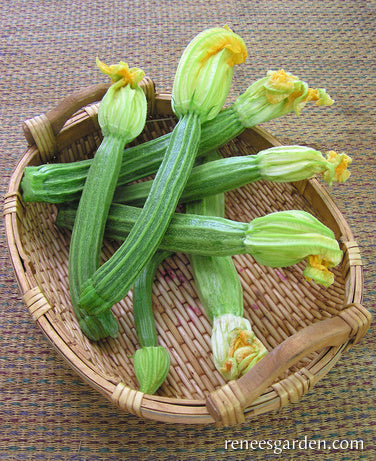
Italian Zucchini Romanesco
START SEEDS OUTDOORS
Summer squash needs full sun, rich fertile soil and warm temperatures. Plant only when spring weather is warm and settled and night temperatures stay above 50°F (10°C). Sow groups of 2 to 3 seeds 1 inch deep and 2 feet apart, in rows 3 feet apart. Thin to 1 strong seedling per group. Or, make slightly mounded hills, 2 feet in diameter and 3 feet apart, sowing 5 or 6 seeds in each hill. When seedlings are several inches long, thin hill-planted seedlings to the 2 strongest plants per hill.
GROWING NOTES
Amend soil well before sowing with lots of aged manure or compost. Protect young seedlings from marauding birds by covering with green plastic berry baskets at planting time, removing when plants get crowded. Be sure to thin properly — you will have more productive, disease-free plants if seedlings have enough room to mature.
HARVEST AND USE
For succulent texture and best flavor, pick Romanesco when no more than 6 to 8 inches long. Frequent harvesting keeps plants producing tasty new fruits over a longer season. Slice lengthwise, brush with olive oil and grill until tender, then sprinkle with your favorite chopped herbs. Or combine chunks of Romanesco, onion, peppers and whole garlic cloves, toss with a little oil and bake in the oven until tender.Regular price $4.39Sale price $4.39Unit price per