Container Friendly
Space-Saving Varieties are Our Specialty
Grow a cheerful profusion of flowers and savory herbs in containers of all shapes and sizes on your patio, small deck, or rooftop.
-
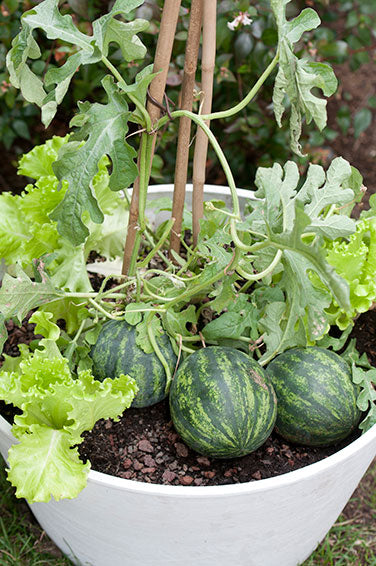
Personal Size Watermelons Mini Love
START SEEDS OUTDOORS
Plant heat loving watermelons only when spring weather is warmed and night temperatures are consistently above 55°F (13°C). Amend soil well with aged manure or compost. Sow seeds 1 inch deep and 4 inches apart in slightly mounded hills that are 3 feet apart, sowing 4 or 5 seeds in each hill. Thin to the three strongest seedlings in each hill so plants have room to grow and mature. Or, grow 1 plant per foot in rows.
FOR CONTAINERSSow directly into containers at least 18 inches wide and 12 inches deep. Sow 2 seeds in the center of the pot, then thin to just 1 strong seedling per pot. For larger containers, grow plants at final spacing of 8-10 inches apart.
GROWING NOTESProtect seedlings from marauding birds with plastic berry baskets, removing before plants get crowded. Feed container plants every other week with a liquid, all-purpose fertilizer. A good mulch will aid shallow rooted watermelon plants, which require ample and consistent moisture in hot dry weather. Avoid overly wet or dry periods for good quality fruit. In hot dry weather, check and water plants in containers daily.
Pick melons when the tendril closest to the fruit turns brown, and the light patch on the bottom of the melon changes from cream to tan. Watermelons keep well in the refrigerator, even after being cut open.
HARVEST AND USERegular price $4.99Sale price $4.99Unit price per -
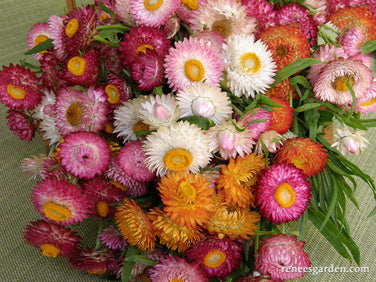
Dwarf Strawflower Rainbow Bouquet
ANNUAL
Summer/fall bloom
Can handle light frostSTARTING EARLY INDOORS
Start in spring 6 weeks before last expected frost. Sow seeds very thinly in a container of seed starting mix and cover very lightly. Keep evenly moist but not soggy, providing a strong light source. When seedlings are several inches tall, transplant 2 inches apart into a deeper containers. Once weather is settled and warm, acclimate to outdoor conditions before planting in the garden.
TO START EARLY OUTDOORS
Once all danger of frost is past, sow seeds 1 inch apart in containers of fresh potting mix, or broadcast thinly in fertile, well drained garden beds. Cover ¼ inch deep and keep evenly moist. When seedlings are several inches tall, thin to 6-8 inches apart so plants have room to branch and grow.
In Containers: Use containers 16-18 inches deep and wide filled with fresh potting soil. Sow seeds 1 inch apart, 1/4 inch deep. When several inches tall, thin or transplant seedlings 5 inches apart. Feed container plants monthly with all-purpose flower fertilizer.
GROWING NOTES
For fresh flowers, cut stems at desired length before the flower centers are fully open. To air dry for “everlastings,” simply remove leaves and hang upside down in bundles in a cool airy spot out of the sun. Dried Strawflowers cure quickly and last almost indefinitely.Regular price $3.69Sale price $3.69Unit price per -
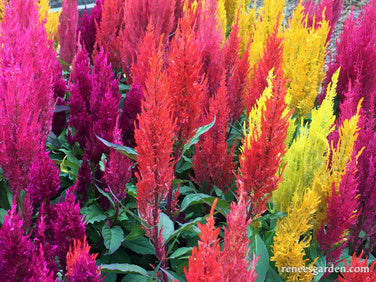
Rainbow Plume Celosia Hippie Tie Dye
ANNUAL
Summer/fall color
Frost tenderBEST TO START EARLY INDOORS
Six weeks before last expected frost date, sow seeds 1 inch apart in a container of seed starting mix. Cover very lightly, no more than 1/8 inch. Keep warm and moist and provide a strong light source until seedlings are ready to plant out in the garden. Feed every 2 weeks with half-strength fertilizer.
Seedlings are ready to transplant when they are large enough to handle and night temperatures are evenly in the 50°F (10°C) range. Gradually acclimate seedlings to outdoor conditions, then plant in full sun 6 to 8 inches apart in rich, fertile soil.
TO START OUTDOORS
Sow seeds in a well-drained, finely textured seed bed in full sun when weather is warm and nights are above 50°F (10°C). Space seeds 2 to 3 inches apart and cover very lightly, then gently firm soil. Keep soil evenly moist while awaiting germination When seedlings are large enough to handle, thin or transplant 6-8 inches apart in full sun.
GROWING NOTES
Seedlings grow slowly at first, then vigorously by midsummer. Good drainage is essential. The dramatic plumes in their eye-catching color collage bloom hard and last all summer. Cut for colorful bouquets or hang bunches upside down inside to air dry as “everlasting” flowers.Regular price $4.99Sale price $4.99Unit price per -
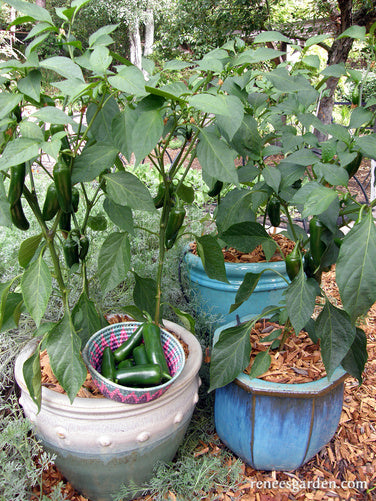
Container Chile Peppers Early Flame Jalapeños
STARTING SEEDLINGS
Start indoors 8 weeks before outdoor night temperatures reach 55°F (13°C). Sow seeds 1/4 inch deep and 1 inch apart in a container of seed starting mix. Keep moist but not soggy, and very warm 80°F (27°C). Provide a strong light source until ready to plant outdoors. When seedlings are several inches tall, transplant into 4 inch pots. Keep warm; 70°F (21°C). Feed with half-strength liquid fertilizer.
When nights reach 55°F (13°C), acclimate seedlings to outdoor conditions. If planting in garden beds, space 2 feet apart in rich soil in full sun.
CONTAINER GROWING
Transplant each well-developed seedling into a container about 15 inches tall and deep. Use fresh potting mix to prevent soil borne diseases. Fertilize 2 times per month with all-purpose fertilizer for best plants and bigger yields. Check often and water regularly; plants usually require daily watering in hot summer weather.
GROWING NOTES
Peppers need full sun at least 6 hours per day. Mulch well to maintain even moisture. Provide short stakes or cages to support the heavy sets of ripening fruit. Keep growing plants well watered and fed.
HARVEST AND USE
To harvest, cut rather than pull fruits from plants when deep glossy green or colored up red. Enjoy Jalapeños in sandwiches, fresh salsas, sauces, fajitas and marinades. They are delicious sliced and quickly pickled or stuffed with cheese and baked.Regular price $4.99Sale price $4.99Unit price per -
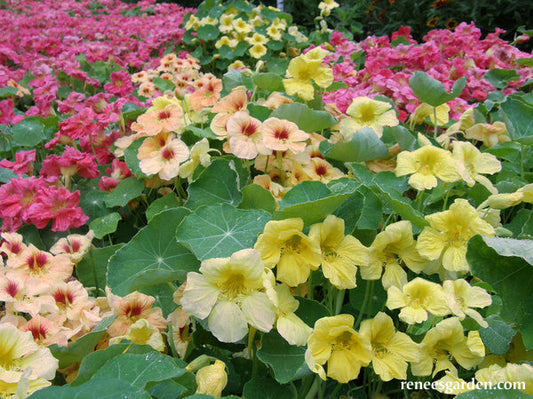
Hummingbird Nasturtiums Aloha Mix
ANNUAL
Spring/Summer/Fall bloom
Frost tenderEASY TO START OUTDOORS
In spring, when danger of frost is past, sow seeds in a sunny spot (or part shade in hot climates). Nasturtiums need no added fertilizer in most soils. Poke seeds into well-worked soil about 1 inch deep and 5 inches apart. Press soil firmly over the seeds and keep moist. When seedlings are large enough to handle, thin to 10 inches apart as mounding plants need ample room to grow.
TO START EARLY INDOORS
Sow 2 seeds each in individual 4 inch pots of well-drained seed starting mix 3 weeks before last expected frost date. Cover 1 inch deep. Provide a strong light source. When seedlings have several sets of leaves, pinch out the weaker seedling, leaving 1 per pot. When weather is evenly in the 50°F (10°C) range, gradually acclimate to outdoor conditions. Transplant seedlings into the garden 10 inches apart in full sun.
GROWING NOTES
These mounding nasturtiums are reliable and easy to tuck into any well-drained spot. They are a perfect disguise to cover fading bulb foliage in late spring. Their softly draping leaves and sunny flowers will quickly fill garden beds or containers. Hummingbirds come readily to drink the blossom’s nectar. Leaves and flowers are tasty additions to salads and sandwiches.
Regular price $3.99Sale price $3.99Unit price per -
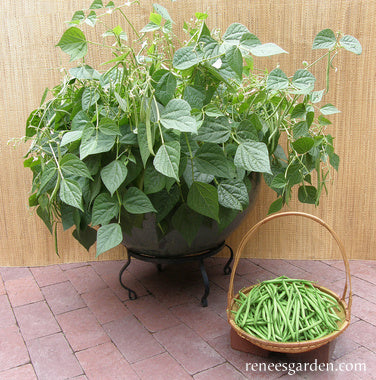
Container Bush Beans French Mascotte
START SEEDS OUTDOORS
In spring, once weather is warm and settled and night temperatures stay above 55°F (13°C), plant seeds in well-worked, fertile soil in full sun. Poke seeds in 1 inch deep and 4 inches apart in rows 1½ feet apart.
FOR CONTAINER PLANTING
Sow seeds in big pots at least 18 to 20 inches in diameter and 18 inches tall filled with fresh, moistened, good-quality potting mix. Make additional sowings in more pots several weeks later until the end of June to provide long continued harvests.
GROWING NOTES
Amend soil well before sowing with lots of aged manure or compost. Protect young seedlings from marauding birds by covering with plastic berry baskets at planting time, removing when plants get crowded. Be sure to thin properly—you will have more productive, disease-free plants if seedlings have enough room to mature.
HARVEST AND USE
Pick these fine-flavored French gourmet beans often; at least every other day or while bean pods are young and slender. The more beans you pick, the more the plants will produce. Steam, sauté or roast them quickly just until tender-crisp and serve simply to fully enjoy their tempting flavor.
Regular price $4.99Sale price $4.99Unit price per -
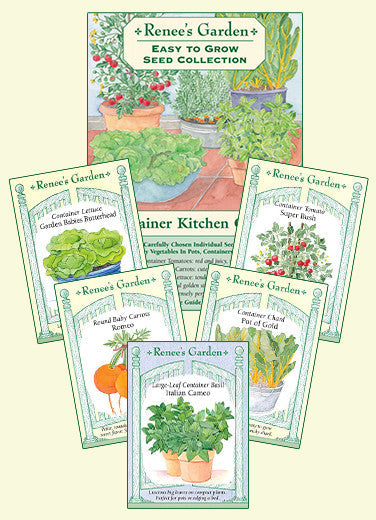
Easy To Grow Collection The Container Kitchen Garden
Includes Five Carefully Chosen Individual Seed Packets For Your Own Tasty Vegetables In Pots, Containers Or Windowboxes
- Super Bush Container Tomatoes: red and juicy, sweet rich flavor
- Romeo Round Container Carrots: cute and crunchy-sweet
- Garden Babies Container Lettuce: tender and pretty mini-butterheads
- Pot of Gold Chard: beautiful golden stalks and green leaves
- Cameo Container Basil: intensely perfumed true Italian basil
- Special Feature: Two Page Guide To Container Gardening. Enjoy a beautiful container garden featuring fast growing, great tasting vegetables in a wonderful range of colors.
Our Collection includes five individual seed packets of varieties developed especially for growing in pots for a delicious and ornamental kitchen garden whose fresh healthy harvests will add savor and excitement to everyday meals. You will find our packet backs offer clear and complete growing instructions for each variety, ensuring success for anyone new to growing from seed, as well as harvest tips and cooking ideas. Also included is our “how-to” guide for container gardening covering the basic gardening information needed for rewarding and bountiful harvests.
Super Bush Container Tomatoes
Perfect for pots, these full-sized tomatoes grow on dwarf 2 1/2 to 3 foot tall plants. The luscious round red fruits are full of juicy-sweet, rich tomato flavor.
Romeo Round Container CarrotsPetite ball-shaped carrots with smooth skins that need no peeling. Bred in France for great flavor and crunchy texture.
Pot Of Gold ChardReliable and highly ornamental, these vigorous vase-shaped plants have crunchy golden stems contrasting with rich green leaves. Produces abundant harvests to enjoy all season long.
Cameo Container BasilFrom our best Italian breeder. Easy growing and aromatic, “Cameo” has closely packed, fragrant big leaves on compact plants that grow about 8 inches tall. Perfect for fresh pesto and seasoning summer dishes.
Garden Babies Container LettuceDelicious and weather tolerant, these cute baby lettuces form compact 6 inch heads with soft folded leaves, a lovely buttery texture and absolutely outstanding sweet taste.
Regular price $16.95Sale price $16.95Unit price per -
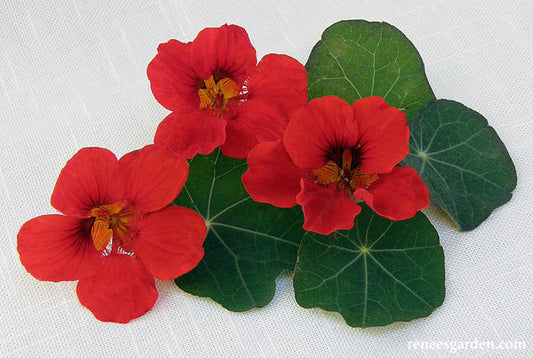
Heirloom Nasturtiums Empress of India
ANNUAL
Spring/summer/fall bloom
Frost tenderEASY TO START OUTDOORS
Sow seeds in spring once all danger of frost is over in full sun (or part shade in hot climates). Nasturtiums need no added fertilizer in most soils. Poke seeds into well-worked soil about 1 inch deep and 3 to 4 inches apart. Press soil firmly over the seeds and keep moist. When seedlings are large enough to handle, thin to 10 inches apart as mounding plants need ample room.
TO START EARLY INDOORS
Sow 2 seeds each in individual 4-inch pots of well-drained seed starting mix 3 weeks before last expected frost date. Cover 1 inch deep. Provide a strong light source. When seedlings have several sets of leaves, pinch out the weaker seedling, leaving 1 per pot. After weather is evenly above 50°F (10°C), gradually acclimate to outdoor conditions. Transplant seedlings into the garden 10 inches apart in full sun.
GROWING NOTES
These mounding nasturtiums are reliable and easy to tuck into any well-drained spot. They are a perfect disguise to cover fading bulb foliage in late spring. Their softly draping leaves and wonderfully colored flowers will quickly fill garden beds or containers. In mild winter climates, sow seeds again in early July for late summer blooms. Leaves and flowers are tasty additions to salads and sandwiches.
Regular price $3.69Sale price $3.69Unit price per -
Vietnamese Heirloom Bac Lieu Cilantro
ANNUAL
Spring/summer/fall harvest
Can handle light frostsEASIEST TO START OUTDOORS
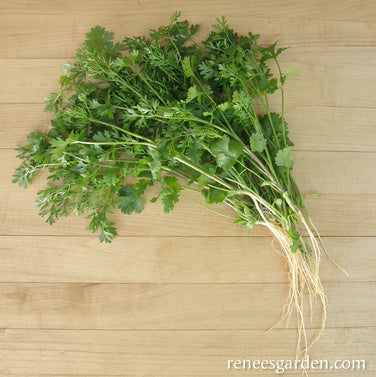
Vietnamese Cilantro doesn’t transplant well; plant seeds directly in the garden. For continuous harvests, start in early spring and make successive sowings every few weeks until summer heat comes on strong. Sow again in cooler fall weather, especially in mild winter areas. Sow seeds in well-drained fertile soil 1 to 2 in. apart in rows 8 in. apart in full sun. Cover 1/4 inch deep and firm soil over seeds. Keep evenly moist as seedlings emerge. Thin seedlings 3 to 4 in. apart before plants get crowded.
GROWING NOTES
Vietnamese cilantro leafs out and flowers quickly as plants mature; lushest, leafy growth is in cooler temperatures of spring and fall. Plants thrive when well watered and thinned early so they have room to grow. If hot weather arrives early, plant in a spot with morning sun and afternoon shade. The lacy flowers of these plants attract beneficial insects and pollinating bees.
HARVEST AND USE
Vietnamese cilantro produces rosettes of leaves low on plants with more finely cut, serrated leaves towards the top. Harvest & use entire plant, including stems, leaves & even young flowers. Traditionally, Vietnamese cilantro is offered on a plate in the center of the table, so diners can help themselves. This delicious edible garnish & flavoring tastes similar to a delicate regular cilantro, but with an additional delicious hint of citrus spice.Regular price $3.69Sale price $3.69Unit price per -
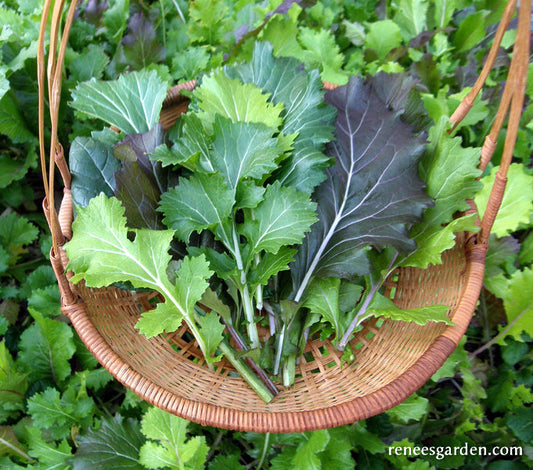
Heirloom Italian Kale Tuscan Baby Leaf
BEST TO START DIRECTLY OUTDOORS
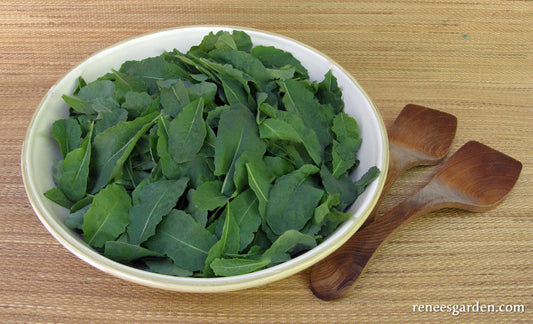
Beginning in early spring, sow seeds in finely worked soil in full sun. Shake seeds loosely from your hand, broadcasting about 1 inch apart over the entire seedbed or in wide rows, and cover lightly and evenly with 1/4 inch of fine soil. Firm soil gently and water in with a fine spray, then keep seedbed evenly moist. Make successive sowings every 3 weeks until summer weather turns really hot for a constant supply. Plant again in late summer for fall harvesting.
GROWING NOTES
For best flavor, kale needs consistent moisture and mild weather conditions. Birds love tender young kale seedlings, so protect them as necessary with netting or floating row covers. This attractive edible will also grow well in pots at least 18 to 20 inches across to snip as needed for salads or stir-fry.
HARVEST AND USE
To harvest by the “cut and come again” method: when plants are 4 to 5 inches tall, cut as much as you need, by using scissors to shear off leaves 1 to 2 inches above the soil level. Water well and fertilize lightly and plants will regrow for several more cuttings. These tasty and highly nutritious leaves are delicious used as fresh salads, especially with a handful of chopped nuts and fruit like apples or pears. Or stir-fry very quickly for healthy quick greens.
Regular price $4.39Sale price $4.39Unit price per -
Container/Pollinator Salvia Bee Heaven
TENDER PERENNIAL GROWN AS ANNUAL
Summer/Fall bloom
Frost tenderTO START EARLY INDOORS
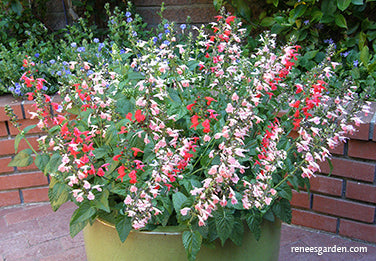
Start seeds indoors 4 to 6 weeks before last frost date. Sow seeds 1 inch apart in a container of seed starting mix and cover very lightly. Keep moist but not soggy and provide a strong light source. When seedlings are about 2 to 3 inches tall, and night temperatures are above 50°F (10°C), acclimate to outdoor conditions and plant 8 inches apart.
TO START DIRECTLY OUTDOORS
Sow in well-worked beds or in containers in full sun only after night temperatures reach 50°F (10°C). Plant seeds 4 inches apart and cover very lightly. Keep soil evenly moist. Thin seedlings to 8 inches apart so plants have room to mature.
CONTAINER PLANTING
Plant 4 seedlings in a 20 inch pot; 3 in a 16 inch pot, and 1 seedling in an 8 inch pot.
GROWING NOTES
Plants grow quickly to 12-18 inches tall and bloom all summer long Honey Bees, hummingbirds, butterflies, and many other pollinators constantly visit these nectar-rich flowers.
Regular price $4.69Sale price $4.69Unit price per -
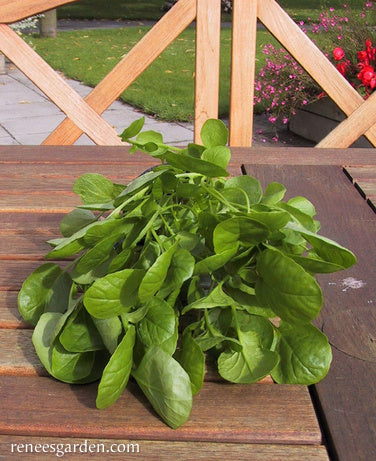
Tender Chard Special Baby Leaf
BEST TO START DIRECTLY OUTDOORS
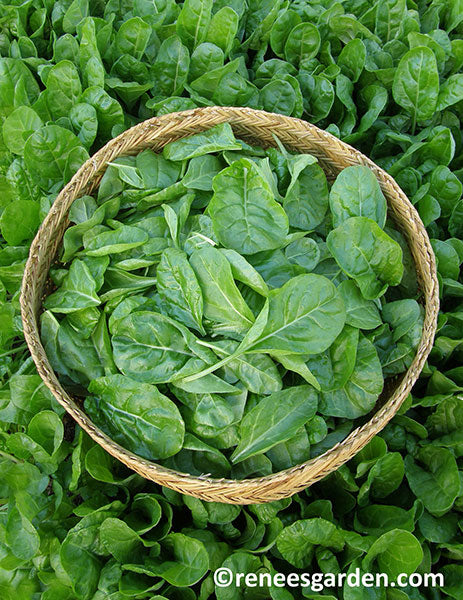
Beginning in early spring, sow seeds in finely worked soil in full sun. Shake seeds loosely from your hand, broadcasting about 1 inch apart over the entire seedbed or in wide rows, and cover lightly and evenly with 1/4 to 1/2 inch of fine soil. Firm soil gently and water in with a fine spray, then keep seedbed evenly moist. For a constant supply, makes successive sowings every three weeks until summer weather turns really hot. Plant again in late summer for fall harvesting.
GROWING NOTES
For best flavor, baby leaf chard needs consistent moisture and mild weather. Birds love tender young seedlings,so protect them as necessary with netting or floating row covers. This attractive edible will also grow well in pots at least 18 to 20 in. across to snip as needed for salads or stirfry.
HARVEST AND USE
To harvest by the “cut and come again” method: when plants are 4 to 5 in. tall, cut as much as you need, by using scissors to shear off leaves 1 to 2 in. above the soil level. Water well and fertilize lightly and plants will regrow for several more cuttings. These tender, crisp and juicy baby leaves are delicious in fresh salads. Or stirfry, braise or sauté very quickly for healthy, tasty greens.
Regular price $3.69Sale price $3.69Unit price per -
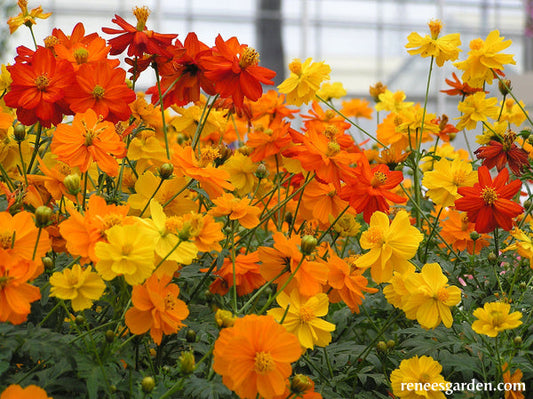
Butterfly Cosmos Little Ladybirds
ANNUAL
Summer/fall bloom
Frost tenderTO PLANT OUTDOORS
Sow seeds directly into well worked garden soil in full sun once all danger of frost is past. Space seeds 2 to 3 inches apart and cover about 1/4 inch deep. Seedlings will emerge in 5 to 10 days. Keep well weeded and watered.
TO START EARLY INDOORS
Sow seeds 1 inch apart in a container of seed starting mix, 4 to 6 weeks before last expected frost. Cover 1/4 inch deep, keep moist and provide a good light source. Plant outdoors once weather warms up after gradually acclimating seedlings to outdoor conditions. Thin or transplant 5 to 6 inches apart when seedlings are large enough to handle.
GROWING NOTES
Little Ladybirds are quick to bloom, carefree and non-fussy. Use instead of marigolds in sunny borders, or to line a garden path. The brilliant warm colors and clean fern-like foliage combine beautifully with other heat-tolerant flowers. Feed and water regularly especially if planting in patio pots.
Regular price $2.99Sale price $2.99Unit price per -
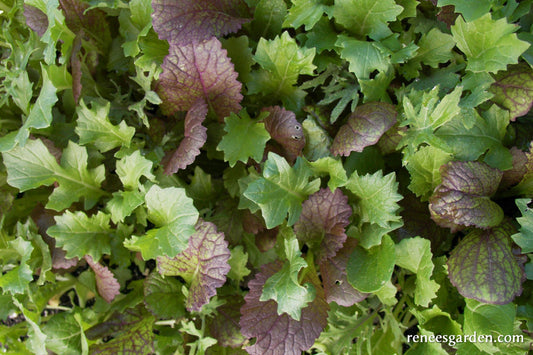
Heirloom Greens Cut & Come Again Mustards
START SEEDS OUTDOORS
In cool early spring weather, sow seeds in finely worked soil in full sun. Shake seeds from the palm of your hand, broadcasting them about 1/2 inch apart over the entire seedbed or in wide rows, and cover lightly and evenly with 1/4 inch of fine soil. Firm soil gently and water with a fine spray. Keep seedbed evenly moist. Make small successive sowings until summer weather turns hot for a constant supply. Plant again in late summer for fall harvesting.
GROWING NOTES
This mix will thrive in mild weather with consistent moisture. To extend the sowing season into hot weather, sow in light shade or erect a canopy of loosely woven shade cloth over the bed. Birds are often attracted to tender young seedlings, so protect them if necessary.
HARVEST AND USE
To harvest by the “cut and come again” method, wait until plants are 4 to 6 inches tall. Cut as much as you need, using scissors to shear off a patch of leaves about 1 to 2 inches above the soil level. Water well and fertilize lightly and plants will regrow for several more cuttings. Sauté leaves quickly in olive oil with a little chopped garlic or steam and finish with a splash of hot sauce or rice vinegar.
Regular price $4.89Sale price $4.89Unit price per -
Signature Salads California Spicy Greens
START SEEDS OUTDOORS
In cool early spring weather, sow seeds in finely worked soil in full sun. Shake seeds from the palm of your hand, broadcasting them about 1/2 to 1 inch apart over the entire seedbed or in wide rows, and cover lightly and evenly with 1/4inch of fine soil. Firm soil gently and water in with a fine spray. Keep seedbed evenly moist. Make small successive sowings until summer weather turns hot for a constant supply. Plant again in late summer for fall harvesting.
GROWING NOTES
These zesty flavored salad greens taste best given consistent moisture and mild weather. To extend the growing season into hot weather, sow in light shade or erect a canopy of loosely woven shade cloth over the bed and water regularly. Birds are often attracted to tender young seedlings, so protect them if necessary.
HARVEST AND USE
To harvest by the “cut and come again” method, wait until plants are 3 or 4 inches tall. Cut as much as you need, using scissors to shear off a patch of leaves 1 to 2 inches above the soil level. Water well and fertilize lightly and plants will regrow for several more cuttings. Mix these piquant baby greens with lettuces and fragrant herbs in proportions you prefer.
Regular price $3.39Sale price $3.39Unit price per -
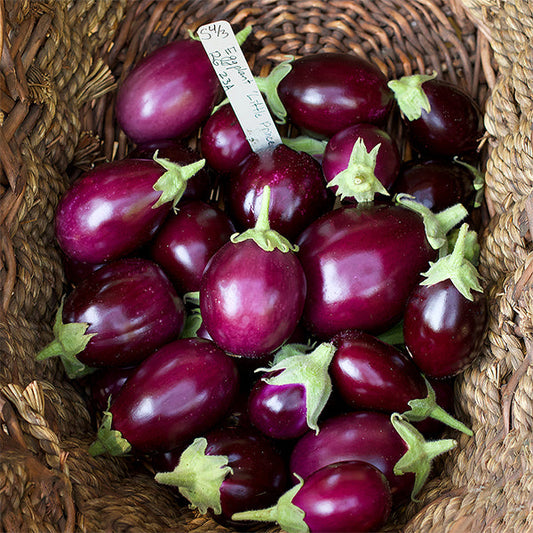
Container Eggplant Little Prince
BEST TO START INDOORS
In early spring, start indoors about six to eight weeks before night temperatures reach 55° (13°C). Sow seeds 1/4 inch deep and 1 inch apart in containers of seed starting mix. Keep moist and warm, 80-85°F (27-29°C) and provide a strong light source until ready to plant outside. When seedlings are 2 inches tall, transplant into 4-inch pots. Maintain at 70-75°F (21-24°C). Feed with half-strength fertilizer every 2 weeks until weather is warm, then gradually acclimate seedlings to outdoor conditions.
Transplant In Pots: Plant 1 to a pot 12 inches across and deep, or plant several seedlings 8 inches apart in larger containers at least 16 to 18 inches across and deep.
In Garden Beds: Amend soil with compost or aged manure, then plant in full sun 2 feet apart.
GROWING NOTES
Transplant outdoors only when nights are securely above 55° (13°C). For containers, always use new, high quality potting mix. Plant only robust seedlings with well-developed roots and mulch them well. Feed regularly every few weeks throughout the season with good all-purpose fertilizer.
HARVEST AND USE
Pick often from productive plants when fruits size up glossy and firm-fleshed and before skins get dull. Enjoy these handy-sized eggplants halved or in thick slices sautéed with garlic and herbs or grilled to succulence on the barbeque.
Regular price $3.39Sale price $3.39Unit price per -
Specialty Eggplants Italian Trio
BEST TO START INDOORS
In early spring, start indoors about 2 months before outdoor night temperatures are reliably in the 50 (10°C) range. Sow seeds 1/4 inch deep and 1 inch apart in a container of seed starting mix. Keep moist and warm and provide a strong light source until seedlings are ready to plant outside. When seedlings are 2 inches tall, transplant into deeper individual containers. Maintain at 70 to 75° (21-24°C). Feed with half-strength fertilizer every 2 weeks until weather is warm enough to gradually acclimate seedlings to outdoor conditions. Transplant 2 feet apart into rich soil in full sun.
GROWING NOTES
Don’t transplant these heat-lovers outdoors until night temperatures stay securely above 55° (13°C). Prepare soil well with aged manure or compost. Plant only robust seedlings with well-developed roots and mulch well. Fertilize plants regularly throughout the season.
HARVEST AND USE
Pick when fruits have sized up and are firm fleshed and glossy. Slice 1/2 inch thick, brush with olive oil and broil until tender. Then layer with a rich tomato sauce, fresh herbs and several cheeses to make Eggplant Parmesan. Bake whole in a hot oven, then scoop out flesh and mash with garlic, olive oil, lemon juice and chopped parsley for a savory dip to serve on toasted pita bread.
Regular price $3.69Sale price $3.69Unit price per -
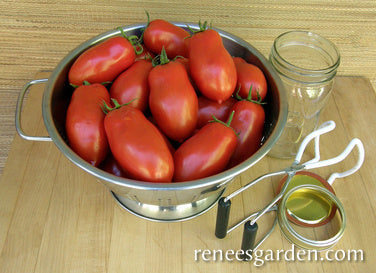
Container Roma Tomato Inca Jewels
STARTING SEEDLINGS
In early spring, start indoors about 6 to 8 weeks before outdoor night temperatures are reliably 50-55°F (10-13°C). Sow seeds 1/4 inch deep and 1 inch apart in a container of seed starting mix. Keep moist but not soggy, and very warm, 80°F (27°C). Provide a strong light source until seedlings are ready to plant outside. When seedlings are 2 inches tall, transplant into individual 4-inch pots. Maintain at 70°F (21°C). Feed with half-strength fertilizer every 2 weeks until ready to plant. When nights reach 55°F (13°C), gradually acclimate to outdoor conditions. Plant these vigorous, early bearing vines 3 feet apart into rich soil in full sun.
GROWING IN CONTAINERS
Transplant one seedling per container; minimum pot size should be 18 to 20 inches in diameter and 18 inches high. Use fresh potting mix to prevent soil-borne disease. Water regularly: containers may need water daily in hot weather. Fertilize every other week with a low nitrogen fertilizer for strong plants and good yields. Growing Notes Plant seedlings several inches deeper than they were in seed starter. Provide strong 3 ft. stakes or tall wire cages at planting time as plants get heavy with fruits and need support. Mulch to provide even moisture retention; don't overwater once fruit begins to ripen.Regular price $4.99Sale price $4.99Unit price per -
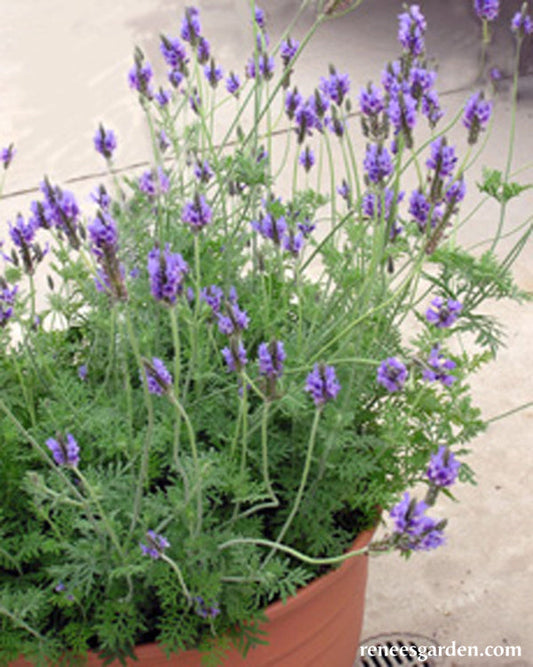
Butterfly Herbs Fernleaf Lavender
PERENNIAL
Spring/summer bloom
Hardy to zone 8BEST TO PLANT INDOORS
In early spring, sow lavender seeds 1 inch apart in a container of seed starting mix. Cover very lightly and keep at 60 to 70°F (16-21°C). Keep evenly moist but not soggy until seedlings slowly emerge over 14 days, providing a good light source. When seedlings have several sets of leaves, transplant 2 inches apart into deeper containers. Plant outside in a well-drained sunny spot when plants are 2 to 3 inches tall after gradually acclimating to outdoor conditions.
THIN OR TRANSPLANT
Space 18 inches apart when seedlings are well established.
GROWING NOTES
Because perennial lavender’s small seeds germinate slowly and unevenly, we strongly recommend starting them indoors so you can tend them carefully. After seedlings are well established, plant them out in a sunny spot with excellent drainage and good air circulation or in big, well-drained pots. Plants flower lightly the first season and come into full bloom in their second summer.
After blooming season, prune and shape the plants while cutting off spent flower stalks. These sturdy plants will take more humidity than other lavenders. Fernleaf plants are beacons for butterflies all summer long.
Regular price $3.99Sale price $3.99Unit price per -
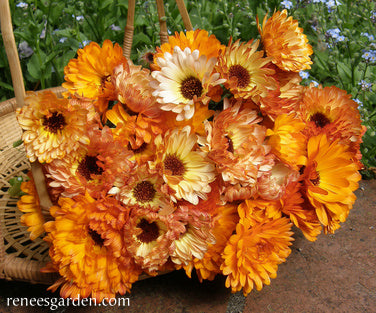
Butterfly Flowers Flashback Calendula
HARDY ANNUAL
Spring/fall bloom
Takes light frostTO START OUTDOORS
Calendulas bloom best in cool weather, so plant in early spring. Sow seeds 1 inch apart in well-drained soil in full sun. Cover 1/2 inch deep, firm soil and keep seed bed moist. Germination takes 1 to 2 weeks. After seedlings are well established, thin or transplant 8 inches apart to allow for good air circulation and discourage mildew. Calendulas can be sown again in midsummer for fall bloom.
TO START EARLY INDOORS
In early spring, sow seeds 1 inch apart in a container of seed starting mix and cover 1/2 inch deep. Keep evenly moist as seedlings emerge and provide a good light source until ready to plant outdoors. Transplant when seedlings are about 2 to 3 inches tall after gradually acclimating plants to outdoor conditions. Thin or transplant seedlings 8 inches apart for best performance.
GROWING NOTES
Plant when weather is cool to get sturdy plants that bloom for many weeks if faded flowers are removed. Grow this quick-flowering, easy annual along with snapdragons, cornflowers and pansies for late spring bloom. In mild climates, sow again in late summer for winter or very early spring flowers.
Regular price $2.99Sale price $2.99Unit price per -
Spanish Lavender Purple Ribbons
PERENNIAL
Summer/fall bloom
Frost hardyBEST TO PLANT INDOORS
In early spring, sow lavender seeds 1 inch apart in a container of seed starting mix, cover very lightly and keep at 65°F (18°C). Keep container moist but not soggy until seedlings slowly emerge over 14 to 25 days, providing a good light source. When seedlings have several sets of leaves, transplant 2 inches apart into deeper containers. Plant outside in a well-drained sunny spot when plants are 2 to 3 inches tall after gradually acclimating to outdoor conditions.
THIN OR TRANSPLANT
Space seedlings 18 inches apart when large enough to handle.
GROWING NOTES
Because perennial lavender’s small seeds germinate slowly and unevenly, we strongly recommend starting them indoors so you can tend them carefully. After seedlings are well established, plant them out in a sunny spot with excellent drainage and good air circulation or in big, well-drained pots.
If given excellent drainage and good air circulation, Spanish lavender is perennial in areas where winter temperatures stay above 10°. Plants flower lightly the first season and come into full bloom in their second summer. After blooming season, prune and shape the plants while cutting off spent flower stalks.
Regular price $3.69Sale price $3.69Unit price per -
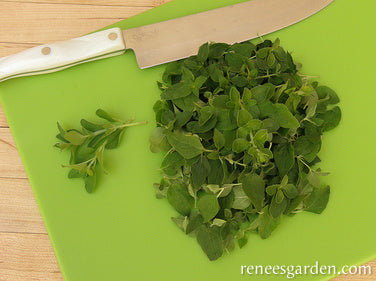
Kitchen Herbs Heirloom Italian Oregano
PERENNIAL
Spring/summer/fall harvest
Frost hardyTO PLANT DIRECTLY IN THE GARDEN
When warm spring weather arrives, sow in full sun in a well worked, finely textured seed bed with good drainage. Sow thinly, then water very gently for good soil contact, but do not cover seeds. Tend carefully: keep soil evenly moist but not soggy and well weeded.
TO START INDOORS
Sow seed in early spring in a container of seed starting mix. Press gently into moistened soil mix, but do not cover. Provide a good light source. Keep evenly moist as seedlings slowly emerge in 10 to 21 days. Transplant when 1 to 2 inches tall after gradually acclimating to outdoor conditions.
THIN OR TRANSPLANT
Thin or space seedlings 10 inches apart when they are large enough to handle.
GROWING NOTES
Mix tiny seeds with dry sand to help space seedlings. Young plants grow slowly at first; a good hot spell encourages strong growth. Pick leaves lightly the first season; wait until the second summer to make bigger harvests. For best leafy growth, cut sprays of purple blossom to enjoy in the kitchen. Given good drainage, this carefree Mediterranean native is hardy and long-lived.Regular price $2.99Sale price $2.99Unit price per -
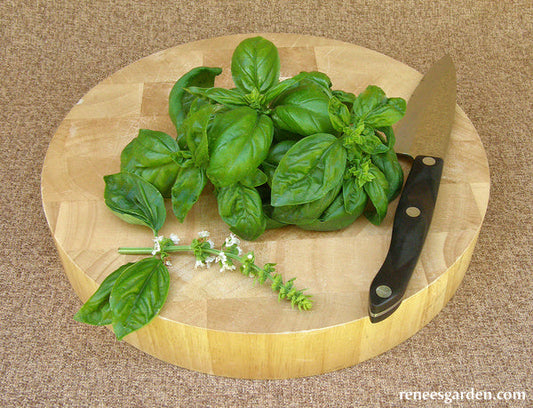
Specialty Basils Profumo di Genova
ANNUAL
Summer/fall harvest
Heat-loving, frost tenderTO PLANT DIRECTLY INTO THE GARDEN
In late spring once nights stay securely above 55°F (13°C), sow seeds 1 inch apart in well worked fertile soil in full sun. Cover 1⁄4 inch deep, firm soil and keep seed bed moist. Germination takes 1 to 2 weeks. After seedlings are well established, thin or transplant 8 inches apart.
TO START EARLY INDOORS
Sow seeds 1 inch apart in a container of seed starting mix, 4 to 6 weeks before last expected frost. Keep warm and evenly moist, and provide a good light source. When seedlings are large enough to handle, acclimate gradually to outdoor conditions before planting in the garden 8 inches apart.
GROWING NOTES
Remember—for successful plants, it is critical to sow or transplant basil into garden beds only when late spring day and nighttime temperatures stay above 55°F (13°C). Harvest sprays of leaves by snipping stems just above two new sprouting lateral branches to encourage lush foliage. Keep flower buds pinched off to extend harvesting. Feed regularly with high nitrogen fertilizer to promote new growth.
Regular price $3.69Sale price $3.69Unit price per -
Heirloom Herbs English Watercress
BIENNIAL/GROWN AS ANNUAL
Spring/fall harvest
Can handle some frostSTARTING SEEDLINGS
Watercress is a cool weather crop. Make successive sowings several weeks apart to have a constant supply, starting in early spring. Plant watercress in a pot of seed starting mix and keep in a cool spot. Sow seeds one inch apart, do not cover with mix, but keep thoroughly moist. Germination should occur in about a week. Late summer-sown watercress will last well into cold weather.
THIN OR TRANSPLANT
Space seedlings 2 to 3 inches apart when they are large enough to handle.
GROWING NOTES
Set out seedlings next to a source of clean, fresh flowing water or water them daily. Watercress grown in pots can be set in saucers of water, which must be changed regularly to imitate a moving stream. Or, set your seeded pot right under an often-used hose bib to benefit from stray sprinkles and drips. Snip back growing shoots to make plants branch from the base and harvest tender tips as needed. As flowers begin to bud up, leaves get smaller and their taste gets bitter, so pull and pick from younger plants.Regular price $3.39Sale price $3.39Unit price per