Container Friendly
Space-Saving Varieties are Our Specialty
Grow a cheerful profusion of flowers and savory herbs in containers of all shapes and sizes on your patio, small deck, or rooftop.
-
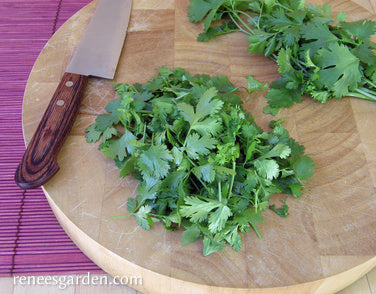
Kitchen Herbs Slow-Bolt Cilantro
ANNUAL
Spring/summer/fall harvest
Can handle light frostsEASIEST TO START OUTDOORS
In early spring, sow Cilantro seed directly into well-drained fertile soil 1 to 2 inches apart in rows 8 inches apart in full sun. Cover 1/4 inch deep and firm soil over seeds. Keep seed bed evenly moist as seedlings emerge over 10 to 20 days. Make new sowings every few weeks until mid summer for continuous harvests of fresh leaves.
THIN OR TRANSPLANT
Cilantro doesn’t transplant well; we advise direct garden sowing. Thin seedlings 3 to 4 inches apart before plants get crowded.
GROWING NOTES
Cilantro plants flower, then set seed quickly as plants mature. Lushest, leafy growth takes place in cooler weather; plant early and throughout cool spring weather and sow again in fall, particularly in mild winter areas. To have a constant supply of fresh leaves, sow every 2 to 3 weeks through early summer.
Keep cilantro at its leafy stage longer by keeping plants well watered and being careful to thin seedlings early. Let some of the lacy flowers form to attract beneficial insects and pollinating bees. The fragrant round seeds are called coriander, an aromatic spice used in baking.
Regular price $2.99Sale price $2.99Unit price per -
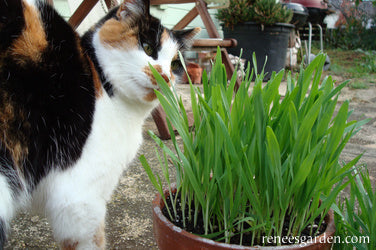
Kitty Queen's Four Grass Mix
ANNUAL CEREAL GRASSES
Oat, rye, wheat, barley.
Organically grown.FOR BEST RESULTS
Fill a 6 inch diameter or larger, pot with moistened planting mix. Sprinkle seeds 1/4 inch apart over the surface, cover 1/2 inch deep with mix, and water gently. Keep pot moist but not soggy, and be sure to provide a good light source. The pot of grasses can be kept indoors for pets to graze on at their leisure. Fertilize every 2 weeks using a non-chemical fertilizer, such as fish emulsion.
DINING IDEAS
Most cats will recognize the grass as a treat right away. To encourage finicky eaters, place the pot beside the kitty’s food and spritz it with water. This usually does the trick.
GROWING NOTES
Our ample packet provides enough seed for 3 to 4 sowings. The grasses are ready for pets to nibble when the blades are at least a few inches tall, normally in about 10-14 days after sowing. If grasses get too tall and fall over, “mow” them down to 2 inches with a pair of scissors.
For a constant supply, try sowing one pot, then another pot a week later. Give your pet access to only one pot of grass at a time, and switch pots each week. When grass does not re-grow vigorously after cutting down and fertilizing, discard and start again with new seed and soil mix.
DINING IDEAS
Most cats will recognize the grass as a treat right away. To encourage finicky eaters, place the pot beside the kitty's food and spritz it with water. This usually does the trick and cats who newly discover this treat delight in it!Regular price $4.89Sale price $4.89Unit price per -
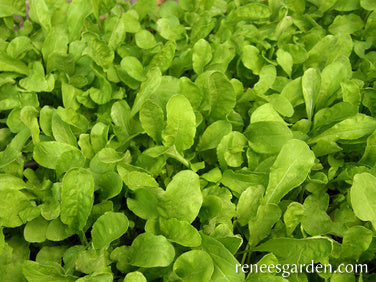
Kitchen Herbs Italian Arugula
ANNUAL
Spring/summer/fall harvest
Frost hardyEASIEST TO START OUTDOORS
In early spring, sow seeds directly into well-worked garden soil in full sun or in a sunny spot with afternoon shade. Broadcast seed 2 inches apart, cover 1/4 inch deep and firm soil over seeds. Keep seed bed evenly moist until seedlings emerge. Make new sowings every 2 weeks until early summer for a constant supply of fresh non-bitter leaves. Begin harvesting young leaves in 3 to 4 weeks.
In hot summer areas, wait to sow again in late summer for fall use, as summer heat makes leaves very pungent.
THIN OR TRANSPLANT
Arugula grows so quickly we recommend sowing in place rather than transplanting. Thin seedlings 2 to 3 inches apart when plants are large enough to handle.
GROWING NOTES
Begin harvesting by thinning little seedlings to use in salads when they are several inches tall. Then, either pick individual leaves when 3-4 inches long, or snip leaves about 1 inch above the crown and let plants regrow for more harvests.Regular price $2.99Sale price $2.99Unit price per -
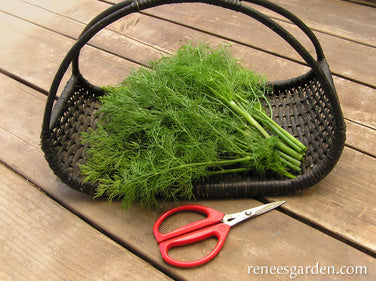
Kitchen Herbs Dukat Leafy Dill
ANNUAL
Spring/summer/fall harvest
Can handle light frostsEASIEST TO PLANT OUTDOORS
In early spring, sow dill seed directly into well-drained garden soil 1 to 2 inches apart in rows 6 inches apart in full sun and cover seeds 1/4 inch deep. Make small sowings every few weeks to have successive harvests of fresh leaves. Keep seed bed evenly moist while awaiting germination in 7 to 14 days.
TO START INDOORS
Sow dill seed thinly in individual pots of seed starting mix. Cover 1/4 inch deep and keep moist as seedlings emerge in 7 to 14 days. Provide a good light source. Transplant when seedlings are about 2 inches tall after gradually acclimating to outdoor conditions. Don’t let seedlings get crowded before planting outside.
THIN OR TRANSPLANT
Space groups of 2 or 3 seedlings about 4 inches apart when seedlings are large enough to handle.
GROWING NOTES
Keep plants well watered and thinned; crowded seedlings won’t make the lush growth desired for fresh leaf harvests and will form seed heads too early. Make several successive sowings for plenty of leafy dill fronds followed by seed heads to use for pickles and other savory dishes.Regular price $2.99Sale price $2.99Unit price per -
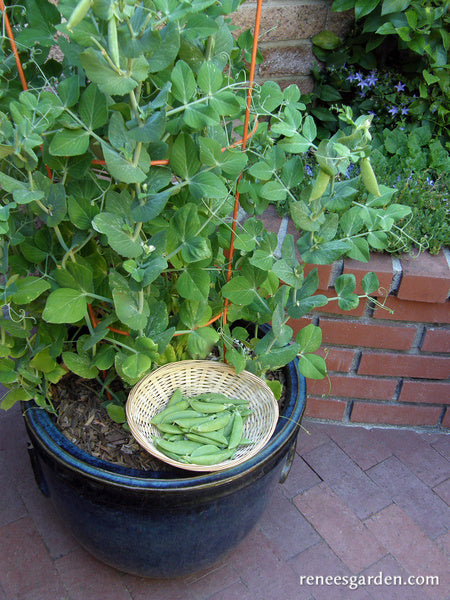
Container Snap Peas Sugar Ann
START SEEDS OUTDOORS
In early to mid-spring, plant peas in full sun in well-worked, fertile soil. Sow 1 in. deep and 3 in. apart. Protect from marauding birds with netting or floating row covers if necessary. Wet, cold early spring weather may affect germination, so if first sowing doesn’t germinate evenly, replant right away: new seedlings catch up quickly. Sow again for a fall crop, several months before fall frosts.
FOR CONTAINERS
Plant in pots at least 15-18 in. in diameter and 12 in. deep. Sow 1 in. apart, 1 in. deep. When seedlings are 2-3 in., thin to 3 in. apart, so each little vine has growing room. Provide 2-3 ft. tall supports or a short trellis at planting time. Mulch to conserve moisture. Feed with all-purpose fertilizer every 2-3 weeks. If it gets hot, check and water containers daily; otherwise, water when the top inch of soil is dry. Water at base of the plants to avoid mildew.
HARVEST AND USE
Harvest only when peas are mature and rounded in the thick-walled, juicy pods for the best developed flavor. Savor their sweet crunch fresh (kids especially love them!) as a snack or slice into salads. To cook quickly, pull strings from pods and sauté in a little oil just until pods turn a deeper green color.
Regular price $4.69Sale price $4.69Unit price per -
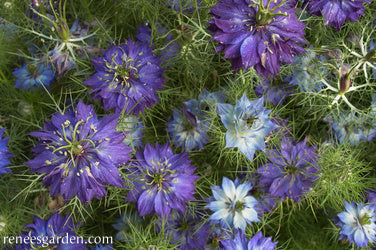
Heirloom Love in a Mist Persian Violet Nigella
HARDY ANNUAL
Spring/summer bloom.
Can handle light frostEASIEST TO PLANT DIRECTLY IN THE GARDEN
Sow seeds directly into a finely textured, well-drained garden bed as early in spring as the ground can be worked. In mild climates, sow in cool fall weather for spring bloom. Space seeds 2 to 3 inches apart in rows 6 inches apart and cover 1/4 inch deep. Or broadcast thinly in garden bed and cover 1/4 inch deep. Weed young seedlings carefully and thin to stand 6 inches apart so plants have room to grow and mature.
GROWING NOTES
Make several successive sowings from early spring through early summer and these carefree old-fashioned flowers will bloom all season long. Their delicate blossoms make sweet little bouquets. As flowers fade, cut the decorative seedpods before they mature and split. Hang upside down in bundles out of the direct sun to dry for winter bouquets and arrangements. Let some seedpods mature on the plants to spill seed and these graceful flowers will come up year after year.
Regular price $3.39Sale price $3.39Unit price per -
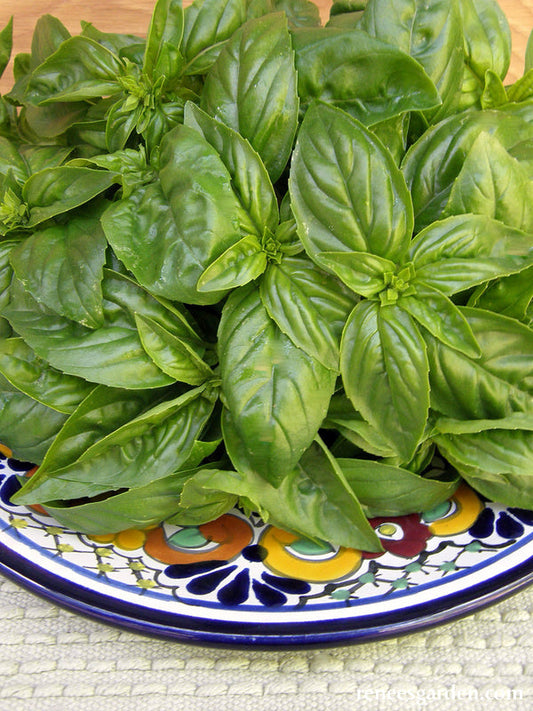
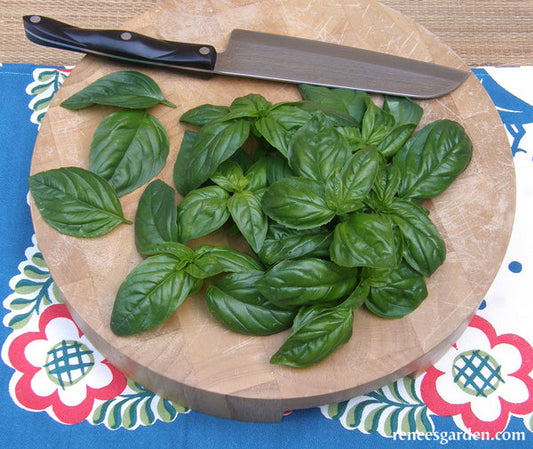
Heirloom Basil Italian Genovese
ANNUAL
Summer/fall harvest
Heat-loving, frost tenderTO PLANT DIRECTLY INTO THE GARDEN
When late spring weather has thoroughly warmed up, sow seeds 1 inch apart in well worked fertile soil in full sun. Cover 1/4 inch deep, firm soil and keep seedbed moist. Germination takes 1 to 2 weeks. After seedlings are well established, thin or transplant 8 inches apart to allow plants room to mature.
TO START EARLY INDOORS
Sow seeds 1 inch apart in a container of seed starting mix, 4 to 6 weeks before last expected frost. Keep warm and evenly moist, and provide a good light source. When seedlings are large enough to handle and weather is warm, acclimate gradually to outdoor conditions before planting in the garden 8 inches apart.
GROWING NOTES
Remember — it is critical to plant basil in the garden only after late spring day and nighttime temperatures stay above 50°F (10°C). Pinch off growing tips when plants are 6 to 8 inches tall to encourage branching. Harvest sprays of leaves by cutting stems just above two new sprouting lateral branches to get lush regrowth. Keep flower buds pinched off to extend harvesting and feed regularly to promote new growth.Regular price $4.89Sale price $4.89Unit price per -
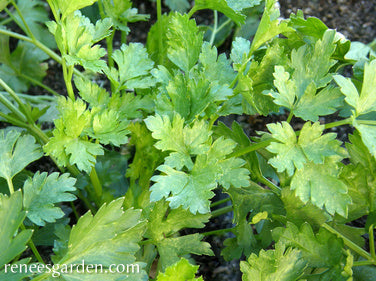
Heirloom Parsley Italian Large Leaf
EASIEST TO START OUTDOORS
Start parsley in spring when weather is settled but still cool and/or in late summer in mild winter climates. Plant in full sun or half-day sun if climate is very hot. Sow seeds 1- 2 inches apart into a well-worked fertile seed bed. Cover 1/4 inch deep. Parsley germinates unevenly over several weeks; be patient and keep seed bed evenly moist. Using synthetic row covers to hold moisture during germination is helpful; remove when seedlings are well established.
TO PLANT INDOORS
In early spring, sow seeds 1 inch apart and 1/4 inch deep in a container of seed starting mix. Keep container moist but not soggy until seedlings emerge. Provide a good light source. Feed seedlings frequently until ready to transplant when several inches tall.
THIN OR TRANSPLANT
Space 3 to 4 inches apart when seedlings large enough to handle.
GROWING NOTES
Parsley needs rich moist soil and ample spacing for lush harvests. Thin early and keep well weeded and watered. Begin to harvest sparingly once plants have 8 to 10 leaves. Fertilize frequently with a high nitrogen source.Regular price $4.89Sale price $4.89Unit price per -
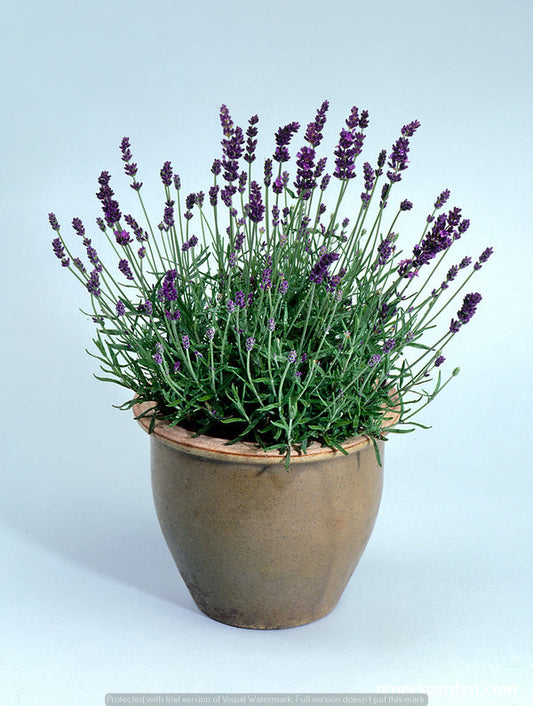
Container Herbs French Perfume Lavender
PERENNIAL
Late spring/early summer bloom
Frost hardy to zone 5 (zone 4 with protection)BEST TO START INDOORS
In early spring, sow seeds about 1 inch apart in a container of seed starting mix, cover very lightly and keep at 60-70°F (16-21°C) in a spot with good air circulation. Keep evenly moist but not soggy. Seedlings emerge slowly and unevenly over 18 to 28 days. Provide a good light source. When seedlings have several sets of leaves, transplant into 4 inch plastic pots. Provide consistent water, but let soil dry out on top between waterings. Feed every few weeks. Plant outside when plants are 2 to 3 inches tall after gradually acclimating to outdoors.
GROWING NOTES
Start these small seeds indoors so you can tend them carefully. When well established, plant seedlings out into pots filled with new potting mix with excellent drainage or in a well drained, sunny garden spot with good air circulation. Plant one seedling per individual pot at least 8 inches wide and deep or space multiple plants 8 inches apart in larger, deeper containers. Feed monthly during the growing season. Plants bloom the first season, but come into fullest flower by the second summer. Harvest stems of scented florets just as they start to open and air dry to use as aromatic sachets. At season's end, shape plants by cutting off spent flower stalks down to top crown of leaves.Regular price $4.99Sale price $4.99Unit price per -
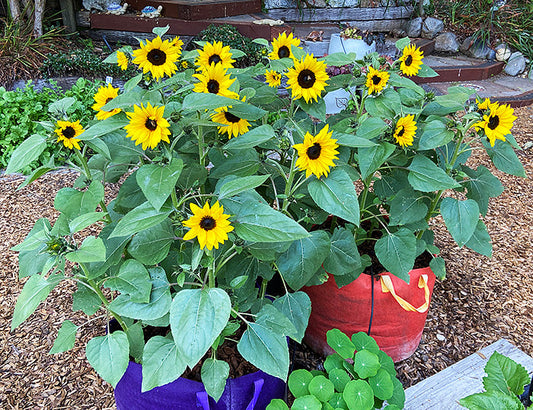
Container Sunflowers Junior
ANNUAL
Summer/fall bloom
Frost tenderPLANT DIRECTLY IN THE GARDEN OR CONTAINER
Plant in full sun in good garden soil when all danger of frost is past and weather is above 50°F (10°C) both day and night. Sow seeds into well-worked soil ½ inch deep and 4 to 5 inches apart. Press soil firmly over seeds and keep moist. When seedlings are 2 to 3 inches thin to 8 inches apart.
For container planting, sow directly into pots filled with well moistened, good quality potting mix. Thin seedlings to no more than 1 plant per 8 inch pot, or 3 plants per 12 inch in diameter and 12 to 18 inch deep pot. For larger planters, space plants 6 inches apart. Extra seedlings can be potted up for more containers, gifts or plant into the garden.
TO START EARLY INDOORS
Several weeks before last frost date, sow seeds 1/2 inch deep in individual 3 to 4 inch pots of well-drained soil mix. Keep moist, feed every 10 days and provide a strong light source until ready to plant outside, when nights are regularly above 50°F (10°C).
GROWING NOTES
Make several sowings, three weeks apart, to have a succession of bright summer flowers. Protect young seedlings from marauding birds with netting or plastic berry baskets, removing before plants get crowded. When 3 inches tall, carefully thin seedlings to proper spacing so they have room to grow and mature.Regular price $4.39Sale price $4.39Unit price per -
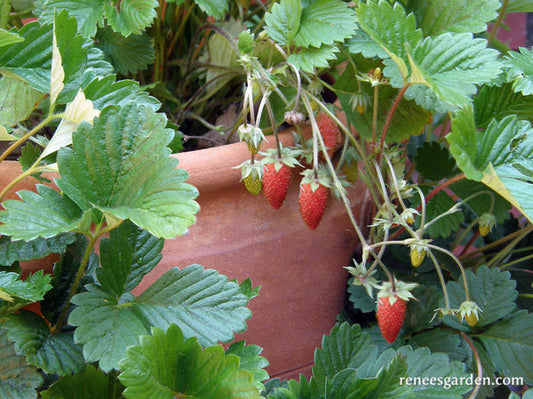
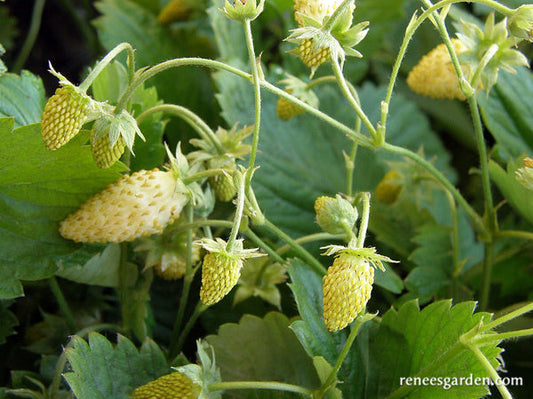
Alpine Strawberries Mignonette
BEST TO START EARLY INDOORS
In spring, sow seeds 1 inch apart and 1⁄8 inch deep in a container of fine seed starting mix. Maintain at 60-70°F (15-21°C). Provide a strong light source. Keep evenly moist but not soggy. Be patient: seeds take 14-28 days to germinate. Feed young seedlings every 2 weeks with half-strength fertilizer. When they have several sets of leaves, transplant 3 inches apart into a deeper container or individual pots so root systems have room to develop. When 3 inches tall, gradually acclimate to outdoor conditions and plant 12 inches apart in fertile soil in full sun or partial shade in very hot climates.
GROWING NOTES
Plant in window boxes or hanging baskets, or as a pretty edging along a garden path or border. Mignonette plants bear sweet 1 inch fruits the first season after sowing and grow about a foot across without sending out runners. Feed and water regularly and plants will continue to fruit for 2 to 4 years.
HARVEST AND USE
Pick and enjoy these petite perfumed berries when they turn a deep red and give slightly to the touch. Sprinkle over morning cereal or nestle the ruby colored berries on tiny tarts or cakes.Regular price $3.99Sale price $3.99Unit price per -
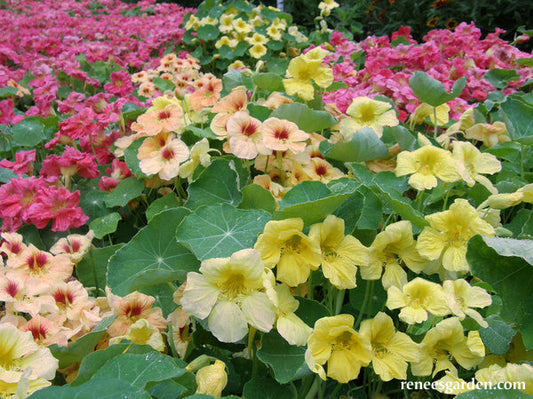
Hanging Basket Nasturtiums Little Firebirds
ANNUAL
Spring/summer/fall bloom
Frost tenderEASY TO START OUTDOORS
In spring once all danger of frost is over, sow seeds in full sun (or part shade in hot climates). Nasturtiums need no added fertilizer. Poke seeds into well worked garden soil 1 in. deep and 3 to 4 in. apart. Press soil firmly over seeds and keep moist. When seedlings are several inches tall, thin to 6 in. apart, so plants can spread.
Container planting: use pots or baskets a minimum of 8-10 in. deep and 12 to 15 in. across, filled with fresh potting mix. Poke seeds in 1 in. deep and 1 1/2 in. apart. When seedlings are established, thin to 3 in. apart, so plants can spread.
TO START EARLY INDOORS
Three weeks before last expected frost date, poke 2 seeds one inch deep into individual 4 in. pots of seed starting mix. Provide a strong light source. When seedlings have several sets of leaves, pinch out the weaker seedling, leaving 1 per pot. When weather reaches 50°F (10°C). both night and day, acclimate to outdoor conditions. Transplant seedlings 6 in. apart in full sun. See Container Planting for suggested pot sizes.
GROWING NOTES
These lovely nasturtiums with handsome variegated leaves are easy to grow in any well-drained soil, They will quickly fill garden beds, planters or hanging baskets.
Regular price $3.69Sale price $3.69Unit price per -
Alpine Strawberries Heirloom Pineapple
PERENNIAL
Spring/summer/fall harvest
Frost hardyBEST TO START EARLY INDOORS
In spring, sow seeds 1 inch apart and 1⁄8 inch deep in a container of fine seed starting mix. Maintain at 60–70°F (16-21°C) and provide a strong light source. Keep evenly moist but not soggy. Be patient, seeds can take 14 to 28 days to germinate. Feed young seedlings every 2 weeks with half-strength fertilizer. When they have several sets of leaves, transplant 3 inches apart into a deeper container or individual pots so root systems have room to develop. When 3 inches tall, gradually acclimate to outdoor conditions and plant 8-10 inches apart in fertile soil in full sun or partial shade in very hot climates.
GROWING NOTES
Plant in windowboxes or hanging baskets, or as a pretty edging along a garden path or border. Heirloom Pineapple bears sweet 1 inch fruits the first season after sowing. Plants grow about a foot across without sending out runners. Feed and water regularly and plants will continue to fruit for 2 to 4 years.
HARVEST AND USE
Pick and enjoy these petite perfumed berries when they turn a pastel yellow and give slightly to the touch. Sprinkle over morning cereal or nestle the berries on tarts or cakes.Regular price $3.99Sale price $3.99Unit price per -
Kitchen Herbs Italian Pesto Basil
ANNUAL
Summer/fall harvest
Heat-loving, frost tenderTO PLANT DIRECTLY INTO THE GARDEN
When late spring weather has thoroughly warmed up, sow seeds 1 inch apart in well worked fertile soil in full sun. Cover 1/4 inch deep, firm soil and keep seedbed moist. Germination takes 1 to 2 weeks. After seedlings are well established, thin or transplant 8 inches apart to allow plants room to mature.
TO START EARLY INDOORS
Sow seeds 1 inch apart in a container of seed starting mix, 4 to 6 weeks before last expected frost. Keep warm and evenly moist, and provide a good light source. When seedlings are large enough to handle and weather is warm, acclimate gradually to outdoor conditions before planting in the garden 8 inches apart.
GROWING NOTES
Remember—it is critical to plant basil in the garden only after late spring day and nighttime temperatures stay above 50°F (10°C). Pinch off growing tips when plants are 6 to 8 inches tall to encourage branching. Harvest sprays of leaves by cutting stems just above two new sprouting lateral branches to get lush regrowth. Keep flower buds pinched off to extend harvesting and feed regularly to promote new growth.Regular price $2.99Sale price $2.99Unit price per -
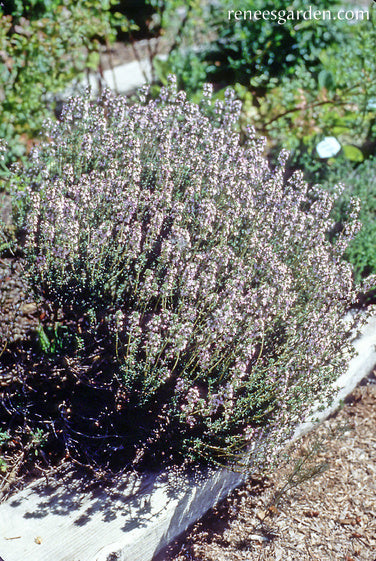
Kitchen Herbs French Thyme
PERENNIAL
Spring/summer/fall harvest
Frost hardyBEST TO PLANT INDOORS
Sow thyme in early spring in a container of seed starting mix. Cover seeds very lightly and keep evenly moist but not soggy until seedlings emerge in 14 to 21 days. Provide a good light source. When seedlings are 2 inches tall, gradually acclimate to outdoor conditions and transplant clusters of 3-4 seedlings 8-10 inches apart.
TO START IN THE GARDEN
Plant thyme after soil has warmed up in spring in a finely textured seed bed with good drainage in full sun. Sow very thinly, cover seed lightly and be careful to keep the seed bed evenly moist and well weeded. When seedlings are several inches tall, thin out, leaving clumps of 3-4 seedlings 8-10 inches apart so plants have room to grown and spread.
GROWING NOTES
Given a sunny location with good drainage, easy-growing thyme plants are reliable productive and long-lived garden perennials. Little lilac flowers bloom in midsummer; cut back foliage halfway when the blossoms fade to keep plants looking fresh. Cut leafy thyme sprigs as needed once plants are well established.Regular price $2.99Sale price $2.99Unit price per -
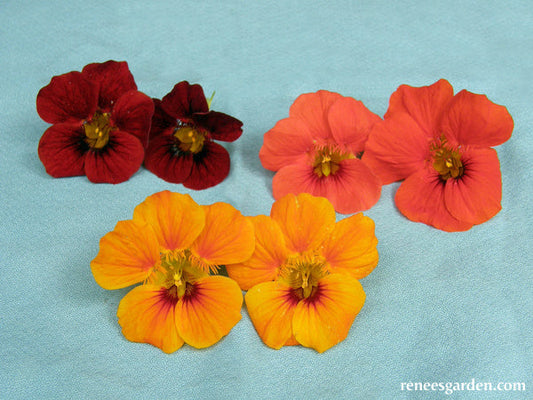
Hummingbird Nasturtiums Aloha Mix
ANNUAL
Spring/Summer/Fall bloom
Frost tenderEASY TO START OUTDOORS
In spring, when danger of frost is past, sow seeds in a sunny spot (or part shade in hot climates). Nasturtiums need no added fertilizer in most soils. Poke seeds into well-worked soil about 1 inch deep and 5 inches apart. Press soil firmly over the seeds and keep moist. When seedlings are large enough to handle, thin to 10 inches apart as mounding plants need ample room to grow.
TO START EARLY INDOORS
Sow 2 seeds each in individual 4 inch pots of well-drained seed starting mix 3 weeks before last expected frost date. Cover 1 inch deep. Provide a strong light source. When seedlings have several sets of leaves, pinch out the weaker seedling, leaving 1 per pot. When weather is evenly in the 50°F (10°C) range, gradually acclimate to outdoor conditions. Transplant seedlings into the garden 10 inches apart in full sun.
GROWING NOTES
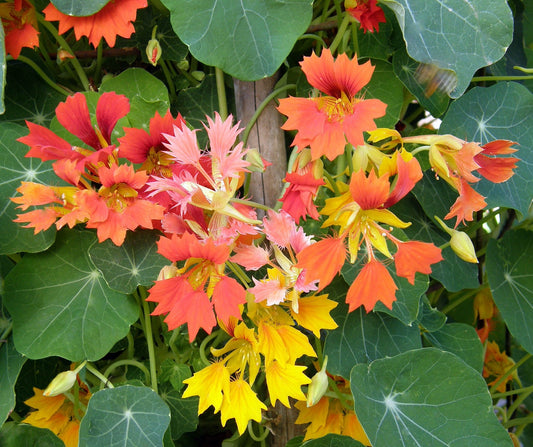
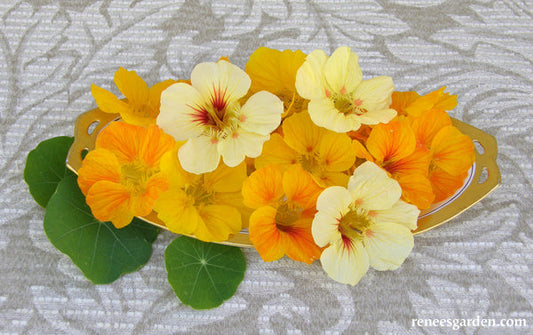
These mounding nasturtiums are reliable and easy to tuck into any well-drained spot. They are a perfect disguise to cover fading bulb foliage in late spring. Their softly draping leaves and sunny flowers will quickly fill garden beds or containers. Hummingbirds come readily to drink the blossom’s nectar. Leaves and flowers are tasty additions to salads and sandwiches.
Regular price $3.99Sale price $3.99Unit price per -
Hummingbird Nasturtiums Vanilla Berry
ANNUAL
Spring/summer/fall bloom
Frost tenderEASY TO START OUTDOORS
Sow seeds in spring once all danger of frost is over in full sun (or part shade in hot climates). Nasturtiums need no added fertilizer in most soils. Poke seeds into well-worked soil about 1 inch deep and 3 to 4 inches apart. Press soil firmly over the seeds and keep moist. When seedlings are large enough to handle, thin to 10 inches apart as mounding plants need ample room.
TO START EARLY INDOORS
Sow 2 seeds each in individual 4-inch pots of well-drained seed starting mix 3 weeks before last expected frost date. Cover 1 inch deep. Provide a strong light source. When seedlings have several sets of leaves pinch out the weaker seedling, leaving 1 per pot. When night temps are above 50°F (10°C) gradually acclimate to outdoor conditions. Transplant seedlings into the garden 10 inches apart in full sun.
GROWING NOTES
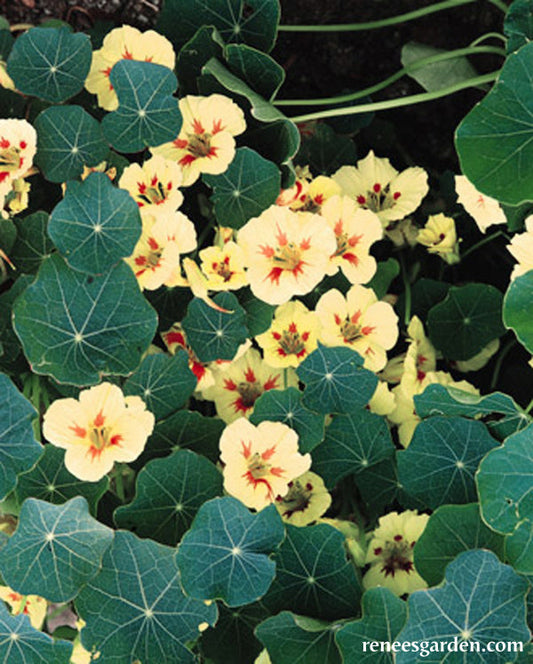
These softly colored, intricately marked nasturtiums are reliable and easy to tuck into any well-drained spot. Except in very poor soil, nasturtiums will grow and bloom readily with no added fertilizer. The mounding plants do a fine job of covering bare spots or hiding spent bulb foliage. Use the pretty edible flowers and leaves to add zest to salads and party sandwiches.
Regular price $3.99Sale price $3.99Unit price per -
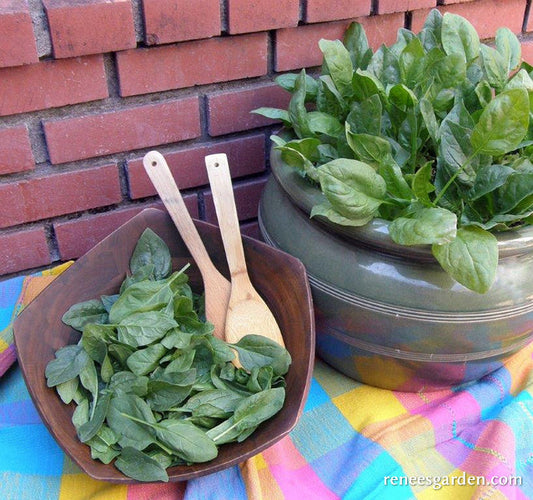
Baby Leaf Spinach Catalina
TO START OUTDOORS
In early spring when danger of hard frost is over, sow seeds in well-worked fertile soil in full sun. Space seeds 1 inch apart in rows 8 to 10 inches apart, or broadcast thinly for bed planting. Firm soil well over seeds to ensure good germination. If first sowing germinates unevenly, plant more seed as seedlings will catch up fast. Sow again in late summer.GROWING NOTES
Spinach is most productive in cool weather. Grow in cool spring conditions and sow again in late summer for a productive fall crop. After seedlings reach 2 to 3 inches tall, thin out every other plant (and enjoy in early salads) and keep thinning in this fashion until plants are spaced 5 or 6 inches apart.HARVEST AND USE
Either harvest individual outside leaves from well-established plants and let regrow, or harvest entire plants. Keep spinach plants well watered and weeded and fertilize these heavy feeders several times as they leaf out and especially after harvesting outside leaves. Combine well-washed and dried leaves with your favorite garlicky salad dressing; spinach pairs well with hearty dressings like the traditional hot bacon dressing. Good spinach salad additions include thinly sliced sweet red onions, sliced radishes, thin wedges of red apple or orange segments, toasted nutmeats, chopped scallions, crispy bacon bits, hard-cooked egg quarters and finely grated hard cheese.
Regular price $3.99Sale price $3.99Unit price per -
Heirloom Nasturtiums Climbing Phoenix
ANNUAL
Spring/Summer/Fall bloom
Frost tenderEASY TO START OUTDOORS
Sow seeds in spring once all danger of frost is over in full sun (or part shade in hot climates). Nasturtiums need no added fertilizer in most soils. Poke seeds into well-worked soil about 1 inch deep and 3 to 4 inches apart. Press soil firmly over the seeds and keep moist. When seedlings are large enough to handle, thin to stand 10 inches apart, or 6 to 8 inches apart if training seedlings up vertical supports.
TO START EARLY INDOORS
Sow 2 seeds each in individual 4-inch pots of well-drained seed starting mix 3 weeks before last expected frost date. Cover 1 inch deep. Provide a strong light source. When seedlings have several sets of leaves, pinch out the weaker seedling leaving 1 seedling per pot. When weather is evenly in the 50°F (10°C) range, gradually acclimate to outdoor conditions. Transplant as above in full sun.
GROWING NOTES
Climbing nasturtiums are easy to grow in any well-drained soil. You’ll need to train young plants onto their supports with loose ties, then they’ll climb easily and bloom non-stop. Do not let plants dry out during blooming season. If aphids become a problem, wash them off with a strong spray of water or spray with non-toxic Safer’s Soap solution. Phoenix’s bright confetti like blossoms are true summer beacons for hungry hummingbirds.
Regular price $3.99Sale price $3.99Unit price per -
Hummingbird Salvia Firelight Mix
TENDER PERENNIAL
Grown As Annual
TO START EARLY INDOORS
Five to six weeks before last frost date, sow seeds 1/2 inch deep and 2 inches apart in a container of seed starting mix. Keep moist and provide a strong light source until seedlings are ready to plant in the garden. Acclimate seedlings gradually to outdoor conditions when night temperatures are regularly above 50°F (10°C). Space seedlings 10 to 12 inches apart in the garden.
TO START DIRECTLY OUTDOORS
Sow seeds in a well-worked seed bed in full sun when all danger of frost is past and weather is warm and settled. Space seeds 4 to 5 inches apart in rows 12 inches apart, cover about 1/2 inch deep and gently firm soil. Keep soil evenly moist while awaiting germination in 10 to 20 days.
GROWING NOTES
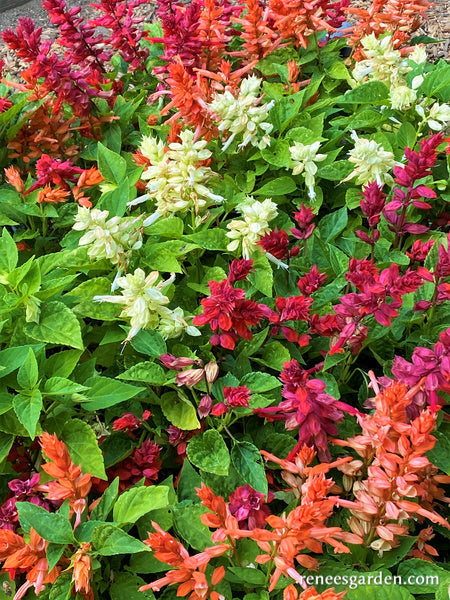
Firelight’s bright blossoms in three complementary shades will glow in garden beds or as container flowers. Use these warm colors to advantage in summer bouquets to add texture, color and form. You’ll find our Firelight Salvia is a low-maintenance plant, but removing spent flower heads will encourage more extended flowering.
Regular price $3.99Sale price $3.99Unit price per -
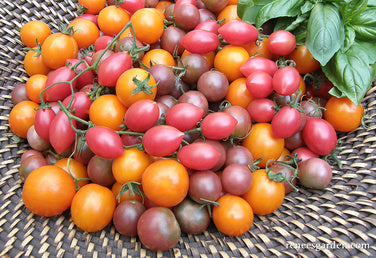
Cherry Tomato Trio Triple Treats
STARTING SEEDLINGS
Start indoors about 6 to 8 weeks before outdoor night temps are in the 50-55°F (10-13°C) range. Sow seeds ¼ inch deep and 1 inch apart in a container of seed starting mix. Keep moist but not soggy, and very warm, 80°F (27°C). Provide a strong light source until seedlings are ready to plant outside.
When they are 2 inches tall, transplant into 4 inch pots, burying stems up to base of leaves. Maintain around 70°F (21°C). Feed with half-strength fertilizer every 2 weeks until weather is warm enough to gradually acclimate seedlings to outdoor conditions. Transplant these vigorous indeterminate climbers 3 feet apart into rich soil in full sun.
GROWING NOTES
Prepare soil well with aged manure or compost. Plant tomatoes several inches deeper than they were growing in pots. Provide strong stakes or tall wire cages at planting time as plants grow tall with heavy fruit loads. Mulch to provide the even moisture that prevents cracking. Don’t overwater once fruit begins to ripen.
HARVEST AND USE
Harvest when fully colored up to enjoy as sweet snacks, in salads or quickly sautéed in olive oil with fresh herbs.
Regular price $4.89Sale price $4.89Unit price per -
Container Baby Leaf Spinach Little Hero
CONTAINER PLANTING
Plant in early spring when danger of hard frost is over. Use a pot at least 15-18 in. in diameter and 12 in. deep, and start with fresh potting mix. Sow seeds 2 in. apart or simply broadcast seeds thinly, aiming for 2 in. spacing. Cover with 1/2 inch of potting mix and firm soil well over seeds. If first sowing germinates unevenly, plant more seed as seedlings will catch up fast.
GROWING NOTES
Birds love tender young seedlings, so protect as necessary with netting or floating row cover. Sow again in late summer for a fall crop. Keep spinach well watered and weeded and fertilize every few weeks and especially after harvesting.
HARVEST AND USE
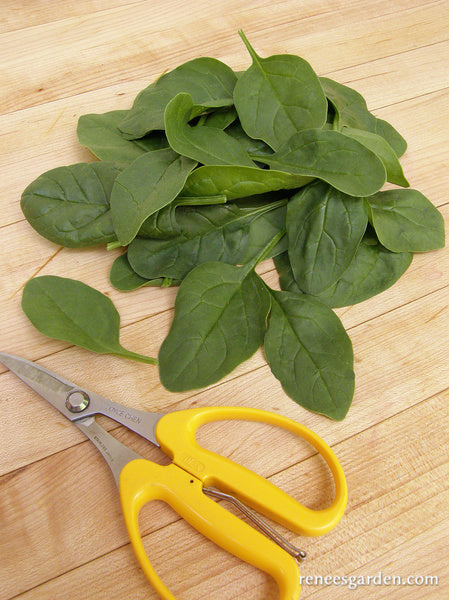
To harvest by the “cut and come again” method: when plants are 4 to 5 in. tall, cut as much as you need, by using scissors to shear off leaves 1 to 2 in. above the soil level. Water well and fertilize lightly and plants will regrow for several more cuttings. Little Hero’s tender, baby leaves are delicious in fresh salads with additions like thinly sliced sweet onions, sliced radishes, thin wedges of apple or orange, toasted nuts, chopped scallions, crispy bacon bits, hard-cooked egg quarters and grated cheese. Or stirfry, braise or sauté very quickly for healthy, tasty greens.
Regular price $3.99Sale price $3.99Unit price per -
Mounding Nasturtiums Cup of Sun
ANNUAL
Spring/Summer/Fall bloom
Frost tenderEASY TO START OUTDOORS
Sow seeds in spring once all danger of frost is over in full sun (or part shade in hot climates). Nasturtiums need no added fertilizer in most soils. Poke seeds into well-worked soil about 1 inch deep and 3 to 4 inches apart. Press soil firmly over the seeds and keep moist. When seedlings are large enough to handle, thin to 10 inches apart as mounding plants need ample room to grow.
TO START EARLY INDOORS
Sow 2 seeds each in individual 4-inch pots of well-drained seed starting mix 3 weeks before last expected frost date. Cover 1 inch deep. Provide a strong light source. When seedlings have several sets of leaves, pinch out the weaker seedling, leaving 1 per pot. When weather is evenly in the 50°F (10°C) range, gradually acclimate to outdoor conditions. Transplant seedlings into the garden 10 inches apart in full sun.
GROWING NOTES
These mounding nasturtiums are reliable and easy to tuck into any well-drained spot. They are a perfect disguise to cover fading bulb foliage in late spring. Their softly draping leaves and sunny flowers will quickly fill garden beds or containers. In mild winter climates, sow seeds again by mid-June for late summer blooms. Leaves and flowers are tasty additions to salads and sandwiches.
Regular price $3.99Sale price $3.99Unit price per -
Heirloom Butterfly Zinnias Persian Carpet
ANNUAL
Summer/fall bloom
Frost tenderTO START DIRECTLY IN THE GARDEN
Sow seeds in well-worked soil in full sun when danger of frost is past and temperatures are above 50°F (10°C) both day and night. Space seeds 2 to 3 inches apart in rows 12 inches apart, cover about 1/2 inch deep and gently firm soil. Keep evenly moist while awaiting germination.
TO START EARLY INDOORS
Four weeks before last frost date, sow seeds 1/2 inch deep and 3 inches apart in containers of seed starting mix. Keep warm and moist and provide a strong light source. Feed with 1/2 strength fertilizer every 2 weeks. Just as soon as seedlings have several sets of true leaves, plant outdoors when temperatures stay above 50°F (10°C) at night.
THIN OR TRANSPLANT
Space seedlings 8 to 10 inches apart when large enough to handle to provide good air circulation and give plants room to mature.
GROWING NOTES
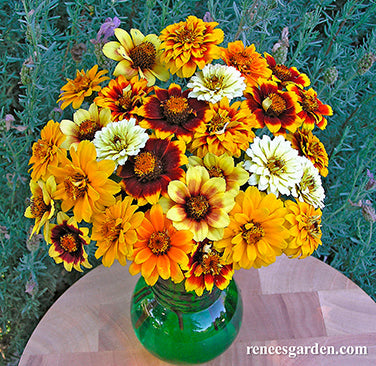
Zinnias grow readily in ordinary garden soil in full sun. Be sure to thin before seedlings get crowded; adequate spacing and regular even watering help keep zinnias productive and disease free. Grow colorful Persian Carpet in beds or borders, or combine with white alyssum, dwarf marigolds, petunias and salvia for season-long bloom in terracotta pots and color bowls.Regular price $2.99Sale price $2.99Unit price per