Heirloom Selections
Old Varieties with Exceptional Beauty and Flavor
Our heirloom selections have been preserved and kept true to their beloved local history, often exhibiting unusual colors, shapes or flavors.
-
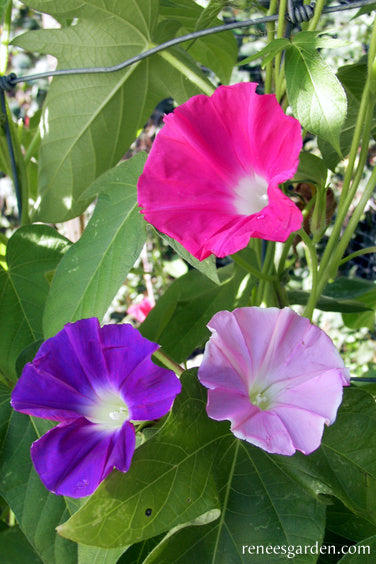
Morning Glory Early Call
ANNUAL VINE
Summer/fall bloom
Frost tenderTO START OUTDOORS
In late spring once weather is warm and settled and nights stay above 50°F (10°C) plant seeds in a sunny spot in ordinary garden soil 2 to 3 inches apart and 1/2 inch deep. Firm soil over seeds.
TO START EARLY INDOORS
Sow indoors 4 or 5 weeks before last expected frost in individual pots of seed starting mix. Cover 1⁄2 inch deep and keep warm and moist. Provide a strong light source until seedlings are ready to plant outdoors. Transplant very carefully once nights stay above 50°F (10°C) and before seedlings get too crowded. Thin or transplant seedlings 6 to 8 inches apart. Avoid disturbing roots.
Regular price $2.99Sale price $2.99Unit price per -
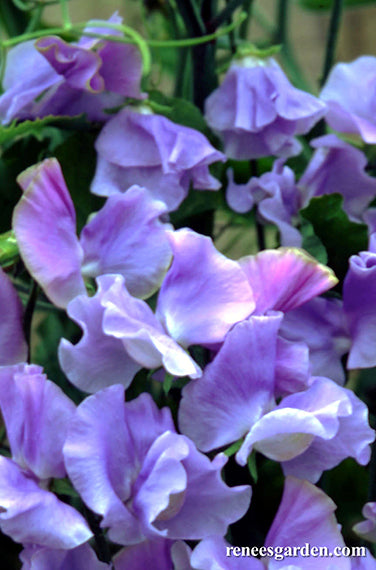
Exhibition Sweet Peas Blue Celeste
ANNUAL CLIMBING VINE
Spring/summer bloom
Frost tolerantEASIEST TO START OUTDOORS
Sweet peas must have well-drained soil, so dig deeply and enrich with aged manure or compost before sowing seeds. Erect a well-anchored trellis, vertical netting or other support for vines before planting. Sow seeds in full sun in cool early spring weather as early as the ground can be worked.
In Mild Winter Areas: where the ground does not freeze, plant in fall after Labor Day; seeds will germinate and form strong root systems, then overwinter to bloom strongly in spring. Plant sweet pea seeds 1 inch deep and 2 to 3 inches apart. When seedlings are 2 inches tall, thin them to 5 to 6 inches apart, to allow plants room to mature.
GROWING NOTES
Sweet peas bloom best before the weather gets too hot, so if spring planting, sow as soon as ground can be worked. Where summer heat comes on fast, they’ll appreciate a spot with afternoon shade. Anchor supports well as vines will grow heavy with bloom. Protect seedlings from birds, slugs and snails. Mulch and keep well watered. For longest bloom, pick flowers often and keep faded blossoms cut.Regular price $3.99Sale price $3.99Unit price per -
Heirloom Tomato Black Krim
STARTING SEEDLINGS
In early spring, start indoors about 6 to 8 weeks before outdoor night temperatures are reliably in the 50-55°F (10-13°C). Sow seeds 1/4 inch deep and 1 inch apart in a container of seed starting mix. Keep moist but not soggy, and very warm, 80°F(27°C). Provide a strong light source until seedlings are ready to plant outside. When seedlings are 2 inches tall, transplant into individual 4 inch pots. Maintain at 70°F (21°C). Feed with half-strength fertilizer every 2 weeks until ready to plant. When nights reach 55°F (13°C), gradually acclimate to outdoor conditions. Plant these vigorous indeterminate climbers 3 feet apart into rich soil in full sun.
GROWING NOTES
Prepare soil well with aged manure or compost. Plant several inches deeper than seedlings were growing in containers. Provide strong stakes or tall wire cages at planting time. Mulch to provide even moisture retention; don't overwater once fruit begins to ripen.
HARVEST AND USE
For best flavor, pick fully ripe and don’t store in the refrigerator. These richly colored, meltingly tender tomatoes are hard to resist straight out of the garden. Cut into thick slices and serve with a little feta or goat cheese and chopped fresh dill or basil, then drizzle with olive oil for an irresistible summer treat.Regular price $4.89Sale price $4.89Unit price per -
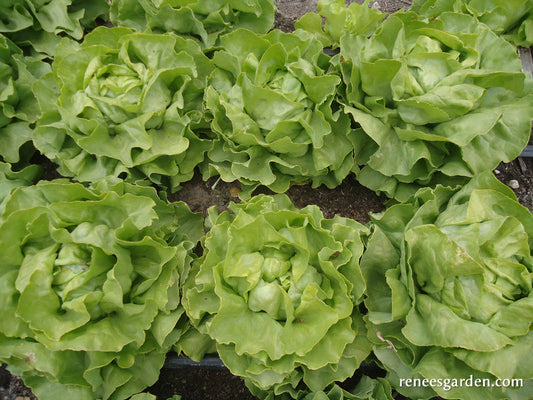
Heirloom Butterhead Lettuce Kagraner Sommer
START SEEDS OUTDOORS
In cool early spring weather, start seeds in finely worked soil in full sun. Sow 1/4 inch deep and 2 inches apart in rows 6 to 8 inches apart and cover lightly. Tend carefully and keep evenly moist. Gradually thin out extra seedlings, leaving remaining plants standing 12 inches apart so lettuces have room to size up and fully mature into big butterhead rosettes. For a constant supply, make several sowings a few weeks apart until summer weather turns hot. Plant again in late summer for fall harvest.
GROWING NOTES
Lettuce thrives in cool conditions with consistent moisture. Weed, water and be sure to thin carefully to proper spacing for best quality heavy heads. If birds are attracted to young seedlings, cover with floating row covers or netting. Make a shade structure in hotter climates to extend the growing season.
HARVEST AND USE
Savor young thinnings in your first spring salads. Then harvest plants by cutting mature heads when they feel firm and well-filled out. Be sure to thin properly and keep evenly moist for sweet tasting, full heads. Pull and discard or compost over-mature plants if they begin to elongate (“bolt”) in hot weather as leaves turn bitter at this stage.
Regular price $4.89Sale price $4.89Unit price per -
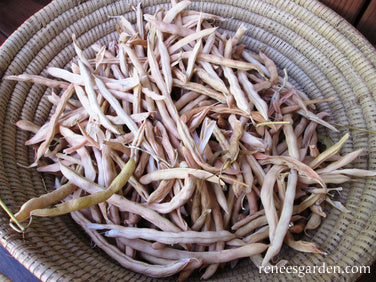
Bush Beans Heirloom Cannellini
START SEEDS OUTDOORS
Don’t plant too early; cold conditions prevent good bean germination. In late spring, when nights are securely above 55°F (13°C), sow seeds in well worked, fertile soil in full sun. Poke seeds in 1 inch deep and 4 inches apart in rows 1 1/2 to 2 feet apart.
GROWING NOTES
If first sowing comes up unevenly, replant right away; new seedlings catch up quickly. Bean seedlings are tempting treats to birds; watch carefully and protect with netting if necessary.
HARVEST AND USE
When the beans are hard and smooth inside dry and leathery pods, harvest the whole crop at once, or, if frost or excessive rain threatens, pull entire plants and finish drying in a sheltered spot. Shell out the completely dry beans by hand or put whole pods in a pillowcase and whack it on the ground to “spill the beans” from pods. Put cleaned, shelled beans in freezer for 3 to 4 days to eliminate any insects, then store in glass jars in a cool dry place. Check out YouTube/Renees Garden for harvesting video!
Note: freshly grown dry beans will cook faster than store bought ones. Soak overnight first, then cook up with a bay leaf, garlic and savory herbs.
Regular price $3.99Sale price $3.99Unit price per -
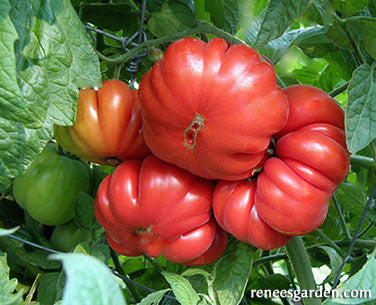
Italian Heirloom Tomato Costoluto Genovese
STARTING SEEDLINGS
In early spring, start indoors about 6 to 8 weeks before outdoor night temperatures are reliably in the 50-55°F (10-13°C). Sow seeds 1/4 inch deep and 1 inch apart in a container of seed starting mix. Keep moist but not soggy, and very warm, 80°F (27°C). Provide a strong light source until seedlings are ready to plant outside.
When 2 inches tall, transplant into individual 4-inch pots, burying stems up to base of leaves. Maintain at 70-75°F (21-24°C). Feed with half-strength fertilizer every 2 weeks until ready to plant, then gradually acclimate seedlings to outdoor conditions. When nights reach 55°F (10°C), transplant 3 feet apart into rich soil in full sun.
GROWING NOTES
Prepare soil well with aged manure or compost. Plant several inches deeper than seedlings were growing in containers. Provide strong stakes or tall wire cages at planting time. Mulch to provide even moisture retention; don’t overwater once fruit begins to ripen.
HARVEST AND USE
For best flavor, pick red-ripe and don’t store in the refrigerator. These tender, juicy, plump tomatoes have a naturally “pleated” shape. Slice thickly and show off their scalloped edges. Drizzle with good olive oil, a pinch of coarse salt, pepper and chopped fresh dill or basil. Enjoy!
Regular price $4.89Sale price $4.89Unit price per -
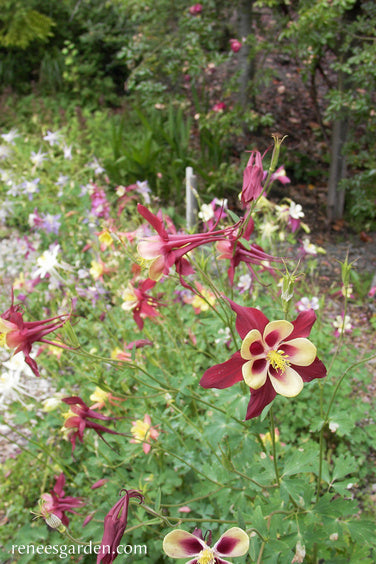
Heirloom Columbines Mrs. Scott Elliot
PERENNIAL
Spring/summer/bloom
Frost hardyTO START EARLY INDOORS
In early spring, 6 to 8 weeks before last expected frost date, sow seeds 1 inch apart in seed starting mix. Cover 1/8 inch deep, keep moist and provide a strong light source until seedlings are ready to plant outdoors. Be patient; these small perennial seeds germinate slowly in 14 to 21 days. Once seedlings are large enough to handle, transplant 2 to 3 inches apart into a deeper container so root systems have room to develop. Feed every 2 weeks with half-strength fertilizer. When plants are 2 to 3 inches tall, gradually acclimate to outdoor conditions and plant 12 inches apart in fertile, well-drained soil in sun or partial shade.
TO START OUTDOORS
Sow seeds in fine textured, well-drained soil when danger of frost is past. Space seeds 2 to 3 inches apart, cover 1/4 inch deep and gently firm soil. Keep evenly moist. When seedlings are well-established, thin 12 to 18 inches apart.
GROWING NOTES
Perennial Columbines sown indoors in January will bloom the same year. Seeds sown later, any time until mid-summer, will establish themselves to bloom the following spring. In hot summer areas, plant in partial shade. Where summers are moderate, plant in full sun. Columbines thrive in moist, fertile soil.
Regular price $2.99Sale price $2.99Unit price per -
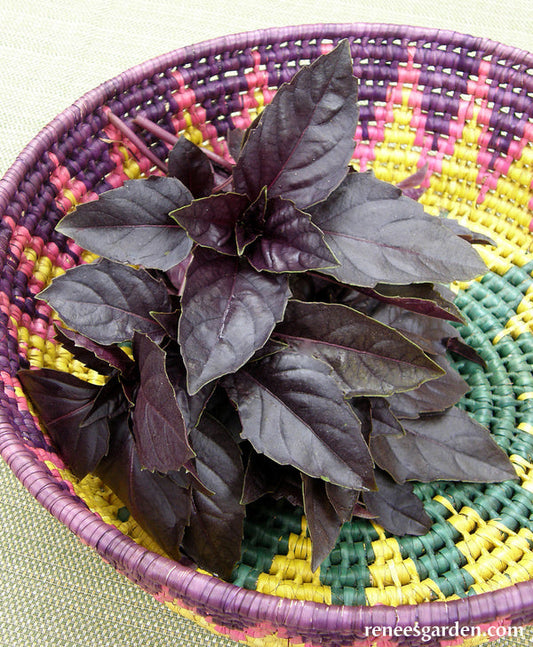
Heirloom Basil Purple Opal
TO PLANT DIRECTLY INTO THE GARDEN
When late spring weather has thoroughly warmed up, sow seeds 1 inch apart in well worked fertile soil in full sun. Cover 1/4 inch deep, firm soil and keep seedbed moist. Germination takes 1 to 2 weeks. After seedlings are well established, thin or transplant 8 inches apart to allow plants room to mature.
TO START EARLY INDOORS
Sow seeds 1 inch apart in a container of seed starting mix, 4 to 6 weeks before last expected frost. Keep warm and evenly moist, and provide a good light source. When seedlings are large enough to handle and weather is warm, acclimate gradually to outdoor conditions before planting in the garden 8 inches apart.
GROWING NOTES
Remember — it is critical to plant basil in the garden only after late spring day and nighttime temperatures stay above 50°F (10°C). Pinch off growing tips when plants are 6 to 8 inches tall to encourage branching. Harvest sprays of leaves by cutting stems just above two new sprouting lateral branches to get lush regrowth. Keep flower buds pinched off to extend harvesting and feed regularly to promote new growth.Regular price $4.89Sale price $4.89Unit price per -
Shirley Poppies French Flounce
HARDY ANNUAL
Spring/summer bloom
Frost hardySTART SEEDS OUTDOORS
Plant poppies either in late fall or very early spring. (Fall-sown seeds will overwinter and germinate when soil warms in early spring.) If spring planting, sow in a fine-textured garden bed in full sun as early as ground can be worked. Sprinkle seeds as thinly as possible, or in rows 8 to 10 inches apart. Rake in gently or lightly cover seeds 1/8 inch deep. Keep seedbed moist. Seedlings emerge in 7 to 14 days. If seedlings come up very thickly, thin poppies early but delay final thinning until weather is settled in spring.
THIN OR TRANSPLANT
Poppies don’t transplant well, so sow directly in the garden. Thin early if crowded, then again to final spacing 8 to 10 inches apart.
GROWING NOTES
Sow seeds early if spring planting, as poppies can handle frosts and bloom best when plants get a good start in cool spring weather. To help space the tiny seeds, try mixing them with a little dry sand before sowing. Weed and water young seedlings and thin carefully to final spacing once they are well established as plants need proper room to grow and develop. Prolong bloom by removing spent flowers.
Regular price $3.39Sale price $3.39Unit price per -
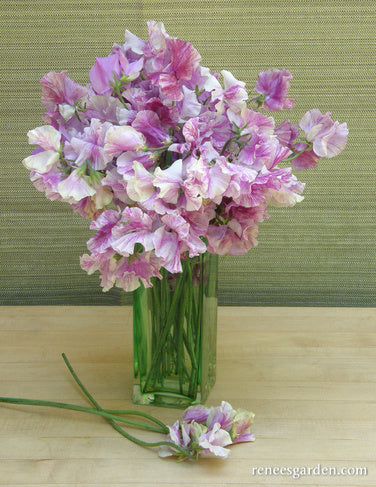
Fragrant Sweet Peas Raspberry Twirl
ANNUAL CLIMBING VINE
Spring/summer bloom
Frost tolerantEASIEST TO START OUTDOORS
Sweet peas must have well drained soil, so dig deeply and enrich with aged manure or compost before sowing seeds. Erect a well-anchored trellis, vertical netting or other support for vines before planting. Sow seeds in full sun in cool early spring weather as early as the ground can be worked.
In mild winters, where ground does not freeze, sweet peas can be planted in fall. Seedlings will form strong root systems, then overwinter to bloom vigorously in spring. Plant sweet pea seeds 1 inch deep and 2 to 3 inches apart. When seedlings are 2 inches tall, thin to 4-5 inches apart to allow plants room to mature.
GROWING NOTES
Sweet peas bloom best when they flower before the weather gets too hot, so if spring planting, sow as early as possible, especially in regions where summer heat comes on fast. Anchor climbing supports well as these vines will grow dense and heavy with bloom. Protect seedlings from birds, slugs and snails. Mulch and keep well watered for best flower production. For longest bloom, remove faded blossoms regularly.Regular price $3.99Sale price $3.99Unit price per -
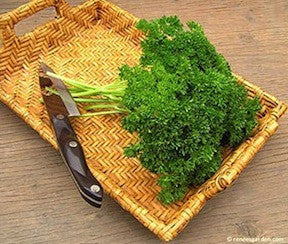
Kitchen Herbs Sweet Curly Parsley
TO PLANT DIRECTLY IN THE GARDEN
In spring when weather is settled but still cool, sow seeds 1 to 2 inches apart into well-worked fertile soil in full sun and cover 1/4 inch deep. If climate is very hot, plant in a spot with morning sun and afternoon shade. Parsley germinates unevenly over several weeks; be patient and keep seed bed evenly moist.
TO START EARLY INDOORS
Sow parsley seeds in early spring in a container of seed starting mix. Cover 1/4 inch deep, and keep container moist but not soggy until seedlings emerge. Provide a good light source. Feed seedlings frequently until ready to transplant when about 2 inches tall after acclimating to outdoor conditions.
THIN OR TRANSPLANT
Space 3 to 4 inches apart when seedlings have several sets of leaves.
GROWING NOTES
Parsley needs rich moist soil and ample spacing for lush harvests. Thin early and keep well weeded and watered. Begin to harvest sparingly once plants have 8 to 10 leaves. Fertilize monthly with a high nitrogen source for best leafy growth.Regular price $2.99Sale price $2.99Unit price per -
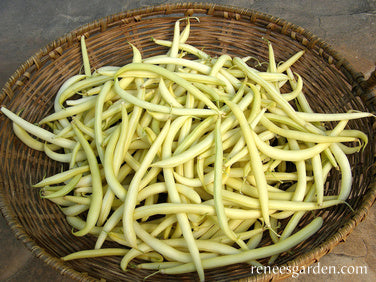
Pole Filet Beans French Gold
START SEEDS OUTDOORS
In late spring, once night temperatures stay securely above 55°F, plant seeds in well-worked, fertile soil in full sun. Erect strong stakes, tripod poles or trellis at planting time to support vines. Plant 1 inch deep and 4 inches apart along a trellis; around tripods or stakes, plant 4 to 6 seeds about 4 inches from each pole, thinning seedlings to 3 best plants per pole.
GROWING NOTES
Beans are an easy and reliable crop, but don’t plant seeds too early; cold conditions prevent good germination. If first sowing comes up unevenly, replant right away; new seedlings will catch up quickly. Birds are attracted to young seedlings; watch carefully and protect with netting if necessary. Avoid harvesting beans in wet conditions.
HARVEST AND USE
For the best yields, pick beans frequently, at least every 2 or 3 days. Filet beans are meant to be eaten when pods are long and slender, so harvest the tender pods early, when they are still pencil-thin. These elegant gourmet beans taste best freshly harvested and quickly steamed or sautéed. When blanched and tossed in an herbed vinaigrette with salad greens and fresh herbs like Italian parsley, basil or a little fresh thyme, French Gold beans make a beautiful and delicious salad.
Regular price $4.69Sale price $4.69Unit price per -
Heirloom Radishes Pink Beauty
START SEEDS OUTDOORS
In early spring as soon as ground can be worked, sow radish seeds in well-worked, fertile soil in full sun. Space seeds 1 inch apart in rows 6 inches apart. Cover 1/2 inch deep. Keep soil evenly moist and well weeded. If first sowing comes up unevenly, replant right away. Sow again in late summer for a fall crop.
GROWING NOTES
Sow this quick growing, cool season crop wherever you intend to plant heat lovers later. Radishes thrive and have crisp flesh with the best mild flavor given consistent moisture. Sow small amounts a week apart to mature in warm but not hot weather. Thin quick-growing seedlings early to 2 inches apart so roots have room to size up. Protect radishes with floating row covers if marauding birds or flea beetles that chew holes in the leaves are a problem.
HARVEST AND USE
Harvest radishes when roots are the size of large marbles. If weather turns unexpectedly hot, pull, cut off tops, and store in the refrigerator for up to 3 weeks. Radishes will be spicier in hot weather and milder grown in cooler conditions. Combine sliced radishes, scallions and fresh dill or parsley for a great salad. Make delicious open faced sandwiches on whole grain bread spread with sweet butter and topped with sliced radishes.Regular price $4.89Sale price $4.89Unit price per -
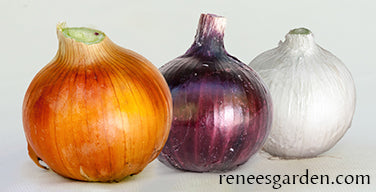
Long Keeping Onions Rainbow Trio
FOR BEST RESULTS
Sow seeds in early spring as soon as soil can be worked; in mild winter areas, seeds can also be sown in fall to overwinter for a head start in spring growth. To Start Early Indoors: Sow 1 in. apart in a container of seed starting mix and cover 1/4 in. deep. Provide a strong light source until seedlings are 2 to 3 in. tall. Transplant 4 in. apart, burying crowns 1 in. deep. To Start Outdoors: Sow seeds in well-worked, fertile soil in full sun. Space 1 in. apart in rows 8 in. apart. Cover 1/4 in. deep, firm soil well over seeds, and keep evenly moist. Thin seedlings gradually to a final 4 in. spacing, using the tasty thinnings.
GROWING NOTES
Before planting, thoroughly work compost or well-aged manure and bonemeal into the soil. Keep onions well weeded and mulch plants once soil warms up to conserve moisture. Feed onions lightly with an all-purpose fertilizer several times during the growing season.
HARVEST AND USE
Harvest midsummer when bulbs are sized up and about half the onion tops are bent over. Stop watering and bend the rest of the tops down. After another 7 to 10 days or when tops are dry, pull the bulbs. If possible, let the onions dry in the sun for 5 to 7 days. Store bulbs in a cool, airy place.
Regular price $3.99Sale price $3.99Unit price per -
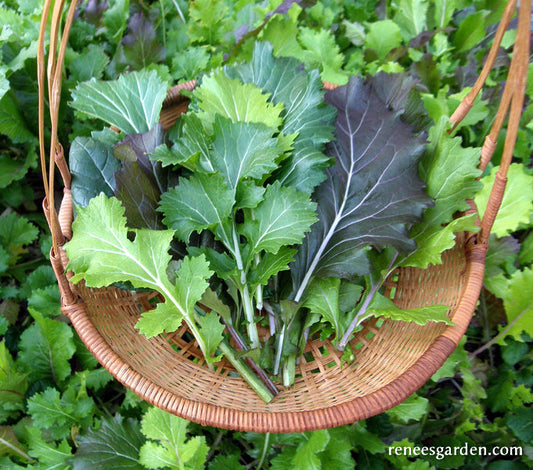
Heirloom Greens Cut & Come Again Mustards
START SEEDS OUTDOORS
In cool early spring weather, sow seeds in finely worked soil in full sun. Shake seeds from the palm of your hand, broadcasting them about 1/2 inch apart over the entire seedbed or in wide rows, and cover lightly and evenly with 1/4 inch of fine soil. Firm soil gently and water with a fine spray. Keep seedbed evenly moist. Make small successive sowings until summer weather turns hot for a constant supply. Plant again in late summer for fall harvesting.
GROWING NOTES
This mix will thrive in mild weather with consistent moisture. To extend the sowing season into hot weather, sow in light shade or erect a canopy of loosely woven shade cloth over the bed. Birds are often attracted to tender young seedlings, so protect them if necessary.
HARVEST AND USE
To harvest by the “cut and come again” method, wait until plants are 4 to 6 inches tall. Cut as much as you need, using scissors to shear off a patch of leaves about 1 to 2 inches above the soil level. Water well and fertilize lightly and plants will regrow for several more cuttings. Sauté leaves quickly in olive oil with a little chopped garlic or steam and finish with a splash of hot sauce or rice vinegar.
Regular price $4.89Sale price $4.89Unit price per -
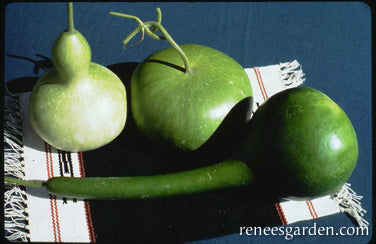
Crafter's Gourds Bottles & Bowls
BEST TO START SEEDS INDOORS
Several weeks before last spring frost date, sow seeds 1 inch deep in individual pots of seed starting mix. Keep warm and moist while awaiting germination and provide a strong light source. When seedlings are well-established and night temps. stay above 50°F (10°C), acclimate to outdoor conditions. Transplant at sunny garden edges to ramble, or 12 inches apart along a sturdy fence or trellis to form a lush canopy.
START SEEDS OUTDOORS
Start seeds outdoors only in areas with a very long growing season. Plant after night temps. stay above 50°F (10°C). In full sun, sow 2 or 3 seeds 1 inch deep and in groups spaced 12 inches apart and 4 inches from vertical supports. Thin to 1 or 2 strongest seedlings per group. Or plant 6 to 8 seeds in hills 8 feet apart, thinning to 3 or 4 per hill and allowing vines to ramble.
GROWING NOTES
Gourds need full sun, very rich fertile soil and warm temperatures. For earliest and best yields, hand-pollinate gourds: break off a blooming male flower and dust pollen onto fresh female flowers (the ones with small fruits at the base). Repeat as new flowers appear. Pollinated fruits start growing larger within several days.
HARVEST AND USE
Gourds are mature when the tendril next to stem has turned brown and rinds are tough. Harvest with several inches of stem. Dry gourds in a well-ventilated place. Once fully cured, (which can take several months) gourds are light for their size and seeds will rattle inside. Molds often develop on the surface, but do no harm. Discard gourds that rot or are soft and wrinkled.
Regular price $3.99Sale price $3.99Unit price per -
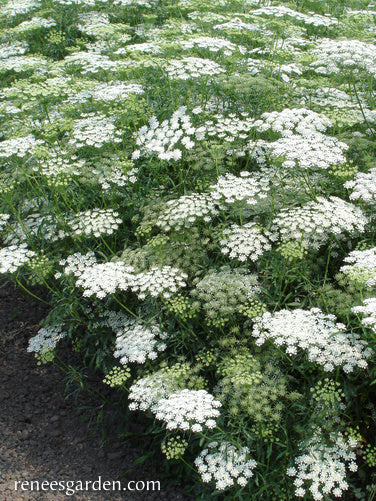
Butterfly Flowers White Bishop's Lace
ANNUAL
Spring/summer/fall bloom
Can handle light frostBEST TO START DIRECTLY IN THE GARDEN
Sow seed thinly into a finely textured garden bed in full sun as early in spring as ground can be worked. Cover 1/4 inch deep and keep soil moist. Weed and water young seedlings carefully and thin before they get too crowded.
TO START EARLY INDOORS
Start seed indoors 6 weeks before last spring frost date. Sow seeds as thinly as possible in a container or individual pots of seed starting mix. Cover very lightly, keep evenly moist and provide a strong light source until seedlings are ready to plant outdoors. Transplant carefully to avoid disturbing roots. Thin or transplant seedlings 8 to 10 inches apart when large enough to handle.
GROWING NOTES
Bishop’s Lace grows easily in most garden conditions. Make several sowings a few weeks apart through late spring for a succession of bloom. In mild winter climates, sow again in late fall for earliest spring displays. Use Bishop’s Lace as a delicate filler flower for adding texture and dainty substance to every bouquet.
Regular price $2.99Sale price $2.99Unit price per -
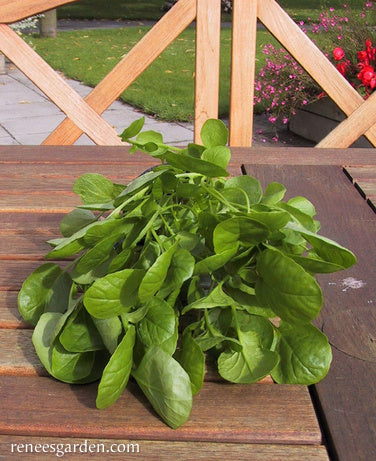
Heirloom Herbs English Watercress
BIENNIAL/GROWN AS ANNUAL
Spring/fall harvest
Can handle some frostSTARTING SEEDLINGS
Watercress is a cool weather crop. Make successive sowings several weeks apart to have a constant supply, starting in early spring. Plant watercress in a pot of seed starting mix and keep in a cool spot. Sow seeds one inch apart, do not cover with mix, but keep thoroughly moist. Germination should occur in about a week. Late summer-sown watercress will last well into cold weather.
THIN OR TRANSPLANT
Space seedlings 2 to 3 inches apart when they are large enough to handle.
GROWING NOTES
Set out seedlings next to a source of clean, fresh flowing water or water them daily. Watercress grown in pots can be set in saucers of water, which must be changed regularly to imitate a moving stream. Or, set your seeded pot right under an often-used hose bib to benefit from stray sprinkles and drips. Snip back growing shoots to make plants branch from the base and harvest tender tips as needed. As flowers begin to bud up, leaves get smaller and their taste gets bitter, so pull and pick from younger plants.Regular price $3.39Sale price $3.39Unit price per -
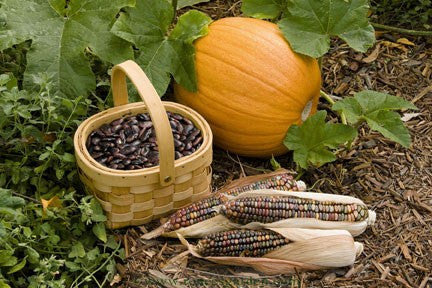
Bonus Pack Native American Three Sisters Garden
Read "Celebrate the Three Sisters," for complete historical and planting information.
LISTEN to radio show about the Three Sisters (.mp3).HOW AND WHEN TO PLANT
1. Choose a site in full sun (minimum 6 to 8 hours/day of direct sunlight throughout the growing season). Amend the soil with plenty of compost or aged manure. With string, mark off three 10 foot long rows, each 5 feet apart.
2. In each row, make your corn/bean mounds. The center of each mound should be 5 feet apart from the center of the next. Each mound should be 18 inches across with flattened tops. Stagger the mounds in adjacent rows.
3. Plant 4 to 6 corn seeds in each mound in a 6 inch square. Protect from birds with netting until seedlings are 4 inches tall.
4. When the corn is 6 inches tall, it's time to plant the beans and squash. First, weed the entire patch. Then plant 4 bean seeds in each corn mound. They should be 3 inches apart from the corn plants.
5. Build pumpkin mounds in each row between each corn/bean mound. Make them the same size as the corn/bean mounds. Plant 4 or 5 pumpkin seeds, 4 inches apart in a triangle in the middle of each mound.
6. When the pumpkin seedlings emerge, thin them to 2 plants per mound. You may have to weed the area several times until the pumpkin vines take over and shade new weeds.
Regular price $8.99Sale price $8.99Unit price per -
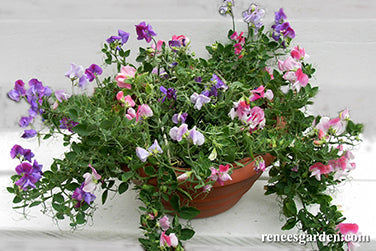
Windowbox Sweet Peas Color Palette Cupid
ANNUAL
Spring/summer bloom
Frost tolerantEASIEST TO START OUTDOORS
Sow seeds directly in deep containers at least 12 inches in diameter, or rectangular window-boxes at least 6-8 inches deep once danger of hard frost is over. Sweet peas grow best in cool weather and can handle light frosts. In mild winter areas, plant in fall weather to overwinter for spring bloom. Always fill planting containers with well moistened, good quality, fresh potting soil before planting seeds 1 inch deep and 2 to 3 inches apart.
THIN OR TRANSPLANT
Space seedlings 3 to 4 inches apart when they are 2 inches tall, allowing room for plants to mature, but leaving 5 to 6 plants in a 12 inch diameter container.
GROWING NOTES
Sweet peas bloom best before the weather gets too hot. When seedlings have 3 to 4 sets of leaves, pinch off top set to encourage branching for a bushy full plant. Young plants will grow 8 to 10 inches tall, then cascade over the sides of containers. It’s critical to keep your container sweet peas well-watered and remember to fertilize them regularly every two weeks with liquid fertilizer solution. Protect plants from slugs and snails. For longest bloom, remove faded blossoms regularly.Regular price $3.69Sale price $3.69Unit price per -
Shirley Poppies Falling In Love
ANNUAL
Spring/summer bloom
Frost hardyBEST TO START DIRECTLY IN THE GARDEN
Sow seeds directly into a finely textured garden bed in full sun as early in spring as ground can be worked. To help space these small seeds, it’s helpful to mix them with dry sand before sowing. Cover very lightly with fine soil and keep seed bed moist as seedlings emerge over 10 to 21 days.
THIN OR TRANSPLANT
Poppies do not transplant well, so we advise sowing the seeds directly in the garden. For good garden performance, be sure to thin crowded seedlings early; final plant spacing should be 4 to 6 inches apart, so plants have room to grow, mature and bloom.
GROWING NOTES
Plant as early as possible in spring, as poppies can handle frost and bloom best and longest when plants get a good start in cool weather. In mild winter climates, you can also sow seed in late fall to form strong root systems and overwinter for earliest spring bloom. Weed and water young seedlings carefully. Mature plants can handle dry conditions but appreciate regular water in hot summer locations. Poppies make good cut flowers if cut just as buds begin to open. Allow spent flowers to form pods and drop seed if you want flowers to self-sow for next season’s bloom.
Regular price $3.99Sale price $3.99Unit price per -
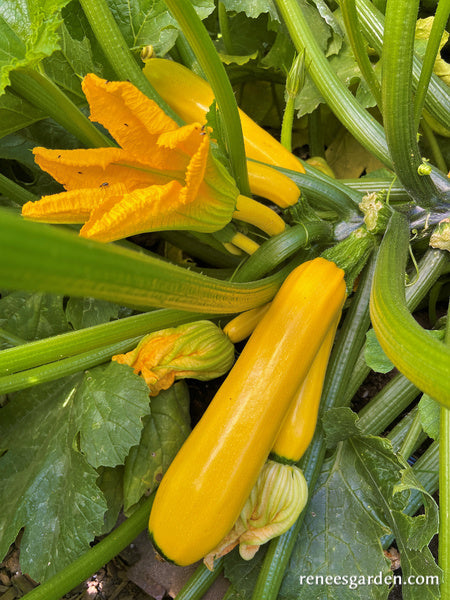
Heirloom Zucchini Summer Gold
START SEEDS DIRECTLY IN THE GARDEN
Zucchinis need full sun, rich fertile soil and warm temperatures. Plant only when spring weather is warm and settled and night temperatures stay above 50°F (10°C). Sow groups of 2 to 3 seeds 1 inch deep and 2 feet apart. When seedlings have 4 leaves, thin to 1 strong seedling per group. Or, plant in slightly mounded hills, 2 feet in diameter, sowing 4 or 5 seeds in each hill. Thin hill-planted seedlings to the 2 or 3 strongest plants.
GROWING NOTES
Amend soil well before sowing with lots of aged manure or compost. Protect young seedlings from marauding birds by covering with plastic berry baskets at planting time, removing when plants get crowded. Be sure to thin properly—you will have more productive, disease-free plants if seedlings have enough room to mature. covers will help prevent squash borers if these pests are a problem in your area.
HARVEST AND USE
Harvest zucchini when no more than 5 to 6 inches long for best flavor. Frequent harvesting keeps plants producing tasty new fruits instead of maturing fat, tough, huge ones. Steam, stirfry or grill sliced zucchinis and sprinkle with fresh parsley, dill, basil or thyme. Try the tasty blossoms sautéed or stuffed and baked. Heap a platter with spears of baby zucchinis to serve with your favorite dip for appetizers or snacks.
Regular price $4.89Sale price $4.89Unit price per -
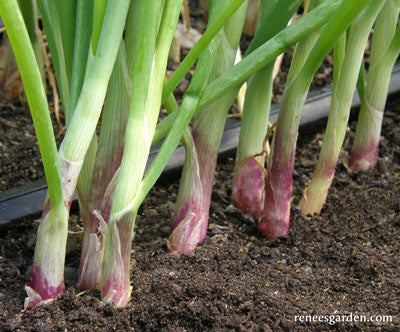
Heirloom Salad Onions Italian Scallion
EASIEST TO START OUTDOORS
Plant seeds throughout cool spring weather and again in mid to late summer for fall harvests. Sow seeds in well-worked, fertile soil in full sun, spacing 1 inch apart in rows 8-10 inches apart, or broadcast thinly for bed planting. Plant 1/4 inch deep and firm soil well over seeds. Keep soil evenly moist while awaiting germination. Thin young seedlings to 2 inches apart, and enjoy the tender thinnings in spring salads.
GROWING NOTES
These baby salad onions take up little garden space, so tuck a row around beds of lettuce, spinach or radishes. Make several plantings a month apart to have a constant supply for spring and summer meals. Prepare soil well with lots of aged manure or compost before planting. Keep evenly moist and weed carefully when plants are young. Mulch well to conserve soil moisture and suppress weed growth.
HARVEST AND USE
To get the most out of your crop, use tender, mild-flavored early thinnings in salads. Continue thinning out seedlings gradually so plants stand an inch or two apart. Harvest as needed when the stems are ¼ to ½ inch in diameter and the tiny immature bulbs reach just 1/2 to 1 inch in diameter. Crunchy, full-flavored Italian baby salad onions are especially delicious in any green or potato salad, or in any recipe that calls for scallions or mild tasting onions.
Regular price $2.99Sale price $2.99Unit price per -
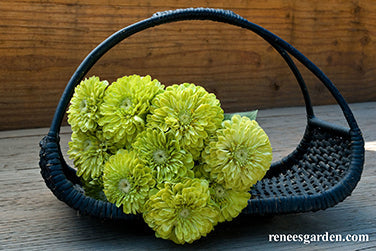
Heirloom Zinnias Green Envy
ANNUAL
Summer/fall bloom
Frost tenderEASY TO START DIRECTLY IN THE GARDEN
Sow seeds in well-worked soil in full sun when danger of frost is past and weather is warm and above 50°F (10°C) both day and night. Space seeds 2 to 3 inches apart in rows 12 inches apart, cover about 1/2 inch deep and gently firm soil. Keep soil evenly moist while awaiting germination.
TO START EARLY INDOORS
Four weeks before last frost date, sow seeds ½ inch deep and 3 inches apart in a container of seed starting mix. Keep warm and moist and provide a strong light source until seedlings are ready to plant outside when temperatures rise above 50°F (10°C) day and night.
THIN OR TRANSPLANT
Space seedlings 8 to12 inches apart when large enough to handle so plants have good air circulation and enough elbow room to grow and bloom freely.
GROWING NOTES
Zinnias can grow in ordinary garden soil in full sun. For large, abundant flowers, thin before seedlings get crowded. Adequate spacing and regular, even watering discourages mildew and keeps zinnias productive.
Pick just as blossoms begin opening and petals are tight. Cut long stems well back into the plant to keep plants branching low and producing best blooms for summer long bouquets.
Regular price $2.99Sale price $2.99Unit price per