Heirloom Selections
Old Varieties with Exceptional Beauty and Flavor
Our heirloom selections have been preserved and kept true to their beloved local history, often exhibiting unusual colors, shapes or flavors.
-
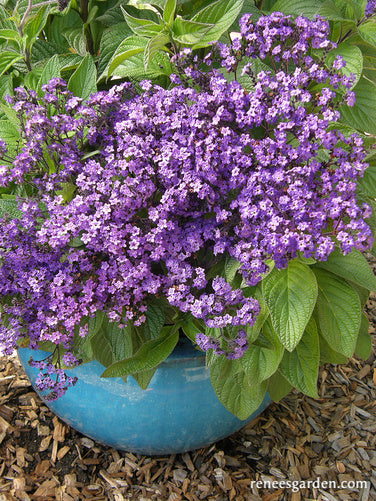
Perfumed Heliotrope Deep Marine
ANNUAL
Summer/fall bloom
Frost tenderBEST TO START EARLY INDOORS
Start seeds 8-9 weeks before last spring frost. Sow seeds 1 inch apart in a container of moist seed starting mix. Press down lightly, but not cover as heliotrope seeds need light to germinate. Keep warm and moist but not soggy, and provide a strong light source. When large enough to handle, transplant seedlings into individual 4 inch pots to grow on until sturdy and well-established.
Be sure to acclimate seedlings to outdoor conditions before planting outdoors. Transplant into rich, well drained soil in full sun or, in hot summer areas, a spot that has afternoon shade.
THIN OR TRANSPLANT
When large enough to handle, transplant strong, well acclimated seedlings, spacing them 10 inches apart.
GROWING NOTES
Feed heliotropes monthly throughout the growing season for best plants and flowers. With their richly scented flowers and dark foliage, heliotropes make pretty container plants. Combine with bright sunny colors or soft pastels for striking displays. Cut plants back in late summer for fresh regrowth and bloom.
Regular price $3.69Sale price $3.69Unit price per -
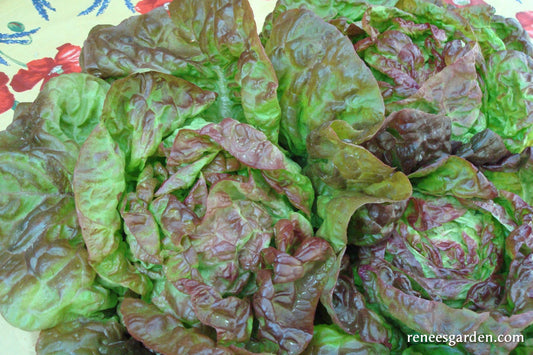
Heirloom Lettuce Merveille De Quatre Saisons
START SEEDS OUTDOORS
In cool early spring weather, start seeds in finely worked soil in full sun. Sow 1/4 inch deep and 1 inch apart in rows 6 to 8 inches apart and cover lightly. Tend carefully and keep evenly moist. Gradually thin seedlings out by cutting them with scissors, leaving remaining plants to stand 12 inches apart so heads have room to fully size up and mature. For a constant supply, make several sowings a few weeks apart until summer weather turns hot. Plant again in late summer for fall harvest.
GROWING NOTES
Lettuce thrives in cool conditions with consistent moisture. Weed, water and thin carefully for best quality heads. If birds are attracted to the young seedlings, cover them with floating row covers or netting.
HARVEST AND USE
Savor young thinnings in your first spring salads. Then harvest plants by cutting mature heads when they feel firm and well-filled out. Be sure to thin properly and keep evenly moist for sweet tasting, full heads. Pull and discard or compost over-mature plants if they begin to elongate (“bolt”) in hot weather as leaves turn bitter at this stage.
Regular price $3.69Sale price $3.69Unit price per -
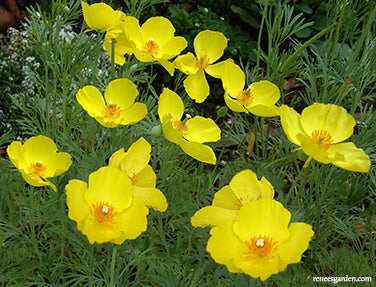
Heirloom Butterfly Flowers Mexican Tulip Poppy
PERENNIAL GROWN AS ANNUAL
Summer/fall bloom
Can handle light frostTO START EARLY INDOORS
Two to three weeks before the last frost date, sow seeds 1/4 inch deep and 1 in. apart in individual pots of seed starting mix. Keep warm and moist and provide a strong light source until seedlings are ready to plant outdoors. so transplant very carefully into the garden 8 in. apart when seedlings are large enough to handle.
TO START OUTDOORS
Sow seeds in a well-worked seedbed in full sun when danger of frost is past and temperatures have reached at least 50°F (10°C) both night and day. Space seeds 4 inches apart in rows 8 inches apart, cover lightly, 1/4 inch deep, and gently firm soil. Keep soil evenly moist but not soggy while awaiting germination in 10 to 14 days. Thin to 8 inches apart before plants get too crowded.
GROWING NOTES
These vibrant flowers glow in a mixed border or wild garden with their finely-cut, gray green foliage and bright, butter yellow blossoms that attract summer butterflies. Cut plants back halfway when the first flowering has finished and plants start to look rangy, and you will be rewarded with another long flush of bloom until frost. Mexican Tulip Poppies are perennial in very mild climates.Regular price $4.69Sale price $4.69Unit price per -
Heirloom Greens Quick Stirfry Blend
BEST TO START DIRECTLY OUTDOORS
In cool early spring weather, sow seeds in finely worked soil in full sun. Shake seeds from the palm of your hand, broadcasting them about a half inch apart over the entire seedbed or in wide rows, and cover lightly and evenly with 1/4 inch of fine soil. Firm soil gently and water in with a fine spray. Keep seedbed evenly moist. Make small successive sowings until summer weather turns really hot for a constant supply. Plant again in late summer for fall harvesting.
GROWING NOTES
Our crunchy stir-fry mix tastes best given consistent moisture and mild weather conditions. Marauding birds are often attracted to tender young seedlings, so protect them if necessary with netting or floating row covers. Sown in a big container, these mixed leafy greens will make an ornamental and edible “color bowl” to snip and stir-fry as needed.
HARVEST AND USE
To harvest by the “cut and come again” method, wait until plants are 6 to 7 inches tall. Cut as much as you need, using scissors to shear off a patch of leaves 1 to 2 inches above the soil level. Water well and fertilize lightly and plants will regrow for several more cuttings. Sizzle these crunchy, succulent Asian greens in a quick stir-fry, or pick them earlier at 3 to 4 inches for tender young additions to colorful salads.
Regular price $4.89Sale price $4.89Unit price per -
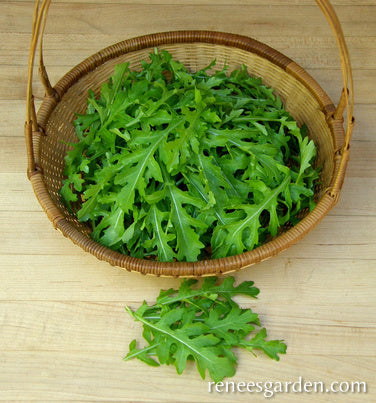
Salad Herbs Runway Arugula
ANNUAL
Spring/summer/fall harvest
Frost hardyEASIEST TO START OUTDOORS
In early spring, sow arugula seeds directly into well-worked garden soil, cover ¼ inch deep and firm soil over seeds. Keep seed bed evenly moist until seedlings emerge. Make new sowings every 2 weeks until early summer to have a constant supply of fresh leaves. Begin harvesting young leaves in 3 to 4 weeks.
In hot summer areas, wait to sow again in late summer for fall use, as extreme heat makes leaves very pungent.
THIN OR TRANSPLANT
Arugula grows so quickly we recommend sowing in place rather than transplanting. Thin seedlings 2 to 3 inches apart when plants are large enough to handle.
GROWING NOTES
Begin harvesting by thinning little seedlings to use in salads when they are several inches tall. Then, either pick individual leaves when 3-4 inches long, or snip leaves about 1 inch above the crown and let plants regrow for more harvests.
Regular price $2.99Sale price $2.99Unit price per -
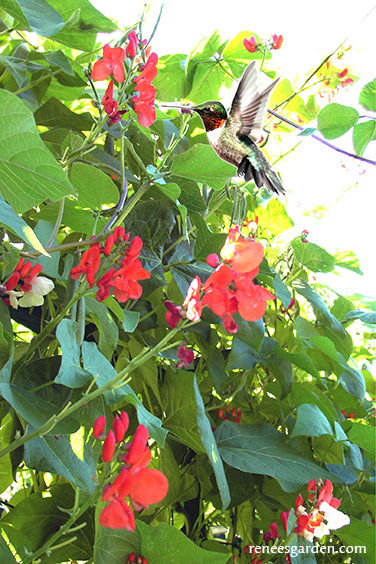
Heirloom Runner Bean Painted Lady
ANNUAL VINE
Summer/fall bloom with edible pods and seeds
Frost tenderEASIEST TO START DIRECTLY IN THE GARDEN
In late spring once weather is warm and settled and nights stay above 50°F (10°C), plant seeds in a sunny spot. Erect well-anchored supports at planting time to support the rapidly growing vines. Poke seeds in 1 inch deep and firm soil over them. If training bean vines up poles, plant 4 or 5 beans several inches from each pole, or plant seeds 3 to 4 inches apart along a fence or trellis. Keep soil evenly moist while awaiting germination in 7 to 10 days.
THIN OR TRANSPLANT
Beans don’t transplant well, so we advise sowing seeds where they are to grow. Thin seedlings to 6 - 8 inches apart.
GROWING NOTES
Always wait until weather is warm before planting seeds so beans will germinate and grow well. Keep bean vines well watered. In very hot climates, beans will flower but not set pods until weather moderates in fall. Both the crispy bean flavored blossoms and the flat green pods are deliciously edible; let some of the pretty beans mature in their pods to use for tasty dry bean recipes.Regular price $4.69Sale price $4.69Unit price per -
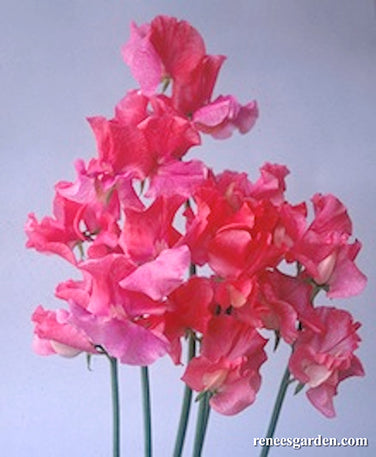
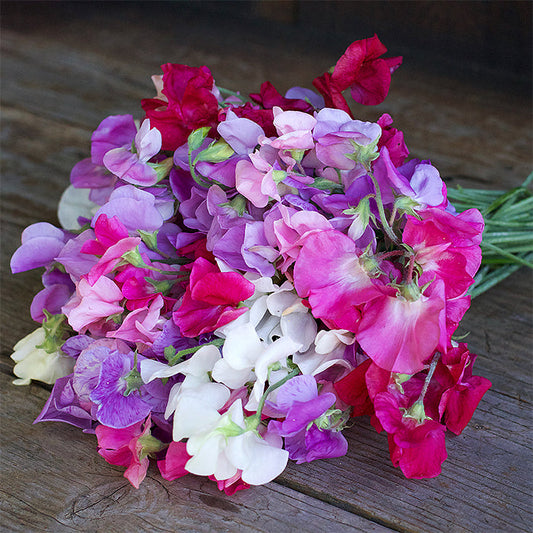
Fragrant Sweet Peas Strawberry Fields
ANNUAL CLIMBING VINE
Spring/summer bloom
Frost tolerantEASIEST TO START OUTDOORS
Sweet peas must have well-drained soil, so dig deeply and enrich with aged manure or compost before sowing seeds. Erect a well-anchored trellis, vertical netting or other support for vines before planting. Sow seeds in full sun in cool early spring weather as early as the ground can be worked.
In mild winters, where ground does not freeze, sweet peas can be planted in fall. Seedlings will form strong root systems, then overwinter to bloom vigorously in spring. Plant sweet pea seeds 1 inch deep and 2 to 3 inches apart. When seedlings are 2 inches tall, thin to 4-5 inches apart to allow plants room to mature.
GROWING NOTES
Sweet peas bloom best when they flower before the weather gets too hot, so if spring planting, sow as early as possible, especially in regions where summer heat comes on fast. Anchor climbing supports well as these vines will grow dense and heavy with bloom. Protect seedlings from birds, slugs and snails. Mulch and keep well watered for best flower production. For longest bloom, remove faded blossoms regularly.
Regular price $3.99Sale price $3.99Unit price per -
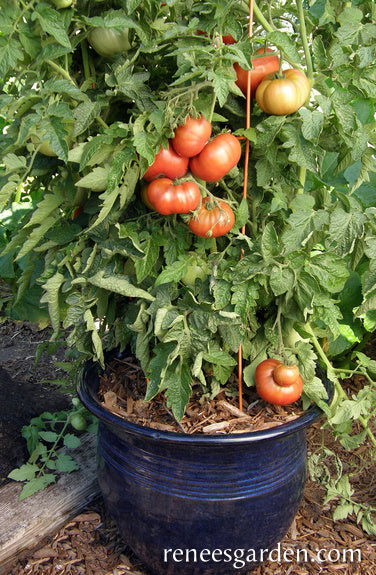
Heirloom Container Tomatoes Tasmanian Chocolate
STARTING SEEDLINGS
In early spring, start indoors about 6 to 8 weeks before outdoor night temperatures are reliably in the 50-55°F (10-13°C). Sow seeds 1/4 inch deep and 1 inch apart in a container of seed starting mix. Keep moist but not soggy, and very warm, 80°F (27°C). Provide a strong light source until seedlings are ready to plant outside. When seedlings are 2 inches tall, transplant into individual 4 inch pots. Maintain at 70°F (21°C). Feed with half-strength fertilizer every 2 weeks until ready to plant. When nights reach 55°F (13°C), gradually acclimate to outdoor conditions. Plant these vigorous, early bearing vines 3 feet apart into rich soil in full sun.
TO GROW IN CONTAINERS
Use pots at least 15-18 inches in diameter and 18 inches tall. Use fresh potting mix to prevent soil borne disease. Transplant one seedling per pot. Water regularly: in hot weather, pots may need daily watering. Fertilize every other week with a low nitrogen fertilizer for strong plants and good yields.
GROWING NOTES
Tomatoes need at least 6 hours of full sun every day. Provide strong stakes or wire cages at planting time as plants get heavy with fruit. Mulch plants well to maintain even moisture. Pick fully ripe. Don’t store tomatoes in the fridge.
Regular price $4.89Sale price $4.89Unit price per -
Heirloom Flowers Mountain Garland Clarkia
HARDY ANNUAL
Summer/Fall bloom
Can handle light frostEASIEST TO START DIRECTLY IN THE GARDEN
As early in spring as ground can be worked, sow seeds 1 inch apart into a finely textured garden bed in full sun. In climates where the ground doesn’t freeze, sow seed in late fall for bloom the following spring. Cover very lightly, about 1/8 inch deep and keep soil moist as seedlings emerge. Weed and water carefully and thin before they get too crowded.
TO START EARLY INDOORS
Start seed indoors 4 weeks before last spring frost date. Sow seeds an inch apart in a container of seed starting mix. Cover very lightly, keep evenly moist and provide a strong light source until seedlings are ready to plant outdoors. Plant in the garden when seedlings are large enough to handle. Thin or transplant seedlings 6 inches apart.
GROWING NOTES
Clarkia grows well in a wide range of conditions, but if you are in a very hot, humid climate, planting in a spot with afternoon shade will extend flowering. These carefree wildflowers thrive in well-drained soil. Plant in mixed borders or anywhere you want an informal effect of vibrant color and armfuls of entrancing flowers to bring indoors.
Regular price $2.99Sale price $2.99Unit price per -
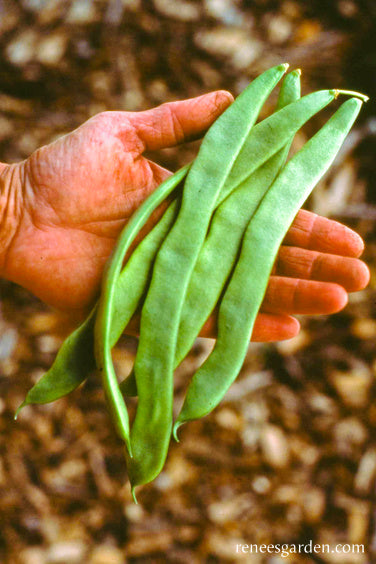
Early Pole Beans Spanish Musica
START SEEDS OUTDOORS
In spring once weather is warm and night temperatures stay securely above 55°F (13°C), plant seeds in well-worked, fertile soil in full sun. Erect strong stakes, tripod poles, or trellis at planting time to support vines. Plant seeds 1 inch deep and 4 inches apart along a trellis, or if planting around tripods or stakes, plant 4 to 6 seeds 4 inches from each pole, thinning seedlings to 3 best plants.
GROWING NOTES
Tender crispy beans are an easy reliable crop to grow, but do not plant seeds too early as cold conditions prevent good germination. If first sowing comes up unevenly, replant right away; new seedlings will catch up quickly. Birds are often attracted to young bean seedlings, so watch carefully and protect with netting or floating row covers if necessary. Avoid cultivating plants or picking pods when plants are wet.
HARVEST AND USE
Musica’s strong vines are heavy bearers, so plan to harvest often. The more you pick, the more plants will produce. Harvest when beans are broad and 7 to 9 inches long. Slice in pieces and cook just until tender to enjoy their fine flavor and meaty texture. Serve hot, or cool and toss with herbed vinaigrette for a delicious green bean salad.
Regular price $4.99Sale price $4.99Unit price per -
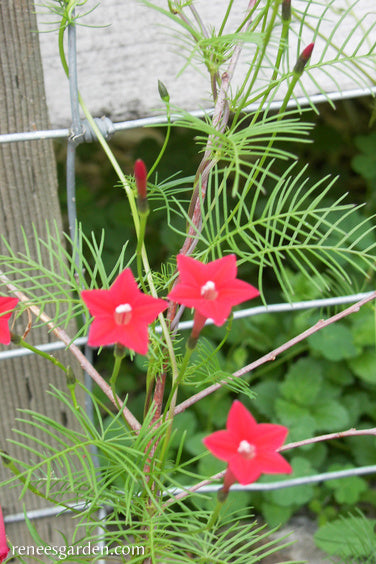
Heirloom Cypress Vine Maiden's Feather
ANNUAL VINE
Summer/fall bloom
Frost tenderTO START OUTDOORS
In spring once temperatures stay securely above 50° both day and night, plant seeds in a warm sunny location in ordinary garden soil 2 to 3 inches apart and 1/2 inch deep. Firm soil over seeds and keep evenly moist. Tend young seedlings carefully. They start slowly, but will climb quickly once well established.
TO START EARLY INDOORS
Sow seeds indoors 4 or 5 weeks before last expected frost in individual pots of seed starting mix. Cover 1/2 inch deep and keep warm and moist as seedlings emerge. Provide a strong light source until seedlings are ready to plant outdoors. Transplant only when weather has warmed and settled. Thin or transplant seedlings 6 to 8 inches apart when large enough to handle. Avoid disturbing roots when transplanting.
GROWING NOTES
Erect well-anchored supports at least 6 to 8 feet tall at planting time; strong netting, fence or trellis serve well to hold these delicate-looking but vigorous climbers. Twining cypress vines bloom at midsummer and perform best where summers are long and hot.
Regular price $2.99Sale price $2.99Unit price per -
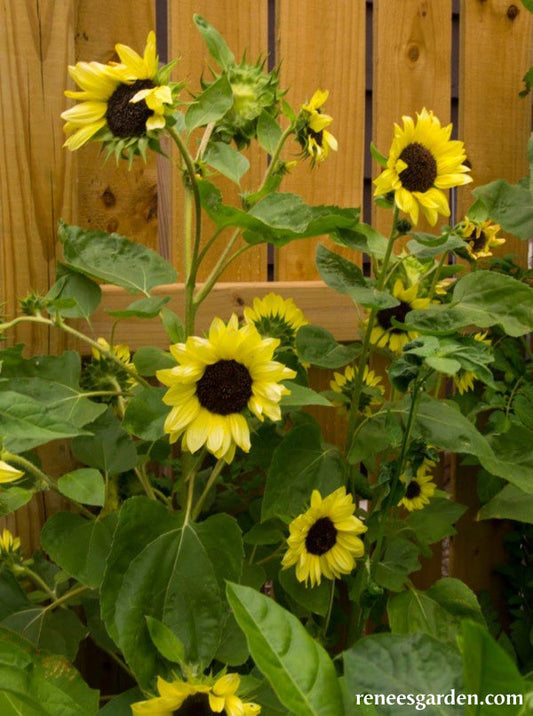
Long Blooming Sunflowers Valentine
ANNUAL
Summer/fall bloom
Frost tenderTO PLANT OUTDOORS
Plant in full sun in good garden soil when weather is warm and settled both day and night and all danger of frost is past. Poke seeds into well-worked soil 1 inch deep and 4 – 5 inches apart. Press soil firmly over seeds and keep moist until germination in 8 to 10 days.
TO START EARLY INDOORS
Several weeks before last frost date, sow seeds 1/2 inch deep in individual pots of well drained seed starting mix. Keep moist and provide a strong light source until ready to plant outside when seedlings are large enough to handle. When weather has warmed into the 50°F (10°C) range, transplant carefully into the garden in full sun.
THIN OR TRANSPLANT
Space seedlings 12 inches apart so plants have ample room to grow sturdy stalks and roots.
GROWING NOTES
Growing sunflowers is easy and rewarding. Make several sowings, three weeks apart to have a succession of bloom. Keep soil moist and well weeded. Protect seedlings from hungry birds with netting or plastic berry baskets, removing before plants get crowded. Sunflowers need room! When young seedlings are 3 inches tall, be sure to thin them to stand 12 inches apart.Regular price $3.99Sale price $3.99Unit price per -
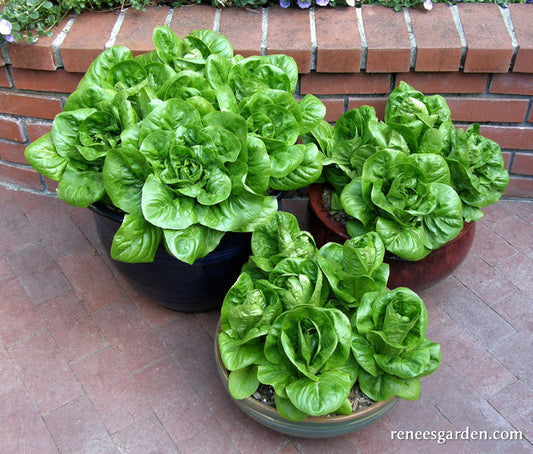
Heirloom Container Lettuce Jade Gem
START SEEDS OUTDOORS
In cool spring weather, start seeds in full sun. Sow seeds ¼ inch deep and 1 inch apart in fertile, well-drained soil. Keep evenly moist but not soggy. As seedlings begin to grow, it’s critical to thin out young plants to a final spacing of 8 inches apart so they have room to mature to large, leafy rosettes (extra seedlings will transplant easily to grow elsewhere). Container Growing: Plan on 5 to 7 full heads in a 16 to 18 inch pot or a 9 x 12 inch windowbox; 3 full heads in an 8 inch pot.
GROWING NOTES
Lettuce thrives in cool conditions. Carefully thin and keep evenly moist for sweet tasting, full heads. For a constant supply, make several sowings a few weeks apart until summer heat comes on. In hot weather, give lettuce some afternoon shade and check water daily. Feed with liquid fertilizer every 2 weeks. Sow more seed in late summer for delicious fall harvests.
HARVEST AND USE
Use these little beauties in containers or as an edible garden accent or border. Or transplant seedlings around edges of a big pot holding a young tomato or pepper plant, then harvest when the bigger plants need the space. Savor young thinnings in your first spring salads. Harvest mature little heads when they are solid and well-filled out. Pull over-mature plants if they begin to elongate (“bolt”) in hot weather.
Regular price $4.89Sale price $4.89Unit price per -
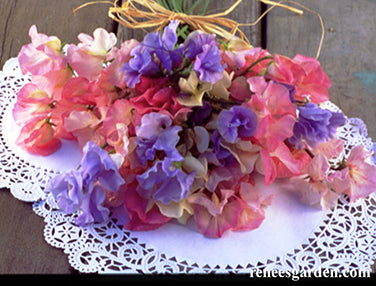
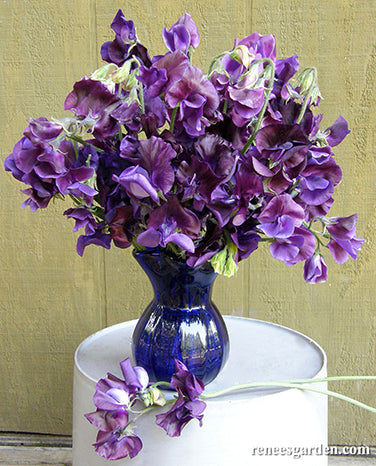
Heirloom Sweet Peas Scented Pastel Sunset
ANNUAL CLIMBING VINE
Spring/summer bloom
Frost tolerantEASIEST TO START OUTDOORS
Sweet peas must have well drained soil, so dig deeply and enrich with aged manure or compost before sowing seeds. Erect a well-anchored trellis, vertical netting or other support for vines before planting. Sow seeds in full sun in cool early spring weather as soon as the ground can be worked. In mild winter areas, where the ground does not freeze, plant in fall after Labor Day; seeds will germinate and form strong root systems, then overwinter to bloom strongly in spring. Plant sweet pea seeds 1 inch deep and 2 to 3 inches apart. When seedlings are 2 inches tall, thin them 4 to 5 inches apart, to allow plants room to mature.
GROWING NOTES
Sweet peas bloom best before the weather gets too hot, so if spring planting, sow as soon as ground can be worked.Where summer heat comes on fast, they’ll appreciate a spot with afternoon shade. Anchor supports well as vines will grow heavy with bloom. Protect seedlings from birds, slugs and snails. Mulch and keep well watered. For longest bloom, pick flowers often and keep faded blossoms cut.Regular price $3.99Sale price $3.99Unit price per -
Heirloom Bouquet Sweet Peas North Shore
ANNUAL CLIMBING VINE
Spring/summer bloom
Frost tolerantEASIEST TO START OUTDOORS
Sweet peas must have well drained soil, so dig deeply and enrich with aged manure or compost before sowing seeds. Erect a well-anchored trellis, vertical netting or other support for vines before planting. Sow seeds in full sun in cool early spring weather as early as the ground can be worked. In mild winter areas, where the ground does not freeze, plant in fall after Labor Day; seeds will germinate and form strong root systems, then overwinter to bloom strongly in spring. Plant sweet pea seeds 1 inch deep and 2 to 3 inches apart. When seedlings are 2 inches tall, thin them 4 to 5 inches apart, to allow plants room to mature.
GROWING NOTES
Sweet peas bloom best before the weather gets too hot, so if spring planting, sow as soon as ground can be worked. Where summer heat comes on fast, they’ll appreciate a spot with afternoon shade. Anchor supports well as vines will grow heavy with bloom. Protect seedlings from birds, slugs and snails. Mulch and keep well watered. For longest bloom, pick flowers often and keep faded blossoms cut.Regular price $3.99Sale price $3.99Unit price per -
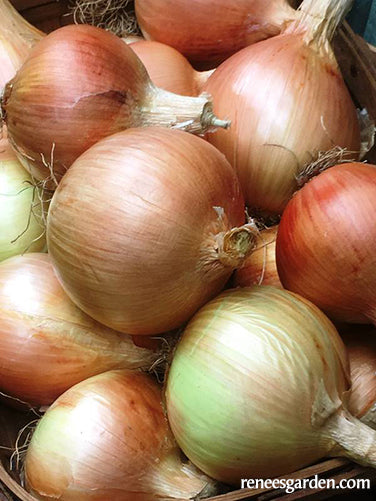
Bulbing Onions Golden Sweet Spanish
FOR BEST RESULTS
Sow seeds in early spring as soon as soil can be worked; in mild winter areas, seeds can also be sown in fall to overwinter for a head start in spring growth. They have a broad planting range, being on the cusp of intermediate and long day onions.
To Start Early Indoors: Sow 1 in. apart in a container of seed starting mix and cover 1/4 in. deep. Provide a strong light source until seedlings are 2 to 3 in. tall. Transplant 4 in. apart, burying crowns 1 in. deep.
To Start Outdoors: Sow seeds in well-worked, fertile soil in full sun. Space 1 in. apart in rows 8 in. apart. Cover 1/4 in. deep, firm soil well over seeds, and keep evenly moist. Thin seedlings gradually to a final 4 in. spacing, using the tasty thinnings.
GROWING NOTES
Before planting, thoroughly work compost or well-aged manure and an organic, all-purpose fertilizer into the soil. Keep onions well-weeded and mulch plants once soil warms up to conserve moisture. Feed onions lightly with an all-purpose fertilizer several times during the growing season. The “bite” or spiciness of onions depends on your soil type and composition.
HARVEST AND USE
Harvest midsummer when bulbs are sized up and about half the onion tops are bent over. Stop watering and bend the rest of the tops down. After another 7 to 10 days or when tops are dry, pull the bulbs. If possible, let the onions dry in the sun for 5 to 7 days. Store bulbs in a cool, airy place.
Regular price $3.39Sale price $3.39Unit price per -
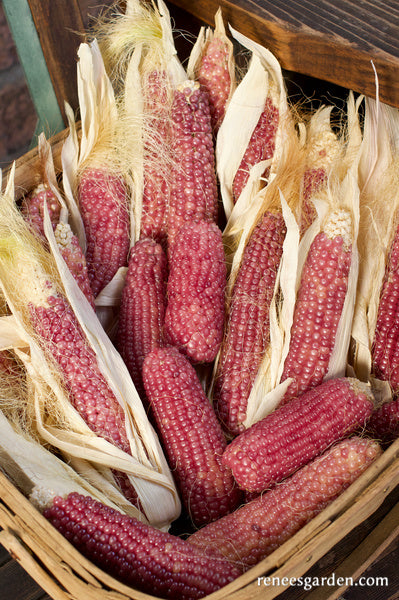
Heirloom Popcorn Mini Pink Pearls
START SEEDS OUTDOORS
In spring, once weather is warm and settled and night temperatures stay securely above 55°F (13°C), plant seeds in well-worked, fertile soil in full sun. Poke seeds in 1 in. deep and 4 to 6 in. apart. Plant in a block of 4 side-by-side rows, each row at least 1 ft. apart. Thin seedlings to 1 ft. when several in. tall. Protect from marauding birds if necessary. If first sowing doesn’t germinate evenly, replant right away as new seedlings catch up quickly.
GROWING NOTES
Plant seeds in blocks of at least 4 parallel rows to ensure good wind pollination and well filled out ears. Corn is a heavy feeder, so add plenty of compost or aged manure to the soil at sowing time, and then fertilize when young plants are 7 to 8 in. tall and again as ears begin to form.
HARVESTING
Wait to harvest popcorn until ears are mature, husks are dry, and kernels are dry and hard. To shuck the kernels from the cobs, break the cob in half and pop the kernels off starting from the edge, using your fingertips or a dull butterknife, letting kernels fall into a bowl. Once a section is started, the kernels pop off the cob easily.
After shucking the kernels from cobs, spread kernels out in a shallow layer on rimmed pans. Let them dry down for at least 2-3 weeks in a warm, dry room with good air circulation. Then store in airtight jars. Drying the kernels thoroughly will increase how well they pop.
Regular price $3.99Sale price $3.99Unit price per -
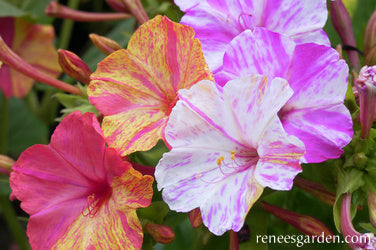
Heirloom Four O'Clocks Broken Colors
PERENNIAL GROWN AS ANNUAL
Summer/fall bloom
Frost tenderEASIEST TO START OUTDOORS
Plant in full sun in ordinary garden soil when spring weather is warm and settled and all danger of frost is past. Poke seeds into well-worked soil about 1/2 inch deep, 4 to 5 inches apart. Firm soil over seeds. Keep moist until germination in 10 to 12 days.
TO START EARLY INDOORS
Seeds can be started indoors about 4 weeks before last expected frost, but since Four O’Clocks grow so quickly, we advise sowing directly into the garden in all but very short summer areas. Thin or transplant seedlings 12 inches apart when they are large enough to handle so plants have ample room to grow and mature.
GROWING NOTES
Vigorous, free blooming Four O’Clocks grow quickly and will effortlessly fill in borders or large open areas to bloom in the afternoons and evenings beginning in mid-summer. If possible, plant Broken Colors close to where you pass by often, so you can enjoy their delicious soft perfume that fills the air. In mild winter climates, Four O’Clocks’ self-sow readily, so remove the seed pods before seeds fall to the ground if you don’t want plants to spread around the garden.
Regular price $3.99Sale price $3.99Unit price per -
Early Blooming Sweet Peas Chiffon Elegance
ANNUAL CLIMBING VINE
Spring/summer bloom
Frost tolerantEASIEST TO START OUTDOORS
Sweet peas must have well drained soil, so dig deeply and enrich with aged manure or compost before sowing seeds. Erect a well-anchored trellis, vertical netting or other support for vines before planting. Sow seeds in full sun in cool early spring weather as early as the ground can be worked. In mild winter areas, where ground does not freeze, plant in fall; seeds will germinate and form strong root systems, then overwinter to bloom strongly in spring. Plant sweet pea seeds 1 inch deep and 2 to 3 inches apart. When seedlings are 2 inches tall, thin them 4 to 5 inches apart, to allow plants room to mature.
GROWING NOTES
Sweet peas bloom best before the weather gets too hot, so if spring planting, sow as soon as ground can be worked. Where summer heat comes on fast, they’ll appreciate a spot with afternoon shade. Anchor supports well as vines will grow heavy with bloom. Protect seedlings from birds, slugs and snails. Mulch and keep well watered. For longest bloom, pick flowers often and keep faded blossoms cut.
Regular price $4.39Sale price $4.39Unit price per -
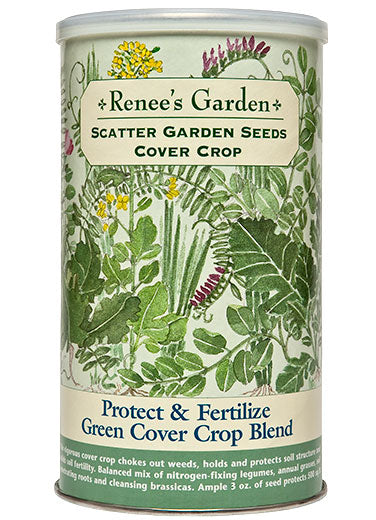
Cover Crop Cover Crop - Green Guardian
The Renee’s Garden Cover Crop Mix is a blend of several legumes, grass, roots, and rapeseed. The legumes, Austrian Winter Peas, Fava beans and Hairy Vetch all fix nitrogen from air into their root nodules, loosen and aerate dense soil and gather deep nutrients and minerals. Winter Rye Grass has thick roots which hold the soil to prevent erosion and takes up excess nutrients in the soil. Rapeseed takes up large amounts of nutrients that would otherwise be leached out of the soil by the winter rains. When these cover crop plants are incorporated back into the soil in the spring, they break down releasing the nutrients and minerals back into the soil and add plenty of organic matter which improves the soil structure.
NOTE
Seed is packed with a larger quantity of organic rice hulls to help space seeds. Before opening, shake can thoroughly to mix together.
FORMULA MIX
Winter Rye, Hairy Vetch, Fava Bean, Rapeseed and Austrian Winter Peas.
Inert material: organic rice hulls.
WHEN TO PLANT
In Mild Winter Climates, where ground does not freeze hard, sow in late fall to over-winter for spring growth.
In Cold Winter Climates, where ground freezes hard, plant in fall for winter die back and then incorporate in spring, OR sow as early as possible in spring.
HOW TO PLANT AND GROW
Remove all weeds, grass and large stones from the planting area and break up soil clumps. Evenly loosen the top 2 inches of soil with a rake. Shake the can thoroughly before opening, then scatter contents evenly over the prepared ground, aiming for scattering the seeds 1 to 2 inches apart. Use a rake to cover the seed mixture with fine soil 1/4 to 1/2 inch deep. Lightly firm soil with the back of the rake and water thoroughly. Keep soil bed evenly moist while awaiting germination and while seedlings are small. Plants will grow and thrive best if watered regularly.
INCORPORATING YOUR COVER CROP
Method 1: When 5 to 6 inches tall, use a garden fork, shovel or rototiller to turn the cover crop into the ground to break down and enrich soil for planting. The breakdown process takes about a month.
Method 2: When cover crop is 1 foot tall, pull out the plants, shake off soil and then compost the plant material to incorporate it into the soil later, when it has turned into rich, finished compost. Timing depends how long your composting process takes.
Method 3: When cover crop reaches 1 to 1-1/2 feet tall, weed whack to chop it down. Cover the chopped material with black plastic to hasten decomposition, then turn the nutritious residue into the soil 2 to 3 weeks before sowing your garden crops.
Regular price $19.95Sale price $19.95Unit price per -
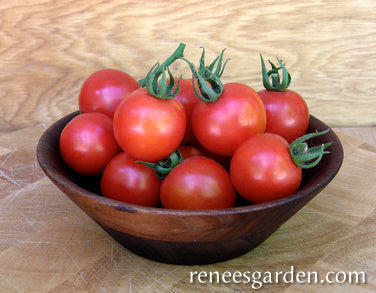
Heirloom Tomato Chadwick's Cherries
STARTING SEEDLINGS
Start indoors about 6 to 8 weeks before outdoor night temperatures are reliably in the 55° (13°C) range. Sow seeds 1/4 inch deep and 1 inch apart in a container of seed starting mix. Keep moist but not soggy and very warm, 80°F (27°C). Provide a strong light source until seedlings are ready to plant outside. When they are 2 inches tall, transplant into 4 inch pots, burying stems up to base of leaves. Maintain around 70°F (21°C). Feed with half-strength fertilizer every 2 weeks until weather is warm enough to gradually acclimate seedlings to outdoor conditions. Transplant these vigorous indeterminate climbers 3 feet apart into rich soil in full sun.
HARVEST AND USE
Pick fruits when fully red for best flavor. Enjoy for sweet snacks right out of the garden, in salads or stuffed with herbed cream cheese. For a delicious side dish, briefly sauté Chadwick's Cherries in a garlicky olive oil, then sprinkle with chopped fresh chives and basil.
GROWING NOTES
Prepare soil well with aged manure or compost. Plant tomatoes several inches deeper than they were growing in pots. Provide strong stakes or tall wire cages at planting time as plants grow tall with heavy fruit loads. Mulch to provide the even moisture that prevents cracking. Don’t overwater once fruit begins to ripen.Regular price $4.89Sale price $4.89Unit price per -
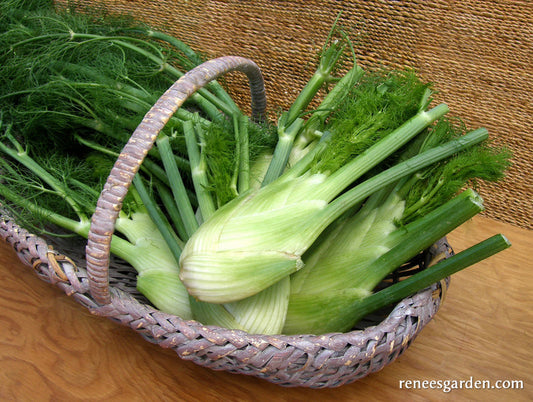
Heirloom Bulbing Fennel Romanesco
STARTING SEEDLINGS
In early spring when danger of hard frost is over, sow seeds in well-worked, fertile soil in full sun. Space seeds 4 inches apart in rows 12 inches apart and cover seed 1/2 inch deep. Carefully thin when seedlings are large enough to handle to stand 10 to 12 inches apart so bulbs have room to grow and mature. Or start seeds indoors in a container of seed starting mix. Keep moist and provide a strong light source until seedlings are 3 or 4 inches tall and ready to transplant as above.
GROWING NOTES
For tender, best quality bulbs, fennel needs rich soil and cool growing weather, so sow seeds as early as the ground can be worked and again in midsummer for fall harvesting. Be sure seedlings are thinned or transplanted 10 to 12 inches apart. Keep plants evenly moist throughout the growing season – mulching is a good strategy. Fennel is a heavy feeder, so fertilize every 2 to 3 weeks with a high nitrogen fertilizer such as fish emulsion.
HARVEST AND USE
When bulbs are full and plump, cut them off at soil level. Trim the feathery leaves down to the solid base. Slice the crispy bulbs and add to salads, or eat with dips, or grill or sauté. The leafy tops are a great seasoning for seafood, especially salmon. Fennel’s flavor is like sweet anise/ celery that becomes deeper and richer with cooking.
Regular price $4.89Sale price $4.89Unit price per -
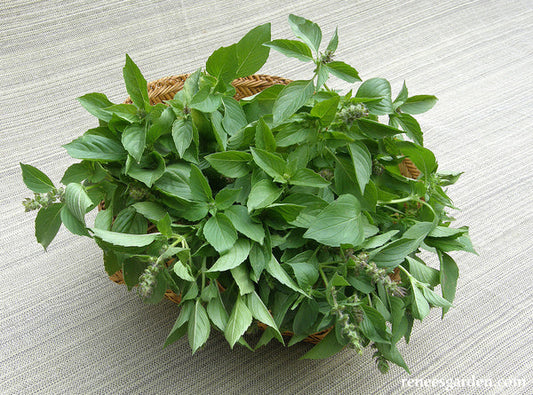
Heirloom Herbs Mrs. Burns' Lemon Basil
TO PLANT DIRECTLY IN THE GARDEN
In late spring when night temperatures stay above 50°F (10°C), sow seeds 1 inch apart in well-worked, fertile soil in full sun. Cover 1/2 inch deep, firm soil and keep seedbed moist. Germination takes 1 to 2 weeks. After seedlings are well established, thin or transplant 6 to 8 inches apart to allow plants room to mature.
TO START EARLY INDOORS
Sow thinly in a container of seed starting mix, 4 to 6 weeks before last expected frost. Keep warm and evenly moist, and provide a good light source. When seedlings are large enough to handle and weather is warm and settled, acclimate gradually to outdoor conditions before planting in the garden.
GROWING NOTES
Remember – it is critical to plant basil in the garden only after late spring day and nighttime temperatures stay above 50°F (10°C). Pinch off growing tips when plants are 6 to 8 inches tall to encourage branching. Harvest sprays of leaves by cutting stems just above two new sprouting lateral branches to get lush regrowth. Keep flower buds pinched off to extend harvesting and feed and water regularly to promote new growth.Regular price $2.99Sale price $2.99Unit price per -
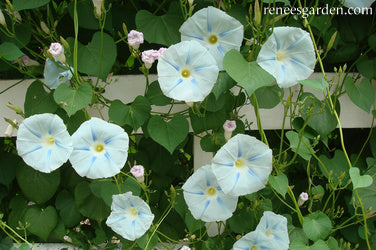
Heirloom Morning Glory Glacier Star
ANNUAL VINE
Summer/fall bloom
Frost tenderTO START OUTDOORS
In late spring, once weather is warm and settled and nights stay above 50°, sow seeds in a sunny spot in ordinary garden soil 2 to 3 inches apart and 1⁄2 inch deep. Firm soil over seeds.
TO START EARLY INDOORS
Sow indoors 4 or 5 weeks before last expected frost in individual 4-inch pots of seed starting mix. Cover 1/2 inch deep and keep warm and moist. Provide a strong light source until seedlings are ready to plant outdoors. Transplant very carefully once nights stay above 50° and before seedling roots get crowded. Thin or transplant seedlings to 6 to 8 inches apart so vines have room to grow; avoid disturbing roots as much as possible if transplanting.
GROWING NOTES
Erect well-anchored supports at least 8 feet tall at planting time; strong netting or a sturdy trellis serve well to hold these vigorous climbers. Flowers begin in midsummer, once days begin to shorten. Morning glories will bloom hard until the sun is strong each day; longer on cloudy days. Combine with climbing Moonlight nasturtiums or Purple Hyacinth beans for a striking show of iridescent beauty.
Regular price $2.99Sale price $2.99Unit price per