Heirloom Selections
Old Varieties with Exceptional Beauty and Flavor
Our heirloom selections have been preserved and kept true to their beloved local history, often exhibiting unusual colors, shapes or flavors.
-
Heirloom Tomato Black Cherry
STARTING SEEDLINGS
Start indoors about 6 to 8 weeks before outdoor night temps are reliably in the 55°F(13°C) range. Sow seeds 1/4 inch deep and 1 inch apart in a container of seed starting mix. Keep moist but not soggy, and very warm, 80°F (27°C). Provide a strong light source until seedlings are ready to plant outside. When they are 2 inches tall, transplant into 4 inch pots, burying stems up to base of leaves. Maintain around 70°F (21°C). Feed with half-strength fertilizer every 2 weeks until weather is warm enough to gradually acclimate seedlings to outdoor conditions. Transplant these vigorous indeterminate climbers 3 feet apart into rich soil in full sun.
HARVEST AND USE
Pick fruits when fully ripe and colored-up for best flavor. Enjoy for sweet snacks right out of the garden, in salads or stuffed with herbed cream cheese. For a delicious side dish, briefly sauté in a garlicky olive oil, then sprinkle with chopped fresh chives and basil.
GROWING NOTES
Prepare soil well with aged manure or compost. Plant tomatoes several inches deeper than they were growing in pots. Provide strong stakes or tall wire cages at planting time as plants grow tall with heavy fruit loads. Mulch to provide the even moisture that prevents cracking. Don’t overwater once fruit begins to ripen.
Regular price $4.89Sale price $4.89Unit price per -
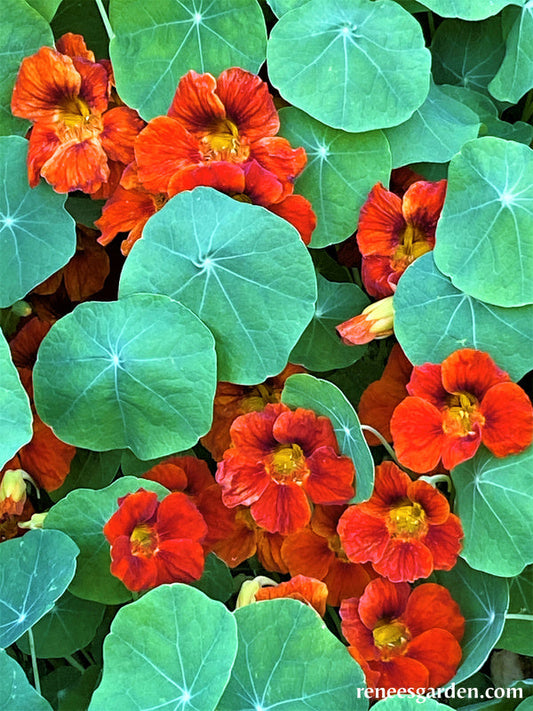
Mounding Nasturtiums Copper Sunset
ANNUAL
Spring/summer/fall bloom
Frost tenderEASY TO START OUTDOORS
Sow seeds in spring once all danger of frost is over in full sun (or part shade in hot climates). Nasturtiums need no added fertilizer in most soils. Poke seeds into well-worked soil about 1 inch deep and 3 to 4 inches apart. Press soil firmly over the seeds and keep moist. When seedlings are large enough to handle, thin to 10 inches apart as mounding plants need ample room.
TO START EARLY INDOORS
Sow 2 seeds each in individual 4 inch pots of well-drained seed starting mix 3 weeks before last expected frost date. Cover 1 inch deep. Provide a strong light source. When seedlings have several sets of leaves pinch out the weaker seedling, leaving one per pot. When night temperatures are above 50°F (10°C), gradually acclimate to outdoor conditions. Transplant seedlings into the garden 10 inches apart in full sun.
GROWING NOTES
These brilliantly colored mounding nasturtiums are reliable and easy to tuck into any well-drained spot. Except in very poor soil, nasturtiums will grow and bloom readily with no added fertilizer. Carefully thinned to proper spacing, they are a perfect disguise to cover fading bulb foliage in late spring and their softly draping leaves and vivid flowers will quickly fill garden beds or containers.
Regular price $3.99Sale price $3.99Unit price per -
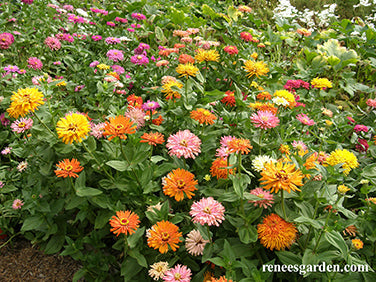
Cactus Zinnias Heirloom Raggedy Anne
ANNUAL
Summer/fall bloom
Frost tenderTO START DIRECTLY IN THE GARDEN
Sow seeds in a well-worked seedbed in full sun when danger of frost is past and weather is warm and settled. Space seeds 2 to 3 inches apart in rows 12 inches apart, cover about 1/2 inch deep and gently firm soil. Keep soil evenly moist while awaiting germination.
TO START EARLY INDOORS
One month before last frost date, sow seeds 1/2 inch deep and 3 inches apart in a container of seed starting mix. Keep moist and provide a strong light source until seedlings are ready to plant out. Gradually acclimate to outdoor conditions before transplanting.
THIN OR TRANSPLANT
Space seedlings 10 to 12 inches apart to give plants room to mature.
GROWING NOTES
Zinnias grow effortlessly in ordinary garden soil in full sun. For large and abundant flowers, thin before seedlings get crowded; adequate spacing and regular even watering will ensure free flowering and discourage mildew. Pick flowers often by cutting long stems well back into the plant to keep them branching from below and producing best blooms for bright summer-long bouquets.Regular price $2.99Sale price $2.99Unit price per -
California Poppies Tequila Sunrise
PERENNIAL/GROWN AS ANNUAL
Spring/Summer bloom
Can handle light frostBEST TO START DIRECTLY IN THE GARDEN
Sow seeds directly into a finely textured, well drained garden bed in full sun as early in spring as the ground can be worked. Plant as early as possible in spring, as poppies can handle light frost and bloom best and longest when plants get a good start in cool weather. In mild winter climates, Poppies can also be sown in late fall to overwinter for spring bloom.
Except in very poor soil, these California poppies will grow and flower readily with no added fertilizer. Space seeds several inches apart, cover 1/4 inch deep, and firm soil gently. Keep soil moist as seedlings emerge. Weed young seedlings carefully. If seedlings come up very thickly, thin poppies early but delay final thinning until seedlings are well established in spring. Final spacing should be 3 to 4 inches apart as plants need room to grow and bloom.
GROWING NOTES
When mature, poppy plants can handle dry conditions, but they will always bloom longer if regularly watered. Poppies are pretty cut flowers if brought indoors just as buds begin to open. At season’s end, allow spent flowers to form pods and drop seed if you want poppies to self-sow for next years flowers.Regular price $3.39Sale price $3.39Unit price per -
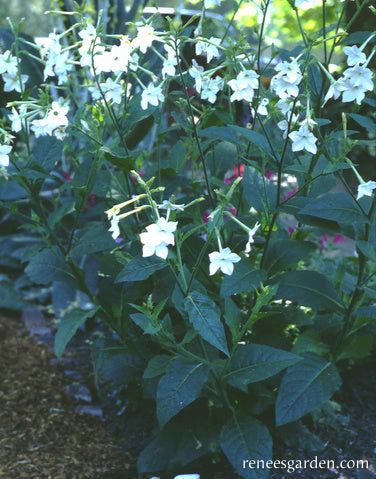
Heirloom Nicotiana Jasmine Alata
PERENNIAL GROWN AS ANNUAL
Summer/fall bloom
Can handle light frostTO START OUTDOORS
Sow seed directly into a finely textured, well-worked garden bed in sun or in partial shade once danger of spring frost is past. Cover very lightly and keep moist as seedlings emerge. Weed and water young seedlings carefully and thin to stand 1 1/2 to 2 feet apart before they get too crowded.
TO START EARLY INDOORS
Start seed indoors 6 to 8 weeks before last spring frost date. Sow seeds as thinly as possible in a container of seed starting mix and cover very lightly. Keep moist but not soggy, and provide a strong light source until seedlings are ready to plant outdoors after gradually acclimating to outdoor conditions. Thin or transplant seedlings 1 1/2 to 2 feet apart to allow room to grow.
GROWING NOTES
Nicotiana grows well in sun but can tolerate shade, especially during the afternoon. In mild areas, plants will winter over; cut back in fall for spring regrowth and early bloom. Plant them with other showy annuals like cosmos or cleome for an old-fashioned country garden.
Regular price $2.99Sale price $2.99Unit price per -
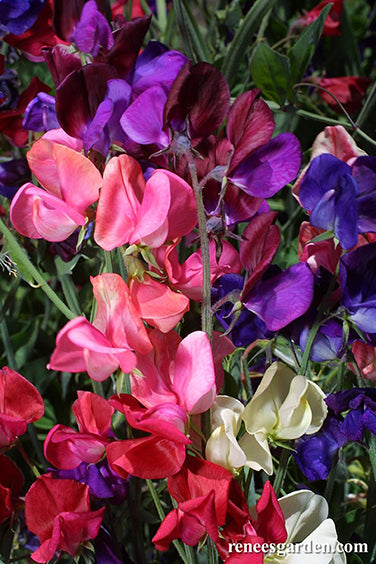
Heirloom Sweet Peas Queen of the Night
ANNUAL CLIMBING VINE
Spring/summer bloom
Frost tolerantEASIEST TO START OUTDOORS
Sweet peas must have well drained soil, so dig deeply and enrich with aged manure or compost before sowing seeds. Erect a well-anchored trellis, vertical netting or other support for vines before planting. Sow seeds in full sun in cool early spring weather as early as the ground can be worked. In mild winter areas, where the ground does not freeze, plant in fall after Labor Day; seeds will germinate and form strong root systems, then overwinter to bloom strongly in spring. Plant seeds 1 inch deep and 2 to 3 inches apart. When seedlings are 2 inches tall, thin them 4 to 5 inches apart, to allow plants room to mature.
GROWING NOTES
Sweet peas bloom best before the weather gets too hot, so if spring planting, sow as soon as ground can worked. Where summer heat comes on fast, they’ll appreciate a spot with afternoon shade. Anchor supports well as vines will grow heavy with bloom. Protect seedlings from birds, slugs and snails. Mulch and keep well watered. For longest bloom, pick flowers often and keep faded blossoms cut.Regular price $3.99Sale price $3.99Unit price per -
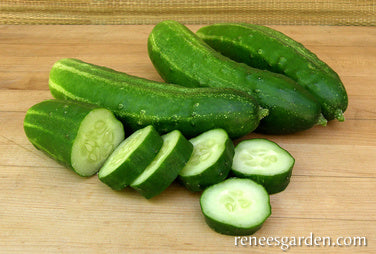
Heirloom Slicing Cucumber Straight Eight
START SEEDS OUTDOORS
Plant heat loving cucumbers only when weather is warm and settled and night temperatures stay above 50°F (10°C). Amend soil well with aged manure or compost. Sow groups of 2 to 3 seeds 1 1/2 feet apart and 1 inch deep with 3 feet between rows. Or make slightly mounded hills 5 feet apart, sowing 5 or 6 seeds in each hill. Thin to the 3 strongest plants.
GROWING NOTES
Protect seedlings from marauding birds with plastic berry baskets, removing before plants get crowded. Shallow rooted cucumbers need ample and consistent moisture. Avoid overly wet or dry periods for good quality fruit. Growing cucumber vines up vertical supports gives you long straight fruits, saves garden space and makes them easy to harvest.
HARVEST AND USE
Cut rather than pull fruits from vines before seeds are large inside. Harvest every few days for longest fruit production. These juicy, tender cucumbers are perfect to slice and enjoy for refreshing snacks, in salads and sandwiches. Eat within a day or two of picking for best taste and quality.
Regular price $4.89Sale price $4.89Unit price per -
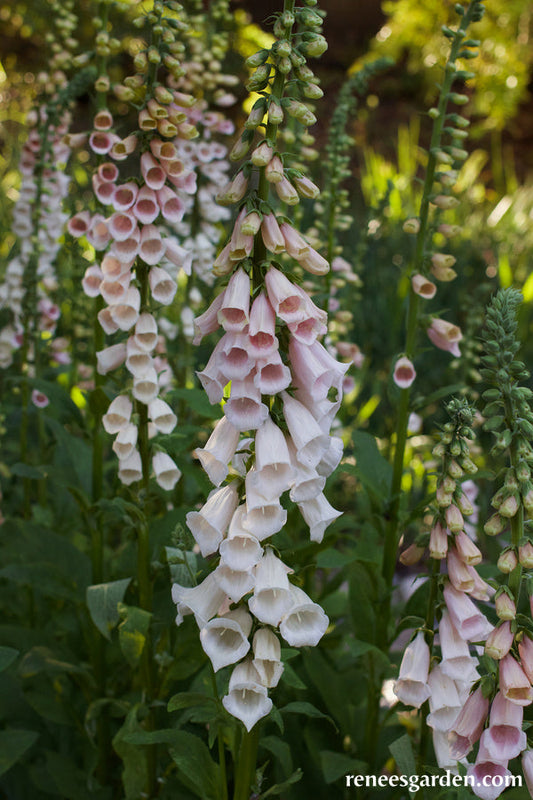
Heirloom Apricot Foxglove Faerie Queen
BIENNIAL
Spring/Summer bloom
Frost hardyBEST TO START SEEDS INDOORS
Sow seeds as thinly as possible in a container of seed starting mix. Cover 1/8 inch deep with mix, keep moist and between 60-70°F (16-21°C). Provide a strong light source until seedlings are ready to plant into the garden. Feed every 2 weeks with half-strength fertilizer. Once seedlings are large enough to handle, transplant 2 to 3 inches apart into a deeper container or individual pots so root systems have room to develop. When plants are 3 to 4 inches tall, gradually acclimate to outdoor conditions and plant out in well-drained soil. Thin or transplant seedlings 18 to 24 inches apart so they have room to mature.
GROWING NOTES
Foxgloves do well in dappled sunlight all day or full morning sun. In mild summer areas, they handle full sun all day. Foxgloves appreciate rich fertile soil and consistent moisture. Cut spent flower stalks back to the base of the plant to encourage repeat bloom and flowering side shoots. These biennial plants need the winter season’s cold to initiate flowering, so sow seeds any time from spring to midsummer to have well-established seedlings for bloom the following spring.
Regular price $3.39Sale price $3.39Unit price per -
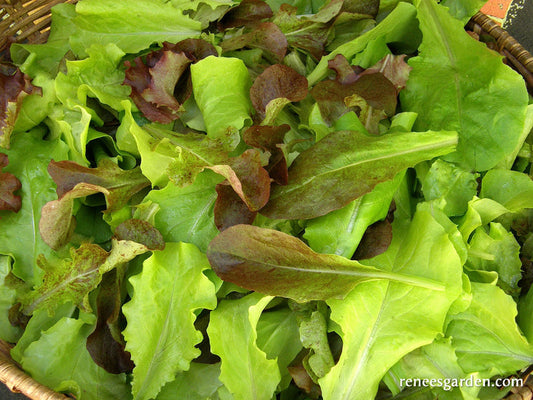
Cut & Come Again Lettuces Renee's Baby Leaf Blend
START SEEDS OUTDOORS
In early spring, sow seeds in finely worked soil in full sun. Shake seeds from the palm of your hand, broadcasting them about a half inch apart over the entire seedbed or in wide rows, and cover lightly and evenly with 1/4 inch of fine soil. Firm soil gently and water in with a fine spray. Keep seed bed evenly moist. Make small successive sowings until summer weather turns hot for a constant supply. Plant again in late summer for ample fall harvesting.
GROWING NOTES
This baby leaf blend thrives in mild weather with consistent moisture. To extend the sowing season into hot weather, sow in light shade or erect a canopy of loosely woven shade cloth over the seed bed. Birds are often attracted to tender young seedlings so protect them if necessary.
HARVEST AND USE
To harvest by the “cut and come again” method, wait until plants are 4 or 5 inches tall. Cut as much as you need, using scissors to shear off a patch of leaves 1 to 2 inches above the soil level. Water well and fertilize lightly and plants will regrow for several more cuttings. Dress with a simple vinaigrette to set off the wonderful colors, diverse fresh flavors and delicate textures of this delicious salad mix.
Regular price $4.89Sale price $4.89Unit price per -
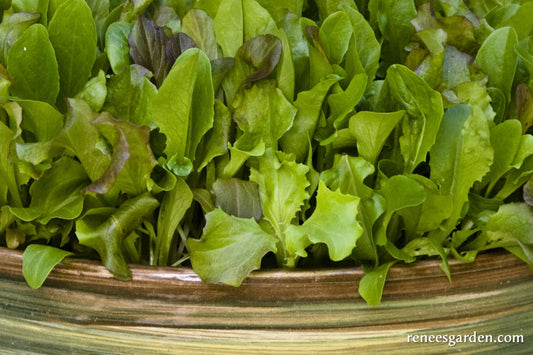
Baby Mesclun Lettuces Cut and Come Again
START SEEDS OUTDOORS
In early spring, sow seeds in finely worked soil in full sun. Shake seeds from the palm of your hand, broadcasting them about a half inch apart over the entire seedbed or in wide rows, and cover lightly and evenly with 1/4 inch of fine soil. Firm soil gently and water in with a fine spray. Keep seedbed evenly moist. Make small successive sowings until summer weather turns hot for a constant supply. Plant again in late summer for ample fall harvesting.
GROWING NOTES
This mesclun mix thrives in mild weather with consistent moisture. To extend the sowing season into hot weather, sow in light shade or erect a canopy of loosely woven shade cloth over the seed bed. Birds are often attracted to tender young seedlings so protect them if necessary.
HARVEST AND USE
Begin harvesting by the “cut and come again” method when plants are 4 or 5 inches tall. Cut as much lettuce as you need, using scissors to shear off a patch of leaves 1 to 2 inches above the soil level. Water well and fertilize lightly and plants will regrow for several more cuttings. Dress with a simple vinaigrette to enjoy the sweet flavor and juicy texture of these delicate young leaves at their best.
Regular price $3.39Sale price $3.39Unit price per -
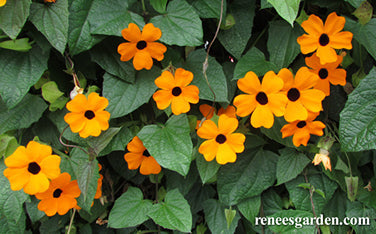
Old-Fashioned Thunbergia Black-Eyed Susan Vine
ANNUAL VINE
Summer/fall bloom
Frost tenderTO START OUTDOORS
In late spring, once weather is warm and settled and nights stay consistently above 50°F (10°C ), plant seeds in a sunny, sheltered spot in well-drained, fertile garden soil 6 inches apart and ½ inch deep. Provide supports at planting time. Keep soil moist but not soggy while awaiting germination, which can be somewhat slow and erratic.
TO START EARLY INDOORS
Sow indoors 5 to 6 weeks before last expected frost in individual pots of seed starting mix. Cover ½ inch deep and keep warm and moist. Provide a strong light source until seedlings are ready for outdoor planting. Once nights stay consistently above 50°F (10°C), transplant outdoors, 6 inches apart, being careful not to disturb delicate roots.
GROWING NOTES
These plants grow best in a sheltered spot, out of the wind. Thunbergia germinates and grows slowly at first, then begins to twine and develop flowers at midsummer. It is a charming choice for hanging baskets, where the vines will grow up and form a pyramid of bloom (plant four seedlings in a 10 to 12 inch diameter basket and feed regularly). Or, grow the vines up a trellis or arbor for a lovely effect.Regular price $3.99Sale price $3.99Unit price per -
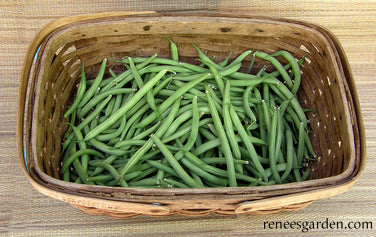
Heirloom Bush Beans Provider
START SEEDS OUTDOORS
In spring, once weather is warm and settled and night temperatures stay securely above 55°F (13°C) plant seeds in well-worked, fertile soil in full sun. Poke seeds in 1 inch deep and 4 inches apart in rows 1½ to 2 feet apart. Make several sowings 2 to 3 weeks apart until the end of June to provide long continued harvests.
GROWING NOTES
Tender crispy garden beans are an easy and reliable crop to grow, but don't plant seeds too early as cold conditions prevent good germination. If first sowing comes up unevenly, replant right away; new seedlings will catch up quickly. Birds are often attracted to young bean seedlings, so watch carefully and protect with netting or floating row covers if necessary. Avoid cultivating plants or picking pods when plants are wet.
HARVEST AND USE
The vigorous plants bear strong harvests of top quality pods that hold well without getting stringy. The more you pick, the more the plants will produce, and the nitrogen fixing bacteria on the roots of bean plants actually improves your soil. Sow another crop about three weeks after your first planting and you’ll have a welcome second harvest in late summer. Enjoy tasty Provider beans cooked just until tender crisp. The pods also freeze well if blanched first.
Regular price $4.89Sale price $4.89Unit price per -
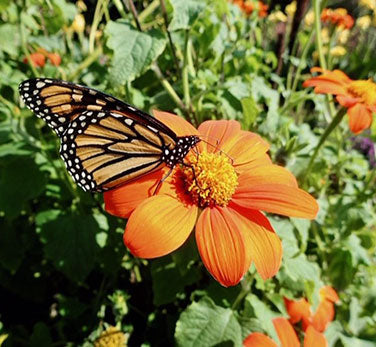
Butterfly Flowers Heirloom Torch Tithonia
ANNUAL
Summer/fall bloom
Frost tenderTO START OUTDOORS
In spring when all danger of frost is past and weather is warm and settled, sow seeds in well-worked soil in full sun. Space seeds 2 to 3 inches apart in rows 12 inches apart, cover 1/2 inch deep and gently firm soil. Keep soil evenly moist while awaiting germination in 7 to 10 days.
TO START EARLY INDOORS
Four to five weeks before last frost date, sow seeds 1/2 inch deep and 1 inch apart in well drained seed starting mix. Keep warm and moist and provide a strong light source until seedlings are well established and ready to plant outdoors.
THIN OR TRANSPLANT
Space seedlings 10 to 12 inches apart when seedlings are large enough to handle to give these big plants room to mature.
GROWING NOTES
Tithonia grows readily in ordinary garden soil in full sun. Use as a living hedge or garden screen, especially effective with brightly colored zinnias planted in front of them. Kept well watered and weeded when young, mature plants can handle hot and dry conditions well. Given plenty of space, vigorous Tithonia plants will need no staking.Regular price $2.99Sale price $2.99Unit price per -
Pollinator Sunflowers Lemon Queen
ANNUAL
Summer/fall bloom
Frost tenderEASIEST TO DIRECTLY PLANT OUTDOORS
Plant in full sun in good garden soil only when weather is warm and settled, all danger of frost is past and both days and nights are evenly in the 50°F (10°C) range. Poke individual seeds into well-worked soil about 1/2 in. deep, 4 to 5 in. apart. Press the soil firmly over the seeds and keep the seedbed evenly moist until seedlings emerge in 8 to 10 days.
Important: when the seedlings are well-established, carefully thin them to a final spacing of 1 foot apart; this way they will have enough room to develop sturdy stalks that won’t blow over and big clusters of flowers. Any extra seedlings you remove can be transplanted elsewhere in the garden or potted up and given to friends.
GROWING NOTES
Growing these colorful sunflowers for pollinators and bouquets is both easy and rewarding. Make several sowings several weeks apart and you’ll have a succession of flowers in full bloom. Keep soil moist and well weeded and protect very young seedlings from birds with bird netting held tautly above the seedbed with supports, or use plastic berry baskets, removing baskets before plants get crowded.Regular price $3.39Sale price $3.39Unit price per -
Heirloom French Pumpkins Cinderella's Carriage
BEST TO START OUTDOORS
Pumpkins need full sun, rich fertile soil and warm temperatures. Plant only when night temperatures are above 50°F (10°C). Sow groups of 3 seeds 3 feet apart and 1 inch deep in rows 4 feet apart. Thin to 1 strong seedling per group. Or, make circular soil mounds 3 feet across. Plant 6 seeds, 6 inches apart in center of each mound. Thin to the strongest 3 seedlings in each mound, so vigorous vines have room to grow and fruit.
GROWING NOTES
Plant pumpkins where the vigorous vines can sprawl. Protect young seedlings from marauding birds by covering with berry baskets at sowing time, removing before plants get crowded. Give vines ample water and feed several times for best yields.
HARVEST AND USE
These big plump beauties need to mature properly before harvest. Wait to pick until their rinds are fully deep orange and tough enough to resist piercing with a fingernail. Cut from vines, leaving good stem handles. Let cure in the sun for 10 days then store in a cool dry place and they’ll keep for months. Steam or bake the rich orange flesh for baked goods, soups or casseroles. Or hollow out the inside and use the ornamental pumpkin whole as a show-stopping serving dish for soup or stew.Regular price $4.39Sale price $4.39Unit price per -
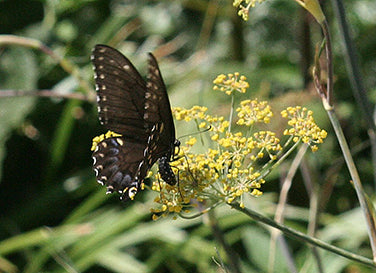
Butterfly Flowers Swallowtail Fennel
PERENNIAL
USDA zone 5-9
TO PLANT DIRECTLY IN THE GARDEN
In spring when danger of hard frost is past, sow seeds 1 inch apart in finely worked, well-drained, fertile soil in full sun. Cover 1/2 inch deep, firm soil and keep seed bed moist. Germination takes 2 to 3 weeks. After seedlings are well established, carefully thin or transplant 1 1/2 feet apart to allow plants room to mature.
TO START EARLY INDOORS
Sow thinly in a container of seed starting mix, 4 to 6 weeks before last expected frost. Keep warm and evenly moist, and provide a good light source. When seedlings are 3 to 4 inches tall, acclimate gradually to outdoor conditions before carefully transplanting as above.
GROWING NOTES
Plant in very well-drained soil. Seedlings grow slowly at first; watch out for them closely as their bronze color makes them easy weed out by accident.
The branching feathery fronds crowned by intricate yellow flowers provide valuable nectar and pollen to a wide range of butterflies, ladybugs, lacewings and other beneficial insects. Colorful blue-green, and copper-bronze foliage is a beautiful contrast with the green foliage and bright colors of summer annuals.
Regular price $3.69Sale price $3.69Unit price per -
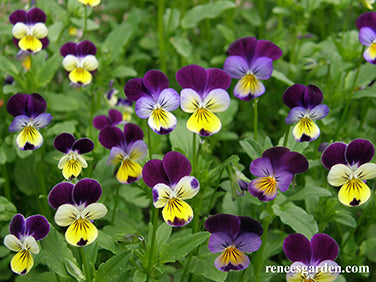
Heirloom Edible Flowers Grandma's Johnny Jump Ups
PERENNIAL GROWN AS ANNUAL
Spring bloom
Can handle frostBEST TO PLANT DIRECTLY IN THE GARDEN
In Mild Winter Climates, sow seeds in fall and they will form deep roots over winter for a long spring bloom.
In Cold Winter Areas, sow in spring as soon as soil can be worked.
Violas can handle light frosts and bloom best when they get a good start in cool spring weather. Sow seeds 1 inch apart in well-drained soil in full sun. Cover 1/4 inch deep, firm soil and keep seed bed moist. Be patient; germination takes 14 to 21 days. When large enough to handle, thin or transplant seedlings to 4 to 5 inches apart.
To Start Early Indoors: Sow seeds 1 inch apart in seed starting mix, 8 to 10 weeks before last frost. Cover 1/4 inch deep, keep moist & provide a good light source until ready to plant outside when weather warms up. Transplant 4 to 5 inches apart when large enough to handle.
GROWING NOTES
These carefree plants are covered with cheerful flowers throughout spring & early summer. After initial flowering, cut plants back to several inches tall for another flush of bloom if the weather is not too hot. In milder climates, Johnny Jump Ups will self sow readily & come back each season. The dainty edible blossoms taste of wintergreen. They make great garnishes & are also perfect for candying.Regular price $3.39Sale price $3.39Unit price per -
Heirloom English Thyme
BEST TO PLANT INDOORS
Sow thyme in early spring in a container of seed starting mix. Cover seeds very lightly and keep evenly moist but not soggy until seedlings emerge in 14 to 21 days. Provide a good light source. Transplant when seedlings are about 2 inches tall after gradually acclimating to outdoor conditions.
TO START IN THE GARDEN
Plant thyme after soil has warmed up in spring in a finely textured seed bed with good drainage in full sun. Sow very thinly, cover seed lightly and be careful to keep the seed bed evenly moist and well weeded while seedlings are young.
THIN OR TRANSPLANT
Space clusters of 3 seedlings 8 to 10 inches apart when large enough to handle.
GROWING NOTES
Given a sunny location with good drainage, easy-growing thyme plants are reliable productive and long-lived garden perennials. Little lilac flowers bloom in midsummer; cut back foliage halfway when the blossoms fade to keep plants looking fresh. Cut leafy thyme sprigs as needed once plants are well established.Regular price $4.89Sale price $4.89Unit price per -
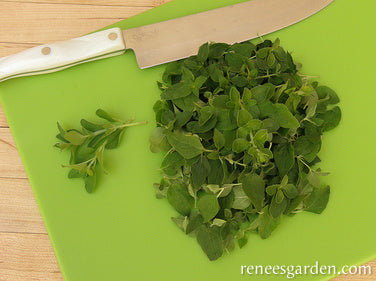
Kitchen Herbs Heirloom Italian Oregano
PERENNIAL
Spring/summer/fall harvest
Frost hardyTO PLANT DIRECTLY IN THE GARDEN
When warm spring weather arrives, sow in full sun in a well worked, finely textured seed bed with good drainage. Sow thinly, then water very gently for good soil contact, but do not cover seeds. Tend carefully: keep soil evenly moist but not soggy and well weeded.
TO START INDOORS
Sow seed in early spring in a container of seed starting mix. Press gently into moistened soil mix, but do not cover. Provide a good light source. Keep evenly moist as seedlings slowly emerge in 10 to 21 days. Transplant when 1 to 2 inches tall after gradually acclimating to outdoor conditions.
THIN OR TRANSPLANT
Thin or space seedlings 10 inches apart when they are large enough to handle.
GROWING NOTES
Mix tiny seeds with dry sand to help space seedlings. Young plants grow slowly at first; a good hot spell encourages strong growth. Pick leaves lightly the first season; wait until the second summer to make bigger harvests. For best leafy growth, cut sprays of purple blossom to enjoy in the kitchen. Given good drainage, this carefree Mediterranean native is hardy and long-lived.Regular price $2.99Sale price $2.99Unit price per -
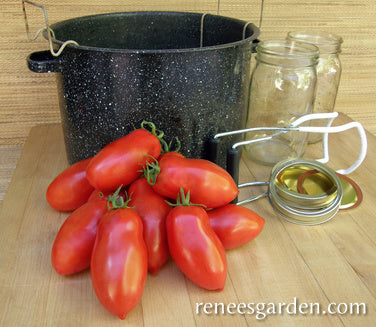
Heirloom Sauce Tomato Italian San Marzano
STARTING SEEDLINGS
In early spring, start indoors about 6 to 8 weeks before outdoor night temperatures are reliably in the 50-55°F (10-13°C) range. Sow seeds 1/4 inch deep and 1 inch apart in a container of seed starting mix. Keep moist but not soggy, and very warm, 80°F (27°C). Provide a strong light source until seedlings are ready to plant outside.
When 2 inches tall, transplant into individual 4-inch pots, burying stems up to base of leaves. Maintain at 70-75°F (21-24°C). Feed with half-strength fertilizer every 2 weeks until ready to plant, then gradually acclimate seedlings to outdoor conditions. When nights reach 55°F (10°C), transplant 3 feet apart into rich soil in full sun.
GROWING NOTES
Prepare soil well with aged manure or compost. Plant several inches deeper than seedlings were growing in containers. Provide strong stakes or tall wire cages at planting time. Mulch to provide even moisture retention; don’t overwater once fruit begins to ripen.
HARVEST AND USE
These plump, sausage-shaped tomatoes are good fresh eating as well as traditional and perfect for making thick rich sauce. Big harvests of whole ripe fruits can be frozen in ziplock bags to make sauce later at your leisure.Regular price $4.89Sale price $4.89Unit price per -
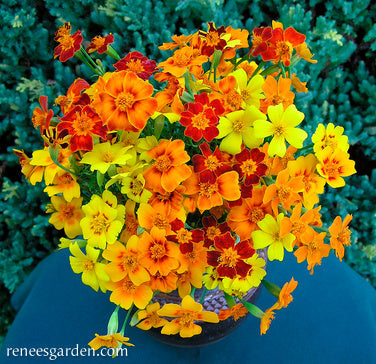
Petite Marigolds Heirloom Signet Starfire
ANNUAL
Summer/fall bloom
Frost tenderTO PLANT OUTDOORS
Sow seeds directly into well-worked garden soil in full sun once all danger of frost is past. Space seeds 2 to 3 inches apart and cover about 1/4 inch deep. Keep soil evenly moist while awaiting germination in 5 to 7 days.
TO START EARLY INDOORS
Sow seeds 1 inch apart in a container of well-drained seed starting mix 4 to 6 weeks before last expected frost date. Cover 1/4 inch deep, keep moist and provide a strong light source until ready to go outside. Transplant once weather warms up after gradually acclimating seedlings to outdoor conditions. Thin or transplant 8 to 10 inches apart when seedlings are large
GROWING NOTES
These compact and cheerful antique marigolds are quick to bloom, carefree and non-fussy. Their profusion of dainty blooms and feathery aromatic foliage are perfect for planters in sunny spots, or edging garden beds. Feed and water regularly especially if planting in containers. Consider a second sowing before midsummer for a long season of appealing old-fashioned flowers.
Regular price $2.99Sale price $2.99Unit price per -
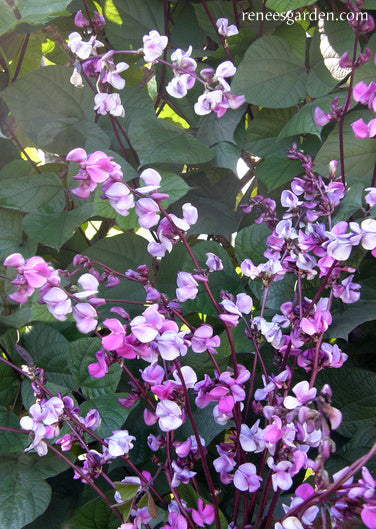
Heirloom Flowering Vine Purple Hyacinth Bean
ANNUAL VINE
Summer/fall bloom
Frost tenderTO START DIRECTLY IN THE GARDEN
In late spring once weather is warm and settled and nights stay above 50°F (10°C), plant seeds in a sunny spot in ordinary garden soil 6 inches apart and 1 inch deep. Firm soil over seeds. Keep seedlings well weeded and watered.
TO START EARLY INDOORS
Sow indoors 4 weeks before last expected frost in individual pots of seed starting mix. Cover 1 inch deep and keep warm and moist as seedlings emerge over 7 to 10 days. Provide a strong light source until seedlings are ready to plant outdoors.
Transplant very carefully once nights stay above 50°F (10°C) before plants get too crowded. Space seedlings 6 to 8 inches apart. Avoid disturbing roots as much as possible when transplanting.
GROWING NOTES
Erect heavy netting, a strong trellis or a sturdy open wood or wire fence 8 to 10 feet tall at planting time to support these warm weather climbers. Guide the first young tendrils to twine onto supports. Combine with morning glories or climbing nasturtiums for a glorious summer display of flowers and pretty pods.
Regular price $3.99Sale price $3.99Unit price per -
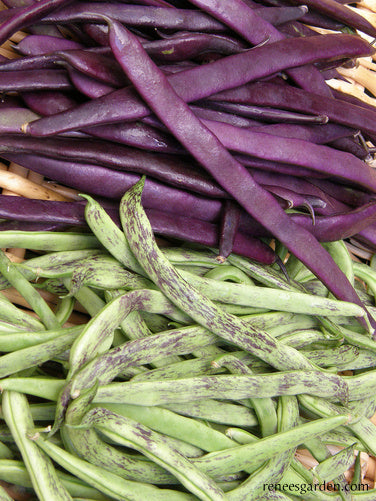
Heirloom Pole Beans Rattlesnake & Purple Pole
START SEEDS OUTDOORS
In spring once weather is warm and settled and night temperatures stay securely above 55°F (13°C), plant seeds in well-worked, fertile soil in full sun. Erect strong stakes, tripod poles, or trellis at planting time for support. Plant seeds 1 inch deep and 4 inches apart along a trellis, or if planting around tripods or stakes, plant 4 to 6 seeds 4 inches from each pole, thinning seedlings to 3 best plants.
GROWING NOTES
Beans are easy to grow, but wait until spring weather is warm both night and day to plant them, because cold conditions prevent good germination. If first sowing comes up unevenly, replant right away; new seedlings will catch up quickly. Birds are often attracted to young bean seedlings, so watch carefully and protect with netting or floating row covers if necessary. Avoid cultivating plants or picking pods when plants are wet.
HARVEST AND USE
Both these heirloom pole varieties are heavy bearers, so harvest pods often. The more you pick, the more plants will produce. Harvest for snap beans when pods are well filled out, but bean seeds have not swelled in the pods. Cook just until tender to enjoy best flavor and texture. For dried beans, let some of the Rattlesnake bean pods fully mature and dry on the plants if you want to shell out the pretty mottled beans inside to enjoy in dried bean recipes and chili.
Regular price $3.69Sale price $3.69Unit price per -
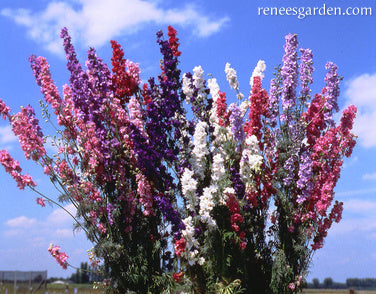
Heirloom Imperial Larkspur French Alouette
HARDY ANNUAL
Spring/summer bloom
Frost hardyBEST TO PLANT DIRECTLY IN THE GARDEN
In mild winter climates, sow seeds in late fall to germinate and form deep roots over the winter for a long spring bloom.
In cold winter areas, sow seed as early in spring as soil can be worked as larkspur can handle frosts and blooms best when started in cool spring weather. Sow seeds 1 inch apart in well-drained soil in full sun. Cover 1/2 inch deep, firm soil and keep moist. Be patient; germination takes 14 to 21 days. After seedlings are well established, about 2 or 3 inches tall, thin to 8 inches apart to allow for good air circulation and discourage disease. Keep plants well watered and weeded for best performance.
GROWING NOTES
Sow seed early when weather is still cool to get sturdy plants that will provide many weeks of bloom. Cut flowering stalks before individual florets begin to drop for graceful indoor bouquets, or air-dry indoors for everlasting arrangements. Larkspur will continue to bloom well into summer if faded flowers are removed.
Regular price $2.99Sale price $2.99Unit price per