Heirloom Flowers
-
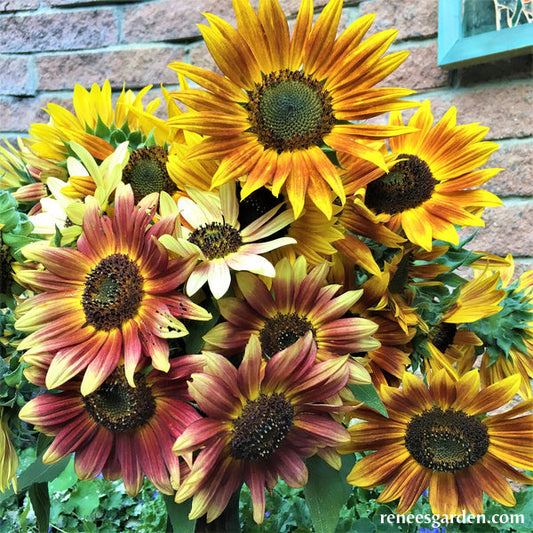
Pollinator & Songbird Sunflowers Paintbox Bouquet
ANNUAL
Summer/fall bloom
Frost tenderEASIEST TO PLANT OUTDOORS
Plant in full sun in good garden soil when weather is warm and settled, all danger of frost is past and both days and nights are evenly in the 50°F (10°C) range. Poke seeds into well-worked soil about 1/2 in. deep, 4 to 5 in. apart. Press soil firmly over seeds and keep moist until seedlings emerge in 8 to 10 days. Important: when seedlings are well-established, thin them to a final spacing of 1 foot apart so plants can grow sturdy stalks and big flowers. Extra seedlings can be transplanted easily.
TO START EARLY INDOORS
Several weeks before last frost date, sow seeds ½ inch deep in individual pots of well-drained seed starting mix. Keep moist and provide a strong light source until seedlings are well established and ready to plant outside. Transplant carefully, disturbing the roots as little as possible. Space seedlings 1 foot apart so plants will have room to grow and mature.
GROWING NOTES
Growing these colorful sunflowers for pollinators and bouquets is both easy and rewarding. Make several sowings several weeks apart to have a succession of flowers in full bloom. Keep soil moist and well weeded and protect very young seedlings from birds with netting or plastic berry baskets, removing before plants get crowded.
Regular price $4.89Sale price $4.89Unit price per -
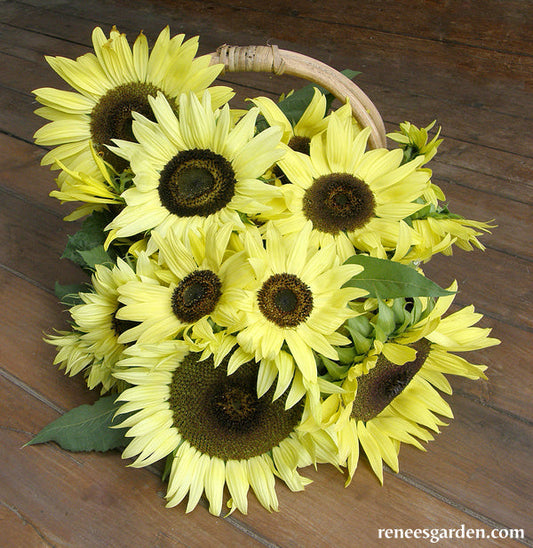
Pollinator Sunflowers Lemon Queen
ANNUAL
Summer/fall bloom
Frost tenderEASIEST TO DIRECTLY PLANT OUTDOORS
Plant in full sun in good garden soil only when weather is warm and settled, all danger of frost is past and both days and nights are evenly in the 50°F (10°C) range. Poke individual seeds into well-worked soil about 1/2 in. deep, 4 to 5 in. apart. Press the soil firmly over the seeds and keep the seedbed evenly moist until seedlings emerge in 8 to 10 days.
Important: when the seedlings are well-established, carefully thin them to a final spacing of 1 foot apart; this way they will have enough room to develop sturdy stalks that won’t blow over and big clusters of flowers. Any extra seedlings you remove can be transplanted elsewhere in the garden or potted up and given to friends.
GROWING NOTES
Growing these colorful sunflowers for pollinators and bouquets is both easy and rewarding. Make several sowings several weeks apart and you’ll have a succession of flowers in full bloom. Keep soil moist and well weeded and protect very young seedlings from birds with bird netting held tautly above the seedbed with supports, or use plastic berry baskets, removing baskets before plants get crowded.Regular price $3.39Sale price $3.39Unit price per -
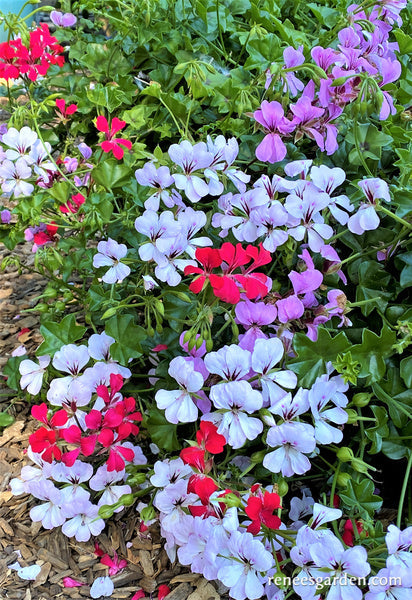
Pelargonium Fancy Pants
PERENNIAL
Spring/summer/fall bloom
Frost tenderBEST TO START SEEDS EARLY INDOORS
In early spring, 8 to 10 weeks before last expected frost, sow seeds 1 inch apart in a container of seed starting mix. Cover lightly, no more than 1/4 inch deep, keep moist and about 65-75°F (18-24°C). Provide a strong light source until ready to plant outdoors. Feed seedlings every 2 weeks with half-strength liquid fertilizer. Once large enough to handle, move seedlings into individual 3-4 inch containers to develop root systems. When weather is above 55°F (13°C) night and day, acclimate 3-4 inch long seedlings outdoors, then transplant into final containers.
CONTAINER GROWING
Choose hanging baskets, pots or windowboxes at least 12-15 inches in diameter and 8-10 inches deep. Fill with well moistened fresh potting mix. Transplant well developed seedlings into containers, spacing them 4 inches apart. Gently water after planting. Keep containers in a filtered sun location or a spot with afternoon shade.
GROWING NOTES
Keep Pelargoniums well watered all summer and mulch pots well to retain soil moisture. Feed them with good all-purpose fertilizer twice a month according to package directions. Remove spent flowers and seedpods to encourage reblooming.
Regular price $4.99Sale price $4.99Unit price per -
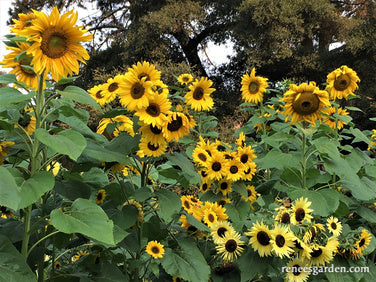
Bonus Pack An Heirloom Sunflower Forest
ANNUAL
Spring/summer bloom
Frost tenderEASIEST TO PLANT OUTDOORS
Plant in full sun in good garden soil only when weather is warm and settled, all danger of frost is past and both days and nights are evenly in the 50°F (10°C) range. Poke individual seeds into well-worked soil about 1/2 in. deep, 4 to 5 in. apart. Press the soil firmly over the seeds and keep the seedbed evenly moist until seedlings emerge in 8 to 10 days.
Important: when the seedlings are well-established, carefully thin them to a final spacing of 1 foot apart; this way they will have enough room to develop sturdy stalks that won’t blow over and big clusters of flowers. Any extra seedlings you need to remove can be transplanted elsewhere in the garden or potted up and given to friends.
TO START EARLY INDOORS
Several weeks before last frost date, sow seeds 1/2 inch deep in individual pots of well-drained seed starting mix. Keep moist and provide a strong light source until seedlings are well established and ready to plant outside. Transplant carefully, disturbing the roots as little as possible. Space seedlings 1 foot apart so plants will have room to grow and mature.
GROWING NOTES
Growing these colorful sunflowers for pollinators and bouquets is both easy and rewarding. Make several sowings several weeks apart and you’ll have a succession of flowers in full bloom. Keep soil moist and well weeded. Protect very young seedlings from bird predation by covering the bed with bird netting held tautly well above seedlings by supports. Or use plastic berry baskets, removing before plants get crowded.
Regular price $8.99Sale price $8.99Unit price per -
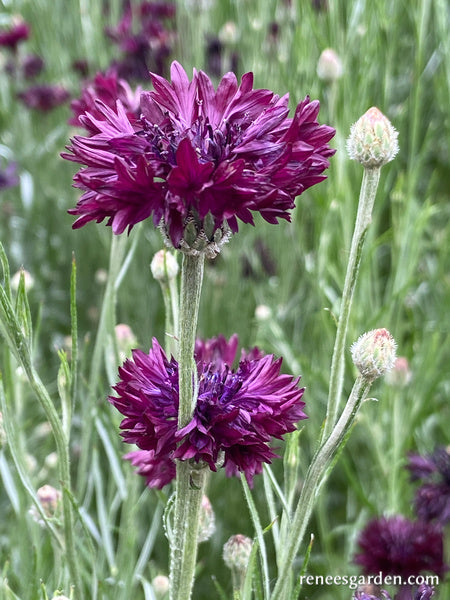
Heirloom Cornflowers Velvet Dawn
HARDY ANNUAL
Spring/summer bloom
Can handle light frostTO START OUTDOORS
Sow seeds in a finely textured garden bed in full sun as soon as soil can be worked. In mild winter areas, where the ground doesn’t freeze, plant in fall for next spring’s bloom. Space seeds 1 to 2 inches apart and cover ½ inch deep. Keep seed bed moist until seedlings emerge in 7 to 10 days. Weed and water carefully. Thin seedlings to 6 to 8 inches apart.
TO START EARLY INDOORS
Sow seeds 1 to 2 inches apart in a container of seed starting mix, 2 or 3 weeks before last expected frost. Cover 1/2 inch deep, keep moist and provide a good light source until seedlings are transplanted outside. Plant 6 to 8 inches apart into fertile garden soil in full sun when plants are 3 to 4 inches tall. Seedlings grow quickly; plant out before the roots get crowded.
GROWING NOTES
In mild winter areas the best Cornflowers (aka Bachelor Buttons) result from seeds sown in fall to bloom the next spring. In cold winter areas where ground freezes, plant in early spring to get sturdy plants that will flower for many weeks if faded blossoms are removed.
Regular price $3.39Sale price $3.39Unit price per -
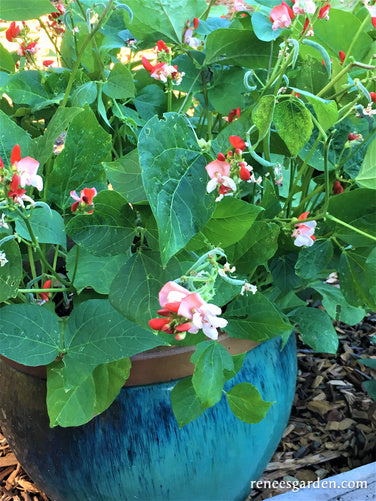
Edible Container Flowers Hestia Dwarf Runner Beans
ANNUAL VINE
Summer/fall bloom with edible pods and seeds
Frost tenderSTART SEEDS OUTDOORS
In spring, be very sure to wait until weather is warm and settled and night temperatures stay above 55°F (13°C), before planting well-worked, fertile soil in full sun. For bed planting, poke seeds in 1 inch deep and 4 inches apart in rows 1 1/2 feet apart.
FOR CONTAINER PLANTING
Choose big pots at least 18 inches tall and 16-20 inches in diameter. Fill pots with fresh, moistened, good-quality potting mix. Sow seeds 3-4 inches apart. Keep soil evenly moist while awaiting germination in 7-10 days. Sow again in different pots a few weeks later for a longer season of bloom.
GROWING NOTES
Protect young seedlings from marauding birds by covering with plastic berry baskets at planting time, removing when plants get crowded. Feed plants once a month with all-purpose fertilizer. Hestia’s blossoms are edible; enjoy as garnishes or or tasty salad additions. At the end of blooming season, let some flowers mature into bean pods and allow beans to completely dry in their pods to harvest and use for dried bean recipes.Regular price $4.39Sale price $4.39Unit price per -
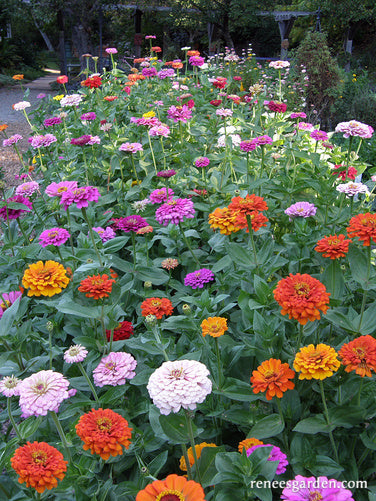
Heirloom Dwarf Zinnias Thumbelina Mix
ANNUAL
Summer/fall bloom
Frost tenderEASIEST TO PLANT OUTDOORS
After danger of frost is past, sow seeds in full sun in well-worked soil. For container sowing, use fresh potting mix. Space seeds 2 inches apart, cover about 1/2 inch deep and gently firm soil. Keep soil evenly moist while awaiting germination. When seedlings are several inches tall, thin to final spacing: For Containers, space plants 4 inches apart; In Garden Beds, space 8 inches apart.
TO START EARLY INDOORS
Several weeks before last frost date, sow seeds 1/2 inch deep and 2 inches apart in a container of seed starting mix. Keep warm and moist and provide a strong light source until ready to plant outdoors. Transplant carefully before plants get too large.
CONTAINER GROWING
Use containers a minimum of 12 inches in diameter and 12 inches deep. Fill with well moistened, fresh potting mix.
GROWING NOTES
These carefree 12 to 16 inch tall zinnias perform well in hot and sunny conditions. Thin young seedlings to final spacing before too large. Water regularly and consistently. Support plants’ rapid growth by feeding with an all-purpose fertilizer every few weeks. Remove spent flowers often to encourage new blooms.Regular price $3.39Sale price $3.39Unit price per -
Heirloom Rainbow Flowers Colorful, Carefree Zinnias
NOTE
Seeds in this canister are packed with a larger quantity of organic rice hulls to help space them. Before opening, shake canister thoroughly to mix.
HOW TO PLANT AND GROW
When spring weather is warm and settled, and nights are reliably above 50°F (10°C), prepare planting area by removing all weeds, grass, stones and large clumps. Loosen the top 2 inches of soil with a digging fork or shovel, then smooth with a flat rake.
Scatter mix thinly and evenly. Using your rake, work to cover the seeds with 1/2 inch of soil, then use planting mix or compost to cover any exposed seed mix. Water thoroughly with a gentle mist.
Protect tiny seedlings from birds by using netting or ribbons of shiny, reflective flash tape at planting time. Keep weeded and watered; when 3 inches tall, remove covering and thin seedlings to 8-10 inches apart for good air circulation and enough elbow room to grow, branch and bloom freely.
HARVEST AND USE
For bouquets, pick just as flowers open, cutting long stems well back into the plant to keep them branching. Butterflies, bees, and other native pollinators will seek out and work these pretty flowers that provide them with nectar, pollen and shelter.
Zinnias are carefree and long-lasting, but will thrive and bloom longer with proper thinning, regular watering and several applications of organic fertilizer over their long flowering season.
Regular price $16.95Sale price $16.95Unit price per -
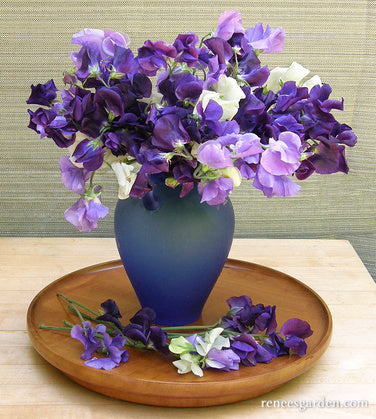
Heirloom Sweet Peas Mermaid's Dream
ANNUAL CLIMBING VINE
Spring/summer bloom
Frost tolerantEASIEST TO START OUTDOORS
Sweet peas must have well-drained soil, so dig deeply and enrich with aged manure or compost before sowing seeds. Erect a well-anchored trellis, vertical netting or other support for vines before planting. Sow seeds in full sun in cool early spring weather as early as the ground can be worked. In mild winter areas, where the ground does not freeze, seeds can be planted in fall to form strong root systems, then overwinter to bloom strongly in spring. Plant seeds 1 inch deep and 2 to 3 inches apart. When seedlings are 2 inches tall, thin them 4 to 5 inches apart, to allow plants room to mature.
GROWING NOTES
Sweet peas bloom best before the weather gets too hot, so if spring planting, sow as soon as ground can be worked. Where summer heat comes on fast, they’ll appreciate a spot with afternoon shade. Anchor supports well as vines will grow heavy with bloom. Protect seedlings from birds, slugs and snails. Mulch and keep well watered. For longest bloom, pick flowers often and keep faded blossoms cut.Regular price $3.69Sale price $3.69Unit price per -
Heirloom Summer Garden Dancing, Joyous Sunflowers
NOTE
Seeds in this canister are packed with a larger quantity of organic rice hulls to help space them. Before opening, shake canister thoroughly to mix.
HOW TO PLANT AND GROW
When spring weather is warm and settled, and nights are reliably above 50°F (10°C), prepare the planting area by removing all weeds, grass, large clumps and stones. Loosen the top 2 inches of soil with a digging fork or shovel, then smooth with a flat rake.
Scatter mix thinly and evenly. Using your rake, work to cover the seeds with 1/2-1 inch of soil, then use planting mix or compost to cover any exposed seed mix. Water thoroughly with a gentle mist.
Keep weeded and watered; protect tiny seedlings from birds by using netting or ribbons of shiny, reflective flash tape at planting time. When 3-4 inches tall, remove covering and thin seedlings to 10-12 inches apart. This spacing is critical for sturdy, windproof plants with good root systems and large flowers.
HARVEST AND USE
For bouquets, cut when flowers just begin to open. Many diverse pollinators will busily visit the florets in each flower head and seeds will begin to mature. When the center disk florets have dried, birds will happily snack on ripening seed heads.
Harvest for winter feeding by covering ripening heads with paper bags until kernels are plump and hard shelled. Cut entire heads; store until cool and dry, then remove seeds. Store in closed containers to feed as needed.
Regular price $16.95Sale price $16.95Unit price per -
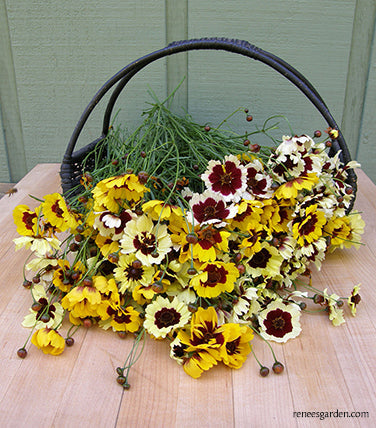
Butterfly Coreopsis Incredible
ANNUAL
Summer/fall bloom
Frost tenderTO START OUTDOORS
Plant after frost danger is over and night temperatures are evenly above 50°F (10°C). Sow seeds in a well-worked seedbed in full sun, 2 in. apart, with rows 12 in. apart. Cover very lightly and gently firm soil. Keep soil evenly moist; germination takes 10-15 days.
TO START EARLY INDOORS
3-4 weeks before last expected frost, sow seeds 1 in. apart in seed starting mix and cover very lightly. Keep warm and moist and provide a strong light source until seedlings are well established. Transplant after gradually acclimating to outdoor conditions.
THIN OR TRANSPLANT
Space seedlings 10 in. apart when large enough to handle.
GROWING NOTES
Coreopsis grows easily in ordinary garden soil in full sun. Be sure to thin seedlings before they get crowded. Incredible grows 2 to 2 1/2 ft. tall and these sturdy, long blooming garden performers and can tolerate hot and dry weather. Pick these decorative flowers often for lovely country style bouquets. Coreopsis are deer resistant and blossoms provide ample food and nectar for butterflies, bees and many other pollinators. After bloom is over, their seed heads provide nutritious food for hungry songbirds.
Regular price $3.99Sale price $3.99Unit price per -
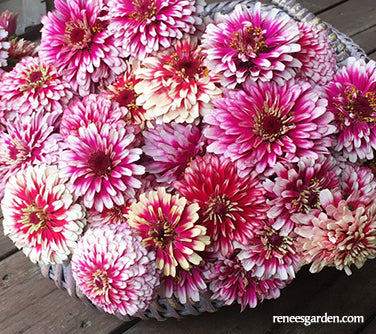
Butterfly Zinnias Summer Pinwheels
ANNUAL
Summer/fall bloom.
Frost tender.EASY TO START DIRECTLY IN THE GARDEN
Sow seeds in well-worked soil in full sun when danger of frost is past and weather is warm and above 50°F (10°C) both day and night. Space seeds 2 to 3 inches apart in rows 12 inches apart, cover about 1/2 inch deep and gently firm soil. Keep soil evenly moist while awaiting germination.
TO START EARLY INDOORS
Four weeks before last frost date, sow seeds 1/2 inch deep and 3 inches apart in a container of seed starting mix. Keep warm and moist and provide a strong light source until seedlings are ready to plant outside when temperatures rise above 50°F (10°C) day and night.
THIN OR TRANSPLANT
Space seedlings 8 to 12 inches apart when large enough to handle so plants have good air circulation and enough elbow room to grow and bloom freely.
GROWING NOTES
Zinnias can grow in ordinary garden soil in full sun. For large, abundant flowers, thin before seedlings get crowded. Adequate spacing and regular, even watering discourages mildew and keeps zinnias productive. Pick just as blossoms begin opening and petals are tight. Cut long stems well back into the plant to keep plants branching low and producing best blooms for summer long bouquets.
Regular price $3.39Sale price $3.39Unit price per -
Butterfly Flowers Swallowtail Fennel
PERENNIAL
USDA zone 5-9
TO PLANT DIRECTLY IN THE GARDEN
In spring when danger of hard frost is past, sow seeds 1 inch apart in finely worked, well-drained, fertile soil in full sun. Cover 1/2 inch deep, firm soil and keep seed bed moist. Germination takes 2 to 3 weeks. After seedlings are well established, carefully thin or transplant 1 1/2 feet apart to allow plants room to mature.
TO START EARLY INDOORS
Sow thinly in a container of seed starting mix, 4 to 6 weeks before last expected frost. Keep warm and evenly moist, and provide a good light source. When seedlings are 3 to 4 inches tall, acclimate gradually to outdoor conditions before carefully transplanting as above.
GROWING NOTES
Plant in very well-drained soil. Seedlings grow slowly at first; watch out for them closely as their bronze color makes them easy weed out by accident.
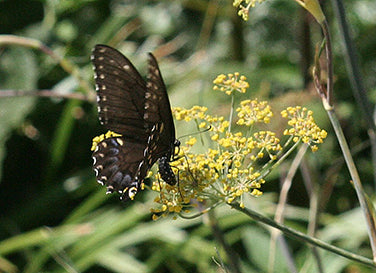
The branching feathery fronds crowned by intricate yellow flowers provide valuable nectar and pollen to a wide range of butterflies, ladybugs, lacewings and other beneficial insects. Colorful blue-green, and copper-bronze foliage is a beautiful contrast with the green foliage and bright colors of summer annuals.
Regular price $3.69Sale price $3.69Unit price per -
Bonus Pack Texas Bluebonnets
Annual USDA Zones 5-8
Bluebonnets require full sun and well-drained ordinary soil of moderate alkalinity. They will not tolerate heavy clay soils, so if you have dense clay soil, grow them in raised beds amended with compost and sand to give them the good drainage they need. Bluebonnets are drought-adapted; do not overwater them during active growing periods.HOW BLUEBONNETS GROW AND WHAT THEY NEED
Bluebonnet’s large, hard-coated seeds respond best to late summer/fall planting as exposure to winter soil abrasion. Precipitation and weather changes break down the naturally tough outer coat of the seeds to produce germination in fall or early spring. As spring breaks, plants respond to sun and warmth, and then bloom gloriously, attracting happy bees and butterflies. The beautiful flower spikes are deep blue with white tips. After flowering, seedpods form, dry and drop seed to rebloom the next season.
SOWING AND GROWING BLUEBONNETS
Plant seeds in late summer or early fall to overwinter and bloom the next spring (in hard winter areas, sow in very early spring). Plant in ordinary garden soil, preparing the soil by removing weeds, grass and stones. Evenly loosen the top 4 inches of soil with a shovel or digging fork and break up soil clumps, then rake smooth.
Broadcast the seed over the seed bed, aiming for 6 inch spacing. Cover lightly with soil, tamping it down to make sure the seeds get good soil contact. Water in well at planting time, then keep moist but on the dry side until seasonal rains take over. Seeds may take 3 to 4 weeks to slowly and unevenly germinate. Foliage rosettes of 5-7 leaves will develop close to the ground and overwinter that way. (If cold weather comes on, seeds may delay germination until the next spring.) After germination, seedlings develop long tap roots and usually don’t require additional irrigation.
In mild early spring weather, bluebonnets will actively begin growing again. Plants rapidly develop multiple 8-12 inch flowering stalks that bloom in a gorgeous blue color with white tips. After the colorful flowers fade, green seedpods form. When they are dried up and dark brown, pods pop open and drop seed to self-sow for next spring’s flowers.
Regular price $9.99Sale price $9.99Unit price per -
Bonus Pack Early Blooming Beekeeper's Mix
ANNUAL
Spring/summer bloom
Frost tenderBEST TO START DIRECTLY OUTDOORS
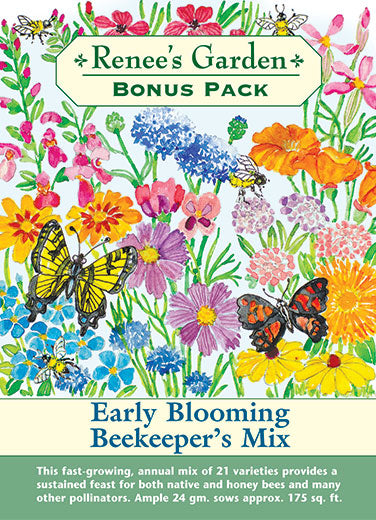
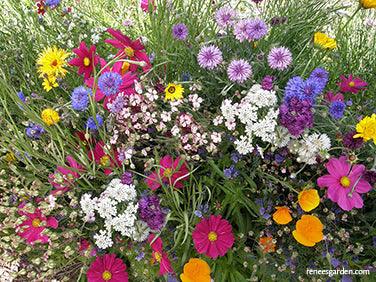
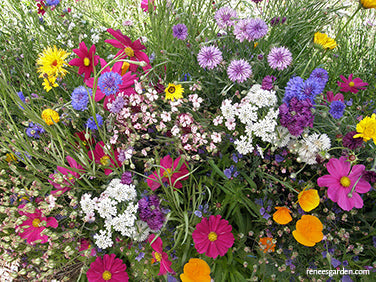
In early spring, after all danger of frost is past, plant in a well-prepared garden bed in full sun. Shake packet to mix. Scatter the seed thinly and evenly over finely worked soil, aiming to have the seeds about an inch or so apart. Cover lightly, about 1/4 inch deep, and gently firm the soil over the seeds – a rake is handy for this step.
Water thoroughly and evenly with a very gentle spray. Keep the seed bed moist while awaiting germination and while flowers are actively growing for the most blossoms. The many flower varieties in this pretty mix will grow and bloom in succession throughout late spring and summer.
Regular price $9.99Sale price $9.99Unit price per -
Pollinator Flowers Early Blooming Beekeeper's Mix
ANNUAL
Spring/summer bloom
Frost tenderBEST TO START DIRECTLY OUTDOORS
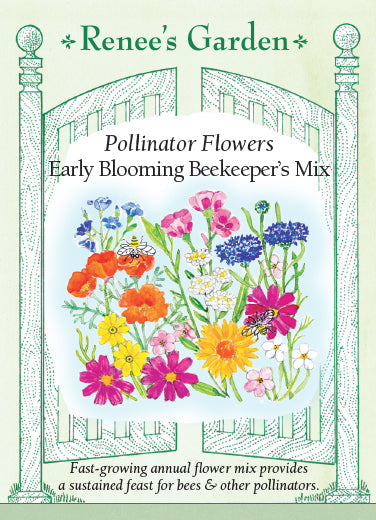
In early spring, after all danger of frost is past, plant in a well-prepared garden bed in full sun. Shake packet to mix. Scatter the seed thinly and evenly over finely worked soil, aiming to have the seeds about an inch or so apart. Cover lightly, about 1/4 inch deep, and gently firm the soil over the seeds—a rake is handy for this step. Water thoroughly and evenly with a very gentle spray. Keep the seedbed moist while awaiting germination and while flowers are actively growing for the most blossoms.
GROWING NOTES
This fast-growing, early flowering annual mix blooms in succession and provides a sustained feast for bees and other pollinators. The many flower colors and shapes blend beautifully for bouquets.
Regular price $3.99Sale price $3.99Unit price per -
Heirloom Scabiosa Dark Night
HARDY ANNUAL
Spring/summer bloom
Can handle light frostFOR BEST RESULTS
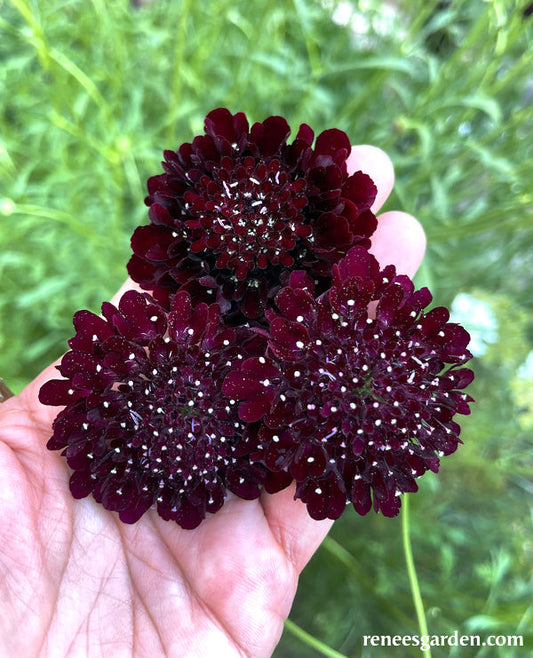
Sow seeds 1 to 2 inches apart in a container of seed starting mix, 2 or 3 weeks before last expected frost. Cover 1/4 inch deep, keep moist and provide a good light source until seedlings are ready to transplant. Plant out strong, sturdy seedlings into fertile garden soil, spacing 12-15 inches apart in full sun.
TO START SEEDS OUTDOORS
Sow seeds in a well-drained, prepared garden bed in full sun as soon as soil can be worked in spring. Space seeds 8 to 10 inches apart in rows a foot apart and cover 1/4 inch deep. Keep seed bed moist until seedlings emerge in 12 to 15 days. Weed carefully and keep well watered. Thin sturdy seedlings to 12-15 inches apart.
GROWING NOTES
Plant in early spring to get sturdy plants that will flower throughout the summer and fall. Curving wiry stems are part of this plant's character; support them for best flowering displays.
Cut often for bouquets and to produce more blossoms. In mild winter areas, they are a short-lived perennial and will overwinter to bloom a second season.
Regular price $4.69Sale price $4.69Unit price perNew -
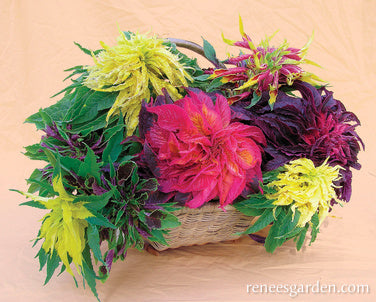
Heirloom Amaranth Cinco De Mayo
ANNUAL
Summer/fall color
Frost tenderEASY TO START OUTDOORS
Sow seeds in full sun in ordinary well-worked garden soil in springtime once night temperatures reach 50°F (10°C). Space tiny seeds as thinly as possible. Cover very lightly with soil and keep moist until seedlings emerge in 7 to 10 days.
TO START EARLY INDOORS
Five to six weeks before last frost date, sow seeds 1 inch apart in individual pots or a container of seed starting mix, cover lightly and keep moist. Provide a strong light source until seedlings are ready to plant outside once danger of frost is over. Gradually acclimate to outdoor conditions before transplanting.
THIN OR TRANSPLANT
Final seedling spacing should be 12-18 inches apart, so they have room to grow and mature.
GROWING NOTES
Plants explode with sky rocket colors when they come to maturity in late summer. These easy to grow, dramatic foliage Amaranths prefer a warm, dry location in good garden soil. When established, the tall bushy plants can tolerate drought and need no extra fertilizer, but must have good drainage. For better branching, pinch the main bud when plants are about 18 inches tall.
Regular price $2.99Sale price $2.99Unit price per -
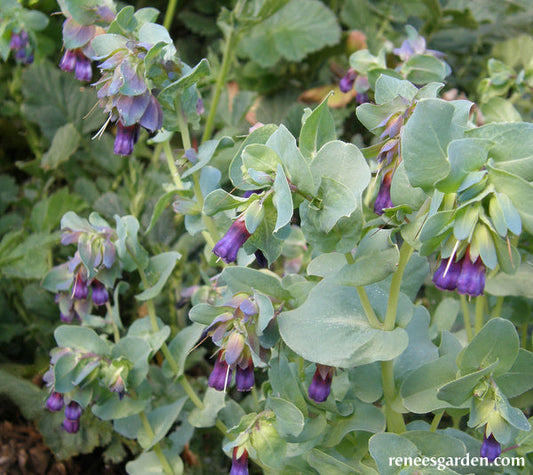
Hummingbird Cerinthe Pride of Gibraltar
HARDY ANNUAL
Summer/fall bloom
TO START OUTDOORS
In spring, once all danger of frost is past, sow seed directly where plants are to grow in ordinary well-drained soil in full sun. In mild climates, Cerinthe can also be sown in fall for spring blooms. Poke the large seeds into the soil about 3⁄4 inch deep and 4 to 6 inches apart and firm soil gently over them.
TO START EARLY INDOORS
Start seeds indoors in 4 inch pots about 4 to 6 weeks before last frost date. Keep moist, but not soggy and provide a strong light source. Once seedlings are 4 to 6 inches tall, acclimate to outdoor conditions and transplant into a sunny spot, in well-drained garden soil. Thin or transplant seedlings 8 to 12 inches apart. Avoid disturbing seedling roots.
GROWING NOTES
Cerinthe prefers full sun, but can take dappled shade, although plants will be more rangy in habit. Be patient; plants are undistinguished until they come into bloom. By late spring, the dramatic blue bracts will turn more purple at the tips, then the clusters of purple bells trimmed with a white edge unfurl. Grow near pastel cleome or cosmos for an exciting color contrast.
Regular price $4.69Sale price $4.69Unit price per -
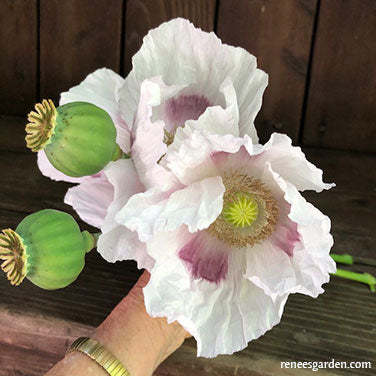
Heirloom Poppies Hungarian Breadseed Poppy
ANNUAL
Spring/summer bloom
Fall harvest
Frost hardyEASIEST TO START OUTDOORS
Plant poppies in late fall or very early spring directly into the garden. In cold climates, seeds will overwinter and germinate when soil thaws. Blossoms and pods are largest when plants grow in cool weather; seedlings are very cold hardy. In a well-worked, finely textured seed bed in full sun, sprinkle seeds as thinly as possible or sow in rows 8 to 10 inches apart. (Mixing dry sand with the seeds will help space them.) Rake in gently or lightly cover seeds 1/8 inch deep, and keep seed bed moist until seedlings emerge in 7 to 14 days. If seedlings come up too thickly, thin poppies early, but delay final thinning to 6 to 8 inches apart until weather has settled in spring.
GROWING NOTES
Flowers will bloom in spring and early summer, then drop their petals and form fat seed capsule pods. When pods get brown and hard, cut and store them in open paper bags. When completely dry, crack pods open to remove seeds. Store harvested poppy seed in the freezer to keep it fresh and pest free.
Regular price $3.39Sale price $3.39Unit price per -
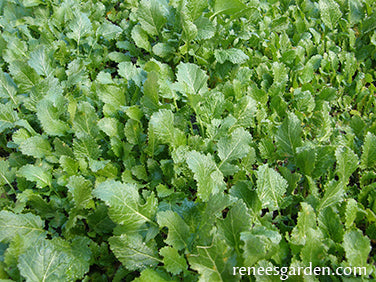
Bonus Pack Soil Building Kodiak Mustard Cover Crop Seeds
WHEN TO PLANT
In Mild Winter Climates, where ground does not freeze hard, sow in late fall to overwinter.
In Cold Winter Climates, where ground freezes hard, plant in fall for winter die back, then incorporate in spring, OR sow as early as possible in spring.
TO PREPARE THE PLANTING AREA
Remove weeds, grass and large stones. Break up soil clumps and evenly loosen the top 2 inches of soil with a rake. Scatter seeds thinly, 1 to 2 inches apart. Using a rake, cover seeds with fine soil 1/4 to 1/2 inch deep and lightly firm the soil. Water thoroughly and evenly.
Keep soil moist while germinating and when seedlings are small. Growing plants thrive best if watered regularly.
INCORPORATING YOUR COVER CROP
Method 1: When mustard is 5 to 6 inches tall, use a garden fork, shovel or rototiller to turn plants into the ground to break down and enrich soil for planting, which takes about a month.
Method 2: When mustard is about 1 foot tall, pull plants out, shake off soil, and then compost plants to incorporate into soil later as finished compost. Timing depends how long your composting process takes.
Method 3: When plants are 1 foot tall, weed whack the mustard to chop it down. Cover the chopped crop with black plastic to hasten decomposition and then turn the nutritious residue into the soil 2 to 3 weeks before sowing garden crops.
Regular price $8.99Sale price $8.99Unit price per -
Cover Crop Cover Crop - Green Guardian
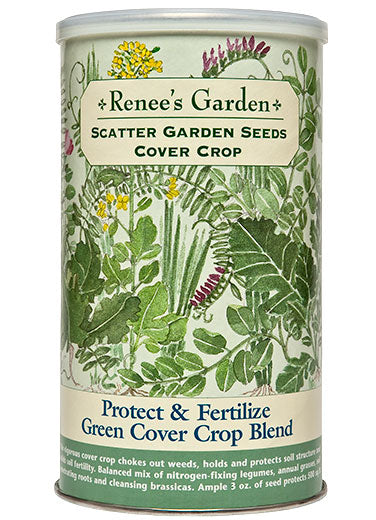
The Renee’s Garden Cover Crop Mix is a blend of several legumes, grass, roots, and rapeseed. The legumes, Austrian Winter Peas, Fava beans and Hairy Vetch all fix nitrogen from air into their root nodules, loosen and aerate dense soil and gather deep nutrients and minerals. Winter Rye Grass has thick roots which hold the soil to prevent erosion and takes up excess nutrients in the soil. Rapeseed takes up large amounts of nutrients that would otherwise be leached out of the soil by the winter rains. When these cover crop plants are incorporated back into the soil in the spring, they break down releasing the nutrients and minerals back into the soil and add plenty of organic matter which improves the soil structure.
NOTE
Seed is packed with a larger quantity of organic rice hulls to help space seeds. Before opening, shake can thoroughly to mix together.
FORMULA MIX
Winter Rye, Hairy Vetch, Fava Bean, Rapeseed and Austrian Winter Peas.
Inert material: organic rice hulls.
WHEN TO PLANT
In Mild Winter Climates, where ground does not freeze hard, sow in late fall to over-winter for spring growth.
In Cold Winter Climates, where ground freezes hard, plant in fall for winter die back and then incorporate in spring, OR sow as early as possible in spring.
HOW TO PLANT AND GROW
Remove all weeds, grass and large stones from the planting area and break up soil clumps. Evenly loosen the top 2 inches of soil with a rake. Shake the can thoroughly before opening, then scatter contents evenly over the prepared ground, aiming for scattering the seeds 1 to 2 inches apart. Use a rake to cover the seed mixture with fine soil 1/4 to 1/2 inch deep. Lightly firm soil with the back of the rake and water thoroughly. Keep soil bed evenly moist while awaiting germination and while seedlings are small. Plants will grow and thrive best if watered regularly.
INCORPORATING YOUR COVER CROP
Method 1: When 5 to 6 inches tall, use a garden fork, shovel or rototiller to turn the cover crop into the ground to break down and enrich soil for planting. The breakdown process takes about a month.
Method 2: When cover crop is 1 foot tall, pull out the plants, shake off soil and then compost the plant material to incorporate it into the soil later, when it has turned into rich, finished compost. Timing depends how long your composting process takes.
Method 3: When cover crop reaches 1 to 1-1/2 feet tall, weed whack to chop it down. Cover the chopped material with black plastic to hasten decomposition, then turn the nutritious residue into the soil 2 to 3 weeks before sowing your garden crops.
Regular price $19.95Sale price $19.95Unit price per -
-
Regular price $9.99Sale price $9.99Unit price perNew