Heirloom Flowers
-
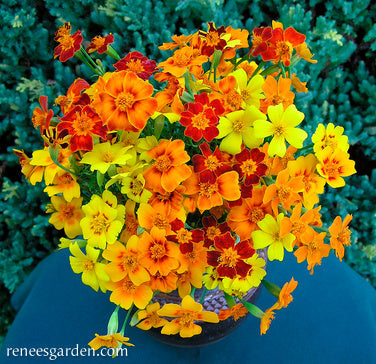
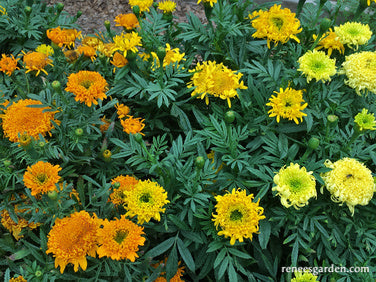
Petite Marigolds Heirloom Signet Starfire
ANNUAL
Summer/fall bloom
Frost tenderTO PLANT OUTDOORS
Sow seeds directly into well-worked garden soil in full sun once all danger of frost is past. Space seeds 2 to 3 inches apart and cover about 1/4 inch deep. Keep soil evenly moist while awaiting germination in 5 to 7 days.
TO START EARLY INDOORS
Sow seeds 1 inch apart in a container of well-drained seed starting mix 4 to 6 weeks before last expected frost date. Cover 1/4 inch deep, keep moist and provide a strong light source until ready to go outside. Transplant once weather warms up after gradually acclimating seedlings to outdoor conditions. Thin or transplant 8 to 10 inches apart when seedlings are large
GROWING NOTES
These compact and cheerful antique marigolds are quick to bloom, carefree and non-fussy. Their profusion of dainty blooms and feathery aromatic foliage are perfect for planters in sunny spots, or edging garden beds. Feed and water regularly especially if planting in containers. Consider a second sowing before midsummer for a long season of appealing old-fashioned flowers.
Regular price $2.99Sale price $2.99Unit price per -
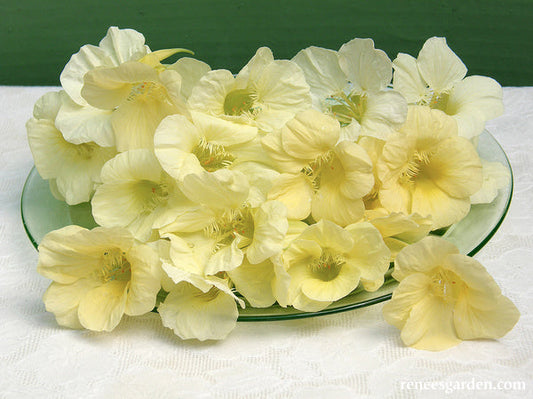
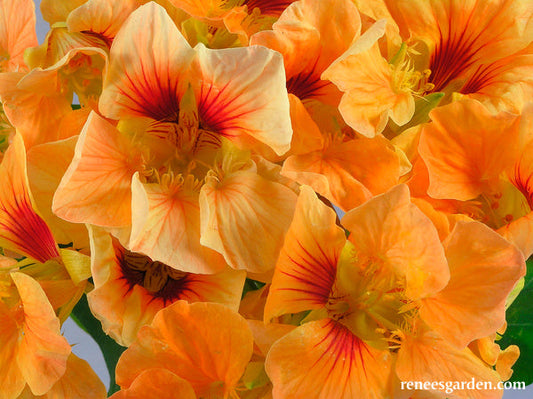
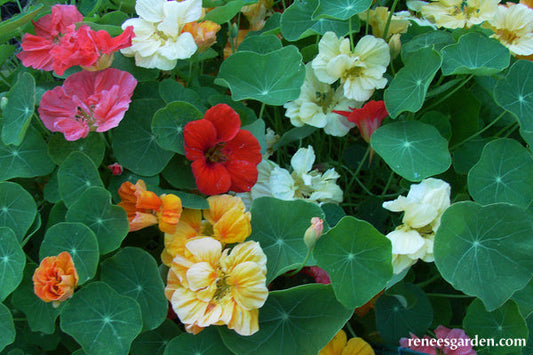
Mounding Nasturtiums Buttercream
ANNUAL
Spring/summer/fall bloom
Frost tenderEASY TO START OUTDOORS
Sow seeds in spring once all danger of frost is over in full sun (or part shade in hot climates). Nasturtiums need no added fertilizer in most soils. Poke seeds into well-worked soil about 1 inch deep and 3 to 4 inches apart. Press soil firmly over the seeds and keep moist. When seedlings are large enough to handle, thin to 10 inches apart as mounding plants need ample room to grow.
TO START EARLY INDOORS
Sow 2 seeds each in individual 4-inch pots of well-drained seed starting mix 3 weeks before last expected frost date. Cover 1 inch deep. Provide a strong light source. When seedlings have several sets of leaves pinch out the weaker seedling, leaving 1 per pot. When weather is evenly in the 50°F (10°C) range, gradually acclimate to outdoor conditions. Transplant seedlings into the garden 10 inches apart in full sun.
GROWING NOTES
These mounding nasturtiums are reliable and easy to tuck into any well-drained spot. They are a perfect disguise to cover fading bulb foliage in late spring. Their softly draping leaves and creamy flowers will quickly fill garden beds or containers. In mild winter climates, sow seeds again by mid-June for late summer blooms. Leaves and flowers are tasty additions to salads and sandwiches.
Regular price $3.69Sale price $3.69Unit price per -
Mounding Nasturtiums Cup of Sun
ANNUAL
Spring/Summer/Fall bloom
Frost tenderEASY TO START OUTDOORS
Sow seeds in spring once all danger of frost is over in full sun (or part shade in hot climates). Nasturtiums need no added fertilizer in most soils. Poke seeds into well-worked soil about 1 inch deep and 3 to 4 inches apart. Press soil firmly over the seeds and keep moist. When seedlings are large enough to handle, thin to 10 inches apart as mounding plants need ample room to grow.
TO START EARLY INDOORS
Sow 2 seeds each in individual 4-inch pots of well-drained seed starting mix 3 weeks before last expected frost date. Cover 1 inch deep. Provide a strong light source. When seedlings have several sets of leaves, pinch out the weaker seedling, leaving 1 per pot. When weather is evenly in the 50°F (10°C) range, gradually acclimate to outdoor conditions. Transplant seedlings into the garden 10 inches apart in full sun.
GROWING NOTES
These mounding nasturtiums are reliable and easy to tuck into any well-drained spot. They are a perfect disguise to cover fading bulb foliage in late spring. Their softly draping leaves and sunny flowers will quickly fill garden beds or containers. In mild winter climates, sow seeds again by mid-June for late summer blooms. Leaves and flowers are tasty additions to salads and sandwiches.
Regular price $3.99Sale price $3.99Unit price per -
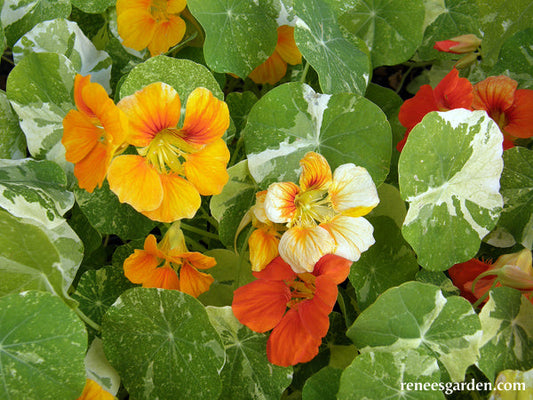
Heirloom Nasturtiums Alaska Mix
ANNUAL
Spring/summer/fall bloom
Frost tenderEASY TO START OUTDOORS
Sow seeds in spring once all danger of frost is over in full sun (or part shade in hot climates). Nasturtiums need no added fertilizer in most soils. Poke seeds into well-worked soil about 1 inch deep and 3 to 4 inches apart. Press soil firmly over the seeds and keep moist. When seedlings are large enough to handle, thin to 10 inches apart as mounding plants need ample room.
TO START EARLY INDOORS
Sow 2 seeds each in individual 4 inch pots of well-drained seed starting mix 3 weeks before last expected frost date. Cover 1 inch deep. Provide a strong light source. When seedlings have several sets of leaves pinch out the weaker seedling, leaving 1 per pot. When night temperatures reach 50ºF (10ºC), gradually acclimate to outdoors. Transplant seedlings into the garden 10 inches apart in full sun.
GROWING NOTES
These old-fashioned nasturtiums with handsome variegated leaves are easy to grow in any well-drained soil. Alaska’s softly mounding foliage and bright flowers will quickly fill garden beds and make a showy accent in planters or patio pots. Thinned to proper 10 inch spacing, they are a perfect disguise to cover fading bulb foliage in late spring.
Regular price $3.69Sale price $3.69Unit price per -
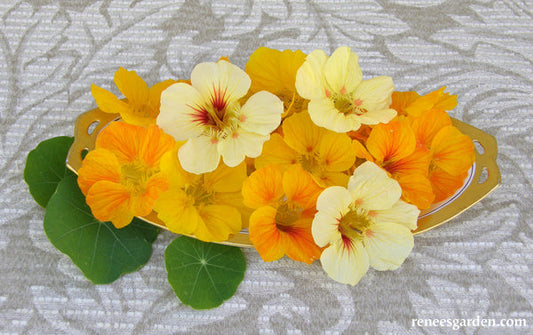
Hummingbird Nasturtiums Creamsicle
ANNUAL
Spring/summer/fall bloom
Frost tenderEASY TO START OUTDOORS
Sow seeds in spring once all danger of frost is over in full sun or part shade in hot climates. Nasturtiums will grow and flower readily with no added fertilizer in most soils. Poke seeds into well-worked soil about 1 inch deep and 3 to 4 inches apart. Press soil firmly over the seeds and keep moist. When seedlings are large enough to handle, thin to 10-12 inches apart so plants will have ample room to grow.
TO START EARLY INDOORS
Sow 2 seeds each in individual 4 inch pots of well-drained seed starting mix 3 weeks before last expected frost date. Cover 1 inch deep. Provide a strong light source. When seedlings have several sets of leaves pinch out the weaker seedling, leaving 1 per pot. When night temps are above 50°F (10°C) gradually acclimate to outdoor conditions. Transplant seedlings into the garden 10 inches apart in full sun.
GROWING NOTES
These mounding nasturtiums are reliable and easy to tuck into any well-drained spot. They are a perfect disguise to cover fading bulb foliage in late spring. Their softly draping leaves and wonderfully colored flowers will quickly fill and gladden garden beds or containers. Both leaves and flowers are tasty, spicy-sweet additions to salads and sandwiches.
Regular price $3.99Sale price $3.99Unit price per -
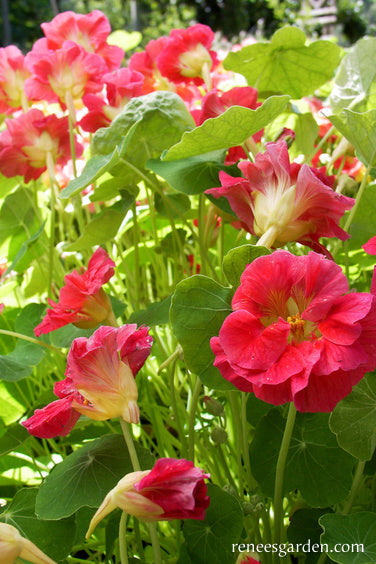
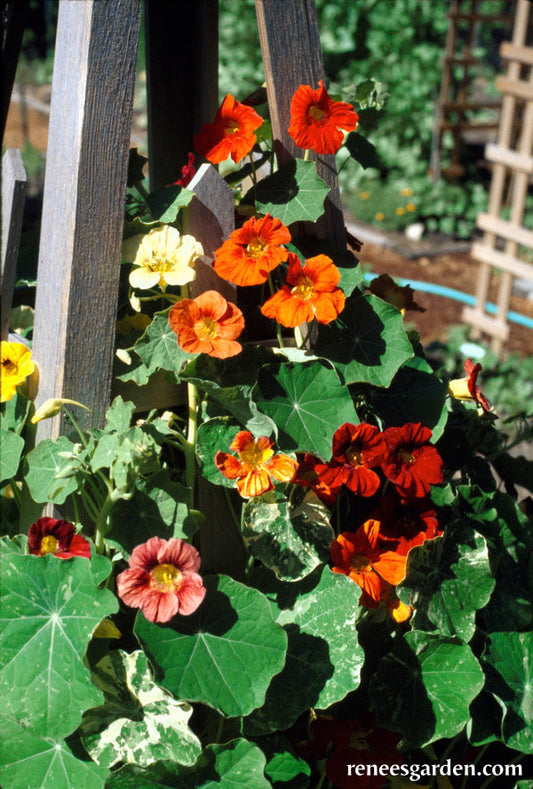
Climbing Nasturtiums Spitfire
ANNUAL VINE
Spring/summer/fall bloom
Frost tenderEASY TO START OUTDOORS
Sow seeds in spring once all danger of frost is over in full sun (or part shade in hot climates). Nasturtiums need no added fertilizer in most soils. Poke seeds into well-worked soil about 1 inch deep and 3 to 4 inches apart. Press soil firmly over the seeds and keep moist. When seedlings are large enough to handle, thin 10 to 12 inches apart so plants will have ample room to grow.
TO START EARLY INDOORS
Sow 2 seeds each in individual 4-inch pots of well-drained seed starting mix 3 weeks before last expected frost date. Cover 1 inch deep. Provide a strong light source. When seedlings have several sets of leaves, pinch out the weaker seedling leaving 1 seedling per pot. When weather is evenly in the 50°F (10°C) range, gradually acclimate to outdoor conditions. Transplant 10 to 12 inches apart in full sun.
GROWING NOTES
Climbing nasturtiums are easy to grow in any well-drained soil. You’ll need to train young plants onto their supports with loose ties, then they’ll climb easily and bloom non-stop. Do not let plants dry out during blooming season. Spitfire’s glowing blossoms are summer beacons for hungry hummingbirds.
Regular price $3.39Sale price $3.39Unit price per -
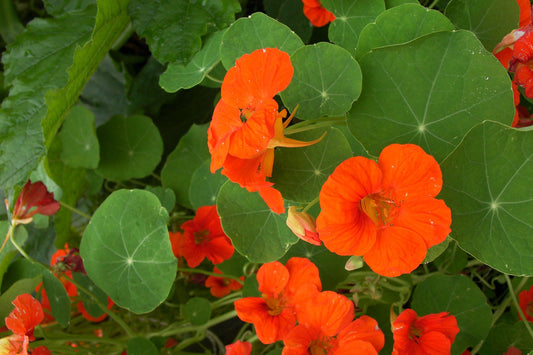
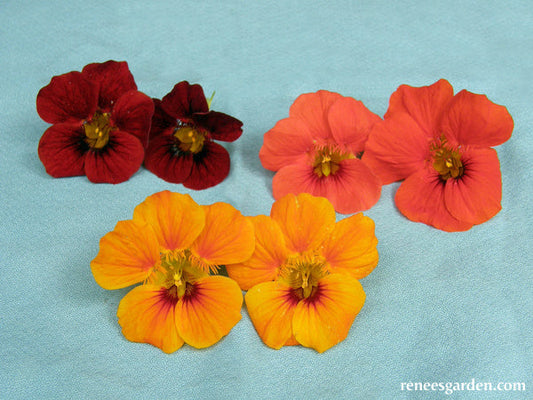
Mounding Nasturtiums Copper Sunset
ANNUAL
Spring/summer/fall bloom
Frost tenderEASY TO START OUTDOORS
Sow seeds in spring once all danger of frost is over in full sun (or part shade in hot climates). Nasturtiums need no added fertilizer in most soils. Poke seeds into well-worked soil about 1 inch deep and 3 to 4 inches apart. Press soil firmly over the seeds and keep moist. When seedlings are large enough to handle, thin to 10 inches apart as mounding plants need ample room.
TO START EARLY INDOORS
Sow 2 seeds each in individual 4 inch pots of well-drained seed starting mix 3 weeks before last expected frost date. Cover 1 inch deep. Provide a strong light source. When seedlings have several sets of leaves pinch out the weaker seedling, leaving one per pot. When night temperatures are above 50°F (10°C), gradually acclimate to outdoor conditions. Transplant seedlings into the garden 10 inches apart in full sun.
GROWING NOTES
These brilliantly colored mounding nasturtiums are reliable and easy to tuck into any well-drained spot. Except in very poor soil, nasturtiums will grow and bloom readily with no added fertilizer. Carefully thinned to proper spacing, they are a perfect disguise to cover fading bulb foliage in late spring and their softly draping leaves and vivid flowers will quickly fill garden beds or containers.
Regular price $3.99Sale price $3.99Unit price per -
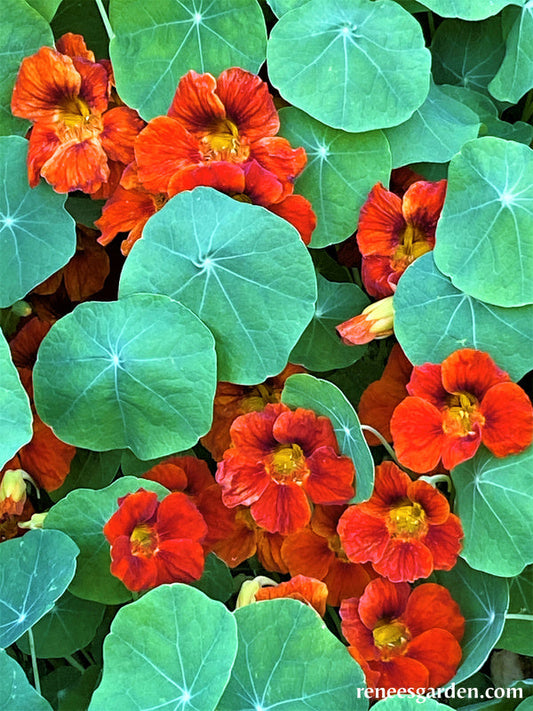
Mounding Nasturtiums Cherries Jubilee
ANNUAL
Spring/summer/fall bloom
Frost tenderEASY TO START OUTDOORS
Sow seeds in spring once all danger of frost is over in full sun (or part shade in hot climates). Nasturtiums need no added fertilizer in most soils. Poke seeds into well-worked soil about 1 inch deep and 3 to 4 inches apart. Press soil firmly over the seeds and keep moist. When seedlings are large enough to handle, thin to 10 inches apart so plants will have ample room to grow.
TO START EARLY INDOORS
Sow 2 seeds each in individual 4 inch pots of well-drained seed starting mix 3 weeks before last expected frost date. Cover 1 inch deep. Provide a strong light source. When seedlings have several sets of leaves and night temperatures are above 50°F(10°C), gradually acclimate to outdoor conditions. Transplant seedlings into the garden 10 inches apart.
GROWING NOTES
These mounding nasturtiums are reliable and easy to tuck into any well-drained spot. They are a perfect disguise to cover fading bulb foliage in late spring. Their softly draping leaves and wonderfully colored flowers will quickly fill garden beds or containers. Leaves and flowers are tasty additions to salads and sandwiches.
Regular price $3.69Sale price $3.69Unit price per -
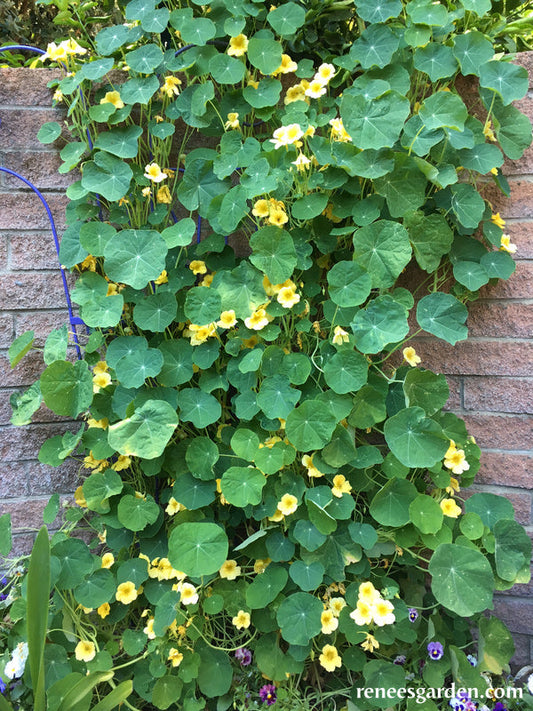
Climbing Nasturtiums Moonlight
ANNUAL VINE
Spring/summer/fall bloom
Frost tenderEASY TO START OUTDOORS
Sow seeds in spring once all danger of frost is over in full sun (or part shade in hot climates). Nasturtiums need no added fertilizer in most soils. Poke seeds into well-worked soil about 1 inch deep and 3 to 4 inches apart. Press soil firmly over the seeds and keep moist. When seedlings are large enough to handle, thin 10 inches apart so plants will have ample room to grow.
TO START EARLY INDOORS
Sow 2 seeds each in individual 4-inch pots of well-drained seed starting mix 3 weeks before last expected frost date. Cover 1 inch deep. Provide a strong light source. When seedlings have several sets of leaves, pinch out the weaker seedling leaving 1 per pot. After outdoor temperatures are evenly above 50°F (10°C) gradually acclimate to outdoor conditions. Transplant seedlings into the garden 10 to 12 inches apart in full sun.
GROWING NOTES
Climbing nasturtiums are very reliable and easy to grow in any well-drained soil. Help them to twine up their supports, then they’ll climb easily and bloom nonstop. Do not let plants dry out during blooming season. You can also plant Moonlight to tumble along the ground.
Regular price $3.99Sale price $3.99Unit price per -
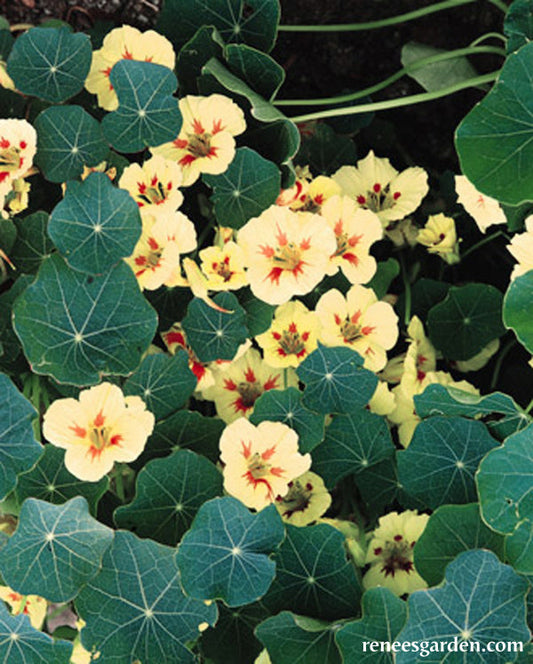
Hummingbird Nasturtiums Vanilla Berry
ANNUAL
Spring/summer/fall bloom
Frost tenderEASY TO START OUTDOORS
Sow seeds in spring once all danger of frost is over in full sun (or part shade in hot climates). Nasturtiums need no added fertilizer in most soils. Poke seeds into well-worked soil about 1 inch deep and 3 to 4 inches apart. Press soil firmly over the seeds and keep moist. When seedlings are large enough to handle, thin to 10 inches apart as mounding plants need ample room.
TO START EARLY INDOORS
Sow 2 seeds each in individual 4-inch pots of well-drained seed starting mix 3 weeks before last expected frost date. Cover 1 inch deep. Provide a strong light source. When seedlings have several sets of leaves pinch out the weaker seedling, leaving 1 per pot. When night temps are above 50°F (10°C) gradually acclimate to outdoor conditions. Transplant seedlings into the garden 10 inches apart in full sun.
GROWING NOTES
These softly colored, intricately marked nasturtiums are reliable and easy to tuck into any well-drained spot. Except in very poor soil, nasturtiums will grow and bloom readily with no added fertilizer. The mounding plants do a fine job of covering bare spots or hiding spent bulb foliage. Use the pretty edible flowers and leaves to add zest to salads and party sandwiches.
Regular price $3.99Sale price $3.99Unit price per -
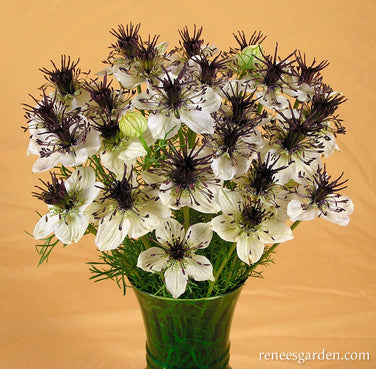
Heirloom White Nigella Bridal Veil
HARDY ANNUAL
Spring/summer bloom
Can handle light frostEASIEST TO PLANT DIRECTLY IN THE GARDEN
Sow seeds directly into a finely textured, well-drained garden bed as early in spring as the ground can be worked. Space seeds 2 inches apart, in rows 6 inches apart. Cover seed very lightly, about 1/4 inch deep. Or broadcast seeds evenly over the seed bed and cover very lightly. Keep evenly moist while awaiting germination. Thin seedlings to stand 6 inches apart so plants have room to grow and mature. In mild winter climates, Nigella can be sown in early spring and also be sown again in cool fall weather to overwinter for spring bloom.
GROWING NOTES
Make several successive sowings from early spring through early summer and you'll have these carefree specialty flowers blooming all season long. As flowers fade, cut stems of the decorative seedpods. Hang carefully upside down in bundles out of the direct sun to easily dry for everlasting arrangements. Let some seedpods mature and stay on the plants to spill seed and these graceful flowers will come up year after year.
Regular price $3.69Sale price $3.69Unit price per -
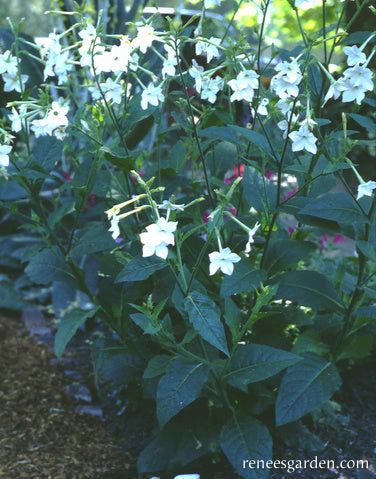
Heirloom Nicotiana Jasmine Alata
PERENNIAL GROWN AS ANNUAL
Summer/fall bloom
Can handle light frostTO START OUTDOORS
Sow seed directly into a finely textured, well-worked garden bed in sun or in partial shade once danger of spring frost is past. Cover very lightly and keep moist as seedlings emerge. Weed and water young seedlings carefully and thin to stand 1 1/2 to 2 feet apart before they get too crowded.
TO START EARLY INDOORS
Start seed indoors 6 to 8 weeks before last spring frost date. Sow seeds as thinly as possible in a container of seed starting mix and cover very lightly. Keep moist but not soggy, and provide a strong light source until seedlings are ready to plant outdoors after gradually acclimating to outdoor conditions. Thin or transplant seedlings 1 1/2 to 2 feet apart to allow room to grow.
GROWING NOTES
Nicotiana grows well in sun but can tolerate shade, especially during the afternoon. In mild areas, plants will winter over; cut back in fall for spring regrowth and early bloom. Plant them with other showy annuals like cosmos or cleome for an old-fashioned country garden.
Regular price $2.99Sale price $2.99Unit price per -
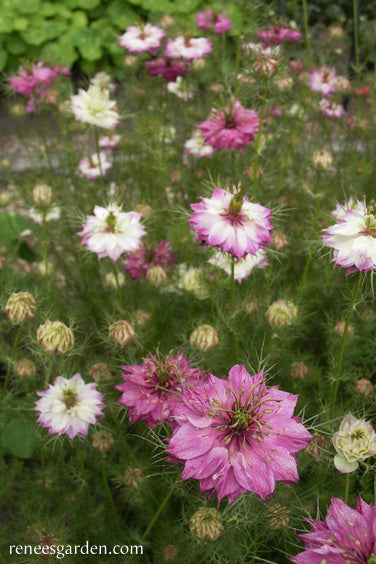
Love in a Mist Mulberry Rose Nigella
HARDY ANNUAL
Spring/summer bloom
Can handle light frostEASIEST TO PLANT DIRECTLY IN THE GARDEN
Sow seeds directly into a finely textured, well-drained garden bed as early in spring as the ground can be worked. In mild climates, sow in cool fall weather for spring bloom. Space seeds 2 to 3 inches apart in rows 6 inches apart and cover 1/4 inch deep. Or broadcast thinly in a garden bed and cover 1/4 inch deep. Weed young seedlings carefully and thin before they get too crowded. Thin or transplant seedlings 4 to 5 inches apart.
GROWING NOTES
Make several successive sowings in early spring to enjoy these carefree old-fashioned flowers throughout spring and early summer. Their delicate blossoms make sweet little bouquets. As flowers fade, cut the decorative seed pods before they mature and split. Hang upside down in bundles out of direct sun to dry for winter bouquets and arrangements. Let some seedpods mature on the plants to spill seed and these graceful flowers will come up year after year.
Regular price $3.39Sale price $3.39Unit price per -
Rainbow Nasturtiums Whirlybird Mix
ANNUAL
Spring/summer/fall bloom
Frost tenderEASY TO START OUTDOORS
Sow seeds in spring once all danger of frost is over in full sun (or part shade in hot climates). Nasturtiums need no added fertilizer in most soils. Poke seeds into well-worked soil about 1 inch deep and 3 to 4 inches apart. Press soil firmly over the seeds and keep moist. When seedlings are large enough to handle, thin to 10 inches apart as mounding plants need ample room to grow.
TO START EARLY INDOORS
Sow 2 seeds each in individual 4-inch pots of well-drained seed starting mix 3 weeks before last expected frost date. Cover 1 inch deep. Provide a strong light source. When seedlings have several sets of leaves, pinch out the weaker seedling, leaving 1 per pot. When night temps are above 50°F (10°C) gradually acclimate to outdoor conditions. Transplant seedlings into the garden 10 inches apart in full sun.
GROWING NOTES
These mounding nasturtiums are reliable and easy to tuck into any well-drained spot. They are a perfect disguise to cover fading bulb foliage in late spring. Their softly draping leaves and wonderfully colored flowers will quickly fill garden beds or containers. Nasturtium leaves and edible flowers add zest to salads and sandwiches.
Regular price $3.99Sale price $3.99Unit price per -
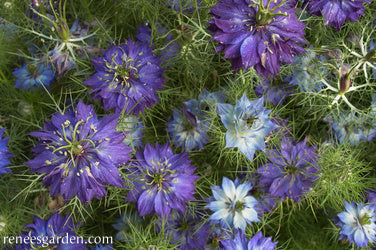
Heirloom Love in a Mist Persian Violet Nigella
HARDY ANNUAL
Spring/summer bloom.
Can handle light frostEASIEST TO PLANT DIRECTLY IN THE GARDEN
Sow seeds directly into a finely textured, well-drained garden bed as early in spring as the ground can be worked. In mild climates, sow in cool fall weather for spring bloom. Space seeds 2 to 3 inches apart in rows 6 inches apart and cover 1/4 inch deep. Or broadcast thinly in garden bed and cover 1/4 inch deep. Weed young seedlings carefully and thin to stand 6 inches apart so plants have room to grow and mature.
GROWING NOTES
Make several successive sowings from early spring through early summer and these carefree old-fashioned flowers will bloom all season long. Their delicate blossoms make sweet little bouquets. As flowers fade, cut the decorative seedpods before they mature and split. Hang upside down in bundles out of the direct sun to dry for winter bouquets and arrangements. Let some seedpods mature on the plants to spill seed and these graceful flowers will come up year after year.
Regular price $3.39Sale price $3.39Unit price per -
Climbing Nasturtiums Amazon Jewel
ANNUAL
Spring/summer/fall bloom
Frost tenderEASY TO START OUTDOORS
Sow seeds in spring once all danger of frost is over in full sun (or part shade in hot climates). Nasturtiums need no added fertilizer in most soils. Poke seeds into well-worked soil about 1 inch deep and 3 to 4 inches apart. Press soil firmly over the seeds and keep moist. When seedlings are large enough to handle, thin 10 inches apart so plants will have ample room to grow.
TO START EARLY INDOORS
Sow 2 seeds each in individual 4 inch pots of well-drained seed starting mix 3 weeks before last expected frost date. Cover 1 inch deep. Provide a strong light source. When seedlings have several sets of leaves, pinch out the weaker seedling leaving 1 seedling per pot. When weather is evenly in the 50° F (10° C) range, gradually acclimate to outdoor conditions. Transplant seedlings into the garden 10 to 12 inches apart in full sun.
GROWING NOTES
Climbing nasturtiums are very reliable and easy to grow in any well-drained soil. Help them to twine up their supports, then they’ll climb easily and bloom non-stop. Do not let plants dry out during blooming season. You can also plant Amazon Jewel to tumble along the ground.
Regular price $3.39Sale price $3.39Unit price per -
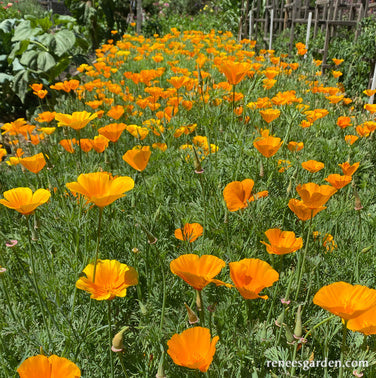
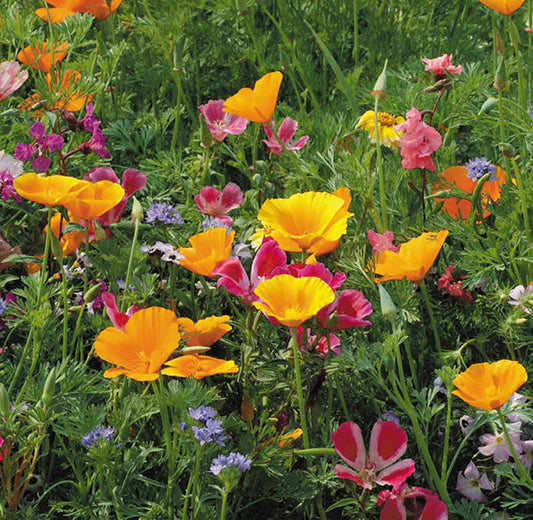
California Native Orange Poppies
NOTE
The Poppy seeds in this can are packed with a larger quantity of milled rice hulls to help space the tiny seeds when scattering.
Before opening, shake the can thoroughly to mix them together so when you cast the seeds they are spaced with room for the plants to grow.
HOW TO PLANT
In mild winter climates, where the ground does not freeze hard, poppies can be sown in late fall to overwinter for spring bloom. Or, plant as early as possible in spring, as poppies can handle light frosts and bloom longest when given a good start in cool weather.
To prepare the planting area: remove all weeds, grass and large stones. Break up soil clumps and evenly loosen the top 2 inches of soil with a digging fork or shovel, then smooth out with a flat rake.
Shake the can thoroughly before opening, then scatter the contents thinly and evenly over the prepared ground. Using your rake, cover the seed mixture 1/4 inch deep and lightly firm the soil. Water with a gentle mist thoroughly and evenly. Keep the soil moist while awaiting germination and while the seedlings are small.
GROWING NOTES
Mature poppy plants can handle dry conditions, but will thrive and bloom much longer if watered regularly. Poppies make lovely cut flowers if brought indoors just as the buds begin to open. At season’s end, let spent flowers form pods and drop seeds to bloom again the next spring.
Regular price $16.95Sale price $16.95Unit price per -
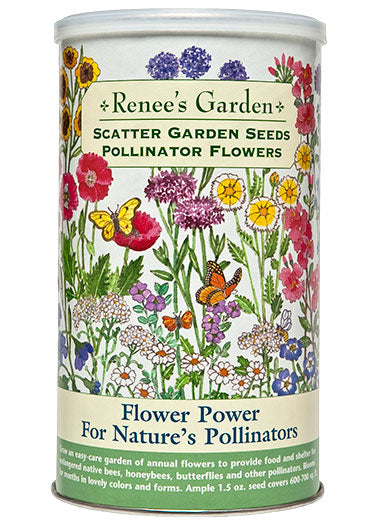
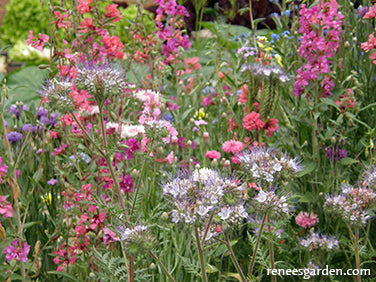
Flower Power For Nature's Pollinators
NOTE
The seed mix is packed with a larger quantity of organic rice hulls to help space the tiny seeds. Before opening, shake canister thoroughly to mix them together.
HOW TO PLANT
As soon as ground can be worked in early spring, sow mix in ordinary garden soil in full sun. In mild climates, where the ground does not freeze hard in winter, seeds can also be planted in late fall to overwinter and bloom the next spring.
Prepare the planting area by removing all weeds, grass and large stones. Break up soil clumps and evenly loosen the top 2 inches of soil with a digging fork or shovel, then smooth out with a flat rake.
Shake the can thoroughly, then scatter the contents thinly and evenly over the prepared ground. Using your rake, lightly cover the seed mixture, about 1/4 inch deep, and then lightly firm the soil. Water thoroughly and evenly with a gentle mist. Keep soil bed evenly moist while awaiting germination and when the seedlings are small. Water regularly for best blossoms.
GROWING NOTES
Plants will flower in succession and bloom much longer if watered regularly. At season’s end, allow spent flowers to form pods and then drop their seeds to bloom again next spring.
ANNUAL POLLINATOR FLOWER MIX
INDIVIDUAL VARIETY NAMESMIX% Chinese Forget-Me-Not19.6Baby Blue Eyes19.6 Single Chinese Aster9.8 Cornflower, ‘Polka Dot Mix’9.8Shirley Poppy
7.8 Sweet Mignonette
7 Tidy Tips
4.9 Virginia Stock10 Creeping Daisy3 Clarkia3 Globe Gilia2.9 Lemon Mint2 California Bluebell2 Lacy Phacelia1.5 Tall White Alyssum1 Plains Coreopsis1 Inert Material: Organic rice hulls Regular price $16.95Sale price $16.95Unit price per -
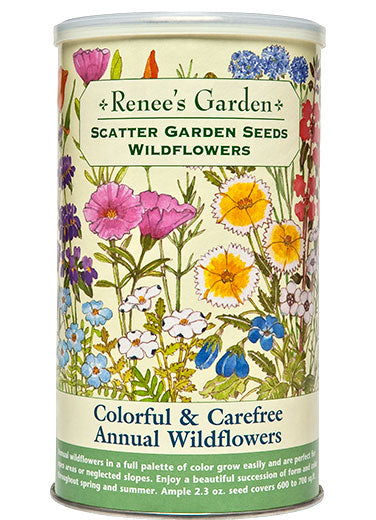
Colorful & Carefree Annual Wildflowers
NOTE
Seeds are packed with a larger quantity of milled rice hulls to help space the tiny seeds when scattering. Before opening, shake the can thoroughly to mix them together so when you cast the seeds they are spaced with room for the plants to grow.
HOW TO PLANT
As soon as the ground can be worked in early spring, plant the seeds in ordinary garden soil in full sun. In mild climates, where the ground does not freeze hard in winter, seeds can also be planted in late fall to overwinter and bloom the next spring.
To prepare the planting area: remove all weeds, grass and large stones. Break up soil clumps and evenly loosen the top 2 inches of soil with a digging fork or shovel, then smooth out with a flat rake.
Shake the can thoroughly before opening, then scatter the contents thinly and evenly over the prepared ground. Using your rake, cover the seed mixture 1/4 inch deep and lightly firm the soil. Water with a gentle mist thoroughly and evenly. Keep the soil moist while awaiting germination and while the seedlings are small.
GROWING NOTES
When wildflower plants are mature they can handle somewhat dry conditions, but will thrive and bloom much longer if watered regularly. For indoor bouquets, cut the flowers as blossoms open. At season’s end, let spent flowers form pods and drop seeds to bloom again the next spring.
WILDFLOWER MIX
INDIVIDUAL VARIETY NAMES MIX% Candytuft
Iberis umbellata18 Baby Blue Eyes
Nemophila menziesii
16 Five Spot
Nemophila maculata
16 Chinese Houses
Collinsia heterophylla12 African Daisy
Dimorphotheca aurantiaca8 CA Poppy
Eschscholzia californica7 CA Bluebell
Phacelia campanularia5 Shirley Poppy
Papaver rhoeas5 Bird’s Eyes
Gilia tricolor4 Dwarf Godetia
Clarkia amoena2 Clarkia
Clarkia unguiculata2 Globe Gilia
Gilia capitata2 Tidy Tips
Layia platyglossa2 Inert Material: Clean milled rice hulls NOTE
The seed mix is packed with a larger quantity of organic rice hulls to help space the tiny seeds. Before opening, shake canister thoroughly to mix them together.
Regular price $16.95Sale price $16.95Unit price per -
Bonus Pack Seeds for A Butterfly Garden
TWO DESIGN IDEAS
Plant your butterfly garden in a rectangular bed or border with tall, medium and low flowers from back to front, OR in a circle with tall flowers in the center, surrounded by the middle and then lower growing varieties.
For the back of the border in dramatic rows, OR planted in a circle garden as a central spiral, tall, branching Crimson Queen sunflowers offer both a convenient meal and a windscreen for your winged visitors.
At mid-level, Purity Cosmos' abundant snow-satiny white flowers with sunny centers dance and sway all summer, a magnet for air-waltzing butterflies.
At front of the border OR around the outer edge of the circle, low-growing Persian Carpet zinnias offer a beautiful tapestry of warm shades and provide nectar for many species.
CREATING BUTTERFLY HABITATButterflies are attracted to blossom shapes and colors, so it's important to plant in mass blocks instead of a few isolated plants here and there. Planting these flowers behind each other produces an ideal combination of different flowers at varying heights, offering your visitors a choice of where to feed and rest.
These flowers provide flower nectar for nourishment and fuel butterflies need for flying. Flowers unique personal attributes of color, scent and shape lure butterflies and ensure pollination. With each sip from the heart of a blossom, tiny grains of pollen gather on the butterfly’s body and then it helps to pollinate the garden as it flutters among flowers.
Sunny days in the garden are synonymous with a busy freeway of flying butterflies. The sun warms their wing muscles, enabling them to dart, soar and fly seeking nectar and pollinating your sun loving flowers. On gusty summer days, the taller cosmos and sunflowers offer comfortable protection from the wind. Offer butterflies a convenient drinking spot with a shallow bird bath or decorative stone water container.
Regular price $8.99Sale price $8.99Unit price per -
Hanging Basket Nasturtiums Little Firebirds
ANNUAL
Spring/summer/fall bloom
Frost tenderEASY TO START OUTDOORS
In spring once all danger of frost is over, sow seeds in full sun (or part shade in hot climates). Nasturtiums need no added fertilizer. Poke seeds into well worked garden soil 1 in. deep and 3 to 4 in. apart. Press soil firmly over seeds and keep moist. When seedlings are several inches tall, thin to 6 in. apart, so plants can spread.
Container planting: use pots or baskets a minimum of 8-10 in. deep and 12 to 15 in. across, filled with fresh potting mix. Poke seeds in 1 in. deep and 1 1/2 in. apart. When seedlings are established, thin to 3 in. apart, so plants can spread.
TO START EARLY INDOORS
Three weeks before last expected frost date, poke 2 seeds one inch deep into individual 4 in. pots of seed starting mix. Provide a strong light source. When seedlings have several sets of leaves, pinch out the weaker seedling, leaving 1 per pot. When weather reaches 50°F (10°C). both night and day, acclimate to outdoor conditions. Transplant seedlings 6 in. apart in full sun. See Container Planting for suggested pot sizes.
GROWING NOTES
These lovely nasturtiums with handsome variegated leaves are easy to grow in any well-drained soil, They will quickly fill garden beds, planters or hanging baskets.
Regular price $3.69Sale price $3.69Unit price per -
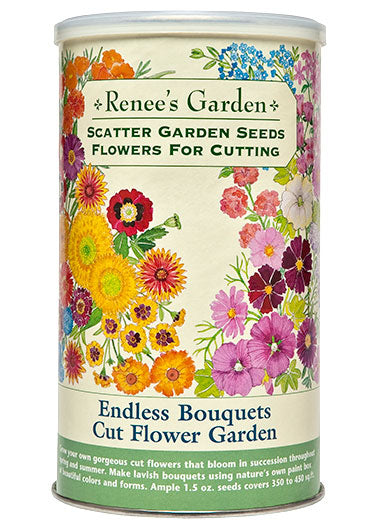
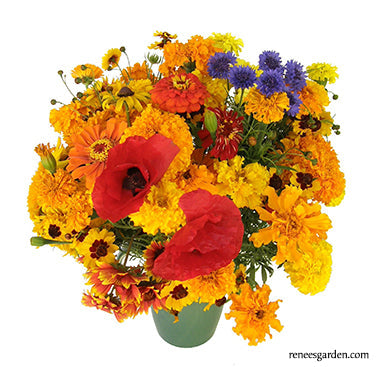
Endless Bouquets Cut Flower Garden
NOTE
The seed mix is packed with a larger quantity of organic rice hulls to help space the tiny seeds. Before opening, shake canister thoroughly to mix them together.
HOW TO PLANT
As soon as ground can be worked in early spring, sow mix in ordinary garden soil in full sun. In mild climates, where the ground does not freeze hard in winter, seeds can also be planted in late fall to over-winter and bloom the next spring.
Prepare the planting area by removing all weeds, grass and large stones. Break up soil clumps and evenly loosen the top 2 inches of soil with a digging fork or shovel, then smooth out with a flat rake.
Shake can thoroughly, then scatter the contents thinly and evenly over prepared ground. Using your rake, lightly cover the seed mixture, about ¼ inch deep, and then lightly firm the soil. Water evenly with a gentle mist. Keep bed moist while awaiting germination and when the seedlings are small.
GROWING NOTES
Harvesting opening flowers regularly for bouquets will help to encourage repeat bloom. Plants will flower in succession and bloom much longer if watered regularly. At season’s end, allow spent flowers to form pods and then drop their seeds to bloom again next spring.
ANNUAL CUTTING FLOWER MIX
NAME MIX% TYPE HEIGHT COLOR Aster
(Callistephus chinensis)2 A 12 - 36" Blue/Pink/White/Purple Calendula
(Calendula officinalis)10 A 12 - 24" Yellow/Orange/Cream Bachelor Buttons
(Centaurea cyanus)8 A 12 - 36"
Blue/RoseWhite Godetia
(Clarkia amoena)2 A 10 - 18" Pink/White Clarkia
(Clarkia elegans)3 A 10 - 18" Pink/Lavender Plains Coreopsis
(Coreopsis tinctoria)3 A 12 - 36" Yellow-Maroon Cosmos
(Cosmos bipinnatus)7 A 36 - 60" White/Pink/Crimson/Rose Chinese Forget-Me-Not
(Cynoglossum amabile)10 A/B 18 - 24" Blue Larkspur
(Delphinium ajacis)3 A 12 - 36" White/Pink/Blue/Violet African Daisy
(Dimorphotheca aurantiaca)5 A 10 - 16" Orange/Salmon/White Poppy
(Eschscholzia californica)2 TP 12 - 18" Yellow/Orange Annual Gaillardia
(Gaillardia pulchella)2 A 12 - 24" Yellow-Red Baby's Breath
(Gypsophila elegans)8 A 8 - 18" White Sunflower
(Helianthus annus)
2 A 24 - 72" Yellow Strawflower
(Helichrysum monstrosum)
1 A 24 - 36" Yellow/White/Red/Pink Candytuft
(Iberis umbellata)
5 A 12 - 18" White/Pink/Violet Lavatera (Tree Mallow)
(Lavatera trimestris)2 A 24 - 48" White/Pink Alyssum Tall (Sweet Alyssum)
(Lobularia maritima)
5 TP 8 - 16" White Evening Primrose
(Oenothera lamarckiana)
1 B/P 24 - 60" Yellow Shirley Poppy
(Papaver rhoeas)
3 A 12 - 30" White/Pink/Red California Bluebells
(Phacelia campanularia)
1 A 8 - 20" Blue Black Eyed Susan
(Rudbeckia hirta)
5 A/B/P 12 - 36" Yellow Catchfly
(Silene armeria)
2 A/B 16 - 22" Pink Marigold
(Tagetes erecta)
3 A 12 - 16" Yellow/Orange/Maroon Zinnias
(Zinnia elegans)
5 A 12 - 36" White/Purple/Yellow/Orange/Red
Inert Material: Organic rice hulls
A = Annual B = Biennial TP = Tender PerennialRegular price $16.95Sale price $16.95Unit price per -
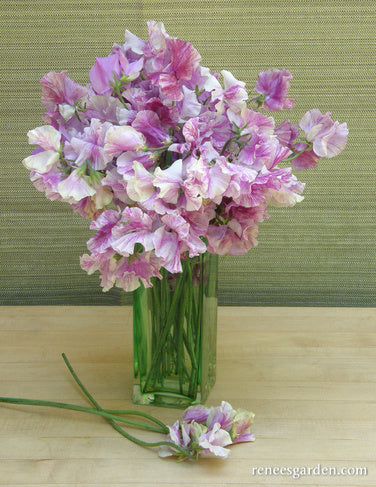
Fragrant Sweet Peas Raspberry Twirl
ANNUAL CLIMBING VINE
Spring/summer bloom
Frost tolerantEASIEST TO START OUTDOORS
Sweet peas must have well drained soil, so dig deeply and enrich with aged manure or compost before sowing seeds. Erect a well-anchored trellis, vertical netting or other support for vines before planting. Sow seeds in full sun in cool early spring weather as early as the ground can be worked.
In mild winters, where ground does not freeze, sweet peas can be planted in fall. Seedlings will form strong root systems, then overwinter to bloom vigorously in spring. Plant sweet pea seeds 1 inch deep and 2 to 3 inches apart. When seedlings are 2 inches tall, thin to 4-5 inches apart to allow plants room to mature.
GROWING NOTES
Sweet peas bloom best when they flower before the weather gets too hot, so if spring planting, sow as early as possible, especially in regions where summer heat comes on fast. Anchor climbing supports well as these vines will grow dense and heavy with bloom. Protect seedlings from birds, slugs and snails. Mulch and keep well watered for best flower production. For longest bloom, remove faded blossoms regularly.Regular price $3.99Sale price $3.99Unit price per -
Butterfly Flowers Spinning Wheels Marigolds
ANNUAL
Summer/fall bloom
Frost tenderTO PLANT OUTDOORS
Sow seeds directly into well-worked garden soil in full sun once all danger of frost is past. Space seeds several inches apart and cover about 1/4 inch deep. Keep soil evenly moist while awaiting germination in 7 to 10 days. When seedlings are well established, thin them to a final spacing of 8 to 10 inches apart so these vigorous plants have room to grow and bloom. Extra thinned seedlings can be transplanted easily.
TO START EARLY INDOORS
Sow seeds several inches apart in a container of well-drained seed starting mix 4 to 6 weeks before last expected frost date. Cover 1/4 inch deep, keep moist and provide a strong light source until ready to go outside. Transplant 8 to 10 inches apart once weather warms up after gradually acclimating seedlings to outdoor conditions.
GROWING NOTES
These cheerful marigolds are quick to bloom, carefree and non-fussy. Their profusion of long lasting flowers and handsome blue-green foliage is perfect in any sunny spot and makes long blooming handsome borders. Feed and water regularly. No need to pinch these self branching productive plants. Both butterflies and pollinators of all kinds are attracted to these flowers throughout the season.
Regular price $3.39Sale price $3.39Unit price per