Heirloom Flowers
-
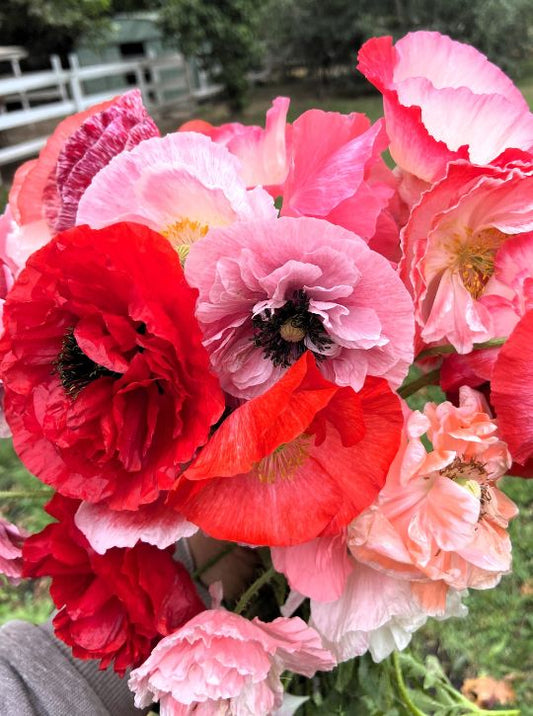
Shirley Poppies French Flounce
HARDY ANNUAL
Spring/summer bloom
Frost hardySTART SEEDS OUTDOORS
Plant poppies either in late fall or very early spring. (Fall-sown seeds will overwinter and germinate when soil warms in early spring.) If spring planting, sow in a fine-textured garden bed in full sun as early as ground can be worked. Sprinkle seeds as thinly as possible, or in rows 8 to 10 inches apart. Rake in gently or lightly cover seeds 1/8 inch deep. Keep seedbed moist. Seedlings emerge in 7 to 14 days. If seedlings come up very thickly, thin poppies early but delay final thinning until weather is settled in spring.
THIN OR TRANSPLANT
Poppies don’t transplant well, so sow directly in the garden. Thin early if crowded, then again to final spacing 8 to 10 inches apart.
GROWING NOTES
Sow seeds early if spring planting, as poppies can handle frosts and bloom best when plants get a good start in cool spring weather. To help space the tiny seeds, try mixing them with a little dry sand before sowing. Weed and water young seedlings and thin carefully to final spacing once they are well established as plants need proper room to grow and develop. Prolong bloom by removing spent flowers.
Regular price $3.39Sale price $3.39Unit price per -
California Poppies Dusky Rose
PERENNIAL/GROWN AS ANNUAL
Spring/Summer bloom
Can handle light frostBEST TO START DIRECTLY IN THE GARDEN
Sow seeds directly into a finely textured, well drained garden bed in full sun as early in spring as the ground can be worked. Plant as early as possible in spring, as poppies can handle light frost and bloom best and longest when plants get a good start in cool weather. In mild winter climates, poppies can also be sown in late fall to overwinter for spring bloom. Except in very poor soil, these California poppies will grow and flower readily with no added fertilizer. Space seeds 2 or 3 inches apart, cover 1/4 inch deep, and firm soil gently. Keep soil moist as seedlings emerge. Weed young seedlings carefully. If seedlings come up very thickly, thin poppies early but delay final thinning until seedlings are well established in spring. Final spacing should be 6 inches apart as plants need room to grow, develop and bloom.
GROWING NOTES
When mature, poppy plants can handle dry conditions, but they will always bloom longer if regularly watered. Poppies are pretty cut flowers if brought indoors just as buds begin to open. Prolong bloom by removing spent flowers. At season’s end, allow spent flowers to form pods and drop seed if you want poppies to self-sow.
Regular price $3.39Sale price $3.39Unit price per -
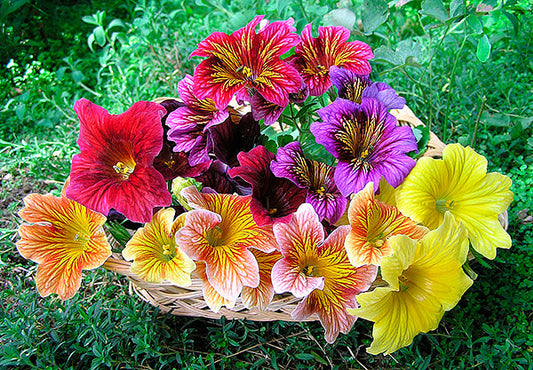
Painted Salpiglossis Stained Glass
ANNUAL
Summer/fall bloom
Frost tenderBEST TO START EARLY INDOORS
In spring, 6 to 8 weeks before last expected frost date, sow seeds 1 inch apart in a container of seed starting mix. Cover 1/4 inch deep with mix, keep moist and between 65 and 75° while awaiting germination. Provide a strong light source until seedlings are ready to plant outdoors. Once seedlings are large enough to handle, transplant 2 to 3 inches apart into a deeper container or individual pots so root systems have room to develop. Feed every 2 weeks with half strength fertilizer. When plants are 3 to 4 inches tall, gradually acclimate to outdoor conditions and plant out in well-drained, fertile soil in the full sun.
THIN OR TRANSPLANT
Space seedlings 6 to 8 inches apart.
GROWING NOTES
Don’t plant these Chilean natives in the garden until risk of frost has passed. Transplant before seedlings start to form buds to get largest flowers and longest bloom. Give them a sheltered position, especially in very hot summer areas where a little afternoon shade is helpful, and keep plants moist and well weeded throughout the growing season for best performance.
Regular price $3.99Sale price $3.99Unit price per -
Shirley Poppies Angels' Choir
ANNUAL
Spring/summer bloom
Frost hardyBEST TO START DIRECTLY IN THE GARDEN
Sow seeds directly into a finely textured garden bed in full sun as early in spring as ground can be worked. To help space the fine seeds, mix with dry sand before sowing. Cover very lightly with fine soil and keep seed bed moist as seedlings emerge over 7 to 21 days.
THIN OR TRANSPLANT
Poppies do not transplant well so we advise sowing the seeds directly in the garden. To get good garden performance, be sure to thin crowded seedlings early; final plant spacing should be 6 to 8 inches apart, so plants have room to grow, mature and bloom.
GROWING NOTES
Plant as early as possible in spring, as poppies can handle frost and bloom best and longest when plants get a good start in cool weather. In mild winter climates, sow seed in late fall to overwinter for spring bloom. Weed and water young seedlings carefully. Mature plants can handle dry conditions but appreciate regular water in hot summer locations. Poppies make good cut flowers if cut just as buds begin to open. Allow spent flowers to form pods and drop seed if you want flowers to self-sow for next season’s bloom.Regular price $3.99Sale price $3.99Unit price per -
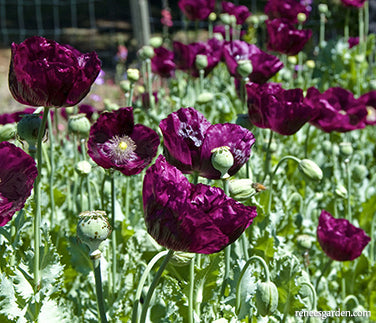
Heirloom Poppies Lauren's Dark Grape
HARDY ANNUAL
Spring/summer bloom
Frost hardySTART SEEDS OUTDOORS
Plant poppies either in late fall or very early spring. (Fall-sown seeds will overwinter and germinate when soil warms in early spring.) If spring planting, sow in a fine-textured garden bed in full sun as early as the ground can be worked.
Broadcast seeds as thinly and evenly as possible and rake in gently, or lightly cover 1⁄8 inch deep. Keep seedbed moist. Seedlings emerge in 7 to 14 days. If seedlings come up very thickly, thin poppies early but delay final thinning until weather is settled in spring.
THIN OR TRANSPLANT
Poppies don’t transplant well, so sow directly in the garden. Thin early if crowded, then again to a final spacing 8 to 10 inches apart.
GROWING NOTES
Sow seeds early if spring planting, as poppies can handle frosts and bloom best when plants get a good start in cool spring weather. To help space the tiny seeds, try mixing them with a little dry sand before sowing. Weed and water young seedlings and thin carefully to final spacing once well established because poppies need room to grow and mature. Prolong bloom by removing spent flowers.
Regular price $3.69Sale price $3.69Unit price per -
Heirloom Miniature Roses Angel Wings
PERENNIAL
Perennial
Summer/Fall Bloom
Very Hardy USDA Zones 4-9START EARLY INDOORS
In spring, 6 weeks before last expected frost date, sow seeds 2 inches apart in a container of seed starting mix and cover 1/4 inch deep. Keep cool, between 60-70°F (16-27°C) and moist and provide a strong light source until ready to plant out. Rose seeds germinate slowly, so be patient. Once seedlings are large enough to handle, transplant into individual pots. Feed seedlings every 2 weeks with half-strength fertilizer. When 3 to 4 inches tall, gradually acclimate seedlings to outdoor conditions and plant out in full sun.
THIN OR TRANSPLANT
Space seedlings 18 inches apart so plants can mature and spread.
GROWING NOTES
Set young seedlings out into rich, well-drained fertile soil or plant in large containers to grow into charming patio shrubs. Plants may flower sparsely their first summer, then begin to bloom in earnest their second and third seasons. They mature at 1 1/2 to 2 1/2 feet tall and are covered with sprays of delicate pastel blossoms all summer long. Keep faded flowers cut off and fertilize regularly for new beautiful garden displays and dainty little nosegay bouquets.
Regular price $4.99Sale price $4.99Unit price per -
California Poppies Copper Pot
PERENNIAL/GROWN AS ANNUAL
Spring/Summer bloom
Can handle light frostBEST TO START DIRECTLY IN THE GARDEN
Sow seeds directly into a finely textured, well drained garden bed in full sun as early in spring as the ground can be worked. Plant as early as possible in spring, as poppies can handle light frost and bloom best and longest when plants get a good start in cool weather. In mild winter climates, Poppies can also be sown in late fall to overwinter for spring bloom. Except in very poor soil, these California poppies will grow and flower readily with no added fertilizer. Space seeds several inches apart, cover 1/4 inch deep, and firm soil gently. Keep soil moist as seedlings emerge. Weed young seedlings carefully. If seedlings come up very thickly, thin poppies early but delay final thinning until seedlings are well established in spring. Final spacing should be 6 inches apart as plants need room to grow and bloom.
GROWING NOTES
When mature, poppy plants can handle dry conditions, but they will always bloom longer if regularly watered. Poppies are pretty cut flowers if brought indoors just as buds begin to open. At season’s end, allow spent flowers to form pods and drop seed if you want poppies to self-sow for next year's spring flowers.
Regular price $3.99Sale price $3.99Unit price per -
Shirley Poppies Falling In Love
ANNUAL
Spring/summer bloom
Frost hardyBEST TO START DIRECTLY IN THE GARDEN
Sow seeds directly into a finely textured garden bed in full sun as early in spring as ground can be worked. To help space these small seeds, it’s helpful to mix them with dry sand before sowing. Cover very lightly with fine soil and keep seed bed moist as seedlings emerge over 10 to 21 days.
THIN OR TRANSPLANT
Poppies do not transplant well, so we advise sowing the seeds directly in the garden. For good garden performance, be sure to thin crowded seedlings early; final plant spacing should be 4 to 6 inches apart, so plants have room to grow, mature and bloom.
GROWING NOTES
Plant as early as possible in spring, as poppies can handle frost and bloom best and longest when plants get a good start in cool weather. In mild winter climates, you can also sow seed in late fall to form strong root systems and overwinter for earliest spring bloom. Weed and water young seedlings carefully. Mature plants can handle dry conditions but appreciate regular water in hot summer locations. Poppies make good cut flowers if cut just as buds begin to open. Allow spent flowers to form pods and drop seed if you want flowers to self-sow for next season’s bloom.
Regular price $3.99Sale price $3.99Unit price per -
Heirloom Butterfly Scabiosa Grandmother's Pincushion
HARDY ANNUAL
Spring/summer bloom
Can handle light frostFOR BEST RESULTS
Sow seeds 1 to 2 inches apart in a container of seed starting mix, 2 or 3 weeks before last expected frost. Cover 1/4 inch deep, keep moist and provide a good light source until seedlings are ready to transplant. Plant out into fertile garden soil in full sun when plants are 3 to 4 inches tall.
TO START SEEDS OUTDOORS
Sow seeds in a well-drained, deeply worked garden bed in full sun as soon as soil can be worked in spring. Space seeds 8 to 10 inches apart in rows a foot apart and cover 1/4 inch deep. Keep seed bed moist until seedlings emerge in 12 to 15 days. Weed carefully and keep well watered.
THIN OR TRANSPLANT
Space seedlings 12 to 18 in. apart.
GROWING NOTES
Plant in early spring to get sturdy plants that will flower throughout the summer and fall. Curving stems are part of this plant’s character, although our Dutch cultivar is more upright than others. Support growing plants for best display and to make cutting the lovely flowers easier. Cut often for bouquets and to produce more blossoms. In mild winter areas, they are a short-lived perennial and will winter over to bloom a second season.Regular price $4.69Sale price $4.69Unit price per -
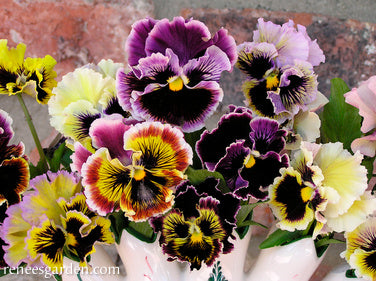
Heirloom Pansies Victorian Posy
PERENNIAL GROWN AS ANNUAL
Spring bloom
Can handle frostBEST TO START SEEDS EARLY
In Mild Winter Climates, start seeds in late summer to have plants large enough to successfully overwinter and bloom in early spring.
In Cold Winter Climates, start early indoors about 2 1/2 months before last spring frost. Sow seeds in a container of seed starting mix 1 inch apart and cover very lightly. Keep evenly moist and cool 55-60°(13-16°C), providing a strong light source. When seedlings are large enough to handle, transplant 2 inches apart into a deeper container(s) and grow to 2 to 3 inches tall. Gradually acclimate seedlings to outdoor conditions before transplanting 4 to 5 inches apart in a sunny spot.
THIN OR TRANSPLANT
Space seedlings 4 to 5 inches apart.
GROWING NOTES
Pansies will bloom longest and make largest flowers when weather is cool. In mild winter areas, late summer sowings will begin to bloom in very early spring or even late winter. Keep faded blossoms removed to prolong flowering.
Regular price $4.39Sale price $4.39Unit price per -
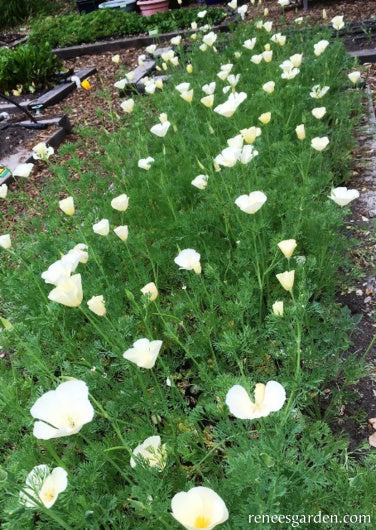
California Poppies Buttercream
PERENNIAL GROWN AS ANNUAL
Spring/Summer bloom
Can handle light frostBEST TO START DIRECTLY IN THE GARDEN
Sow seeds directly into a finely textured, well-drained garden bed in full sun as early in spring as the ground can be worked. Plant as early as possible in spring, as poppies can handle light frost and bloom best and longest when plants get a good start in cool weather. In mild winter climates, poppies can also be sown in late fall to overwinter for spring bloom. Except in very poor soil, these California poppies will grow and flower readily with no added fertilizer. Space seeds 2 or 3 inches apart, cover 1/4 inch deep, and firm soil gently. Keep soil moist as seedlings emerge. Weed young seedlings carefully. If seedlings come up very thickly, thin poppies early but delay final thinning until seedlings are well established in spring. Final spacing should be 3-4 inches apart as plants need room to develop and bloom.
GROWING NOTES
When mature, poppy plants can handle dry conditions but they will always bloom longer if watered regularly. Poppies are pretty cut flowers if brought indoors just as buds begin to open. Prolong bloom by removing spent flowers. At season's end, allow spent flowers to form pods and drop their seed if you want poppies to self-sow.Regular price $3.39Sale price $3.39Unit price per -
Shirley Poppies Legion of Honor
ANNUAL
Spring/summer bloom
Frost hardyBEST TO START DIRECTLY IN THE GARDEN
Sow seeds directly into a finely textured garden bed in full sun as early in spring as ground can be worked. To help space the fine seeds, mix with dry sand before sowing. Cover very lightly with fine soil and keep seed bed moist as seedlings emerge over 7 to 14 days.
THIN OR TRANSPLANT
Poppies do not transplant well so we advise sowing the seeds directly in the garden. Be sure to thin crowded seedlings early; final plant spacing should be 4 to 6 inches apart so plants have room to fully mature and bloom.
GROWING NOTES
Plant as early as possible in spring, as poppies can handle frost and bloom best and longest when plants get a good start in cool weather. In mild winter climates, sow seed in late fall to overwinter for spring bloom. Weed and water young seedlings carefully. Mature plants can handle dry conditions but appreciate regular water in hot locations.
Regular price $2.99Sale price $2.99Unit price per -
California Poppies Tequila Sunrise
PERENNIAL/GROWN AS ANNUAL
Spring/Summer bloom
Can handle light frostBEST TO START DIRECTLY IN THE GARDEN
Sow seeds directly into a finely textured, well drained garden bed in full sun as early in spring as the ground can be worked. Plant as early as possible in spring, as poppies can handle light frost and bloom best and longest when plants get a good start in cool weather. In mild winter climates, Poppies can also be sown in late fall to overwinter for spring bloom.
Except in very poor soil, these California poppies will grow and flower readily with no added fertilizer. Space seeds several inches apart, cover 1/4 inch deep, and firm soil gently. Keep soil moist as seedlings emerge. Weed young seedlings carefully. If seedlings come up very thickly, thin poppies early but delay final thinning until seedlings are well established in spring. Final spacing should be 3 to 4 inches apart as plants need room to grow and bloom.
GROWING NOTES
When mature, poppy plants can handle dry conditions, but they will always bloom longer if regularly watered. Poppies are pretty cut flowers if brought indoors just as buds begin to open. At season’s end, allow spent flowers to form pods and drop seed if you want poppies to self-sow for next years flowers.Regular price $3.39Sale price $3.39Unit price per -
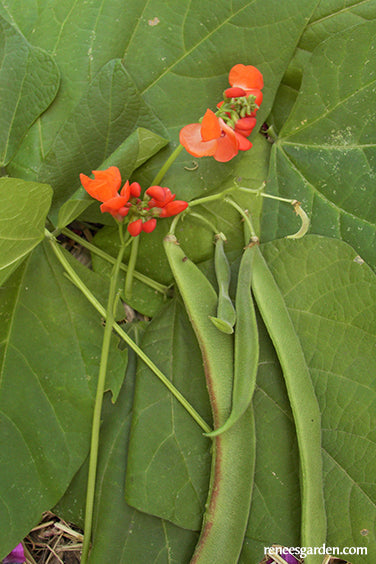
Magic Beanstalk Scarlet Runner Bean
ANNUAL VINE
Summer/fall bloom with edible pods and seeds
Frost tenderEASIEST TO START DIRECTLY IN THE GARDEN
In late spring once weather is warm and settled and nights stay above 50°F (10°C), plant seeds in a sunny spot. Erect well-anchored supports at planting time to support the rapidly growing vines. Poke seeds in 1 inch deep and 3 in. apart and firm soil over them. If training bean vines up poles, plant 4 or 5 beans several inches from each pole, or plant seeds 3 to 4 inches apart along a fence or trellis. Keep soil evenly moist while awaiting germination in 5 to 10 days.
THIN OR TRANSPLANT
Beans don’t transplant well, so we advise sowing seeds where they are to grow. Thin seedlings to 6 inches apart.
GROWING NOTES
Always wait until weather is warm before planting seeds so beans will germinate and grow well. Keep bean vines well watered. In very hot climates, beans will flower but not set pods until weather moderates in fall. Both the crispy bean flavored blossoms and the flat green pods are deliciously edible; let some of the pretty purple and black beans mature in their pods to use for tasty dry bean recipes.Regular price $3.99Sale price $3.99Unit price per -
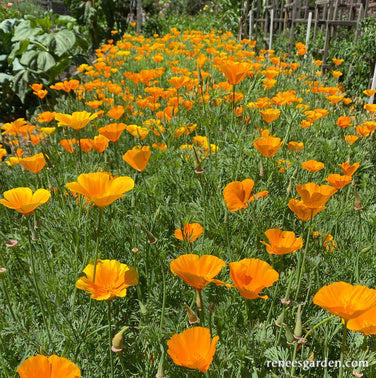
California Poppies Native Orange
PERENNIAL/GROWN AS ANNUAL
Spring/Summer bloom
Can handle light frostBEST TO START DIRECTLY IN THE GARDEN
Sow seeds directly into a finely textured, well drained garden bed in full sun as early in spring as the ground can be worked. Plant as early as possible in spring, as poppies can handle light frost and bloom best and longest when plants get a good start in cool weather. In mild winter climates, Poppies can also be sown in late fall to overwinter for spring bloom.
Except in very poor soil, these California poppies will grow and flower readily with no added fertilizer. Space seeds several inches apart, cover ¼ inch deep, and firm soil gently. Keep soil moist as seedlings emerge. If seedlings come up very thickly, thin poppies early but delay final thinning until seedlings are well established in spring. Space plants 3-4 inches apart to allow plants room to grow and bloom.
GROWING NOTES
When mature, poppy plants can handle dry conditions, but they will always bloom longer if regularly watered. Poppies are pretty cut flowers if brought indoors just as buds begin to open. At season’s end, allow spent flowers to form pods and drop seed if you want poppies to self-sow for next years flowers.Regular price $2.99Sale price $2.99Unit price per -
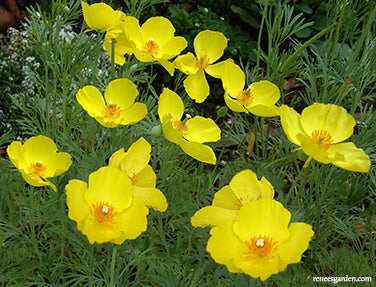
Heirloom Butterfly Flowers Mexican Tulip Poppy
PERENNIAL GROWN AS ANNUAL
Summer/fall bloom
Can handle light frostTO START EARLY INDOORS
Two to three weeks before the last frost date, sow seeds 1/4 inch deep and 1 in. apart in individual pots of seed starting mix. Keep warm and moist and provide a strong light source until seedlings are ready to plant outdoors. so transplant very carefully into the garden 8 in. apart when seedlings are large enough to handle.
TO START OUTDOORS
Sow seeds in a well-worked seedbed in full sun when danger of frost is past and temperatures have reached at least 50°F (10°C) both night and day. Space seeds 4 inches apart in rows 8 inches apart, cover lightly, 1/4 inch deep, and gently firm soil. Keep soil evenly moist but not soggy while awaiting germination in 10 to 14 days. Thin to 8 inches apart before plants get too crowded.
GROWING NOTES
These vibrant flowers glow in a mixed border or wild garden with their finely-cut, gray green foliage and bright, butter yellow blossoms that attract summer butterflies. Cut plants back halfway when the first flowering has finished and plants start to look rangy, and you will be rewarded with another long flush of bloom until frost. Mexican Tulip Poppies are perennial in very mild climates.Regular price $4.69Sale price $4.69Unit price per -
Heirloom Sweet Peas Cupani's Original
ANNUAL CLIMBING VINE
Spring/summer bloom
Frost tolerantEASIEST TO START OUTDOORS
Sweet peas must have well drained soil, so dig deeply and enrich with aged manure or compost before sowing seeds. Erect a well-anchored trellis, vertical netting or other support for vines before planting. Sow seeds in full sun in cool early spring weather as early as the ground can be worked. In mild winter areas, where the ground does not freeze, seeds can be planted in fall to form strong root systems, then overwinter to bloom strongly in spring. Plant seeds 1 inch deep and 2 to 3 inches apart. When seedlings are 2 inches tall, thin them 4 to 5 inches apart, to allow plants room to mature.
GROWING NOTES
Sweet peas bloom best before the weather gets too hot, so if spring planting, sow as soon as ground can worked. Where summer heat comes on fast, they’ll appreciate a spot with afternoon shade. Anchor supports well as vines will grow heavy with bloom. Protect seedlings from birds, slugs and snails. Mulch and keep well watered. For longest bloom, pick flowers often and keep faded blossoms cut.Regular price $3.99Sale price $3.99Unit price per -
Heirloom Butterfly Salvia Marble Arch
ANNUAL
Summer/fall bloom
Frost tenderTO START DIRECTLY IN THE GARDEN
Sow seeds in a well-worked seed bed in full sun when all danger of frost is past and weather is warm and settled. Space seeds 4 to 5 inches apart in rows 12 inches apart, cover about 1/2 inch deep and gently firm soil. Keep soil evenly moist while awaiting germination in 10 to 20 days.
TO START EARLY INDOORS
Five to six weeks before last frost date, sow seeds 1/2 inch deep and 2 inches apart in a container of seed starting mix. Keep moist and provide a strong light source until seedlings are ready to plant in the garden. Acclimate seedlings gradually to outdoor conditions when night temperatures are regularly above 50°F (10°C). Space seedlings 10 to 12 inches apart in the garden.
GROWING NOTES
This improved variety shows its three lovely shades at the same time and the pretty floral top bracts get larger and more colorful over time. Use cut blooming branches to add texture, color and form to fresh summer bouquets. Stems of Marble Arch will also retain their colors well for everlasting arrangements; simply hang small bunches upside down indoors in a place with good air circulation until dry to the touch.Regular price $2.99Sale price $2.99Unit price per -
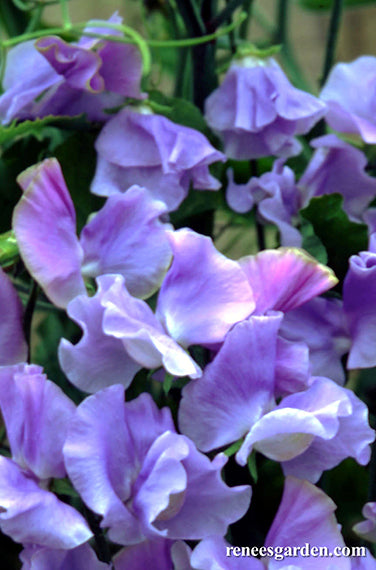
Exhibition Sweet Peas Blue Celeste
ANNUAL CLIMBING VINE
Spring/summer bloom
Frost tolerantEASIEST TO START OUTDOORS
Sweet peas must have well-drained soil, so dig deeply and enrich with aged manure or compost before sowing seeds. Erect a well-anchored trellis, vertical netting or other support for vines before planting. Sow seeds in full sun in cool early spring weather as early as the ground can be worked.
In Mild Winter Areas: where the ground does not freeze, plant in fall after Labor Day; seeds will germinate and form strong root systems, then overwinter to bloom strongly in spring. Plant sweet pea seeds 1 inch deep and 2 to 3 inches apart. When seedlings are 2 inches tall, thin them to 5 to 6 inches apart, to allow plants room to mature.
GROWING NOTES
Sweet peas bloom best before the weather gets too hot, so if spring planting, sow as soon as ground can be worked. Where summer heat comes on fast, they’ll appreciate a spot with afternoon shade. Anchor supports well as vines will grow heavy with bloom. Protect seedlings from birds, slugs and snails. Mulch and keep well watered. For longest bloom, pick flowers often and keep faded blossoms cut.Regular price $3.99Sale price $3.99Unit price per -
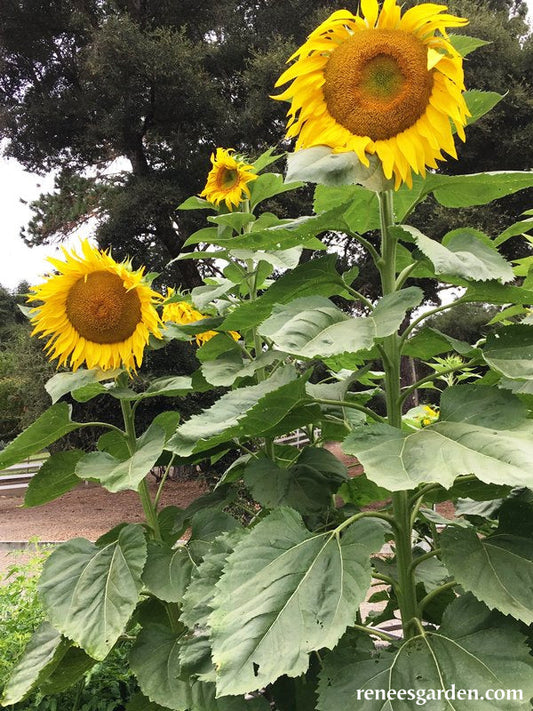
Giant Sunflowers Heirloom Titan
ANNUAL
Summer/fall bloom
Frost tenderEASIEST TO START DIRECTLY IN THE GARDEN
Plant in full sun in good garden soil when weather is warm and settled both day and night and all danger of frost is past. Poke seeds into well-worked soil about 1 inch deep and 6 inches apart. Press soil firmly over seeds and keep moist as seedlings emerge.
THIN OR TRANSPLANT
When seedlings are about 3 inches tall, be sure to space them 12 to18 inches apart with 3 feet between rows. This spacing allows plants room to grow, establish strong roots and sturdy stalks.
GROWING NOTES
Keep soil moist and well weeded. Protect seedlings from birds at planting time with netting or plastic berry baskets, removing before plants get crowded. For large heads, space seedlings properly so plants will have room to grow to full size.
HARVEST AND USE
As petals drop, bees pollinate the florets in each head and seeds begin to mature. When center disk florets have dried up, cover the ripening seed heads loosely with paper bags to foil pilfering birds. When ripened kernels are plump and hard-shelled, cut entire heads, dry fully, then remove the seeds by hand, rubbing them out with your thumbs. Store in closed containers to eat for snacks or feed to the birds over the winter.Regular price $3.39Sale price $3.39Unit price per -
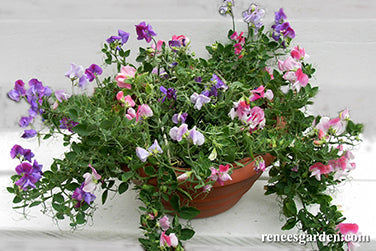
Windowbox Sweet Peas Color Palette Cupid
ANNUAL
Spring/summer bloom
Frost tolerantEASIEST TO START OUTDOORS
Sow seeds directly in deep containers at least 12 inches in diameter, or rectangular window-boxes at least 6-8 inches deep once danger of hard frost is over. Sweet peas grow best in cool weather and can handle light frosts. In mild winter areas, plant in fall weather to overwinter for spring bloom. Always fill planting containers with well moistened, good quality, fresh potting soil before planting seeds 1 inch deep and 2 to 3 inches apart.
THIN OR TRANSPLANT
Space seedlings 3 to 4 inches apart when they are 2 inches tall, allowing room for plants to mature, but leaving 5 to 6 plants in a 12 inch diameter container.
GROWING NOTES
Sweet peas bloom best before the weather gets too hot. When seedlings have 3 to 4 sets of leaves, pinch off top set to encourage branching for a bushy full plant. Young plants will grow 8 to 10 inches tall, then cascade over the sides of containers. It’s critical to keep your container sweet peas well-watered and remember to fertilize them regularly every two weeks with liquid fertilizer solution. Protect plants from slugs and snails. For longest bloom, remove faded blossoms regularly.Regular price $3.69Sale price $3.69Unit price per -
Heirloom Sweet Peas Royal Wedding
ANNUAL CLIMBING VINE
Spring/summer bloom
Frost tolerantEASIEST TO START OUTDOORS
Sweet peas must have well drained soil, so dig deeply and enrich with aged manure or compost before sowing seeds. Erect a well-anchored trellis, vertical netting or other support for vines before planting. Sow seeds in full sun in cool early spring weather as early as the ground can be worked. In mild winters, where ground does not freeze, sweet peas can be planted in fall. Seedlings will form strong root systems, then overwinter to bloom vigorously in spring. Plant sweet pea seeds 1 inch deep and 2 to 3 inches apart. When seedlings are 2 inches tall, thin to 4 inches apart to allow plants room to mature.
GROWING NOTES
Sweet peas bloom best before the weather gets too hot, so if spring planting, sow as soon as ground can worked. Where summer heat comes on fast, they’ll appreciate a spot with afternoon shade. Anchor supports well as vines will grow heavy with bloom. Protect seedlings from birds, slugs and snails. Mulch and keep well watered. For longest bloom, pick flowers often and keep faded blossoms cut.Regular price $3.99Sale price $3.99Unit price per -
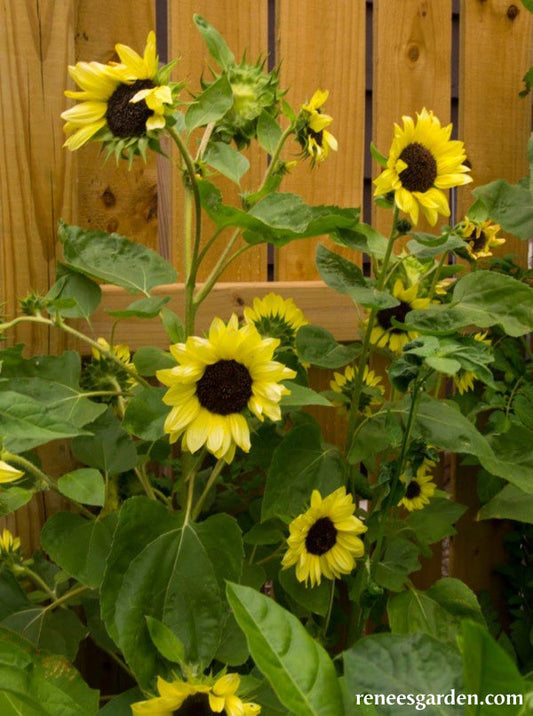
Long Blooming Sunflowers Valentine
ANNUAL
Summer/fall bloom
Frost tenderTO PLANT OUTDOORS
Plant in full sun in good garden soil when weather is warm and settled both day and night and all danger of frost is past. Poke seeds into well-worked soil 1 inch deep and 4 – 5 inches apart. Press soil firmly over seeds and keep moist until germination in 8 to 10 days.
TO START EARLY INDOORS
Several weeks before last frost date, sow seeds 1/2 inch deep in individual pots of well drained seed starting mix. Keep moist and provide a strong light source until ready to plant outside when seedlings are large enough to handle. When weather has warmed into the 50°F (10°C) range, transplant carefully into the garden in full sun.
THIN OR TRANSPLANT
Space seedlings 12 inches apart so plants have ample room to grow sturdy stalks and roots.
GROWING NOTES
Growing sunflowers is easy and rewarding. Make several sowings, three weeks apart to have a succession of bloom. Keep soil moist and well weeded. Protect seedlings from hungry birds with netting or plastic berry baskets, removing before plants get crowded. Sunflowers need room! When young seedlings are 3 inches tall, be sure to thin them to stand 12 inches apart.Regular price $3.99Sale price $3.99Unit price per -
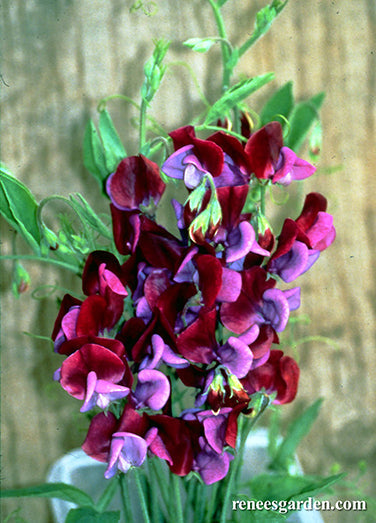
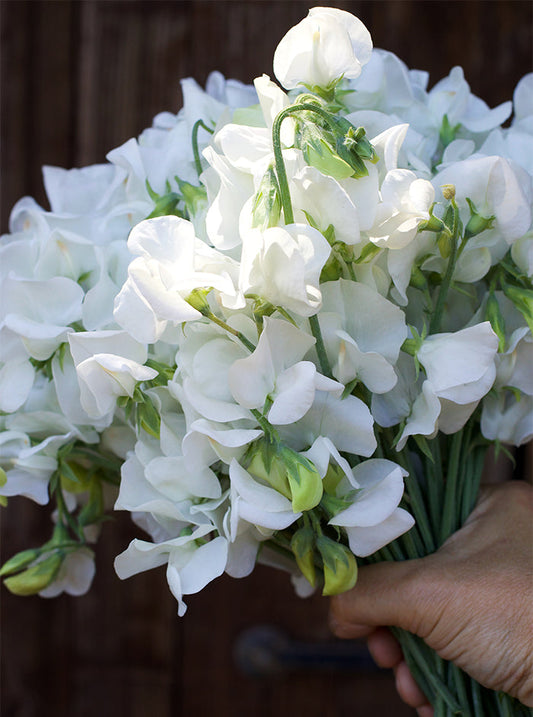
Heirloom Sweet Peas Queen of the Night
ANNUAL CLIMBING VINE
Spring/summer bloom
Frost tolerantEASIEST TO START OUTDOORS
Sweet peas must have well drained soil, so dig deeply and enrich with aged manure or compost before sowing seeds. Erect a well-anchored trellis, vertical netting or other support for vines before planting. Sow seeds in full sun in cool early spring weather as early as the ground can be worked. In mild winter areas, where the ground does not freeze, plant in fall after Labor Day; seeds will germinate and form strong root systems, then overwinter to bloom strongly in spring. Plant seeds 1 inch deep and 2 to 3 inches apart. When seedlings are 2 inches tall, thin them 4 to 5 inches apart, to allow plants room to mature.
GROWING NOTES
Sweet peas bloom best before the weather gets too hot, so if spring planting, sow as soon as ground can worked. Where summer heat comes on fast, they’ll appreciate a spot with afternoon shade. Anchor supports well as vines will grow heavy with bloom. Protect seedlings from birds, slugs and snails. Mulch and keep well watered. For longest bloom, pick flowers often and keep faded blossoms cut.Regular price $3.99Sale price $3.99Unit price per