Exclusive!
-
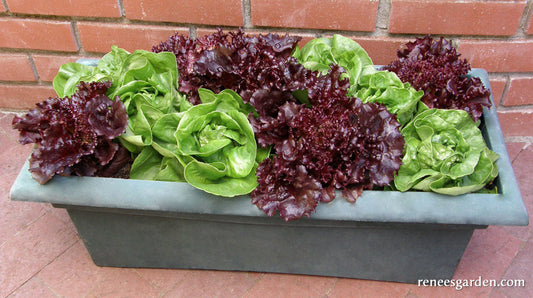
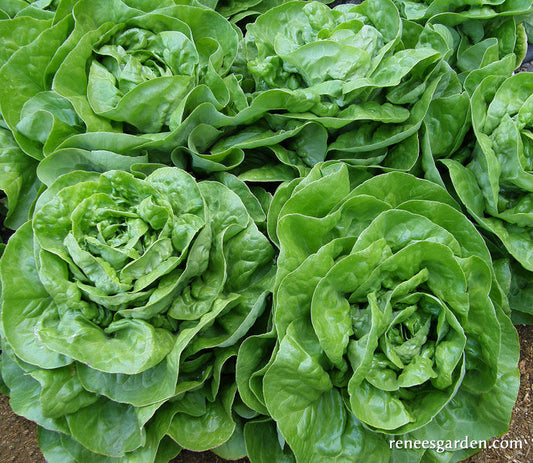
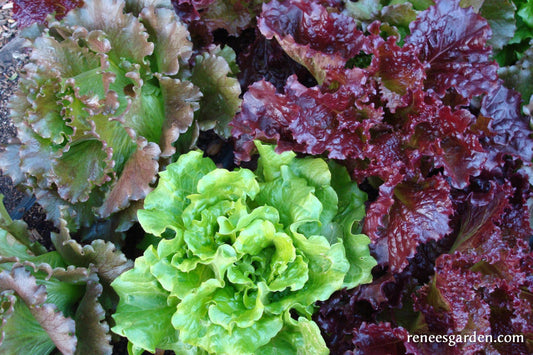
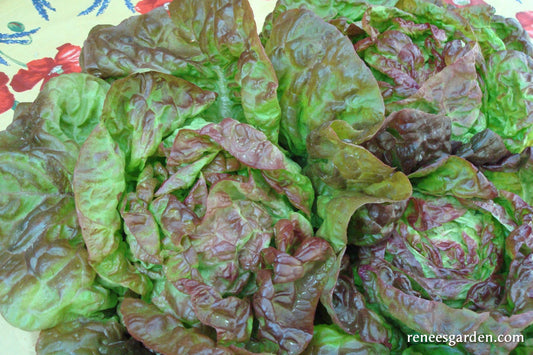
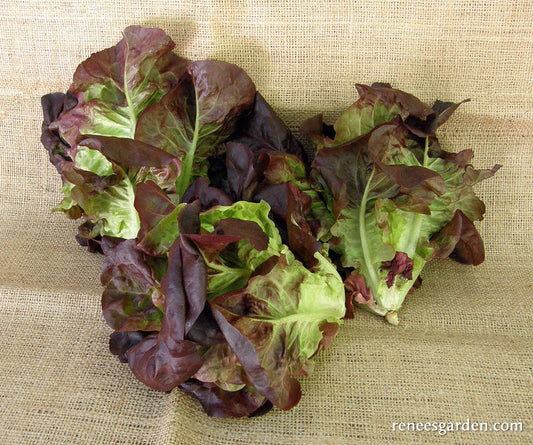
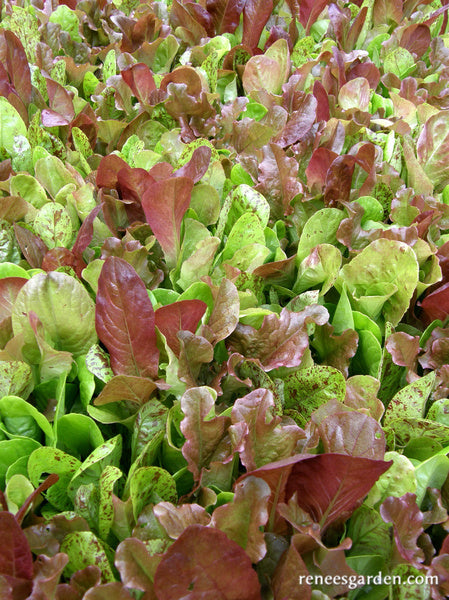
Container Lettuce Ruby & Emerald Duet
START SEEDS OUTDOORS
In cool spring weather, start seeds in full sun. Sow seeds 1/4 inch deep and 1 inch apart in fertile, well-drained soil mix. After the seedlings germinate and begin to grow, it’s important to thin the young plants so they have room to mature into heads. Thin seedlings when a few inches tall to a final spacing of 5 inches apart so they have room to mature to full heads (extra seedlings will transplant easily to grow elsewhere). Plan on 9-11 full heads in a 16-18 inch pot or a 9 x 12 inch windowbox. Plan on 3 full heads in an 8 inch pot.
GROWING NOTES
Lettuce thrives in cool conditions. Be sure to thin properly and keep evenly moist for sweet tasting, full heads. For a constant supply, make several sowings a few weeks apart until summer weather turns hot.
Plant again in late summer for fall harvest. In hot weather, give lettuce some afternoon shade and check water daily. Feed with liquid fertilizer every 2 weeks. Try setting seedlings around the edges of a big pot holding a young tomato or pepper plant. Harvest the lettuce as the bigger plant grows to need the space.
HARVEST AND USE
Savor young lettuce thinnings in your first spring salads. Then harvest plants by cutting mature heads when they feel firm and well-filled. Pull over-mature plants if they begin to elongate ("bolt") in hot weather, as leaves turn bitter at this stage.
Regular price $3.69Sale price $3.69Unit price per -
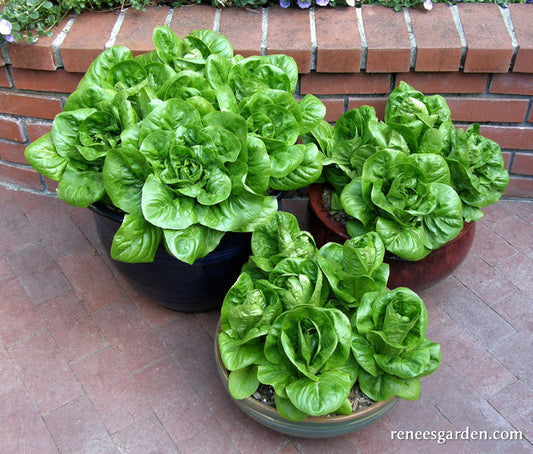
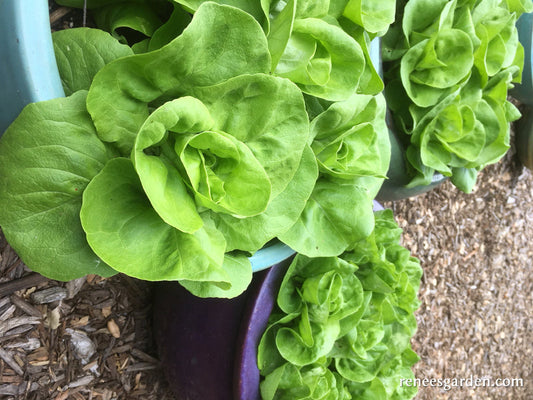
Heirloom Container Lettuce Jade Gem
START SEEDS OUTDOORS
In cool spring weather, start seeds in full sun. Sow seeds ¼ inch deep and 1 inch apart in fertile, well-drained soil. Keep evenly moist but not soggy. As seedlings begin to grow, it’s critical to thin out young plants to a final spacing of 8 inches apart so they have room to mature to large, leafy rosettes (extra seedlings will transplant easily to grow elsewhere). Container Growing: Plan on 5 to 7 full heads in a 16 to 18 inch pot or a 9 x 12 inch windowbox; 3 full heads in an 8 inch pot.
GROWING NOTES
Lettuce thrives in cool conditions. Carefully thin and keep evenly moist for sweet tasting, full heads. For a constant supply, make several sowings a few weeks apart until summer heat comes on. In hot weather, give lettuce some afternoon shade and check water daily. Feed with liquid fertilizer every 2 weeks. Sow more seed in late summer for delicious fall harvests.
HARVEST AND USE
Use these little beauties in containers or as an edible garden accent or border. Or transplant seedlings around edges of a big pot holding a young tomato or pepper plant, then harvest when the bigger plants need the space. Savor young thinnings in your first spring salads. Harvest mature little heads when they are solid and well-filled out. Pull over-mature plants if they begin to elongate (“bolt”) in hot weather.
Regular price $4.89Sale price $4.89Unit price per -
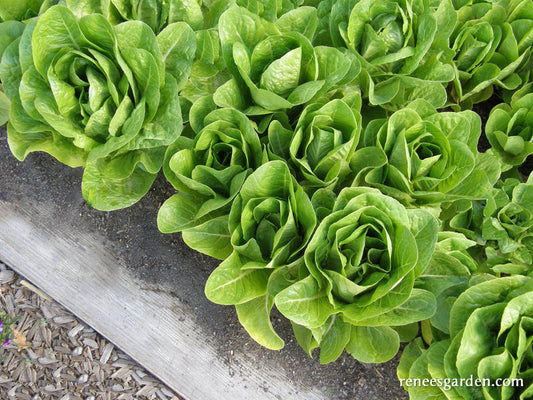
Container Lettuce Sweetie Baby Romaine
START SEEDS OUTDOORS
In cool spring weather, start seeds in full sun. Sow seeds 1/4 inch deep and 1 inch apart in fertile, well-drained soil mix. After the seedlings germinate and begin to grow, it’s important to thin the young plants so they have room to mature into heads. Thin seedlings when a few inches tall to a final spacing of 5 inches apart so they have room to mature to full heads (extra seedlings will transplant easily to grow elsewhere). Plan on 7 to 10 full heads in a 16-18 inch pot or an 18-24 inch window box. Plan on 3 full heads in an 8 inch pot.
GROWING NOTES
Lettuce thrives in cool conditions. Be sure to thin properly and keep evenly moist for sweet tasting, full heads. For a constant supply, make several sowings a few weeks apart until summer weather turns hot.
Plant again in late summer for fall harvest. In hot weather, give lettuce some afternoon shade and check water daily. Feed with liquid fertilizer every 2 weeks.
Try setting seedlings around the edges of a big pot holding a young tomato or pepper plant. Harvest the lettuce as the bigger plant grows to need the space.
HARVEST AND USE
Savor young lettuce thinnings in your first spring salads. Then harvest plants by cutting mature heads when they feel firm and well-filled. Pull over-mature plants if they begin to elongate (“bolt”) in hot weather, as leaves turn bitter at this stage.
Regular price $3.39Sale price $3.39Unit price per -
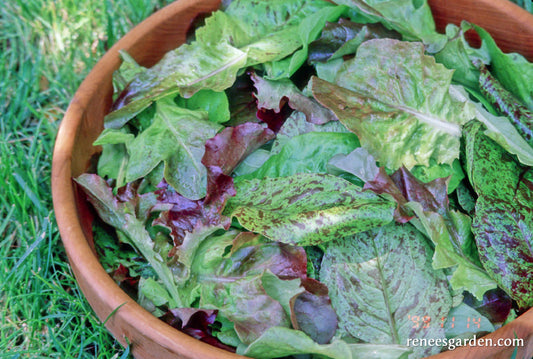
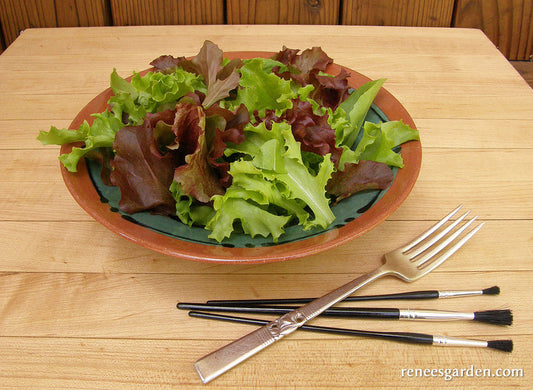
Baby Leaf Lettuce Heirloom Cutting Mix
START SEEDS OUTDOORS
In early spring, sow seeds in finely worked soil in full sun. Shake seeds from the palm of your hand, broadcasting them about a half inch apart over the entire seedbed or in wide rows, and cover lightly and evenly with 1⁄4 inch of fine soil. Firm soil gently and water in with a fine spray. Keep seedbed evenly moist. Make small successive sowings until summer weather turns hot for a constant supply. Plant again in late summer for fall harvesting. Or, space seedlings 8 to 10 inches apart and let them mature to full size heads.
GROWING NOTES
Lettuce thrives in mild weather with consistent moisture. To extend the sowing season into hot weather, erect a canopy of loosely woven shade cloth over the lettuce bed. Birds are often attracted to tender young seedlings so protect them if necessary.
HARVEST AND USE
To harvest by the “cut and come again” method, wait until plants are 4 or 5 inches tall. Cut as much as you need, using scissors to shear off a patch of leaves 1 to 2 inches above the soil level. Water well and fertilize lightly and plants will regrow for several more cuttings. Dress with extra virgin olive oil and a mild fruit or balsamic vinegar to enjoy the sweet flavors and juicy textures of these delicate young leaves at their best.
Regular price $4.39Sale price $4.39Unit price per -
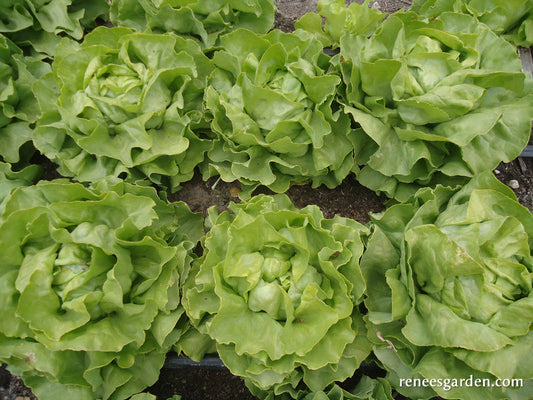
Butterhead Lettuce Rhapsody
START SEEDS OUTDOORS
In cool early spring weather, start seeds in finely worked soil in full sun. Sow 1/4 inch deep and 2 inches apart in rows 6 to 8 inches apart and cover lightly. Tend carefully and keep evenly moist. Gradually thin out extra seedlings, leaving remaining plants standing 12 inches apart so lettuces have room to size up and fully mature into big butterhead rosettes. For a constant supply, make several sowings a few weeks apart until summer weather turns hot. Plant again in late summer for fall harvest.
GROWING NOTES
Lettuce thrives in cool conditions with consistent moisture. Weed, water and be sure to thin carefully to proper spacing for best quality heavy heads. If birds are attracted to young seedlings, cover with floating row covers or netting. Make a shade structure in hotter climates to extend the growing season.
HARVEST AND USE
Savor young thinnings in your first spring salads. Then harvest plants by cutting mature heads when they feel firm and well-filled out. Be sure to thin properly and keep evenly moist for sweet tasting, full heads. Pull and discard or compost over-mature plants if they begin to elongate (“bolt”) in hot weather as leaves turn bitter at this stage.
Regular price $4.39Sale price $4.39Unit price per -
Summer Lettuce Bouquet European Reds & Greens
START SEEDS OUTDOORS
In cool early spring weather, start seeds in finely worked soil in full sun. Sow seeds 1/4 inch deep and 1 inch apart in rows 6 to 8 inches apart or broadcast thinly in beds and cover lightly. Tend carefully and keep evenly moist. Gradually thin seedlings to stand 10 to 12 inches apart to allow heads room to mature. Make several sowings a few weeks apart until summer weather turns hot for a constantly maturing supply. Plant again in late summer for fall harvesting.
GROWING NOTES
Lettuce thrives in cool conditions with consistent moisture. Weed, water and thin carefully for best quality heads. If birds are attracted to young seedlings, cover them with floating row covers or netting.
HARVEST AND USE
Savor early young thinnings in your first spring salads. Then harvest plants either by picking outside leaves after plants are well established or by cutting mature heads. To extend the lettuce season into hotter weather, sow seeds indoors with a strong light source, or outside in containers in light shade. Transplant young seedlings into the garden, shading for a few days. Harvest while still young for best flavor. Pull and discard or compost over-mature plants if they begin to elongate (“bolt”) and get bitter in hot weather.
Regular price $3.69Sale price $3.69Unit price per -
Heirloom Butterhead Lettuce Kagraner Sommer
START SEEDS OUTDOORS
In cool early spring weather, start seeds in finely worked soil in full sun. Sow 1/4 inch deep and 2 inches apart in rows 6 to 8 inches apart and cover lightly. Tend carefully and keep evenly moist. Gradually thin out extra seedlings, leaving remaining plants standing 12 inches apart so lettuces have room to size up and fully mature into big butterhead rosettes. For a constant supply, make several sowings a few weeks apart until summer weather turns hot. Plant again in late summer for fall harvest.
GROWING NOTES
Lettuce thrives in cool conditions with consistent moisture. Weed, water and be sure to thin carefully to proper spacing for best quality heavy heads. If birds are attracted to young seedlings, cover with floating row covers or netting. Make a shade structure in hotter climates to extend the growing season.
HARVEST AND USE
Savor young thinnings in your first spring salads. Then harvest plants by cutting mature heads when they feel firm and well-filled out. Be sure to thin properly and keep evenly moist for sweet tasting, full heads. Pull and discard or compost over-mature plants if they begin to elongate (“bolt”) in hot weather as leaves turn bitter at this stage.
Regular price $4.89Sale price $4.89Unit price per -
Cutting Lettuce Sea of Red
START SEEDS OUTDOORS
In cool early spring weather, sow seeds in finely worked soil in full sun. Sow seeds about one inch apart in seed beds or containers. Cover lightly and evenly with 1/4 inch of fine soil. Firm soil gently and water with a fine spray. Keep seedbed evenly moist. Make small successive sowings until summer weather turns hot for a constant supply. Plant again in late summer for fall harvesting.
GROWING NOTES
Sea of Red will thrive in mild weather with consistent moisture. To extend the sowing season into hot weather, sow in light shade or erect a canopy of loosely woven shade cloth over the bed. Birds are often attracted to tender young seedlings, so protect them if necessary.
HARVEST AND USE
To harvest, wait until the plants form open, loose heads and are about 6 inches tall. Cut as much as you need, using scissors to shear off a patch of leaves about 1 to 2 inches above the soil level. Water well and fertilize lightly. If weather is cool, plants will re-grow for another cutting. The sword-shaped leaves with their beautiful deep red color will enhance any salad bowl and add interest to any sandwich.
Regular price $3.39Sale price $3.39Unit price per -
Heirloom Lettuce Merveille De Quatre Saisons
START SEEDS OUTDOORS
In cool early spring weather, start seeds in finely worked soil in full sun. Sow 1/4 inch deep and 1 inch apart in rows 6 to 8 inches apart and cover lightly. Tend carefully and keep evenly moist. Gradually thin seedlings out by cutting them with scissors, leaving remaining plants to stand 12 inches apart so heads have room to fully size up and mature. For a constant supply, make several sowings a few weeks apart until summer weather turns hot. Plant again in late summer for fall harvest.
GROWING NOTES
Lettuce thrives in cool conditions with consistent moisture. Weed, water and thin carefully for best quality heads. If birds are attracted to the young seedlings, cover them with floating row covers or netting.
HARVEST AND USE
Savor young thinnings in your first spring salads. Then harvest plants by cutting mature heads when they feel firm and well-filled out. Be sure to thin properly and keep evenly moist for sweet tasting, full heads. Pull and discard or compost over-mature plants if they begin to elongate (“bolt”) in hot weather as leaves turn bitter at this stage.
Regular price $3.69Sale price $3.69Unit price per -
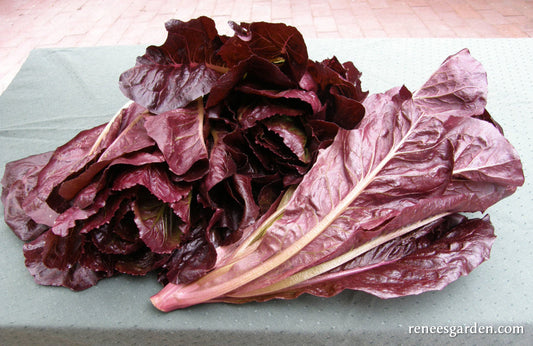
Baby Romaine Lettuce Ruby Gem
START SEEDS OUTDOORS
In cool spring weather, start seeds in full sun. Sow seeds 1/4 inch deep and 1 inch apart in fertile, well-drained soil. Keep evenly moist but not soggy. As seedlings begin to grow, it’s critical to thin out young plants to a final spacing of 10 inches apart so they have room to mature to large, leafy rosettes (extra seedlings will transplant easily to grow elsewhere).
Container Growing: Plan on 5 to 7 full heads in a 16 to 18 inch pot or a 9 x 12 inch windowbox; 3 full heads in an 8 inch pot.
GROWING NOTES
Lettuce thrives in cool conditions. Carefully thin and keep evenly moist for sweet tasting, full heads. For a constant supply, make several sowings a few weeks apart until summer heat comes on. In hot weather, give lettuce some afternoon shade and check water daily. Feed with liquid fertilizer every 2 weeks. Sow more seed in late summer for delicious fall harvests.
HARVEST AND USE
Use these little beauties in containers or as an edible garden accent or border. Or transplant seedlings around edges of a big pot holding a young tomato or pepper plant, then harvest when the bigger plants need the space. Savor young thinnings in your first spring salads. Harvest mature little heads when they are solid and well-filled out. Pull over-mature plants if they begin to elongate (“bolt”) in hot weather.
Regular price $3.99Sale price $3.99Unit price per -
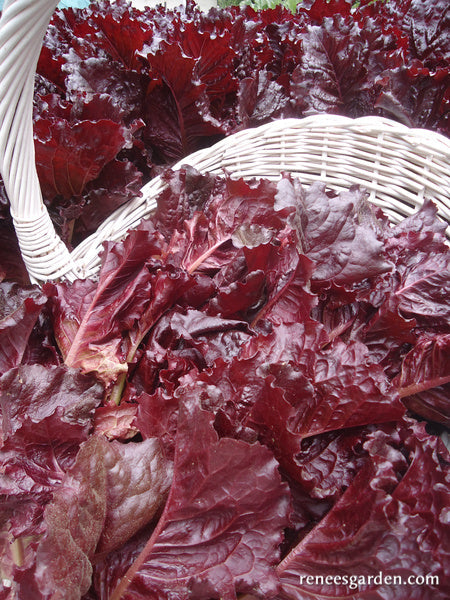
French Red Leaf Lettuce Redina
START SEEDS OUTDOORS
In cool early spring weather, start seeds in finely worked soil in full sun. Sow 1/4 inch deep and 2 inches apart in rows 6 to 8 inches apart and cover lightly. Tend carefully and keep evenly moist. Gradually thin out extra seedlings, leaving remaining plants standing 12 inches apart so lettuces have room to size up and fully mature into big butterhead rosettes. For a constant supply, make several sowings a few weeks apart until summer weather turns hot. Plant again in late summer for fall harvest.
GROWING NOTES
Lettuce thrives in cool conditions with consistent moisture. Weed, water and be sure to thin carefully to proper spacing for best quality heavy heads. If birds are attracted to young seedlings, cover with floating row covers or netting. Make a shade structure in hotter climates to extend the growing season.
HARVEST AND USE
Savor young thinnings in your first spring salads. Then harvest outside leaves as needed, or let plants mature and cut well-filled out heads. Be sure to thin properly and keep evenly moist for sweet tasting, full heads. Pull and discard or compost over-mature plants if they begin to elongate (“bolt”) in hot weather as leaves turn bitter at this stage.
Regular price $4.89Sale price $4.89Unit price per -
Container Lettuce Garden Babies Butterhead
START SEEDS OUTDOORS
In cool spring weather, start seeds in in full sun. Sow seeds 1/4 inch deep and 1 inch apart in fertile, well-drained soil mix. After the seedlings germinate and begin to grow, it's important to thin the young plants so they have room to mature. Thin seedlings when they are 1 to 2 inches tall to a final spacing of about 4 to 5 inches apart. 5 to 7 plants can grow to maturity in a 12 to 15 inch container or 3 plants in an 8-inch pot.
GROWING NOTES
Lettuce thrives in cool conditions with consistent moisture. Be sure to thin properly and keep evenly moist for sweet tasting, full heads. For a constant supply, make several sowings a few weeks apart until summer weather turns hot. Plant again in late summer for fall harvest. In hot weather, give lettuce some afternoon shade to extend harvest season and check water daily. Keep soil evenly moist and feed with liquid fertilizer every 2 weeks. Consider transplanting lettuce seedlings around the edges of a big pot containing a young tomato or pepper plant. The lettuces will be ready to eat just as the bigger plant grows larger and needs the space.
HARVEST AND USE
Savor young thinnings in your first spring salads. Then harvest plants by cutting mature heads when they feel firm and well-filled out. Pull over-mature plants if they begin to elongate (“bolt”) in hot weather, as leaves turn bitter at this stage.
Regular price $2.99Sale price $2.99Unit price per -
Heirloom Mesclun Lettuces Five Variety Blend
START SEEDS OUTDOORS
In early spring, sow seeds in finely worked soil in full sun. Shake seeds from the palm of your hand, broadcasting them about a half inch apart over the entire seedbed or in wide rows, and cover lightly and evenly with 1/4 inch of fine soil. Firm soil gently and water in with a fine spray. Keep seedbed evenly moist. Make small successive sowings until summer weather turns hot for a constant supply. Plant again in late summer for fall harvesting. Or, space seedlings 8 to 10 inches apart and let them mature to full size heads.
GROWING NOTES
Lettuce thrives in mild weather with consistent moisture. To extend the sowing season into hot weather, sow in light shade or erect a canopy of loosely woven shade cloth over the lettuce bed. Birds are often attracted to tender young seedlings so protect them if necessary.
HARVEST AND USE
To harvest by the “cut and come again” method, wait until plants are 4 or 5 inches tall. Cut as much as you need, using scissors to shear off a patch of leaves 1 to 2 inches above the soil level. Water well and fertilize lightly and plants will regrow for several more cuttings. Dress with extra virgin olive oil and a mild fruit or balsamic vinegar to enjoy the sweet flavors and juicy textures of these delicate young leaves at their best.
Regular price $4.89Sale price $4.89Unit price per -
Signature Salads Monet's Garden Mesclun
START SEEDS OUTDOORS
In cool early spring weather, sow seeds in finely worked soil in full sun. Shake seeds from the palm of your hand, broadcasting them about a 1/2 -1 inch apart over the entire seedbed or in wide rows, and cover lightly and evenly with 1/4 inch of fine soil. Firm soil gently and water with a fine spray. Keep seedbed evenly moist. Make small successive sowings until summer weather turns hot for a constant supply. Plant again in late summer for fall harvesting.
GROWING NOTES
Mesclun lettuces thrive in mild weather with consistent moisture. To extend the sowing season into hot weather, sow in light shade or erect a canopy of loosely woven shade cloth over the mesclun bed. Birds are often attracted to tender young seedlings, so protect them if necessary.
HARVEST AND USE
To harvest by the “cut and come again” method, wait until plants are 4 or 5 inches tall. Cut as much lettuce as you need, using scissors to shear off a patch of leaves 1 to 2 inches above the soil level. Water well and fertilize lightly and plants will regrow for several more cuttings. Dress with a simple vinaigrette to enjoy the sweet flavor and juicy texture of these delicate young leaves at their best.
Regular price $2.99Sale price $2.99Unit price per -
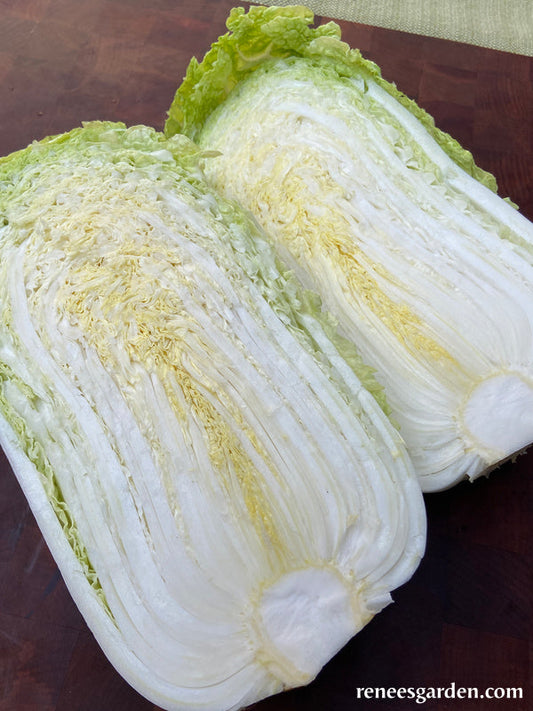
Napa/Chinese Cabbage Emiko
TO START INDOORS
Start seeds 4 to 5 weeks before last spring frost. Sow 1 inch apart in seed starting mix, cover 1/4 inch deep and keep evenly moist. Provide a strong light source until seedlings are ready to plant out. When several inches tall, transplant seedlings 12-14 inches apart into rich soil in full sun, after gradually acclimating to outdoor conditions.
TO START DIRECTLY OUTDOORS
When all danger of frost is over, plant in well-worked, fertile soil in full sun. Sow clusters of 2 to 3 seeds 12-14 inches apart in rows spaced 1 foot apart. When seedlings are several inches tall, thin to 1 strong plant every 12-14 inches. In mild winter climates, sow seeds again at midsummer for a fall crop.
GROWING NOTES
Cabbage needs full sun and rich, well-drained soil to produce firm, sweet heads. To avoid stunting growth, don’t let seedlings get crowded before thinning or transplanting. Keep weeded and evenly watered. Feed monthly with fish emulsion or an all-purpose fertilizer.
Use non-toxic Bt (Bacillus thuringiensis) for caterpillar pests. Floating row covers provide a good barrier method to exclude pests. Remove covers when heads begin to form.
HARVESTING
Harvest when these big, vase-shaped heads are heavy, plump, solid and well-filled out. Each head yields multiple meals!
Regular price $3.99Sale price $3.99Unit price perNew -
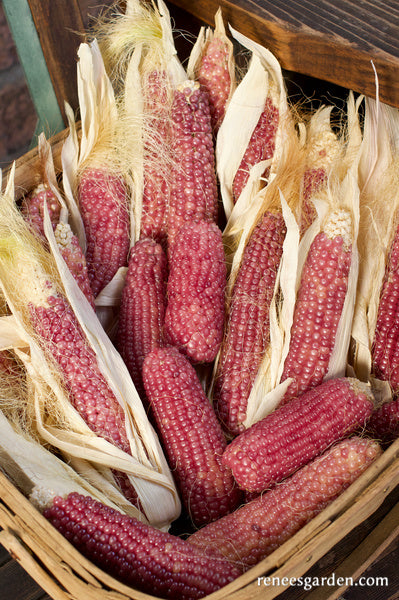
Heirloom Popcorn Mini Pink Pearls
START SEEDS OUTDOORS
In spring, once weather is warm and settled and night temperatures stay securely above 55°F (13°C), plant seeds in well-worked, fertile soil in full sun. Poke seeds in 1 in. deep and 4 to 6 in. apart. Plant in a block of 4 side-by-side rows, each row at least 1 ft. apart. Thin seedlings to 1 ft. when several in. tall. Protect from marauding birds if necessary. If first sowing doesn’t germinate evenly, replant right away as new seedlings catch up quickly.
GROWING NOTES
Plant seeds in blocks of at least 4 parallel rows to ensure good wind pollination and well filled out ears. Corn is a heavy feeder, so add plenty of compost or aged manure to the soil at sowing time, and then fertilize when young plants are 7 to 8 in. tall and again as ears begin to form.
HARVESTING
Wait to harvest popcorn until ears are mature, husks are dry, and kernels are dry and hard. To shuck the kernels from the cobs, break the cob in half and pop the kernels off starting from the edge, using your fingertips or a dull butterknife, letting kernels fall into a bowl. Once a section is started, the kernels pop off the cob easily.
After shucking the kernels from cobs, spread kernels out in a shallow layer on rimmed pans. Let them dry down for at least 2-3 weeks in a warm, dry room with good air circulation. Then store in airtight jars. Drying the kernels thoroughly will increase how well they pop.
Regular price $3.99Sale price $3.99Unit price per -
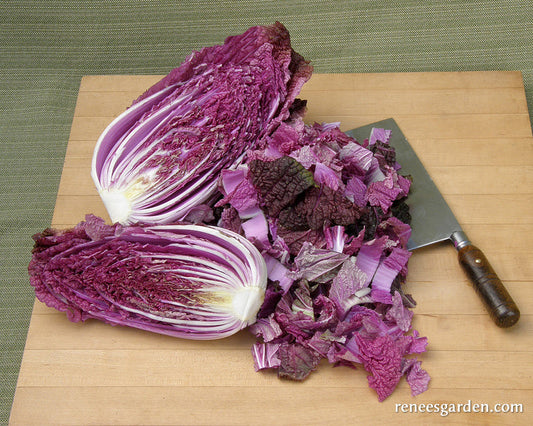
Napa Cabbage Purple Express
TO START INDOORS
Start seeds 4 to 5 weeks before last spring frost. Sow 1 inch apart in seed starting mix, cover 1/4 inch deep and keep evenly moist. Provide a strong light source until seedlings are ready to plant out. When several inches tall, transplant seedlings 10 inches apart into rich soil in full sun, after gradually acclimating to outdoor conditions.
TO START DIRECTLY OUTDOORS
When all danger of frost is over, plant in well-worked, fertile soil in full sun. Sow clusters of 2 to 3 seeds 10 inches apart in rows spaced 1 foot apart. When seedlings are several inches tall, thin to 1 strong plant every 10 inches. In mild winter climates, sow seeds again at midsummer for a fall crop.
GROWING NOTES
Purple Express needs full sun and rich, well-drained soil to produce firm, sweet heads. To avoid stunting growth, don’t let seedlings get crowded before thinning or transplanting. Keep weeded and evenly watered. Feed monthly with fish emulsion or an all-purpose fertilizer. Use non-toxic B.T. (Bacillus thuringiensis) for caterpillar pests. Floating row covers provide a good barrier method to exclude pests. Remove covers when heads begin to form.
HARVESTING
Cut the whole cabbage at ground level only when these tall, vase-shaped heads are very solid and about 6-8 inches in diameter.
Regular price $4.69Sale price $4.69Unit price per -
Giant Harvest Gourds Lunch Lady
BEST TO START SEEDS INDOORS
Several weeks before last spring frost date, sow 2 seeds each, 1 in. deep, in individual pots of potting mix. Keep warm and moist and provide a strong light source. When nights stay above 50°F (10°C), thin to one seedling per pot and gradually acclimate to outdoors. Transplant at along a sturdy fence or trellis to climb effortlessly and form a lush canopy or allow vines to ramble at garden edges.
START DIRECTLY OUTDOORS
Sow seeds directly outdoors only if you have a long growing season. Sow only after night temperatures stay solidly above 50°F. (10°C). In full sun, sow seeds 1 inch deep and 4 inches apart along a garden fence or sturdy trellis or along garden edges. Thin seedlings to final spacing 8 inches apart.
GROWING NOTES
Unique Lunch Lady gourds need full sun, rich soil and warm temperatures. For earliest and best yields, hand-pollinate gourds: pick a blooming male flower and dust pollen onto fresh female flowers (the ones with small fruits at the base).
Repeat as new flowers appear. Pollinated fruits start growing larger within several days. Gourds are mature when rinds are tough and the tendril next to the stem turns brown. Harvest with several inches of stem. Dry in a well-ventilated place.
Note: the flesh of Lunch Lady ornamental gourds has a bitter gene and is not edible.Regular price $4.69Sale price $4.69Unit price per -
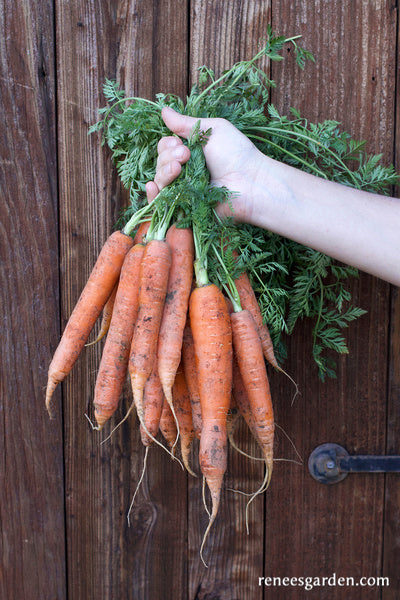
Top Flavor Carrots Napoli
START SEEDS OUTDOORS
In spring once danger of hard frost is past, sow seeds in full sun in finely worked, fertile soil. Sow 1/4 inch deep and 1/2 inch apart in rows 8 inches apart, or broadcast thinly in beds and cover lightly. Keep seedbed evenly moist as carrots can be slow to germinate, emerging over 10 to 20 days. If first sowing comes up unevenly, replant right away as seedlings catch up quickly. Be sure to thin young carrots several times so seedlings are about 2 inches apart and have room to size up.
GROWING NOTES
Carrots like well worked soil and need consistent moisture to grow well. If your soil tends to dry out, cover seedbed with floating row cover to help retain moisture during the germination period and water right through it. Keep carrots well watered and thinned. For a late season crop, sow again 3 months before first expected frost.
HARVEST AND USE
Let young carrots size up and color fully to orange before harvesting for best flavor. Saute or steam just until tender crisp and serve with a squeeze of fresh lemon or lime juice, sweet butter and fresh dill; or try buttered and glazed with a little maple syrup or honey.
Regular price $4.89Sale price $4.89Unit price per -
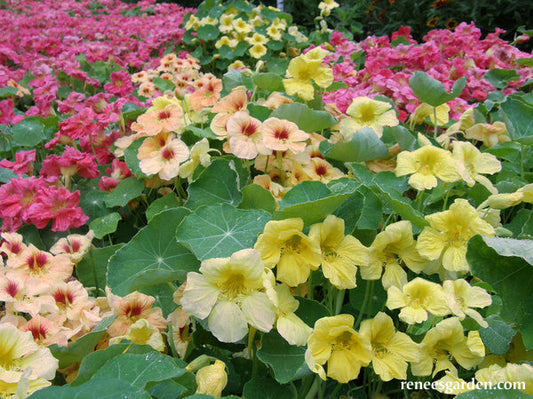
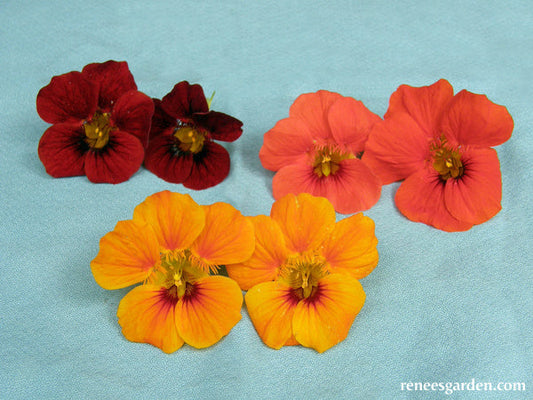
Hummingbird Nasturtiums Aloha Mix
ANNUAL
Spring/Summer/Fall bloom
Frost tenderEASY TO START OUTDOORS
In spring, when danger of frost is past, sow seeds in a sunny spot (or part shade in hot climates). Nasturtiums need no added fertilizer in most soils. Poke seeds into well-worked soil about 1 inch deep and 5 inches apart. Press soil firmly over the seeds and keep moist. When seedlings are large enough to handle, thin to 10 inches apart as mounding plants need ample room to grow.
TO START EARLY INDOORS
Sow 2 seeds each in individual 4 inch pots of well-drained seed starting mix 3 weeks before last expected frost date. Cover 1 inch deep. Provide a strong light source. When seedlings have several sets of leaves, pinch out the weaker seedling, leaving 1 per pot. When weather is evenly in the 50°F (10°C) range, gradually acclimate to outdoor conditions. Transplant seedlings into the garden 10 inches apart in full sun.
GROWING NOTES
These mounding nasturtiums are reliable and easy to tuck into any well-drained spot. They are a perfect disguise to cover fading bulb foliage in late spring. Their softly draping leaves and sunny flowers will quickly fill garden beds or containers. Hummingbirds come readily to drink the blossom’s nectar. Leaves and flowers are tasty additions to salads and sandwiches.
Regular price $3.99Sale price $3.99Unit price per -
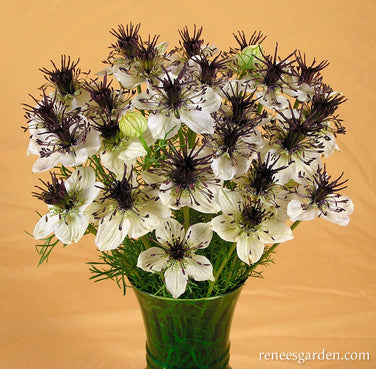
Heirloom White Nigella Bridal Veil
HARDY ANNUAL
Spring/summer bloom
Can handle light frostEASIEST TO PLANT DIRECTLY IN THE GARDEN
Sow seeds directly into a finely textured, well-drained garden bed as early in spring as the ground can be worked. Space seeds 2 inches apart, in rows 6 inches apart. Cover seed very lightly, about 1/4 inch deep. Or broadcast seeds evenly over the seed bed and cover very lightly. Keep evenly moist while awaiting germination. Thin seedlings to stand 6 inches apart so plants have room to grow and mature. In mild winter climates, Nigella can be sown in early spring and also be sown again in cool fall weather to overwinter for spring bloom.
GROWING NOTES
Make several successive sowings from early spring through early summer and you'll have these carefree specialty flowers blooming all season long. As flowers fade, cut stems of the decorative seedpods. Hang carefully upside down in bundles out of the direct sun to easily dry for everlasting arrangements. Let some seedpods mature and stay on the plants to spill seed and these graceful flowers will come up year after year.
Regular price $3.69Sale price $3.69Unit price per -
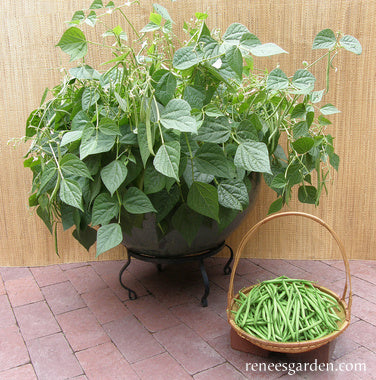
Container Bush Beans French Mascotte
START SEEDS OUTDOORS
In spring, once weather is warm and settled and night temperatures stay above 55°F (13°C), plant seeds in well-worked, fertile soil in full sun. Poke seeds in 1 inch deep and 4 inches apart in rows 1½ feet apart.
FOR CONTAINER PLANTING
Sow seeds in big pots at least 18 to 20 inches in diameter and 18 inches tall filled with fresh, moistened, good-quality potting mix. Make additional sowings in more pots several weeks later until the end of June to provide long continued harvests.
GROWING NOTES
Amend soil well before sowing with lots of aged manure or compost. Protect young seedlings from marauding birds by covering with plastic berry baskets at planting time, removing when plants get crowded. Be sure to thin properly—you will have more productive, disease-free plants if seedlings have enough room to mature.
HARVEST AND USE
Pick these fine-flavored French gourmet beans often; at least every other day or while bean pods are young and slender. The more beans you pick, the more the plants will produce. Steam, sauté or roast them quickly just until tender-crisp and serve simply to fully enjoy their tempting flavor.
Regular price $4.99Sale price $4.99Unit price per -
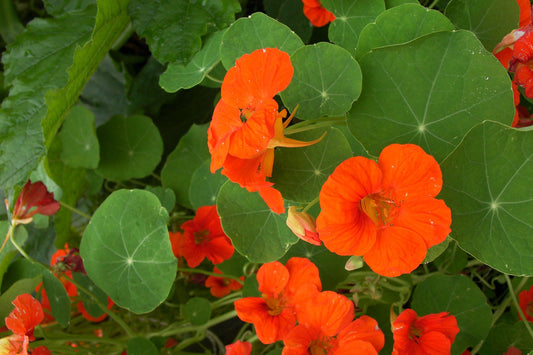
Climbing Nasturtiums Spitfire
ANNUAL VINE
Spring/summer/fall bloom
Frost tenderEASY TO START OUTDOORS
Sow seeds in spring once all danger of frost is over in full sun (or part shade in hot climates). Nasturtiums need no added fertilizer in most soils. Poke seeds into well-worked soil about 1 inch deep and 3 to 4 inches apart. Press soil firmly over the seeds and keep moist. When seedlings are large enough to handle, thin 10 to 12 inches apart so plants will have ample room to grow.
TO START EARLY INDOORS
Sow 2 seeds each in individual 4-inch pots of well-drained seed starting mix 3 weeks before last expected frost date. Cover 1 inch deep. Provide a strong light source. When seedlings have several sets of leaves, pinch out the weaker seedling leaving 1 seedling per pot. When weather is evenly in the 50°F (10°C) range, gradually acclimate to outdoor conditions. Transplant 10 to 12 inches apart in full sun.
GROWING NOTES
Climbing nasturtiums are easy to grow in any well-drained soil. You’ll need to train young plants onto their supports with loose ties, then they’ll climb easily and bloom non-stop. Do not let plants dry out during blooming season. Spitfire’s glowing blossoms are summer beacons for hungry hummingbirds.
Regular price $3.39Sale price $3.39Unit price per -
Hanging Basket Nasturtiums Little Firebirds
ANNUAL
Spring/summer/fall bloom
Frost tenderEASY TO START OUTDOORS
In spring once all danger of frost is over, sow seeds in full sun (or part shade in hot climates). Nasturtiums need no added fertilizer. Poke seeds into well worked garden soil 1 in. deep and 3 to 4 in. apart. Press soil firmly over seeds and keep moist. When seedlings are several inches tall, thin to 6 in. apart, so plants can spread.
Container planting: use pots or baskets a minimum of 8-10 in. deep and 12 to 15 in. across, filled with fresh potting mix. Poke seeds in 1 in. deep and 1 1/2 in. apart. When seedlings are established, thin to 3 in. apart, so plants can spread.
TO START EARLY INDOORS
Three weeks before last expected frost date, poke 2 seeds one inch deep into individual 4 in. pots of seed starting mix. Provide a strong light source. When seedlings have several sets of leaves, pinch out the weaker seedling, leaving 1 per pot. When weather reaches 50°F (10°C). both night and day, acclimate to outdoor conditions. Transplant seedlings 6 in. apart in full sun. See Container Planting for suggested pot sizes.
GROWING NOTES
These lovely nasturtiums with handsome variegated leaves are easy to grow in any well-drained soil, They will quickly fill garden beds, planters or hanging baskets.
Regular price $3.69Sale price $3.69Unit price per