Exclusive!
-
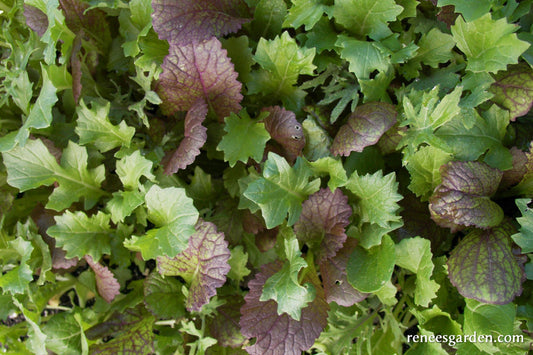
Signature Salads California Spicy Greens
START SEEDS OUTDOORS
In cool early spring weather, sow seeds in finely worked soil in full sun. Shake seeds from the palm of your hand, broadcasting them about 1/2 to 1 inch apart over the entire seedbed or in wide rows, and cover lightly and evenly with 1/4inch of fine soil. Firm soil gently and water in with a fine spray. Keep seedbed evenly moist. Make small successive sowings until summer weather turns hot for a constant supply. Plant again in late summer for fall harvesting.
GROWING NOTES
These zesty flavored salad greens taste best given consistent moisture and mild weather. To extend the growing season into hot weather, sow in light shade or erect a canopy of loosely woven shade cloth over the bed and water regularly. Birds are often attracted to tender young seedlings, so protect them if necessary.
HARVEST AND USE
To harvest by the “cut and come again” method, wait until plants are 3 or 4 inches tall. Cut as much as you need, using scissors to shear off a patch of leaves 1 to 2 inches above the soil level. Water well and fertilize lightly and plants will regrow for several more cuttings. Mix these piquant baby greens with lettuces and fragrant herbs in proportions you prefer.
Regular price $3.39Sale price $3.39Unit price per -
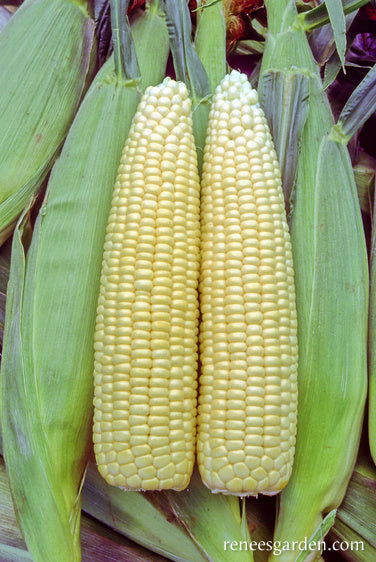
Sweet Early Corn Casino
START SEEDS OUTDOORS
In spring once weather is warm and settled and night temperatures stay securely above 55°F (13°C), plant seeds in well-worked, fertile soil in full sun. Poke seeds in 1 inch deep and 4 to 6 inches apart. Plant in a block of at least 4 rows, side by side, each row 1 foot apart. Thin seedlings to 1 foot apart when several inches tall. Protect from marauding birds if necessary. If first sowing doesn’t germinate evenly, replant right away as new seedlings catch up quickly. Make several sowings 2 weeks apart until early June to have successive harvests.
GROWING NOTES
There is no need to isolate Casino from other varieties, but plant seeds in blocks of at least 4 parallel rows to ensure good wind pollination and well filled out ears. Corn is a heavy feeder, so add plenty of compost or aged manure to the soil at sowing time, and then fertilize when young plants are 7 or 8 inches tall and again as ears begin to form.
HARVEST AND USE
Well filled out ears of corn are ready to eat when the silks are very dark brown but not dried out. Test by choosing a plump ear and peeling back the husk very slightly. The kernels should be tender and milky when slit with a fingernail. Casino is a sugar-enhanced corn, so the tender crisp kernels will hold their sweetness after harvest.
Regular price $4.69Sale price $4.69Unit price per -
Heirloom Greens Quick Stirfry Blend
BEST TO START DIRECTLY OUTDOORS
In cool early spring weather, sow seeds in finely worked soil in full sun. Shake seeds from the palm of your hand, broadcasting them about a half inch apart over the entire seedbed or in wide rows, and cover lightly and evenly with 1/4 inch of fine soil. Firm soil gently and water in with a fine spray. Keep seedbed evenly moist. Make small successive sowings until summer weather turns really hot for a constant supply. Plant again in late summer for fall harvesting.
GROWING NOTES
Our crunchy stir-fry mix tastes best given consistent moisture and mild weather conditions. Marauding birds are often attracted to tender young seedlings, so protect them if necessary with netting or floating row covers. Sown in a big container, these mixed leafy greens will make an ornamental and edible “color bowl” to snip and stir-fry as needed.
HARVEST AND USE
To harvest by the “cut and come again” method, wait until plants are 6 to 7 inches tall. Cut as much as you need, using scissors to shear off a patch of leaves 1 to 2 inches above the soil level. Water well and fertilize lightly and plants will regrow for several more cuttings. Sizzle these crunchy, succulent Asian greens in a quick stir-fry, or pick them earlier at 3 to 4 inches for tender young additions to colorful salads.
Regular price $4.89Sale price $4.89Unit price per -
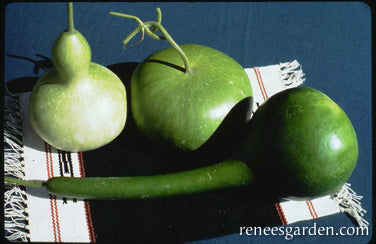
Crafter's Gourds Bottles & Bowls
BEST TO START SEEDS INDOORS
Several weeks before last spring frost date, sow seeds 1 inch deep in individual pots of seed starting mix. Keep warm and moist while awaiting germination and provide a strong light source. When seedlings are well-established and night temps. stay above 50°F (10°C), acclimate to outdoor conditions. Transplant at sunny garden edges to ramble, or 12 inches apart along a sturdy fence or trellis to form a lush canopy.
START SEEDS OUTDOORS
Start seeds outdoors only in areas with a very long growing season. Plant after night temps. stay above 50°F (10°C). In full sun, sow 2 or 3 seeds 1 inch deep and in groups spaced 12 inches apart and 4 inches from vertical supports. Thin to 1 or 2 strongest seedlings per group. Or plant 6 to 8 seeds in hills 8 feet apart, thinning to 3 or 4 per hill and allowing vines to ramble.
GROWING NOTES
Gourds need full sun, very rich fertile soil and warm temperatures. For earliest and best yields, hand-pollinate gourds: break off a blooming male flower and dust pollen onto fresh female flowers (the ones with small fruits at the base). Repeat as new flowers appear. Pollinated fruits start growing larger within several days.
HARVEST AND USE
Gourds are mature when the tendril next to stem has turned brown and rinds are tough. Harvest with several inches of stem. Dry gourds in a well-ventilated place. Once fully cured, (which can take several months) gourds are light for their size and seeds will rattle inside. Molds often develop on the surface, but do no harm. Discard gourds that rot or are soft and wrinkled.
Regular price $3.99Sale price $3.99Unit price per -
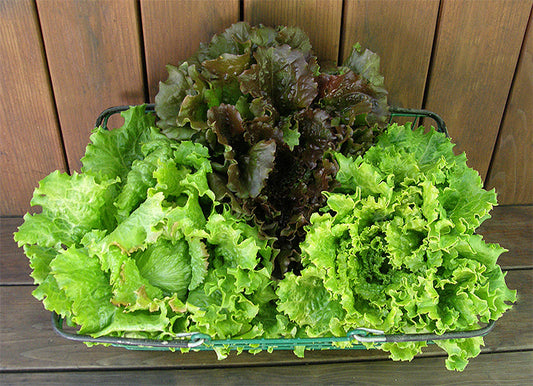
Crunchy Lettuce Trio Blush Batavians
START SEEDS OUTDOORS
In cool, early spring weather, start seeds in finely worked soil in full sun. Sow seeds 1/4 inch deep and 1 inch apart in rows 6 to 8 inches apart or broadcast thinly in beds and cover lightly. Tend carefully and keep evenly moist. Gradually thin seedlings to stand 10 to 12 inches apart to allow heads room to mature. Make several sowings a few weeks apart until summer weather turns hot for a constantly maturing supply. Plant again in late summer for fall harvesting.
GROWING NOTES
Lettuce thrives best in cool conditions with consistent moisture. Weed, water and thin carefully for best quality heads. If birds are attracted to young seedlings, cover them with floating row covers or netting.
HARVEST AND USE
Savor earliest thinnings in spring salads. Then harvest by cutting entire mature heads or picking outside leaves after plants are well established. To extend planting into hotter weather, sow new seeds in containers in light shade. Transplant seedlings into the garden, shading for a few days and harvest heads while still young. Tasty French Batavian lettuces form heavy rosettes of big crunchy leaves that tolerate both hot and cold weather well. Enjoy them with any kind of dressing from a simple vinaigrette to a rich, creamy Gorgonzola. Their crispy texture is also perfect in sandwiches or tacos.
Regular price $3.39Sale price $3.39Unit price per -
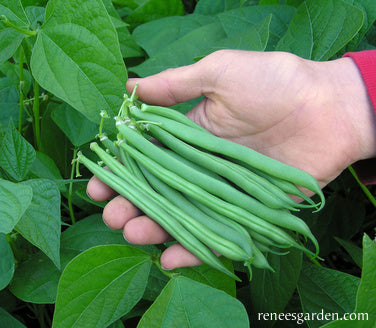
Bush Beans Classic Slenderette
START SEEDS OUTDOORS
In spring, once weather is warm and settled and night temperatures stay securely above 55°F (13°C), plant seeds in well-worked, fertile soil in full sun. Poke seeds in 1 inch deep and 4 inches apart in rows 1 1/2 to 2 feet apart. Make several sowings 2 weeks apart until the end of June to provide continued harvests.
GROWING NOTES
Tender crispy garden beans are an easy reliable crop to grow, but don't plant seeds too early as cold conditions prevent good germination. If first sowing comes up unevenly, replant right away; new seedlings will catch up quickly. Birds are often attracted to young bean seedlings, so watch carefully and protect with netting or floating row covers if necessary. Avoid cultivating plants or picking pods when plants are wet.
HARVEST AND USE
The vigorous plants bear strong harvests of top quality pods that hold well without getting stringy. The more you pick, the more the plants will produce, and the nitrogen fixing bacteria on the roots of bean plants actually improves your soil. Sow another crop about three weeks after your first planting and you’ll have a welcome second harvest in late summer. Slenderette beans are wonderful for quick cooking, they freeze well, or use them to make jars of tasty pickled dilly beans.
Regular price $3.69Sale price $3.69Unit price per -
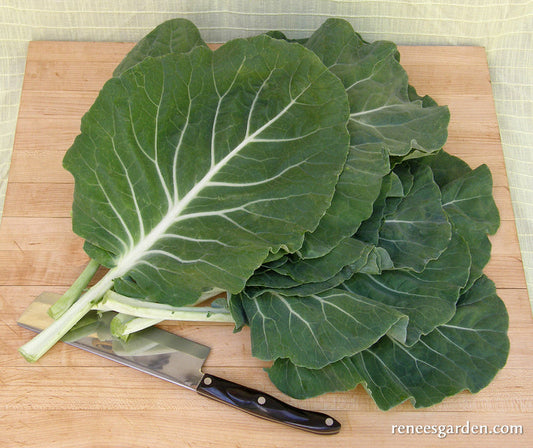
Portuguese Kale Tronchuda Beira
TO START DIRECTLY IN THE GARDEN
As soon as ground can be worked in spring, prepare a well-drained, fertile garden bed in full sun. Sow groups of 2 to 3 seeds, each group 12 to 18 inches apart. Cover 1/4 deep and keep soil evenly moist to ensure good germination. Thin to one seedling per group when several inches tall. Sow again in mid to late summer for another cold-hardy crop.
TO START INDOORS
Sow seeds in a container of seed starting mix 2 inches apart and cover 1/4 inch deep. Keep moist and provide a strong light source until seedlings are 3 to 4 inches tall, then plant outdoors. Space 12 to 18 inches apart.
GROWING NOTES
Kale can be sown in spring as early as the ground can be worked. A second mid to late summer-sown crop will yield through fall and winter except in the coldest climates. Frost actually enhances kale leaves’ color, flavor and sweetness. Mulch to retain moisture in summer and before the ground freezes to protect the roots of fall crops.
HARVEST AND USE
Begin harvesting large individual outer leaves when plants have 6 to 8 big leaves. Enjoy sautéed, stirfried, braised or added to soups and stews. Portuguese kale pairs well with olive oil, garlic and lemon juice (reneesgarden.com/portuguese-kale-soup). Pull and discard once plants begin to bloom as the leaves of flowering stalks get tough and bitter.
Regular price $3.99Sale price $3.99Unit price per -
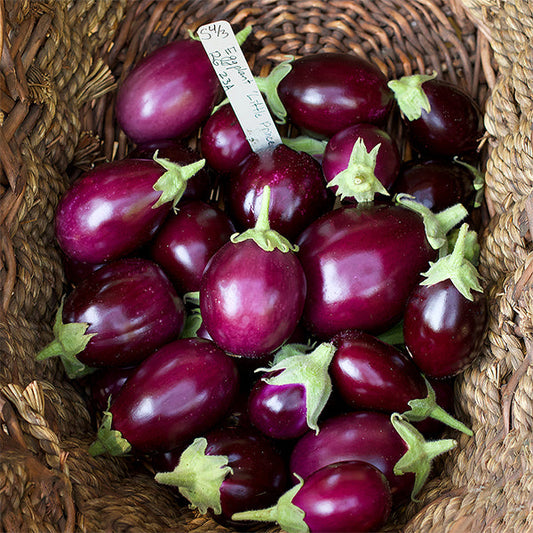
Container Eggplant Little Prince
BEST TO START INDOORS
In early spring, start indoors about six to eight weeks before night temperatures reach 55° (13°C). Sow seeds 1/4 inch deep and 1 inch apart in containers of seed starting mix. Keep moist and warm, 80-85°F (27-29°C) and provide a strong light source until ready to plant outside. When seedlings are 2 inches tall, transplant into 4-inch pots. Maintain at 70-75°F (21-24°C). Feed with half-strength fertilizer every 2 weeks until weather is warm, then gradually acclimate seedlings to outdoor conditions.
Transplant In Pots: Plant 1 to a pot 12 inches across and deep, or plant several seedlings 8 inches apart in larger containers at least 16 to 18 inches across and deep.
In Garden Beds: Amend soil with compost or aged manure, then plant in full sun 2 feet apart.
GROWING NOTES
Transplant outdoors only when nights are securely above 55° (13°C). For containers, always use new, high quality potting mix. Plant only robust seedlings with well-developed roots and mulch them well. Feed regularly every few weeks throughout the season with good all-purpose fertilizer.
HARVEST AND USE
Pick often from productive plants when fruits size up glossy and firm-fleshed and before skins get dull. Enjoy these handy-sized eggplants halved or in thick slices sautéed with garlic and herbs or grilled to succulence on the barbeque.
Regular price $3.39Sale price $3.39Unit price per -
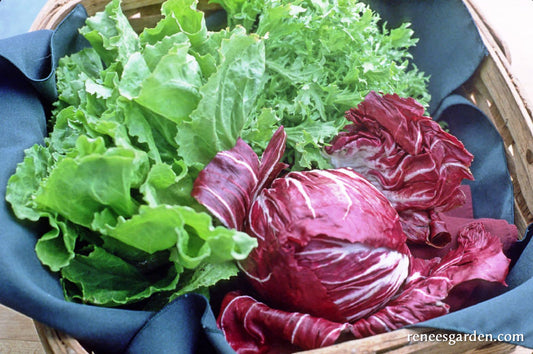
Signature Salads Crispy Winter Greens
START SEEDS OUTDOORS
At midsummer, or early fall in mild climates, sow seeds in a sunny garden bed 1/4 inch deep and 1 to 2 inches apart in rows 12 inches apart. Or, if it is still over 80°F (27°C) at sowing time, sow seeds in containers in a spot out of direct sun, but with bright light all day. Tend carefully and keep evenly moist. When seedlings are a few inches tall with several sets of leaves, transplant into the garden a foot apart. Gradually thin directly sown seedlings to stand 1 foot apart to allow heads room to mature.
GROWING NOTES
Savor earliest thinnings in fall salads. Cool weather will bring vigorous growth. These tasty greens tolerate cold weather and light frosts well but require consistent moisture. Weed, water and thin carefully and feed monthly for best quality salad heads.
HARVEST AND USE
Radicchio is best harvested when red heads have formed inside the outer green “wrapper” leaves. Pick entire heavy rosettes of escarole and curly endive. Cut up and enjoy these hearty salads with either simple vinaigrettes or rich, creamy dressings. Try tossed with cooked chicken, meat or cubed cheese and olives for delicious whole meal salads. Add toasted nuts and cubed apples or pears for a delicious flavor contrast.
Regular price $3.69Sale price $3.69Unit price per -
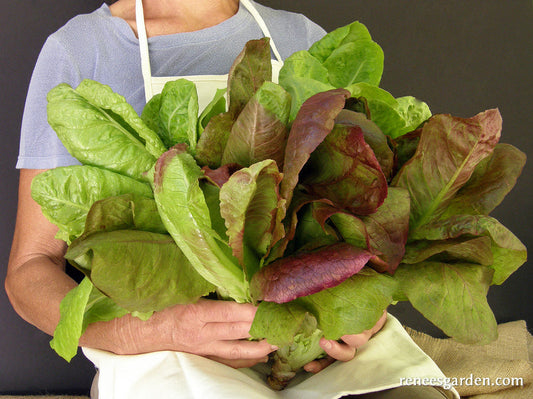
Green & Red Romaines Renee's Caesar Duo
START SEEDS OUTDOORS
In cool early spring weather, start seeds in finely worked soil in full sun. Sow 1/4 inch deep and 1 inch apart in rows 6 to 8 inches apart and cover lightly. Tend carefully and keep evenly moist. Gradually thin seedlings out, allowing remaining plants to stand 10 to 12 inches apart so heads have room to mature. For a constant supply, make several sowings a few weeks apart until summer weather turns hot. Plant again in late summer for fall harvest.
GROWING NOTES
Lettuce thrives in cool conditions with consistent moisture. Weed, water and thin carefully for best quality heads. If birds are attracted to the young seedlings, cover them with floating row covers or netting.
HARVEST AND USE
Savor young thinnings in your first spring salads. Then harvest plants by cutting mature heads when they feel firm and well-filled out. Pull and discard or compost over-mature plants if they begin to elongate (“bolt”) in hot weather as they are bitter at this stage. These crispy colorful romaines are perfect for centerpiece Caesar salads that rival the finest restaurant. Use top quality ingredients to make dressing, or you can find my favorite recipe on our website: reneesgarden.com/recipes
Regular price $3.39Sale price $3.39Unit price per -
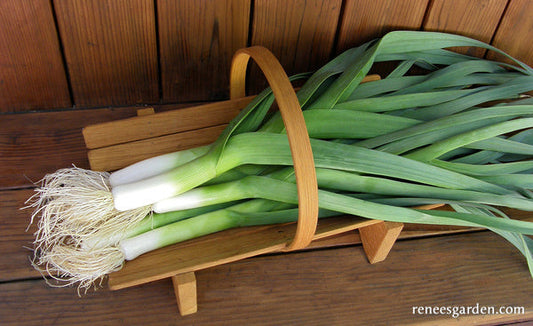
German Leeks Striesen
BEST TO START INDOORS
Sow seeds 1 inch apart in a container of seed starting mix, cover 1/2 inch deep, and firm soil over seeds. Keep moist and provide a strong light source until seedlings are ready to plant out. Seeds germinate sporadically over 2 to 3 weeks and grow slowly at first. Once seedlings are 3 or 4 inches tall, transplant 4 to 6 inches apart into well-worked, fertile soil in full sun. To get long-shanked leeks, plant seedlings down deep into the soil, so tips stick up 2 inches above ground level.
TO START OUTDOORS
Sow seeds in well-worked, fertile soil in full sun. Space seeds 1 inch apart in rows 8 to 10 inches apart, or broadcast thinly for bed planting. Cover 1/2 inch deep and firm soil well over seeds; keep soil moist to ensure good germination. Thin as above.
GROWING NOTES
Plant leeks in early spring and again in midsummer for fall and winter use. Long-growing leeks need a rich fertile soil, so add lots of compost or aged manure before planting, and fertilize several times over the growing season. Weed leeks carefully when young, and mulch to conserve soil moisture.
HARVEST AND USE
Harvest as slim babies to steam whole or quickly grill. Let some leeks mature to full size and dig as needed with a garden fork. Mature leeks store well in the ground during the winter months. Use in cooking like sweet onions, or as a tasty vegetable side dish.
Regular price $4.89Sale price $4.89Unit price per -
Specialty Eggplants Italian Trio
BEST TO START INDOORS
In early spring, start indoors about 2 months before outdoor night temperatures are reliably in the 50 (10°C) range. Sow seeds 1/4 inch deep and 1 inch apart in a container of seed starting mix. Keep moist and warm and provide a strong light source until seedlings are ready to plant outside. When seedlings are 2 inches tall, transplant into deeper individual containers. Maintain at 70 to 75° (21-24°C). Feed with half-strength fertilizer every 2 weeks until weather is warm enough to gradually acclimate seedlings to outdoor conditions. Transplant 2 feet apart into rich soil in full sun.
GROWING NOTES
Don’t transplant these heat-lovers outdoors until night temperatures stay securely above 55° (13°C). Prepare soil well with aged manure or compost. Plant only robust seedlings with well-developed roots and mulch well. Fertilize plants regularly throughout the season.
HARVEST AND USE
Pick when fruits have sized up and are firm fleshed and glossy. Slice 1/2 inch thick, brush with olive oil and broil until tender. Then layer with a rich tomato sauce, fresh herbs and several cheeses to make Eggplant Parmesan. Bake whole in a hot oven, then scoop out flesh and mash with garlic, olive oil, lemon juice and chopped parsley for a savory dip to serve on toasted pita bread.
Regular price $3.69Sale price $3.69Unit price per -
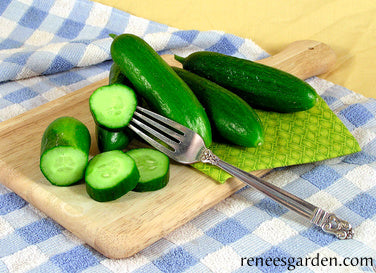
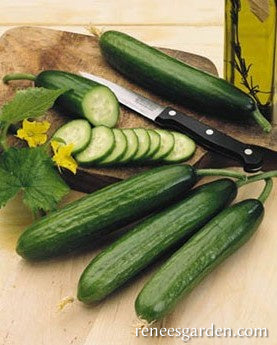
Persian Baby Cucumbers Green Fingers
START SEEDS OUTDOORS
Plant heat-loving cucumbers in full sun only when weather is warm and settled and night temps stay above 50°F (10°C), first amending soil well with aged manure or compost. Sow groups of 2 to 3 seeds, 1 inch deep and 18 inches apart. When the baby seedlings are 2 inches tall, thin out extras, leaving one strong seedling per group. After thinning, provide a 3 to 5 foot strong vertical support or tomato cage around each seedling and train the vines up the supports as they grow. Growing vigorous, heavy-bearing cucumber vines up supports makes it easier to harvest the cucumbers, saves garden space, and helps prevent disease.
GROWING NOTES
Protect seedlings from marauding birds with plastic berry baskets, removing before plants get crowded. Shallow-rooted cucumbers need adequate and consistent moisture to produce sweet tasting, nicely formed cucumbers. Avoid overly wet or dry periods for good quality fruits.
HARVEST AND USE
Our baby cucumbers begin bearing fruit early. For best quality, cut rather than pull cucumbers from the vine when 3 to 5 inches long. They need no peeling, just slice and enjoy their crisp texture and flavor. Enjoy in a Mediterranean salad of sliced Green Fingers combined with very fresh plain whole yogurt, a little good olive oil, finely minced garlic and freshly chopped dill.
Regular price $4.99Sale price $4.99Unit price per -
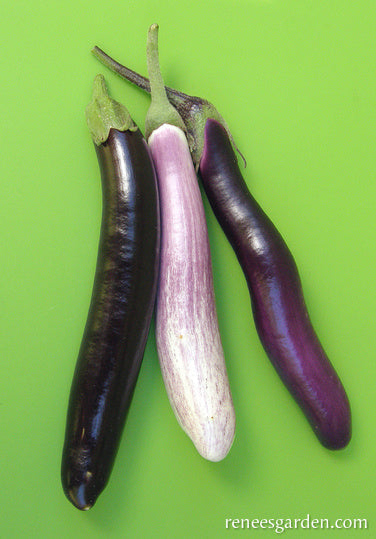
Specialty Eggplants Asian Trio
BEST TO START INDOORS
In early spring, start indoors about 2 months before outdoor night temperatures are reliably in the 50-55°F (10-13°C) range. Sow seeds 1/4 inch deep and 1 inch apart in a container of seed starting mix. Keep moist and warm 80-85°F (27-30°C) and provide a strong light source until ready to plant outside. When seedlings are 2 inches tall, transplant into deeper individual containers. Maintain at 70-75°F (21-24°C). Feed with half-strength fertilizer every 2 weeks until weather is warm enough to gradually acclimate seedlings to outdoor conditions. Transplant 2 feet apart into rich soil in full sun.
GROWING NOTES
Don’t transplant these heat-lovers outdoors until nights stay securely above 55°F (13°C). Prepare soil well with aged manure or compost. Plant only robust seedlings with well-developed roots and mulch well. Fertilize plants regularly throughout the season.
HARVEST AND USE
Pick when fruits have sized up and are firm fleshed and glossy. Harvest Charming babies at 3 to 6 inches, Asian Bride at 7 to 8 inches, and Farmers Long at 9 to 11 inches, or before fruits get dull and seedy. Slice for great sautés or halve lengthwise, brush with oil and grill with your favorite herbs and cheese or Asian-style seasonings.
Regular price $3.69Sale price $3.69Unit price per -
Container Cucumber Bush Slicer
START SEEDS OUTDOORS
Plant heat loving cucumbers only when spring weather is warmed and night temperatures are consistently above 55°F (13°C). Amend soil well with aged manure or compost. Sow seeds 1 inch deep and 4 inches apart in slightly mounded hills that are 3 feet apart, sowing 4 or 5 seeds in each hill. Thin to the 3 strongest seedlings in each hill so plants have room to grow and mature.
FOR CONTAINERS
Sow seed directly into containers 4 inches from edges. When plants are 3 to 4 inches tall, thin carefully to strongest seedlings. Final spacing should be one plant per pot 12 inches deep and 12 inches across or 2 plants in a larger container at least 18 inches across. For larger planters, grow plants at final spacing of 8 to10 inches apart.
GROWING NOTES
Protect seedlings from marauding birds with plastic berry baskets, removing before plants get crowded. Feed every other week. A good mulch will aid shallow rooted cucumber plants, which require ample and consistent moisture in hot dry weather. Avoid overly wet or dry periods for good quality fruit. In hot dry weather, check and water plants in containers daily.
HARVEST AND USE
Keep all mature cucumbers picked; fruits left on vines will signal the plant to stop producing. Cut rather than pull fruits from vines. Slice them up for refreshing snacks, salads and sandwiches. Eat within a day or two of picking for best taste and quality.
Regular price $3.39Sale price $3.39Unit price per -
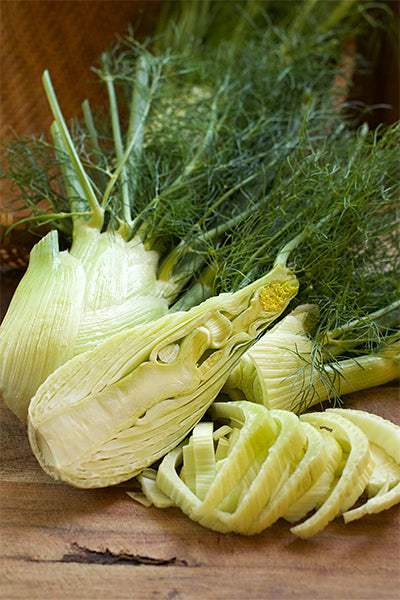
Bulbing Fennel Solaris
STARTING SEEDLINGS
In early spring when danger of hard frost is over, sow seeds in well-worked, fertile soil in full sun. Space seeds 4 inches apart in rows 12 inches apart and cover seed 1/2 inch deep. Carefully thin when seedlings are large enough to handle to stand 10 to 12 inches apart so bulbs have room to grow and mature. Or start seeds indoors in a container of seed starting mix. Keep moist and provide a strong light source until seedlings are 3 or 4 inches tall and ready to transplant as above.
GROWING NOTES
For tender, best quality bulbs, fennel needs rich soil and cool growing weather, so sow seeds as early as the ground can be worked and again in midsummer for fall harvesting. Be sure seedlings are thinned or transplanted 10 to12 inches apart. Keep plants evenly moist throughout the growing season – mulching is a good strategy. Fennel is a heavy feeder, so fertilize every 2 to 3 weeks with a high nitrogen fertilizer such as fish emulsion.
HARVEST AND USE
When bulbs are full and plump, cut them off at soil level. Trim the feathery leaves down to the solid base. Slice the crispy bulbs and add to salads, or eat with dips, or grill or sauté. The leafy tops are a great seasoning for seafood, especially salmon. Fennel’s flavor is like sweet anise/celery that becomes deeper and richer with cooking.
Regular price $4.39Sale price $4.39Unit price per -
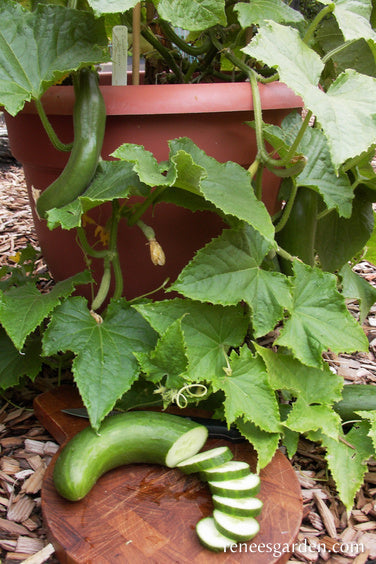
Mediterranean Cucumber Garden Oasis
START SEEDS OUTDOORS
Plant heat-loving cucumbers only when weather is warm and settled and night temperatures stay above 50°F (10°C). Amend soil well with age manure or compost. Sow groups of 2 to 3 seeds, 1 inch deep and 18 inches apart. When the baby seedlings are 2 inches long, thin out extras, leaving one strong seedling per group. After thinning, provide a 4 to 5 foot strong vertical support or individual tomato cage around each seedling and train the vines up the supports as they grow. Growing vigorous, heavy-bearing cucumber vines up supports or cages makes it easier to harvest the cucumbers, saves garden space and helps prevent disease.
GROWING NOTES
Protect seedlings from marauding birds with plastic berry baskets, removing before plants get crowded. Shallow-rooted cucumbers need adequate and consistent moisture to produce sweet tasting, nicely formed cucumbers. Avoid overly wet or dry periods for good quality fruits.
HARVEST AND USE
Cut rather than pull fruits from vines before seeds are large inside. Harvest every few days for longest fruit production. These juicy, tender cucumbers are perfect to slice and enjoy for refreshing snacks, in salads and sandwiches. Eat within a day or two of picking for best taste and quality.
Regular price $4.39Sale price $4.39Unit price per -
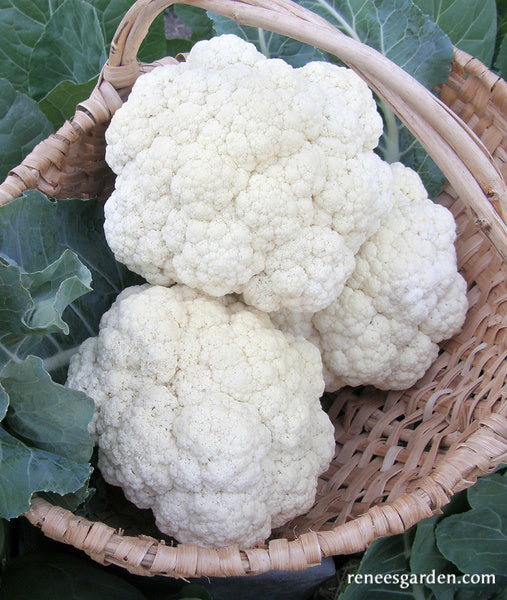
Cauliflower Amazing Taste
BEST TO START INDOORS
Start seeds 4 to 5 weeks before last expected frost. Sow 1 inch apart in a container of seed starting mix and cover 1/4 inch deep. Keep moist but not soggy. Provide a strong light source until seedlings are ready to plant out. When seedlings have 2 to 3 sets of true leaves, acclimate to outdoor conditions and transplant 12 to 18 inches apart into rich, well-drained soil in full sun. In mild winter climates, sow again in mid-summer for a fall crop.
TO START OUTDOORS
About 4 to 6 weeks before last frost, sow groups of 2 to 3 seeds 12 to 18 inches apart and 1/4 inch deep in well-drained, fertile soil in full sun. Tend carefully and thin to 1 strong seedling per group when several inches tall. Proper thinning is critical for successful heads.
GROWING NOTES
Fertilize growing cauliflower every three weeks and keep well weeded and watered to provide the rapid growth cauliflower requires to form good heads. Amazing Taste’s outer wrapper leaves help shield its heads from sun discoloration. Harvest the pure white heads promptly when fully filled out. Nontoxic “BT” (Bacillus thuringiensis) products work well to control caterpillar pests.
HARVEST AND USE
Enjoy Amazing in salads, with dips, or break into florets and lightly steam or toss with olive oil and roast till tender. Note: Cauliflower will cook more quickly when fresh from the garden.
Regular price $4.69Sale price $4.69Unit price per -
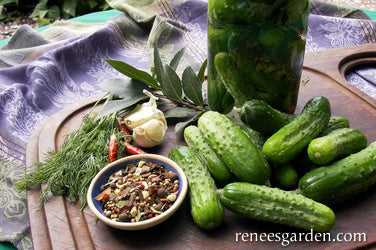
Pickling Cucumber Endeavor
START SEEDS OUTDOORS
Plant heat loving cucumbers only when weather is warm and settled and night temperatures stay above 50°F (10°C). Amend soil well with aged manure or compost. Sow groups of 2 to 3 seeds 1 1/2 feet apart and 1 inch deep with 3 feet between rows.
Thin to 1 seedling per group. Or make slightly mounded hills 5 feet apart, sowing 5 or 6 seeds in each hill. Thin to the 3 strongest plants.
GROWING NOTES
Protect seedlings from marauding birds with plastic berry baskets, removing before plants get crowded. Shallow rooted cucumbers need ample and consistent moisture. Avoid overly wet or dry periods for good quality fruit. Growing cucumber vines up vertical supports gives you long straight fruits, saves garden space and makes them easy to harvest.
HARVEST AND USE
Cut rather than pull fruits from vines when 3 to 4 inches long. Harvest often: every few days for longest fruit production and so cucumbers don’t get too big on the vine. Try to put up pickles very soon after harvesting for best results. Enjoy some Endeavor cucumbers fresh picked from the garden, sliced up with tomatoes and chopped dill or chives with olive oil and a pinch of salt.
Regular price $3.69Sale price $3.69Unit price per -
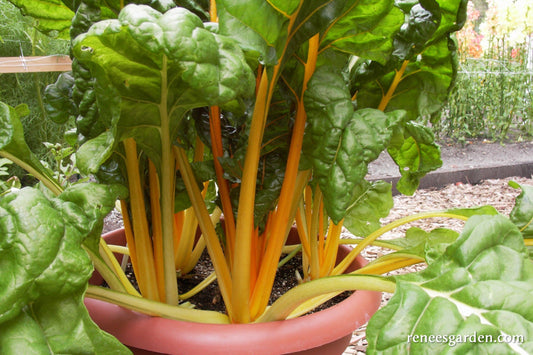
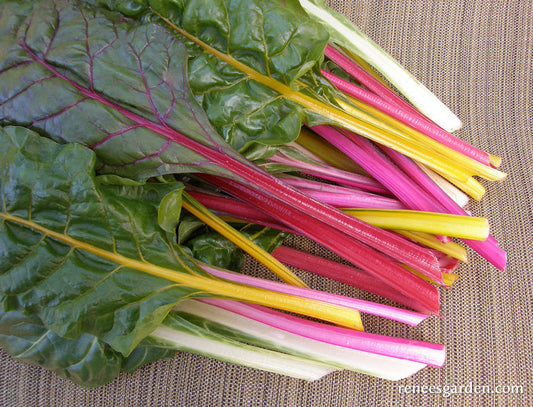
Container Chard Pot of Gold
EASIEST TO START OUTDOORS
For container sowing, use pots at least 12 inches in diameter and 12 inches deep and start with fresh potting mix. Plant seed in spring, after danger of frost is over, and/or again in mid-summer for fall harvests. Sow seed 1/2 inch deep and 1 inch apart in full sun. Keep evenly moist.
When seedlings are several inches tall, gradually thin to 8 inches apart in containers and use the delicious thinnings for early greens. Be sure to thin seedlings well so the large, vase-shaped plants have room to mature. If planting in garden beds, thin seedlings to stand 12 inches apart.
GROWING NOTES
Easy to grow chard can be grown year-round in mild winter areas. It prefers full sun, but will tolerate afternoon shade. Water regularly, checking containers daily in hot weather. Feed these fast-growing, productive plants weekly with a good high-nitrogen fertilizer. Watch for snails and slugs.
HARVEST AND USE
Begin harvesting when plants are well established and have 6 to 8 stalks. Both the crunchy succulent stalks and leaves make great eating. Break stems off at the base of the plant, always leaving at least 3 to 4 stalks to allow for regrowth. Chard is delicious sautéed, steamed, braised or stirfried. It pairs beautifully with the flavors of olive oil, garlic and lemon.
Regular price $3.39Sale price $3.39Unit price per -
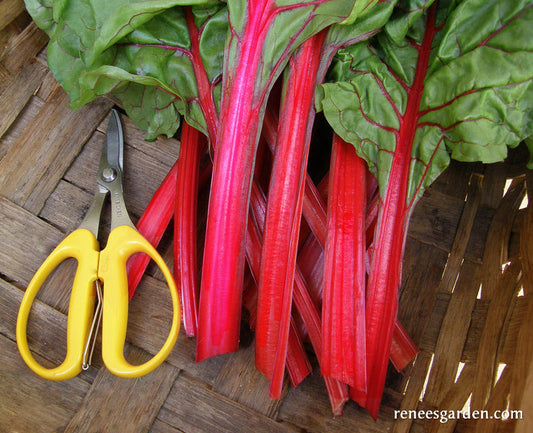
Gourmet Ruby Chard Scarlet Charlotte
START SEEDS OUTDOORS
In early spring when danger of hard frost is over, sow seeds in well-worked, fertile soil in full sun. Sow seeds 1/2 inch deep and 2 inches apart in rows 10 inches apart. Firm soil well over these irregularly shaped seeds to ensure good germination. If first sowing germinates unevenly, plant more seed in the rows as seedlings catch up quickly. Thin when seedlings are large enough to handle, using thinnings as early greens. Final spacing should be 12 to 18 inches apart.
GROWING NOTES
Chard grows well in a wide range of conditions and can take some frost. In mild winter areas, it can be grown year-round. Thin seedlings well so the large 2 foot tall, vase-shaped plants have room to mature.
HARVEST AND USE
Begin harvesting when plants are well established and have 6 to 8 stalks. Both the crunchy succulent stalks and leaves make great eating. Chop and sauté chard with garlic and olive oil or pair with sautéed mushrooms and onions. Try steamed and topped with a sprinkle of vinegar or fresh lemon juice. Use like spinach in lasagna or minestrone soup.
Regular price $2.99Sale price $2.99Unit price per -
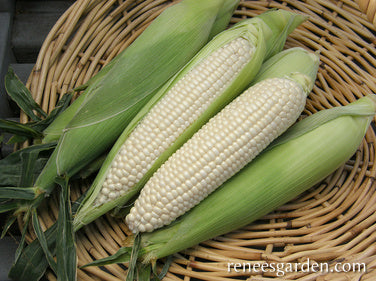
White Corn Sugar Pearl
START SEEDS OUTDOORS
In spring, once weather is warm and settled and night temperatures stay securely above 55°F (13°C), plant seeds in well-worked, fertile soil in full sun. Poke seeds in 1 inch deep and 4 to 6 inches apart. Plant in a block of 4 side-by-side rows, each row at least 1 foot apart. Thin seedlings to 1 foot apart when several inches tall. Protect from marauding birds if necessary. If first sowing doesn’t germinate evenly, replant right away as new seedlings catch up quickly. Make several sowings 2 or 3 weeks apart until early June to have successive harvests.
GROWING NOTES
There is no need to isolate Sugar Pearl from other varieties, but plant seeds in blocks of at least 4 parallel rows to ensure good wind pollination and well filled out ears. Corn is a heavy feeder, so add plenty of compost or aged manure to the soil at sowing time, and then fertilize when young plants are 7 to 8 inches tall and again as ears begin to form.
HARVEST AND USE
Well filled out ears of corn are ready to eat when the silks are very dark brown but not dried out. Test by choosing a plump ear and peeling back the husk very slightly. The kernels should be tender and milky when slit with a fingernail. Sugar Pearl is a SE corn, so the tender crisp kernels will hold their sweetness after harvest.
Regular price $4.99Sale price $4.99Unit price per -
Heirloom Chard Garden Rainbow
START SEEDS OUTDOORS
In early spring, when danger of frost is over, sow seeds in well-worked, fertile soil in full sun. Sow seeds 1/2 inch deep and 1 inch apart in rows 10 inches apart, or broadcast thinly for bed planting. Firm soil well over these irregularly shaped seeds to ensure good germination. If first sowing germinates unevenly, plant more seed as seedlings catch up quickly. When large enough to handle, thin seedlings to final spacing of 8 to 10 inches apart so these large plants have room to grow and mature. Transplant extras or enjoy young thinnings as early greens and salads.
GROWING NOTES
Chard grows well in a wide range of conditions and can take some light frost. In mild winter areas, it can be grown year round. Give seedlings enough room, because chard grows into large vase-shaped plants 2 feet tall.
HARVEST AND USE
Begin harvesting when plants are well established and have at least 6 to 8 leaves. Both stalks and leaves make great eating. Chop and steam or sauté with garlic and olive oil. Use like spinach in lasagna or minestrone soup. Try tasty chard leaves stuffed and poached in broth with a dash of olive oil and fresh lemon.
Regular price $4.89Sale price $4.89Unit price per -
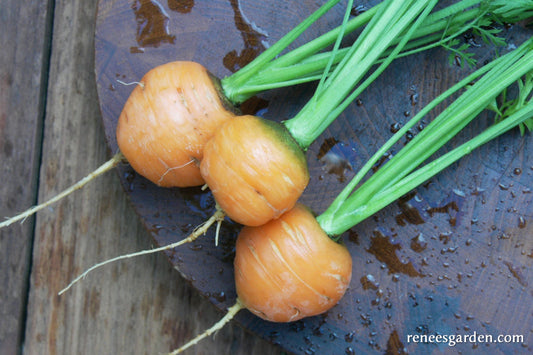
Round Baby Carrots Romeo
START SEEDS DIRECTLY OUTDOORS
In spring, once danger of hard frost is past, sow seeds in full sun in a container of fresh potting soil. To have enough soil surface and volume, containers should be at least 16 to 18 inches in diameter and 8 to 12 inches deep. Sow seeds carefully 1/2 inch apart and then cover very lightly.
Keep the seedbed evenly moist as carrots can be slow to germinate, emerging over 10 to 20 days. Germinating carrots need consistent moisture; a good trick is to cover the soil surface with floating row cover to help retain moisture during the germination period and water right through it. Take off the cover as soon as you see sprouts.
GROWING NOTES
Thin carrots several times so seedlings are 2 inches apart and have room to size up for harvest. Keep well watered for best growth and flavor. For a late season crop, sow again 3 months before first expected frost.when plants are young. Mulch well to conserve soil moisture and suppress weed growth.
HARVEST AND USE
Harvest at about 1 to 1 1/2 inches in diameter for best flavor. Steam whole, then toss with butter and fresh chopped dill, parsley or chives. Or toss with butter, salt lightly and add a little brown sugar or maple syrup.
Regular price $3.39Sale price $3.39Unit price per