Attracts Bees & Beneficials
Welcome Bee Friends and Others with Benefits
Plant these blooms to feed and nurture many kinds of beneficial insects from pollinators to pest control.
-
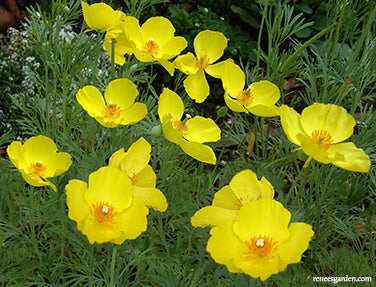
Heirloom Butterfly Flowers Mexican Tulip Poppy
PERENNIAL GROWN AS ANNUAL
Summer/fall bloom
Can handle light frostTO START EARLY INDOORS
Two to three weeks before the last frost date, sow seeds 1/4 inch deep and 1 in. apart in individual pots of seed starting mix. Keep warm and moist and provide a strong light source until seedlings are ready to plant outdoors. so transplant very carefully into the garden 8 in. apart when seedlings are large enough to handle.
TO START OUTDOORS
Sow seeds in a well-worked seedbed in full sun when danger of frost is past and temperatures have reached at least 50°F (10°C) both night and day. Space seeds 4 inches apart in rows 8 inches apart, cover lightly, 1/4 inch deep, and gently firm soil. Keep soil evenly moist but not soggy while awaiting germination in 10 to 14 days. Thin to 8 inches apart before plants get too crowded.
GROWING NOTES
These vibrant flowers glow in a mixed border or wild garden with their finely-cut, gray green foliage and bright, butter yellow blossoms that attract summer butterflies. Cut plants back halfway when the first flowering has finished and plants start to look rangy, and you will be rewarded with another long flush of bloom until frost. Mexican Tulip Poppies are perennial in very mild climates.Regular price $4.69Sale price $4.69Unit price per -
California Poppies Tequila Sunrise
PERENNIAL/GROWN AS ANNUAL
Spring/Summer bloom
Can handle light frostBEST TO START DIRECTLY IN THE GARDEN
Sow seeds directly into a finely textured, well drained garden bed in full sun as early in spring as the ground can be worked. Plant as early as possible in spring, as poppies can handle light frost and bloom best and longest when plants get a good start in cool weather. In mild winter climates, Poppies can also be sown in late fall to overwinter for spring bloom.
Except in very poor soil, these California poppies will grow and flower readily with no added fertilizer. Space seeds several inches apart, cover 1/4 inch deep, and firm soil gently. Keep soil moist as seedlings emerge. Weed young seedlings carefully. If seedlings come up very thickly, thin poppies early but delay final thinning until seedlings are well established in spring. Final spacing should be 3 to 4 inches apart as plants need room to grow and bloom.
GROWING NOTES
When mature, poppy plants can handle dry conditions, but they will always bloom longer if regularly watered. Poppies are pretty cut flowers if brought indoors just as buds begin to open. At season’s end, allow spent flowers to form pods and drop seed if you want poppies to self-sow for next years flowers.Regular price $3.39Sale price $3.39Unit price per -
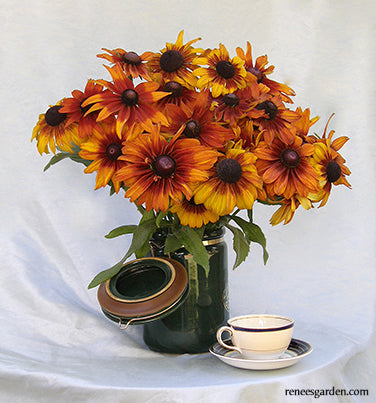
Butterfly Rudbeckia Cappucino
PERENNIAL
Summer/fall bloom
Frost hardy
USDA Zones 4 to 9BEST TO START EARLY INDOORS
In spring, about 6 weeks before last expected frost date, sow seeds 1 inch apart in a containers of seed starting mix. Cover very lightly with mix, keep warm and moist, and provide a strong light source until seedlings are ready to plant out. Feed every 2 weeks with half strength fertilizer. Once seedlings are large enough to handle, transplant 2 to 3 inches apart into deeper containers or individual pots so root systems have room to develop. When plants are 3 to 4 inches tall, gradually acclimate to outdoor conditions. Plant out in the garden in full sun in well-drained, good soil 12 to 18 inches apart. Protect seedlings from slugs and snails while plants are young.
GROWING NOTES
These sturdy tetraploid Rudbeckias are easy to grow, naturalize well and require little maintenance other than removing faded flowers for longest bloom. Once established, they can handle a wide range of weather conditions and will bloom stronger each season. Plants send up long stems of 3 to 4 inch daisy-shaped blossoms in an array of warm colors and bicolors beginning at midsummer.Regular price $4.69Sale price $4.69Unit price per -
California Poppies Tropical Sunset
PERENNIAL/GROWN AS ANNUAL
Spring/Summer bloom
Can handle light frostBEST TO START DIRECTLY IN THE GARDEN
Sow seeds directly into a finely textured, well-drained garden bed in full sun as early in spring as the ground can be worked. Plant as early as possible in spring, as poppies can handle light frost and bloom best and longest when plants get a good start in cool weather. In mild winter climates, Poppies can also be sown in late fall to overwinter for spring bloom.
Except in very poor soil, these California poppies will grow and flower readily with no added fertilizer. Space seeds several inches apart, cover 1/4 inch deep, and firm soil gently. Keep soil moist as seedlings emerge. Weed young seedlings carefully. If seedlings come up very thickly, thin poppies early but delay final thinning until seedlings are well established in spring. Final spacing should be 6 inches apart as plants need room to grow and bloom.
GROWING NOTES
When mature, poppy plants can handle dry conditions, but they will always bloom longer if regularly watered. Poppies are pretty cut flowers if brought indoors just as buds begin to open. At season’s end, allow spent flowers to form pods and drop seed if you want poppies to self-sow for next years flowers.Regular price $3.39Sale price $3.39Unit price per -
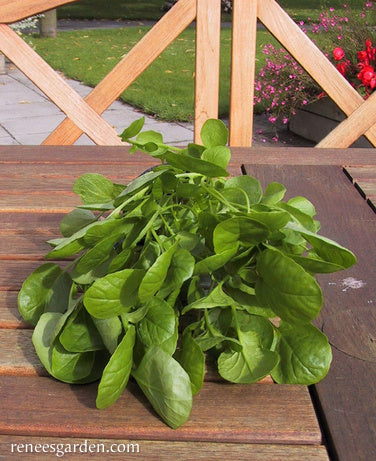
Heirloom Herbs English Watercress
BIENNIAL/GROWN AS ANNUAL
Spring/fall harvest
Can handle some frostSTARTING SEEDLINGS
Watercress is a cool weather crop. Make successive sowings several weeks apart to have a constant supply, starting in early spring. Plant watercress in a pot of seed starting mix and keep in a cool spot. Sow seeds one inch apart, do not cover with mix, but keep thoroughly moist. Germination should occur in about a week. Late summer-sown watercress will last well into cold weather.
THIN OR TRANSPLANT
Space seedlings 2 to 3 inches apart when they are large enough to handle.
GROWING NOTES
Set out seedlings next to a source of clean, fresh flowing water or water them daily. Watercress grown in pots can be set in saucers of water, which must be changed regularly to imitate a moving stream. Or, set your seeded pot right under an often-used hose bib to benefit from stray sprinkles and drips. Snip back growing shoots to make plants branch from the base and harvest tender tips as needed. As flowers begin to bud up, leaves get smaller and their taste gets bitter, so pull and pick from younger plants.Regular price $3.39Sale price $3.39Unit price per -
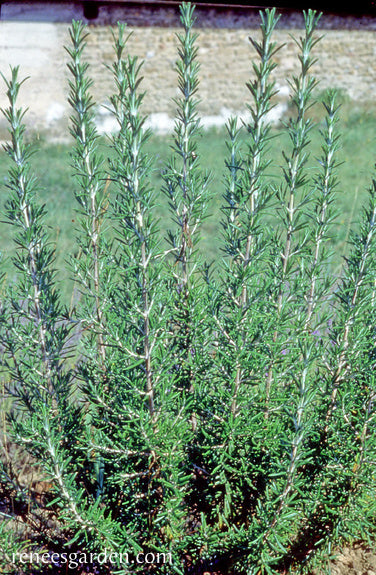
Kitchen Herbs French Rosemary
BEST TO START INDOORS
In early spring, sow seeds an inch apart in fine seed starting mix. Cover seeds very lightly with mix. Maintain at 70°F (24°C) and provide a strong light source. While awaiting germination, be sure to keep the seed bed moist but not soggy. Be patient: these small perennial seeds germinate very slowly over 1 to 2 months.
When they have several sets of leaves, transplant seedlings into individual 4 to 6 inch pots so root systems have room to develop. When all danger of frost has past, plant 2½ feet apart in well-drained soil in full sun.
To grow in containers, transplant each plant into a pot with at least a 3 gallon capacity (or 12 inch pot).
GROWING NOTES
Like many perennial herbs, rosemary has a naturally low germination rate and grows slowly the first season. Plants thrive in hot, dry conditions and require well drained soil.
In mild climate areas (zones 8 through 10), where winters are mild and the ground doesn’t freeze, Perennial Rosemary plants grow into substantial shrubs in mild climates. In cold winter areas (zones 3 to 7), plant seedlings into large pots to enjoy throughout spring and summer. When weather gets cold and frost threatens, prune plants back heavily and bring pots inside to spend the winter indoors in a cool, well-lit area; water very sparingly while plants are overwintering indoors. In spring, when danger of frost is over and weather is settled, move potted plants back outside to a sunny spot.
HARVEST AND USE
Rosemary’s stiff straight branches make perfect skewers for grilling. Use leaves in marinades combined with lemon, garlic and oil. Stuff a roasting chicken with whole branches and use to season lamb. Sprinkle finely minced rosemary over potatoes; dust on cheese dishes, garlic bread, grilled tomatoes and root vegetables.Regular price $3.99Sale price $3.99Unit price per -
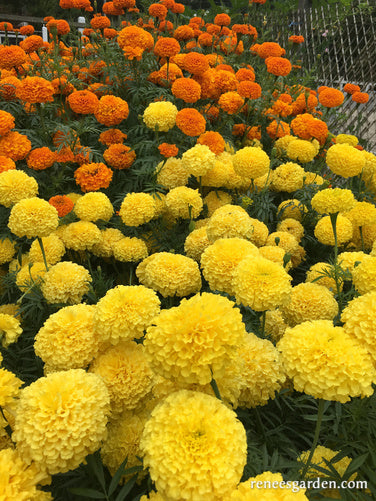
Giant Bouquet Marigolds Orange & Yellow Beast
ANNUAL
Summer/fall bloom
Frost tenderTO PLANT OUTDOORS
Sow seeds directly into well-worked garden soil in full sun once all danger of frost is past. Space seeds 3 inches apart and cover about 1/4 inch deep. Keep soil evenly moist. Germination takes 7 to 10 days. When seedlings are about 3 inches tall, carefully thin them to a final spacing of 9-12 inches apart because these vigorous, tall plants need room to grow and bloom. Extra thinned seedlings can be transplanted easily.
TO START EARLY INDOORS
Sow seeds several inches apart in a container of well-drained seed starting mix 4 to 6 weeks before last expected frost date. Cover 1/4 inch deep, keep moist and provide a strong light source until ready to go outside. Transplant 9-12 inches apart once weather warms up and nights are above 55° F (13° C).
GROWING NOTES
These carefree, non-fussy branching plants reach 3-3 1/2 feet tall with long-lasting big blossoms and blue-green foliage. Perfect in any sunny spot for nonstop color all season long with armfuls of long stemmed flowers for big bouquets. Support the tall, hard blooming plants with stakes or flower supports. Feed and water regularly. No need to pinch plants or remove spent flowers for spectacular long bloom.
Regular price $4.69Sale price $4.69Unit price per -
Giant Harvest Gourds Lunch Lady
BEST TO START SEEDS INDOORS
Several weeks before last spring frost date, sow 2 seeds each, 1 in. deep, in individual pots of potting mix. Keep warm and moist and provide a strong light source. When nights stay above 50°F (10°C), thin to one seedling per pot and gradually acclimate to outdoors. Transplant at along a sturdy fence or trellis to climb effortlessly and form a lush canopy or allow vines to ramble at garden edges.
START DIRECTLY OUTDOORS
Sow seeds directly outdoors only if you have a long growing season. Sow only after night temperatures stay solidly above 50°F. (10°C). In full sun, sow seeds 1 inch deep and 4 inches apart along a garden fence or sturdy trellis or along garden edges. Thin seedlings to final spacing 8 inches apart.
GROWING NOTES
Unique Lunch Lady gourds need full sun, rich soil and warm temperatures. For earliest and best yields, hand-pollinate gourds: pick a blooming male flower and dust pollen onto fresh female flowers (the ones with small fruits at the base).
Repeat as new flowers appear. Pollinated fruits start growing larger within several days. Gourds are mature when rinds are tough and the tendril next to the stem turns brown. Harvest with several inches of stem. Dry in a well-ventilated place.
Note: the flesh of Lunch Lady ornamental gourds has a bitter gene and is not edible.Regular price $4.69Sale price $4.69Unit price per -
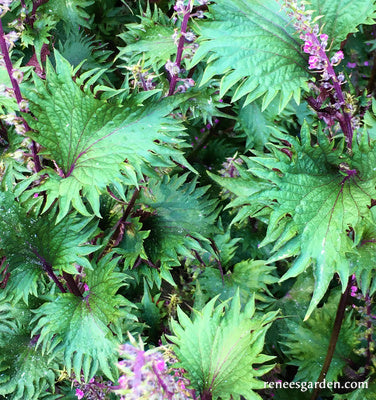
Ornamental Edibles Bicolored Shiso
ANNUAL
Summer/fall harvest
Heat-loving, frost tenderTO PLANT DIRECTLY INTO THE GARDEN
When late spring weather has thoroughly warmed up, sow seeds 1 inch apart in well worked fertile soil in full sun. Cover 1/4 inch deep, firm soil and keep seedbed moist. Germination takes 1 to 2 weeks. After seedlings are well established, thin or transplant 8 inches apart to allow plants room to mature.
TO START EARLY INDOORS
Sow seeds 1 inch apart in a container of seed starting mix, 4 to 6 weeks before last expected frost. Keep warm and evenly moist, and provide a good light source. When seedlings are large enough to handle and night temperatures are solidly above 50°F (10°C ), acclimate gradually to outdoor conditions before planting in the garden 8 inches apart.
GROWING NOTES
Remember— it is critical to plant Shiso in the garden only after day and nights are solidly above 50°F (10°C). Pinch off growing tips when plants are 6 to 8 inches tall to encourage branching. Harvest sprays of leaves by cutting stems just above two new sprouting lateral branches to get lush regrowth.
NOTE: Can self-sow aggressively. Keep plants from spreading by cutting spent flowers so they don't drop seeds. Do not plant near natural areas.
Regular price $3.99Sale price $3.99Unit price per -
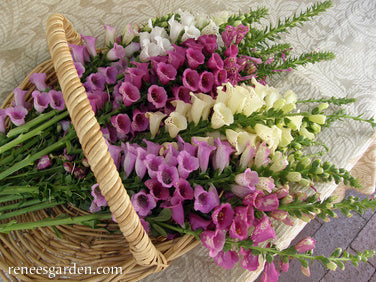
Hummingbird Foxgloves Carousel Mix
PERENNIAL
Late Spring/Summer bloom
Frost hardy USDA zones 4–9
START EARLY INDOORSSow seeds as thinly as possible in a container of seed starting mix. Cover 1⁄8 inch deep with mix, keep moist and between 60-70°F (16-21°C). Provide a strong light source until ready to plant into the garden.
Feed every 2 weeks with half-strength fertilizer. Once seedlings are large enough to handle, transplant 2 to 3 inches apart into individual pots. When plants are 3 to 4 inches tall, gradually acclimate to outdoor conditions and plant out in well-drained soil. Can also be planted in early/mid summer for bloom the following spring.
THIN OR TRANSPLANT
Space seedlings 12-15 inches apart so the plants have enough elbow room.
GROWING NOTES
Deer resistant foxgloves do well in light shade, dappled sunlight all day or full morning sun. They appreciate rich fertile soil and consistent moisture. In mild summer areas, they can handle full sun all day. Cut the softly colored spires of bloom often for lavish bouquets.
Encourage repeat bloom and flowering side shoots by cutting spent flower stalks at plant bases. Plants also self sow readily. A favorite of hummingbirds, butterflies and bumblebees!
Caution: Toxic if eaten.
Regular price $3.39Sale price $3.39Unit price per -
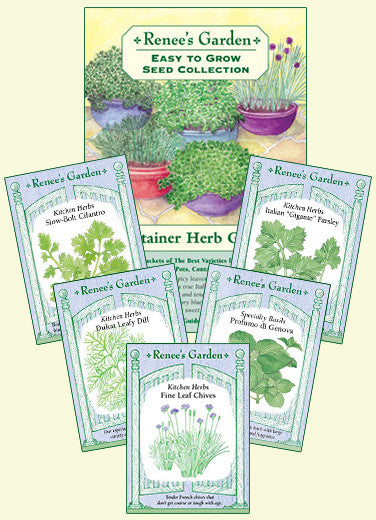
Easy To Grow Collection The Container Herb Garden
Having an abundance of fresh herbs at your fingertips is a delicious luxury and growing our Container Herb Garden means you will have all their aromas and flavors available to enjoy everyday. These herbs are all easy to grow kitchen essentials; they also make lovely ornamental plants and have flowers that attract pollinators. The varieties in this collection are specially chosen to grow well in containers, pots or window boxes. The back of each packet has complete growing instructions and our "how-to" guide is also included to ensure success for anyone new to growing in containers.Includes Five Packets Of The Best Varieties For Growing Your Own Delicious Fresh Herbs In Pots, Containers Or Window Boxes.
Slow Bolt Cilantro: The spicy green leaves of this cilantro are essential for Mexican and Asian dishes and brighten up everyday cooking. Our variety holds its leaves longer than others.
Profumo di Genova Basil: This imported Italian basil offers long luscious harvests of big glossy leaves with an intense basil aroma and especially rich flavor. Exquisite with tomatoes and perfect for cooking all summer long.
Fine Leaf Chives: These succulent and tender chives keep their slender, flat shape and don't get coarse or tough all season. Their pretty and edible lilac-pink blossoms have a mild, sweet flavor.
Dukat Dill: This heirloom variety, originally from Denmark, is known for its abundance of finely cut green leaves that can be used fresh longer than other varieties. Wonderful fresh in salads and with cooked vegetables or use with poultry, in potato salad and for making pickles.
Italian Parsley: The handsome plants of this imported heirloom have large, shiny flat leaves that are known for an exceptionally mellow sweet flavor. Wonderful fresh in salads and sandwiches and absolutely delicious in soups, casseroles and stews.
Special Feature: Two Page Guide To Container Gardening
Regular price $16.95Sale price $16.95Unit price per -
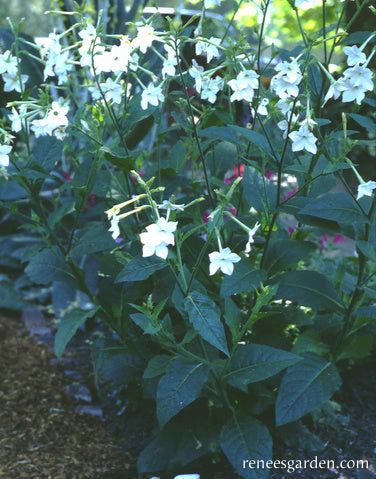
Heirloom Nicotiana Jasmine Alata
PERENNIAL GROWN AS ANNUAL
Summer/fall bloom
Can handle light frostTO START OUTDOORS
Sow seed directly into a finely textured, well-worked garden bed in sun or in partial shade once danger of spring frost is past. Cover very lightly and keep moist as seedlings emerge. Weed and water young seedlings carefully and thin to stand 1 1/2 to 2 feet apart before they get too crowded.
TO START EARLY INDOORS
Start seed indoors 6 to 8 weeks before last spring frost date. Sow seeds as thinly as possible in a container of seed starting mix and cover very lightly. Keep moist but not soggy, and provide a strong light source until seedlings are ready to plant outdoors after gradually acclimating to outdoor conditions. Thin or transplant seedlings 1 1/2 to 2 feet apart to allow room to grow.
GROWING NOTES
Nicotiana grows well in sun but can tolerate shade, especially during the afternoon. In mild areas, plants will winter over; cut back in fall for spring regrowth and early bloom. Plant them with other showy annuals like cosmos or cleome for an old-fashioned country garden.
Regular price $2.99Sale price $2.99Unit price per -
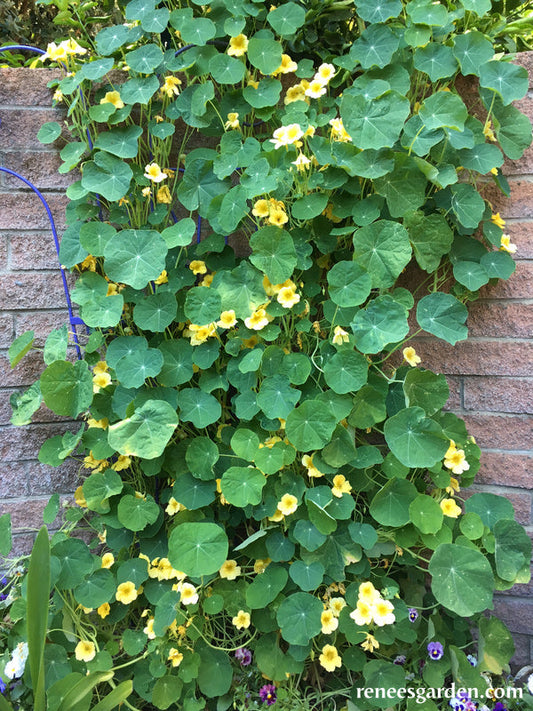
Climbing Nasturtiums Moonlight
ANNUAL VINE
Spring/summer/fall bloom
Frost tenderEASY TO START OUTDOORS
Sow seeds in spring once all danger of frost is over in full sun (or part shade in hot climates). Nasturtiums need no added fertilizer in most soils. Poke seeds into well-worked soil about 1 inch deep and 3 to 4 inches apart. Press soil firmly over the seeds and keep moist. When seedlings are large enough to handle, thin 10 inches apart so plants will have ample room to grow.
TO START EARLY INDOORS
Sow 2 seeds each in individual 4-inch pots of well-drained seed starting mix 3 weeks before last expected frost date. Cover 1 inch deep. Provide a strong light source. When seedlings have several sets of leaves, pinch out the weaker seedling leaving 1 per pot. After outdoor temperatures are evenly above 50°F (10°C) gradually acclimate to outdoor conditions. Transplant seedlings into the garden 10 to 12 inches apart in full sun.
GROWING NOTES
Climbing nasturtiums are very reliable and easy to grow in any well-drained soil. Help them to twine up their supports, then they’ll climb easily and bloom nonstop. Do not let plants dry out during blooming season. You can also plant Moonlight to tumble along the ground.
Regular price $3.99Sale price $3.99Unit price per -
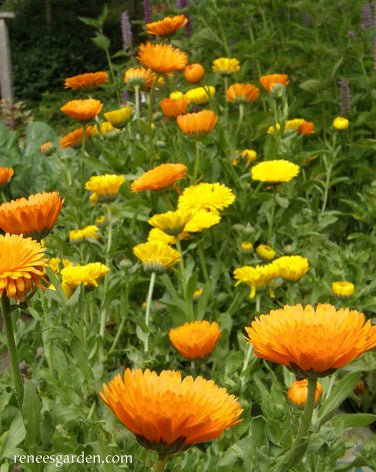
Butterfly Calendula Mix Orange & Lemon Twist
HARDY ANNUAL
Spring/fall bloom
Takes light frostTO START OUTDOORS
Calendulas bloom best in cool weather, so plant in early spring in well-drained soil after danger of frost is over. Sow seeds 1 in. apart, cover 1/2 in. deep, firm soil and keep seed bed moist while awaiting germination in 7 to 14 days. After seedlings are well established, thin or transplant 8 in. apart.
Container growing: plants also grow and bloom well in pots at least 12 to 16 in. deep and 18 to 20 in. across. Start with fresh potting mix each season, keep well watered and fertilize monthly.
TO START EARLY INDOORS
In early spring, sow seeds 1 in. apart in a container of seed starting mix and cover ½ in. deep. Keep evenly moist as seedlings emerge and provide a good light source until ready to plant outdoors. Transplant when seedlings are about 2 to 3 in. tall after gradually acclimating plants to outdoor conditions.
GROWING NOTES
Thin seedlings to proper spacing for good air circulation and to discourage mildew. Keep faded flowers removed. Lemon & Orange Twist are easy to grow spring annuals, producing sturdy plants soon covered with bright flowers that bloom nonstop and attract butterflies for many weeks. In mild climates: sow again in late summer for winter or early spring flowers.
Regular price $3.39Sale price $3.39Unit price per -
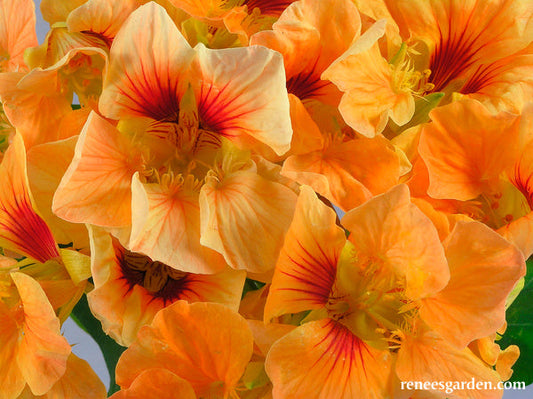
Hummingbird Nasturtiums Creamsicle
ANNUAL
Spring/summer/fall bloom
Frost tenderEASY TO START OUTDOORS
Sow seeds in spring once all danger of frost is over in full sun or part shade in hot climates. Nasturtiums will grow and flower readily with no added fertilizer in most soils. Poke seeds into well-worked soil about 1 inch deep and 3 to 4 inches apart. Press soil firmly over the seeds and keep moist. When seedlings are large enough to handle, thin to 10-12 inches apart so plants will have ample room to grow.
TO START EARLY INDOORS
Sow 2 seeds each in individual 4 inch pots of well-drained seed starting mix 3 weeks before last expected frost date. Cover 1 inch deep. Provide a strong light source. When seedlings have several sets of leaves pinch out the weaker seedling, leaving 1 per pot. When night temps are above 50°F (10°C) gradually acclimate to outdoor conditions. Transplant seedlings into the garden 10 inches apart in full sun.
GROWING NOTES
These mounding nasturtiums are reliable and easy to tuck into any well-drained spot. They are a perfect disguise to cover fading bulb foliage in late spring. Their softly draping leaves and wonderfully colored flowers will quickly fill and gladden garden beds or containers. Both leaves and flowers are tasty, spicy-sweet additions to salads and sandwiches.
Regular price $3.99Sale price $3.99Unit price per -
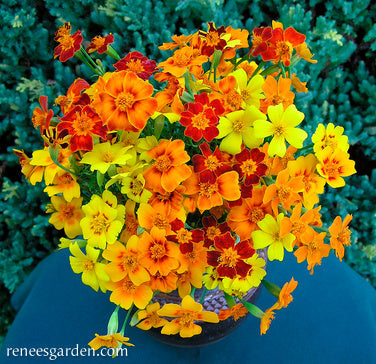
Petite Marigolds Heirloom Signet Starfire
ANNUAL
Summer/fall bloom
Frost tenderTO PLANT OUTDOORS
Sow seeds directly into well-worked garden soil in full sun once all danger of frost is past. Space seeds 2 to 3 inches apart and cover about 1/4 inch deep. Keep soil evenly moist while awaiting germination in 5 to 7 days.
TO START EARLY INDOORS
Sow seeds 1 inch apart in a container of well-drained seed starting mix 4 to 6 weeks before last expected frost date. Cover 1/4 inch deep, keep moist and provide a strong light source until ready to go outside. Transplant once weather warms up after gradually acclimating seedlings to outdoor conditions. Thin or transplant 8 to 10 inches apart when seedlings are large
GROWING NOTES
These compact and cheerful antique marigolds are quick to bloom, carefree and non-fussy. Their profusion of dainty blooms and feathery aromatic foliage are perfect for planters in sunny spots, or edging garden beds. Feed and water regularly especially if planting in containers. Consider a second sowing before midsummer for a long season of appealing old-fashioned flowers.
Regular price $2.99Sale price $2.99Unit price per -
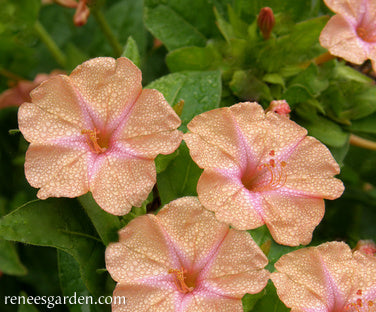
Hummingbird Four O’Clocks Scented Peach Sunset
PERENNIAL GROWN AS ANNUAL
Summer/fall bloom
Frost tenderEASIEST TO START OUTDOORS
Plant in full sun in ordinary garden soil when spring weather is warm and settled and all danger of frost is past. Poke seeds into well-worked soil about 1/2 inch deep, 4 to 5 inches apart. Firm soil over seeds. Keep moist until germination in 10 to 12 days.
TO START EARLY INDOORS
Seeds can be started indoors about 3 weeks before last expected frost, but since Four O’Clocks grow so quickly, we advise sowing directly into the garden in all but very short summer areas.
THIN OR TRANSPLANT
Thin seedlings to 10 inches apart when they are large enough to handle, so plants have ample room to grow and mature.
GROWING NOTES
Vigorous, free blooming Four O’Clocks grow easily and quickly quickly to fill in borders or open areas. When possible, plant them close by where you walk or sit, so you can enjoy their delicious soft perfume that wafts in the air on sultry warm summer afternoons and evenings.
In Mild Climates, Four O’Clocks self-sow readily, so remove seed pods before seeds fall to the ground if you don’t want plants to spread around the garden.
Regular price $3.99Sale price $3.99Unit price per -
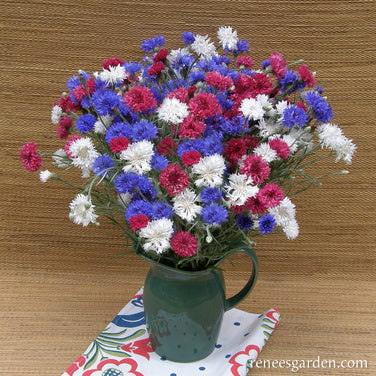
Heirloom Cornflowers 4th Of July Mix
HARDY ANNUA
Spring/summer bloom
Can handle light frostTO START OUTDOORS
Sow seeds in a finely textured garden bed in full sun as soon as soil can be worked. In mild winter areas, where the ground doesn’t freeze, plant in fall for next spring’s bloom. Space seeds 1 to 2 inches apart and cover 1/2 inch deep. Keep seed bed moist until seedlings emerge in 7 to 10 days. Weed and water carefully. Thin seedlings to 6 to 8 inches apart.
TO START EARLY INDOORS
Sow seeds 1 to 2 inches apart in a container of seed starting mix, 2 or 3 weeks before last expected frost. Cover 1/2 inch deep, keep moist and provide a good light source until seedlings are transplanted outside. Plant 6 to 8 inches apart into fertile garden soil in full sun when plants are 3 to 4 inches tall. Seedlings grow quickly; plant out before the roots get crowded.
GROWING NOTES
In Mild Winter Areas the best cornflowers (aka Bachelor Buttons) result from seeds sown in fall to bloom the next spring. In Cold Winter Areas where ground freezes, plant in early spring to get sturdy plants that will flower for many weeks if faded blossoms are removed.
Regular price $2.99Sale price $2.99Unit price per -
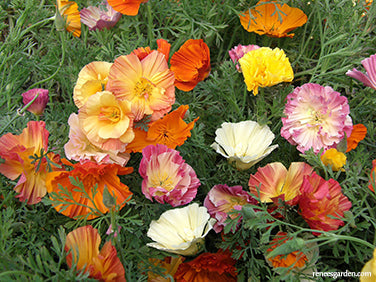
California Poppies Dancing Ballerinas
ANNUAL
Spring/Summer/Fall bloom
Can handle light frostBEST TO START DIRECTLY IN THE GARDEN
Sow seeds directly into a finely textured, well-drained garden bed in full sun as early in spring as the ground can be worked. Plant as early as possible in spring, as poppies can handle light frost and bloom best and longest when plants get a good start in cool weather. In mild winter climates, Poppies can also be sown in late fall to overwinter for spring bloom. Except in very poor soil, these California poppies will grow and flower readily with no added fertilizer. Space seeds several inches apart, cover no more than 1/4 inch deep, and firm soil gently. Keep soil moist as seedlings emerge. If seedlings come up very thickly, thin poppies early but delay final thinning until seedlings are well established in spring. Space seedlings, 4-6 inches apart as plants need room to grow and bloom.
GROWING NOTES
When mature, poppy plants can handle dry conditions, but they will always bloom brighter and longer if regularly watered and are kept well weeded. Poppies are pretty cut flowers if brought indoors just as buds begin to open. At season’s end, allow spent flowers to form pods and drop seed if you want poppies to self-sow for next year's spring flowers.Regular price $3.99Sale price $3.99Unit price per -
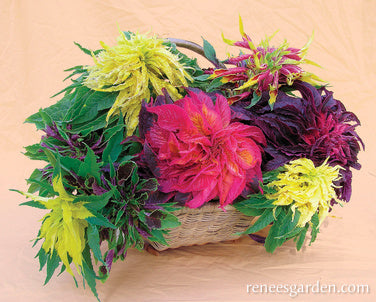
Heirloom Amaranth Cinco De Mayo
ANNUAL
Summer/fall color
Frost tenderEASY TO START OUTDOORS
Sow seeds in full sun in ordinary well-worked garden soil in springtime once night temperatures reach 50°F (10°C). Space tiny seeds as thinly as possible. Cover very lightly with soil and keep moist until seedlings emerge in 7 to 10 days.
TO START EARLY INDOORS
Five to six weeks before last frost date, sow seeds 1 inch apart in individual pots or a container of seed starting mix, cover lightly and keep moist. Provide a strong light source until seedlings are ready to plant outside once danger of frost is over. Gradually acclimate to outdoor conditions before transplanting.
THIN OR TRANSPLANT
Final seedling spacing should be 12-18 inches apart, so they have room to grow and mature.
GROWING NOTES
Plants explode with sky rocket colors when they come to maturity in late summer. These easy to grow, dramatic foliage Amaranths prefer a warm, dry location in good garden soil. When established, the tall bushy plants can tolerate drought and need no extra fertilizer, but must have good drainage. For better branching, pinch the main bud when plants are about 18 inches tall.
Regular price $2.99Sale price $2.99Unit price per -
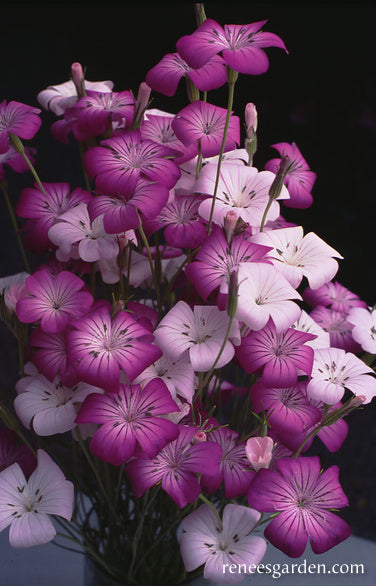
Agrostemma Purple Queen and Pink Contessa
HARDY ANNUAL
Spring/summer bloom
Frost HardyBEST TO PLANT DIRECTLY IN THE GARDEN
Mild Winter Climates: Sow seeds either in early spring or in late fall to germinate and form deep roots for a long spring bloom.
Cold Winter Climates: Sow seed as early in spring as soil can be worked. Space seeds 1 to 2 inches apart in well-drained soil in full sun or partial shade in hot areas. Cover 1/4 inch deep, firm soil and keep seed bed moist. Be patient; germination takes 14 to 21 days. After seedlings are well established and 2 or 3 inches tall, thin or transplant 8 to 10 inches apart. Keep plants well watered and weeded for best performance.
TO START EARLY INDOORS
Sow seeds 1 inch apart in seed-starting mix, 4 to 6 weeks before last expected frost. Cover 1/4 inch deep, keep moist and provide a good light source until ready to plant outside when the weather warms up. Thin or transplant seedlings 8 to 10 inches apart when large enough to handle.
GROWING NOTES
Spring Sowing: plant seed as early as soil can be worked to get sturdy plants that will provide many weeks of graceful bloom.
Fall Sowing: wait until soil has cooled in late fall. Extend the blooming season by cutting faded flowers before seed pods develop.
Regular price $3.39Sale price $3.39Unit price per -
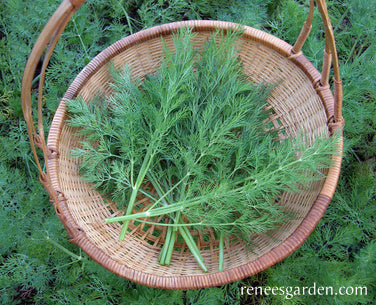
Heirloom Dill Leafy Diana
EASIEST TO PLANT OUTDOORS
In early spring, sow dill seed directly into well-drained garden soil 1 to 2 inches apart in rows 6 inches apart in full sun and cover seeds 1/4 inch deep. Make small sowings every few weeks to have successive harvests of fresh leaves. Keep seed bed evenly moist while awaiting germination in 7 to 14 days.
TO START INDOORS
Sow dill seed thinly in individual pots of seed starting mix. Cover 1/4 inch deep and keep moist as seedlings emerge in 7 to 14 days. Provide a good light source. Transplant when seedlings are about 2 inches tall after gradually acclimating to outdoor conditions. Don’t let seedlings get crowded before planting outside.
THIN OR TRANSPLANT
Space groups of 2 or 3 seedlings about 4 inches apart when seedlings are large enough to handle.
GROWING NOTES
Keep plants well watered and thinned; crowded seedlings won’t make the lush growth desired for fresh leaf harvests and will form seed heads too early. Make several successive sowings for plenty of leafy dill fronds followed by seed heads to use for pickles and other savory dishes.
Regular price $4.89Sale price $4.89Unit price per -
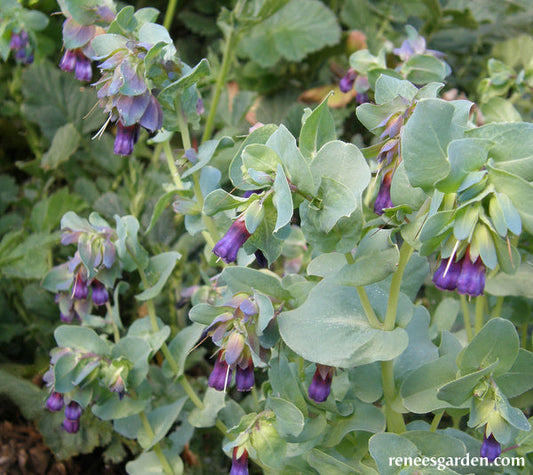
Hummingbird Cerinthe Pride of Gibraltar
HARDY ANNUAL
Summer/fall bloom
TO START OUTDOORS
In spring, once all danger of frost is past, sow seed directly where plants are to grow in ordinary well-drained soil in full sun. In mild climates, Cerinthe can also be sown in fall for spring blooms. Poke the large seeds into the soil about 3⁄4 inch deep and 4 to 6 inches apart and firm soil gently over them.
TO START EARLY INDOORS
Start seeds indoors in 4 inch pots about 4 to 6 weeks before last frost date. Keep moist, but not soggy and provide a strong light source. Once seedlings are 4 to 6 inches tall, acclimate to outdoor conditions and transplant into a sunny spot, in well-drained garden soil. Thin or transplant seedlings 8 to 12 inches apart. Avoid disturbing seedling roots.
GROWING NOTES
Cerinthe prefers full sun, but can take dappled shade, although plants will be more rangy in habit. Be patient; plants are undistinguished until they come into bloom. By late spring, the dramatic blue bracts will turn more purple at the tips, then the clusters of purple bells trimmed with a white edge unfurl. Grow near pastel cleome or cosmos for an exciting color contrast.
Regular price $4.69Sale price $4.69Unit price per -
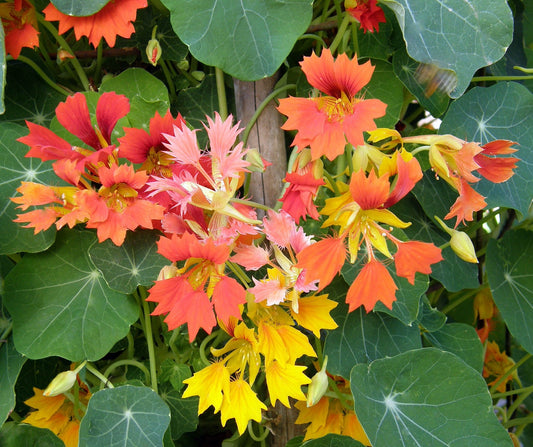
Heirloom Nasturtiums Climbing Phoenix
ANNUAL
Spring/Summer/Fall bloom
Frost tenderEASY TO START OUTDOORS
Sow seeds in spring once all danger of frost is over in full sun (or part shade in hot climates). Nasturtiums need no added fertilizer in most soils. Poke seeds into well-worked soil about 1 inch deep and 3 to 4 inches apart. Press soil firmly over the seeds and keep moist. When seedlings are large enough to handle, thin to stand 10 inches apart, or 6 to 8 inches apart if training seedlings up vertical supports.
TO START EARLY INDOORS
Sow 2 seeds each in individual 4-inch pots of well-drained seed starting mix 3 weeks before last expected frost date. Cover 1 inch deep. Provide a strong light source. When seedlings have several sets of leaves, pinch out the weaker seedling leaving 1 seedling per pot. When weather is evenly in the 50°F (10°C) range, gradually acclimate to outdoor conditions. Transplant as above in full sun.
GROWING NOTES
Climbing nasturtiums are easy to grow in any well-drained soil. You’ll need to train young plants onto their supports with loose ties, then they’ll climb easily and bloom non-stop. Do not let plants dry out during blooming season. If aphids become a problem, wash them off with a strong spray of water or spray with non-toxic Safer’s Soap solution. Phoenix’s bright confetti like blossoms are true summer beacons for hungry hummingbirds.
Regular price $3.99Sale price $3.99Unit price per