Attracts Bees & Beneficials
Welcome Bee Friends and Others with Benefits
Plant these blooms to feed and nurture many kinds of beneficial insects from pollinators to pest control.
-
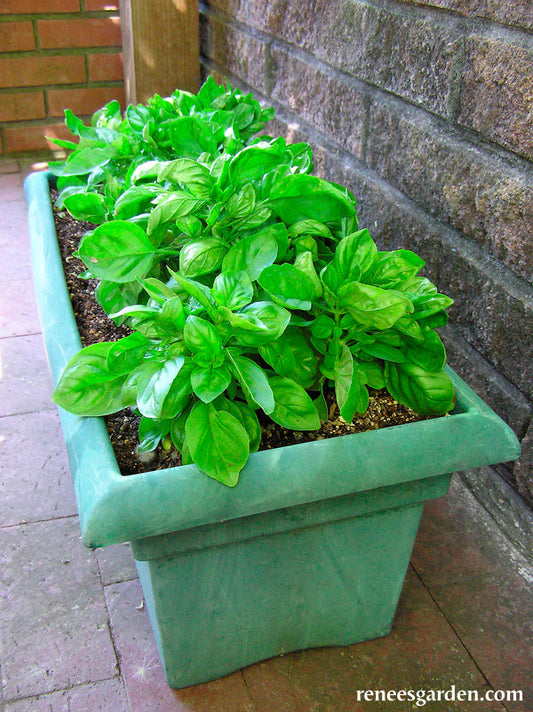
Large-Leaf Container Basil Italian Cameo
ANNUAL
Summer/fall harvest
Heat-loving, frost tenderTO PLANT DIRECTLY INTHE GARDEN
Cameo seeds are coated with a natural clay material to make them easy to sow. When late spring weather has warmed up to the 50°F (10°C) range both day and night, sow seeds 1 inch apart in well worked, fertile soil or containers of fresh potting mix in full sun. Cover 1/4 inch deep, firm soil and keep the seed bed evenly moist. After seedlings are large enough to handle, thin or transplant 6 inches apart. For containers, transplant one seedling per 6 inch pot or 3 seedlings into a 12 inch pot.
TO START EARLY INDOORS
Sow 1 inch apart and 1/4 inch deep in a container of seed starting mix, 4 to 6 weeks before last expected frost. Keep warm and evenly moist and provide a good light source. When seedlings are large enough to handle and weather is above 50°F (10°C) both day and night, transplant outdoors. For containers, transplant one seedling per 6 inch pot or 3 seedlings into a 12 inch pot. Or plant along a garden border for a fragrant edging.
GROWING NOTES
Remember to plant basil outdoors only after nighttime temperatures stay above 50°F (10°C). In hot, dry weather, check and water plants in containers daily. Feed every 2 weeks to promote growth.
Regular price $3.69Sale price $3.69Unit price per -
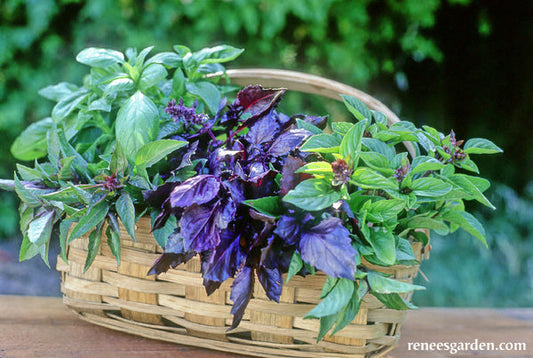
Kitchen Herbs Scented Basil Trio
ANNUAL
Summer/fall harvest
Heat-loving, frost tenderTO PLANT DIRECTLY INTO THE GARDEN
When late spring weather has reached the 55°F (13°C), sow seeds 1 inch apart in well worked fertile soil in full sun. Cover 1/2 inch deep, firm soil and keep seed bed moist. Germination takes 1 to 2 weeks. After seedlings are well established, thin or transplant 8 inches apart to allow plants room to mature.
TO START EARLY INDOORS
Sow seeds 1 inch apart in a container of seed starting mix, 4 to 6 weeks before last expected frost. Keep warm and evenly moist, and provide a good light source. When seedlings are large enough to handle and weather is above 55°F (13°C), acclimate gradually to the outdoors, then plant in the garden or into large pots.
GROWING NOTES
Remember—for success with this easy to grow herb, it is critical to sow or transplant basil into garden beds only when late spring day and night temperatures stay above 55°F (13°C). Harvest sprays of leaves by snipping stems just above two new sprouting lateral branches to encourage lush foliage. Keep flower buds pinched off to extend harvesting and feed regularly to promote new growth.Regular price $3.69Sale price $3.69Unit price per -
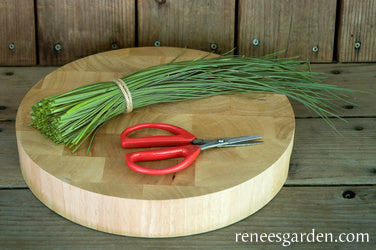
Heirloom Culinary Chives
PERENNIAL
Spring/summer/fall harvest
Frost hardyTO PLANT OUTDOORS
In cool spring weather, sow clusters of 7 to 10 seeds about 8 to 10 inches apart in well-worked, fertile soil in sun or part shade. Cover 1/4 inch deep and press soil firmly over seeds. Keep evenly moist as seeds germinate slowly over several weeks. Emerging clusters of seedlings have very slender grass-like leaves that mature into mounds.
TO START EARLY INDOORS
In early spring, sow 7 to 10 seeds in individual containers of starting mix and cover 1/4 inch deep. Keep evenly moist as seedlings slowly emerge and provide a good light source until ready to plant outdoors. Transplant clusters of seedlings when 2 to 3 inches tall after gradually acclimating plants to outdoor conditions.
THIN OR TRANSPLANT
Space clusters of 7 to 10 seedlings 8 to 10 inches apart.
GROWING NOTES
Chives bear lilac-pink clover-like flowers in late spring and summer. After bloom finishes, cut entire plant back to 2 inches to encourage regrowth of tender new leaves. Given plenty of moisture and a location out of fierce sun, chives are hardy, self-sufficient plants. lilac-pink clover-like flowers in late spring and summer. After bloom finishes, cut entire plant back to 2 inches to encourage regrowth of tender new leaves. Given plenty of moisture and a location out of fierce sun, chives are hardy, self sufficient plants.Regular price $4.89Sale price $4.89Unit price per -
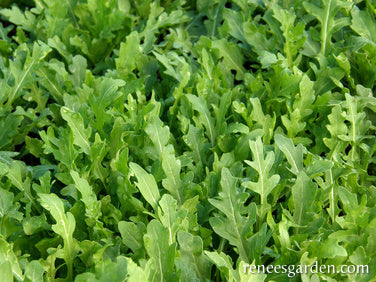
Heirloom Arugula Rustic Style
EASIEST TO START OUTDOORS
Plant seeds in early spring or in late summer for a fall crop. Sow seed as thinly as possible, cover 1/4 inch deep and firm soil gently over seeds. Keep seed-bed evenly moist until seedlings emerge in 1 to 2 weeks.
THIN OR TRANSPLANT
Thin seedlings 5 to 6 inches apart when plants are large enough to handle.
GROWING NOTES
Long lasting rustic arugula stays leafy so you can harvest all season long from the same plants. Harvest individual leaves at 4 to 5 inches long, or cut bunches of young tender leaves as needed. Keep the little yellow blossoms pruned back for best leaf production or use for tangy edible flowers. Rustic will winter over in mild climates but make a fresh sowing each spring for best quality.
Regular price $4.89Sale price $4.89Unit price per -
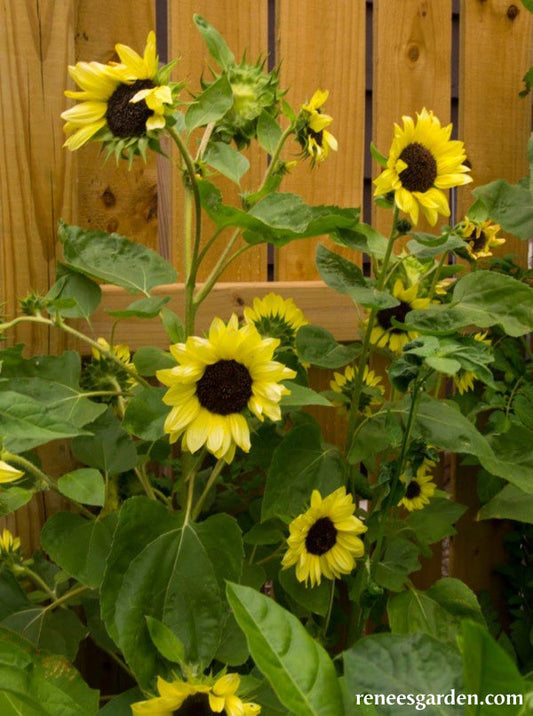
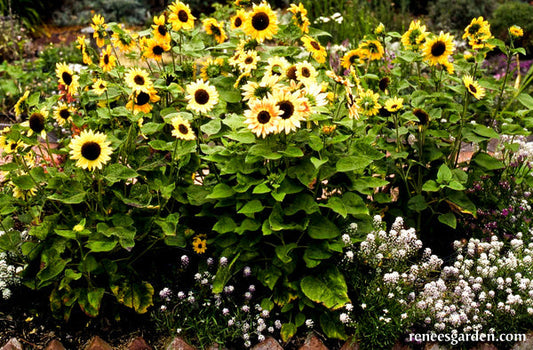
Long Blooming Sunflowers Valentine
ANNUAL
Summer/fall bloom
Frost tenderTO PLANT OUTDOORS
Plant in full sun in good garden soil when weather is warm and settled both day and night and all danger of frost is past. Poke seeds into well-worked soil 1 inch deep and 4 – 5 inches apart. Press soil firmly over seeds and keep moist until germination in 8 to 10 days.
TO START EARLY INDOORS
Several weeks before last frost date, sow seeds 1/2 inch deep in individual pots of well drained seed starting mix. Keep moist and provide a strong light source until ready to plant outside when seedlings are large enough to handle. When weather has warmed into the 50°F (10°C) range, transplant carefully into the garden in full sun.
THIN OR TRANSPLANT
Space seedlings 12 inches apart so plants have ample room to grow sturdy stalks and roots.
GROWING NOTES
Growing sunflowers is easy and rewarding. Make several sowings, three weeks apart to have a succession of bloom. Keep soil moist and well weeded. Protect seedlings from hungry birds with netting or plastic berry baskets, removing before plants get crowded. Sunflowers need room! When young seedlings are 3 inches tall, be sure to thin them to stand 12 inches apart.Regular price $3.99Sale price $3.99Unit price per -
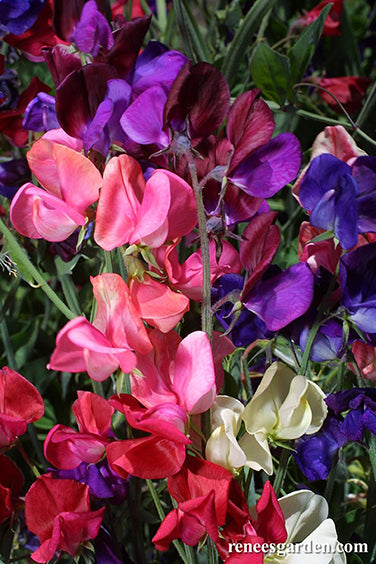
Heirloom Sweet Peas Cupani's Original
ANNUAL CLIMBING VINE
Spring/summer bloom
Frost tolerantEASIEST TO START OUTDOORS
Sweet peas must have well drained soil, so dig deeply and enrich with aged manure or compost before sowing seeds. Erect a well-anchored trellis, vertical netting or other support for vines before planting. Sow seeds in full sun in cool early spring weather as early as the ground can be worked. In mild winter areas, where the ground does not freeze, seeds can be planted in fall to form strong root systems, then overwinter to bloom strongly in spring. Plant seeds 1 inch deep and 2 to 3 inches apart. When seedlings are 2 inches tall, thin them 4 to 5 inches apart, to allow plants room to mature.
GROWING NOTES
Sweet peas bloom best before the weather gets too hot, so if spring planting, sow as soon as ground can worked. Where summer heat comes on fast, they’ll appreciate a spot with afternoon shade. Anchor supports well as vines will grow heavy with bloom. Protect seedlings from birds, slugs and snails. Mulch and keep well watered. For longest bloom, pick flowers often and keep faded blossoms cut.Regular price $3.99Sale price $3.99Unit price per -
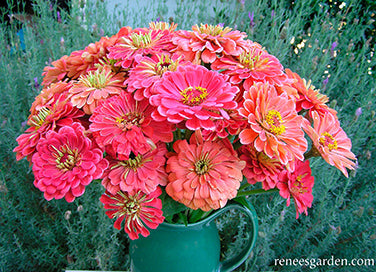
Butterfly Zinnias Apricot Blush
ANNUAL
Summer/fall bloom
Frost tenderEASY TO START DIRECTLY IN THE GARDEN
Sow seeds in well-worked soil in full sun when danger of frost is past and weather is warm and above 50°F (10°C) both day and night. Space seeds 2 to 3 inches apart in rows 12 inches apart, cover about 1/2 inch deep and gently firm soil. Keep soil evenly moist while awaiting germination.
TO START EARLY INDOORS
Four weeks before last frost date, sow seeds ½ inch deep and 3 inches apart in a container of seed starting mix. Keep warm and moist and provide a strong light source until seedlings are ready to plant outside when temperatures rise above 50°F (10°C) day and night.
THIN OR TRANSPLANT
Space seedlings 8 to12 inches apart when large enough to handle so plants have good air circulation and enough elbow room to grow and bloom freely.
GROWING NOTES
Zinnias can grow in ordinary garden soil in full sun. For large, abundant flowers, thin before seedlings get crowded. Adequate spacing and regular, even watering discourages mildew and keeps zinnias productive.
Pick just as blossoms begin opening and petals are tight. Cut long stems well back into the plant to keep plants branching low and producing best blooms for summer long bouquets.
Regular price $3.39Sale price $3.39Unit price per -
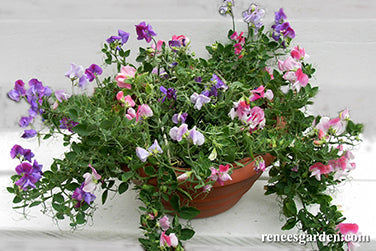
Windowbox Sweet Peas Color Palette Cupid
ANNUAL
Spring/summer bloom
Frost tolerantEASIEST TO START OUTDOORS
Sow seeds directly in deep containers at least 12 inches in diameter, or rectangular window-boxes at least 6-8 inches deep once danger of hard frost is over. Sweet peas grow best in cool weather and can handle light frosts. In mild winter areas, plant in fall weather to overwinter for spring bloom. Always fill planting containers with well moistened, good quality, fresh potting soil before planting seeds 1 inch deep and 2 to 3 inches apart.
THIN OR TRANSPLANT
Space seedlings 3 to 4 inches apart when they are 2 inches tall, allowing room for plants to mature, but leaving 5 to 6 plants in a 12 inch diameter container.
GROWING NOTES
Sweet peas bloom best before the weather gets too hot. When seedlings have 3 to 4 sets of leaves, pinch off top set to encourage branching for a bushy full plant. Young plants will grow 8 to 10 inches tall, then cascade over the sides of containers. It’s critical to keep your container sweet peas well-watered and remember to fertilize them regularly every two weeks with liquid fertilizer solution. Protect plants from slugs and snails. For longest bloom, remove faded blossoms regularly.Regular price $3.69Sale price $3.69Unit price per -
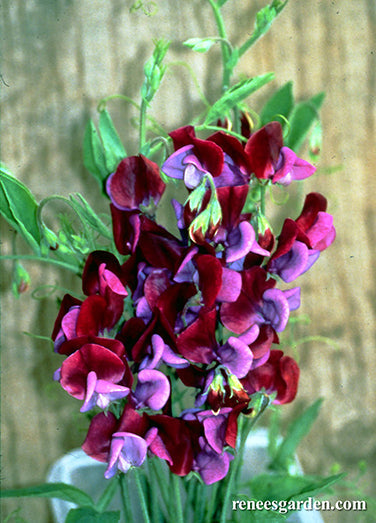
Heirloom Sweet Peas Queen of the Night
ANNUAL CLIMBING VINE
Spring/summer bloom
Frost tolerantEASIEST TO START OUTDOORS
Sweet peas must have well drained soil, so dig deeply and enrich with aged manure or compost before sowing seeds. Erect a well-anchored trellis, vertical netting or other support for vines before planting. Sow seeds in full sun in cool early spring weather as early as the ground can be worked. In mild winter areas, where the ground does not freeze, plant in fall after Labor Day; seeds will germinate and form strong root systems, then overwinter to bloom strongly in spring. Plant seeds 1 inch deep and 2 to 3 inches apart. When seedlings are 2 inches tall, thin them 4 to 5 inches apart, to allow plants room to mature.
GROWING NOTES
Sweet peas bloom best before the weather gets too hot, so if spring planting, sow as soon as ground can worked. Where summer heat comes on fast, they’ll appreciate a spot with afternoon shade. Anchor supports well as vines will grow heavy with bloom. Protect seedlings from birds, slugs and snails. Mulch and keep well watered. For longest bloom, pick flowers often and keep faded blossoms cut.Regular price $3.99Sale price $3.99Unit price per -
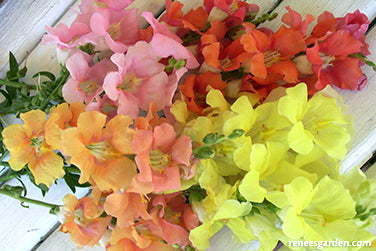
Butterfly Snapdragons Chantilly
HARDY ANNUAL
Spring/summer/fall bloom
Can handle light frostTO START SEEDS
Start seeds indoors in a container of seed starting mix in early spring 6 to 8 weeks before the last expected frost. Dampen soil mix evenly before sowing. Sow seeds 1 inch apart, covering only with a fine dusting of mix. Keep evenly moist but not soggy and provide a strong light source until ready to plant outdoors. When seedlings have several sets of leaves, transplant them 2 inches apart into a deeper container. After they reach 2 to 3 inches tall, gradually acclimate sturdy, well-established seedlings to outdoor conditions before transplanting in full sun.
THIN OR TRANSPLANT
Space seedlings 10 to 12 inches apart for best performance.
GROWING NOTES
Heat and wind-resistant Chantilly adds height, color and texture to garden beds and provides abundant gorgeous summer and bouquets. Feed and water well and keep spent flower stalks cut off for longest bloom season. Cut stalks when 8-10 blossoms are open; do not crowd in the vase for best, longest lasting cut flowers. In mild climates, snapdragons can also be planted in late fall to bloom in spring with pansies, Sweet William, calendula and agrostemma.Regular price $4.99Sale price $4.99Unit price per -
Kneehigh Sunflowers Music Box
ANNUAL
Summer/fall bloom
Frost tenderTO PLANT OUTDOORS
Plant in full sun in good garden soil when weather is warm and settled both day and night and all danger of frost is past. Poke seeds into well-worked soil 1/2 inch deep and 4 to 5 inches apart. Press soil firmly over seeds and keep moist until germination in 8 to 10 days.
TO START EARLY INDOORS
Several weeks before last frost date, sow seeds 1/2 inch deep in individual pots of well drained seed starting mix. Keep moist and provide a strong light source until ready to plant outside only when night temperatures have reached 50-55°F (10-13°C). Transplant carefully into the garden in full sun, disturbing the roots as little as possible.
THIN OR TRANSPLANT
Space seedlings 12 inches apart so plants have ample room to grow.
GROWING NOTES
With its short 2 1/2 foot stature and abundant lively flowers, multi-branching Music Box is an easy and reliable flower for cheerful summer color. Make several sowings 3 weeks apart to have a succession of flowers. Keep soil moist and well weeded and protect seedlings from birds with netting or plastic berry baskets, removing when crowded.Regular price $4.69Sale price $4.69Unit price per -
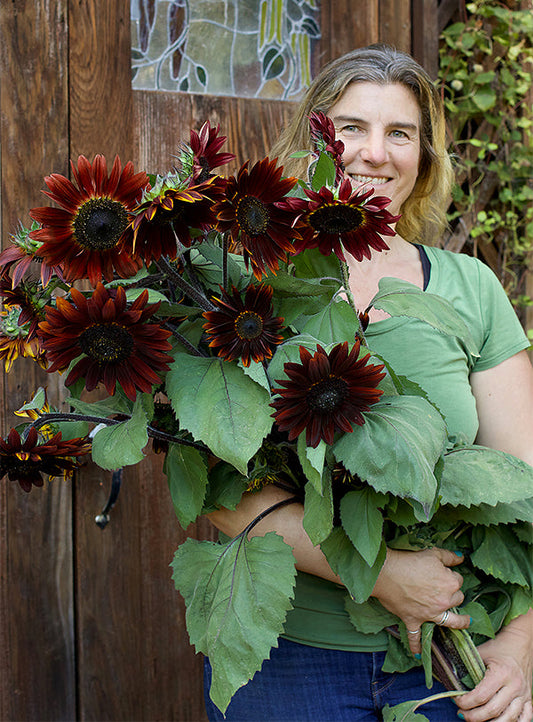
Ornamental Sunflowers Chocolate Cherry
ANNUAL
Summer/fall bloom
Frost tenderTO PLANT OUTDOORS
Plant in full sun in good garden soil when weather is warm and settled both day and night and all danger of frost is past. Poke seeds into well-worked soil 1/2 inch deep and 4 to 5 inches apart. Press soil firmly over seeds and keep moist until germination in 8 to 10 days.
TO START EARLY INDOORS
Several weeks before last frost date, sow seeds 1/2 inch deep in individual pots of well-drained seed starting mix. Keep moist and provide a strong light source until ready to plant outside only when night temperatures have reached 50-55°F (10-13°C). Transplant carefully into the garden in full sun, disturbing the roots as little as possible.
THIN OR TRANSPLANT
Space seedlings 12 inches apart so plants have ample room to grow.
GROWING NOTES
Growing these flowers is easy and rewarding. Make several sowings, three weeks apart, to have a succession of bloom. Keep soil moist and well weeded and protect seedlings from hungry birds with netting or plastic berry baskets, removing before plants get crowded. Sunflowers need room! Be sure to thin seedlings when 3 inches tall to 12 inches apart.Regular price $3.39Sale price $3.39Unit price per -
Fragrant Stock Anytime Mix
HARDY ANNUAL
Spring/summer bloom
Can handle light frostTO START OUTDOORS
Sow seeds in a well-drained, finely textured garden bed in full sun as early in spring as soil can be worked. In mild climate areas, seeds are best sown in early fall for spring bloom. Space seeds 2 to 3 inches apart and cover 1/4 inch deep. Keep seed bed moist until seedlings emerge in 7 to 10 days. Weed carefully and keep well watered.
TO START EARLY INDOORS
Start seed indoors in a flat or container of seed starting mix, 6 to 8 weeks before last expected hard freeze. Sow seed thinly, cover 1/4 inch deep, and keep moist but not soggy until germination takes place in 7 to 14 days. Provide a strong light source as soon as seedlings emerge. Seedlings grow quickly and require even moisture at their earliest stages: overwatering encourages “damping off,” or rotting at the soil level.
THIN OR TRANSPLANT
Space seedlings 10 inches apart when seedlings are large enough to handle.
GROWING NOTES
This early blooming, branching variety produces an abundance of richly scented flowers for indoor bouquets. In the garden, stock’s heavy trusses of bloom are beautiful in beds, borders and containers.Regular price $2.99Sale price $2.99Unit price per -
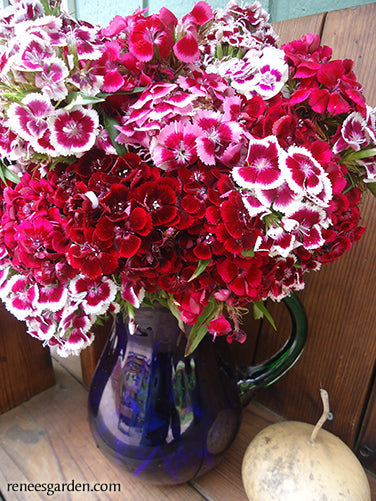
Sweet William Lace Mantle
BIENNIAL, BLOOMS FIRST YEAR
Late spring/summer
Hardy to Zone 3BEST TO START INDOORS
In spring, 8 to 10 weeks before last expected frost date, sow seeds 1 inch apart in a container of seed starting mix. Cover very lightly, no more than 1/4 inch deep, and keep moist while awaiting germination. Provide a strong light source for seedlings until they are ready to plant outside. Once large enough to handle, transplant seedlings 2 to 3 inches apart into deeper containers or pots so root systems have room to develop. Feed every 2 weeks with half-strength fertilizer. When 3 to 4 inches tall, gradually acclimate to outdoor conditions and plant 12 inches apart in full sun in early spring after frost danger is over.
GROWING NOTES
Lace Mantle is a new day length neutral variety bred to start blooming the first year from seed. Sweet Williams grow best in well drained, moist fertile soil. Plant them in full sun; in very hot summer areas, they will thrive with partial or light afternoon shade. Keep well-watered and feed several times during growing season. Cut when clusters of large florets are half open: buds open well in water and last for up to 10 days. After the first flush of bloom is over, cut back spent flower heads for rebloom.Regular price $3.39Sale price $3.39Unit price per -
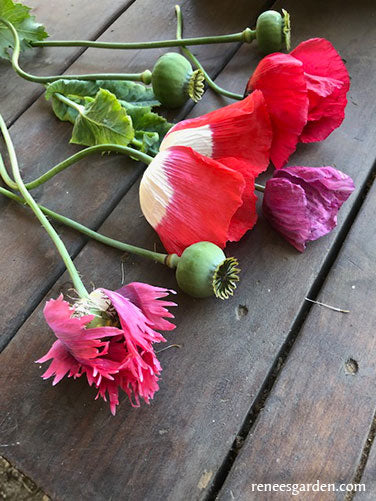
Shirley Poppies Falling In Love
ANNUAL
Spring/summer bloom
Frost hardyBEST TO START DIRECTLY IN THE GARDEN
Sow seeds directly into a finely textured garden bed in full sun as early in spring as ground can be worked. To help space these small seeds, it’s helpful to mix them with dry sand before sowing. Cover very lightly with fine soil and keep seed bed moist as seedlings emerge over 10 to 21 days.
THIN OR TRANSPLANT
Poppies do not transplant well, so we advise sowing the seeds directly in the garden. For good garden performance, be sure to thin crowded seedlings early; final plant spacing should be 4 to 6 inches apart, so plants have room to grow, mature and bloom.
GROWING NOTES
Plant as early as possible in spring, as poppies can handle frost and bloom best and longest when plants get a good start in cool weather. In mild winter climates, you can also sow seed in late fall to form strong root systems and overwinter for earliest spring bloom. Weed and water young seedlings carefully. Mature plants can handle dry conditions but appreciate regular water in hot summer locations. Poppies make good cut flowers if cut just as buds begin to open. Allow spent flowers to form pods and drop seed if you want flowers to self-sow for next season’s bloom.
Regular price $3.99Sale price $3.99Unit price per -
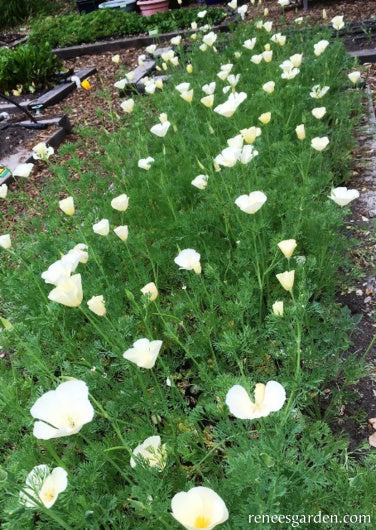
California Poppies Buttercream
PERENNIAL GROWN AS ANNUAL
Spring/Summer bloom
Can handle light frostBEST TO START DIRECTLY IN THE GARDEN
Sow seeds directly into a finely textured, well-drained garden bed in full sun as early in spring as the ground can be worked. Plant as early as possible in spring, as poppies can handle light frost and bloom best and longest when plants get a good start in cool weather. In mild winter climates, poppies can also be sown in late fall to overwinter for spring bloom. Except in very poor soil, these California poppies will grow and flower readily with no added fertilizer. Space seeds 2 or 3 inches apart, cover 1/4 inch deep, and firm soil gently. Keep soil moist as seedlings emerge. Weed young seedlings carefully. If seedlings come up very thickly, thin poppies early but delay final thinning until seedlings are well established in spring. Final spacing should be 3-4 inches apart as plants need room to develop and bloom.
GROWING NOTES
When mature, poppy plants can handle dry conditions but they will always bloom longer if watered regularly. Poppies are pretty cut flowers if brought indoors just as buds begin to open. Prolong bloom by removing spent flowers. At season's end, allow spent flowers to form pods and drop their seed if you want poppies to self-sow.Regular price $3.39Sale price $3.39Unit price per -
Heirloom Poppies Pepperbox Poppy
ANNUAL
Spring/summer bloom, fall harvest
Frost hardyEASIEST TO START OUTDOORS
Plant poppies in late fall or very early spring directly into the garden. In cold winter climates, seeds will overwinter and germinate when soil thaws. Blossoms and pods are largest when plants grow in cool weather; seedlings are very cold hardy.
In a well-worked, finely textured seed bed in full sun, sprinkle seeds thinly (mixing dry sand with the seeds will help space them). Rake in gently or lightly cover seeds 1/8 inch deep and keep seed-bed moist until seedlings emerge in 7 to 14 days. If seedlings come up too thickly, thin poppies early, but delay final thinning to 6 to 8 inches apart until weather has settled in spring.
HARVEST & USE
Wait until seedpods are dried and brown on plants and the tiny seeds inside pods are hard and black. Cut seedpods with long stems and bunch upside down in an open paper bag. Shake seeds out into bag and remove any debris. Store clean seed in a closed jar or freeze for long storage.
Toasted Poppy seeds’ nutty flavor enhances both sweet and savory breads, cakes and cookies and is delicious in salad dressing.
Regular price $3.39Sale price $3.39Unit price per -
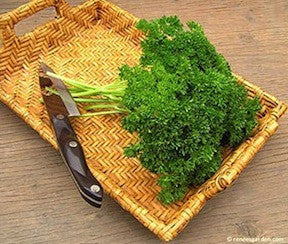
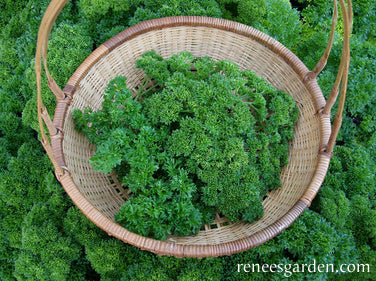
Kitchen Herbs Sweet Curly Parsley
TO PLANT DIRECTLY IN THE GARDEN
In spring when weather is settled but still cool, sow seeds 1 to 2 inches apart into well-worked fertile soil in full sun and cover 1/4 inch deep. If climate is very hot, plant in a spot with morning sun and afternoon shade. Parsley germinates unevenly over several weeks; be patient and keep seed bed evenly moist.
TO START EARLY INDOORS
Sow parsley seeds in early spring in a container of seed starting mix. Cover 1/4 inch deep, and keep container moist but not soggy until seedlings emerge. Provide a good light source. Feed seedlings frequently until ready to transplant when about 2 inches tall after acclimating to outdoor conditions.
THIN OR TRANSPLANT
Space 3 to 4 inches apart when seedlings have several sets of leaves.
GROWING NOTES
Parsley needs rich moist soil and ample spacing for lush harvests. Thin early and keep well weeded and watered. Begin to harvest sparingly once plants have 8 to 10 leaves. Fertilize monthly with a high nitrogen source for best leafy growth.Regular price $2.99Sale price $2.99Unit price per -
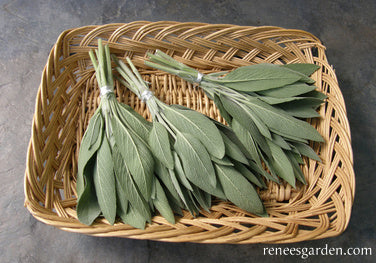
Heirloom Herbs Italian Aromatic Sage
PERENNIAL
Spring/summer/fall harvest
Frost hardyBEST TO START EARLY INDOORS
In early spring, sow seed 1 inch apart in a container of seed starting mix and cover 1⁄4 inch deep. Keep evenly moist as seedlings emerge and provide a strong light source until ready to plant outdoors. Transplant 12 to 18 inches apart when seedlings are about 2 or 3 inches tall after gradually acclimating plants to outdoor conditions.
TO PLANT OUTDOORS
Sow seeds 1 inch apart in well-drained fertile soil in full sun in spring once weather is warm and settled. Cover 1/4 inch deep, firm soil over seeds and keep seedbed evenly moist. Germination takes 2 to 3 weeks. After seedlings are well established, thin or transplant 12 to 18 inches apart.
GROWING NOTES
Sage plants are resilient and drought tolerant once established. Cut leafy sprigs once plants are well leafed out. After flowers stop blooming, cut them well down the branch to encourage more leaf growth. Add a small pinch of crushed fresh sage to vegetables, casseroles, pork, poultry stuffing and cheese dishes. Combine fresh sage with chopped parsley to mellow its pungency. To dry, hang leafy branches upside down in a cool airy place.Regular price $2.99Sale price $2.99Unit price per -
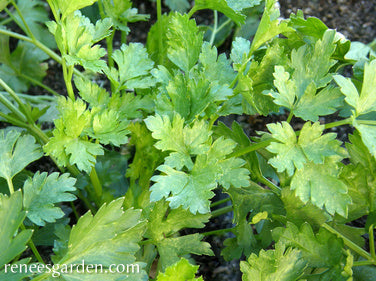
Heirloom Parsley Italian Large Leaf
EASIEST TO START OUTDOORS
Start parsley in spring when weather is settled but still cool and/or in late summer in mild winter climates. Plant in full sun or half-day sun if climate is very hot. Sow seeds 1- 2 inches apart into a well-worked fertile seed bed. Cover 1/4 inch deep. Parsley germinates unevenly over several weeks; be patient and keep seed bed evenly moist. Using synthetic row covers to hold moisture during germination is helpful; remove when seedlings are well established.
TO PLANT INDOORS
In early spring, sow seeds 1 inch apart and 1/4 inch deep in a container of seed starting mix. Keep container moist but not soggy until seedlings emerge. Provide a good light source. Feed seedlings frequently until ready to transplant when several inches tall.
THIN OR TRANSPLANT
Space 3 to 4 inches apart when seedlings large enough to handle.
GROWING NOTES
Parsley needs rich moist soil and ample spacing for lush harvests. Thin early and keep well weeded and watered. Begin to harvest sparingly once plants have 8 to 10 leaves. Fertilize frequently with a high nitrogen source.Regular price $4.89Sale price $4.89Unit price per -
Heirloom Sweet Parsley Triple Curled
BIENNIAL, GROWN AS ANNUAL
Spring/summer/fall harvest
Frost hardyTO PLANT DIRECTLY IN THE GARDEN
In spring when weather is settled but still cool, sow seeds 1 to 2 inches apart into well-worked fertile soil in full sun and cover 1/4 inch deep. If climate is very hot, plant in a spot with morning sun and afternoon shade. Parsley germinates unevenly over several weeks; be patient and keep moist.
TO START EARLY INDOORS
Sow parsley seeds in early spring in a container of seed starting mix. Cover 1/4 inch deep, and keep container moist but not soggy until seedlings emerge. Provide a good light source. Feed seedlings frequently until ready to transplant when about 2 inches tall after acclimating to outdoor conditions.
THIN OR TRANSPLANT
Space 4 to 6 inches apart when seedlings have several sets of leaves. Feed monthly for best results.
GROWING NOTES
Parsley needs rich moist soil and ample spacing for lush harvests. Thin early and keep well weeded and watered. Begin to harvest sparingly once plants have 8 to 10 leaves. Fertilize monthly with a high nitrogen source for best leafy growth.Regular price $4.89Sale price $4.89Unit price per -
Regular price $9.99Sale price $9.99Unit price perNew
-
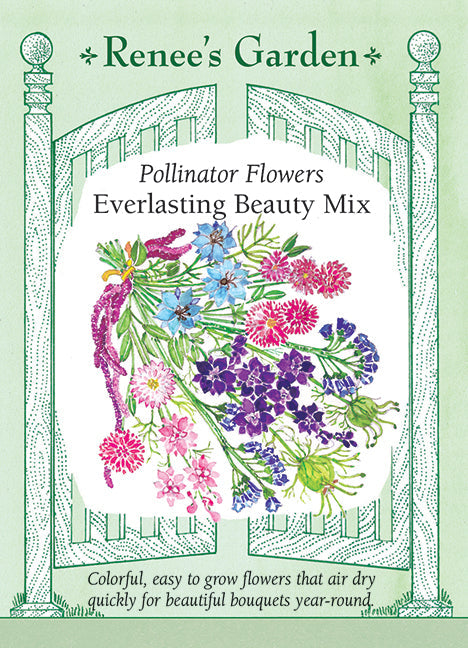
Pollinator Flowers Everlasting Beauty Mix
ANNUAL
Spring/summer bloom.
Frost tender.BEST TO START DIRECTLY OUTDOORS
In early spring, after all danger of frost is past, plant in a well- prepared garden bed in full sun. Shake packet to mix. Scatter the seed thinly and evenly over finely worked soil, aiming to have the seeds about 1-2 inches apart. Cover lightly, about 1⁄4 inch deep, and gently firm the soil over the seeds - a rake is handy for this step. Water thoroughly and evenly with a very gentle spray. Keep the seed bed moist while seeds germinate and flowers are growing and blooming. When seedlings are well-established, thin to 6 inches apart so remaining plants have room to grow and develop. Keep bed moist while flowers are actively growing for the most blossoms.
GROWING NOTES
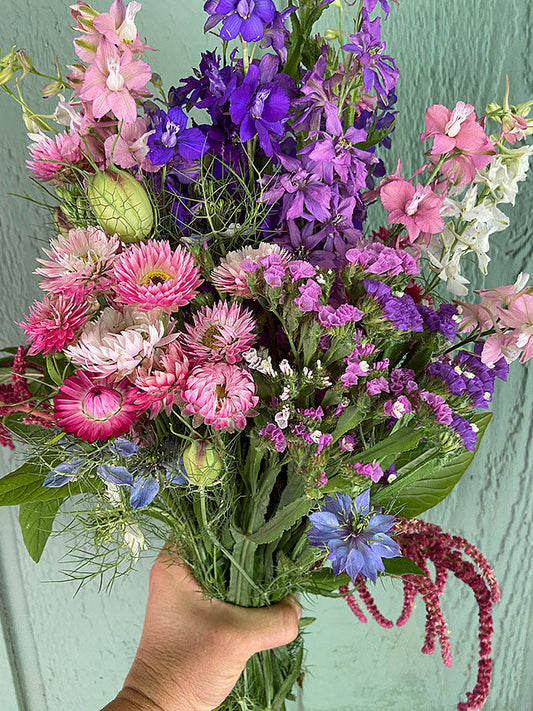
This fast-growing mix of annuals feeds a wide range of pollinators and beneficial insects. With their lovely colors and intricate forms, the flowers are easily air dried so you can enjoy their beauty indoors for months.
TO DRY FOR DISPLAY
Cut flowers in bunches with long stems, tying each bunch with twine or rubber bands. Hang bunches upside down in a dry, airy place out of the sun for a few weeks until thoroughly dry, then use in wreaths, centerpieces, or everlasting bouquets.
Regular price $3.99Sale price $3.99Unit price per -
Pollinator Flowers Monarch Butterfly Flowers
ANNUAL
Spring/summer bloom.
Frost tender.BEST TO START DIRECTLY OUTDOORS
In early spring, after all danger of frost is past, plant in a well-prepared garden bed in full sun. Shake packet to mix. Scatter the seed thinly and evenly over finely worked soil, aiming to have the seeds about an 1 to 2 inches apart. Cover lightly, about 1⁄4 inch deep, and gently firm the soil over the seeds — a rake is handy for this step. Water thoroughly and keep evenly moist. Thin well-established seedlings to a final spacing of 6 to 8 inches apart so plants have room to grow, develop and bloom. Keep bed moist while flowers are actively growing for the most blossoms.
GROWING NOTES
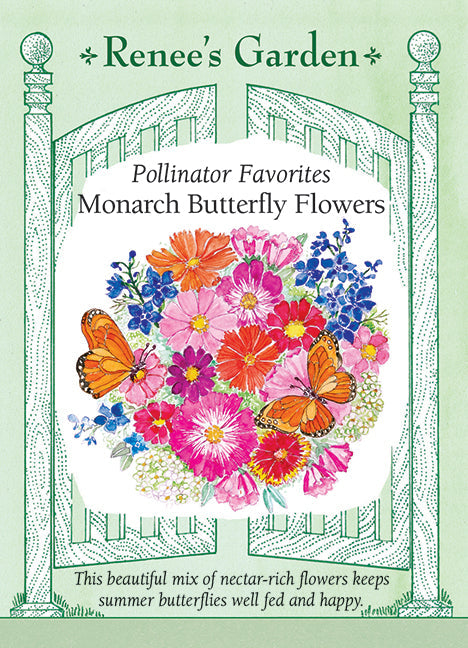
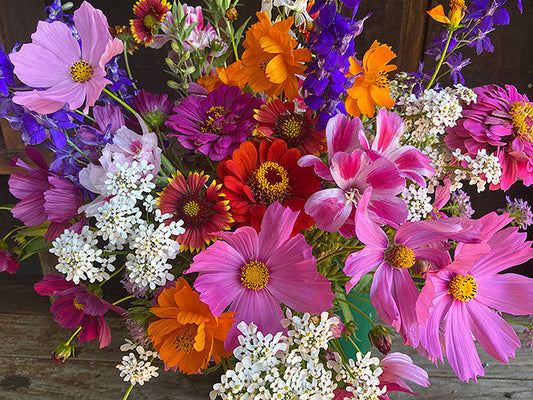
This fast-growing, early-flowering annual mix blooms in succession, providing a sustained feast for Monarchs and many other pollinators. The flowers’ many colors and shapes blend beautifully for memorable bouquets.
Regular price $3.99Sale price $3.99Unit price per