Attracts Bees & Beneficials
Welcome Bee Friends and Others with Benefits
Plant these blooms to feed and nurture many kinds of beneficial insects from pollinators to pest control.
-
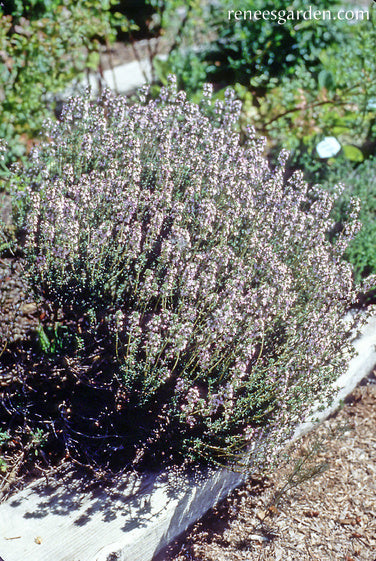
Kitchen Herbs French Thyme
PERENNIAL
Spring/summer/fall harvest
Frost hardyBEST TO PLANT INDOORS
Sow thyme in early spring in a container of seed starting mix. Cover seeds very lightly and keep evenly moist but not soggy until seedlings emerge in 14 to 21 days. Provide a good light source. When seedlings are 2 inches tall, gradually acclimate to outdoor conditions and transplant clusters of 3-4 seedlings 8-10 inches apart.
TO START IN THE GARDEN
Plant thyme after soil has warmed up in spring in a finely textured seed bed with good drainage in full sun. Sow very thinly, cover seed lightly and be careful to keep the seed bed evenly moist and well weeded. When seedlings are several inches tall, thin out, leaving clumps of 3-4 seedlings 8-10 inches apart so plants have room to grown and spread.
GROWING NOTES
Given a sunny location with good drainage, easy-growing thyme plants are reliable productive and long-lived garden perennials. Little lilac flowers bloom in midsummer; cut back foliage halfway when the blossoms fade to keep plants looking fresh. Cut leafy thyme sprigs as needed once plants are well established.Regular price $2.99Sale price $2.99Unit price per -
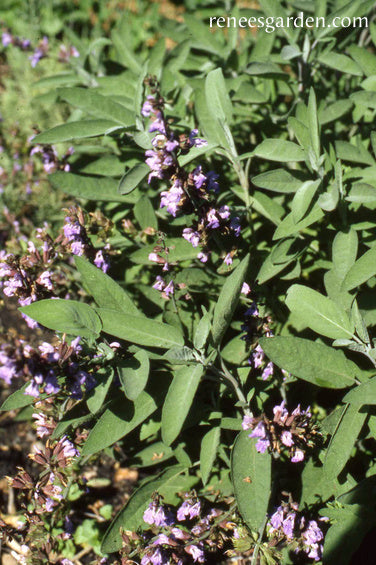
Heirloom Culinary Sage
BEST TO START EARLY INDOORS
In early spring, sow seed 1 inch apart in a container of seed starting mix and cover 1/4 inch deep. Keep evenly moist as seedlings emerge and provide a strong light source until ready to plant outdoors. Transplant 12 to 18 inches apart when seedlings are about 2 or 3 inches tall after gradually acclimating plants to outdoor conditions.
TO PLANT OUTDOORS
Sow seeds 1 inch apart in well drained fertile soil in full sun in spring once weather is warm and settled. Cover 1/4 inch deep, firm soil over seeds and keep seedbed evenly moist. Germination takes 2 to 3 weeks. After seedlings are well established, thin or transplant 12 to 18 inches apart.
GROWING NOTES
Sage plants are resilient and drought tolerant once established. Cut leafy sprigs once plants are well filled out. After flowers stop blooming, cut them well down the branch to encourage more leaf growth. Add a small pinch of crushed fresh sage to vegetables, casseroles, pork, poultry stuffing and cheese dishes. Combine fresh sage with chopped parsley to mellow its pungency. To dry, hang leafy branches upside down in a cool airy place.Regular price $4.89Sale price $4.89Unit price per -
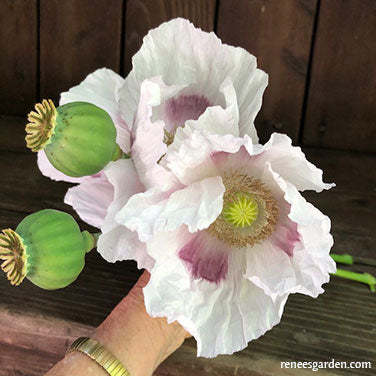
Heirloom Poppies Hungarian Breadseed Poppy
ANNUAL
Spring/summer bloom
Fall harvest
Frost hardyEASIEST TO START OUTDOORS
Plant poppies in late fall or very early spring directly into the garden. In cold climates, seeds will overwinter and germinate when soil thaws. Blossoms and pods are largest when plants grow in cool weather; seedlings are very cold hardy. In a well-worked, finely textured seed bed in full sun, sprinkle seeds as thinly as possible or sow in rows 8 to 10 inches apart. (Mixing dry sand with the seeds will help space them.) Rake in gently or lightly cover seeds 1/8 inch deep, and keep seed bed moist until seedlings emerge in 7 to 14 days. If seedlings come up too thickly, thin poppies early, but delay final thinning to 6 to 8 inches apart until weather has settled in spring.
GROWING NOTES
Flowers will bloom in spring and early summer, then drop their petals and form fat seed capsule pods. When pods get brown and hard, cut and store them in open paper bags. When completely dry, crack pods open to remove seeds. Store harvested poppy seed in the freezer to keep it fresh and pest free.
Regular price $3.39Sale price $3.39Unit price per -
Hummingbird Penstemon Wedding Bells
PERENNIAL
Spring/Summer bloom
Hardy to zone 4BEST TO START INDOORS
Start indoors in early spring, spacing seeds 1/2–1 inch apart in a container of seed starting mix. Cover very lightly, no more than 1/8 inch deep and keep evenly moist but not soggy as germination takes 14 to 28 days. Provide a strong light source for seedlings.
Once seedlings are large enough to handle, transplant to a deeper flat 3 inches apart or individual 3 or 4 inch pots. When plants are several inches tall, gradually acclimate to outdoor conditions, then plant in full sun 10 to 12 inches apart into fertile well-drained soil.
TO START OUTDOORS
Sow in a well-protected, fine textured seed bed once frost danger is past. Cover seeds very lightly with fine soil and keep evenly moist until germination occurs. Tend the tiny seedlings carefully and when large enough to handle, thin or transplant 8 to 10 inches apart.
GROWING NOTES
Wedding Bells often bloom the first year from seed. Given good drainage, these strong plants will continue to flower beautifully throughout each spring and summer. Their lovely colors make beautiful natural bouquets and they are long-lasting and alluring cut flowers. Plants are hot weather tolerant once established.
Regular price $3.39Sale price $3.39Unit price per -
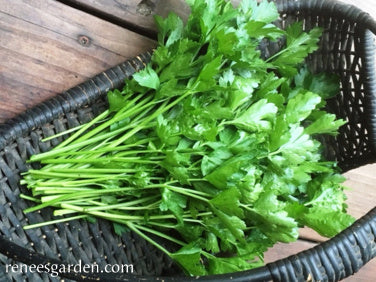
Kitchen Herbs Italian 'Gigante' Parsley
BIENNIAL, GROWN AS ANNUAL
Spring/summer/fall harvest
Frost hardyEASIEST TO START OUTDOORS
Start parsley in spring when weather is settled but still cool and/or in late summer in mild winter climates. Plant in full sun or half-day sun if climate is very hot. Sow seeds 1-2 inches apart into a well-worked fertile seed bed. Cover 1/4 inch deep. Parsley germinates unevenly over several weeks; be patient and keep seed bed evenly moist. Using synthetic row covers to hold moisture during germination is helpful; remove when seedlings are well established.
TO PLANT INDOORS
Sow parsley seeds in early spring in a container of seed starting mix. Cover 1/4 inch deep, and keep container moist but not soggy until seedlings emerge. Provide a good light source. Feed seedlings frequently until ready to transplant when several inches tall.
THIN OR TRANSPLANT
Space 3 to 4 inches apart when seedlings large enough to handle.
GROWING NOTES
Parsley needs rich moist soil and ample spacing for lush harvests. Thin early and keep well weeded and watered. Begin to harvest sparingly once plants have 8 to 10 leaves. Fertilize frequently with a high nitrogen source.Regular price $2.99Sale price $2.99Unit price per -
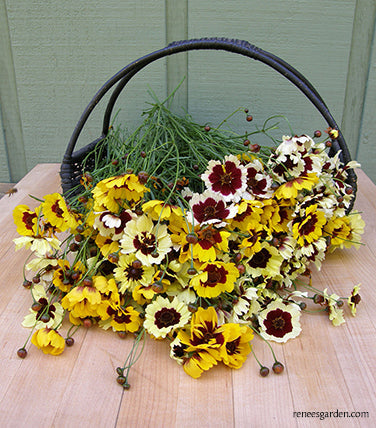
Butterfly Coreopsis Incredible
ANNUAL
Summer/fall bloom
Frost tenderTO START OUTDOORS
Plant after frost danger is over and night temperatures are evenly above 50°F (10°C). Sow seeds in a well-worked seedbed in full sun, 2 in. apart, with rows 12 in. apart. Cover very lightly and gently firm soil. Keep soil evenly moist; germination takes 10-15 days.
TO START EARLY INDOORS
3-4 weeks before last expected frost, sow seeds 1 in. apart in seed starting mix and cover very lightly. Keep warm and moist and provide a strong light source until seedlings are well established. Transplant after gradually acclimating to outdoor conditions.
THIN OR TRANSPLANT
Space seedlings 10 in. apart when large enough to handle.
GROWING NOTES
Coreopsis grows easily in ordinary garden soil in full sun. Be sure to thin seedlings before they get crowded. Incredible grows 2 to 2 1/2 ft. tall and these sturdy, long blooming garden performers and can tolerate hot and dry weather. Pick these decorative flowers often for lovely country style bouquets. Coreopsis are deer resistant and blossoms provide ample food and nectar for butterflies, bees and many other pollinators. After bloom is over, their seed heads provide nutritious food for hungry songbirds.
Regular price $3.99Sale price $3.99Unit price per -
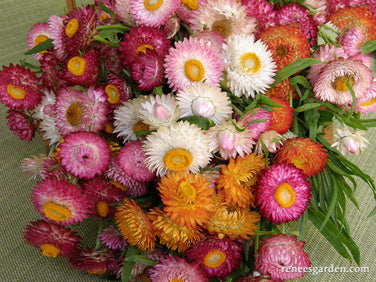
Dwarf Strawflower Rainbow Bouquet
ANNUAL
Summer/fall bloom
Can handle light frostSTARTING EARLY INDOORS
Start in spring 6 weeks before last expected frost. Sow seeds very thinly in a container of seed starting mix and cover very lightly. Keep evenly moist but not soggy, providing a strong light source. When seedlings are several inches tall, transplant 2 inches apart into a deeper containers. Once weather is settled and warm, acclimate to outdoor conditions before planting in the garden.
TO START EARLY OUTDOORS
Once all danger of frost is past, sow seeds 1 inch apart in containers of fresh potting mix, or broadcast thinly in fertile, well drained garden beds. Cover ¼ inch deep and keep evenly moist. When seedlings are several inches tall, thin to 6-8 inches apart so plants have room to branch and grow.
In Containers: Use containers 16-18 inches deep and wide filled with fresh potting soil. Sow seeds 1 inch apart, 1/4 inch deep. When several inches tall, thin or transplant seedlings 5 inches apart. Feed container plants monthly with all-purpose flower fertilizer.
GROWING NOTES
For fresh flowers, cut stems at desired length before the flower centers are fully open. To air dry for “everlastings,” simply remove leaves and hang upside down in bundles in a cool airy spot out of the sun. Dried Strawflowers cure quickly and last almost indefinitely.Regular price $3.69Sale price $3.69Unit price per -
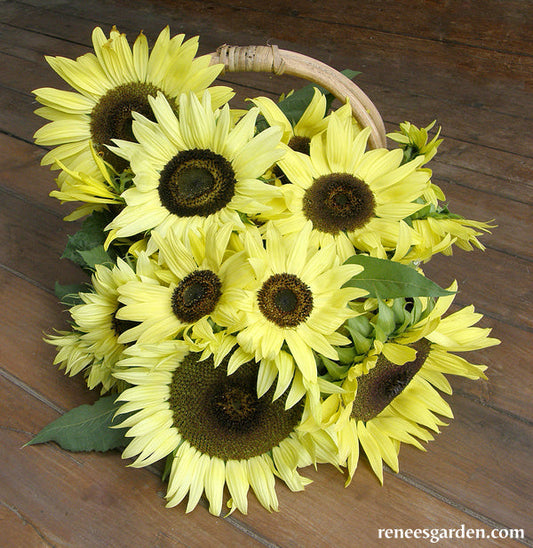
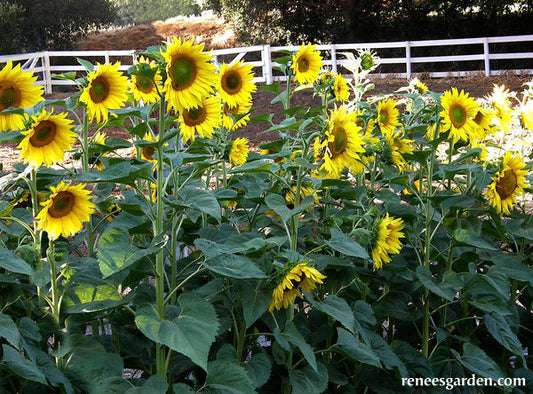
Pollinator Sunflowers Lemon Queen
ANNUAL
Summer/fall bloom
Frost tenderEASIEST TO DIRECTLY PLANT OUTDOORS
Plant in full sun in good garden soil only when weather is warm and settled, all danger of frost is past and both days and nights are evenly in the 50°F (10°C) range. Poke individual seeds into well-worked soil about 1/2 in. deep, 4 to 5 in. apart. Press the soil firmly over the seeds and keep the seedbed evenly moist until seedlings emerge in 8 to 10 days.
Important: when the seedlings are well-established, carefully thin them to a final spacing of 1 foot apart; this way they will have enough room to develop sturdy stalks that won’t blow over and big clusters of flowers. Any extra seedlings you remove can be transplanted elsewhere in the garden or potted up and given to friends.
GROWING NOTES
Growing these colorful sunflowers for pollinators and bouquets is both easy and rewarding. Make several sowings several weeks apart and you’ll have a succession of flowers in full bloom. Keep soil moist and well weeded and protect very young seedlings from birds with bird netting held tautly above the seedbed with supports, or use plastic berry baskets, removing baskets before plants get crowded.Regular price $3.39Sale price $3.39Unit price per -
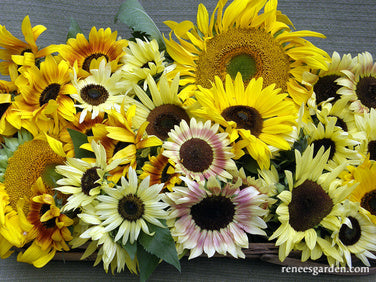
Heirloom Summer Garden Dancing, Joyous Sunflowers
NOTE
Seeds in this canister are packed with a larger quantity of organic rice hulls to help space them. Before opening, shake canister thoroughly to mix.
HOW TO PLANT AND GROW
When spring weather is warm and settled, and nights are reliably above 50°F (10°C), prepare the planting area by removing all weeds, grass, large clumps and stones. Loosen the top 2 inches of soil with a digging fork or shovel, then smooth with a flat rake.
Scatter mix thinly and evenly. Using your rake, work to cover the seeds with 1/2-1 inch of soil, then use planting mix or compost to cover any exposed seed mix. Water thoroughly with a gentle mist.
Keep weeded and watered; protect tiny seedlings from birds by using netting or ribbons of shiny, reflective flash tape at planting time. When 3-4 inches tall, remove covering and thin seedlings to 10-12 inches apart. This spacing is critical for sturdy, windproof plants with good root systems and large flowers.
HARVEST AND USE
For bouquets, cut when flowers just begin to open. Many diverse pollinators will busily visit the florets in each flower head and seeds will begin to mature. When the center disk florets have dried, birds will happily snack on ripening seed heads.
Harvest for winter feeding by covering ripening heads with paper bags until kernels are plump and hard shelled. Cut entire heads; store until cool and dry, then remove seeds. Store in closed containers to feed as needed.
Regular price $16.95Sale price $16.95Unit price per -
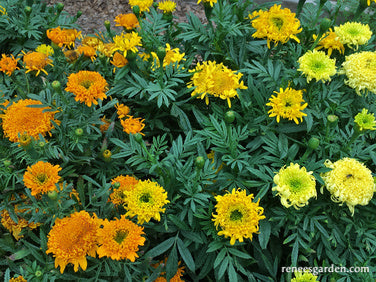
Butterfly Flowers Spinning Wheels Marigolds
ANNUAL
Summer/fall bloom
Frost tenderTO PLANT OUTDOORS
Sow seeds directly into well-worked garden soil in full sun once all danger of frost is past. Space seeds several inches apart and cover about 1/4 inch deep. Keep soil evenly moist while awaiting germination in 7 to 10 days. When seedlings are well established, thin them to a final spacing of 8 to 10 inches apart so these vigorous plants have room to grow and bloom. Extra thinned seedlings can be transplanted easily.
TO START EARLY INDOORS
Sow seeds several inches apart in a container of well-drained seed starting mix 4 to 6 weeks before last expected frost date. Cover 1/4 inch deep, keep moist and provide a strong light source until ready to go outside. Transplant 8 to 10 inches apart once weather warms up after gradually acclimating seedlings to outdoor conditions.
GROWING NOTES
These cheerful marigolds are quick to bloom, carefree and non-fussy. Their profusion of long lasting flowers and handsome blue-green foliage is perfect in any sunny spot and makes long blooming handsome borders. Feed and water regularly. No need to pinch these self branching productive plants. Both butterflies and pollinators of all kinds are attracted to these flowers throughout the season.
Regular price $3.39Sale price $3.39Unit price per -
Pollinator Dahlias Blazing Saddles
PERENNIAL GROWN AS ANNUAL
Frost tender
Summer/Fall BloomBEST TO START EARLY INDOORS
Sow seeds 2 inches apart in containers of seed starting mix, 4 to 6 weeks before last spring frost. Cover 1/2 inch deep, keep moist and warm and provide a strong light source until ready to plant outdoors. When weather is warm and settled, acclimate seedlings gradually to outdoor conditions. Plant 12-14 inches apart in full sun.
TO START DIRECTLY OUTDOORS
Wait until weather is warm and settled and night temperatures are above 50°F (10°C). Sow groups of 2 to 3 seeds 1/2 inch deep and 12-14 inches apart in well-worked, fertile soil in full sun. Cover lightly and keep soil moist but not soggy while awaiting germination. When well-established, thin carefully, leaving one single seedling per group, so plants have room to grow. Keep well-weeded and evenly watered.
GROWING NOTES
Encourage growth and plentiful flowers by feeding plants monthly. Remove faded flowers to prolong bloom. These dahlias will produce underground tubers after their first season of bloom.
In mild winter climates: tubers can overwinter in the ground.
In cold winter climates: dig up the tubers in late fall to replant next spring.Container Growing: Space seedlings 8 in. apart in containers at least 16-18 in. across and 16 in. tall.
Regular price $3.99Sale price $3.99Unit price per -
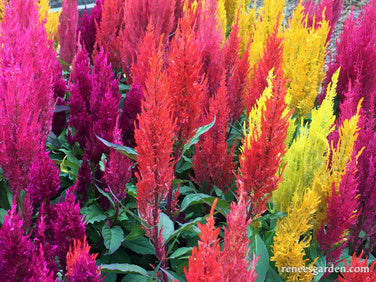
Rainbow Plume Celosia Hippie Tie Dye
ANNUAL
Summer/fall color
Frost tenderBEST TO START EARLY INDOORS
Six weeks before last expected frost date, sow seeds 1 inch apart in a container of seed starting mix. Cover very lightly, no more than 1/8 inch. Keep warm and moist and provide a strong light source until seedlings are ready to plant out in the garden. Feed every 2 weeks with half-strength fertilizer.
Seedlings are ready to transplant when they are large enough to handle and night temperatures are evenly in the 50°F (10°C) range. Gradually acclimate seedlings to outdoor conditions, then plant in full sun 6 to 8 inches apart in rich, fertile soil.
TO START OUTDOORS
Sow seeds in a well-drained, finely textured seed bed in full sun when weather is warm and nights are above 50°F (10°C). Space seeds 2 to 3 inches apart and cover very lightly, then gently firm soil. Keep soil evenly moist while awaiting germination When seedlings are large enough to handle, thin or transplant 6-8 inches apart in full sun.
GROWING NOTES
Seedlings grow slowly at first, then vigorously by midsummer. Good drainage is essential. The dramatic plumes in their eye-catching color collage bloom hard and last all summer. Cut for colorful bouquets or hang bunches upside down inside to air dry as “everlasting” flowers.Regular price $4.99Sale price $4.99Unit price per -
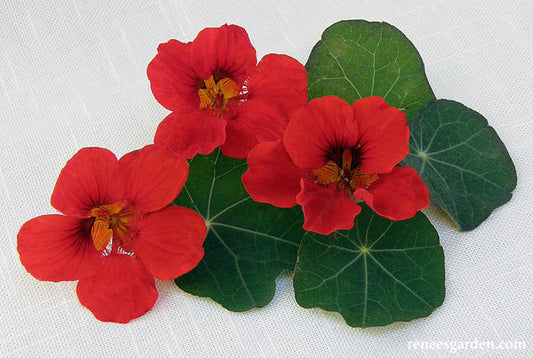
Hummingbird Nasturtiums Aloha Mix
ANNUAL
Spring/Summer/Fall bloom
Frost tenderEASY TO START OUTDOORS
In spring, when danger of frost is past, sow seeds in a sunny spot (or part shade in hot climates). Nasturtiums need no added fertilizer in most soils. Poke seeds into well-worked soil about 1 inch deep and 5 inches apart. Press soil firmly over the seeds and keep moist. When seedlings are large enough to handle, thin to 10 inches apart as mounding plants need ample room to grow.
TO START EARLY INDOORS
Sow 2 seeds each in individual 4 inch pots of well-drained seed starting mix 3 weeks before last expected frost date. Cover 1 inch deep. Provide a strong light source. When seedlings have several sets of leaves, pinch out the weaker seedling, leaving 1 per pot. When weather is evenly in the 50°F (10°C) range, gradually acclimate to outdoor conditions. Transplant seedlings into the garden 10 inches apart in full sun.
GROWING NOTES
These mounding nasturtiums are reliable and easy to tuck into any well-drained spot. They are a perfect disguise to cover fading bulb foliage in late spring. Their softly draping leaves and sunny flowers will quickly fill garden beds or containers. Hummingbirds come readily to drink the blossom’s nectar. Leaves and flowers are tasty additions to salads and sandwiches.
Regular price $3.99Sale price $3.99Unit price per -
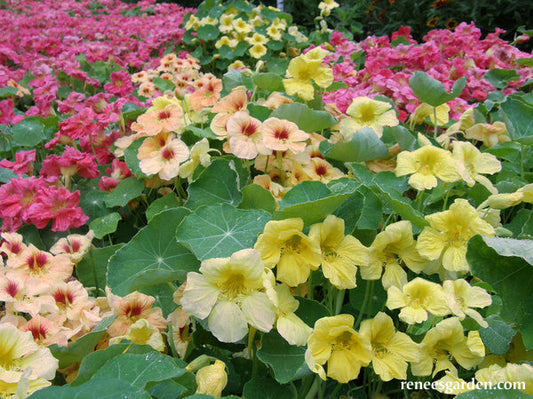
Heirloom Nasturtiums Empress of India
ANNUAL
Spring/summer/fall bloom
Frost tenderEASY TO START OUTDOORS
Sow seeds in spring once all danger of frost is over in full sun (or part shade in hot climates). Nasturtiums need no added fertilizer in most soils. Poke seeds into well-worked soil about 1 inch deep and 3 to 4 inches apart. Press soil firmly over the seeds and keep moist. When seedlings are large enough to handle, thin to 10 inches apart as mounding plants need ample room.
TO START EARLY INDOORS
Sow 2 seeds each in individual 4-inch pots of well-drained seed starting mix 3 weeks before last expected frost date. Cover 1 inch deep. Provide a strong light source. When seedlings have several sets of leaves, pinch out the weaker seedling, leaving 1 per pot. After weather is evenly above 50°F (10°C), gradually acclimate to outdoor conditions. Transplant seedlings into the garden 10 inches apart in full sun.
GROWING NOTES
These mounding nasturtiums are reliable and easy to tuck into any well-drained spot. They are a perfect disguise to cover fading bulb foliage in late spring. Their softly draping leaves and wonderfully colored flowers will quickly fill garden beds or containers. In mild winter climates, sow seeds again in early July for late summer blooms. Leaves and flowers are tasty additions to salads and sandwiches.
Regular price $3.69Sale price $3.69Unit price per -
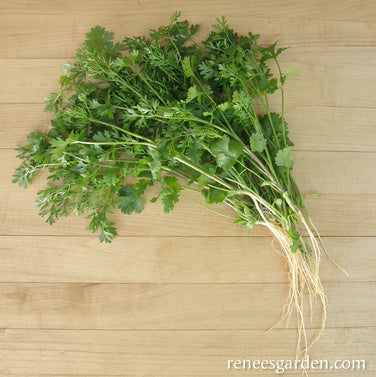
Vietnamese Heirloom Bac Lieu Cilantro
ANNUAL
Spring/summer/fall harvest
Can handle light frostsEASIEST TO START OUTDOORS
Vietnamese Cilantro doesn’t transplant well; plant seeds directly in the garden. For continuous harvests, start in early spring and make successive sowings every few weeks until summer heat comes on strong. Sow again in cooler fall weather, especially in mild winter areas. Sow seeds in well-drained fertile soil 1 to 2 in. apart in rows 8 in. apart in full sun. Cover 1/4 inch deep and firm soil over seeds. Keep evenly moist as seedlings emerge. Thin seedlings 3 to 4 in. apart before plants get crowded.
GROWING NOTES
Vietnamese cilantro leafs out and flowers quickly as plants mature; lushest, leafy growth is in cooler temperatures of spring and fall. Plants thrive when well watered and thinned early so they have room to grow. If hot weather arrives early, plant in a spot with morning sun and afternoon shade. The lacy flowers of these plants attract beneficial insects and pollinating bees.
HARVEST AND USE
Vietnamese cilantro produces rosettes of leaves low on plants with more finely cut, serrated leaves towards the top. Harvest & use entire plant, including stems, leaves & even young flowers. Traditionally, Vietnamese cilantro is offered on a plate in the center of the table, so diners can help themselves. This delicious edible garnish & flavoring tastes similar to a delicate regular cilantro, but with an additional delicious hint of citrus spice.Regular price $3.69Sale price $3.69Unit price per -
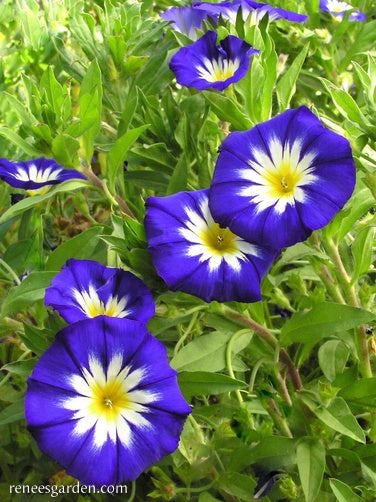
Bush Morning Glory Heirloom Blue Ensign
ANNUAL
Summer/fall bloom
Frost tenderTO PLANT OUTDOORS
Sow seeds 2 inches apart in a well-worked garden bed in full sun once danger of spring frost is past. Cover with 1/2 inch of fine soil and keep seed bed moist while awaiting germination. Keep seedlings well weeded and watered.
TO START EARLY INDOORS
Sow seeds 2 inches apart in a container of seed starting mix, 4 to 6 weeks before last expected frost. Cover 1/2 inch deep, keep moist and provide a good light source until seedlings are ready to plant outside. Transplant once weather warms up after gradually acclimating seedlings to outdoor conditions.
THIN OR TRANSPLANT
Space seedlings 6 to 8 inches apart when seedlings are large enough to handle.
GROWING NOTES
Royal Blue Ensign morning glories’ low bush plant habit is convenient and versatile. Grow them in beds or borders, or showcase their glowing color in planters where the striking deep blue will set off the warm yellows and oranges of Ladybird cosmos, dwarf marigolds, or zinnias. If plants get rangy in midsummer, trim them back halfway for another long flush of bloom.
Regular price $3.39Sale price $3.39Unit price per -
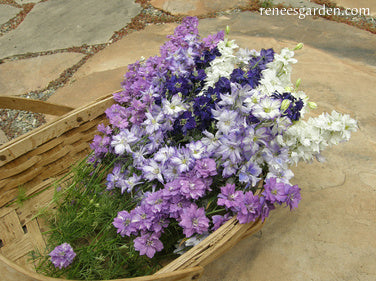
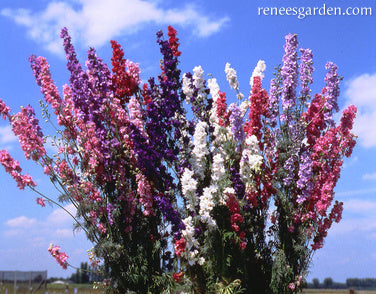
Bouquet Larkspur Singing the Blues
HARDY ANNUAL
Spring/summer bloom
Frost hardyBEST TO PLANT DIRECTLY IN THE GARDEN
In mild winter climates, sow seeds in fall to germinate and form deep roots over the winter for a long spring bloom. In cold winter areas, sow seed as early in spring as soil can be worked. Larkspur can handle frosts and blooms best when plants get a good start in cool spring weather. Sow seeds 1 inch apart in well-drained soil in full sun. Cover 1/4 inch deep, firm soil and keep seed bed moist. Be patient; germination takes 14 to 21 days. After seedlings are well established, about 2 or 3 inches tall, thin to 10 inches apart to allow for good air circulation and discourage disease. Keep plants well watered and weeded for best performance.
GROWING NOTES
Sow seed early, when weather is still cool, to get sturdy plants that will provide many weeks of elegant and beautiful flowers. Cut flowering stalks before individual florets begin to drop for graceful indoor bouquets or air-dry indoors for everlasting arrangements. Larkspur will continue to bloom well into summer if faded flowers are removed. Agrostemma, cornflowers and Bishop’s Lace are classic cutting garden companions for larkspur.
Regular price $3.69Sale price $3.69Unit price per -
Heirloom Imperial Larkspur French Alouette
HARDY ANNUAL
Spring/summer bloom
Frost hardyBEST TO PLANT DIRECTLY IN THE GARDEN
In mild winter climates, sow seeds in late fall to germinate and form deep roots over the winter for a long spring bloom.
In cold winter areas, sow seed as early in spring as soil can be worked as larkspur can handle frosts and blooms best when started in cool spring weather. Sow seeds 1 inch apart in well-drained soil in full sun. Cover 1/2 inch deep, firm soil and keep moist. Be patient; germination takes 14 to 21 days. After seedlings are well established, about 2 or 3 inches tall, thin to 8 inches apart to allow for good air circulation and discourage disease. Keep plants well watered and weeded for best performance.
GROWING NOTES
Sow seed early when weather is still cool to get sturdy plants that will provide many weeks of bloom. Cut flowering stalks before individual florets begin to drop for graceful indoor bouquets, or air-dry indoors for everlasting arrangements. Larkspur will continue to bloom well into summer if faded flowers are removed.
Regular price $2.99Sale price $2.99Unit price per -
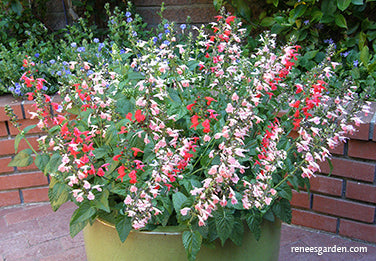
Container/Pollinator Salvia Bee Heaven
TENDER PERENNIAL GROWN AS ANNUAL
Summer/Fall bloom
Frost tenderTO START EARLY INDOORS
Start seeds indoors 4 to 6 weeks before last frost date. Sow seeds 1 inch apart in a container of seed starting mix and cover very lightly. Keep moist but not soggy and provide a strong light source. When seedlings are about 2 to 3 inches tall, and night temperatures are above 50°F (10°C), acclimate to outdoor conditions and plant 8 inches apart.
TO START DIRECTLY OUTDOORS
Sow in well-worked beds or in containers in full sun only after night temperatures reach 50°F (10°C). Plant seeds 4 inches apart and cover very lightly. Keep soil evenly moist. Thin seedlings to 8 inches apart so plants have room to mature.
CONTAINER PLANTING
Plant 4 seedlings in a 20 inch pot; 3 in a 16 inch pot, and 1 seedling in an 8 inch pot.
GROWING NOTES
Plants grow quickly to 12-18 inches tall and bloom all summer long Honey Bees, hummingbirds, butterflies, and many other pollinators constantly visit these nectar-rich flowers.
Regular price $4.69Sale price $4.69Unit price per -
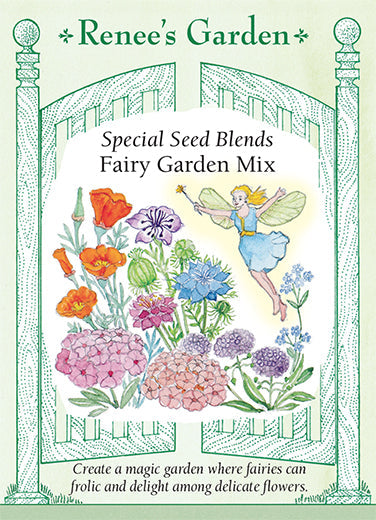
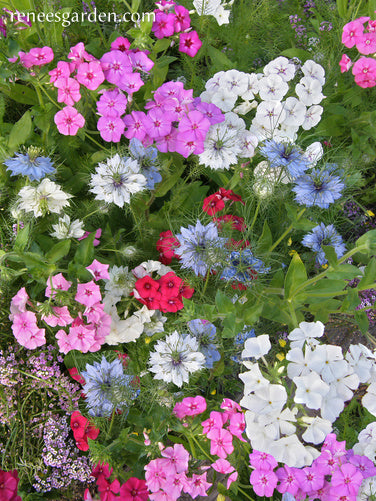
Special Seed Blends Fairy Garden Mix
ANNUAL
Spring/summer bloom
Frost tenderBEST TO START DIRECTLY OUTDOORS
In early spring, after all danger of frost is past, plant in a well-prepared garden bed in full sun. Shake packet to mix, then open and pour seeds into a container. Mix with an equal amount of sand to help space the seeds in the garden. Scatter the seed and sand mixture thinly and evenly over finely worked soil, aiming to have the seeds about an inch or so apart. Cover lightly, about 1/4 inch deep, and gently firm the soil over the seeds – a rake is handy for this step. Water thoroughly and evenly with a very gentle mist. Keep the seed bed moist while awaiting germination and while flowers are actively growing for the most blossoms.
GROWING NOTES
These pretty and delicate flowers will bloom in succession throughout late spring and provide the fairies with lots of places to play and hide, while delighting you with their pretty colors and forms. Cut tiny bouquets for the fairies – the more you pick the more blossoms you will get.
Regular price $3.69Sale price $3.69Unit price per -
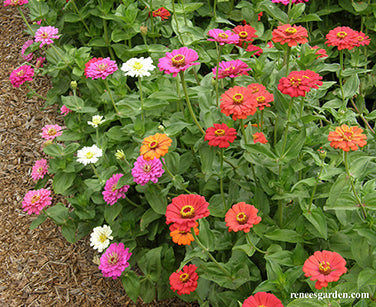
Heirloom Butterfly Zinnia Mix State Fair Gold Medal
ANNUAL
Summer/Fall bloom
Frost tenderTO START DIRECTLY IN THE GARDEN
Sow seeds in well-worked soil in full sun after frost danger is over and temperatures are above 50°F (10°C) both day and night. Space seeds 2 to 3 inches apart in rows 12 inches apart, cover 1/2 inch deep and gently firm soil. Keep soil evenly moist while awaiting germination.
TO START EARLY INDOORS
Four weeks before last frost date, sow seeds 1/2 inch deep and 3 inches apart in seed starting mix. Keep warm and moist. Provide a strong light source. Wait until temperatures are above 50°F (10°C) day and night before planting in full sun.
THIN OR TRANSPLANT
When 2-3 inches tall, thin or transplant 12 inches apart, giving these large framed plants good air circulation and room to mature.
GROWING NOTES
Zinnias are easy to grow, but for abundant, healthy flowers, thin before seedlings get crowded; adequate spacing and consistent watering keeps zinnias stress-free and productive and discourages mildew. For long-lived bouquets, cut flowers in the morning when blossoms first open and petals are tight. Cut long stems well back into the plant to keep plants branching low and producing abundant blooms to attract butterflies/pollinators.
Regular price $2.99Sale price $2.99Unit price per -
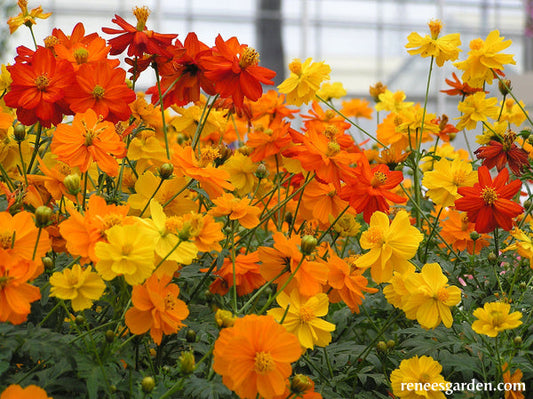
Butterfly Cosmos Little Ladybirds
ANNUAL
Summer/fall bloom
Frost tenderTO PLANT OUTDOORS
Sow seeds directly into well worked garden soil in full sun once all danger of frost is past. Space seeds 2 to 3 inches apart and cover about 1/4 inch deep. Seedlings will emerge in 5 to 10 days. Keep well weeded and watered.
TO START EARLY INDOORS
Sow seeds 1 inch apart in a container of seed starting mix, 4 to 6 weeks before last expected frost. Cover 1/4 inch deep, keep moist and provide a good light source. Plant outdoors once weather warms up after gradually acclimating seedlings to outdoor conditions. Thin or transplant 5 to 6 inches apart when seedlings are large enough to handle.
GROWING NOTES
Little Ladybirds are quick to bloom, carefree and non-fussy. Use instead of marigolds in sunny borders, or to line a garden path. The brilliant warm colors and clean fern-like foliage combine beautifully with other heat-tolerant flowers. Feed and water regularly especially if planting in patio pots.
Regular price $2.99Sale price $2.99Unit price per -
Snack Seed Sunflowers Heirloom Mammoth Greystripe
ANNUAL
Summer/fall bloom
Frost tenderEASIEST TO START DIRECTLY IN THE GARDEN
Plant in full sun in good garden soil when all danger of frost is past and temperatures have reached at least 50°F (10°C) both day and night. Poke seeds into well-worked soil 1 inch deep and 6 inches apart. Press soil firmly over seeds and keep moist as seedlings emerge.
THIN OR TRANSPLANT
When seedlings are about 3 inches tall, thin to 12 to 18 inches apart with 2 feet between rows to give growing plants room to establish strong roots and sturdy stalks that won’t blow over.
GROWING NOTES
Keep soil moist and well weeded and protect seedlings from birds at planting time with netting or plastic berry baskets, removing before plants get crowded. For large heads, space seedlings at least 12 inches apart so plants can grow to full size.
HARVEST AND USE
As sunflowers bloom, bees pollinate the florets in each head and seeds begin to mature. When center disk florets have dried up, cover the ripening seed heads loosely with paper bags if you don’t want birds to eat the seeds. When ripened kernels are plump and hard-shelled, cut entire heads, dry fully, then remove the seeds by hand. Store in closed containers to eat for snacks or feed to the birds over the winter.Regular price $4.89Sale price $4.89Unit price per -
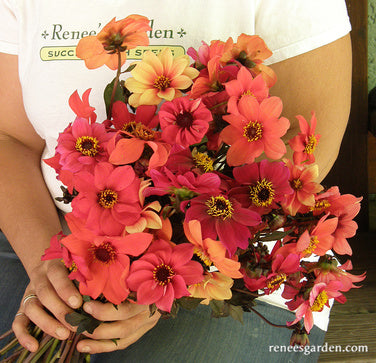
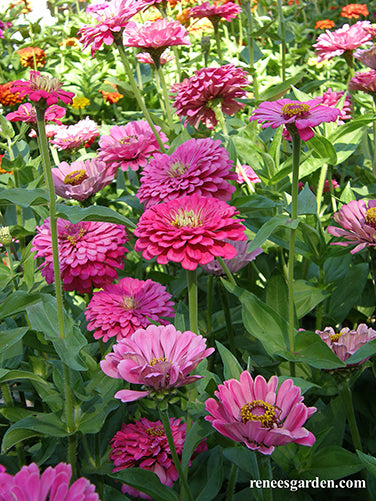
Cutting Zinnias Raspberry Sorbet
ANNUAL
Summer/Fall bloom
Frost tenderTO START DIRECTLY INTHE GARDEN
Sow seeds in well-worked soil in full sun when danger of frost is past and weather is warm and above 50°F (10°C) both day and night. Space seeds 2 to 3 inches apart in rows 12 inches apart, cover about 1/2 inch deep and gently firm soil. Keep soil evenly moist while awaiting germination.
TO START EARLY INDOORS
Four weeks before last frost date, sow seeds 1/2 inch deep and 3 inches apart in a container of seed starting mix. Keep warm and moist and provide a strong light source until seedlings are ready to plant outside only when temperatures rise above 50°F (10°C) both day and night.
THIN OR TRANSPLANT
Space seedlings 8 to 12 inches apart when large enough to handle, giving these large framed plants room to mature and providing good air circulation.
GROWING NOTES
Zinnias grow readily in ordinary garden soil in full sun. For abundant and healthy flowers, thin before seedlings get crowded; adequate spacing and regular, consistent watering helps keep zinnias un-stressed and productive and discourages mildew. For long-lived bouquets, cut flowers in the morning when blossoms first open and petals are tight. Cut long stems well back into the plant to keep plants branching low and producing abundant blooms to attract butterflies and other pollinators.Regular price $3.39Sale price $3.39Unit price per