Attracts Bees & Beneficials
Welcome Bee Friends and Others with Benefits
Plant these blooms to feed and nurture many kinds of beneficial insects from pollinators to pest control.
-
Bonus Pack Seeds for A Butterfly Garden
TWO DESIGN IDEAS
Plant your butterfly garden in a rectangular bed or border with tall, medium and low flowers from back to front, OR in a circle with tall flowers in the center, surrounded by the middle and then lower growing varieties.
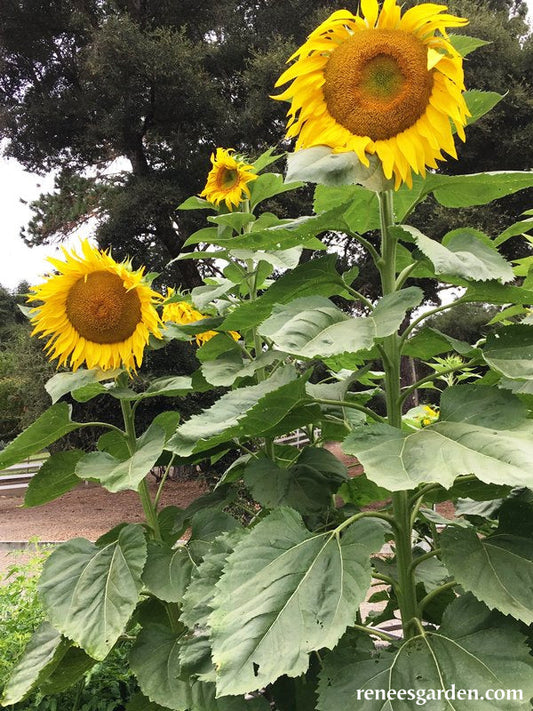
For the back of the border in dramatic rows, OR planted in a circle garden as a central spiral, tall, branching Crimson Queen sunflowers offer both a convenient meal and a windscreen for your winged visitors.
At mid-level, Purity Cosmos' abundant snow-satiny white flowers with sunny centers dance and sway all summer, a magnet for air-waltzing butterflies.
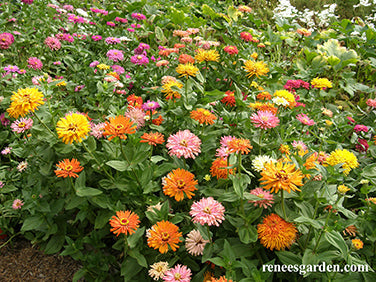
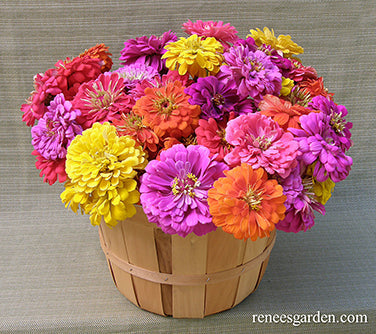
At front of the border OR around the outer edge of the circle, low-growing Persian Carpet zinnias offer a beautiful tapestry of warm shades and provide nectar for many species.
CREATING BUTTERFLY HABITATButterflies are attracted to blossom shapes and colors, so it's important to plant in mass blocks instead of a few isolated plants here and there. Planting these flowers behind each other produces an ideal combination of different flowers at varying heights, offering your visitors a choice of where to feed and rest.
These flowers provide flower nectar for nourishment and fuel butterflies need for flying. Flowers unique personal attributes of color, scent and shape lure butterflies and ensure pollination. With each sip from the heart of a blossom, tiny grains of pollen gather on the butterfly’s body and then it helps to pollinate the garden as it flutters among flowers.
Sunny days in the garden are synonymous with a busy freeway of flying butterflies. The sun warms their wing muscles, enabling them to dart, soar and fly seeking nectar and pollinating your sun loving flowers. On gusty summer days, the taller cosmos and sunflowers offer comfortable protection from the wind. Offer butterflies a convenient drinking spot with a shallow bird bath or decorative stone water container.
Regular price $8.99Sale price $8.99Unit price per -
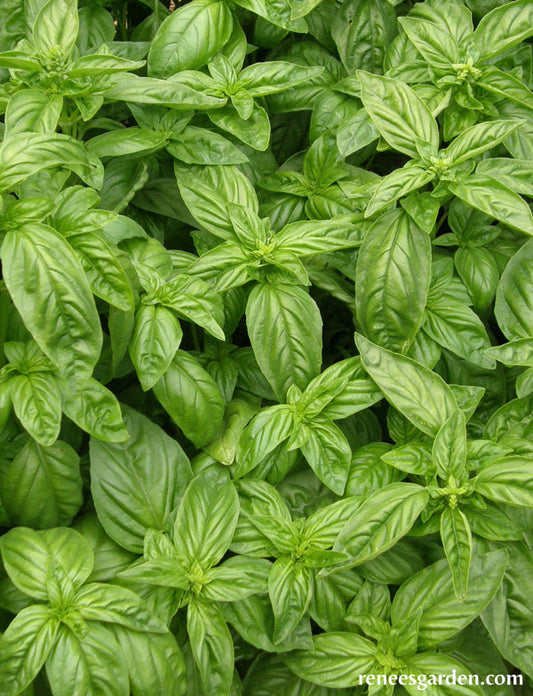
Bolognese Basil Aurelia
ANNUAL
Summer/fall harvest
Heat-loving, frost tenderTO PLANT DIRECTLY INTO THE GARDEN
When late spring weather reaches 55°F (10°C) both day and night, sow seeds 1 inch apart in well worked, fertile soil in full sun. Cover 1/4 inch deep, firm soil and keep seed bed moist. Germination takes 1 to 2 weeks. After seedlings are well established, thin or transplant 8 inches apart, which allows plants enough elbow room grow and mature.
TO START EARLY INDOORS
Sow seeds 1 to 2 inches apart in a container of fresh seed starting mix, 4 weeks before last expected frost. Keep warm and evenly moist, and provide a good light source. Feed with 1/2 strength liquid fertilizer every 10 days. Once weather warms outdoors, acclimate seedlings to outdoor conditions, then transplant 8 inches apart into the garden.
GROWING NOTES
It is critical to sow seed or transplant basil seedlings only when late spring day and nighttime temperatures stay above 55°F (13°C). Harvest sprays of leaves by snipping stems just above two new sprouting lateral branches to encourage lush foliage. Keep flower buds pinched off to extend harvesting. Feed regularly with high nitrogen fertilizer after harvesting to promote new growth. Except in very short season areas, make a second planting three weeks after the first for a continued supply of fresh, aromatic leaves.
Regular price $3.69Sale price $3.69Unit price per -
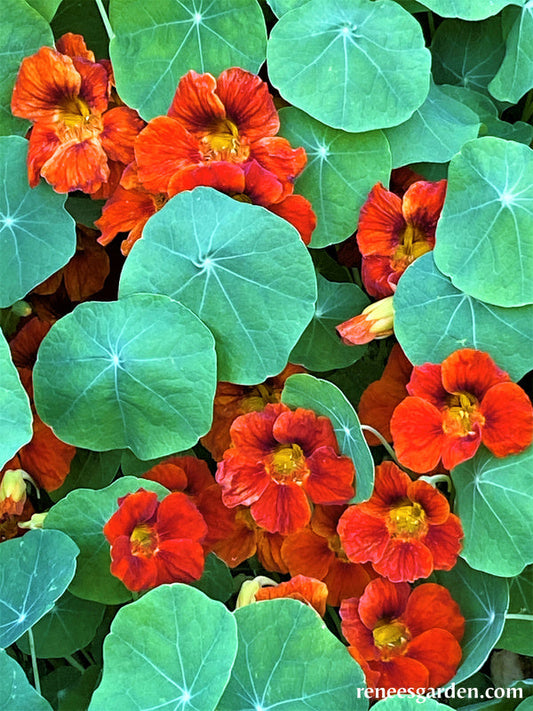
Mounding Nasturtiums Copper Sunset
ANNUAL
Spring/summer/fall bloom
Frost tenderEASY TO START OUTDOORS
Sow seeds in spring once all danger of frost is over in full sun (or part shade in hot climates). Nasturtiums need no added fertilizer in most soils. Poke seeds into well-worked soil about 1 inch deep and 3 to 4 inches apart. Press soil firmly over the seeds and keep moist. When seedlings are large enough to handle, thin to 10 inches apart as mounding plants need ample room.
TO START EARLY INDOORS
Sow 2 seeds each in individual 4 inch pots of well-drained seed starting mix 3 weeks before last expected frost date. Cover 1 inch deep. Provide a strong light source. When seedlings have several sets of leaves pinch out the weaker seedling, leaving one per pot. When night temperatures are above 50°F (10°C), gradually acclimate to outdoor conditions. Transplant seedlings into the garden 10 inches apart in full sun.
GROWING NOTES
These brilliantly colored mounding nasturtiums are reliable and easy to tuck into any well-drained spot. Except in very poor soil, nasturtiums will grow and bloom readily with no added fertilizer. Carefully thinned to proper spacing, they are a perfect disguise to cover fading bulb foliage in late spring and their softly draping leaves and vivid flowers will quickly fill garden beds or containers.
Regular price $3.99Sale price $3.99Unit price per -
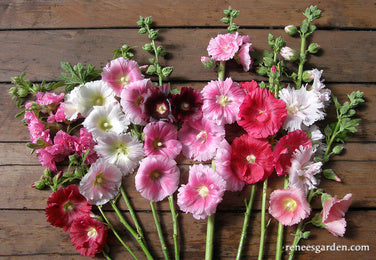
Old Fashioned Hollyhocks Indian Spring
BIENNIAL
Summer/fall bloom
Frost hardyEASIEST TO START DIRECTLY IN THE GARDEN
Plant seeds in full sun in ordinary garden soil in spring after danger of frost is past. Poke seeds into well-worked soil about 1/2 inch deep, 6 to 8 inches apart. Keep moist until seedlings emerge in 7 to 14 days.
TO START EARLY INDOORS
Start seeds indoors about 8 weeks before last expected frost date. Sow two inches apart and 1⁄2 inch deep in flats or individual containers of seed starting mix. Provide a strong light source and keep mix evenly moist until germination takes place. When seedlings are 3 to 4 inches tall, transplant 12 to 18 inches apart after gradually acclimating to outdoor conditions.
THIN OR TRANSPLANT
Space seedlings 12 to 18 inches apart so plants have ample room to mature.
GROWING NOTES
Indian Spring will bloom the first year from seed if planted early in spring. Planted later, it will bloom the following summer. After blossoms fade, cut off the spent flower stalks just above the ground. Fertilize well and continue to water plants as needed, and roots will push another flush of enchanting flower spires that will open in fall.
Regular price $2.99Sale price $2.99Unit price per -
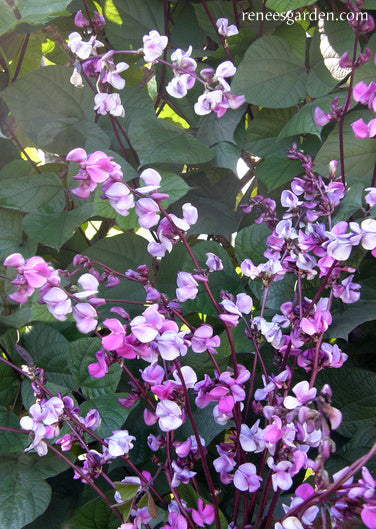
Heirloom Flowering Vine Purple Hyacinth Bean
ANNUAL VINE
Summer/fall bloom
Frost tenderTO START DIRECTLY IN THE GARDEN
In late spring once weather is warm and settled and nights stay above 50°F (10°C), plant seeds in a sunny spot in ordinary garden soil 6 inches apart and 1 inch deep. Firm soil over seeds. Keep seedlings well weeded and watered.
TO START EARLY INDOORS
Sow indoors 4 weeks before last expected frost in individual pots of seed starting mix. Cover 1 inch deep and keep warm and moist as seedlings emerge over 7 to 10 days. Provide a strong light source until seedlings are ready to plant outdoors.
Transplant very carefully once nights stay above 50°F (10°C) before plants get too crowded. Space seedlings 6 to 8 inches apart. Avoid disturbing roots as much as possible when transplanting.
GROWING NOTES
Erect heavy netting, a strong trellis or a sturdy open wood or wire fence 8 to 10 feet tall at planting time to support these warm weather climbers. Guide the first young tendrils to twine onto supports. Combine with morning glories or climbing nasturtiums for a glorious summer display of flowers and pretty pods.
Regular price $3.99Sale price $3.99Unit price per -
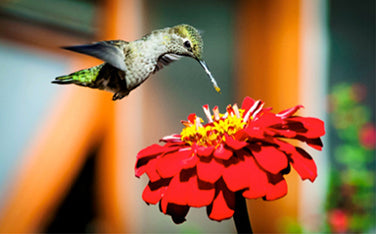
Bonus Pack Seeds for a Hummingbird Garden
TWO DESIGN IDEAS
Plant your hummingbird flower garden in a rectangular bed or border with tall, medium and low flowers from back to front, OR plant in a circle garden with the tall climber in the center, surrounded by the middle and then lower growing flowers.
At the back of the border OR climbing up a central trellis in a circle garden, climbing Scarlet Runner Beans offer abundant coral-red blossoms that hummers love to sip.
At mid-level, Scarlet Flame Zinnias bright red flowers make a splash of color easy for hummers to see from a distance.
At front of the border OR on the outside of the circle, low mounding Summer Charm Nasturtiums are a sure fit for hummingbirds' nectar-seeking bills.CREATING HUMMINGBIRD HABITAT
Plant as big an area as possible to create explosive bursts of color that can be seen easily from the air. Hummingbirds expend an extraordinary amount of energy for their size, and require an enormous amount of food – you just can't have too many flowers! After locating convenient nectar sources, these intelligent little creatures follow a foraging routine in a relatively small area despite their ability to roam and will return for ongoing meals from your garden.
These flowers offer complete natural meals: while nectar is their primary food source, blossoms also harbor small insects that are protein sources for the diminutive birds, so hummingbirds will help in your garden by dining on aphids and other tiny insects they snap up in their sharp pointed bills while simultaneously pollinating them.
Design elements such as a handsome trellis for your climbing runner bean blossoms provide a convenient, stationary perch where these territorial little birds can survey their entire domain. Enjoy watching them as they dine, hover, socialize, argue and perch, wings vibrating with amazing speed and grace, flying furiously up and down, backward, forward, even upside down amongst your colorful flowers.
Regular price $8.99Sale price $8.99Unit price per -
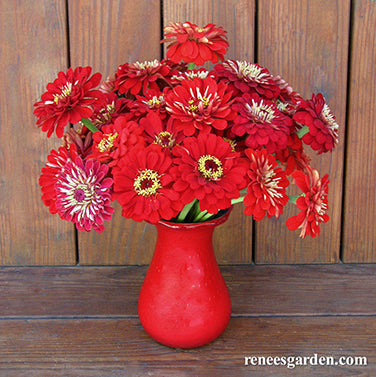
Heirloom Cutting Zinnias Moulin Rouge
ANNUAL
Summer/fall bloom
Frost tenderEASY TO START DIRECTLY IN THE GARDEN
Sow seeds in well-worked soil in full sun when danger of frost is past and weather is warm and above 50°F (10°C) both day and night. Space seeds 2 to 3 inches apart in rows 12 inches apart, cover about 1/2 inch deep and gently firm soil. Keep soil evenly moist while awaiting germination.
TO START EARLY INDOORS
Four weeks before last frost date, sow seeds 1/2 inch deep and 3 inches apart in a container of seed starting mix. Keep warm and moist and provide a strong light source until seedlings are ready to plant outside when temperatures rise above 50°F (10°C) day and night.
THIN OR TRANSPLANT
Space seedlings 8 to12 inches apart when large enough to handle so plants have good air circulation and enough elbow room to grow and bloom freely.
GROWING NOTES
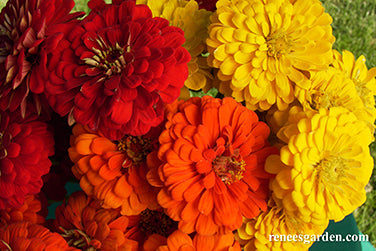
Zinnias grow readily in ordinary garden soil in full sun. For large and abundant flowers, thin before seedlings get crowded; adequate spacing and regular, even watering help keep zinnias productive and discourages mildew. Pick when flower blossoms first open and petals are tight for longest vase life. Cut long stems well back into the plant to keep plants branching low and producing best blooms for summer long bouquets.Regular price $3.39Sale price $3.39Unit price per -
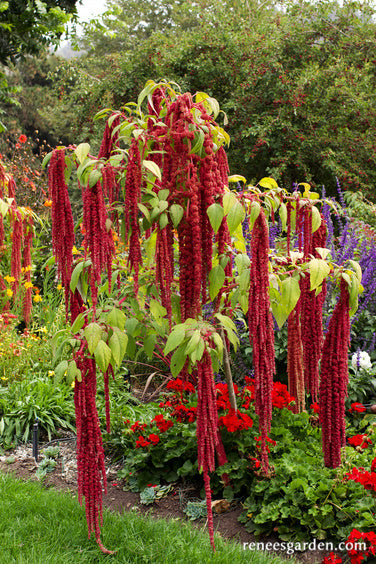
Heirloom Amaranth Love Lies Bleeding
ANNUAL
Summer/fall bloom
Frost tenderEASIEST TO START OUTDOORS
Sow seeds in full sun in ordinary well-worked garden soil when weather is warm and settled and all danger of frost is past. Space tiny seeds 3 to 4 inches apart or as thinly as possible. Cover lightly and keep moist until seedlings emerge in 7 to 10 days.
TO START EARLY INDOORS
Several weeks before last frost date, sow seeds 1 inch apart in containers or individual pots of well-drained seed starting mix, cover lightly and keep moist. Provide a strong light source until seedlings are ready to plant outside when weather is warm and settled and before seedlings get too crowded. Thin or transplant seedlings 18 to 24 inches apart when seedlings are large enough to handle so the large plants will have room to grow.
GROWING NOTES
This dramatic annual is easy to grow, sun loving and drought-tolerant. The large plants make striking garden companions to taller flowers like Sunflowers or Tithonia. Love Lies Bleeding’s draping blossoms with their rich color and unusual touchable texture are long-lasting focal points for large arrangements. Let some flowers set seeds in the garden to self sow.
Regular price $2.99Sale price $2.99Unit price per -
Cactus Zinnias Heirloom Raggedy Anne
ANNUAL
Summer/fall bloom
Frost tenderTO START DIRECTLY IN THE GARDEN
Sow seeds in a well-worked seedbed in full sun when danger of frost is past and weather is warm and settled. Space seeds 2 to 3 inches apart in rows 12 inches apart, cover about 1/2 inch deep and gently firm soil. Keep soil evenly moist while awaiting germination.
TO START EARLY INDOORS
One month before last frost date, sow seeds 1/2 inch deep and 3 inches apart in a container of seed starting mix. Keep moist and provide a strong light source until seedlings are ready to plant out. Gradually acclimate to outdoor conditions before transplanting.
THIN OR TRANSPLANT
Space seedlings 10 to 12 inches apart to give plants room to mature.
GROWING NOTES
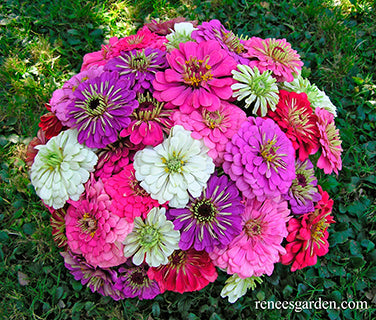
Zinnias grow effortlessly in ordinary garden soil in full sun. For large and abundant flowers, thin before seedlings get crowded; adequate spacing and regular even watering will ensure free flowering and discourage mildew. Pick flowers often by cutting long stems well back into the plant to keep them branching from below and producing best blooms for bright summer-long bouquets.Regular price $2.99Sale price $2.99Unit price per -
Cutting Zinnias Hot Crayon Colors
ANNUAL
Summer/fall bloom
Frost tenderTO START DIRECTLY IN THE GARDEN
Sow seeds in fertile, well-drained soil in full sun when danger of frost is past and weather is warm and above 50°F (10°C) both day and night. Space seeds 3 inches apart in rows 12 inches apart, cover 1/2 inch deep and gently firm soil. Keep soil evenly moist while awaiting germination.
TO START EARLY INDOORS
One month before last frost, sow seeds 1/2 inch deep and 3 inches apart in seed starting mix. Keep warm and moist and provide a strong light source until seedlings are ready to plant outside when temps rise above 50°F (10°C) day and night.
THIN OR TRANSPLANT
Space seedlings 8-12 inches apart when large enough to handle to give plants room to mature and provide good air circulation.
GROWING NOTES
To ensure sufficient air circulation and abundant blossoms, thin before seedlings get crowded; adequate spacing and regular, even watering helps keep zinnias productive and discourages mildew. Pick when flower blossoms first open and petals are tight for longest vase life. Cut long stems well back into the plant to keep plants branching low and producing best blooms for summer long bouquets.Regular price $2.99Sale price $2.99Unit price per -
Cutting Zinnias Cool Crayon Colors
ANNUAL
Summer/fall bloom
Frost tenderTO START DIRECTLY IN THE GARDEN
Sow seeds in a well-worked seed bed in full sun when danger of frost is past and weather is above 50°F (10°C) both day and night. Space seeds 2 to 3 inches apart in rows 12 inches apart, cover about 1/2 inch deep and gently firm soil. Keep evenly moist while awaiting germination.
TO START EARLY INDOORS
Four weeks before last frost date, sow seeds 1/2 inch deep and 3 inches apart in containers of seed starting mix. Keep warm and moist and provide a strong light source. Feed with 1/2 strength fertilizer every 2 weeks. Just as soon as seedlings have several sets of true leaves, plant outdoors when temperatures stay above 50°F (10°C) at night.
THIN OR TRANSPLANT
Space seedlings 8 to 10 inches apart when large enough to handle to provide good air circulation and give plants room to mature.
GROWING NOTES
Zinnias grow readily in ordinary garden soil in full sun. For large and abundant flowers, thin before seedlings get crowded; adequate spacing and regular, even watering helps keep zinnias productive and discourages mildew. Pick when flower blossoms first open and petals are tight for longest vase life. Cut long stems well back into the plant to keep plants branching low and producing best blooms for summer long bouquets.Regular price $2.99Sale price $2.99Unit price per -
Flowering Herbs Bodegold Chamomile
ANNUAL
Spring/summer/fall harvest
Frost hardyTO START DIRECTLY IN THE GARDEN
Sow seeds as thinly as possible in a well-drained, finely textured garden bed in full sun and cover lightly. Keep evenly moist while awaiting germination. Thin seedlings to 4 inches apart before they become crowded.
TO START INDOORS
Sow seeds in early spring in a container of seed starting mix. Cover seeds very lightly and keep evenly moist until seedlings emerge. Provide a good light source until seedlings are about 2 inches tall. Transplant 4 inches apart after gradually acclimating to outdoor conditions. Don’t let seedlings get too big or crowded before planting out.
GROWING NOTES
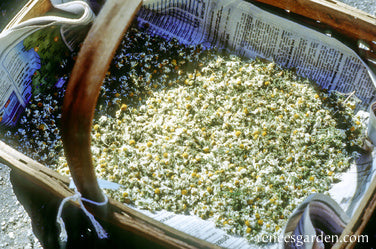
Start chamomile in early spring for sturdy growth before warm weather initiates flowering. Harvest every few days just as the petite daisylike flowers are fully open, but before the petals dry up. Air dry blossoms indoors in a single layer for several days, then store in a sealed container. Steep in boiling water for a lovely scented tea. Leave a few flowers in the garden to set seed, then shake spent plants and they will often self-sow to bloom next season. blossoms with their dainty white petals and gold centers and simply air dry for making fragrant pineapple-scented tea. Serve with a little honey to settle the stomach and soothe the nervous system before retiring.Regular price $2.99Sale price $2.99Unit price per -
Border/Container Dahlias Watercolor Silks
PERENNIAL GROWN AS ANNUAL
Frost tender
Summer/Fall BloomBEST TO START EARLY INDOORS
Sow seeds 2 inches apart in containers of seed starting mix, 4 to 6 weeks before last spring frost. Cover 1/2 inch deep, keep moist and warm and provide a strong light source until ready to plant outdoors. When weather is warm and settled, acclimate seedlings gradually to outdoor conditions. Plant 8 inches apart.
TO START DIRECTLY OUTDOORS
Wait until weather is warm and settled and night temperatures are above 50°F (10°C). Sow groups of 2 to 3 seeds 1/2 inch deep and 8 inches apart in well-worked, fertile soil. Cover lightly and keep soil moist but not soggy while awaiting germination. When well-established, thin carefully, leaving single seedlings 8 inches apart, so plants have room to grow and bloom. Keep well-weeded and evenly watered.
GROWING NOTES
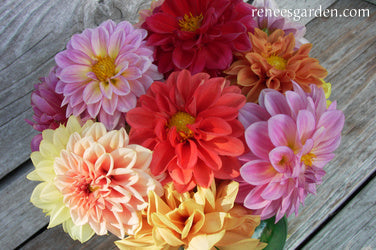
Amend soil with compost or aged manure before planting in full sun. Feed plants monthly. Remove faded flowers to prolong bloom. These dahlias will produce little underground tubers after their first season of bloom; select your favorite blossom colors when in bloom, then multiply those plants by digging up the tubers in late fall to replant the next spring.
To Grow In Containers: Space seedlings 4 to 6 inches apart in containers that are at least 16 inches across and 16 inches tall.
Regular price $3.39Sale price $3.39Unit price per -
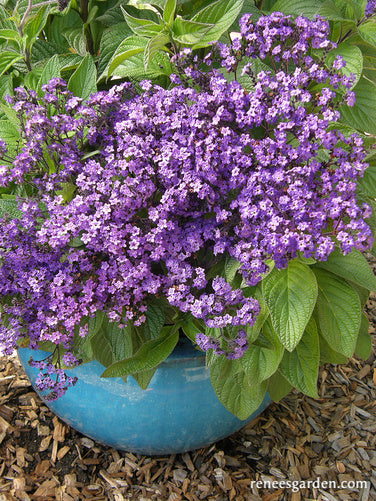
Perfumed Heliotrope Deep Marine
ANNUAL
Summer/fall bloom
Frost tenderBEST TO START EARLY INDOORS
Start seeds 8-9 weeks before last spring frost. Sow seeds 1 inch apart in a container of moist seed starting mix. Press down lightly, but not cover as heliotrope seeds need light to germinate. Keep warm and moist but not soggy, and provide a strong light source. When large enough to handle, transplant seedlings into individual 4 inch pots to grow on until sturdy and well-established.
Be sure to acclimate seedlings to outdoor conditions before planting outdoors. Transplant into rich, well drained soil in full sun or, in hot summer areas, a spot that has afternoon shade.
THIN OR TRANSPLANT
When large enough to handle, transplant strong, well acclimated seedlings, spacing them 10 inches apart.
GROWING NOTES
Feed heliotropes monthly throughout the growing season for best plants and flowers. With their richly scented flowers and dark foliage, heliotropes make pretty container plants. Combine with bright sunny colors or soft pastels for striking displays. Cut plants back in late summer for fresh regrowth and bloom.
Regular price $3.69Sale price $3.69Unit price per -
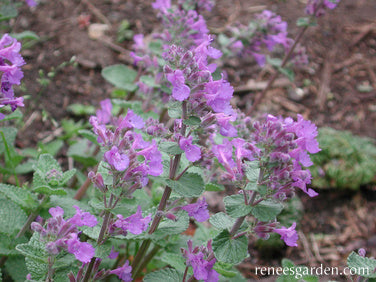
Landscaping Herbs Catmint
BEST TO START EARLY INDOORS
In spring, 6 weeks before last expected frost, sow seeds 1 inch apart in a container of seed starting mix. Cover lightly, keep warm and moist, and provide a strong light source. Feed every 2 weeks with half-strength fertilizer. Once seedlings are well-established, transplant 2 to 3 inches apart into deeper containers so root systems have room to develop. When 3 to 4 inches tall, acclimate to outdoor conditions and plant in full sun 12 inches apart.
TO START OUTDOORS
Plant in full sun in ordinary garden soil in spring when weather is settled and night temperatures are above 50°F (10°C). Sow seeds in well-worked soil 1/4 inch deep and 4 inches apart. Keep evenly moist while waiting for seedlings to emerge. Thin seedlings 12 inches apart.
GROWING NOTES
Plant drifts of this pretty herbal ground cover in any sunny spot. It grows into 12 inch tall, softly rounded mounds. Once first flush of flowers ends, cut back to about 6 inches and plants will come back into bloom. Many cats enjoy frolicking in Catmint’s sturdy foliage which can handle their affectionate advances.Regular price $2.99Sale price $2.99Unit price per -
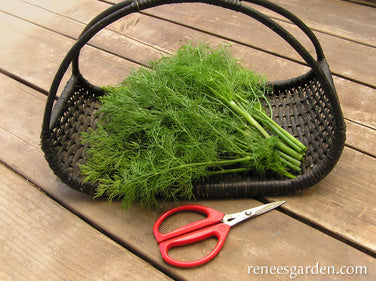
Kitchen Herbs Dukat Leafy Dill
ANNUAL
Spring/summer/fall harvest
Can handle light frostsEASIEST TO PLANT OUTDOORS
In early spring, sow dill seed directly into well-drained garden soil 1 to 2 inches apart in rows 6 inches apart in full sun and cover seeds 1/4 inch deep. Make small sowings every few weeks to have successive harvests of fresh leaves. Keep seed bed evenly moist while awaiting germination in 7 to 14 days.
TO START INDOORS
Sow dill seed thinly in individual pots of seed starting mix. Cover 1/4 inch deep and keep moist as seedlings emerge in 7 to 14 days. Provide a good light source. Transplant when seedlings are about 2 inches tall after gradually acclimating to outdoor conditions. Don’t let seedlings get crowded before planting outside.
THIN OR TRANSPLANT
Space groups of 2 or 3 seedlings about 4 inches apart when seedlings are large enough to handle.
GROWING NOTES
Keep plants well watered and thinned; crowded seedlings won’t make the lush growth desired for fresh leaf harvests and will form seed heads too early. Make several successive sowings for plenty of leafy dill fronds followed by seed heads to use for pickles and other savory dishes.Regular price $2.99Sale price $2.99Unit price per -
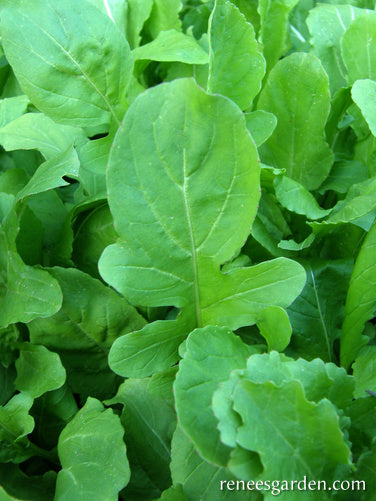
Arugula True Italian
EASIEST TO START OUTDOORS
In early spring, sow seeds directly into well-worked garden soil 1 to 2 inches apart in rows 10 inches apart in full sun. Cover 1/4 inch deep and firm soil over seeds. Keep seed bed evenly moist until seedlings emerge in 7 to 14 days. Make new sowings every 2 weeks until early summer for a constant supply of fresh non-bitter leaves. Young leaves are ready to begin harvesting in 3 to 4 weeks. In hot summer areas, wait to sow again in late summer for fall use, as summer heat makes leaves very pungent.THIN OR TRANSPLANT
Arugula grows so quickly we recommend sowing in place rather than transplanting. Thin seedlings 2 to 3 inches apart when plants are large enough to handle.GROWING NOTES
Begin harvesting by thinning little seedlings to use in salads when they are several inches tall, leaving remaining seedlings to mature 2 to 3 inches apart. Either pick individual leaves when they are 3 to 4 inches long, or snip leaves about 1 inch above the crown and let plants regrow for more harvests.Regular price $4.89Sale price $4.89Unit price per -
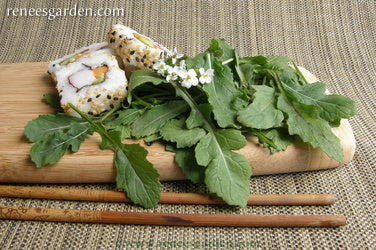
Gourmet Herbs Wasabi Arugula
ANNUAL
Spring/summer/fall harvest
Frost hardyEASIEST TO START OUTDOORS
Plant in spring (or late summer for a fall crop) directly into the garden in well-worked soil in full sun, or a spot that receives partial afternoon shade. Sow 1 inch apart and barely cover.
Keep the seed bed evenly moist until seedlings emerge in 10 to 12 days. Begin harvesting individual young leaves in 4 to 5 weeks. In hot summer areas, wait to sow again in late summer for fall use, as extreme heat makes leaves extra pungent.
GROWING NOTES
Harvest early by thinning seedlings to use in salads when they are several inches tall, leaving remaining seedlings to grow to maturity 4 to 5 inches apart. Pick individual leaves when they are 3 to 4 inches long, or snip each whole leafy rosette about 1 inch above the crown and let plants regrow for extended harvests. This long-lasting arugula stays leafy so you can use it all season. Pick the little edible flower stalks of dainty white blossoms off the plants to keep seed heads from forming as this diminishes leaf quality.Regular price $3.69Sale price $3.69Unit price per -
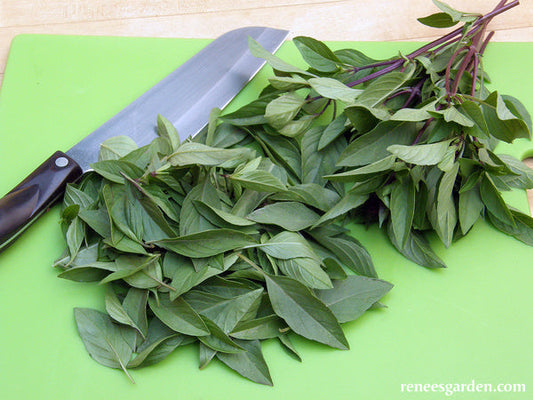
True Thai Basil Queenette
ANNUAL
Summer/fall harvest
Heat-loving, frost tenderTO PLANT DIRECTLY INTO THE GARDEN
When late spring weather has reached the 50°F (10°C) range day and night, sow seeds 1 inch apart in well worked fertile soil in full sun. Cover 1/2 inch deep, firm soil and keep seed bed moist. Germination takes 1 to 2 weeks. After seedlings are established, thin or transplant 8 inches apart so plants have room to grow.
TO START EARLY INDOORS
Sow seeds 1 inch apart in containers of seed starting mix, 4 to 6 weeks before last expected frost. Keep warm and evenly moist, and provide a good light source. When seedlings are large enough to handle and night temperatures stay above 50°F (10°C), acclimate gradually to outdoor conditions before planting in garden beds or into large pots.
GROWING NOTES
Remember, for success with this easy to grow but cold-sensitive herb, it is essential to sow and/or transplant basil only when weather is warm and nighttime temperatures stay above 50°F (10°C). Harvest sprays of leaves by snipping stems just above two new sprouting lateral branches to encourage lush foliage. Keep flower buds pinched off if you want to extend harvesting. Feed regularly to promote new growth.
Regular price $2.99Sale price $2.99Unit price per -
Double Cutting Zinnias Cabaret
ANNUAL
Summer/fall bloom
Frost tenderTO START DIRECTLY IN THE GARDEN
Sow seeds in well-worked soil in full sun when danger of frost is past and weather is warm and above 50°F (10°C) both day and night. Space seeds 2 to 3 inches apart in rows 12 inches apart, cover about 1/2 inch deep and gently firm soil. Keep soil evenly moist while awaiting germination.
TO START EARLY INDOORS
Four weeks before last frost date, sow seeds 1/2 inch deep and 3 inches apart in a container of seed starting mix. Keep warm and moist and provide a strong light source until seedlings are ready to plant outside when temperatures rise above 50°F (10°C) day and night.
THIN OR TRANSPLANT
Space seedlings 8 to12 inches apart when large enough to handle to give plants room to mature and provide good air circulation.
GROWING NOTES
Zinnias grow readily in ordinary garden soil in full sun. For large and abundant flowers, thin before seedlings get crowded; adequate spacing and regular, even watering help keep zinnias productive and discourages mildew. Pick when flower blossoms first open and petals are tight for longest vase life. Cut long stems well back into the plant to keep plants branching low and producing best blooms for summer long bouquets.Regular price $3.39Sale price $3.39Unit price per -
Giant Sunflowers Heirloom Titan
ANNUAL
Summer/fall bloom
Frost tenderEASIEST TO START DIRECTLY IN THE GARDEN
Plant in full sun in good garden soil when weather is warm and settled both day and night and all danger of frost is past. Poke seeds into well-worked soil about 1 inch deep and 6 inches apart. Press soil firmly over seeds and keep moist as seedlings emerge.
THIN OR TRANSPLANT
When seedlings are about 3 inches tall, be sure to space them 12 to18 inches apart with 3 feet between rows. This spacing allows plants room to grow, establish strong roots and sturdy stalks.
GROWING NOTES
Keep soil moist and well weeded. Protect seedlings from birds at planting time with netting or plastic berry baskets, removing before plants get crowded. For large heads, space seedlings properly so plants will have room to grow to full size.
HARVEST AND USE
As petals drop, bees pollinate the florets in each head and seeds begin to mature. When center disk florets have dried up, cover the ripening seed heads loosely with paper bags to foil pilfering birds. When ripened kernels are plump and hard-shelled, cut entire heads, dry fully, then remove the seeds by hand, rubbing them out with your thumbs. Store in closed containers to eat for snacks or feed to the birds over the winter.Regular price $3.39Sale price $3.39Unit price per -
Shirley Poppies Legion of Honor
ANNUAL
Spring/summer bloom
Frost hardyBEST TO START DIRECTLY IN THE GARDEN
Sow seeds directly into a finely textured garden bed in full sun as early in spring as ground can be worked. To help space the fine seeds, mix with dry sand before sowing. Cover very lightly with fine soil and keep seed bed moist as seedlings emerge over 7 to 14 days.
THIN OR TRANSPLANT
Poppies do not transplant well so we advise sowing the seeds directly in the garden. Be sure to thin crowded seedlings early; final plant spacing should be 4 to 6 inches apart so plants have room to fully mature and bloom.
GROWING NOTES
Plant as early as possible in spring, as poppies can handle frost and bloom best and longest when plants get a good start in cool weather. In mild winter climates, sow seed in late fall to overwinter for spring bloom. Weed and water young seedlings carefully. Mature plants can handle dry conditions but appreciate regular water in hot locations.
Regular price $2.99Sale price $2.99Unit price per -
Shirley Poppies French Flounce
HARDY ANNUAL
Spring/summer bloom
Frost hardySTART SEEDS OUTDOORS
Plant poppies either in late fall or very early spring. (Fall-sown seeds will overwinter and germinate when soil warms in early spring.) If spring planting, sow in a fine-textured garden bed in full sun as early as ground can be worked. Sprinkle seeds as thinly as possible, or in rows 8 to 10 inches apart. Rake in gently or lightly cover seeds 1/8 inch deep. Keep seedbed moist. Seedlings emerge in 7 to 14 days. If seedlings come up very thickly, thin poppies early but delay final thinning until weather is settled in spring.
THIN OR TRANSPLANT
Poppies don’t transplant well, so sow directly in the garden. Thin early if crowded, then again to final spacing 8 to 10 inches apart.
GROWING NOTES
Sow seeds early if spring planting, as poppies can handle frosts and bloom best when plants get a good start in cool spring weather. To help space the tiny seeds, try mixing them with a little dry sand before sowing. Weed and water young seedlings and thin carefully to final spacing once they are well established as plants need proper room to grow and develop. Prolong bloom by removing spent flowers.
Regular price $3.39Sale price $3.39Unit price per -
Kitchen Herbs Creeping Thyme
PERENNIAL
Spring/summer/fall harvest
Frost hardyBEST TO START INDOORS
Sow in early spring in a container of seed starting mix. Cover seeds very lightly and keep evenly moist but not soggy until seedlings emerge in 14 to 21 days. Provide a good light source until ready to plant outside.
TO PLANT IN THE GARDEN
Sow creeping thyme in a finely textured seedbed in full sun after soil has warmed up in spring. Good drainage is essential. Sow very thinly, cover seeds lightly and carefully keep the seed bed evenly moist and well weeded as young seedlings are slow growing at first. Transplant when 2 to 3 inches tall after acclimating to outdoor conditions.
THIN OR TRANSPLANT
Space clusters of 3-4 seedlings 8 inches apart when large enough to handle so plants have room to grow and thrive.
GROWING NOTES
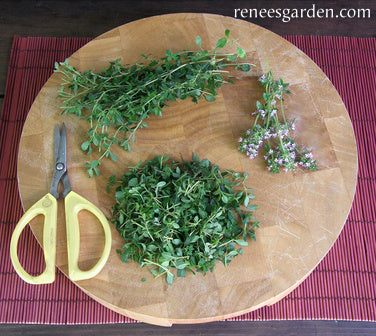
Given good drainage and a sunny location, easy-growing creeping thyme plants are reliable and productive garden perennials. Be sure to thin or transplant seedlings to proper spacing and keep weed free; plants will fill out and spread once well established. Little lavender-rose flowers bloom atop the shiny dense leaves at midsummer.Regular price $2.99Sale price $2.99Unit price per