Second Season Planting
Second Season Planting
-
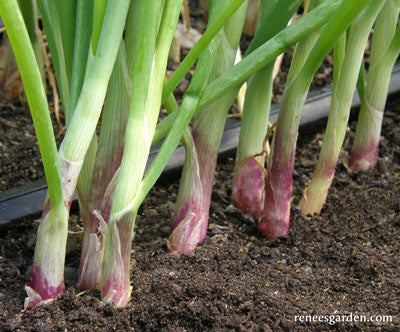
Heirloom Salad Onions Italian Scallion
EASIEST TO START OUTDOORS
Plant seeds throughout cool spring weather and again in mid to late summer for fall harvests. Sow seeds in well-worked, fertile soil in full sun, spacing 1 inch apart in rows 8-10 inches apart, or broadcast thinly for bed planting. Plant 1/4 inch deep and firm soil well over seeds. Keep soil evenly moist while awaiting germination. Thin young seedlings to 2 inches apart, and enjoy the tender thinnings in spring salads.
GROWING NOTES
These baby salad onions take up little garden space, so tuck a row around beds of lettuce, spinach or radishes. Make several plantings a month apart to have a constant supply for spring and summer meals. Prepare soil well with lots of aged manure or compost before planting. Keep evenly moist and weed carefully when plants are young. Mulch well to conserve soil moisture and suppress weed growth.
HARVEST AND USE
To get the most out of your crop, use tender, mild-flavored early thinnings in salads. Continue thinning out seedlings gradually so plants stand an inch or two apart. Harvest as needed when the stems are ¼ to ½ inch in diameter and the tiny immature bulbs reach just 1/2 to 1 inch in diameter. Crunchy, full-flavored Italian baby salad onions are especially delicious in any green or potato salad, or in any recipe that calls for scallions or mild tasting onions.
Regular price $2.99Sale price $2.99Unit price per -
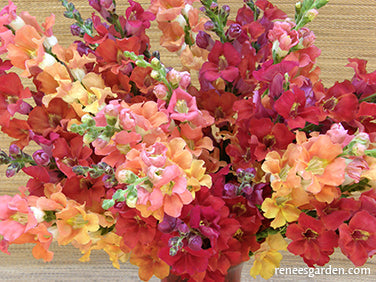
Butterfly Snapdragons Chantilly Summer Flame
HARDY ANNUAL
Spring/Summer/Fall bloom.
Can handle light frostSTART SEEDS INDOORS
Start seeds indoors in a container of seed starting mix in early spring 6 to 8 weeks before the last expected frost. Dampen soil mix evenly before sowing. Sow seeds 1 inch apart, covering only with a fine dusting of mix. Keep evenly moist but not soggy and provide a strong light source until ready to plant outdoors. When seedlings have several sets of leaves, transplant them 2 inches apart into a deeper container. After they reach 2 to 3 inches tall, gradually acclimate sturdy, well-established seedlings to outdoor conditions before transplanting in full sun.
THIN OR TRANSPLANT
Space seedlings 10 to 12 inches apart for best performance.
GROWING NOTES
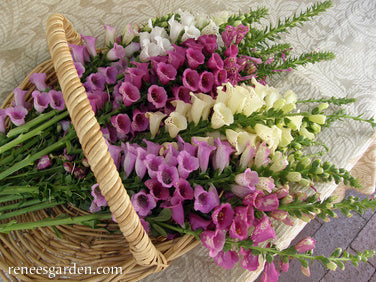
Heat and wind-resistant Chantilly adds height, color and texture to garden beds and provides abundant gorgeous summer bouquets. Feed and water well and keep spent flower stalks cut off for longest bloom season. Cut stalks when 8-10 blossoms are open; do not crowd in the vase for best, longest lasting cut flowers. In mild climates, snapdragons can also be planted in late fall to overwinter and bloom as a spring flower.
Regular price $4.99Sale price $4.99Unit price per -
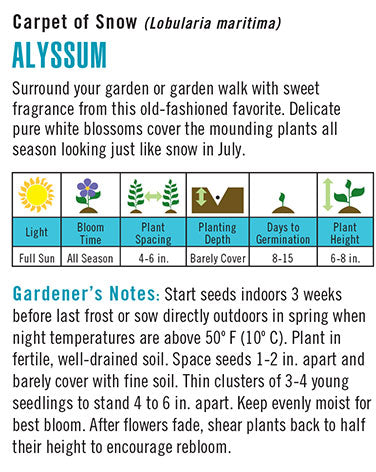
Lawn & Patio Heirloom Alyssum, Carpet of Snow
(Lobularia maritima)
Old-fashioned favorite with sweet, meadow-like fragrance. Tiny, pure white blossoms cover mounding plants, looking just like snow in the summertime. Attracts many beneficial insects and pollinators.Regular price $2.29Sale price $2.29Unit price per -
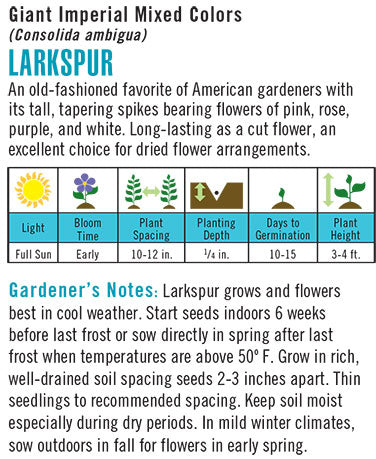
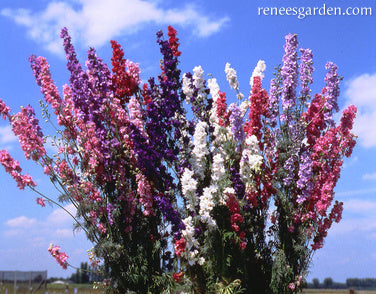
Lawn & Patio Larkspur 'Giant Imperial Mixed Colors'
(Consolida ambigua)
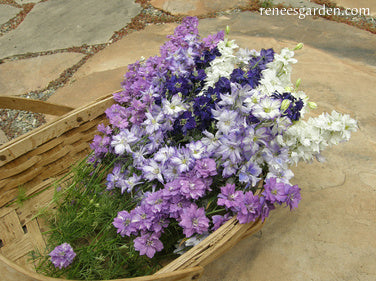
An old-fashioned favorite in cottage gardens with graceful flower spikes of pink, rose, purple, and white. Long lasting as a cut flower and an excellent choice for dried flower arrangements.Regular price $2.29Sale price $2.29Unit price per -
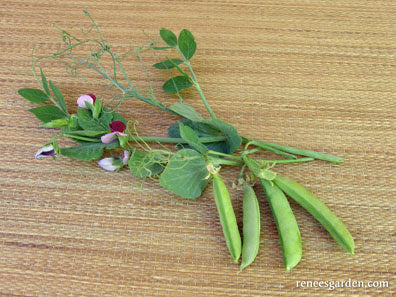
Tall Snap Peas Magnolia Blossom
START SEEDS OUTDOORS
In early to mid-spring, plant peas in full sun in well-worked, fertile soil. Sow seeds 1 inch deep and 3 to 4 inches apart in wide rows or bands 3 inches across, spacing the rows 2 feet apart. Provide supports for these climbing 5-8 foot vines at planting time. Protect from marauding birds with netting or floating row covers if necessary. Cold and wet early spring weather may affect germination, so if first sowing doesn’t germinate evenly, replant right away as new seedlings catch up quickly. Sow again for a fall crop about 2 1/2 months before first expected fall frost.
GROWING NOTES
These are hypertendril peas, meaning that the vines will produce long twirling tendrils in place of some leaves. This trait helps increase air flow so there is less disease potential. Use netting or wire trellis to support these heavy bearing tall vines for easy picking. Keep pea vines well weeded and watered and mulch to conserve moisture. Water at the base of the plants to avoid mildew.
HARVEST AND USE
Harvest only when peas are mature and round in the thick walled, juicy pods for the best developed flavor. Savor their sweet crunch fresh from the garden (kids especially love them!) as a snack or slice into salads. Pick pods regularly and you’ll have longer production of new ones. To cook quickly, pull strings from pods and sauté in a little oil just until pods turn a deeper green color.
Regular price $4.39Sale price $4.39Unit price per -
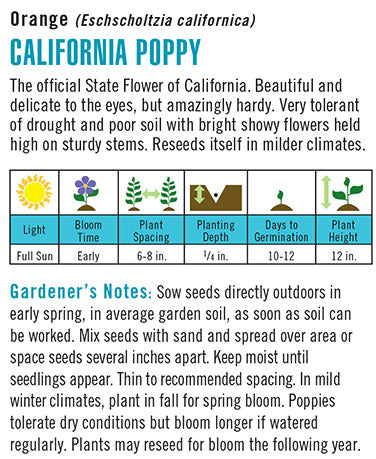
Lawn & Patio Heirloom California Poppy, Orange
(Eschscholtzia californica)
State Flower of California. Water wise and tolerant of poor soil, California poppies have feathery blue-green foliage and silky, bright orange flowers on sturdy stems. Reseeds in milder climates.Regular price $2.29Sale price $2.29Unit price per -
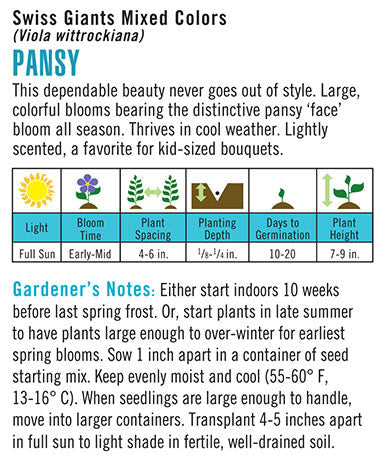
Lawn & Patio Pansy Swiss Giants Mixed Colors Seeds
(Viola wittrockiana)
This dependable beauty never goes out of style. Large, colorful blooms bear the distinctive pansy ‘face’ all season long. Pansies shine in cooler weather.Regular price $2.49Sale price $2.49Unit price per -
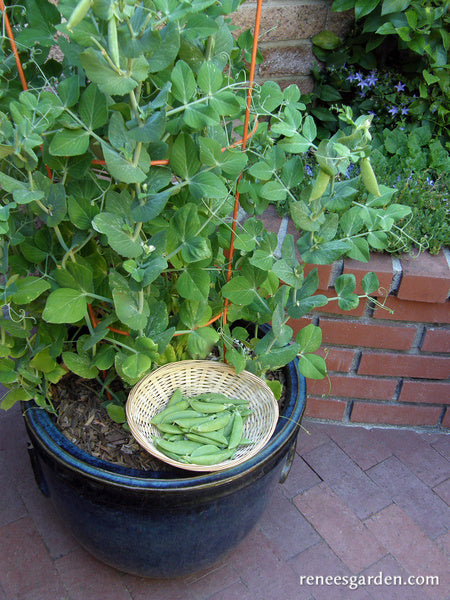
Container Snap Peas Sugar Ann
START SEEDS OUTDOORS
In early to mid-spring, plant peas in full sun in well-worked, fertile soil. Sow 1 in. deep and 3 in. apart. Protect from marauding birds with netting or floating row covers if necessary. Wet, cold early spring weather may affect germination, so if first sowing doesn’t germinate evenly, replant right away: new seedlings catch up quickly. Sow again for a fall crop, several months before fall frosts.
FOR CONTAINERS
Plant in pots at least 15-18 in. in diameter and 12 in. deep. Sow 1 in. apart, 1 in. deep. When seedlings are 2-3 in., thin to 3 in. apart, so each little vine has growing room. Provide 2-3 ft. tall supports or a short trellis at planting time. Mulch to conserve moisture. Feed with all-purpose fertilizer every 2-3 weeks. If it gets hot, check and water containers daily; otherwise, water when the top inch of soil is dry. Water at base of the plants to avoid mildew.
HARVEST AND USE
Harvest only when peas are mature and rounded in the thick-walled, juicy pods for the best developed flavor. Savor their sweet crunch fresh (kids especially love them!) as a snack or slice into salads. To cook quickly, pull strings from pods and sauté in a little oil just until pods turn a deeper green color.
Regular price $4.69Sale price $4.69Unit price per -
Lawn & Patio Heirloom California Poppy, Mission Bells Mixed Colors
(Eschscholtzia californica)
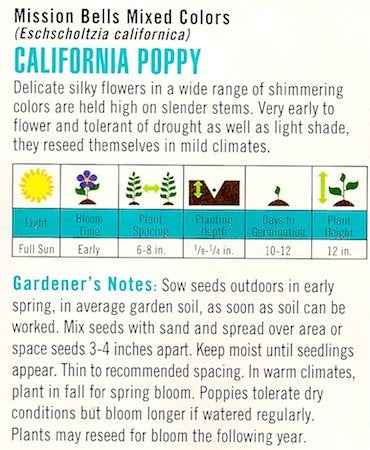
Delicate, silky flowers in shimmering colors are held high on slender stems. Very early to flower and water wise. Reseeds in mild climates.Regular price $2.29Sale price $2.29Unit price per -
Toy Heirloom Snapdragon, Magic Carpet Mixed Colors
(Antirrhinum majus)
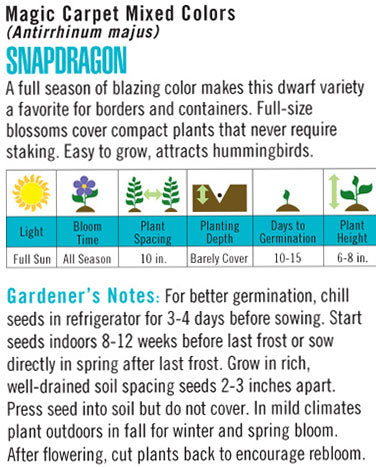
Full size blossoms on compact stems that don’t need staking, and a lovely mix of colors make this dwarf variety a favorite for borders and containers.Regular price $2.69Sale price $2.69Unit price per -
Lawn & Patio Bachelor's Button Seeds Polka Dot Mixed Colors
(Centaurea cyanus)
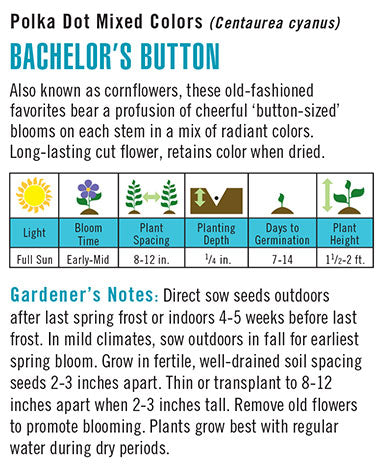
Also known as cornflowers, these easy-to-grow favorites bear a profusion of cheerful, button-sized blooms in a mixture of bright colors. Outstanding cut flower retains color when dried.Regular price $2.29Sale price $2.29Unit price per -
Lawn & Patio Cilantro Slow Bolt
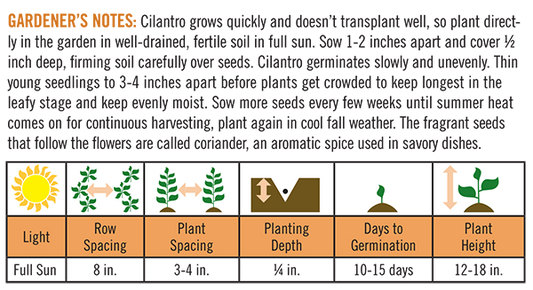
Improved variety that’s slower to bolt in warm weather for a longer harvest time. Use both seeds and leaves to add distinctive flavor to a wide variety of dishes. Essential for Asian and Tex-Mex cooking.Regular price $7.89Sale price $7.89Unit price per -
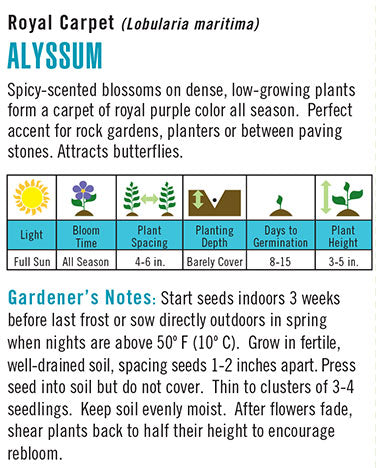
Lawn & Patio Heirloom Alyssum, Royal Carpet
(Lobularia maritima)
Spicy-scented blossoms on dense, mounding plants form a pastel carpet of color all season. Perfect accent for planters or between paving stones. Attracts pollinators.Regular price $2.29Sale price $2.29Unit price per -
Lawn & Patio Heirloom Hummingbird and Butterfly Mix
Lovely annual flower mix that provides pollen and nectar for pollinators. Contains: Sunflower, Nasturtium, Zinnia, Calendula, Love-in-a-Mist, Sunset Flower, Scarlet Flax, Dwarf Coneflower, Indian Blanket, Larkspur, Lemon Mint, Spurred Snapdragon and Alyssum.Regular price $7.89Sale price $7.89Unit price per -
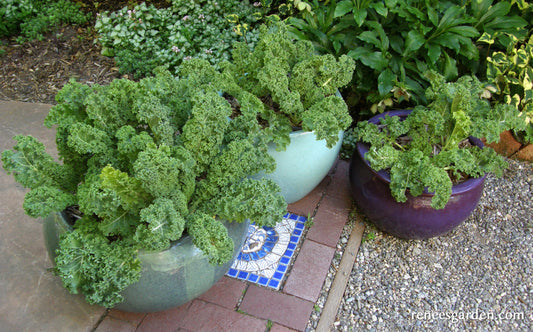
Container Kale Green Curls
TO START INDOORS
In very early spring, sow seeds in seed starting mix 2 in. apart and 1/2 in. deep. Keep moist and provide a strong light source until seedlings are well-established, then plant outdoors 6 in. apart.
PLANTING IN CONTAINERS
Use pots a minimum of 15-18 in. in diameter and 12 in. deep and start with fresh potting mix. Sow groups of 2-3 seeds 6 in. apart, 1/2 in. deep. Keep evenly moist. When large enough to handle, thin to leave one seedling per group, so plants have room to mature. Keep mulched to conserve moisture. Feed with high nitrogen fertilizer every 2-3 weeks. If it gets hot, check and water daily; otherwise, water when top inch of soil is dry.
GROWING NOTES
Kale tastes best in cool weather and frost actually enhances color, flavor and sweetness. Plant in early spring and again in late summer/early fall.
HARVEST AND USE
Begin harvesting outer leaves when plants have at least 6 leaves. Vitamin and antioxidant rich kale is tender and delicious in fresh salads, especially with sliced fruit and/or nuts. Use in smoothies, soups, stews and sautés; or braise with garlic and olive oil. Pull and discard when plants begin to bloom as leaves of flowering stalks get tough and bitter.
Regular price $3.99Sale price $3.99Unit price per -
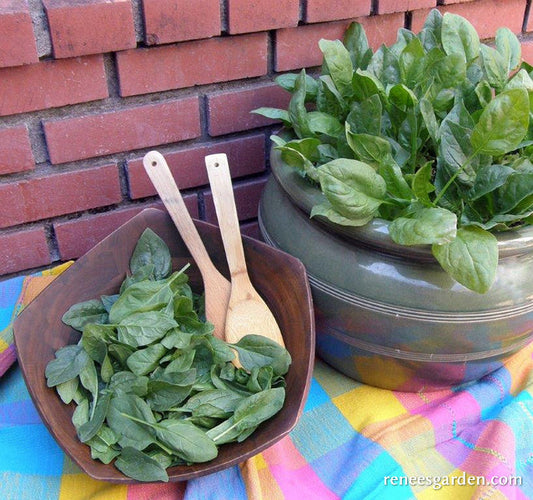
Container Baby Leaf Spinach Little Hero
CONTAINER PLANTING
Plant in early spring when danger of hard frost is over. Use a pot at least 15-18 in. in diameter and 12 in. deep, and start with fresh potting mix. Sow seeds 2 in. apart or simply broadcast seeds thinly, aiming for 2 in. spacing. Cover with 1/2 inch of potting mix and firm soil well over seeds. If first sowing germinates unevenly, plant more seed as seedlings will catch up fast.
GROWING NOTES
Birds love tender young seedlings, so protect as necessary with netting or floating row cover. Sow again in late summer for a fall crop. Keep spinach well watered and weeded and fertilize every few weeks and especially after harvesting.
HARVEST AND USE
To harvest by the “cut and come again” method: when plants are 4 to 5 in. tall, cut as much as you need, by using scissors to shear off leaves 1 to 2 in. above the soil level. Water well and fertilize lightly and plants will regrow for several more cuttings. Little Hero’s tender, baby leaves are delicious in fresh salads with additions like thinly sliced sweet onions, sliced radishes, thin wedges of apple or orange, toasted nuts, chopped scallions, crispy bacon bits, hard-cooked egg quarters and grated cheese. Or stirfry, braise or sauté very quickly for healthy, tasty greens.
Regular price $3.99Sale price $3.99Unit price per -
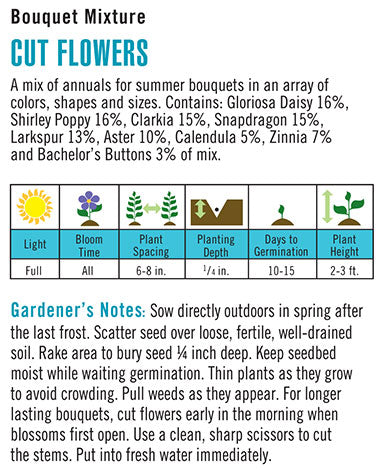
Lawn & Patio Cut Flowers 'Bouquet Mixture'
An ideal mix of annuals for fresh summer bouquets in a wide array of colors, shapes and sizes. The mix contains Bachelor’s Button, Calendula, Aster, Larkspur, Gloriosa Daisy, Snapdragon, Shirley Poppy, Clarkia and Zinnia.Regular price $2.49Sale price $2.49Unit price per -
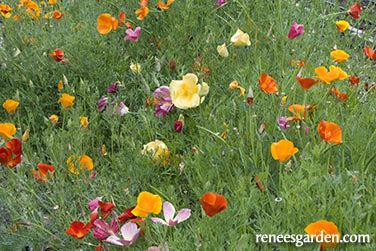
Bonus Pack A Rainbow of California Poppies
START SEED DIRECTLY IN THE GARDEN
Sow seeds directly in fine textured, well drained soil in full sun as early in spring as the ground can be worked. Plant as early as possible in spring, as poppies can handle light frost and bloom best and longest when plants get a good start in cool weather.
Except in very poor soil, these California poppies will flower readily with no added fertilizer.
Sprinkle seeds thinly, cover or rake in lightly, 1/4 inch deep, and firm soil gently. Be sure to keep the soil moist while awaiting germination and when seedlings are small. For best results, thin well-established seedlings to a final spacing of 6 to 8 inches apart so plants have room to grow, develop and bloom.
In Mild Winter Climates, where ground does not freeze hard, poppies can also be sown in late fall to over-winter for spring bloom. Be sure to protect fall-grown seedlings from slugs, snails and marauding birds.
GROWING NOTES
When mature, poppy plants can handle dry conditions, but will thrive and always bloom much longer if watered regularly. Poppies are lovely cut flowers if brought indoors just as buds begin to open. At season's end, allow spent flowers to form pods and drop seed if you want poppies to self-sow.
Regular price $9.99Sale price $9.99Unit price per -
Hummingbird Foxgloves Carousel Mix
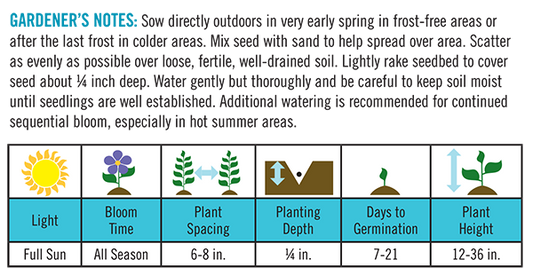
PERENNIAL
Late Spring/Summer bloom
Frost hardy USDA zones 4–9
START EARLY INDOORSSow seeds as thinly as possible in a container of seed starting mix. Cover 1⁄8 inch deep with mix, keep moist and between 60-70°F (16-21°C). Provide a strong light source until ready to plant into the garden.
Feed every 2 weeks with half-strength fertilizer. Once seedlings are large enough to handle, transplant 2 to 3 inches apart into individual pots. When plants are 3 to 4 inches tall, gradually acclimate to outdoor conditions and plant out in well-drained soil. Can also be planted in early/mid summer for bloom the following spring.
THIN OR TRANSPLANT
Space seedlings 12-15 inches apart so the plants have enough elbow room.
GROWING NOTES
Deer resistant foxgloves do well in light shade, dappled sunlight all day or full morning sun. They appreciate rich fertile soil and consistent moisture. In mild summer areas, they can handle full sun all day. Cut the softly colored spires of bloom often for lavish bouquets.
Encourage repeat bloom and flowering side shoots by cutting spent flower stalks at plant bases. Plants also self sow readily. A favorite of hummingbirds, butterflies and bumblebees!
Caution: Toxic if eaten.
Regular price $3.39Sale price $3.39Unit price per -
Bouquet Larkspur Singing the Blues
HARDY ANNUAL
Spring/summer bloom
Frost hardyBEST TO PLANT DIRECTLY IN THE GARDEN
In mild winter climates, sow seeds in fall to germinate and form deep roots over the winter for a long spring bloom. In cold winter areas, sow seed as early in spring as soil can be worked. Larkspur can handle frosts and blooms best when plants get a good start in cool spring weather. Sow seeds 1 inch apart in well-drained soil in full sun. Cover 1/4 inch deep, firm soil and keep seed bed moist. Be patient; germination takes 14 to 21 days. After seedlings are well established, about 2 or 3 inches tall, thin to 10 inches apart to allow for good air circulation and discourage disease. Keep plants well watered and weeded for best performance.
GROWING NOTES
Sow seed early, when weather is still cool, to get sturdy plants that will provide many weeks of elegant and beautiful flowers. Cut flowering stalks before individual florets begin to drop for graceful indoor bouquets or air-dry indoors for everlasting arrangements. Larkspur will continue to bloom well into summer if faded flowers are removed. Agrostemma, cornflowers and Bishop’s Lace are classic cutting garden companions for larkspur.
Regular price $3.69Sale price $3.69Unit price per -
Heirloom Imperial Larkspur French Alouette
HARDY ANNUAL
Spring/summer bloom
Frost hardyBEST TO PLANT DIRECTLY IN THE GARDEN
In mild winter climates, sow seeds in late fall to germinate and form deep roots over the winter for a long spring bloom.
In cold winter areas, sow seed as early in spring as soil can be worked as larkspur can handle frosts and blooms best when started in cool spring weather. Sow seeds 1 inch apart in well-drained soil in full sun. Cover 1/2 inch deep, firm soil and keep moist. Be patient; germination takes 14 to 21 days. After seedlings are well established, about 2 or 3 inches tall, thin to 8 inches apart to allow for good air circulation and discourage disease. Keep plants well watered and weeded for best performance.
GROWING NOTES
Sow seed early when weather is still cool to get sturdy plants that will provide many weeks of bloom. Cut flowering stalks before individual florets begin to drop for graceful indoor bouquets, or air-dry indoors for everlasting arrangements. Larkspur will continue to bloom well into summer if faded flowers are removed.
Regular price $2.99Sale price $2.99Unit price per -
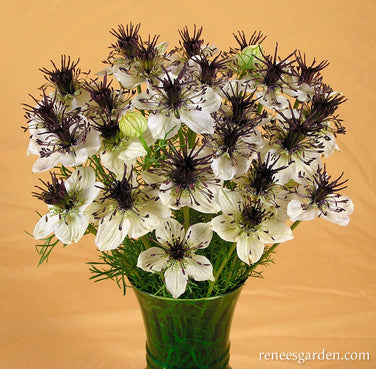
Heirloom White Nigella Bridal Veil
HARDY ANNUAL
Spring/summer bloom
Can handle light frostEASIEST TO PLANT DIRECTLY IN THE GARDEN
Sow seeds directly into a finely textured, well-drained garden bed as early in spring as the ground can be worked. Space seeds 2 inches apart, in rows 6 inches apart. Cover seed very lightly, about 1/4 inch deep. Or broadcast seeds evenly over the seed bed and cover very lightly. Keep evenly moist while awaiting germination. Thin seedlings to stand 6 inches apart so plants have room to grow and mature. In mild winter climates, Nigella can be sown in early spring and also be sown again in cool fall weather to overwinter for spring bloom.
GROWING NOTES
Make several successive sowings from early spring through early summer and you'll have these carefree specialty flowers blooming all season long. As flowers fade, cut stems of the decorative seedpods. Hang carefully upside down in bundles out of the direct sun to easily dry for everlasting arrangements. Let some seedpods mature and stay on the plants to spill seed and these graceful flowers will come up year after year.
Regular price $3.69Sale price $3.69Unit price per -
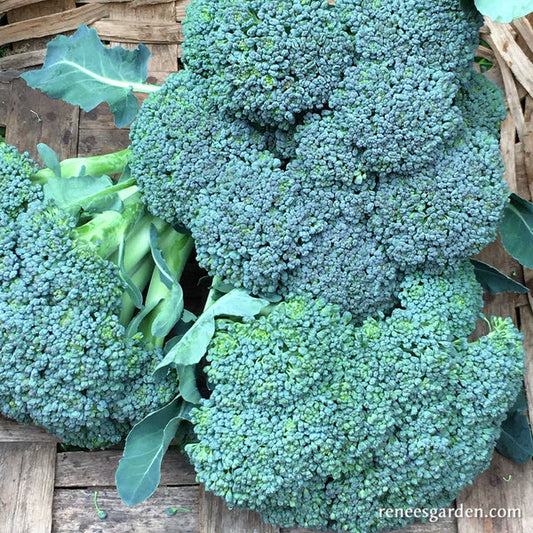
Early Heading Broccoli Belstar
BEST TO START INDOORS
Start seeds 4 or 5 weeks before last expected spring frost and again in midsummer for a fall crop. Sow seeds 1 inch apart in a container of seed starting mix, cover 1/2 inch deep and keep evenly moist. Provide a strong light source until seedlings are ready to plant out. When seedlings are 3 to 4 inches tall, gradually acclimate to outdoor conditions, then transplant 12 to 18 inches apart into rich, well-drained soil in full sun.
TO START OUTDOORS
Sow seeds in well-worked, fertile soil in full sun. Plant groups of 2 to 3 seeds 1/2 inch deep and 12 inches apart. Space rows 18 inches apart. Thin to 1 strong seedling per group so plants have room to mature and grow.
GROWING NOTES
Broccoli needs rich, fertile soil and cool growing weather to produce big heads. Prepare soil well and do not let seedlings get too crowded before thinning or transplanting or the heads will be stunted. Keep well watered and weeded. Feed at least monthly with all purpose fertilizer. Use nontoxic B.T. (Bacillus thuringiensis) products to repel caterpillar pests as necessary.
HARVEST AND USE
Harvest the main head before florets open by cutting about halfway down the stalk. This will encourage numerous side shoots to form for extended picking from each plant.
Regular price $4.89Sale price $4.89Unit price per -
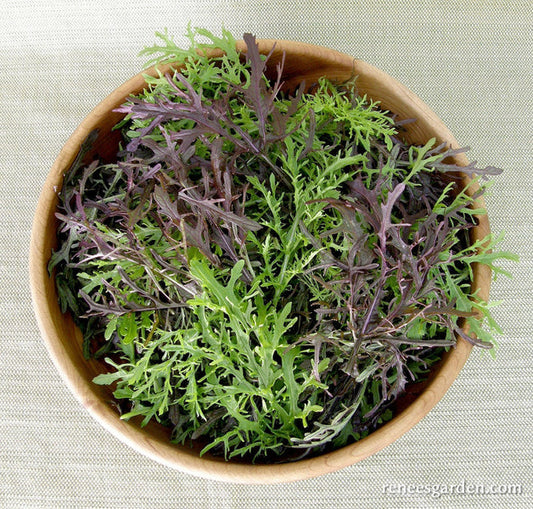
Colorful Salad Mustards Ruby & Emerald Streaks
START SEEDS OUTDOORS
In cool early spring weather, sow seeds in finely-worked soil in full sun. Shake seeds from the palm of your hand, broadcasting them about 1/2 inch apart over the entire seedbed or in wide rows, and cover lightly and evenly with 1/4 inch of fine soil. Firm soil gently and water with a fine spray. Keep seedbed evenly moist. Make small successive sowings until summer weather turns hot for a constant supply. Plant again in late summer for fall harvesting.
GROWING NOTES
These feathery, lacy plants grow easily in cool weather with consistent moisture and will produce a fast leafy harvest. To extend the sowing season into hot weather, sow in light shade or erect a canopy of loosely woven shade cloth over the bed. Birds are often attracted to tender young seedlings, so protect them if necessary.
HARVEST AND USE
To harvest by the “cut and come again” method, wait until plants are 4 to 6 inches tall. Cut as much as you need, using scissors to shear off a patch of leaves about 1 to 2 inches above the soil level. Water well and fertilize lightly and plants will regrow for more cuttings before summer heat comes on. Enjoy Ruby Red and Emerald Green’s beautiful colors and delicious, mildly spicy mustard flavor in spring and fall salads, on cheese plates and add the pretty, savory leaves to sandwiches and Panini.
Regular price $4.89Sale price $4.89Unit price per