Second Season Planting
Second Season Planting
-
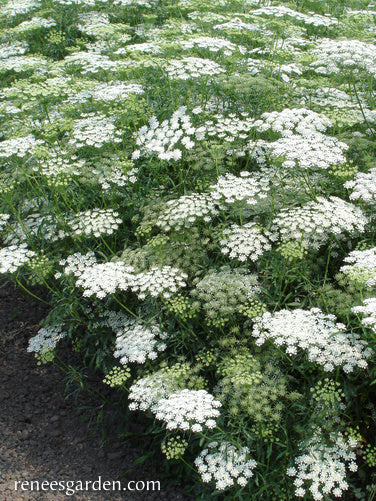
Butterfly Flowers White Bishop's Lace
ANNUAL
Spring/summer/fall bloom
Can handle light frostBEST TO START DIRECTLY IN THE GARDEN
Sow seed thinly into a finely textured garden bed in full sun as early in spring as ground can be worked. Cover 1/4 inch deep and keep soil moist. Weed and water young seedlings carefully and thin before they get too crowded.
TO START EARLY INDOORS
Start seed indoors 6 weeks before last spring frost date. Sow seeds as thinly as possible in a container or individual pots of seed starting mix. Cover very lightly, keep evenly moist and provide a strong light source until seedlings are ready to plant outdoors. Transplant carefully to avoid disturbing roots. Thin or transplant seedlings 8 to 10 inches apart when large enough to handle.
GROWING NOTES
Bishop’s Lace grows easily in most garden conditions. Make several sowings a few weeks apart through late spring for a succession of bloom. In mild winter climates, sow again in late fall for earliest spring displays. Use Bishop’s Lace as a delicate filler flower for adding texture and dainty substance to every bouquet.
Regular price $2.99Sale price $2.99Unit price per -
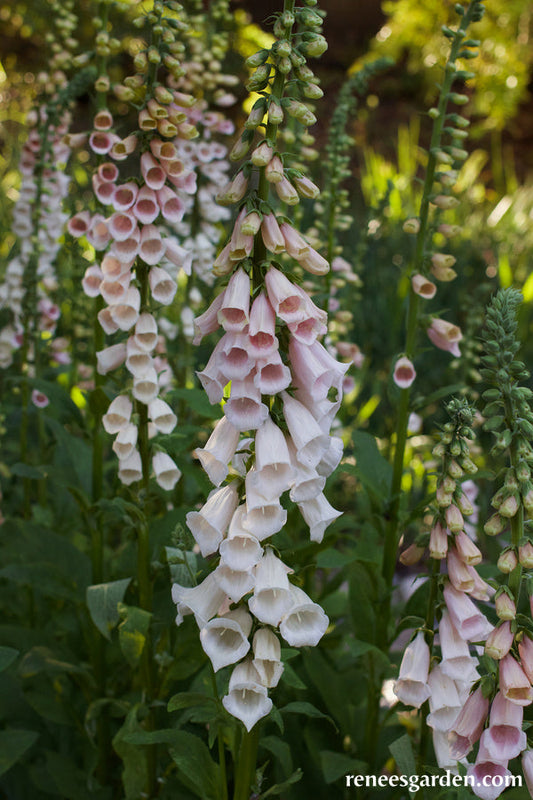
Heirloom Apricot Foxglove Faerie Queen
BIENNIAL
Spring/Summer bloom
Frost hardyBEST TO START SEEDS INDOORS
Sow seeds as thinly as possible in a container of seed starting mix. Cover 1/8 inch deep with mix, keep moist and between 60-70°F (16-21°C). Provide a strong light source until seedlings are ready to plant into the garden. Feed every 2 weeks with half-strength fertilizer. Once seedlings are large enough to handle, transplant 2 to 3 inches apart into a deeper container or individual pots so root systems have room to develop. When plants are 3 to 4 inches tall, gradually acclimate to outdoor conditions and plant out in well-drained soil. Thin or transplant seedlings 18 to 24 inches apart so they have room to mature.
GROWING NOTES
Foxgloves do well in dappled sunlight all day or full morning sun. In mild summer areas, they handle full sun all day. Foxgloves appreciate rich fertile soil and consistent moisture. Cut spent flower stalks back to the base of the plant to encourage repeat bloom and flowering side shoots. These biennial plants need the winter season’s cold to initiate flowering, so sow seeds any time from spring to midsummer to have well-established seedlings for bloom the following spring.
Regular price $3.39Sale price $3.39Unit price per -
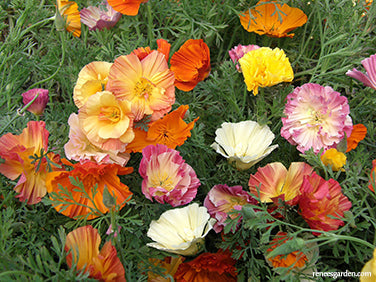
California Poppies Dancing Ballerinas
ANNUAL
Spring/Summer/Fall bloom
Can handle light frostBEST TO START DIRECTLY IN THE GARDEN
Sow seeds directly into a finely textured, well-drained garden bed in full sun as early in spring as the ground can be worked. Plant as early as possible in spring, as poppies can handle light frost and bloom best and longest when plants get a good start in cool weather. In mild winter climates, Poppies can also be sown in late fall to overwinter for spring bloom. Except in very poor soil, these California poppies will grow and flower readily with no added fertilizer. Space seeds several inches apart, cover no more than 1/4 inch deep, and firm soil gently. Keep soil moist as seedlings emerge. If seedlings come up very thickly, thin poppies early but delay final thinning until seedlings are well established in spring. Space seedlings, 4-6 inches apart as plants need room to grow and bloom.
GROWING NOTES
When mature, poppy plants can handle dry conditions, but they will always bloom brighter and longer if regularly watered and are kept well weeded. Poppies are pretty cut flowers if brought indoors just as buds begin to open. At season’s end, allow spent flowers to form pods and drop seed if you want poppies to self-sow for next year's spring flowers.Regular price $3.99Sale price $3.99Unit price per -
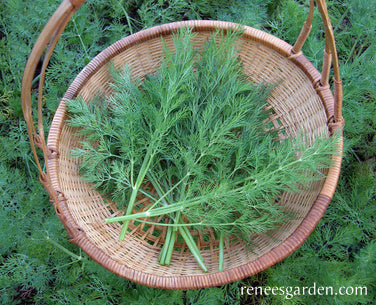
Heirloom Dill Leafy Diana
EASIEST TO PLANT OUTDOORS
In early spring, sow dill seed directly into well-drained garden soil 1 to 2 inches apart in rows 6 inches apart in full sun and cover seeds 1/4 inch deep. Make small sowings every few weeks to have successive harvests of fresh leaves. Keep seed bed evenly moist while awaiting germination in 7 to 14 days.
TO START INDOORS
Sow dill seed thinly in individual pots of seed starting mix. Cover 1/4 inch deep and keep moist as seedlings emerge in 7 to 14 days. Provide a good light source. Transplant when seedlings are about 2 inches tall after gradually acclimating to outdoor conditions. Don’t let seedlings get crowded before planting outside.
THIN OR TRANSPLANT
Space groups of 2 or 3 seedlings about 4 inches apart when seedlings are large enough to handle.
GROWING NOTES
Keep plants well watered and thinned; crowded seedlings won’t make the lush growth desired for fresh leaf harvests and will form seed heads too early. Make several successive sowings for plenty of leafy dill fronds followed by seed heads to use for pickles and other savory dishes.
Regular price $4.89Sale price $4.89Unit price per -
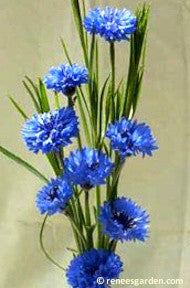
Heirloom Cornflowers Blue Boy
HARDY ANNUAL
Spring/summer bloom
Can handle light frostTO START OUTDOORS
Sow seeds in a finely textured garden bed in full sun as soon as soil can be worked. In mild winter areas, where the ground doesn’t freeze, plant in fall for next spring’s bloom. Space seeds 1 to 2 inches apart and cover 1/2 inch deep. Keep seed bed moist until seedlings emerge in 7 to 10 days. Weed and water carefully. Thin seedlings to 6 to 8 inches apart.
TO START EARLY INDOORS
Sow seeds 1 to 2 inches apart in a container of seed starting mix, 2 or 3 weeks before last expected frost. Cover 1/2 inch deep, keep moist and provide a good light source until seedlings are transplanted outside. Plant 6 to 8 inches apart into fertile garden soil in full sun when plants are 3 to 4 inches tall. Seedlings grow quickly; plant out before the roots get crowded.
GROWING NOTES
In mild winter areas the best cornflowers (aka Bachelor Buttons) result from seeds sown in fall to bloom the next spring. In cold winter areas where ground freezes, plant in early spring to get sturdy plants that will flower for many weeks if faded blossoms are removed.
Regular price $2.99Sale price $2.99Unit price per -
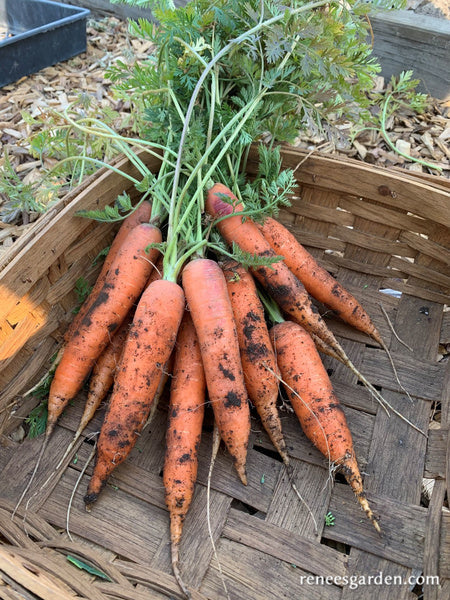
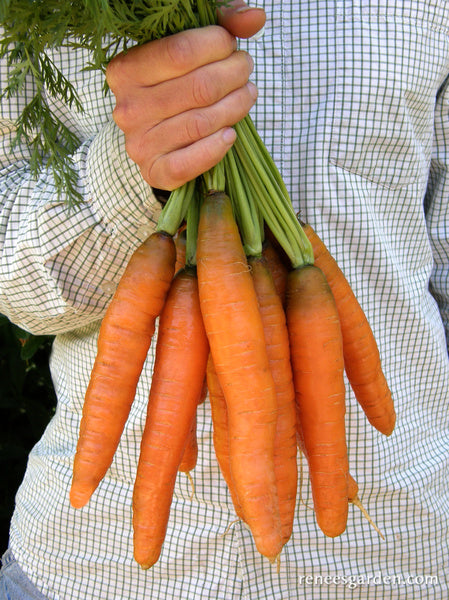
Crispy French Carrots Bolero Nantes
START SEEDS OUTDOORS
In spring once danger of hard frost is past, sow seeds in full sun in finely-worked, fertile soil. Sow 1/4 inch deep and 1/2 inch apart in rows 8 inches apart, or broadcast thinly in beds and cover lightly. Keep seed bed evenly moist as carrots can be slow to germinate, emerging over 10 to 21 days. If first sowing comes up unevenly, replant right away as seedlings catch up quickly. Thin young carrots several times so seedlings are 2 to 3 inches apart and have room to size up.
GROWING NOTES
Carrots like well-worked soil and need consistent moisture to grow well. If your soil dries out fast, cover seedbed with floating row covers to help retain moisture during the germination period. Keep carrots well weeded throughout the growing season. Plant again 3 months before first expected fall frost for a late crop.
HARVEST AND USE
Let carrots color up to deep orange before harvesting for best sweet flavor. Eat fresh, juice, or lightly steam. Set off their flavor with fresh lemon or orange juice and a sprinkling of minced herbs. Or glaze with a little honey and ginger or cinnamon. Fresh mint leaves are a tasty, pretty garnish for fresh garden carrots.
Regular price $3.99Sale price $3.99Unit price per -
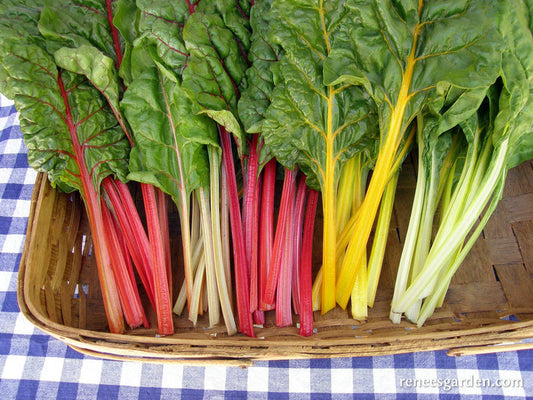
Rainbow Chard Bright Lights
START SEEDS OUTDOORS
In early spring when danger of hard frost is over, sow seeds in well-worked, fertile soil in full sun. Sow seeds 1/2 inch deep and 1 inch apart in rows 10 inches apart, or broadcast thinly for bed planting. Firm soil well over these irregularly shaped seeds to ensure good germination. If first sowing germinates unevenly, plant more seed in the rows as seedlings catch up quickly. Thin to select colors beginning when seedlings are large enough to handle, using thinnings as early greens and salads. Final spacing should be 10 to 12 inches apart so chard plants have room to mature.
GROWING NOTES
Chard grows well in a wide range of conditions and can take some frost. In mild winter areas, it can be grown year round. Thin seedlings well as chard grows into large vase-shaped plants 2 feet tall.
HARVEST AND USE
Begin harvesting when plants are well established and have 6 to 8 stalks. Both the crunchy succulent stalks and leaves make great eating. Chop and steam or sauté greens with garlic and olive oil or season with fresh lemon juice or balsamic vinegar. Use like spinach in lasagna or minestrone soup. Try tasty chard leaves stuffed and poached in broth with a dash of olive oil and fresh lemon.
Regular price $4.99Sale price $4.99Unit price per -
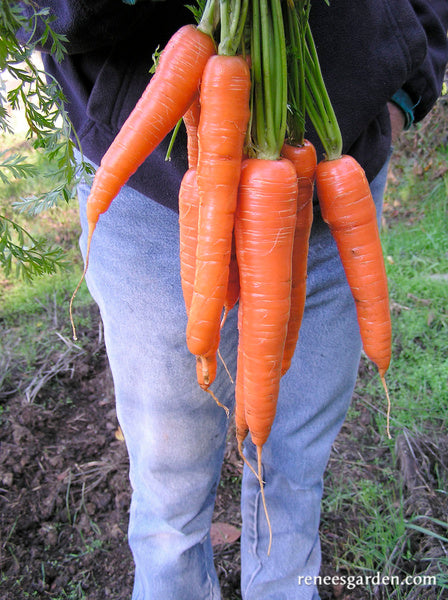
Long Sweet Carrots King Midas
START SEEDS OUTDOORS
In spring once danger of hard frost is past, sow seeds in full sun in finely worked, fertile soil. Sow 1/4 inch deep and 1/2 inch apart in rows 8 inches apart, or broadcast thinly in beds and cover lightly. Keep seed bed evenly moist as carrots can be slow to germinate, emerging over 10 to 21 days. If first sowing comes up unevenly, replant right away as seedlings catch up quickly. Thin young carrots several times so seedlings are 2 to 3 inches apart and have room to size up.
GROWING NOTES
Carrots like well-worked soil and need consistent moisture to grow well. If your soil tends to dry out, cover seedbed with floating row covers to help retain moisture during the germination period. Keep carrots well weeded throughout the growing season. Plant again 3 months before first expected fall frost for a late crop.
HARVEST AND USE
Let carrots size up to at least 6 to 8 inches long before pulling for best sweet flavor. Eat them raw, sliced up as tasty fresh snacks, sautéed, steamed or braised. Set off their flavor with fresh lemon or orange juice and a sprinkling of minced herbs like fresh mint or thyme or glaze with a little honey, ginger or cinnamon. Wonderful in colorful stir-fries all season long.
Regular price $2.99Sale price $2.99Unit price per -
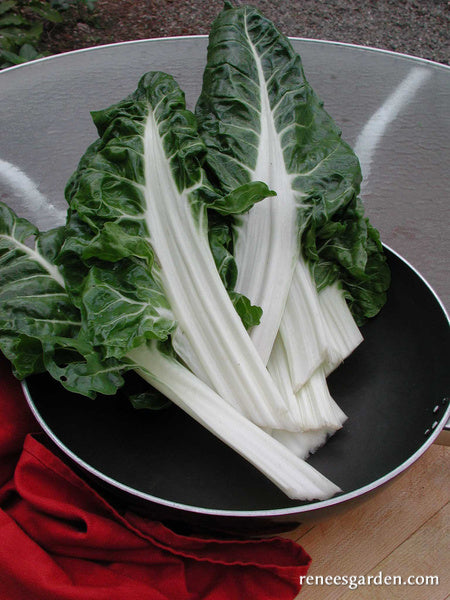
Heirloom Chard Italian Silver Rib
START SEEDS OUTDOORS
In early spring when danger of hard frost is over, sow seeds in well-worked, fertile soil in full sun. Sow seeds 1/2 inch deep and 2 inches apart in rows 10 inches apart, or broadcast very thinly for bed planting. Firm soil well over these irregularly shaped seeds to ensure good germination. If first sowing germinates unevenly, plant more seed in the rows as seedlings catch up quickly. Thin when seedlings are large enough to handle, using thinnings as early greens. Final spacing should be 12 to 18 inches apart so chard plants have room to mature.
GROWING NOTES
Chard grows well in a wide range of conditions and can take some frost. In mild winter areas, it can be grown year round. Thin seedlings well as chard grows into large vase-shaped plants 2 feet tall.
HARVEST AND USE
Begin harvesting when plants are well established and have 6 to 8 stalks. Both the crunchy succulent stalks and leaves make great eating. Chop and sauté chard with garlic and olive oil or pair with sautéed mushrooms and onions. Try steamed and topped with a sprinkle of vinegar or fresh lemon juice. Use like spinach in lasagna or minestrone soup.
Regular price $2.99Sale price $2.99Unit price per -
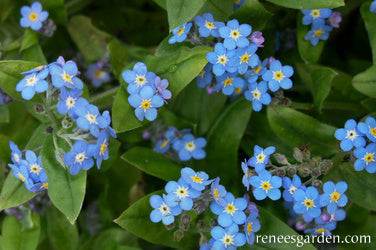
Forget-Me-Nots Azure Bluebirds
HARDY ANNUAL
Spring/summer bloom
Can handle frostEASIEST TO PLANT DIRECTLY IN THE GARDEN
Sow seeds directly into a finely textured, well-drained garden bed as early in spring as the ground can be worked, or in mid-summer where winters have only light frosts. Space seeds 2 to 3 inches apart and cover 1/4 inch deep. Keep soil moist as seedlings emerge in 7 to 14 days. Weed young seedlings carefully and thin before they get too crowded for best displays of flowers.
THIN OR TRANSPLANT
Extra thinned seedlings can easily be transplanted elsewhere in groups of 5-7 plants.
GROWING NOTES
In mild winter climates plants sown in midsummer (late July to mid August) develop throughout late summer and early autumn to flower abundantly the following spring.
In cold winter areas very early spring planting is fine. Forget-Me-Nots will naturalize easily. Pull out plants when bloom is finished and shake seed out if you want them to naturalize on their own.
Regular price $2.99Sale price $2.99Unit price per -
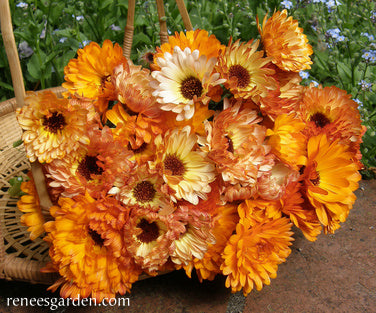
Butterfly Flowers Flashback Calendula
HARDY ANNUAL
Spring/fall bloom
Takes light frostTO START OUTDOORS
Calendulas bloom best in cool weather, so plant in early spring. Sow seeds 1 inch apart in well-drained soil in full sun. Cover 1/2 inch deep, firm soil and keep seed bed moist. Germination takes 1 to 2 weeks. After seedlings are well established, thin or transplant 8 inches apart to allow for good air circulation and discourage mildew. Calendulas can be sown again in midsummer for fall bloom.
TO START EARLY INDOORS
In early spring, sow seeds 1 inch apart in a container of seed starting mix and cover 1/2 inch deep. Keep evenly moist as seedlings emerge and provide a good light source until ready to plant outdoors. Transplant when seedlings are about 2 to 3 inches tall after gradually acclimating plants to outdoor conditions. Thin or transplant seedlings 8 inches apart for best performance.
GROWING NOTES
Plant when weather is cool to get sturdy plants that bloom for many weeks if faded flowers are removed. Grow this quick-flowering, easy annual along with snapdragons, cornflowers and pansies for late spring bloom. In mild climates, sow again in late summer for winter or very early spring flowers.
Regular price $2.99Sale price $2.99Unit price per -
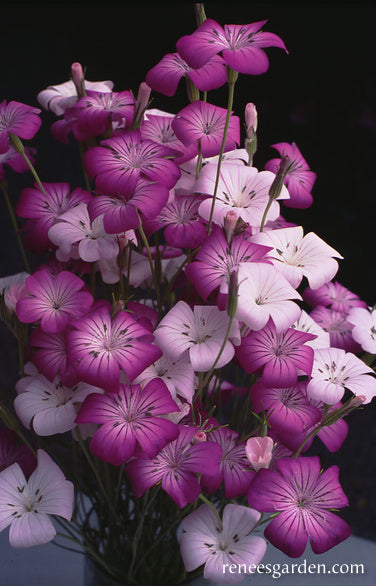
Agrostemma Purple Queen and Pink Contessa
HARDY ANNUAL
Spring/summer bloom
Frost HardyBEST TO PLANT DIRECTLY IN THE GARDEN
Mild Winter Climates: Sow seeds either in early spring or in late fall to germinate and form deep roots for a long spring bloom.
Cold Winter Climates: Sow seed as early in spring as soil can be worked. Space seeds 1 to 2 inches apart in well-drained soil in full sun or partial shade in hot areas. Cover 1/4 inch deep, firm soil and keep seed bed moist. Be patient; germination takes 14 to 21 days. After seedlings are well established and 2 or 3 inches tall, thin or transplant 8 to 10 inches apart. Keep plants well watered and weeded for best performance.
TO START EARLY INDOORS
Sow seeds 1 inch apart in seed-starting mix, 4 to 6 weeks before last expected frost. Cover 1/4 inch deep, keep moist and provide a good light source until ready to plant outside when the weather warms up. Thin or transplant seedlings 8 to 10 inches apart when large enough to handle.
GROWING NOTES
Spring Sowing: plant seed as early as soil can be worked to get sturdy plants that will provide many weeks of graceful bloom.
Fall Sowing: wait until soil has cooled in late fall. Extend the blooming season by cutting faded flowers before seed pods develop.
Regular price $3.39Sale price $3.39Unit price per -
Heirloom Flowers Mountain Garland Clarkia
HARDY ANNUAL
Summer/Fall bloom
Can handle light frostEASIEST TO START DIRECTLY IN THE GARDEN
As early in spring as ground can be worked, sow seeds 1 inch apart into a finely textured garden bed in full sun. In climates where the ground doesn’t freeze, sow seed in late fall for bloom the following spring. Cover very lightly, about 1/8 inch deep and keep soil moist as seedlings emerge. Weed and water carefully and thin before they get too crowded.
TO START EARLY INDOORS
Start seed indoors 4 weeks before last spring frost date. Sow seeds an inch apart in a container of seed starting mix. Cover very lightly, keep evenly moist and provide a strong light source until seedlings are ready to plant outdoors. Plant in the garden when seedlings are large enough to handle. Thin or transplant seedlings 6 inches apart.
GROWING NOTES
Clarkia grows well in a wide range of conditions, but if you are in a very hot, humid climate, planting in a spot with afternoon shade will extend flowering. These carefree wildflowers thrive in well-drained soil. Plant in mixed borders or anywhere you want an informal effect of vibrant color and armfuls of entrancing flowers to bring indoors.
Regular price $2.99Sale price $2.99Unit price per -
Nantes Carrots Yaya
START SEEDS OUTDOORS
In spring once danger of hard frost is past, sow seeds in full sun in finely worked, fertile soil. Sow 1/4 inch deep and 1/2 inch apart in rows 8 inches apart, or broadcast thinly in beds and cover lightly. Keep seedbed evenly moist as carrots can be slow to germinate, emerging over 10 to 20 days. If first sowing comes up unevenly, replant right away as seedlings catch up quickly. Be sure to thin young carrots several times so seedlings are about 2 inches apart and have room to size up.
GROWING NOTES
Carrots like well-worked soil and need consistent moisture to grow well. If your soil tends to dry out, cover seedbed with floating row cover or burlap to help retain moisture during the germination period and water right through it. Keep carrots well watered and thinned. For a late season crop, sow again 3 months before first expected frost.
HARVEST AND USE
Let young carrots size up and color fully to orange before harvesting for best flavor. Sauté or steam just until tender crisp and serve with a squeeze of fresh lemon or lime juice, sweet butter and fresh dill; or try buttered and glazed with a little maple syrup or honey.
Regular price $4.89Sale price $4.89Unit price per -
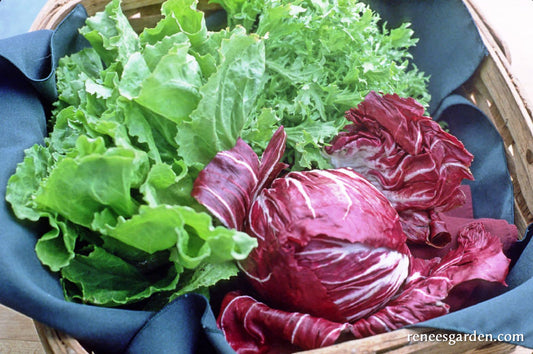
Signature Salads Crispy Winter Greens
START SEEDS OUTDOORS
At midsummer, or early fall in mild climates, sow seeds in a sunny garden bed 1/4 inch deep and 1 to 2 inches apart in rows 12 inches apart. Or, if it is still over 80°F (27°C) at sowing time, sow seeds in containers in a spot out of direct sun, but with bright light all day. Tend carefully and keep evenly moist. When seedlings are a few inches tall with several sets of leaves, transplant into the garden a foot apart. Gradually thin directly sown seedlings to stand 1 foot apart to allow heads room to mature.
GROWING NOTES
Savor earliest thinnings in fall salads. Cool weather will bring vigorous growth. These tasty greens tolerate cold weather and light frosts well but require consistent moisture. Weed, water and thin carefully and feed monthly for best quality salad heads.
HARVEST AND USE
Radicchio is best harvested when red heads have formed inside the outer green “wrapper” leaves. Pick entire heavy rosettes of escarole and curly endive. Cut up and enjoy these hearty salads with either simple vinaigrettes or rich, creamy dressings. Try tossed with cooked chicken, meat or cubed cheese and olives for delicious whole meal salads. Add toasted nuts and cubed apples or pears for a delicious flavor contrast.
Regular price $3.69Sale price $3.69Unit price per -
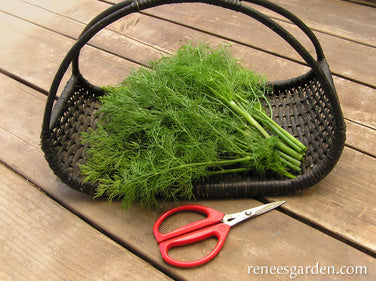
Kitchen Herbs Dukat Leafy Dill
ANNUAL
Spring/summer/fall harvest
Can handle light frostsEASIEST TO PLANT OUTDOORS
In early spring, sow dill seed directly into well-drained garden soil 1 to 2 inches apart in rows 6 inches apart in full sun and cover seeds 1/4 inch deep. Make small sowings every few weeks to have successive harvests of fresh leaves. Keep seed bed evenly moist while awaiting germination in 7 to 14 days.
TO START INDOORS
Sow dill seed thinly in individual pots of seed starting mix. Cover 1/4 inch deep and keep moist as seedlings emerge in 7 to 14 days. Provide a good light source. Transplant when seedlings are about 2 inches tall after gradually acclimating to outdoor conditions. Don’t let seedlings get crowded before planting outside.
THIN OR TRANSPLANT
Space groups of 2 or 3 seedlings about 4 inches apart when seedlings are large enough to handle.
GROWING NOTES
Keep plants well watered and thinned; crowded seedlings won’t make the lush growth desired for fresh leaf harvests and will form seed heads too early. Make several successive sowings for plenty of leafy dill fronds followed by seed heads to use for pickles and other savory dishes.Regular price $2.99Sale price $2.99Unit price per -
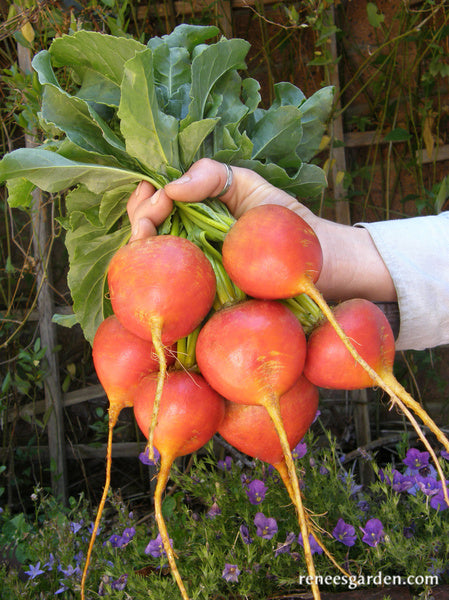
Gourmet Beets Golden
START SEEDS DIRECTLY OUTDOORS
In early spring, when danger of hard frost is over, sow seeds in well-worked, fertile soil in full sun. Space seeds 1 inch apart in rows 8 to 10 inches apart, or broadcast evenly for bed planting. Firming soil well over these irregularly shaped seeds will ensure best germination. If first sowing comes up unevenly, sow more seeds as seedlings will catch up fast. When large enough, carefully thin seedlings to 3 to 4 inches apart so growing beets have room to size up.
GROWING NOTES
For best quality, tender roots, sow seeds before midsummer heat and again in late summer to early fall—in cold climates, allow at least 10 weeks before fall frosts. Keep soil evenly moist throughout the season. Be sure to thin seedlings several times when plants are small, as beets grow best if given enough room.
HARVEST AND USE
After thinning seedlings, use tender young tops for nutritious, flavorful steamed greens. Harvest baby beets at 1 to 2 inches in diameter, or let roots grow as large as desired. Garden fresh beets cook quickly. They are delicious steamed, boiled or baked whole in their skins like potatoes, then peeled for wonderful color and sweet concentrated flavor. Golden color does not “bleed” like red beets.
Regular price $3.99Sale price $3.99Unit price per -
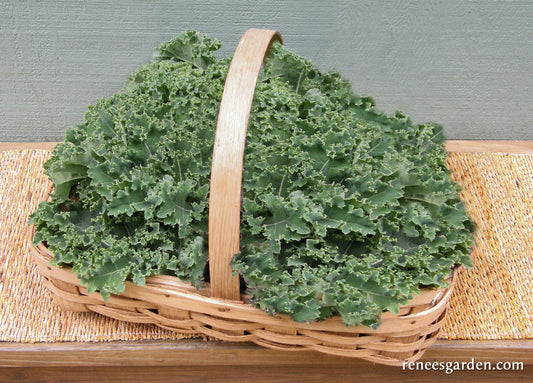
Triple-Curled Kale Dutch Darkibor
TO START DIRECTLY IN THE GARDEN
As soon as ground can be worked in spring, prepare a well-drained, fertile garden bed in full sun. Sow seeds 2 inches apart in rows 12 to 18 inches apart. Cover 1/2 inch deep and keep soil evenly moist to ensure good germination. Sow again in late summer for another cold-hardy crop.
TO START INDOORS
Sow seeds in a container of seed starting mix 2 inches apart and cover 1/2 inch deep. Keep moist and provide a strong light source until seedlings are 3 to 4 inches tall then plant outdoors. Space 10 to 12 inches apart so plants have room to mature.
GROWING NOTES
Kale tastes best in cool weather so sow spring crops early. A crop sown in late summer will yield through fall and winter except in the coldest climates. Frost actually enhances kale leaves’ color, flavor and sweetness. Mulch to retain moisture in summer and before the ground freezes to protect the roots of fall crops.
HARVEST AND USE
Begin harvesting outer leaves when plants have 6 to 8 leaves. Vitamin-rich kale is delicious in hearty winter soups, stews and sautés; or braise the beautiful leaves with garlic and olive oil in traditional Mediterranean style. Pull and discard once plants begin to bloom since the leaves of flowering stalks get tough and bitter.
Regular price $3.99Sale price $3.99Unit price per -
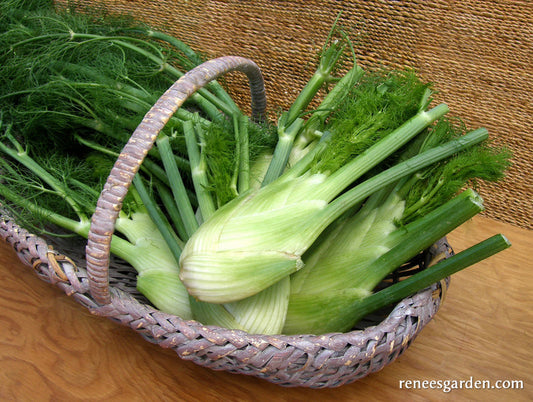
Heirloom Bulbing Fennel Romanesco
STARTING SEEDLINGS
In early spring when danger of hard frost is over, sow seeds in well-worked, fertile soil in full sun. Space seeds 4 inches apart in rows 12 inches apart and cover seed 1/2 inch deep. Carefully thin when seedlings are large enough to handle to stand 10 to 12 inches apart so bulbs have room to grow and mature. Or start seeds indoors in a container of seed starting mix. Keep moist and provide a strong light source until seedlings are 3 or 4 inches tall and ready to transplant as above.
GROWING NOTES
For tender, best quality bulbs, fennel needs rich soil and cool growing weather, so sow seeds as early as the ground can be worked and again in midsummer for fall harvesting. Be sure seedlings are thinned or transplanted 10 to 12 inches apart. Keep plants evenly moist throughout the growing season – mulching is a good strategy. Fennel is a heavy feeder, so fertilize every 2 to 3 weeks with a high nitrogen fertilizer such as fish emulsion.
HARVEST AND USE
When bulbs are full and plump, cut them off at soil level. Trim the feathery leaves down to the solid base. Slice the crispy bulbs and add to salads, or eat with dips, or grill or sauté. The leafy tops are a great seasoning for seafood, especially salmon. Fennel’s flavor is like sweet anise/ celery that becomes deeper and richer with cooking.
Regular price $4.89Sale price $4.89Unit price per -
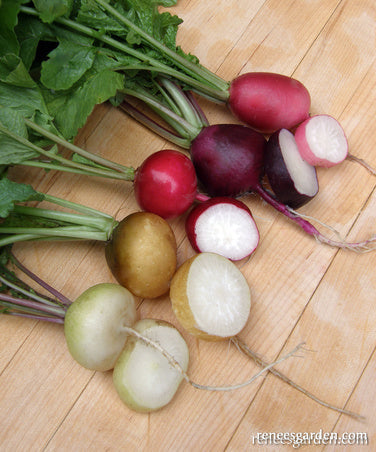
Five Color Radish Mix Garden Party
START SEEDS OUTDOORS
In early spring as soon as ground can be worked, sow radish seeds in well-worked, fertile soil in full sun. Space seeds 1 inch apart in wide rows 6 inches apart. Keep soil evenly moist and well weeded. If first sowing comes up unevenly, replant right away. Sow in late summer for a fall crop.
GROWING NOTES
Sow this quick cool season crop wherever you intend to plant heat lovers later. Radishes thrive with crisp flesh and mild flavor when given consistent moisture. Sow small amounts a week apart to mature in warm but not hot weather. Thin quick-growing seedlings early to 2 inches apart so roots have room to size up. Protect radishes with floating row covers if marauding birds or flea beetles that chew holes in the leaves are a problem.
HARVEST AND USE
Pull radishes when young round roots have reached the size of large marbles. If weather turns hot, harvest, cut off tops and store in fridge. Radish flavor is mildest in cool weather, spicier in hot conditions. Picked young and tender, this appealing five color mix makes crispy snacks, attractive appetizers, and adds flavor and crunchy texture to salads. Especially delicious sliced and tossed with a sesame or miso flavored dressing.
Regular price $3.99Sale price $3.99Unit price per -
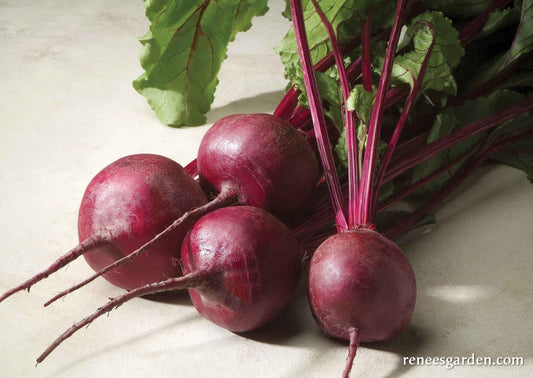
Roasting Beets Sweet Merlin
START SEEDS OUTDOORS
In early spring, when danger of hard frost is over, sow seeds in well-worked, fertile soil in full sun. Sow seeds 1 inch apart and 1/2 inch deep in rows 8 inches apart, or broadcast thinly for bed planting. Firm soil well over these irregularly shaped seeds to ensure good germination.
If first sowing germinates unevenly, plant more seed as seedlings will catch up fast. Carefully thin young seedlings to 3-4 inches apart so individual beets have room to size up.
GROWING NOTES
For best quality beets, sow seeds before midsummer heat and again in early fall. Keep soil evenly moist throughout the growing season. Be sure to thin beet seedlings carefully several times as they grow best when given enough room.
HAREVST AND USE
Harvest mature beets when at least several inches in diameter or size them up even bigger. Cut off the tops and reserve. Wash the roots, wrap in foil and then roast to perfection in a preheated 350° F oven until tender when pierced—takes at least an hour, depending on your oven. Cool, peel, slice and enjoy with butter and chopped fresh herbs. Or simply peel, slice and add roasted beets to salads. Steam the tender beet tops for tasty and nutritious greens.
Regular price $4.39Sale price $4.39Unit price per -
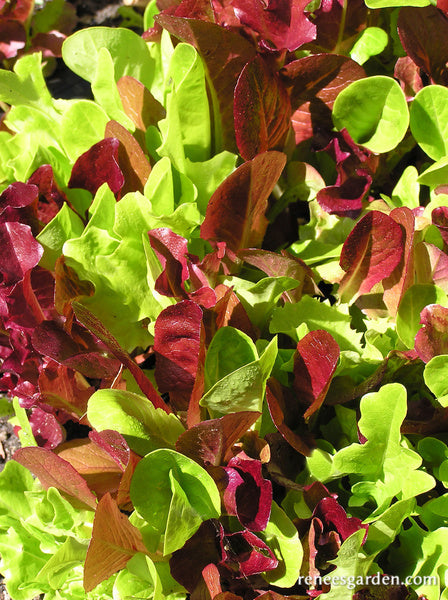
Farmers Market Lettuce Blend Sweet Greens & Reds
START SEEDS OUTDOORS
In cool early spring weather, sow seeds in finely worked soil in full sun. Shake seeds from the palm of your hand, broadcasting them about 1/2 inch apart over the entire seedbed or in wide rows, and cover lightly and evenly with 1/4 inch of fine soil. Firm soil gently and water with a fine spray. Keep seedbed evenly moist. Make small successive sowings until summer weather turns hot for a constant supply. Plant again in late summer for fall harvesting.
GROWING NOTES
Mixed lettuces thrive in mild weather with consistent moisture. To extend the sowing season into hot weather, sow in light shade or erect a canopy of loosely woven shade cloth over the bed. Birds are often attracted to tender young seedlings, so protect them if necessary.
HARVEST AND USE
To harvest by the “cut and come again” method, wait until plants are 4 or 5 inches tall. Cut as much lettuce as you need, using scissors to shear off a patch of leaves 1 to 2 inches above the soil level. Water well and fertilize lightly and plants will regrow for several more cuttings. Dress with a simple vinaigrette to enjoy the sweet flavor and juicy texture of these delicate young leaves at their best.
Regular price $2.99Sale price $2.99Unit price per -
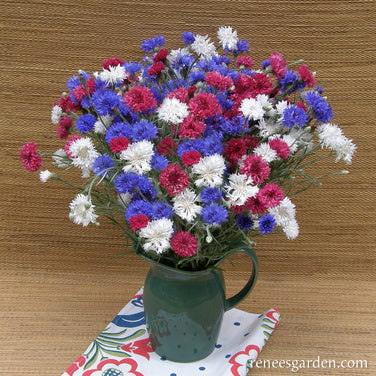
Heirloom Cornflowers 4th Of July Mix
HARDY ANNUA
Spring/summer bloom
Can handle light frostTO START OUTDOORS
Sow seeds in a finely textured garden bed in full sun as soon as soil can be worked. In mild winter areas, where the ground doesn’t freeze, plant in fall for next spring’s bloom. Space seeds 1 to 2 inches apart and cover 1/2 inch deep. Keep seed bed moist until seedlings emerge in 7 to 10 days. Weed and water carefully. Thin seedlings to 6 to 8 inches apart.
TO START EARLY INDOORS
Sow seeds 1 to 2 inches apart in a container of seed starting mix, 2 or 3 weeks before last expected frost. Cover 1/2 inch deep, keep moist and provide a good light source until seedlings are transplanted outside. Plant 6 to 8 inches apart into fertile garden soil in full sun when plants are 3 to 4 inches tall. Seedlings grow quickly; plant out before the roots get crowded.
GROWING NOTES
In Mild Winter Areas the best cornflowers (aka Bachelor Buttons) result from seeds sown in fall to bloom the next spring. In Cold Winter Areas where ground freezes, plant in early spring to get sturdy plants that will flower for many weeks if faded blossoms are removed.
Regular price $2.99Sale price $2.99Unit price per -
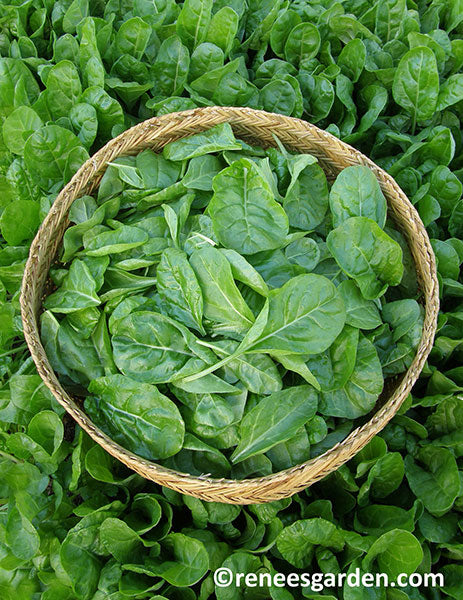
Tender Chard Special Baby Leaf
BEST TO START DIRECTLY OUTDOORS
Beginning in early spring, sow seeds in finely worked soil in full sun. Shake seeds loosely from your hand, broadcasting about 1 inch apart over the entire seedbed or in wide rows, and cover lightly and evenly with 1/4 to 1/2 inch of fine soil. Firm soil gently and water in with a fine spray, then keep seedbed evenly moist. For a constant supply, makes successive sowings every three weeks until summer weather turns really hot. Plant again in late summer for fall harvesting.
GROWING NOTES
For best flavor, baby leaf chard needs consistent moisture and mild weather. Birds love tender young seedlings,so protect them as necessary with netting or floating row covers. This attractive edible will also grow well in pots at least 18 to 20 in. across to snip as needed for salads or stirfry.
HARVEST AND USE
To harvest by the “cut and come again” method: when plants are 4 to 5 in. tall, cut as much as you need, by using scissors to shear off leaves 1 to 2 in. above the soil level. Water well and fertilize lightly and plants will regrow for several more cuttings. These tender, crisp and juicy baby leaves are delicious in fresh salads. Or stirfry, braise or sauté very quickly for healthy, tasty greens.
Regular price $3.69Sale price $3.69Unit price per