more-cruciferous-vegetables
-
Cauliflower Fioretto
BEST TO START INDOORS
Start seeds 4 to 5 weeks before last expected frost. Sow 1 inch apart in a container of seed starting mix and cover ¼ inch deep. Keep moist but not soggy. Provide a strong light source until seedlings are ready to plant out. When seedlings have 2 to 3 sets of true leaves, acclimate to outdoor conditions and transplant 12 to 18 inches apart into rich, well-drained soil in full sun. In mild winter climates, sow again in mid-summer for a fall crop.
TO START OUTDOORS
About 4 to 6 weeks before last frost, sow groups of 2 to 3 seeds 12 to 18 inches apart and ¼ inch deep in well-drained, fertile soil in full sun. Tend carefully and thin to 1 strong seedling per group when several inches tall. Proper thinning is critical for successful heads.
GROWING NOTES
Plant in very fertile, well-drained soil in full sun. Keep well weeded and watered to provide the rapid growth cauliflower requires to form good heads. Harvest Fioretto when the cream-colored heads have expanded and the florets begin to separate. When cut up in the kitchen, Fioretto will divide cleanly into individual floret sections. Use Non-toxic “BT”(Bacillus thuringiensis) products to control caterpillar pests.
HARVEST AND USE
Fioretto has been bred to break cleanly and easily into perfect florets for salads, sautés, or toss in olive oil and roast till sweetly succulent. Note: cooks very quickly when garden-fresh!
Regular price $4.99Sale price $4.99Unit price per -
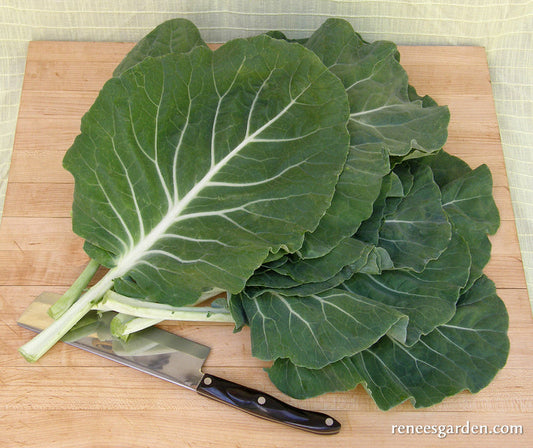
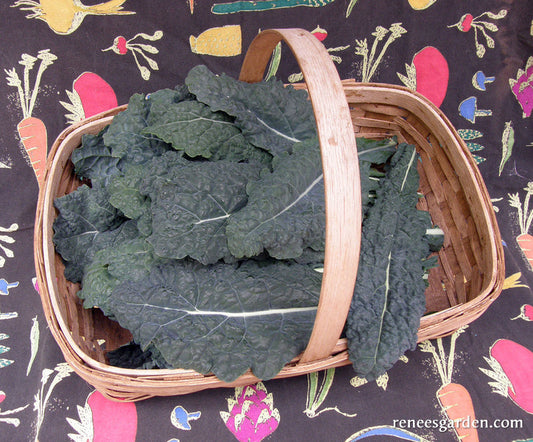
Portuguese Kale Tronchuda Beira
TO START DIRECTLY IN THE GARDEN
As soon as ground can be worked in spring, prepare a well-drained, fertile garden bed in full sun. Sow groups of 2 to 3 seeds, each group 12 to 18 inches apart. Cover 1/4 deep and keep soil evenly moist to ensure good germination. Thin to one seedling per group when several inches tall. Sow again in mid to late summer for another cold-hardy crop.
TO START INDOORS
Sow seeds in a container of seed starting mix 2 inches apart and cover 1/4 inch deep. Keep moist and provide a strong light source until seedlings are 3 to 4 inches tall, then plant outdoors. Space 12 to 18 inches apart.
GROWING NOTES
Kale can be sown in spring as early as the ground can be worked. A second mid to late summer-sown crop will yield through fall and winter except in the coldest climates. Frost actually enhances kale leaves’ color, flavor and sweetness. Mulch to retain moisture in summer and before the ground freezes to protect the roots of fall crops.
HARVEST AND USE
Begin harvesting large individual outer leaves when plants have 6 to 8 big leaves. Enjoy sautéed, stirfried, braised or added to soups and stews. Portuguese kale pairs well with olive oil, garlic and lemon juice (reneesgarden.com/portuguese-kale-soup). Pull and discard once plants begin to bloom as the leaves of flowering stalks get tough and bitter.
Regular price $3.99Sale price $3.99Unit price per -
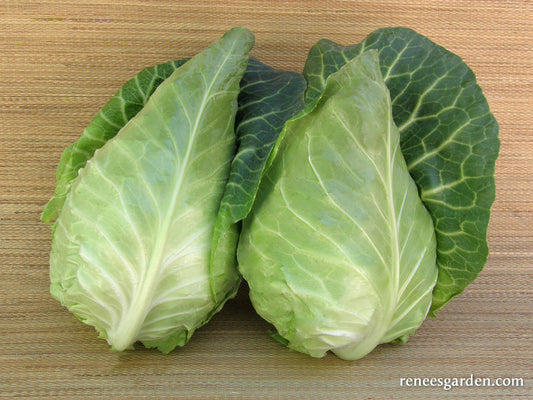
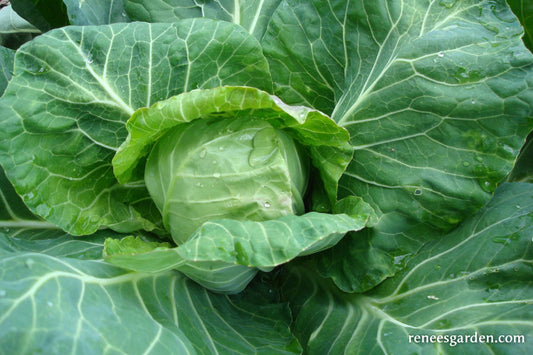
Pointed Sweetheart Cabbage Conehead
TO START INDOORS
Start seeds 4 to 5 weeks before last spring frost. Sow 1 inch apart in seed starting mix, cover 1/2 inch deep and keep evenly moist. Provide a strong light source until seedlings are ready to plant out. When several inches tall, transplant seedlings 10 inches apart into rich soil in full sun, after gradually acclimating to outdoor conditions.
TO START DIRECTLY OUTDOORS
When all danger of frost is over, plant in well-worked, fertile soil in full sun. Sow groups of 2 to 3 seeds 10 inches apart in rows spaced 1 foot apart. When seedlings are several inches tall, thin to 1 strong plant every 10 inches. Mild Winter Areas: Sow again midsummer for a fall crop.
GROWING NOTES
Cabbage needs full sun and rich, well-drained soil to produce firm, sweet heads. To avoid stunting growth, don’t let seedlings get crowded before thinning or transplanting. Keep weeded and evenly watered. Feed monthly with fish emulsion or any high nitrogen fertilizer. Use non-toxic B.T. (Bacillus thuringiensis) for caterpillar pests. Floating row covers provide a good barrier method to exclude pests. Remove covers when heads begin to form.
Regular price $3.99Sale price $3.99Unit price per -
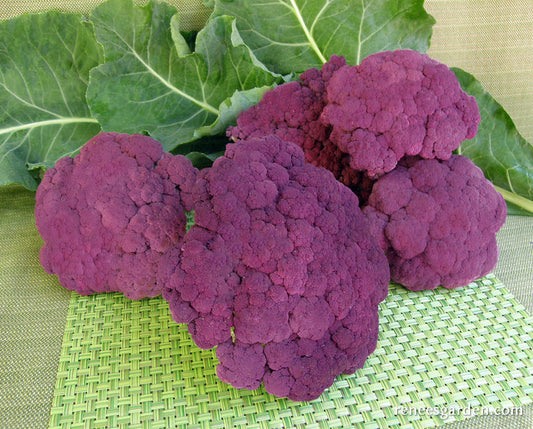
Cauliflower Purple Crush
BEST TO START INDOORS
Start seeds 4 to 5 weeks before last expected frost. Sow 1 inch apart in a container of seed starting mix and cover 1/4 inch deep. Keep moist but not soggy. Provide a strong light source until seedlings are ready to plant out. When seedlings have 2 to 3 sets of true leaves, acclimate to outdoor conditions and transplant 12 to 18 inches apart into rich, well-drained soil in full sun. In mild winter climates, sow again in mid-summer for a fall crop.
TO START OUTDOORS
About 4 to 6 weeks before last frost, sow groups of 2 to 3 seeds 12 to 18 inches apart and 1/4 inch deep in well-drained, fertile soil in full sun. Tend carefully and thin to 1 strong seedling per group when several inches tall. Proper thinning is critical for successful heads.
GROWING NOTES
Fertilize growing cauliflower every three weeks and keep well weeded and watered to provide the rapid growth cauliflower requires to form good heads. Purple Crush’s outer wrapper leaves help shield its heads from sun discoloration. Harvest the deep purple heads promptly when fully filled out. Nontoxic “BT” (Bacillus thuringiensis) products work well to control caterpillar pests.
HARVEST AND USE
Enjoy Purple Crush in salads, with dips, or break into florets and lightly steam or toss with olive oil and oven roast till tender. Remember: garden fresh cauliflower cooks more quickly than store-bought!
Regular price $4.99Sale price $4.99Unit price per -
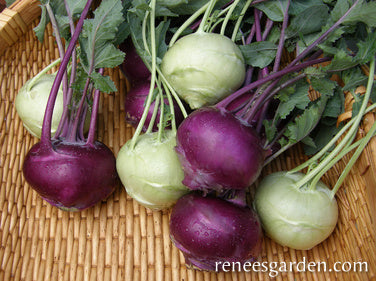
Gourmet Kohlrabi Crispy Colors Duo
TO START SEEDS DIRECTLY IN THE GARDEN
In early spring, as soon as ground can be worked, plant in well-drained, fertile soil in full sun. Sow seeds 1 inch apart in rows 6 to 8 inches apart. Cover 1/2 inch deep and keep soil evenly moist for good germination. When seedlings are 3 inches tall, thin to stand 4 to 6 inches apart, ensuring that the bulbs have enough room to grow rapidly. Sow again in late summer for another crop.
TO START EARLY INDOORS
Start seeds 4 to 5 weeks before last expected spring frost. Sow 1 inch apart in a container of seed starting mix, cover 1/2 inch deep and keep evenly moist. Provide a strong light source until ready to plant out. When 3 inches tall, transplant seedlings 4 to 6 inches apart into rich, well-drained soil in full sun.
GROWING AND HARVEST
Plant in rich fertile soil. Fertilize regularly and water consistently to ensure the steady growth that produces the best tasting, sweetest kohlrabi. Harvest when bulbs are about 2 to 3 inches in diameter. Peel, slice and enjoy their crisp flesh raw or cook and serve mashed with butter, in soup or with a cream sauce.
Regular price $3.99Sale price $3.99Unit price per -
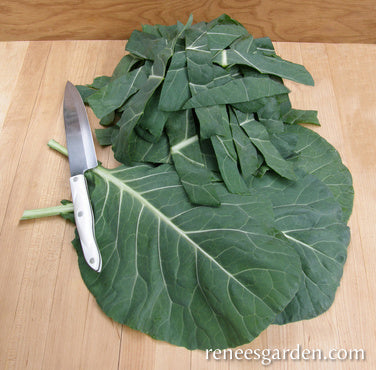
Gourmet Collards Green Flash
TO START DIRECTLY IN THE GARDEN
As soon as ground can be worked in spring, prepare a well-drained, fertile garden bed in full sun. Sow groups of 2 to 3 seeds, each group 12 to 18 inches apart. Cover 1/4 inch deep and keep soil evenly moist to ensure good germination. When several inches tall, thin to 1 seedling per group so plants have growing room. Mulch growing plants well to retain moisture. Keep well weeded and watered. Sow again in mid to late summer for another cold hardy crop.
TO START INDOORS
Sow seeds in a container of seed starting mix 2 inches apart and cover 1/4 inch deep. Keep moist and provide a strong light source until seedlings are 3 to 4 inches tall then plant outdoors when danger of frost is over. Transplant seedlings into rich, fertile soil 12 to18 inches apart.
HARVEST AND USE
Begin harvesting large individual outer leaves when plants have 6 to 8 big leaves. Enjoy tasty and highly nutritious collards cooked up in traditional Southern style. Or, chop the leaves and wilt them briefly in hot olive oil with garlic, then add little stock and cook until just tender, sprinkling with fresh lemon juice before serving.
Regular price $3.99Sale price $3.99Unit price per -
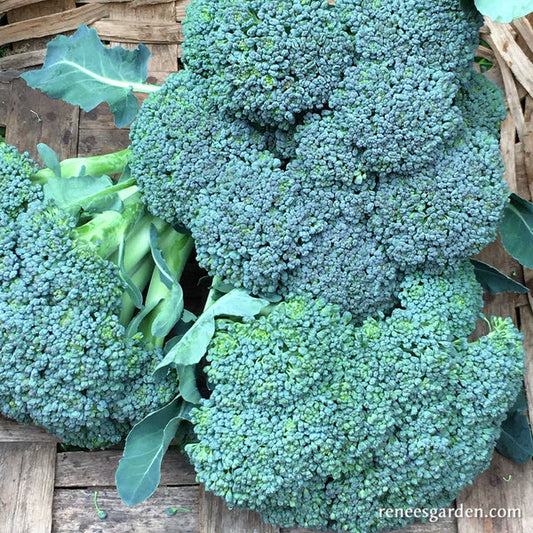
Early Heading Broccoli Batavia
BEST TO START INDOORS
Start seeds 4 or 5 weeks before last expected spring frost and again in midsummer for a fall crop. Sow seeds 1 inch apart in a container of seed starting mix, cover 1/2 inch deep and keep evenly moist. Provide a strong light source until seedlings are ready to plant out. When seedlings are 3 to 4 inches tall, gradually acclimate to outdoor conditions, then transplant 12 to 18 inches apart into rich, well-drained soil in full sun.
TO START OUTDOORS
Sow seeds in well-worked, fertile soil in full sun. Plant groups of 2 to 3 seeds 1/2 inch deep and 12 inches apart. Space rows 18 inches apart. Thin to 1 strong seedling per group so plants have room to mature and grow.
GROWING NOTES
Broccoli needs rich, fertile soil and cool growing weather to produce big heads. Prepare soil well and do not let seedlings get too crowded before thinning or transplanting or the heads will be stunted. Keep well watered and weeded. Feed at least monthly with all purpose fertilizer. Use nontoxic B.T. (Bacillus thuringiensis) products to repel caterpillar pests as necessary.
HARVEST AND USE
Harvest the main head before florets open by cutting about halfway down the stalk. This will encourage numerous side shoots to form for extended picking from each plant.
Regular price $4.89Sale price $4.89Unit price per -
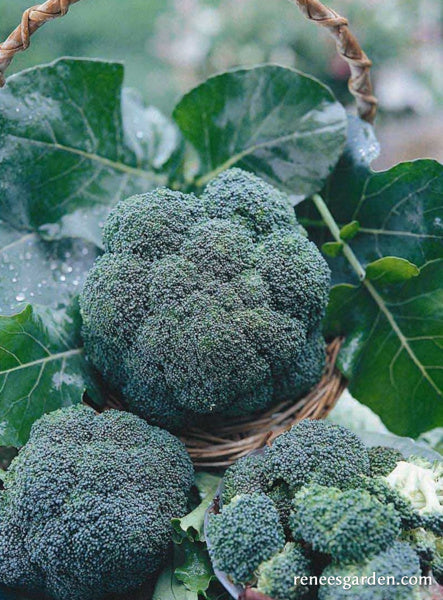
Long Harvest Broccoli All Season Blend
BEST TO START INDOORS
Start seeds 4 or 5 weeks before last expected spring frost and again in midsummer for a fall crop. Sow seeds 1 inch apart in a container of seed starting mix, cover ½ inch deep and keep evenly moist. Provide a strong light source until seedlings are ready to plant out. When seedlings are 3 to 4 inches tall, transplant 12 to 18 inches apart into rich, well-drained soil in full sun, after gradually acclimating to outdoor conditions.
TO START OUTDOORS
Sow seeds in well-worked, fertile soil in full sun. Plant groups of 2-3 seeds 1/2 inch deep and 12 inches apart. Space rows 18 inches apart. Thin to 1 strong seedling per group so plants have room to mature and yield.
GROWING NOTES
Broccoli needs rich soil and cool growing weather to produce big heads. Prepare soil well and do not let seedlings get too crowded before transplanting or you will stunt heads. Keep well watered and weeded and feed monthly with all purpose fertilizer. Use nontoxic B.T. (Bacillus thuringiensis) products to repel caterpillar pests as necessary.
HARVEST AND USE
Harvest the main head before florets open by cutting about halfway down the stalk. This will encourage smaller side shoots to form for extended picking from each plant.
Regular price $3.99Sale price $3.99Unit price per -
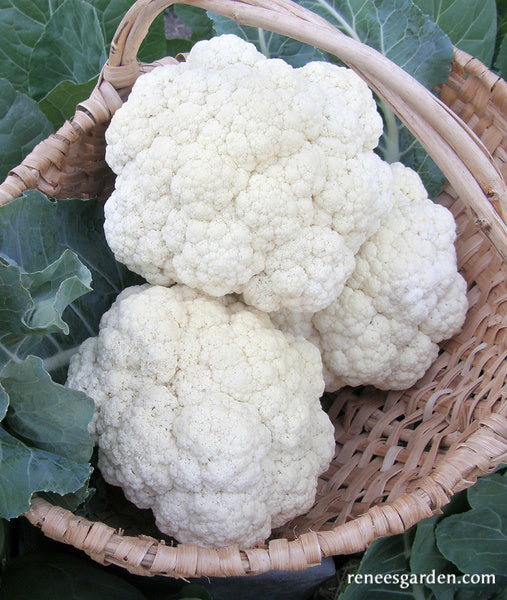
Cauliflower Amazing Taste
BEST TO START INDOORS
Start seeds 4 to 5 weeks before last expected frost. Sow 1 inch apart in a container of seed starting mix and cover 1/4 inch deep. Keep moist but not soggy. Provide a strong light source until seedlings are ready to plant out. When seedlings have 2 to 3 sets of true leaves, acclimate to outdoor conditions and transplant 12 to 18 inches apart into rich, well-drained soil in full sun. In mild winter climates, sow again in mid-summer for a fall crop.
TO START OUTDOORS
About 4 to 6 weeks before last frost, sow groups of 2 to 3 seeds 12 to 18 inches apart and 1/4 inch deep in well-drained, fertile soil in full sun. Tend carefully and thin to 1 strong seedling per group when several inches tall. Proper thinning is critical for successful heads.
GROWING NOTES
Fertilize growing cauliflower every three weeks and keep well weeded and watered to provide the rapid growth cauliflower requires to form good heads. Amazing Taste’s outer wrapper leaves help shield its heads from sun discoloration. Harvest the pure white heads promptly when fully filled out. Nontoxic “BT” (Bacillus thuringiensis) products work well to control caterpillar pests.
HARVEST AND USE
Enjoy Amazing in salads, with dips, or break into florets and lightly steam or toss with olive oil and roast till tender. Note: Cauliflower will cook more quickly when fresh from the garden.
Regular price $4.69Sale price $4.69Unit price per -
Italian Heirloom Kale Lacinato
TO START DIRECTLY IN THE GARDEN
As soon as ground can be worked in spring, prepare a well-drained, fertile garden bed in full sun. Sow seeds 2 inches apart in rows 12 to 18 inches apart. Cover 1/2 inch deep and keep soil evenly moist to ensure good germination. Sow again in late summer for another cold-hardy crop.
TO START INDOORS
Sow seeds in a container of seed starting mix 2 inches apart and cover 1/2 inch deep. Keep moist and provide a strong light source until seedlings are 3 to 4 inches tall then plant outdoors. Space 10 to 12 inches apart so plants have room to mature.
GROWING NOTES
Kale tastes best in cool weather so sow spring crops early. A late summer-sown crop will yield through fall and winter except in the coldest climates. Frost actually enhances kale leaves’ color, flavor and sweetness. Mulch to retain moisture in summer and before the ground freezes to protect the roots of fall crops.
HARVEST AND USE
Begin harvesting outer leaves when plants have 6 to 8 leaves. Vitamin-rich kale is delicious in hearty winter soups, stews and sautés; or braise the beautiful leaves with garlic and olive oil in traditional Mediterranean style. Pull and discard once plants begin to bloom since the leaves of flowering stalks get tough and bitter.
Regular price $2.99Sale price $2.99Unit price per -
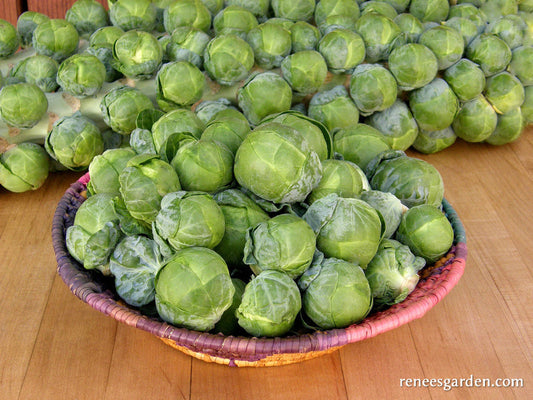
Brussels Sprouts Hestia
TO START EARLY INDOORS
Start seeds 4 or 5 weeks before last expected spring frost and again in midsummer for a fall crop in mild winter areas. Sow seeds 1 inch apart in a container of seed starting mix, cover lightly, about 1/4 inch deep and keep evenly moist. Provide a strong light source. When seedlings are large enough to handle, gradually acclimate to outdoor conditions, then transplant 24 inches apart into very fertile, well-drained soil in full sun.
TO START OUTDOORS
In early summer, plant seeds in well-worked, fertile soil in full sun. Plant groups of 2 seeds 1/4 inch deep and two feet apart. Space rows 18 inches apart. Thin to 1 strong seedling per group so plants have room to mature and grow.
GROWING NOTES
Brussels sprouts thrive in rich soil amended with lots of organic matter. Keep growing plants well watered and weeded. Feed at least monthly with all-purpose fertilizer. Use nontoxic B.T. (Bacillus thuringiensis) products to repel caterpillar pests as necessary and wash away aphids if they appear.
HARVEST AND USE
Mulch plants well and begin harvesting when sprouts are well filled out, but still tightly closed. Pick lowest sprouts on the elongated stem first, so higher sprouts will continue to grow. Mature Brussels sprouts will handle light frosts and cold weather actually sweetens their flavor.
Regular price $4.99Sale price $4.99Unit price per -
Baby Cabbage Pixie
TO START INDOORS
Start seeds 4 to 5 weeks before last spring frost. Sow 1 inch apart in seed starting mix, cover 1/2 inch deep and keep evenly moist. Provide a strong light source until seedlings are ready to plant out. When several inches tall, transplant seedlings 10 inches apart into rich soil in full sun, after gradually acclimating to outdoor conditions.
TO START DIRECTLY OUTDOORS
When all danger of frost is over, plant in well-worked, fertile soil in full sun. Sow groups of 2 to 3 seeds 10 inches apart in rows spaced 1 foot apart. When seedlings are several inches tall, thin to 1 strong plant every 10 inches. In mild winter climates, sow seeds again at midsummer for a fall crop.
GROWING NOTES
Cabbage needs full sun and rich, well-drained soil to produce firm, sweet heads. To avoid stunting growth, don’t let seedlings get crowded before thinning or transplanting. Keep weeded and evenly watered. Feed monthly with fish emulsion or an all-purpose fertilizer. Use non-toxic B.T. (Bacillus thuringiensis) for caterpillar pests. Floating row covers provide a good barrier method to exclude pests. Remove covers when heads begin to form.
HARVEST AND USE
Cut the 5 to 6 inch heads when they are very solid and well-formed. Enjoy raw as a snack, in coleslaw or quickly stir-fry, sauté, or steam. Fresh dill is delicious with cabbage.
Regular price $3.39Sale price $3.39Unit price per