warehouse
-
Lawn & Patio Nasturtium 'Moon Gleam'
(Tropaeolum majus)
A beautiful color for the flower garden. Plants are vigorous with a semi-trailing habit that offers cascades of abundant, pastel yellow semi-double and double blossoms.Regular price $2.69Sale price $2.69Unit price per -
Lawn & Patio Nasturtium Empress of India
(Tropaeolum majus)
Crimson-red flowers with long spurs glow against rich blue-green, rounded leaves. Mounding plants grow quickly to fill beds or containers. The pretty edible flowers add a spicy dash of color to salads.Regular price $2.29Sale price $2.29Unit price per -
Bonus Pack National Pickling Cucumber
High yielding, dependable producer with resistance to scab and tolerance of cucumber mosaic. Medium-green, straight-sided fruits make crispy pickles.Regular price $7.89Sale price $7.89Unit price per -
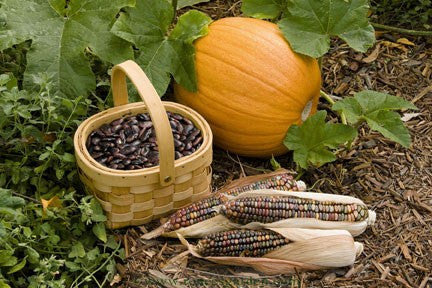
Bonus Pack Native American Three Sisters Garden
Read "Celebrate the Three Sisters," for complete historical and planting information.
LISTEN to radio show about the Three Sisters (.mp3).HOW AND WHEN TO PLANT
1. Choose a site in full sun (minimum 6 to 8 hours/day of direct sunlight throughout the growing season). Amend the soil with plenty of compost or aged manure. With string, mark off three 10 foot long rows, each 5 feet apart.
2. In each row, make your corn/bean mounds. The center of each mound should be 5 feet apart from the center of the next. Each mound should be 18 inches across with flattened tops. Stagger the mounds in adjacent rows.
3. Plant 4 to 6 corn seeds in each mound in a 6 inch square. Protect from birds with netting until seedlings are 4 inches tall.
4. When the corn is 6 inches tall, it's time to plant the beans and squash. First, weed the entire patch. Then plant 4 bean seeds in each corn mound. They should be 3 inches apart from the corn plants.
5. Build pumpkin mounds in each row between each corn/bean mound. Make them the same size as the corn/bean mounds. Plant 4 or 5 pumpkin seeds, 4 inches apart in a triangle in the middle of each mound.
6. When the pumpkin seedlings emerge, thin them to 2 plants per mound. You may have to weed the area several times until the pumpkin vines take over and shade new weeds.
Regular price $8.99Sale price $8.99Unit price per -
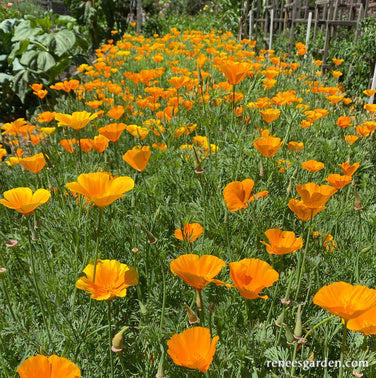
California Poppies Native Orange
PERENNIAL/GROWN AS ANNUAL
Spring/Summer bloom
Can handle light frostBEST TO START DIRECTLY IN THE GARDEN
Sow seeds directly into a finely textured, well drained garden bed in full sun as early in spring as the ground can be worked. Plant as early as possible in spring, as poppies can handle light frost and bloom best and longest when plants get a good start in cool weather. In mild winter climates, Poppies can also be sown in late fall to overwinter for spring bloom.
Except in very poor soil, these California poppies will grow and flower readily with no added fertilizer. Space seeds several inches apart, cover ¼ inch deep, and firm soil gently. Keep soil moist as seedlings emerge. If seedlings come up very thickly, thin poppies early but delay final thinning until seedlings are well established in spring. Space plants 3-4 inches apart to allow plants room to grow and bloom.
GROWING NOTES
When mature, poppy plants can handle dry conditions, but they will always bloom longer if regularly watered. Poppies are pretty cut flowers if brought indoors just as buds begin to open. At season’s end, allow spent flowers to form pods and drop seed if you want poppies to self-sow for next years flowers.Regular price $2.99Sale price $2.99Unit price per -
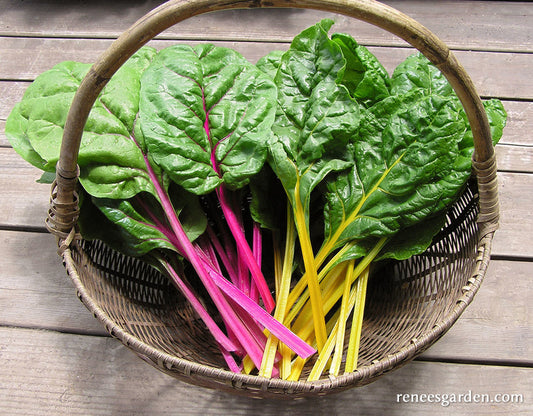
Rainbow Chard Neon Glow
START SEEDS INDOORS
In early spring, when danger of frost is over, sow seeds in well-worked, fertile soil in full sun. Sow seeds 1/2 inch deep and 2 inches apart in rows 10 inches apart, or broadcast thinly for bed planting. Firm soil well over these irregularly shaped seeds to ensure good germination. If first sowing germinates unevenly, plant more seed as seedlings catch up quickly. When large enough to handle, thin seedlings to final spacing of 8 to 10 inches apart so these large plants have room to grow and mature. Transplant extras or enjoy young thinnings as early greens and salads.
GROWING NOTES
Chard grows well in a wide range of conditions and can take some light frost. In mild winter areas, it can be grown year round. Give seedlings enough room, because chard grows into large vase-shaped plants 2 feet tall.
HARVEST AND USE
Begin harvesting when plants are well established and have at least 6 to 8 leaves. Both stalks and leaves make great eating. Chop and steam or sauté with garlic and olive oil. Use like spinach in lasagna or minestrone soup. Try tasty chard leaves stuffed and poached in broth with a dash of olive oil and fresh lemon.
Regular price $3.39Sale price $3.39Unit price per -
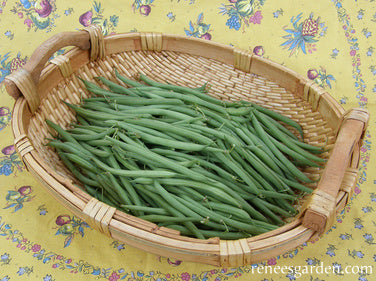
French Baby Bush Beans Nickel Filet
START SEEDS OUTDOORS
In spring, once weather is warm and settled and night temperatures stay above 55°F (13°C), plant seeds in well-worked, fertile soil in full sun. Poke seeds in 1 inch deep and 4 inches apart in rows 1-1 1/2 to 2 feet apart. Make new sowings several weeks apart until the end of June to provide long continued harvests.
GROWING NOTES
Tender crispy garden beans are an easy reliable crop to grow, but don’t plant seeds too early as cold conditions prevent good germination. If first sowing comes up unevenly, replant right away; new seedlings will catch up quickly. Birds are often attracted to young bean seedlings, so watch carefully and protect with netting or floating row covers if necessary. Avoid cultivating plants or picking pods when plants are wet.
HARVEST AND USE
Pick these fine flavored French gourmet beans more often than other bean varieties; at least every other day. They are full size when just 4 inches long and no thicker than a pencil. The more beans you pick, the more plants will produce. Steam or sauté them quickly, just until tender-crisp and serve simply to fully enjoy their tempting flavor.
Regular price $4.39Sale price $4.39Unit price per -
Lawn & Patio Nigella Persian Jewels
(Nigella damascena)
Charming and easy to grow flowers in lovely soft colors for garden borders and fresh or dried bouquets. When blossoms fade, dainty seedpods resemble little striped paper lanterns.Regular price $2.29Sale price $2.29Unit price per -
Nontoxic Safer Insect Killing Soap
Why use chemical pesticides when this non-toxic, non-chemical alternative does the job? Regular application of Safer will control soft-bodied insects such as aphids, whiteflies, spittlebugs, earwigs, thrips and spider mites without harming people, pets, wildlife or beneficial insects.
Its formula is composed of potassium-based fatty acids that work by destroying the membranes of targeted insects, yet is gentle enough to spray directly on plants. A major ally in summer when aphids and whiteflies attack (and they always do!) and later again against a range of other pests. Biodegradable and OMRI Listed® for use in organic gardening. Easy to apply with our Multi-Use Pump Sprayer.
16 oz. container of concentrate to mix up as needed, making a total of 6.5 gallons of spray.
Sorry, we cannot ship Safer Insect Killing Soap to Canada.
Regular price $14.95Sale price $14.95Unit price per -
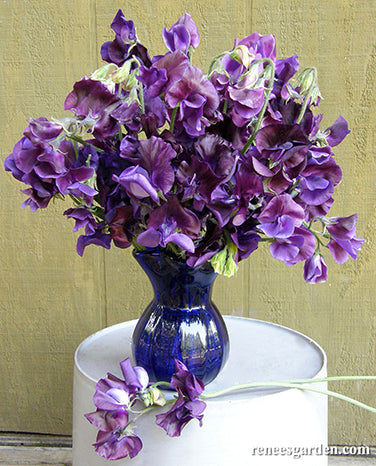
Heirloom Bouquet Sweet Peas North Shore
ANNUAL CLIMBING VINE
Spring/summer bloom
Frost tolerantEASIEST TO START OUTDOORS
Sweet peas must have well drained soil, so dig deeply and enrich with aged manure or compost before sowing seeds. Erect a well-anchored trellis, vertical netting or other support for vines before planting. Sow seeds in full sun in cool early spring weather as early as the ground can be worked. In mild winter areas, where the ground does not freeze, plant in fall after Labor Day; seeds will germinate and form strong root systems, then overwinter to bloom strongly in spring. Plant sweet pea seeds 1 inch deep and 2 to 3 inches apart. When seedlings are 2 inches tall, thin them 4 to 5 inches apart, to allow plants room to mature.
GROWING NOTES
Sweet peas bloom best before the weather gets too hot, so if spring planting, sow as soon as ground can be worked. Where summer heat comes on fast, they’ll appreciate a spot with afternoon shade. Anchor supports well as vines will grow heavy with bloom. Protect seedlings from birds, slugs and snails. Mulch and keep well watered. For longest bloom, pick flowers often and keep faded blossoms cut.Regular price $3.99Sale price $3.99Unit price per -
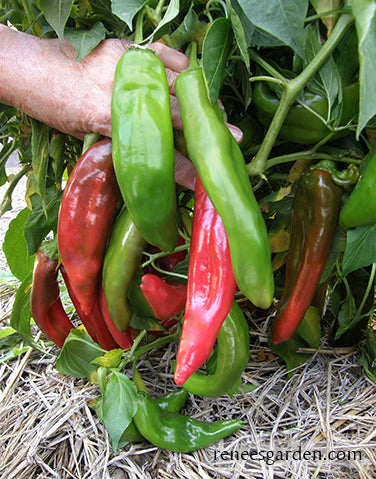
Chile Pepper Nu Mex Joe Parker
Authentic New Mexico style chile with long straight 6-7 inch fruits, medium heat and rich, full flavor. Early-producing plants have heavy yields, harvest red or green. Perfect for salsas, grilling or sautéing, they add a gentle heat to dishes. Ready to harvest 70-80 days from transplant.Regular price $2.69Sale price $2.69Unit price perNew -
Heritage Chile NuMex Joe E Parker
START SEEDS INDOORS
In early spring, start seeds indoors 6-8 weeks before night temps reach 55°F (13°C) range. Sow seeds 1/4 inch deep and 1 inch apart in seed starting mix. Keep moist but not soggy and very warm, 80-85°F (27-29°C). Provide a strong light source until ready to plant outside. When seedlings are 2 inches tall, transplant into individual 4 inch pots. Maintain at 70-75°F (21-24°C). Feed with half-strength fertilizer every 2 weeks until weather is warm enough to gradually acclimate seedlings to outdoor conditions. Transplant 2-2½ feet apart into rich soil in full sun.
GROWING NOTES
Do not transplant chiles outdoors until night temperatures stay securely above 55° (13°C). Prepare soil well with aged manure or compost. Plant only robust seedlings with well developed roots. Mulch well to maintain even soil moisture. Stake or cage chile plants to support their heavy fruit sets. Keep weeded, watered and feed monthly throughout the growing season.
HARVEST AND USE
Harvest when chiles have a high gloss by cutting, not pulling, them from the plant. Color develops as chiles mature; pick green or allow to color up to rich red. Enjoy in all kinds of delicious salsas, fajitas, chile rellenos, rich sauces, rubs, soups or stews. Use fresh, or roast and remove skins. Freeze roasted chilies for future use.
Regular price $3.69Sale price $3.69Unit price per -
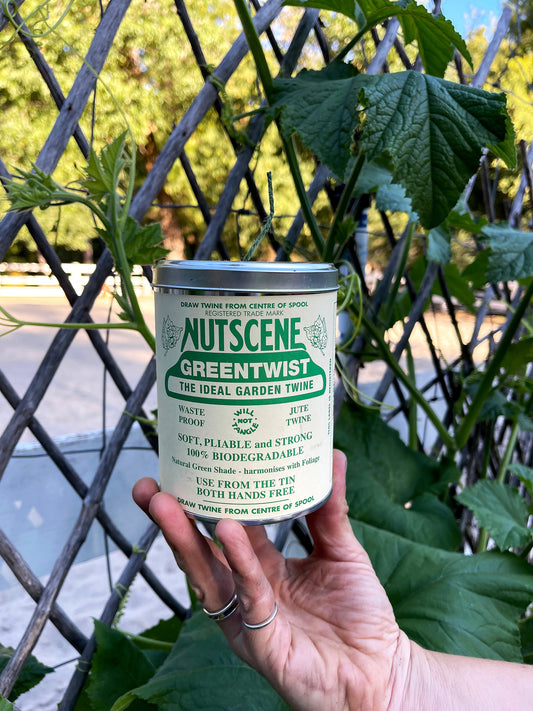
Nutscene Tin O' Twine
Strong, All-Purpose Natural Jute Garden Twine in Handsome Colors
This classic, sustainably sourced, 3-ply garden twine is made of natural jute fiber and is truly indispensable for a wide variety of garden tasks. Start the season by marking out lines for sowing and use it for training and attaching vining plants like tender cucumbers and fragile snap pea vines to trellises. Later, use it to support climbers like flowering sweet peas and mini pumpkins, and to keep plants heavy with fruit or flowers from toppling over. It’s also useful in the kitchen or the shop and an attractive way to tie up bunches of flowers or herbs to dry. It’s pretty enough to use for wrapping presents or even to give as a gift.
The vintage style tin keeps your twine dry and tangle free and lets the twine spool out easily. The Nutscene brand of jute twine has been sourced, manufactured and wound in Great Britain since 1922! This workhorse product will serve you all season long.
Each 3 x 6” tin, each contain 325 feet of 3-ply jute twine.
Available in 3 color options: natural, lilac or green.
Regular price $19.95Sale price $19.95Unit price per -
Lawn & Patio Old Fashioned Scented Sweet Peas
(Lathyrus odoratus)
This reliable variety produces vigorous, climbing vines with long stemmed, big blossoms in rich hues. An excellent choice for showy borders and exquisitely fragrant bouquets.Regular price $7.89Sale price $7.89Unit price per -
Lawn & Patio Onion Texas Grano #502 Seeds
A large, mild-flavored white onion with good disease resistance. Short-day type suited to Southern, mid-South and Western gardens. Good long-keeping variety for storage onions.Regular price $2.29Sale price $2.29Unit price per -
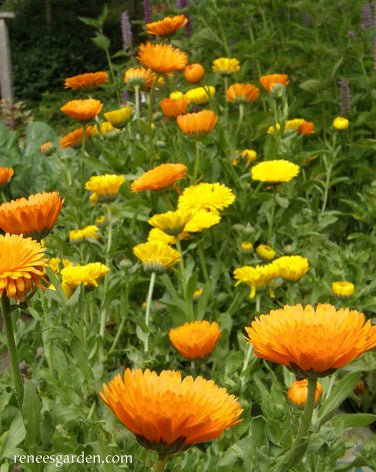
Butterfly Calendula Mix Orange & Lemon Twist
HARDY ANNUAL
Spring/fall bloom
Takes light frostTO START OUTDOORS
Calendulas bloom best in cool weather, so plant in early spring in well-drained soil after danger of frost is over. Sow seeds 1 in. apart, cover 1/2 in. deep, firm soil and keep seed bed moist while awaiting germination in 7 to 14 days. After seedlings are well established, thin or transplant 8 in. apart.
Container growing: plants also grow and bloom well in pots at least 12 to 16 in. deep and 18 to 20 in. across. Start with fresh potting mix each season, keep well watered and fertilize monthly.
TO START EARLY INDOORS
In early spring, sow seeds 1 in. apart in a container of seed starting mix and cover ½ in. deep. Keep evenly moist as seedlings emerge and provide a good light source until ready to plant outdoors. Transplant when seedlings are about 2 to 3 in. tall after gradually acclimating plants to outdoor conditions.
GROWING NOTES
Thin seedlings to proper spacing for good air circulation and to discourage mildew. Keep faded flowers removed. Lemon & Orange Twist are easy to grow spring annuals, producing sturdy plants soon covered with bright flowers that bloom nonstop and attract butterflies for many weeks. In mild climates: sow again in late summer for winter or early spring flowers.
Regular price $3.39Sale price $3.39Unit price per -
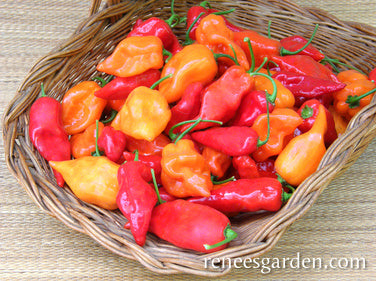
Mild Habanero Chiles Orange & Red Suave
STARTING SEEDLINGS
In early spring, start indoors about 2 months before night temperatures stay reliably 50 - 55°F (10 - 13°C). Sow seeds 1/4 inch deep and 1 inch apart in a container of seed starting mix. Keep moist but not soggy, and very warm 80°F (27°C). Provide a strong light source until seedlings are ready to plant outside. When seedlings are 2 inches tall, transplant into deeper individual containers. Maintain at 70°F (21°C). Feed with half-strength fertilizer every week until weather is warm and settled, then gradually acclimate seeds to outdoor conditions. Transplant 2 feet apart into rich soil in full sun.
GROWING NOTES
Habaneros need warm conditions. Don’t transplant outdoors until night temperatures stay securely above 55°F (13°C). Prepare soil well with aged manure or compost. Plant only robust seedlings with well-developed roots. Mulch plants to maintain even soil moisture. Keep well weeded, watered and fertilized.
HARVEST AND USE
To harvest, cut rather than pull fruits from the plants when fully colored orange or red. With Suaves, you’ll enjoy habaneros' unique taste without their incendiary heat. Use freely in all kinds of fresh salsas, sauces, jerk rubs and marinades. You’ll find them no hotter than mellow New Mexico green chilies, with Suave Red rated a mild 580 Scoville units and Suave Orange a smooth 835 heat units, compared to the 575,000 heat units of the normal habanero chile!
Regular price $3.39Sale price $3.39Unit price per -
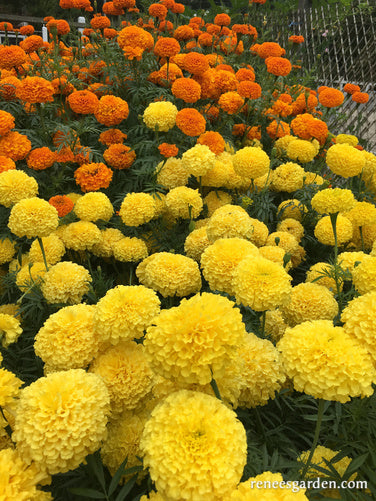
Giant Bouquet Marigolds Orange & Yellow Beast
ANNUAL
Summer/fall bloom
Frost tenderTO PLANT OUTDOORS
Sow seeds directly into well-worked garden soil in full sun once all danger of frost is past. Space seeds 3 inches apart and cover about 1/4 inch deep. Keep soil evenly moist. Germination takes 7 to 10 days. When seedlings are about 3 inches tall, carefully thin them to a final spacing of 9-12 inches apart because these vigorous, tall plants need room to grow and bloom. Extra thinned seedlings can be transplanted easily.
TO START EARLY INDOORS
Sow seeds several inches apart in a container of well-drained seed starting mix 4 to 6 weeks before last expected frost date. Cover 1/4 inch deep, keep moist and provide a strong light source until ready to go outside. Transplant 9-12 inches apart once weather warms up and nights are above 55° F (13° C).
GROWING NOTES
These carefree, non-fussy branching plants reach 3-3 1/2 feet tall with long-lasting big blossoms and blue-green foliage. Perfect in any sunny spot for nonstop color all season long with armfuls of long stemmed flowers for big bouquets. Support the tall, hard blooming plants with stakes or flower supports. Feed and water regularly. No need to pinch plants or remove spent flowers for spectacular long bloom.
Regular price $4.69Sale price $4.69Unit price per -
Sweet Bell Peppers Orange Sun & Jupiter
STARTING SEEDLINGS
In early spring, start indoors about 2 months before outdoor night temperatures are reliably in the 50-55°F (10-13°C) range. Sow seeds 1⁄4 inch deep and 1 inch apart in a container of starting mix. Keep moist but not soggy, and very warm 80-85°F (27-30°C).
Provide a strong light source until seedlings are ready to plant outside. When seedlings are 2 inches tall, transplant into individual 4 inch pots. Maintain at 70-75°F (21-24°C). Feed with half-strength fertilizer every 2 weeks until weather is warm enough to gradually acclimate seedlings to outdoor conditions. Plant out 2 to 2 1/2 feet apart into rich soil in full sun.
GROWING NOTES
Don’t plant peppers outdoors until night temperatures stay securely above 55°F (13°C). Prepare soil with aged manure or compost. Plant only robust seedlings with well-developed roots. Mulch plants to maintain even soil moisture. Stake or cage your pepper plants to support their heavy fruit set.
HARVEST AND USE
Ready to pick in late summer, pepper fruits start out green and ripen up to rich red, or orange, depending upon variety. Edible at any stage, glossy, fully colored fruits have the best flavor and are high in vitamins A and C. Carefully cut rather than pull peppers from plants. Enjoy sliced up raw, sautéed, stir fried or grilled.Regular price $4.89Sale price $4.89Unit price per -
Lawn & Patio Oregano
(Oreganum heraclioticum)
Essential for the cook’s garden, the small, dark green leaves are filled with aroma and flavor. In summer, clusters of small reddish-purple or white flowers appear. Grows in sun or light shade. Ideal for container gardens.Regular price $2.29Sale price $2.29Unit price per -
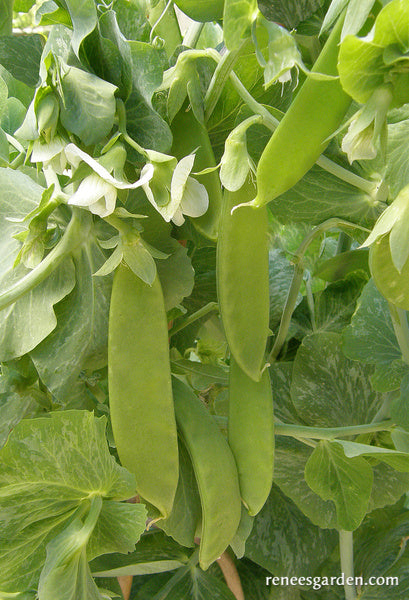
Edible Pod Snow Peas Oregon Giant
START SEEDS OUTDOORS
In early spring, as soon as soil can be worked, plant peas in full sun in well-worked, fertile soil. Sow seeds 1 inch deep and 2 to 3 inches apart. Sow seeds in wide rows or bands 3 inches across, spacing the wide rows 2 feet apart. Provide supports for these 2 1/2-3 foot vines at planting time. Protect from marauding birds with netting or floating row covers if necessary. If first sowing doesn’t germinate evenly, replant right away as new seedlings catch up quickly. Sow again for a fall crop about 2 1/2 months before first expected fall frost.
GROWING NOTES
Use netting or wire trellis or short tree branches stuck into the ground to support these heavy bearing vines for easy picking. Turn a sprinkling of bone meal and wood ashes into the soil before planting. Keep pea vines well weeded and watered, and mulch to conserve moisture.
HARVEST AND USE
Pick frequently when pods are fully formed but still flat with tiny immature peas. Snow peas are delicious in stirfries with ginger, soy sauce and garlic. Cook very quickly, just until pods turn a deeper green color. Or simply enjoy the juicy pods fresh off the vines.Regular price $2.99Sale price $2.99Unit price per -
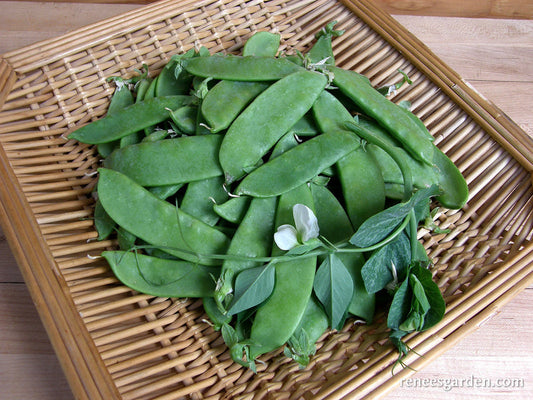
Snow Peas Oregon Sugar Pod II
START SEEDS OUTDOORS
In early spring, as soon as soil can be worked, plant peas in full sun in well-worked, fertile soil. Sow seeds 1 inch deep and 2 to 3 inches apart. Sow seeds in wide rows or bands 3 inches across, spacing the wide rows 2 feet apart. Provide supports for these 2 1/2 foot vines at planting time. Protect from marauding birds with netting or floating row covers if necessary. If first sowing doesn’t germinate evenly, replant right away as new seedlings catch up quickly. Sow again for a fall crop about 2 1/2 months before first expected fall frost.GROWING NOTES
Use netting or wire trellis or short tree branches stuck into the ground to support these heavy bearing vines for easy picking. Turn a sprinkling of bone meal and wood ashes into the soil before planting. Keep pea vines well weeded and watered, and mulch to conserve moisture.
HARVEST AND USE
Pick peas frequently when pods are fully formed but still flat with tiny immature peas. Snow peas are delicious in stir-fries with ginger, soy sauce and garlic, but cook very quickly, just until they turn a deeper green color. Or enjoy the juicy pods as you pick them fresh from the vines.Regular price $4.89Sale price $4.89Unit price per -
Bonus Pack Oregon Sugar Pod II Snow Pea
This improved tendercrisp edible-pod snow pea is ideal for stirfries, dipping or just plain nibbling fresh from the garden. This variety is known for its crispy-sweet pods and high yielding, disease-resistant vines. Harvest the flat pods before the seeds swell about 66 to 68 days.Regular price $7.89Sale price $7.89Unit price per -
Organic Heirloom Chives
(Allium schoenoprasum)
An essential for every herb garden, chives thrive in any sunny location. Fast-growing leaves topped by delicate purple flowers impart a mild onion flavor to any dish. Perennial.Regular price $3.69Sale price $3.69Unit price per