Second Season Planting
Second Season Planting
-
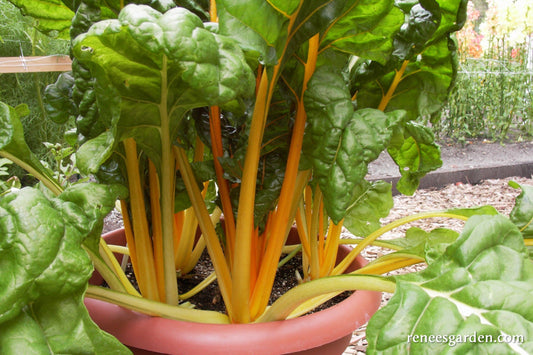
Container Chard Pot of Gold
EASIEST TO START OUTDOORS
For container sowing, use pots at least 12 inches in diameter and 12 inches deep and start with fresh potting mix. Plant seed in spring, after danger of frost is over, and/or again in mid-summer for fall harvests. Sow seed 1/2 inch deep and 1 inch apart in full sun. Keep evenly moist.
When seedlings are several inches tall, gradually thin to 8 inches apart in containers and use the delicious thinnings for early greens. Be sure to thin seedlings well so the large, vase-shaped plants have room to mature. If planting in garden beds, thin seedlings to stand 12 inches apart.
GROWING NOTES
Easy to grow chard can be grown year-round in mild winter areas. It prefers full sun, but will tolerate afternoon shade. Water regularly, checking containers daily in hot weather. Feed these fast-growing, productive plants weekly with a good high-nitrogen fertilizer. Watch for snails and slugs.
HARVEST AND USE
Begin harvesting when plants are well established and have 6 to 8 stalks. Both the crunchy succulent stalks and leaves make great eating. Break stems off at the base of the plant, always leaving at least 3 to 4 stalks to allow for regrowth. Chard is delicious sautéed, steamed, braised or stirfried. It pairs beautifully with the flavors of olive oil, garlic and lemon.
Regular price $3.39Sale price $3.39Unit price per -
‘Mixed Colors’ Iceland Poppy
(Papaver nudicaule)
Delicate cup-shaped flowers in orange, yellow and white have a crinkly texture and bloom on long, straight stems. Easy to grow in full sun and perfect for cutting.
Regular price $2.29Sale price $2.29Unit price per -
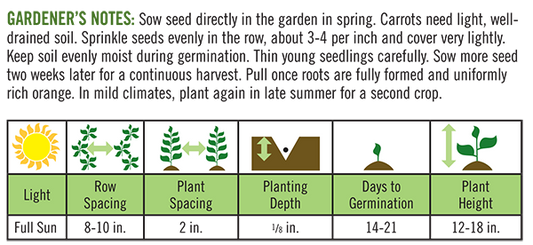
'Danvers Half-Long' Carrot
A high-yielding heirloom variety widely adaptable to most soils, even clay. Chunky 6 to 8-inch-long tapered roots are crisp and sweet with nearly coreless orange centers. Ready to harvest in 75 days.Regular price $1.99Sale price $1.99Unit price per -
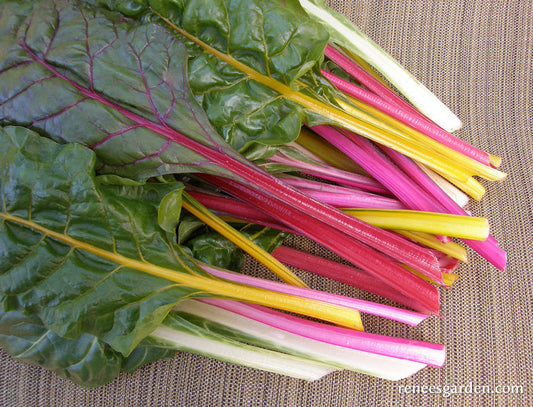
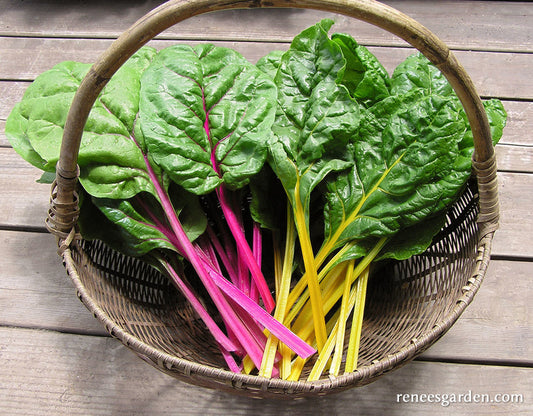
Heirloom Chard Garden Rainbow
START SEEDS OUTDOORS
In early spring, when danger of frost is over, sow seeds in well-worked, fertile soil in full sun. Sow seeds 1/2 inch deep and 1 inch apart in rows 10 inches apart, or broadcast thinly for bed planting. Firm soil well over these irregularly shaped seeds to ensure good germination. If first sowing germinates unevenly, plant more seed as seedlings catch up quickly. When large enough to handle, thin seedlings to final spacing of 8 to 10 inches apart so these large plants have room to grow and mature. Transplant extras or enjoy young thinnings as early greens and salads.
GROWING NOTES
Chard grows well in a wide range of conditions and can take some light frost. In mild winter areas, it can be grown year round. Give seedlings enough room, because chard grows into large vase-shaped plants 2 feet tall.
HARVEST AND USE
Begin harvesting when plants are well established and have at least 6 to 8 leaves. Both stalks and leaves make great eating. Chop and steam or sauté with garlic and olive oil. Use like spinach in lasagna or minestrone soup. Try tasty chard leaves stuffed and poached in broth with a dash of olive oil and fresh lemon.
Regular price $4.89Sale price $4.89Unit price per -
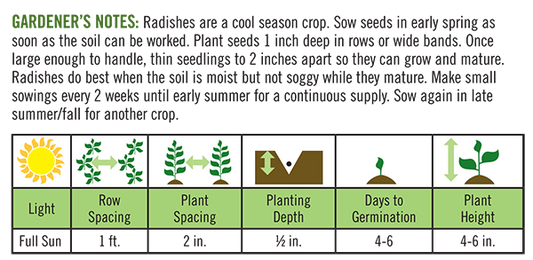
‘Rido Red’ Watermelon Radish
Eye-catching, rose-red watermelon radish has a sweet flavor and crunchy texture perfect for salads, snacks and for dipping. Plant at midsummer for fall harvests. Harvested roots store well in the fridge.Regular price $3.39Sale price $3.39Unit price per -
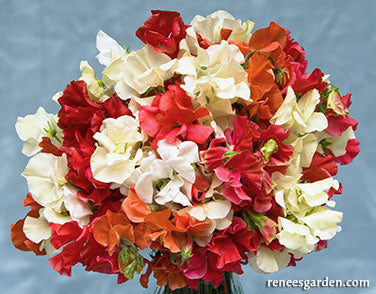
Scented Sweet Peas Fire and Ice
ANNUAL CLIMBING VINE
Spring/summer bloom
Frost tolerantEASIEST TO START OUTDOORS
Sweet peas must have well-drained soil, so dig deeply and enrich with aged manure or compost before sowing seeds. Erect a well-anchored trellis, vertical netting or other support for vines before planting. Sow seeds in full sun in cool early spring weather as early as the ground can be worked.
In mild winters, where ground does not freeze, sweet peas can be planted in fall. Seedlings will form strong root systems, then overwinter to bloom vigorously in spring. Plant sweet pea seeds 1 inch deep and 2 to 3 inches apart. When seedlings are 2 inches tall, thin to 4-5 inches apart to allow plants room to mature.
GROWING NOTES
Sweet peas bloom best when they flower before the weather gets too hot, so if spring planting, sow as early as possible, especially in regions where summer heat comes on fast. Anchor climbing supports well as these vines will grow dense and heavy with bloom. Protect seedlings from birds, slugs and snails. Mulch and keep well watered for best flower production. For longest bloom, remove faded blossoms regularly.Regular price $3.39Sale price $3.39Unit price per -
‘Mixed Colors Tall’ Snapdragon
(Antirrhinum majus)
A cottage garden classic, this old-fashioned tall Snapdragon boasts all the colors of the rainbow. Densely packed spikes of fragrant flowers are ideal for the back of the border. Stunning in bouquets.
Regular price $2.49Sale price $2.49Unit price per -
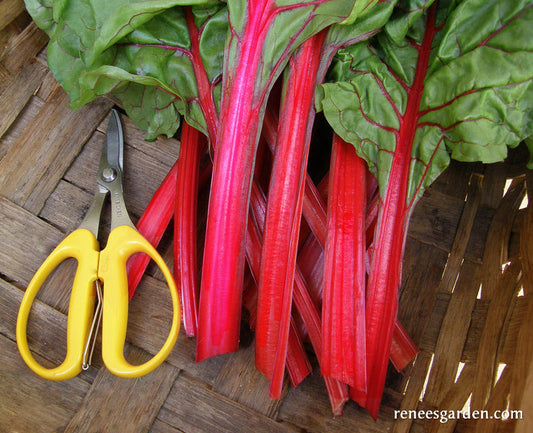
Gourmet Ruby Chard Scarlet Charlotte
START SEEDS OUTDOORS
In early spring when danger of hard frost is over, sow seeds in well-worked, fertile soil in full sun. Sow seeds 1/2 inch deep and 2 inches apart in rows 10 inches apart. Firm soil well over these irregularly shaped seeds to ensure good germination. If first sowing germinates unevenly, plant more seed in the rows as seedlings catch up quickly. Thin when seedlings are large enough to handle, using thinnings as early greens. Final spacing should be 12 to 18 inches apart.
GROWING NOTES
Chard grows well in a wide range of conditions and can take some frost. In mild winter areas, it can be grown year-round. Thin seedlings well so the large 2 foot tall, vase-shaped plants have room to mature.
HARVEST AND USE
Begin harvesting when plants are well established and have 6 to 8 stalks. Both the crunchy succulent stalks and leaves make great eating. Chop and sauté chard with garlic and olive oil or pair with sautéed mushrooms and onions. Try steamed and topped with a sprinkle of vinegar or fresh lemon juice. Use like spinach in lasagna or minestrone soup.
Regular price $2.99Sale price $2.99Unit price per -
Rainbow Chard Neon Glow
START SEEDS INDOORS
In early spring, when danger of frost is over, sow seeds in well-worked, fertile soil in full sun. Sow seeds 1/2 inch deep and 2 inches apart in rows 10 inches apart, or broadcast thinly for bed planting. Firm soil well over these irregularly shaped seeds to ensure good germination. If first sowing germinates unevenly, plant more seed as seedlings catch up quickly. When large enough to handle, thin seedlings to final spacing of 8 to 10 inches apart so these large plants have room to grow and mature. Transplant extras or enjoy young thinnings as early greens and salads.
GROWING NOTES
Chard grows well in a wide range of conditions and can take some light frost. In mild winter areas, it can be grown year round. Give seedlings enough room, because chard grows into large vase-shaped plants 2 feet tall.
HARVEST AND USE
Begin harvesting when plants are well established and have at least 6 to 8 leaves. Both stalks and leaves make great eating. Chop and steam or sauté with garlic and olive oil. Use like spinach in lasagna or minestrone soup. Try tasty chard leaves stuffed and poached in broth with a dash of olive oil and fresh lemon.
Regular price $3.39Sale price $3.39Unit price per -
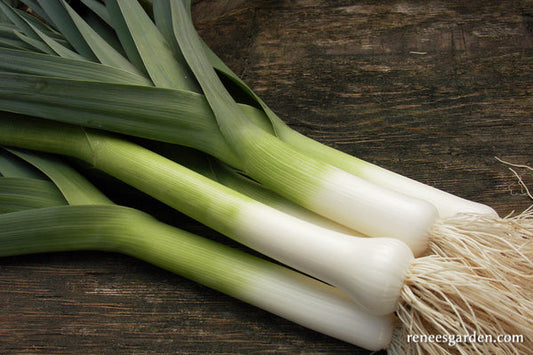
French Baby Leeks Primor
BEST TO START INDOORS
Sow seeds 1 inch apart in a container of seed starting mix, cover 1/2 inch deep, and firm soil over seeds. Keep moist and provide a strong light source until seedlings are ready to plant out. Seeds germinate sporadically over 2 to 3 weeks and grow slowly at first. Once seedlings are 3 or 4 inches tall, transplant 4 to 6 inches apart into well-worked, fertile soil in full sun. To get long-shanked leeks, plant seedlings down deep into the soil, so tips stick up 1 inch above ground level.
TO START OUTDOORS
Sow seeds in well-worked, fertile soil in full sun. Space seeds 1 inch apart in rows 8 to 10 inches apart, or broadcast thinly for bed planting. Cover 1/2 inch deep and firm soil well over seeds; keep soil moist to ensure good germination. Thin as above.
GROWING NOTES
Plant leeks in early spring and again in midsummer for fall and winter use. Long-growing leeks need a rich fertile soil, so add lots of compost or aged manure before planting, and fertilize several times over the growing season. Weed leeks carefully when young, and mulch to conserve soil moisture.
HARVEST AND USE
Harvest as slim babies to steam whole or quickly grill. Let some leeks mature to full size and dig as needed with a garden fork. Mature leeks store well in the ground during the winter months. Use in cooking like sweet onions, or as a tasty vegetable side dish.
Regular price $3.39Sale price $3.39Unit price per -
Bonus Pack Tendersweet Carrot
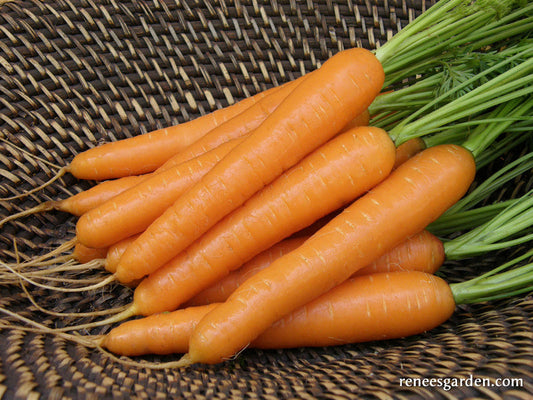
One of the sweetest bunching carrots you can grow. Long slender carrots grow to 8-9 inches. Deep orange roots are crisp and sweet and almost coreless. Harvest in 72-80 days.Regular price $7.89Sale price $7.89Unit price per -
Bonus Pack Oregon Sugar Pod II Snow Pea
This improved tendercrisp edible-pod snow pea is ideal for stirfries, dipping or just plain nibbling fresh from the garden. This variety is known for its crispy-sweet pods and high yielding, disease-resistant vines. Harvest the flat pods before the seeds swell about 66 to 68 days.Regular price $7.89Sale price $7.89Unit price per -
Bonus Pack Cherry Belle Radish
Bolt-resistant, fast-growing Cherry Belle radishes taste great and maintain their crispy white interiors longer in the garden. These crunchy round beauties are ready to harvest in just 25 days.Regular price $7.89Sale price $7.89Unit price per -
Bonus Pack Heirloom Red Russian Kale
Heirloom Red Russian kale is treasured for its ability to stand up to tough conditions and very cold, even subzero weather. The big leaves have handsome, frilly edges and can also be cut to use for baby leaf salads and stirfries.Regular price $7.89Sale price $7.89Unit price per -
Bonus Pack Bloomsdale Longstanding Spinach
This classic variety is good-looking, great tasting and slow to bolt so you have more time to harvest its crispy leaves. Enjoy cooked or as a great addition to salads and sandwiches. Harvest in about 45 days.Regular price $7.89Sale price $7.89Unit price per -
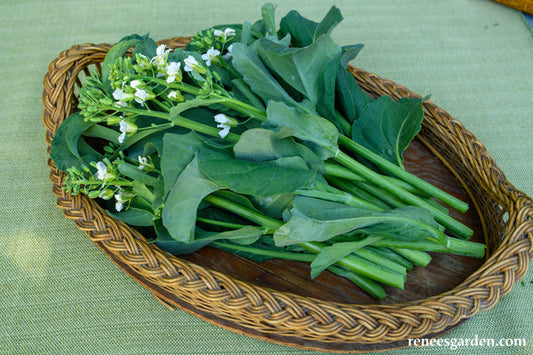
Gai Lan/Chinese Broccoli Early Jade
START SEEDS DIRECTLY IN THE GARDEN
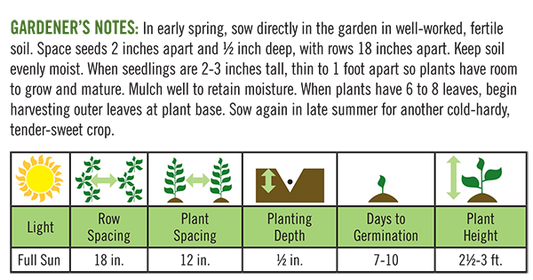
In very early spring as soon as ground can be worked, prepare a well-drained, fertile garden bed in full sun. Sow seeds 2 inches apart in rows 6 to 8 inches apart. Cover 1/2 inch deep and keep soil evenly moist to ensure good germination. When seedlings are 3 to 4 inches tall, thin to stand 4 to 6 inches apart.
GROWING NOTES
Sow Gai Lan in cool early spring weather, about the same time as you plant turnips and radishes. Consistent moisture, early thinning and an adequate supply of nitrogen will encourage the quick growth needed to produce thick, juicy stalks of leaves and flower buds. Use non-toxic Bt (Bacillus thuringiensis) products to control caterpillar pests as necessary. Make several sowings a week apart for a continuous harvest. Sow again in late summer for a fall crop.
HARVEST AND USE
Harvest both leaves and flowering stalks at 7 to 8 inches tall, when stalks are still tender. After cutting, water plants and feed with fish emulsion solution to get a second harvest in a few weeks.
Enjoy the broccoli-like flavor of vitamin-rich Gai Lan by quickly stirfrying with ginger and garlic. Oyster or black bean sauce and a spritz of toasted sesame oil and hot sauce are other tasty additions..
Regular price $3.69Sale price $3.69Unit price perNew -
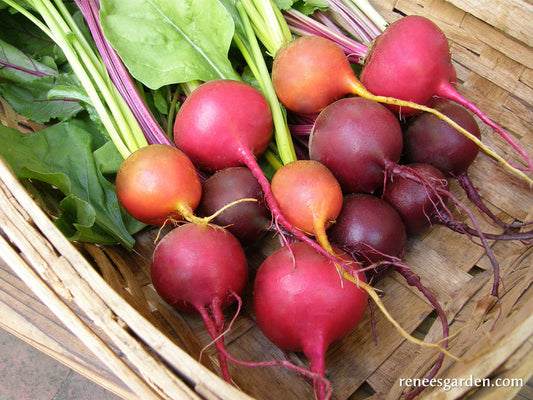
Jewel-Toned Beets Red, Gold & Candystripe
START SEEDS OUTDOORS
In early spring when danger of hard frost is over, sow seeds in well-worked, fertile soil in full sun. Sow seeds 1 inch deep and 1 inch apart in rows 10 inches apart, or broadcast thinly and evenly for bed planting. Firm soil well over these irregularly shaped seeds to ensure good germination. If first sowing germinates unevenly, replant more seed in the rows as seedlings will catch up fast. Carefully thin when seedlings are large enough to handle to stand 3 to 4 inches apart so roots have room to grow and mature.
GROWING NOTES
For best quality tender roots, sow seeds before midsummer heat and again in early fall at least 10 weeks before fall frosts. Keep soil evenly moist throughout the growing season. Be sure to thin beet seedlings carefully several times when plants are small as they’ll grow best if given enough room.
HARVEST AND USE
After thinning seedlings, use tender young tops for nutritious flavorful steamed greens. Harvest baby beets at 1 to 2 inches in diameter, or let roots grow as large as desired. Garden fresh beets cook quickly. They are delicious steamed, boiled or baked whole in their skins like potatoes, then peeled for wonderful color and sweet concentrated flavor.
Regular price $3.69Sale price $3.69Unit price per -
Bonus Pack Ruby Queen Beet
An award winner for a combination of deep scarlet color, great buttery taste and dependable yield. Very versatile – great choice for preserving or serving fresh. Ready in 55 days.Regular price $7.89Sale price $7.89Unit price per -
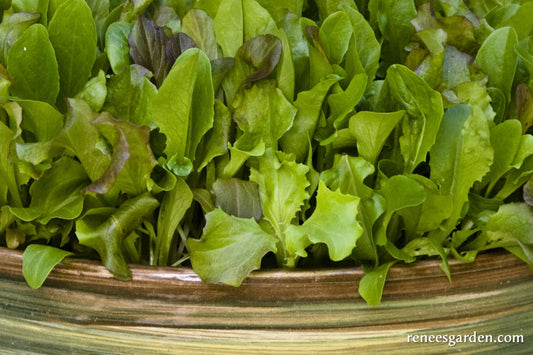
Baby Mesclun Lettuces Cut and Come Again
START SEEDS OUTDOORS
In early spring, sow seeds in finely worked soil in full sun. Shake seeds from the palm of your hand, broadcasting them about a half inch apart over the entire seedbed or in wide rows, and cover lightly and evenly with 1/4 inch of fine soil. Firm soil gently and water in with a fine spray. Keep seedbed evenly moist. Make small successive sowings until summer weather turns hot for a constant supply. Plant again in late summer for ample fall harvesting.
GROWING NOTES
This mesclun mix thrives in mild weather with consistent moisture. To extend the sowing season into hot weather, sow in light shade or erect a canopy of loosely woven shade cloth over the seed bed. Birds are often attracted to tender young seedlings so protect them if necessary.
HARVEST AND USE
Begin harvesting by the “cut and come again” method when plants are 4 or 5 inches tall. Cut as much lettuce as you need, using scissors to shear off a patch of leaves 1 to 2 inches above the soil level. Water well and fertilize lightly and plants will regrow for several more cuttings. Dress with a simple vinaigrette to enjoy the sweet flavor and juicy texture of these delicate young leaves at their best.
Regular price $3.39Sale price $3.39Unit price per -
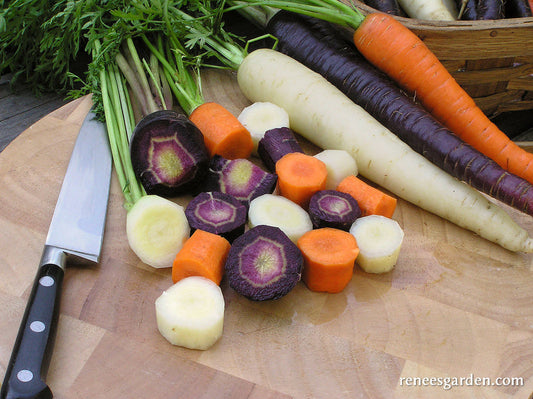
Tricolor Carrots Circus Circus
START SEEDS OUTDOORS
In spring once danger of hard frost is past, sow seeds in full sun in finely worked, fertile soil. Sow 1/4 inch deep and 1/2 inch apart in rows 8 inches apart, or broadcast thinly in beds and cover lightly. Keep seedbed evenly moist as carrots can be slow to germinate, emerging over 10 to 20 days.
If first sowing comes up unevenly, replant right away as seedlings catch up quickly. Be sure to thin young carrots several times so seedlings are about 2 inches apart and have the room they need to size up.
GROWING NOTES
Carrots like well-worked soil and need consistent moisture to grow well. If your soil tends to dry out, cover seedbed with floating row cover to help retain moisture during the germination period and water right through it. Keep carrots well-watered and thinned. For a late season crop, sow again 3 months before first expected frost.
HARVEST AND USE
For best sweet flavor, let these pretty, different colored carrots size up and fully mature before harvesting. Enjoy these extra healthy carrots raw as snacks or grated into salads for great eye appeal. Sauté or steam just until tender crisp and serve with a little sweet butter and your favorite fresh chopped herb. Carrots go well with dill, tarragon, chives, cilantro or mint.
Regular price $3.99Sale price $3.99Unit price per -
Heirloom Broccoli Raab Early Rapini
START SEEDS DIRECTLY IN THE GARDEN
In very early spring as soon as ground can be worked, prepare a well-drained, fertile garden bed in full sun. Sow seeds 2 inches apart in rows 6 to 8 inches apart. Cover 1/2inch deep and keep soil evenly moist to ensure good germination. When seedlings are 3 to 4 inches tall, thin to stand 4 to 6 inches apart.
GROWING NOTES
Sow Broccoli Raab in cool early spring weather, about the same time as you plant turnips and radishes. Consistent moisture, early thinning and an adequate supply of nitrogen will encourage the quick growth needed to produce tender juicy shoots with plump buds. Use non-toxic B.T. (Bacillus thuringiensis) products to control caterpillar pests as necessary. Make several sowings a week apart for a continuous harvest. Sow again in late summer for a fall crop.
HARVEST AND USE
Harvest both leaves and flowering stalks at 7 to 8 inches tall, when stalks are still tender and juicy with closed buds. After cutting, water plants and feed with fish emulsion solution to get a second harvest in a few weeks. Enjoy the hearty flavor of these vitamin-rich greens by briefly steaming or prepare traditionally by first blanching them quickly in boiling water and then sautéing them in olive oil with chopped garlic, just until tender.
Regular price $4.89Sale price $4.89Unit price per -
Snacking Carrots Rotild
START SEEDS OUTDOORS
In spring once danger of hard frost is past, sow seeds in full sun in finely worked, fertile soil. Sow 1/4 inch deep and 1/2 inch apart in rows 8 inches apart, or broadcast thinly in beds and cover lightly. Keep seedbed evenly moist as carrots can be slow to germinate, emerging over 10 to 20 days. If first sowing comes up unevenly, replant right away as seedlings catch up quickly. Be sure to thin young carrots several times so seedlings are about 2 inches apart and have room to size up.
GROWING NOTES
Carrots like well worked soil and need consistent moisture to grow well. If your soil tends to dry out, cover seedbed with floating row cover to help retain moisture during the germination period and water right through it. Keep carrots well watered and thinned. For a late season crop, sow again 3 months before first expected frost.
HARVEST AND USE
Let young carrots size up and color fully to orange before harvesting for best flavor. Sauté or steam just until tender crisp and serve with a squeeze of fresh lemon or lime juice, sweet butter and fresh dill; or try buttered and glazed with a little maple syrup or honey.
Regular price $4.89Sale price $4.89Unit price per -
Round Baby Carrots Romeo
START SEEDS DIRECTLY OUTDOORS
In spring, once danger of hard frost is past, sow seeds in full sun in a container of fresh potting soil. To have enough soil surface and volume, containers should be at least 16 to 18 inches in diameter and 8 to 12 inches deep. Sow seeds carefully 1/2 inch apart and then cover very lightly.
Keep the seedbed evenly moist as carrots can be slow to germinate, emerging over 10 to 20 days. Germinating carrots need consistent moisture; a good trick is to cover the soil surface with floating row cover to help retain moisture during the germination period and water right through it. Take off the cover as soon as you see sprouts.
GROWING NOTES
Thin carrots several times so seedlings are 2 inches apart and have room to size up for harvest. Keep well watered for best growth and flavor. For a late season crop, sow again 3 months before first expected frost.when plants are young. Mulch well to conserve soil moisture and suppress weed growth.
HARVEST AND USE
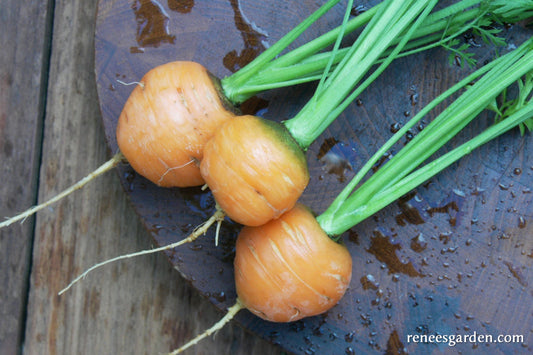
Harvest at about 1 to 1 1/2 inches in diameter for best flavor. Steam whole, then toss with butter and fresh chopped dill, parsley or chives. Or toss with butter, salt lightly and add a little brown sugar or maple syrup.
Regular price $3.39Sale price $3.39Unit price per -
Dutch Baby Carrots Adelaide
START SEEDS OUTDOORS
In spring once danger of hard frost is past, sow seeds in full sun in finely worked, fertile soil. Sow 1/4 inch deep and 1/2 inch apart in rows 8 inches apart, or broadcast thinly in beds and cover lightly. Keep seedbed evenly moist as carrots can be slow to germinate, emerging over 10 to 20 days.
If first sowing comes up unevenly, replant right away as seedlings catch up quickly. Be sure to thin young carrots several times so seedlings are about 2 inches apart and have room to size up.
GROWING NOTES
Carrots like well worked soil and need consistent moisture to grow well. If your soil tends to dry out, cover seedbed with floating row cover to help retain moisture during the germination period and water right through it. Keep carrots well watered and thinned. For a late season crop, sow again 3 months before first expected frost.
HARVEST AND USE
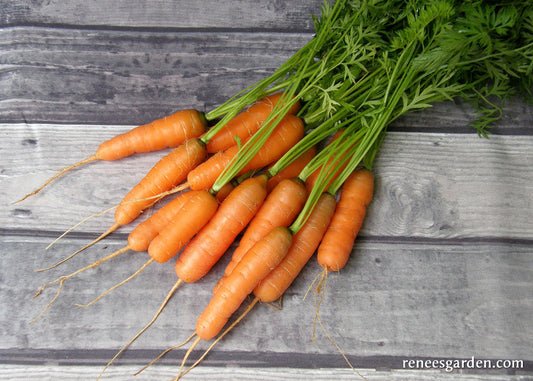
Let these baby carrots color up to orange before harvesting for best flavor. Pull as babies or let fully size up. Sauté or steam just until tender crisp and serve with a squeeze of fresh lemon or lime juice, sweet butter and fresh dill; or try buttered and glazed with a little maple syrup or honey.
Regular price $4.99Sale price $4.99Unit price per