Deer Resistant
-
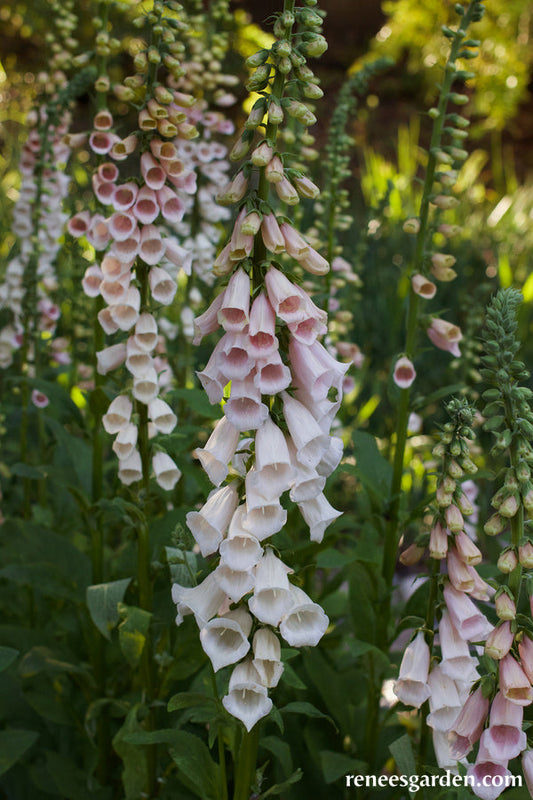
Heirloom Apricot Foxglove Faerie Queen
BIENNIAL
Spring/Summer bloom
Frost hardyBEST TO START SEEDS INDOORS
Sow seeds as thinly as possible in a container of seed starting mix. Cover 1/8 inch deep with mix, keep moist and between 60-70°F (16-21°C). Provide a strong light source until seedlings are ready to plant into the garden. Feed every 2 weeks with half-strength fertilizer. Once seedlings are large enough to handle, transplant 2 to 3 inches apart into a deeper container or individual pots so root systems have room to develop. When plants are 3 to 4 inches tall, gradually acclimate to outdoor conditions and plant out in well-drained soil. Thin or transplant seedlings 18 to 24 inches apart so they have room to mature.
GROWING NOTES
Foxgloves do well in dappled sunlight all day or full morning sun. In mild summer areas, they handle full sun all day. Foxgloves appreciate rich fertile soil and consistent moisture. Cut spent flower stalks back to the base of the plant to encourage repeat bloom and flowering side shoots. These biennial plants need the winter season’s cold to initiate flowering, so sow seeds any time from spring to midsummer to have well-established seedlings for bloom the following spring.
Regular price $3.39Sale price $3.39Unit price per -
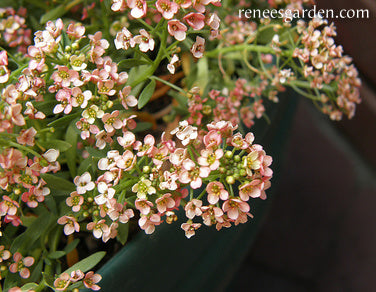
Honey-Scented Alyssum Summer Peaches
HARDY ANNUAL
Spring/summer bloom
Can handle frostEASIEST TO PLANT DIRECTLY IN THE GARDEN
Plant in early spring in well worked soil in a sunny spot. Sow 1/2 inch apart and barely cover. Keep evenly moist while awaiting germination. Seedlings will create a carpet of fine textured leaves, followed by a blanket of soft, airy flowers.
TO START EARLY INDOORS
Sow indoors 3 to 4 weeks before last frost in a large seed flat. Broadcast seeds 1/2 to 1 inch apart. To transplant, separate clusters of 4 to 5 seedlings and plant each cluster several inches apart.
GROWING NOTES
Given ordinary garden soil and even moisture, Summer Peaches grows easily and blooms profusely just 6 to 8 weeks from sowing. Plants stay compact and don’t get rangy. After the first flush of intense flowering is over, cut plants back halfway to re-bloom abundantly. In mild winter areas, sow Summer Peaches alyssum in the fall around bulbs, in containers or to cover bare areas. Plants overwinter to bloom all spring in a pretty carpet of pastel shades.Regular price $3.99Sale price $3.99Unit price per -
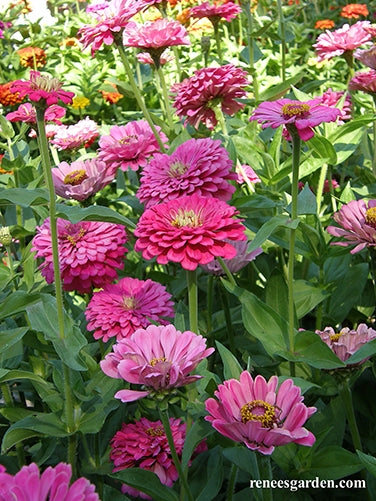
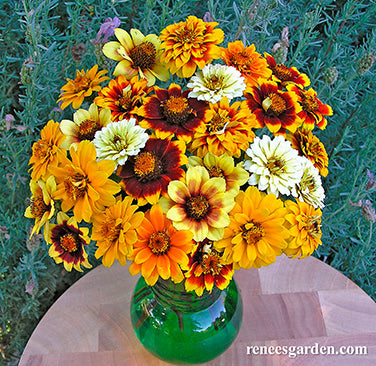
Cutting Zinnias Raspberry Sorbet
ANNUAL
Summer/Fall bloom
Frost tenderTO START DIRECTLY INTHE GARDEN
Sow seeds in well-worked soil in full sun when danger of frost is past and weather is warm and above 50°F (10°C) both day and night. Space seeds 2 to 3 inches apart in rows 12 inches apart, cover about 1/2 inch deep and gently firm soil. Keep soil evenly moist while awaiting germination.
TO START EARLY INDOORS
Four weeks before last frost date, sow seeds 1/2 inch deep and 3 inches apart in a container of seed starting mix. Keep warm and moist and provide a strong light source until seedlings are ready to plant outside only when temperatures rise above 50°F (10°C) both day and night.
THIN OR TRANSPLANT
Space seedlings 8 to 12 inches apart when large enough to handle, giving these large framed plants room to mature and providing good air circulation.
GROWING NOTES
Zinnias grow readily in ordinary garden soil in full sun. For abundant and healthy flowers, thin before seedlings get crowded; adequate spacing and regular, consistent watering helps keep zinnias un-stressed and productive and discourages mildew. For long-lived bouquets, cut flowers in the morning when blossoms first open and petals are tight. Cut long stems well back into the plant to keep plants branching low and producing abundant blooms to attract butterflies and other pollinators.Regular price $3.39Sale price $3.39Unit price per -
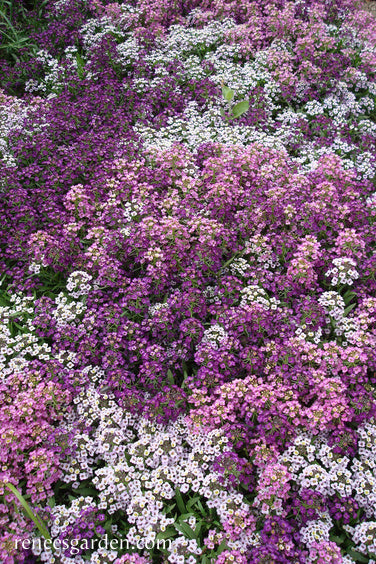
Honey-Scented Alyssum Summer Romance
HARDY ANNUAL
Spring/summer bloom
Can handle frostEASIEST TO PLANT DIRECTLY IN THE GARDEN
Plant in early spring in well-worked soil in a sunny spot. Sow 1/2 inch apart and barely cover. Keep evenly moist while awaiting germination. Seedlings will create a carpet of fine textured leaves, followed by a blanket of soft, airy flowers.
TO START EARLY INDOORS
Sow indoors 3 to 4 weeks before last frost in a large seed flat. Broadcast seeds 1/2 to 1 inch apart. To transplant, separate clusters of 4 to 5 seedlings and plant each cluster 3 to 5 inches apart.
GROWING NOTES
Given ordinary garden soil and even moisture, alyssum grows easily and blooms profusely just 6 to 8 weeks from sowing. Plants stay compact and don't get rangy. After the first flush of intense flowering is over, cut plants back halfway to re-bloom abundantly. In mild winter areas, sow alyssum in the fall around bulbs, in containers or to cover bare areas. Plants overwinter to bloom all spring in a pretty carpet of pastel shades.
Regular price $3.69Sale price $3.69Unit price per -
Heirloom English Thyme
BEST TO PLANT INDOORS
Sow thyme in early spring in a container of seed starting mix. Cover seeds very lightly and keep evenly moist but not soggy until seedlings emerge in 14 to 21 days. Provide a good light source. Transplant when seedlings are about 2 inches tall after gradually acclimating to outdoor conditions.
TO START IN THE GARDEN
Plant thyme after soil has warmed up in spring in a finely textured seed bed with good drainage in full sun. Sow very thinly, cover seed lightly and be careful to keep the seed bed evenly moist and well weeded while seedlings are young.
THIN OR TRANSPLANT
Space clusters of 3 seedlings 8 to 10 inches apart when large enough to handle.
GROWING NOTES
Given a sunny location with good drainage, easy-growing thyme plants are reliable productive and long-lived garden perennials. Little lilac flowers bloom in midsummer; cut back foliage halfway when the blossoms fade to keep plants looking fresh. Cut leafy thyme sprigs as needed once plants are well established.Regular price $4.89Sale price $4.89Unit price per -
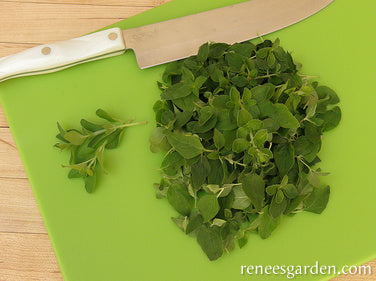
Kitchen Herbs Heirloom Italian Oregano
PERENNIAL
Spring/summer/fall harvest
Frost hardyTO PLANT DIRECTLY IN THE GARDEN
When warm spring weather arrives, sow in full sun in a well worked, finely textured seed bed with good drainage. Sow thinly, then water very gently for good soil contact, but do not cover seeds. Tend carefully: keep soil evenly moist but not soggy and well weeded.
TO START INDOORS
Sow seed in early spring in a container of seed starting mix. Press gently into moistened soil mix, but do not cover. Provide a good light source. Keep evenly moist as seedlings slowly emerge in 10 to 21 days. Transplant when 1 to 2 inches tall after gradually acclimating to outdoor conditions.
THIN OR TRANSPLANT
Thin or space seedlings 10 inches apart when they are large enough to handle.
GROWING NOTES
Mix tiny seeds with dry sand to help space seedlings. Young plants grow slowly at first; a good hot spell encourages strong growth. Pick leaves lightly the first season; wait until the second summer to make bigger harvests. For best leafy growth, cut sprays of purple blossom to enjoy in the kitchen. Given good drainage, this carefree Mediterranean native is hardy and long-lived.Regular price $2.99Sale price $2.99Unit price per -
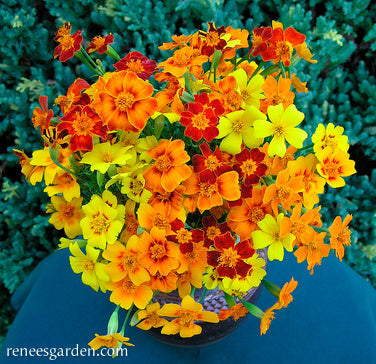
Petite Marigolds Heirloom Signet Starfire
ANNUAL
Summer/fall bloom
Frost tenderTO PLANT OUTDOORS
Sow seeds directly into well-worked garden soil in full sun once all danger of frost is past. Space seeds 2 to 3 inches apart and cover about 1/4 inch deep. Keep soil evenly moist while awaiting germination in 5 to 7 days.
TO START EARLY INDOORS
Sow seeds 1 inch apart in a container of well-drained seed starting mix 4 to 6 weeks before last expected frost date. Cover 1/4 inch deep, keep moist and provide a strong light source until ready to go outside. Transplant once weather warms up after gradually acclimating seedlings to outdoor conditions. Thin or transplant 8 to 10 inches apart when seedlings are large
GROWING NOTES
These compact and cheerful antique marigolds are quick to bloom, carefree and non-fussy. Their profusion of dainty blooms and feathery aromatic foliage are perfect for planters in sunny spots, or edging garden beds. Feed and water regularly especially if planting in containers. Consider a second sowing before midsummer for a long season of appealing old-fashioned flowers.
Regular price $2.99Sale price $2.99Unit price per -
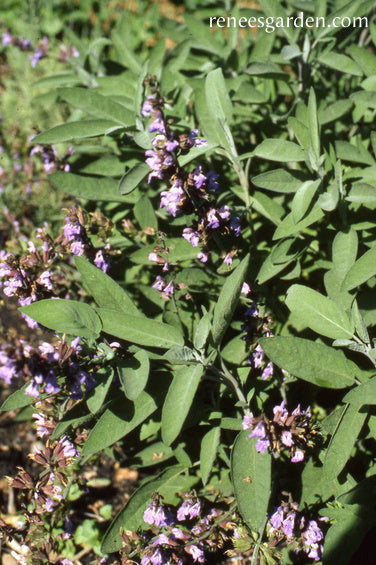
Heirloom Culinary Sage
BEST TO START EARLY INDOORS
In early spring, sow seed 1 inch apart in a container of seed starting mix and cover 1/4 inch deep. Keep evenly moist as seedlings emerge and provide a strong light source until ready to plant outdoors. Transplant 12 to 18 inches apart when seedlings are about 2 or 3 inches tall after gradually acclimating plants to outdoor conditions.
TO PLANT OUTDOORS
Sow seeds 1 inch apart in well drained fertile soil in full sun in spring once weather is warm and settled. Cover 1/4 inch deep, firm soil over seeds and keep seedbed evenly moist. Germination takes 2 to 3 weeks. After seedlings are well established, thin or transplant 12 to 18 inches apart.
GROWING NOTES
Sage plants are resilient and drought tolerant once established. Cut leafy sprigs once plants are well filled out. After flowers stop blooming, cut them well down the branch to encourage more leaf growth. Add a small pinch of crushed fresh sage to vegetables, casseroles, pork, poultry stuffing and cheese dishes. Combine fresh sage with chopped parsley to mellow its pungency. To dry, hang leafy branches upside down in a cool airy place.Regular price $4.89Sale price $4.89Unit price per -
Florist’s Zinnias Blue Ribbon Bouquet
ANNUAL
Summer/fall bloom
Frost tenderTO START DIRECTLY IN THE GARDEN
Sow seeds in a well-worked seed bed in full sun when danger of frost is past and nighttime temperatures are reliably above 50°F (10°C). Space seeds 3 inches apart in rows 12 inches apart, cover about 1/2 inch deep and gently firm soil. Keep soil evenly moist while awaiting germination.
TO START EARLY INDOORS
Four to five weeks before last frost date, sow seeds ½ inch deep and 3 inches apart in a container of seed starting mix. Keep warm and moist and provide a strong light source until seedlings are ready to plant outside when nighttime temperatures are reliably above 50°F (10°C).
THIN OR TRANSPLANT
Space seedlings 12 inches apart when large enough to handle to give plants room to mature and provide good air circulation.
GROWING NOTES
Zinnias grow readily in ordinary garden soil in full sun. For large and abundant flowers, thin before seedlings get crowded; adequate spacing and regular, even watering helps keep zinnias productive and discourages mildew. Pick when flower blossoms first open and petals are tight for longest vase life. Cut long stems well back into the plant to keep plants branching low and producing best blooms for summer long bouquets.Regular price $2.99Sale price $2.99Unit price per -
Heirloom Herbs Munstead English Lavender
BEST TO PLANT INDOORS
In early spring, sow lavender seeds in a container of seed starting mix, cover very lightly and keep at 60-70°F (16-21°C). Keep container moist but not soggy until seedlings slowly emerge over 14 to 28 days, providing a good light source. When seedlings have several sets of leaves, transplant into individual 4 inch pots. Plant outside in a well-drained sunny spot when plants are 2 to 3 inches tall after gradually acclimating to outdoor conditions.
TO START IN THE GARDEN
Sow directly into a well-worked, finely textured garden bed in full sun when weather is warm and settled. Cover very lightly. Lavender germinates slowly and unevenly; keep seed bed evenly moist and well weeded.
THIN OR TRANSPLANT
Space seedlings 12 to 18 inches apart when large enough to handle.
GROWING NOTES
Given excellent drainage, this hardy lavender is perennial to zone 5. Plants flower lightly the first season and come into full bloom by their second summer. After blooming season, prune and shape the plants while cutting off spent flower stalks. Bonemeal is a good soil amendment for lavender.Regular price $3.39Sale price $3.39Unit price per -
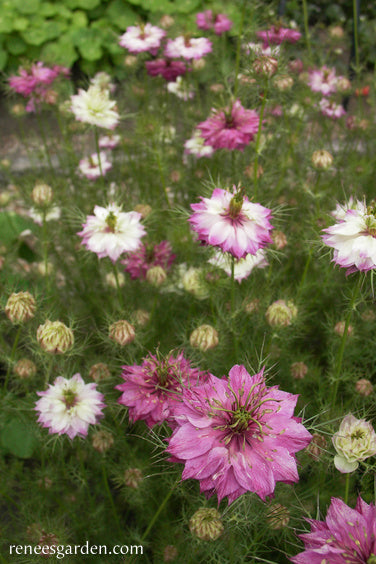
Love in a Mist Mulberry Rose Nigella
HARDY ANNUAL
Spring/summer bloom
Can handle light frostEASIEST TO PLANT DIRECTLY IN THE GARDEN
Sow seeds directly into a finely textured, well-drained garden bed as early in spring as the ground can be worked. In mild climates, sow in cool fall weather for spring bloom. Space seeds 2 to 3 inches apart in rows 6 inches apart and cover 1/4 inch deep. Or broadcast thinly in a garden bed and cover 1/4 inch deep. Weed young seedlings carefully and thin before they get too crowded. Thin or transplant seedlings 4 to 5 inches apart.
GROWING NOTES
Make several successive sowings in early spring to enjoy these carefree old-fashioned flowers throughout spring and early summer. Their delicate blossoms make sweet little bouquets. As flowers fade, cut the decorative seed pods before they mature and split. Hang upside down in bundles out of direct sun to dry for winter bouquets and arrangements. Let some seedpods mature on the plants to spill seed and these graceful flowers will come up year after year.
Regular price $3.39Sale price $3.39Unit price per -
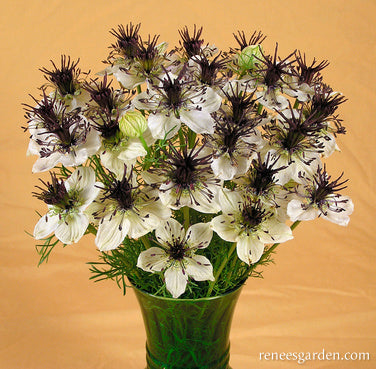
Heirloom White Nigella Bridal Veil
HARDY ANNUAL
Spring/summer bloom
Can handle light frostEASIEST TO PLANT DIRECTLY IN THE GARDEN
Sow seeds directly into a finely textured, well-drained garden bed as early in spring as the ground can be worked. Space seeds 2 inches apart, in rows 6 inches apart. Cover seed very lightly, about 1/4 inch deep. Or broadcast seeds evenly over the seed bed and cover very lightly. Keep evenly moist while awaiting germination. Thin seedlings to stand 6 inches apart so plants have room to grow and mature. In mild winter climates, Nigella can be sown in early spring and also be sown again in cool fall weather to overwinter for spring bloom.
GROWING NOTES
Make several successive sowings from early spring through early summer and you'll have these carefree specialty flowers blooming all season long. As flowers fade, cut stems of the decorative seedpods. Hang carefully upside down in bundles out of the direct sun to easily dry for everlasting arrangements. Let some seedpods mature and stay on the plants to spill seed and these graceful flowers will come up year after year.
Regular price $3.69Sale price $3.69Unit price per -
Heirloom Butterfly Zinnias Persian Carpet
ANNUAL
Summer/fall bloom
Frost tenderTO START DIRECTLY IN THE GARDEN
Sow seeds in well-worked soil in full sun when danger of frost is past and temperatures are above 50°F (10°C) both day and night. Space seeds 2 to 3 inches apart in rows 12 inches apart, cover about 1/2 inch deep and gently firm soil. Keep evenly moist while awaiting germination.
TO START EARLY INDOORS
Four weeks before last frost date, sow seeds 1/2 inch deep and 3 inches apart in containers of seed starting mix. Keep warm and moist and provide a strong light source. Feed with 1/2 strength fertilizer every 2 weeks. Just as soon as seedlings have several sets of true leaves, plant outdoors when temperatures stay above 50°F (10°C) at night.
THIN OR TRANSPLANT
Space seedlings 8 to 10 inches apart when large enough to handle to provide good air circulation and give plants room to mature.
GROWING NOTES
Zinnias grow readily in ordinary garden soil in full sun. Be sure to thin before seedlings get crowded; adequate spacing and regular even watering help keep zinnias productive and disease free. Grow colorful Persian Carpet in beds or borders, or combine with white alyssum, dwarf marigolds, petunias and salvia for season-long bloom in terracotta pots and color bowls.Regular price $2.99Sale price $2.99Unit price per -
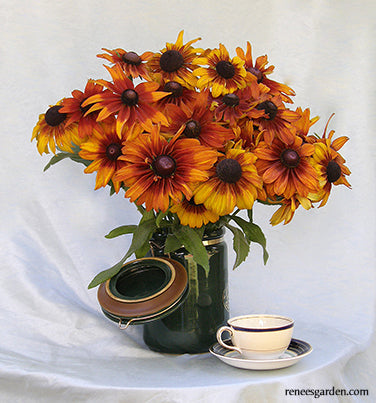
Butterfly Rudbeckia Cappucino
PERENNIAL
Summer/fall bloom
Frost hardy
USDA Zones 4 to 9BEST TO START EARLY INDOORS
In spring, about 6 weeks before last expected frost date, sow seeds 1 inch apart in a containers of seed starting mix. Cover very lightly with mix, keep warm and moist, and provide a strong light source until seedlings are ready to plant out. Feed every 2 weeks with half strength fertilizer. Once seedlings are large enough to handle, transplant 2 to 3 inches apart into deeper containers or individual pots so root systems have room to develop. When plants are 3 to 4 inches tall, gradually acclimate to outdoor conditions. Plant out in the garden in full sun in well-drained, good soil 12 to 18 inches apart. Protect seedlings from slugs and snails while plants are young.
GROWING NOTES
These sturdy tetraploid Rudbeckias are easy to grow, naturalize well and require little maintenance other than removing faded flowers for longest bloom. Once established, they can handle a wide range of weather conditions and will bloom stronger each season. Plants send up long stems of 3 to 4 inch daisy-shaped blossoms in an array of warm colors and bicolors beginning at midsummer.Regular price $4.69Sale price $4.69Unit price per -
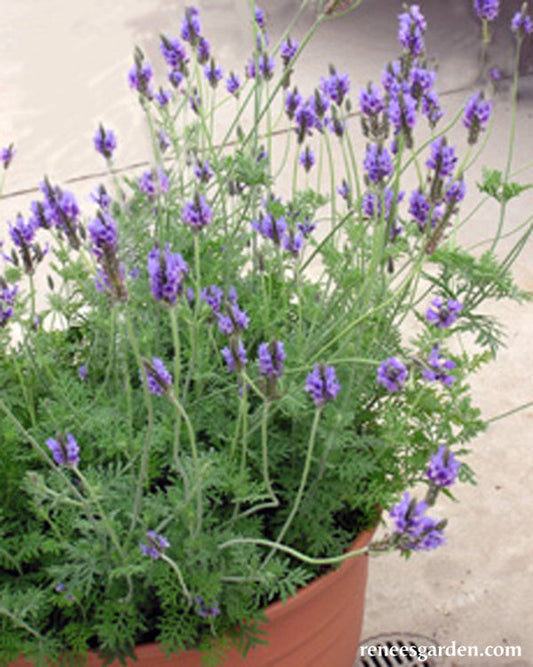
Butterfly Herbs Fernleaf Lavender
PERENNIAL
Spring/summer bloom
Hardy to zone 8BEST TO PLANT INDOORS
In early spring, sow lavender seeds 1 inch apart in a container of seed starting mix. Cover very lightly and keep at 60 to 70°F (16-21°C). Keep evenly moist but not soggy until seedlings slowly emerge over 14 days, providing a good light source. When seedlings have several sets of leaves, transplant 2 inches apart into deeper containers. Plant outside in a well-drained sunny spot when plants are 2 to 3 inches tall after gradually acclimating to outdoor conditions.
THIN OR TRANSPLANT
Space 18 inches apart when seedlings are well established.
GROWING NOTES
Because perennial lavender’s small seeds germinate slowly and unevenly, we strongly recommend starting them indoors so you can tend them carefully. After seedlings are well established, plant them out in a sunny spot with excellent drainage and good air circulation or in big, well-drained pots. Plants flower lightly the first season and come into full bloom in their second summer.
After blooming season, prune and shape the plants while cutting off spent flower stalks. These sturdy plants will take more humidity than other lavenders. Fernleaf plants are beacons for butterflies all summer long.
Regular price $3.99Sale price $3.99Unit price per -
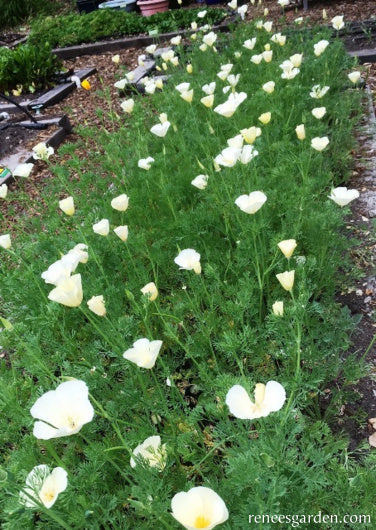
California Poppies Buttercream
PERENNIAL GROWN AS ANNUAL
Spring/Summer bloom
Can handle light frostBEST TO START DIRECTLY IN THE GARDEN
Sow seeds directly into a finely textured, well-drained garden bed in full sun as early in spring as the ground can be worked. Plant as early as possible in spring, as poppies can handle light frost and bloom best and longest when plants get a good start in cool weather. In mild winter climates, poppies can also be sown in late fall to overwinter for spring bloom. Except in very poor soil, these California poppies will grow and flower readily with no added fertilizer. Space seeds 2 or 3 inches apart, cover 1/4 inch deep, and firm soil gently. Keep soil moist as seedlings emerge. Weed young seedlings carefully. If seedlings come up very thickly, thin poppies early but delay final thinning until seedlings are well established in spring. Final spacing should be 3-4 inches apart as plants need room to develop and bloom.
GROWING NOTES
When mature, poppy plants can handle dry conditions but they will always bloom longer if watered regularly. Poppies are pretty cut flowers if brought indoors just as buds begin to open. Prolong bloom by removing spent flowers. At season's end, allow spent flowers to form pods and drop their seed if you want poppies to self-sow.Regular price $3.39Sale price $3.39Unit price per -
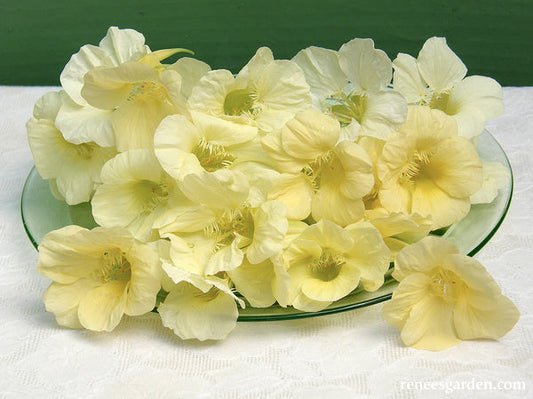
Mounding Nasturtiums Buttercream
ANNUAL
Spring/summer/fall bloom
Frost tenderEASY TO START OUTDOORS
Sow seeds in spring once all danger of frost is over in full sun (or part shade in hot climates). Nasturtiums need no added fertilizer in most soils. Poke seeds into well-worked soil about 1 inch deep and 3 to 4 inches apart. Press soil firmly over the seeds and keep moist. When seedlings are large enough to handle, thin to 10 inches apart as mounding plants need ample room to grow.
TO START EARLY INDOORS
Sow 2 seeds each in individual 4-inch pots of well-drained seed starting mix 3 weeks before last expected frost date. Cover 1 inch deep. Provide a strong light source. When seedlings have several sets of leaves pinch out the weaker seedling, leaving 1 per pot. When weather is evenly in the 50°F (10°C) range, gradually acclimate to outdoor conditions. Transplant seedlings into the garden 10 inches apart in full sun.
GROWING NOTES
These mounding nasturtiums are reliable and easy to tuck into any well-drained spot. They are a perfect disguise to cover fading bulb foliage in late spring. Their softly draping leaves and creamy flowers will quickly fill garden beds or containers. In mild winter climates, sow seeds again by mid-June for late summer blooms. Leaves and flowers are tasty additions to salads and sandwiches.
Regular price $3.69Sale price $3.69Unit price per -
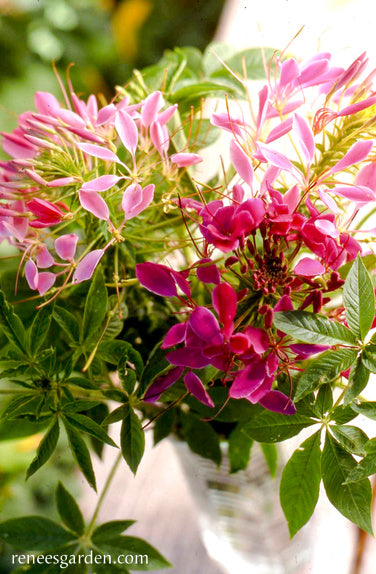
Hummingbird's Choice Color Fountains Cleome
ANNUAL
Summer/fall bloom
Frost tenderTO START OUTDOORS
In spring when all danger of frost is past and weather is warm and settled, sow seeds in a well-worked, fertile seed bed in full sun. Space seeds 2 to 3 inches apart in rows 12 inches apart, cover about 1/8 inch deep and firm soil gently. Keep soil evenly moist while awaiting germination in 12 to 28 days.
TO START EARLY INDOORS
Four to five weeks before last frost date, sow seeds 1/8 inch deep and 2 to 3 inches apart in a container of seed starting mix. Keep warm and moist and provide a strong light source until seedlings are ready to plant outdoors. Seeds germinate best when day and night temperatures vary 10 to 20°. Thin or transplant seedlings 12 to 14 inches apart to give the large plants room to mature.
GROWING NOTES
Tall old-fashioned Cleome is perfect to plant at the back of the border or in a cut flower garden combined with phlox, asters, snapdragons, cosmos or zinnias. Keep young plants well watered and weeded, and they will mature to handle dry heat or humid weather well and bloom all summer long.
Regular price $2.99Sale price $2.99Unit price per -
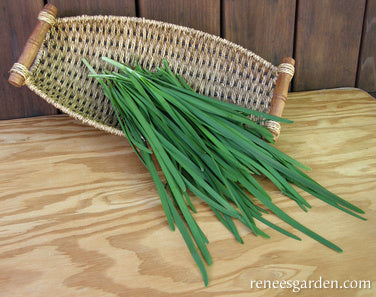
Heirloom Herbs Garlic Chives
PERENNIAL
Spring/summer/fall harvest
Frost hardyTO PLANT DIRECTLY OUTDOORS
In the cool weather of early spring, sow clusters of 7 to 10 seeds 8 to 10 inches apart in well-worked, fertile soil in sun or part shade. Cover 1/4 inch deep and press soil firmly over seeds. Keep evenly moist as seeds germinate slowly over several weeks. Emerging seedlings have slender, straight leaves.
TO START EARLY INDOORS
In early spring, sow seed thinly in a container of seed starting mix and cover 1/2 Inch deep. Keep evenly moist as seedlings slowly emerge and provide a good light source. Gradually acclimate to outdoor conditions before transplanting clusters of 7 to 10 seedlings, planting each cluster 8 inches apart.
GROWING NOTES
Garlic chives grow slowly at first, but soon mature into sturdy bright green mounds crowned with pretty white edible blossoms. After bloom finishes, shear entire plant back to 4 inches to encourage regrowth of tender new leaves. These hardy, self-sufficient plants are attractive additions to the flower or herb garden.Regular price $4.89Sale price $4.89Unit price per -
Heirloom Dwarf Zinnias Thumbelina Mix
ANNUAL
Summer/fall bloom
Frost tenderEASIEST TO PLANT OUTDOORS
After danger of frost is past, sow seeds in full sun in well-worked soil. For container sowing, use fresh potting mix. Space seeds 2 inches apart, cover about 1/2 inch deep and gently firm soil. Keep soil evenly moist while awaiting germination. When seedlings are several inches tall, thin to final spacing: For Containers, space plants 4 inches apart; In Garden Beds, space 8 inches apart.
TO START EARLY INDOORS
Several weeks before last frost date, sow seeds 1/2 inch deep and 2 inches apart in a container of seed starting mix. Keep warm and moist and provide a strong light source until ready to plant outdoors. Transplant carefully before plants get too large.
CONTAINER GROWING
Use containers a minimum of 12 inches in diameter and 12 inches deep. Fill with well moistened, fresh potting mix.
GROWING NOTES
These carefree 12 to 16 inch tall zinnias perform well in hot and sunny conditions. Thin young seedlings to final spacing before too large. Water regularly and consistently. Support plants’ rapid growth by feeding with an all-purpose fertilizer every few weeks. Remove spent flowers often to encourage new blooms.Regular price $3.39Sale price $3.39Unit price per -
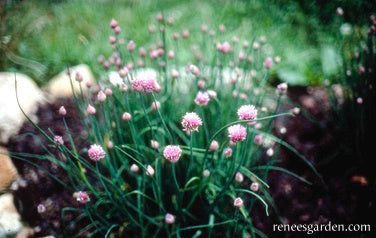
Kitchen Herbs Fine Leaf Chives
PERENNIAL
Spring/summer/fall harvest
Frost hardyTO PLANT OUTDOORS
In the cool weather of early spring, sow clusters of 7 to 10 seeds about 8 to 10 inches apart in well-worked, fertile soil in sun or part shade. Cover 1/4 inch deep and press soil firmly over seeds. Keep evenly moist as seeds germinate slowly over several weeks. Emerging seedlings have very slender grass-like leaves that mature into mounds.
TO START EARLY INDOORS
In early spring, sow 7 to 10 seeds in individual containers of starting mix and cover 1⁄4 inch deep. Keep evenly moist as seedlings slowly emerge and provide a good light source until ready to plant outdoors. Transplant clusters of seedlings when 2 to 3 in. tall after gradually acclimating plants to outdoor conditions.
THIN OR TRANSPLANT
Space clusters of 7 to 10 seedlings 8 to 10 inches apart.
GROWING NOTES
Chives bear lilac-pink blossoms in late spring and summer. After bloom finishes, cut entire plant back to 2 inches to encourage regrowth of tender new leaves. Given plenty of moisture and a location out of fierce sun, chives are hardy, self-sufficient plants.Regular price $2.99Sale price $2.99Unit price per -
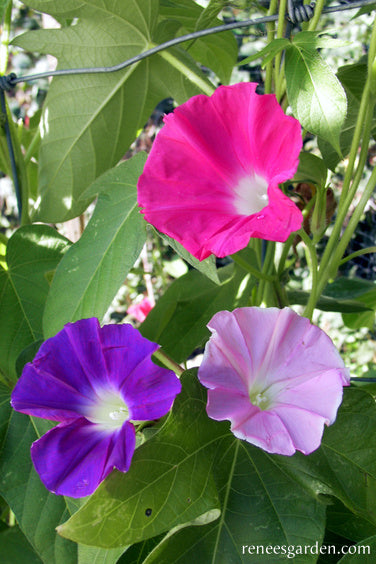
Morning Glory Early Call
ANNUAL VINE
Summer/fall bloom
Frost tenderTO START OUTDOORS
In late spring once weather is warm and settled and nights stay above 50°F (10°C) plant seeds in a sunny spot in ordinary garden soil 2 to 3 inches apart and 1/2 inch deep. Firm soil over seeds.
TO START EARLY INDOORS
Sow indoors 4 or 5 weeks before last expected frost in individual pots of seed starting mix. Cover 1⁄2 inch deep and keep warm and moist. Provide a strong light source until seedlings are ready to plant outdoors. Transplant very carefully once nights stay above 50°F (10°C) and before seedlings get too crowded. Thin or transplant seedlings 6 to 8 inches apart. Avoid disturbing roots.
Regular price $2.99Sale price $2.99Unit price per -
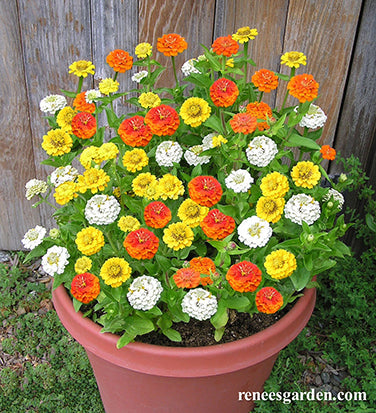
Container Zinnias Pixie Sunshine
ANNUAL
Summer/fall bloom
Frost tenderEASIEST TO PLANT OUTDOORS
After danger of frost is past, sow seeds in full sun in well-worked soil. For container sowing, use fresh potting mix. Space seeds 2-3 inches apart, cover about 1/2 inch deep and gently firm soil. Keep soil evenly moist while awaiting germination. When seedlings are several inches tall, thin to final spacing: For Containers, 5 to 6 plants per 12 inch pot; In Garden Beds, space 8 inches apart.
TO START EARLY INDOORS
Several weeks before last frost date, sow seeds 1/2 inch deep and 2 inches apart in a container of seed starting mix. Keep warm and moist and provide a strong light source until ready to plant outdoors. Transplant carefully before plants get too large. Space plants carefully, so roots have room to grow and spread.
GROWING NOTES
For container planting, use pots at least 12 inches in diameter and 12 inches deep. These carefree 8 to 12 inch tall zinnias perform well in hot and sunny conditions. Water regularly and consistently. Support plants’ rapid growth by feeding with a well-balanced fertilizer every few weeks. Thin young seedlings to final spacing before too large. Remove spent flowers often to encourage new blooms.
Regular price $3.39Sale price $3.39Unit price per -
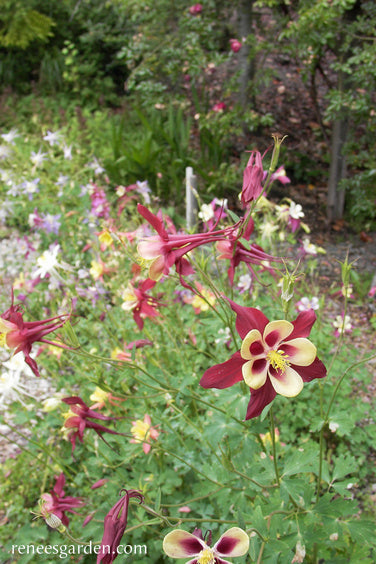
Heirloom Columbines Mrs. Scott Elliot
PERENNIAL
Spring/summer/bloom
Frost hardyTO START EARLY INDOORS
In early spring, 6 to 8 weeks before last expected frost date, sow seeds 1 inch apart in seed starting mix. Cover 1/8 inch deep, keep moist and provide a strong light source until seedlings are ready to plant outdoors. Be patient; these small perennial seeds germinate slowly in 14 to 21 days. Once seedlings are large enough to handle, transplant 2 to 3 inches apart into a deeper container so root systems have room to develop. Feed every 2 weeks with half-strength fertilizer. When plants are 2 to 3 inches tall, gradually acclimate to outdoor conditions and plant 12 inches apart in fertile, well-drained soil in sun or partial shade.
TO START OUTDOORS
Sow seeds in fine textured, well-drained soil when danger of frost is past. Space seeds 2 to 3 inches apart, cover 1/4 inch deep and gently firm soil. Keep evenly moist. When seedlings are well-established, thin 12 to 18 inches apart.
GROWING NOTES
Perennial Columbines sown indoors in January will bloom the same year. Seeds sown later, any time until mid-summer, will establish themselves to bloom the following spring. In hot summer areas, plant in partial shade. Where summers are moderate, plant in full sun. Columbines thrive in moist, fertile soil.
Regular price $2.99Sale price $2.99Unit price per