Butterfly Favorites
Butterfly Favorites
-
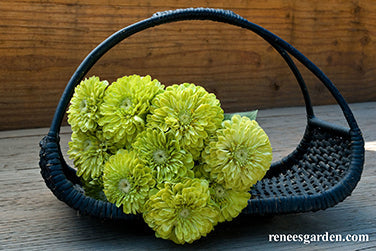
Heirloom Zinnias Green Envy
ANNUAL
Summer/fall bloom
Frost tenderEASY TO START DIRECTLY IN THE GARDEN
Sow seeds in well-worked soil in full sun when danger of frost is past and weather is warm and above 50°F (10°C) both day and night. Space seeds 2 to 3 inches apart in rows 12 inches apart, cover about 1/2 inch deep and gently firm soil. Keep soil evenly moist while awaiting germination.
TO START EARLY INDOORS
Four weeks before last frost date, sow seeds ½ inch deep and 3 inches apart in a container of seed starting mix. Keep warm and moist and provide a strong light source until seedlings are ready to plant outside when temperatures rise above 50°F (10°C) day and night.
THIN OR TRANSPLANT
Space seedlings 8 to12 inches apart when large enough to handle so plants have good air circulation and enough elbow room to grow and bloom freely.
GROWING NOTES
Zinnias can grow in ordinary garden soil in full sun. For large, abundant flowers, thin before seedlings get crowded. Adequate spacing and regular, even watering discourages mildew and keeps zinnias productive.
Pick just as blossoms begin opening and petals are tight. Cut long stems well back into the plant to keep plants branching low and producing best blooms for summer long bouquets.
Regular price $2.99Sale price $2.99Unit price per -
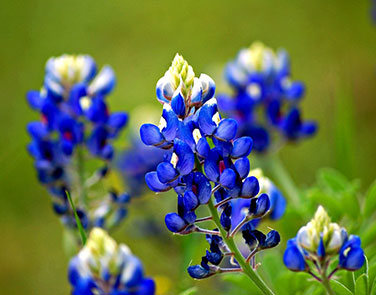
Bonus Pack Texas Bluebonnets
Annual USDA Zones 5-8
Bluebonnets require full sun and well-drained ordinary soil of moderate alkalinity. They will not tolerate heavy clay soils, so if you have dense clay soil, grow them in raised beds amended with compost and sand to give them the good drainage they need. Bluebonnets are drought-adapted; do not overwater them during active growing periods.HOW BLUEBONNETS GROW AND WHAT THEY NEED
Bluebonnet’s large, hard-coated seeds respond best to late summer/fall planting as exposure to winter soil abrasion. Precipitation and weather changes break down the naturally tough outer coat of the seeds to produce germination in fall or early spring. As spring breaks, plants respond to sun and warmth, and then bloom gloriously, attracting happy bees and butterflies. The beautiful flower spikes are deep blue with white tips. After flowering, seedpods form, dry and drop seed to rebloom the next season.
SOWING AND GROWING BLUEBONNETS
Plant seeds in late summer or early fall to overwinter and bloom the next spring (in hard winter areas, sow in very early spring). Plant in ordinary garden soil, preparing the soil by removing weeds, grass and stones. Evenly loosen the top 4 inches of soil with a shovel or digging fork and break up soil clumps, then rake smooth.
Broadcast the seed over the seed bed, aiming for 6 inch spacing. Cover lightly with soil, tamping it down to make sure the seeds get good soil contact. Water in well at planting time, then keep moist but on the dry side until seasonal rains take over. Seeds may take 3 to 4 weeks to slowly and unevenly germinate. Foliage rosettes of 5-7 leaves will develop close to the ground and overwinter that way. (If cold weather comes on, seeds may delay germination until the next spring.) After germination, seedlings develop long tap roots and usually don’t require additional irrigation.
In mild early spring weather, bluebonnets will actively begin growing again. Plants rapidly develop multiple 8-12 inch flowering stalks that bloom in a gorgeous blue color with white tips. After the colorful flowers fade, green seedpods form. When they are dried up and dark brown, pods pop open and drop seed to self-sow for next spring’s flowers.
Regular price $9.99Sale price $9.99Unit price per -
Regular price $9.99Sale price $9.99Unit price perNew
-
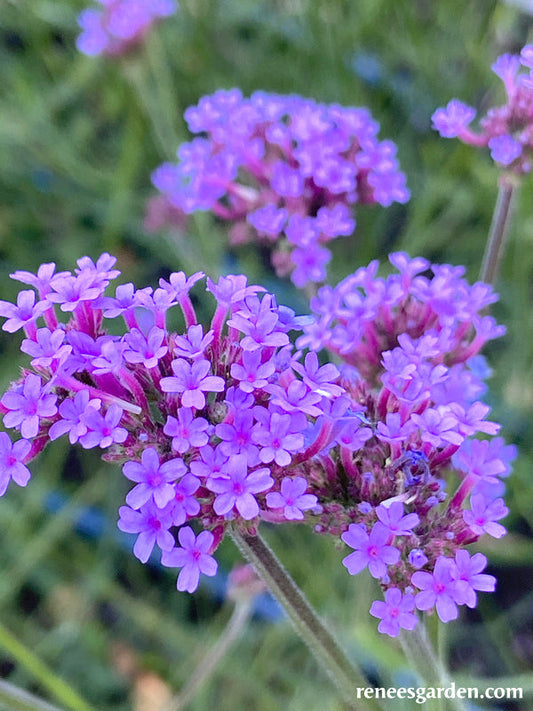
Pollinator Wildflowers Vanity Verbena
TENDER PERENNIAL GROWN AS ANNUAL
Summer/fall bloom
Frost tenderTO START EARLY INDOORS
Start seeds indoors 4 to 6 weeks before last frost date. Sow seeds 1 inch apart in a container of seed starting mix and cover very lightly. Keep moist but not soggy and provide a strong light source. Vanity germinates best in cool temps between 68-70°F (20°-21°C). Be patient; seeds germinate slowly over 14-28 days. When seedlings are about 2 to 3 inches tall, and night temperatures are above 50°F (10°C), acclimate to outdoor conditions and plant 12-15 inches apart.
TO START DIRECTLY OUTDOORS
Sow in well-worked beds after night temperatures reach 50°F (10°C). Plant seeds 4 inches apart and cover very lightly. Keep soil evenly moist. Thin the sturdiest seedlings 12-15 inches apart, giving plants room to mature.
GROWING NOTES
Branching, compact Vanity grows 2 1/2 feet tall and wide with vivid flower clusters that bloom hard all summer. Pollinators of every kind love visiting these nectar-rich flowers. Vanity is also long-lasting and decorative in bouquets.
Regular price $4.99Sale price $4.99Unit price perNew -
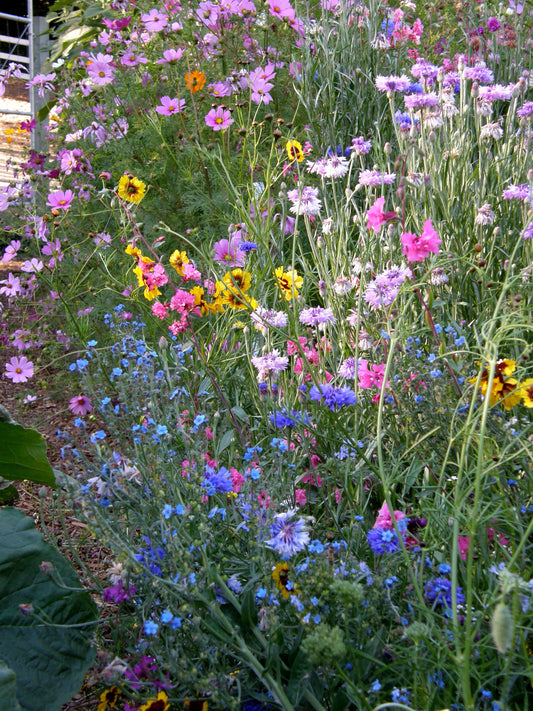
Bonus Pack Seeds for A Butterfly Garden
TWO DESIGN IDEAS
Plant your butterfly garden in a rectangular bed or border with tall, medium and low flowers from back to front, OR in a circle with tall flowers in the center, surrounded by the middle and then lower growing varieties.
For the back of the border in dramatic rows, OR planted in a circle garden as a central spiral, tall, branching Crimson Queen sunflowers offer both a convenient meal and a windscreen for your winged visitors.
At mid-level, Purity Cosmos' abundant snow-satiny white flowers with sunny centers dance and sway all summer, a magnet for air-waltzing butterflies.
At front of the border OR around the outer edge of the circle, low-growing Persian Carpet zinnias offer a beautiful tapestry of warm shades and provide nectar for many species.
CREATING BUTTERFLY HABITATButterflies are attracted to blossom shapes and colors, so it's important to plant in mass blocks instead of a few isolated plants here and there. Planting these flowers behind each other produces an ideal combination of different flowers at varying heights, offering your visitors a choice of where to feed and rest.
These flowers provide flower nectar for nourishment and fuel butterflies need for flying. Flowers unique personal attributes of color, scent and shape lure butterflies and ensure pollination. With each sip from the heart of a blossom, tiny grains of pollen gather on the butterfly’s body and then it helps to pollinate the garden as it flutters among flowers.
Sunny days in the garden are synonymous with a busy freeway of flying butterflies. The sun warms their wing muscles, enabling them to dart, soar and fly seeking nectar and pollinating your sun loving flowers. On gusty summer days, the taller cosmos and sunflowers offer comfortable protection from the wind. Offer butterflies a convenient drinking spot with a shallow bird bath or decorative stone water container.
Regular price $8.99Sale price $8.99Unit price per