All
-
-
-
-
-
-
-
-
-
-
Regular price $9.99Sale price $9.99Unit price perNew
-
-
-
Regular price $9.99Sale price $9.99Unit price perNew
-
Medicinal Herbs - Lemon Balm
Tender Perennial
Spring to fall bloom. Frost tender.
To Start Early Indoors
Sow seeds 1 inch apart in a container of well-drained seed starting mix 4 to 6 weeks before last expected frost date. Cover ¼ inch deep, keep moist and provide a strong light source until ready to go outside. Transplant into individual containers once seedlings have 2 to 3 sets of true leaves. Transplant into garden once weather warms up after gradually acclimating seedlings to outdoor conditions.
To Plant Outdoors
Sow seeds directly into wellworked garden soil in full sun once all danger of frost is past. Space seeds 1 inch apart and cover about ¼ inch deep. Keep soil evenly moist while awaiting germination in 7 to 14 days.
Plant Spacing
When well established, thin or transplant seedlings 9 to 12 inches apart so plants have room to mature. You can transplant extra seedlings when thinning.
Harvest and Use
A versatile herb prized for its culinary and medicinal uses. Fresh or dried leaves make a soothing lemony tea, add a bright flavor to drinks, fruit dishes, or baked goods, and the plant itself serves as a fragrant border plant or groundcover. To keep growth manageable, trim flower stalks to prevent excessive self-seeding. Can be planted in containers to avoid spreading by root runners.
Regular price $4.89Sale price $4.89Unit price per -
Middle Eastern Oregano - Za'atar
Perennial
Spring/summer/fall harvest.
Frost hardy.
To Start Indoors
Sow seeds thinly in a container of seed starting mix. Press gently into mix, but do not cover. Provide a good light source. Keep evenly moist as seedlings slowly emerge in 10 to 21 days. When seedlings are large enough to handle, acclimate gradually to outdoor conditions. Transplant clusters of 3 to 5 seedlings 8 to 10 inches apart in full sun.
To Plant Directly in the Garden
When warm spring weather arrives, sow in full sun in a wellworked, finely textured soil with good drainage. Sow seed as thinly as possible, but do not cover as seeds need light to germinate. Tend carefully, keeping seedbed evenly moist and well-weeded. Plants double as a waterwiseornamental prized for its soft, velvety gray-green foliage.
Harvest And Use:
After harvest, dried Za’atar leaves can be mixed with ground sumac, toasted sesame seeds and salt to make the classic spice blend also known as “za’atar.” Dried leaves are traditionally sprinkled on salads, alongside a bowl of olive oil for dipping toasted pitas and flatbreads, and to season chicken or lamb. Best added at the end of cooking to maintain flavor.
Regular price $4.89Sale price $4.89Unit price per -
Pak Choi - Bopak
To Start Outdoors
In very early spring as soon as ground can be worked, prepare a well-drained, fertile garden bed in full sun. Sow seeds 2 inches apart in rows spaced 8 to 12 inches apart. Cover ¼ inch deep and keep soil evenly moist to ensure good germination. Thin to 8 to 10 inches apart. Sow again in late summer for another fast-growing crop.
To Start Indoors
Sow seeds in a container of seedstarting mix 2 inches apart and cover ¼ inch deep. Keep moist and provide a strong light source until seedlings are about 3 inches tall and ready to plant in the garden. Transplant seedlings 8 to 10 inches apart to give plants room to mature.
Growing Notes
Pak Choi thrives in nitrogen-rich soil and cool growing conditions. Be sure to thin seedlings and keep well-weeded and watered for best tasting crunchy heads. Feed 2 or 3 times during the growing season with fish emulsion or another high-nitrogen liquid fertilizer.
Harvest and Use:
Harvest young thinnings for fresh salads. Cut these fancy, full-sized heads when they feel firm and heavy. The crisp, thick white stems and tender leaves are perfect for stir-frying or steaming whole. ‘Bopak’ is exceptionally sweet and crunchy, providing a nutritious harvest rich in vitamins and fiber.
Regular price $4.89Sale price $4.89Unit price per -
Cherry Tomato - Purple Bumble Bee
Starting Seedlings
Start indoors about 6 to 8 weeks before outdoor night temps are in the 50-55°F (10-13°C) range. Sow seeds ¼ inch deep and 1 inch apart in a container of seed starting mix. Keep moist but not soggy, and very warm, 80°F (27°C). Provide a strong light source until seedlings are ready to plant outside.
When they are 2 inches tall, transplant into 4-inch pots, burying stems up to base of leaves. Maintain around 70°F (21°C). Feed with half-strength fertilizer every 2 weeks until weather is warm enough to gradually acclimate seedlings to outdoor conditions. Transplant these vigorous indeterminate climbers 3 feet apart into rich soil in full sun.
Growing Notes
Prepare soil well with aged manure or compost. Plant tomatoes several inches deeper than they were growing in pots. Provide strong stakes or tall wire cages at planting time as plants grow tall with loads of heavy fruit. Mulch to provide the even moisture that prevents cracking. Don’t overwater once fruit begins to ripen.
Harvest and Use
Pick these jewel-like cherry tomatoes when purple skin deepens and lime striping is distinct. For best flavor, let them ripen on the vine until slightly soft to the touch. Great for snacking right out of the garden or tossed into colorful summer salads.
Regular price $4.89Sale price $4.89Unit price per -
Asian Greens - Scarlet Red Tatsoi
To Start Outdoors
In very early spring as soon as ground can be worked, prepare a well-drained, fertile garden bed in full sun. Sow seeds 1 to 2 inches apart in rows spaced 6 to 8 inches apart. Cover ¼ inch deep and keep soil evenly moist to ensure good germination. Thin to 4 to 6 inches apart when large enough to handle. Sow again in late summer for another fast-growing crop.
To Start Indoors
Sow seeds in a container of seed starting mix 1 to 2 inches apart and cover ¼ inch deep. Keep moist and provide a strong light source until seedlings are about 3 inches tall and ready to plant in the garden.
Thin or Transplant
Space seedlings 4 to 6 inches apart to give plants room to mature.
Growing Notes
Tatsoi thrives in nitrogen-rich soil and cool growing conditions. Be sure to thin seedlings and keep well-weeded and watered for best, sweet tasting heads. Feed 2 or 3 times during the growing season with fish emulsion or another high-nitrogen liquid fertilizer.
Harvest and Use:
Enjoy colorful early thinnings fresh in salads. Harvest the full, upright rosettes once they are densely packed and wellcolored. Chop the vitamin-rich leaves into vibrant stir-fries, or lightly sauté to preserve their sweet, mild flavor and crunchy texture. This stunning red variety is as nutritious as it is beautiful, loaded with healthy antioxidants.
Regular price $4.89Sale price $4.89Unit price per -
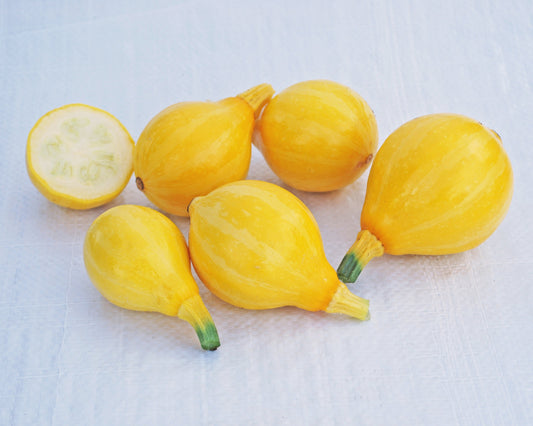
Heirloom Italian Zucchini - Classic Cocozelle
Start Seeds Outdoors
Zucchini need full sun, rich fertile soil and warm temperatures. Plant only when spring weather is warm and night temperatures stay above 50°F (10°C). Sow groups of 2 to 3 seeds, 1 inch deep, every 2 feet, in rows 3 feet apart. Thin to leave only 1 seedling every 2 feet. Or, plant in slightly mounded hills, 2 feet in diameter, sowing 5 or 6 seeds in each hill. Thin hill-planted seedlings to 2 or 3 strongest plants.
Growing Notes
Amend soil well before sowing with lots of aged-manure or compost. Protect young seedlings from marauding birds by covering with plastic berry baskets at planting time, removing when plants get crowded. Be sure to thin properly - you will have more productive, disease-free plants if seedlings have enough room to mature.
Harvest and Use
Harvest zucchini when no more than 5 to 6 inches long for best flavor. Frequent harvesting keeps plants producing tasty new fruits instead of tough, huge ones. Steam, stirfry or grill sliced zucchini and sprinkle with fresh parsley, dill, basil or thyme. Try the tasty blossoms sautéed or stuffed and baked. Heap a platter with spears of baby zucchini to serve with your favorite dip for appetizers or snacks.
Regular price $4.89Sale price $4.89Unit price per -
Italian Peppers - Jimmy Nardello
Starting Seedlings
In early spring, start indoors about 2 months before night temperatures stay above 50-55°F (10-13°C). Sow seeds ¼ inch deep and 1 inch apart in a container of seed starting mix. Keep moist but not soggy, and very warm 80-85°F (27-29°C). Provide a strong light source until seedlings are ready to plant outside. When 2 inches tall, transplant into individual 4-inch pots. Maintain at 70-75°F (21-24°C). Feed with half-strength fertilizer every week until weather is warm enough to gradually acclimate seedlings to outdoor conditions. Transplant 2 feet apart into rich soil in full sun.
Growing Notes
Don’t transplant outdoors until nights are above 50°F (10°C). Prepare soil well with aged manure or compost and a granular, all-purpose vegetable fertilizer. Plant only robust seedlings with well-developed roots. Mulch plants to maintain even soil moisture.
Growing & Harvest
Peppers need full sun at least 6 hours per day. Fertilize weekly to establish vigorous plants that provide shade and protect fruit from sunburn. Stake or cage plants to keep fruit-laden branches from breaking.
Harvest when fruits are glossy and fully colored-up red by cutting, not pulling from plants. Eat fresh, roast or grill or try them Italian style, sautéed with tomatoes, olive oil, garlic and basil, accompanied by good hard cheese and crusty bread.
Regular price $4.89Sale price $4.89Unit price per -
Echinacea - Sunset Gems Mix
Perennial
Summer/fall bloom.
Hardy to USDA Zone 4.
Best to Start Early Indoors
In spring, 6 weeks before last expected frost date, sow seeds 1 inch apart in a container of seed starting mix. Cover ¼ inch deep, keep warm and moist and provide a strong light source. Feed every 2 weeks with halfstrength fertilizer.
Once seedlings are large enough to handle, transplant 2 to 3 inches apart into a deeper container or individual pots so root systems have room to develop. When plants are 3 to 4 inches tall, gradually acclimate to outdoor conditions and plant out in full sun.
Thin or Transplant
Space seedlings 12 to 18 inches apart.
Growing Notes
Perennial Echinacea, (a.k.a. coneflower) can handle a wide range of weather conditions once well-established. Plants make sturdy foliage the first season, then send up longstemmed, 4-inch daisy-shaped blooms at midsummer for years. The nectar-rich florets that make up the central raised cone attract and nourish many butterflies. Deadhead spent flowers to encourage repeat blooming.
Regular price $3.99Sale price $3.99Unit price per -
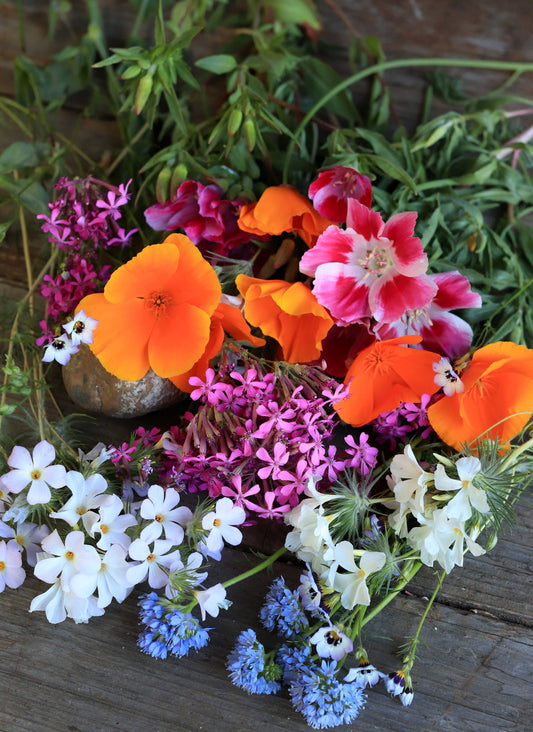
Pollinator Flowers - California Wildflower Mix
Annual
Spring/summer bloom. Frost tender.
Best to Start Directly Outdoors
In early spring, as soon as soil can be worked, sow seeds directly into a finely textured, welldrained garden bed in full sun. In mild climates, sow in cool fall weather for spring bloom. Shake packet to mix. Scatter the seed thinly and evenly over the soil, aiming to have the seeds about 1 to 3 inches or so apart. Cover lightly, about ¼ inch deep, and gently firm the soil over the seeds - a flat rake is handy for this step.
Water thoroughly and evenly with a gentle spray. Keep the seed bed moist while awaiting germination. When seedlings are large enough to handle, thin to final spacing of 6 to 8 inches apart so they have room to mature.
Growing Notes
This fast-growing annual mix blooms in succession from early spring thru summer and provides a sustained feast for bees and other pollinators. Self-sows nicely for future seasons of bloom.
Contains: Bird’s Eyes (Gilia tricolor), Chinese Houses (Collinsia heterophylla), Dwarf Godetia (Clarkia amoena), Dwarf California Poppy (Eschscholzia caespitosa), Five-Spot (Nemophila maculata), Globe Gilia (Gilia capitata), Goldfields (Lasthenia glabrata), Mountain Phlox (Linanthus grandiflorus), Orange California Poppy (Eschscholzia californica), Tidy-Tips (Layia platyglossa)
Regular price $3.99Sale price $3.99Unit price per -
Butterfly Calendula - Touch of Red
Hardy Annual
Spring/fall bloom.
Takes light frost.
To Start Outdoors
Calendulas bloom best in cool weather, so plant in early spring. Sow seeds 1 inch apart in welldrained soil in full sun. Cover ½ inch deep, firm soil and keep seed bed moist. Germination takes 1 to 2 weeks. After seedlings are well established, thin or transplant 8 inches apart to allow for good air circulation and discourage mildew. Calendulas can be sown again in midsummer for fall bloom.
To Start Early Indoors
In early spring, sow seeds 1 inch apart in a container of seed starting mix and cover ½ inch deep. Keep evenly moist as seedlings emerge and provide a good light source until ready to plant outdoors. Transplant when seedlings are about 2 to 3 inches tall after gradually acclimating plants to outdoor conditions.
Thin or Transplant
Space seedlings 8 inches apart for best performance.
Growing Notes
Plant when weather is cool to get sturdy plants that bloom for many weeks if faded flowers are removed. Grow this quick-flowering, easy annual along with snapdragons, cornflowers and pansies for late spring bloom. In mild climates, sow again in late summer for winter or very early spring flowers.
Regular price $3.39Sale price $3.39Unit price per -
Improved Artichoke - Green Globe
Tender Perennial
Not frost hardy.
Best to Start Indoors
Start seeds indoors about 6 weeks before the last frost date. Sow seeds ½ inch deep and 2 inches apart in a container of seed starting mix. Keep evenly moist but not soggy. Provide a strong light source as soon as seedlings appear. Germination takes 10 to 21 days. When well-developed and large enough to handle, acclimate seedlings gradually to outdoors, then plant sturdiest seedlings 3 feet apart into welldrained, fertile soil in full sun. Artichokes enjoy cool weather and can handle light frost.
Growing Notes
Artichoke plants thrive and will produce the most edible flower buds (the part we eat) in cool weather, aided by rich, well-drained soil and consistent moisture. Transplant only stocky seedlings, planting 3 feet apart. Look for and control slugs, snails and earwigs which find artichokes highly appealing. Apply a thick layer of mulch to keep soil cool. Fertilize regularly as artichokes are heavy feeders. Harvest edible buds when they are fully formed and solid, but before petals start to open. Before cooking, soak artichokes in well-salted water for 10 minutes to rid them of any insects hidden between petals. Let some artichoke buds mature and bloom; the striking flowers are a heavenly shade of blue-purple and beloved by pollinators.
Regular price $2.99Sale price $2.99Unit price per